Ashley Artrip shared their story and experiences with us recently and you can find our conversation below.
Ashley, we’re thrilled to have you with us today. Before we jump into your intro and the heart of the interview, let’s start with a bit of an ice breaker: What is a normal day like for you right now?
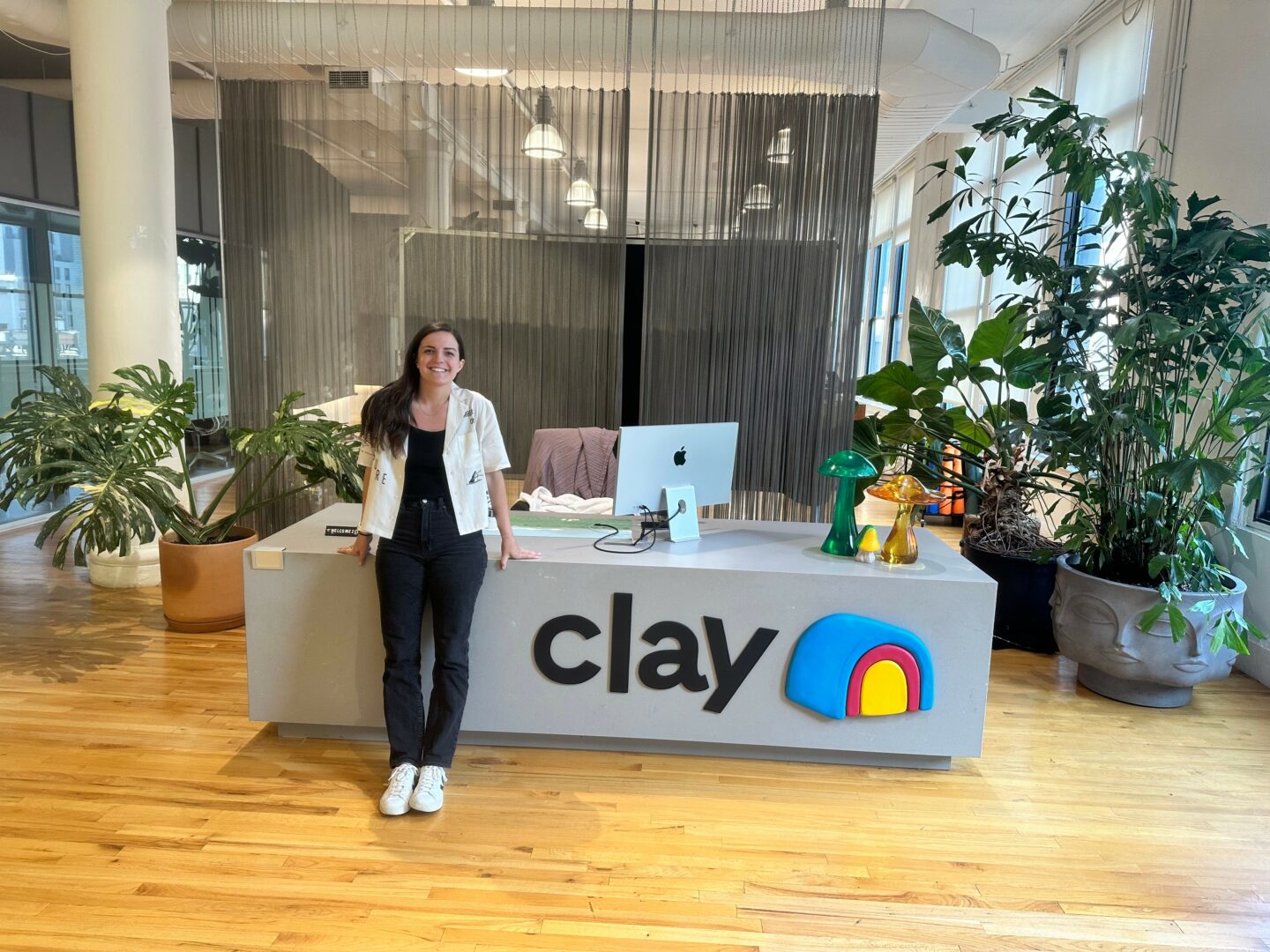
A normal day for me right now is structured but spacious. I’m most clear and creative in the mornings, so I protect that time for deep thinking, writing, and building. Much of that work shows up in my role at Clay, where I lead and practice go to market engineering. I spend time designing systems that help teams grow with more intention, using data, automation, and creativity together rather than in silos.
Midday is usually collaborative. I’m in conversations with customers, working closely with my team, or partnering cross functionally to solve complex go to market challenges. I love this part of the day because it sits at the intersection of strategy and people. Afternoons are lighter and more flexible, often reserved for wrapping loose ends, taking a walk, or shifting into more reflective work.
Outside of work, my days are anchored by small rituals that keep me grounded. Cooking, reading, movement, time with my dog, and staying connected to the people I love. Life feels full right now, not rushed. I’m learning how to hold ambition and presence at the same time, and that balance shapes how I move through each day.
Can you briefly introduce yourself and share what makes you or your brand unique?
Hey I’m Ashley, a go to market engineering leader, community builder, and lifelong learner. Professionally, I work at Clay, where I help companies design smarter, more human ways to grow by blending sales & marketing, systems, and creative thinking. My work lives at the intersection of strategy, technology, and people, helping teams grow.
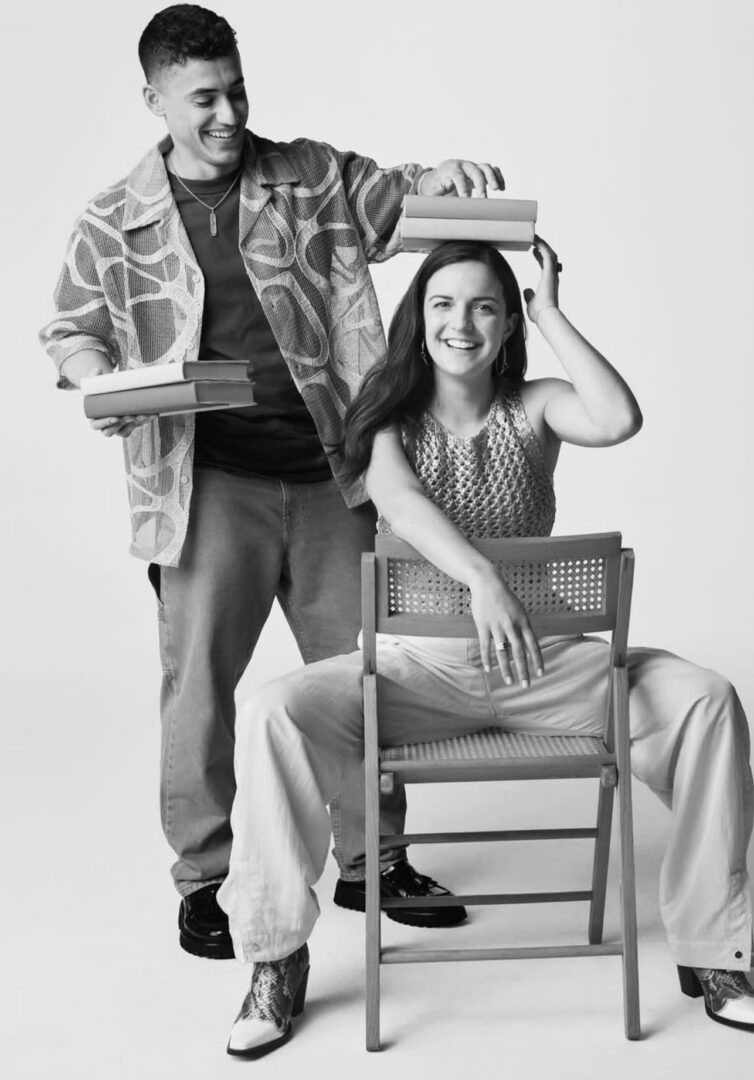
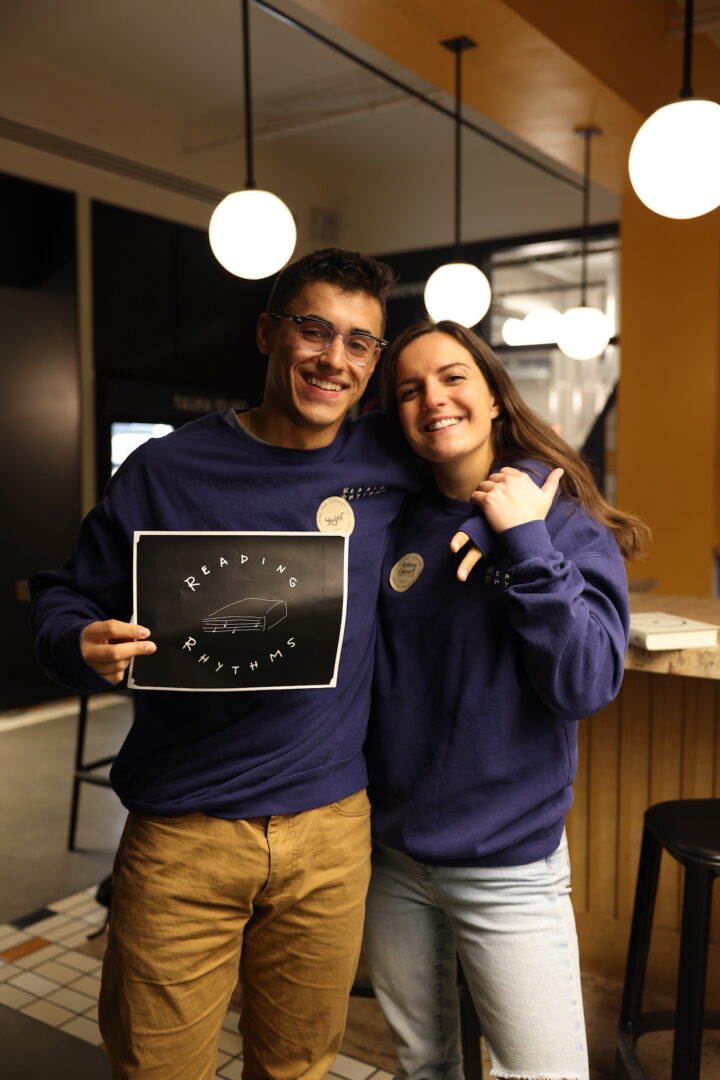
I’m also part of the founding team behind Reading Rhythms, a global reading party community created to bring people together through quiet, shared moments with books. What began as a small experiment in New York has grown into a movement across cities and countries. Reading Rhythms is special because it creates space for presence and connection in a world that rarely slows down. There’s no pressure to perform or discuss, just people, books, and time to be with your own thoughts.
At the core of everything I do is a belief that growth should feel meaningful, not exhausting. Whether I’m building go to market systems or helping shape Reading Rhythms, I’m focused on creating experiences that help people feel more intentional, connected, and grounded in the way they work and live.
Appreciate your sharing that. Let’s talk about your life, growing up and some of topics and learnings around that. What relationship most shaped how you see yourself?
The relationship that most shaped how I see myself started with a cold email and a lot of audacity.
When I was at Vanderbilt, I was working on an idea that didn’t fit neatly into the usual career advice box. Everyone was being told to optimize for prestige or industry. I wanted to flip that. I was building an app that connected students to alumni mentors based on strengths, not just shared interests or job titles. The belief underneath it was simple but radical to me at the time. If you understand who you are, you open up far more possibilities for what you can do.
I emailed Paul Allen, the founder of Ancestry, because he was deeply involved in Gallup and its strengths based work. I didn’t really expect a response. Instead, he saw the vision immediately. He believed in the idea and in me enough to offer me a role at Gallup, which ultimately led me to leave college and take a very non traditional path.
That relationship changed how I see myself in the world. It showed me that my ideas have weight, that I don’t need to wait for permission to build, and that unconventional paths can be deeply valid. Years later, seeing those same ideas reflected in Gallup’s work with colleges feels surreal and grounding at the same time.
More than anything, it gave me a lasting belief I still live by. If you can clearly articulate a vision that helps people understand themselves better, and you’re willing to take a risk on it, it can open doors you never knew existed.
If you could say one kind thing to your younger self, what would it be?
I’d tell my younger self that intelligence isn’t one thing, and it’s definitely not just the kind that gets praised early.
I spent a long time feeling like I wasn’t smart enough and felt like other people just got things faster or more naturally than I did in school. I wish I had known then that being curious, asking different questions, noticing patterns, and imagining alternatives are forms of intelligence too. They just don’t always show up on report cards or in obvious ways when you’re young.
I’d also tell her that the world has much better plans than the narrow boxes she was trying to squeeze into. That not fitting the mold wasn’t a problem, but instead a sign that her path would be a little less obvious and a lot more interesting. Most of all, I’d tell her to trust herself sooner. You don’t have to be a prodigy to build something meaningful. Sometimes you just need time, context, and the courage to keep going even when you’re not sure where it leads.
Next, maybe we can discuss some of your foundational philosophies and views? What would your closest friends say really matters to you?
My closest friends would say that intention really matters to me.
I care deeply about how things are done, not just what gets done. The way people feel in a room, whether someone feels seen or safe to be honest, whether time is being spent meaningfully. I’m very attuned to energy, connection, and want everyone to feel like they can be the rawest most authentic version of themselves around me.
They’d also say I care about growth, but in a grounded way. Not growth for the sake of achievement, but becoming more honest, more self aware, and more alive over time. I’m always asking how to live and work in a way that feels true, even when it’s uncomfortable. At the core, what matters most to me is building a life where ambition and care coexist. Where relationships, curiosity, and presence aren’t sacrificed in the name of success, but are actually the point.
Before we go, we’d love to hear your thoughts on some longer-run, legacy type questions. What is the story you hope people tell about you when you’re gone?
I hope people say that I helped them see themselves more clearly.
That I made space for them to slow down, ask better questions, and imagine possibilities they hadn’t considered before. That I cared about how things felt, not just how they looked, and that being around me made it easier to be honest.
I’d want them to say that I built things with intention, whether that was work, communities, or relationships, and that I did it in a way that never lost sight of people. That I was ambitious, but never at the expense of kindness or presence.
More than anything, I hope the story is that I lived a life that felt true, and that in doing so, I gave others permission to do the same.
Contact Info:
so if you or someone you know deserves recognition please let us know here.