Buffie Alloway shared their story and experiences with us recently and you can find our conversation below.
Buffie, so good to connect and we’re excited to share your story and insights with our audience. There’s a ton to learn from your story, but let’s start with a warm up before we get into the heart of the interview. What do you think is misunderstood about your business?
It’s interesting that you asked this question, as it’s something I’ve been reflecting on over the past few months. In this new era, more individuals are seeking counseling than ever before, and that is truly encouraging. Especially considering that many still view mental health care as taboo.
Two of the most common misconceptions about therapy are, first, that every counselor is the right fit for every client. This simply isn’t true. Building rapport is a mutual process. Just as you might change physicians if the personality fit or cost–benefit balance feels off, it’s completely valid to seek a therapist whose style and approach align with your needs.
The second misconception is that psychotherapy can “fix” any problem a person is facing. In reality, a therapist can only work with what is shared and presented in the room. Even then, the client ultimately remains in control of their own life and decisions. While therapists make every effort to support clients through their challenges and are ethically obligated to recommend or facilitate a higher level of care when needed. This gray area is often where misunderstandings arise.
The recent push for mental health awareness has been incredibly successful, but it has also created situations where some individuals may use certain “trigger words” to influence outcomes, while others may avoid important language, unintentionally masking what’s truly going on. Because of this, I strongly encourage anyone seeking support to be as open and honest as they can. Transparency allows therapy to be more effective and ensures clients receive the full benefit of the work.
Therapy can be a long journey, but it is absolutely one worth taking, because you are worth that effort and care.
Can you briefly introduce yourself and share what makes you or your brand unique?
Introducing Buffie Alloway, M.S. LPC-S NCC — Finding Inspiration at Every Turn
My journey into the mental health field began with a simple truth: growing up, I never saw an example of a female therapist who looked like me. Access to counseling wasn’t a luxury my family could afford, and that absence shaped my purpose. Today, creating meaningful change in my community is not only my profession—it’s my “why.”
I am Buffie Alloway, a Licensed Professional Counselor, yoga and meditation instructor, former Navy spouse, author, and lifelong service-driven entrepreneur. With more than 22 years of experience in leadership, supervision, education, and clinical support, I’ve dedicated my career to serving both military-connected families and civilian communities. My work spans counseling, diversity and inclusion training, academic instruction at both undergraduate and graduate levels, and organizational development in classrooms, boardrooms, and online spaces.
Currently, I serve as a Military Family Life Counselor, where I support military families. I frequently lead presentations on deployment, reintegration, and youth resilience helping individuals navigate the unique stressors of military life.
Before stepping into my current role, I served as Program and Curriculum Coordinator at Troy University, Coordinator of Instruction and Guidance at Abraham Baldwin Agricultural College for federal TRIO programs, and as an adjunct instructor in both in-person and online settings. My earlier years in private practice also led me on a personal pilgrimage along the Camino Francés in Spain a 100-mile journey that deepened my appreciation for global cultures, humanity, and the transformative power of intentional reflection.
My educational path began with certification in Nursing Assistant/Home Health Aide at Trenholm State Community College, followed by a Bachelor of Science in Journalism/Advertising and a Master of Science in Community Counseling and Psychology from Troy University. I later completed doctoral coursework in Higher Education and Organizational Leadership at Nova Southeastern University. I’ve also hosted the syndicated radio program The New Heights Show on Education and am a proud mother of two and grandmother of one.
What makes my work unique is rooted in lived experience, cultural insight, and an unwavering belief that healing should be accessible to everyone. Every role I’ve held, every community I’ve served, and every mile I’ve walked has shaped the therapist and advocate I am today. And I am continually inspired at every turn by the resilience of the people I serve.
Amazing, so let’s take a moment to go back in time. Who taught you the most about work?
Without question, the people who taught me the most about work were my grandparents and my parents. Their examples shaped my understanding of responsibility, service, and the dignity that comes from showing up every day with purpose.
I remember watching my grandfather rise before dawn to tend to his crops watermelons and all kinds of produce often heading straight from work or community gathering back to the fields because the work still had to be done. At one time, he even drove a school bus. I was too young then to fully grasp it, but his steady commitment left a lasting impression on me.
My grandmother was just as dedicated. From sunup to sundown, she worked cooking, caring for the home, gathering eggs from the chicken coop, and managing whatever needed attention around the house. There was always something to do, and she did it with a quiet, unwavering strength.
My father modeled that same resilience. For over 30 years, he worked civil service at Maxwell Air Force Base in the laundry department, often leaving before the sun came up. After long days at work, he would come home and “pulp wooding,” which we now call logging cutting and stacking firewood late into the night. He also spent countless evenings under the hood of a car to make sure he had reliable transportation to get back to work the next day. His perseverance taught me that sometimes dedication means doing whatever it takes, even when no one is watching.
My mother contributed her own powerful lessons. She cooked, canned, sewed, knitted, and served our community in countless ways. Once a month and sometimes more she would prepare full home-cooked meals, desserts included, for elderly neighbors who could no longer provide for themselves. My father would help deliver them. This wasn’t just a holiday tradition; it was a year-round ministry of care.
Through my family and through my church’s missionary projects, I learned that work isn’t only about earning a living it’s about giving back. Growing up, we made sure that people who were recovering from surgery, grieving a loss, facing hardship, or simply unable to manage on their own felt seen and supported. Sometimes one warm meal or one small act of kindness was enough to give someone a glimmer of hope to keep going.
Those lessons service, consistency, compassion, and community have stayed with me throughout my life. They continue to guide the work I do today, reminding me that even the smallest act can make someone’s life a little brighter.
Was there ever a time you almost gave up?
Yes, there was a time in my life when I came very close to giving up. I don’t revisit that season often, but it was a defining moment for me. When I moved from California, I was heading toward divorce with two young children and no college degree. It was one of the hardest chapters of my life. Growing up in the South and in the church, divorce felt like something that simply didn’t happen. You stayed married “until the end.” Yet there I was young, scared, and facing a completely different reality.
I remember sitting down and asking myself what kind of life I wanted for my children and for myself. I was determined not to move back home with my parents, so I knew I had to create a plan for stability. I got a dependable job, but one day it hit me: if that job let me go, I had nothing to fall back on. Yes, I had my Nursing Assistant/Home Health Aide certificate from Trenholm State Community College, but it wasn’t enough to build the future I envisioned for my family.
That realization pushed me to go back to college.
I began searching for affordable housing and decided to move into public housing, the safest option I could find for my children and close enough to the college that I could walk to campus if my car broke down. And it did many times. I will never forget one day in particular: my car was out of commission, I had to ask my parents to keep the kids, and I walked to school in the rain. Cars passed me some headed in the same direction, but I kept walking. I figured if I cried in the rain, no one would notice anyway. So, I cried, walked, and then I went to class.
Those moments shaped me. I repaired the car, got back on track, and pushed forward with everything I had. Instead of taking four years to finish undergrad, I completed my degree in three. My master’s program normally took two and a half years I finished in two. I was determined to build a better life for my children, and that determination carried me through every challenge.
Public housing was a blessing during that time. It gave me a safe, stable place to raise my children while I worked and studied. I paid my rent on my own, and when I was able to afford to move out, I did shortly after earning my undergraduate degree.
Looking back, those hardships strengthened me. They taught me resilience, sacrifice, and faith in my own ability to overcome. We survived, we grew up, and we built a new life. And for that, I am grateful.
I think our readers would appreciate hearing more about your values and what you think matters in life and career, etc. So our next question is along those lines. What’s a belief or project you’re committed to, no matter how long it takes?
A project I’ve been committed to for as long as I can remember is helping young people, especially those from first-generation, low-income backgrounds like my own understand the possibilities available to them. I know firsthand how limited life can feel when you don’t have guidance, resources, or examples to look up to. That’s why this mission has stayed on my heart for years.
This passion led me to create a youth development workbook. It has evolved over time from World Knowledge Academic Workbook to Modern Knowledge, and now to Keys to Happiness. Today, it is available on Amazon, and several youth programs have adopted it for their summer curriculum. Though it hasn’t gained widespread acclaim, I truly believe God has guided this project into the hands of the young people who needed it most.
The workbook covers a wide range of life-shaping concepts: creating a personal vision plan, mapping out long-term goals, understanding budgeting and financial basics, and recognizing the importance of community and service. It encourages youth to think beyond their immediate surroundings locally, regionally, nationally, and globally and to seek mentors who can help them stay focused on their purpose. These are the tools I wish I had when I was growing up.
Every year, I refine the workbook, the facilitator’s guide, and the online materials to make them better and more relevant. I often ask myself whether the world still needs this, especially as technology and AI reshape our lives, but I always come back to the same answer: yes. Young people still need direction, structure, empowerment, and guidance. And every time a student or program uses the workbook and finds value in it, I know the effort is worth it.
I remain committed to expanding this project and reaching more youth and young adults around the world. I’ve even seen adults benefit from the principles inside it. For reasons I can only attribute to God, this is something I cannot give up on and so I continue striving to make it stronger, more impactful, and more accessible, no matter how long it takes.
Thank you so much for all of your openness so far. Maybe we can close with a future oriented question. When do you feel most at peace?
I feel most at peace when I’m at home with my family, my parents, my brothers, my children, and my grandchild. Being with them brings me a sense of comfort and grounding that I don’t find anywhere else. At home, I can simply be myself. I can talk if I want to, or stay quiet if I choose, without feeling any pressure to perform or explain.
What many people don’t realize about me is that, despite the work I do presenting, teaching, counseling, and constantly interacting my true nature is very shy and very quiet. I can go through an entire day without saying much at all, and that is when I am completely in my element. I’d describe myself as an introvert who has learned to walk the line between introversion and extroversion because my career requires it. I show up fully when it’s needed, but at my core, I am a quiet, reflective person.
So, the moments when I’m surrounded by my immediate family, free to be exactly who I am, are the moments when I feel the deepest peace.
Contact Info:
- Website: https://bmcllc.org
- Linkedin: https://www.linkedin.com/in/buffie-m-alloway-m-s-lpc-s-ncc-68381614b
- Youtube: https://youtube.com/@buffiemalloway?si=LGRiXiDVQem1Y98b
- Soundcloud: n/A
- Other: linktr.ee/bmconsultingllcradio.newheightseducation.org/buffie-williams
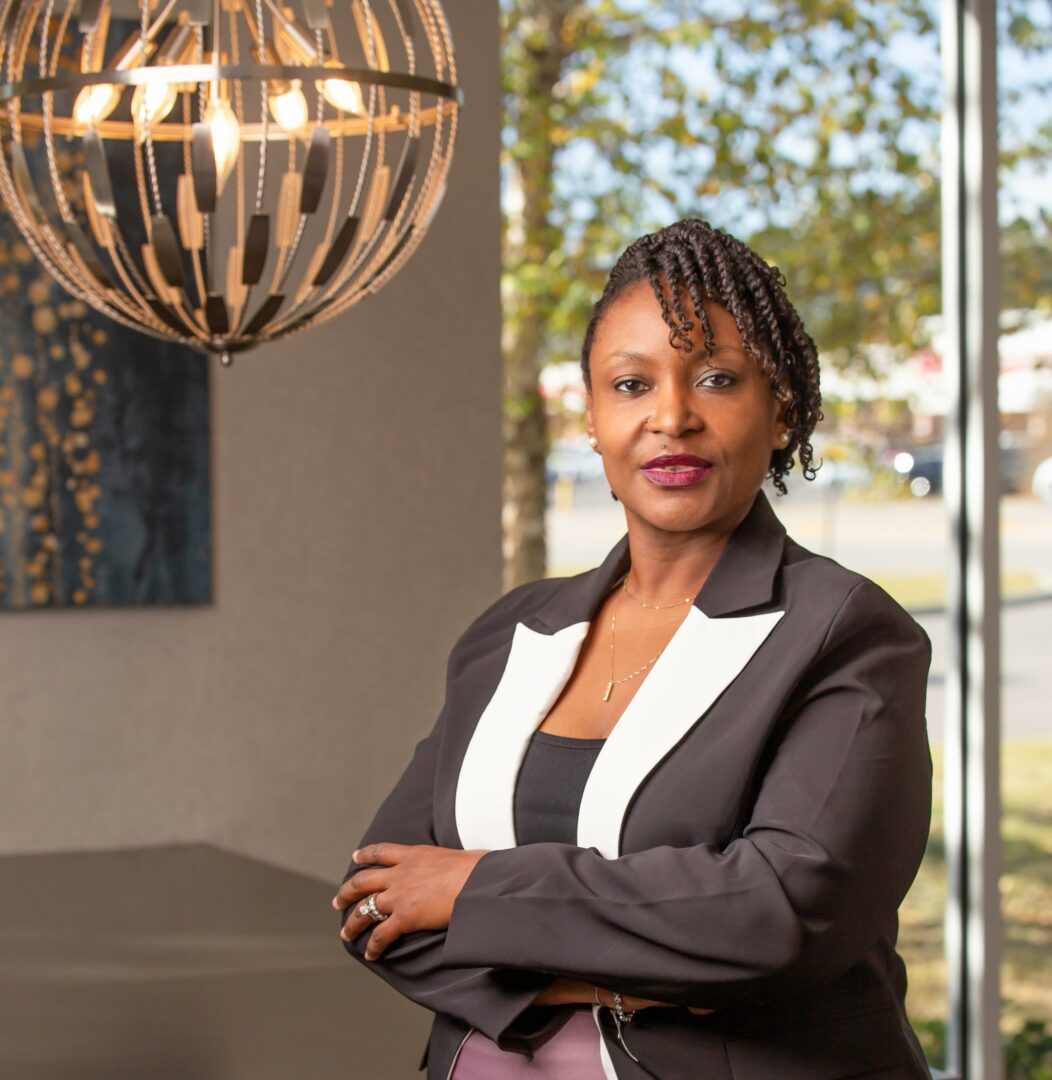
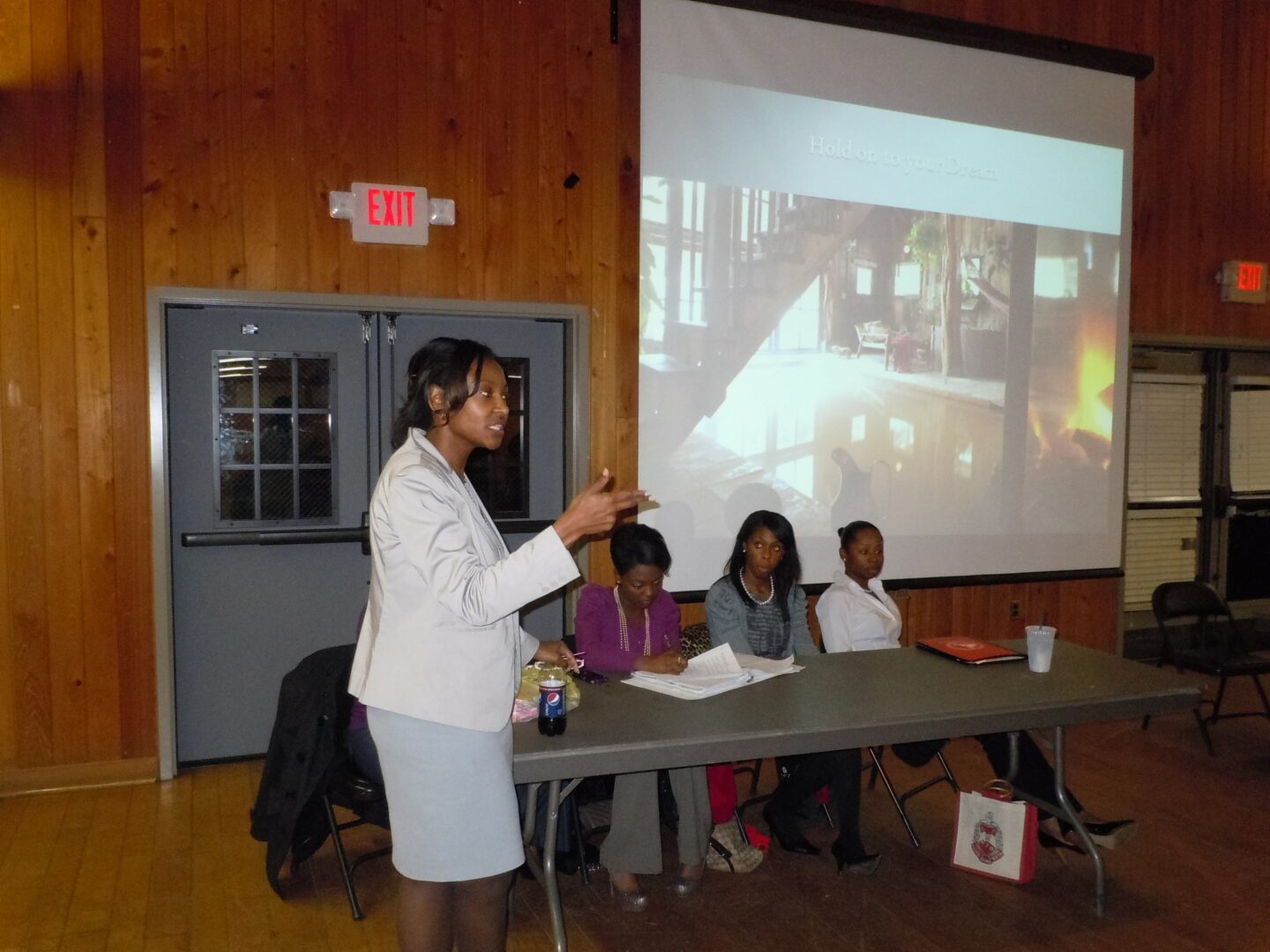
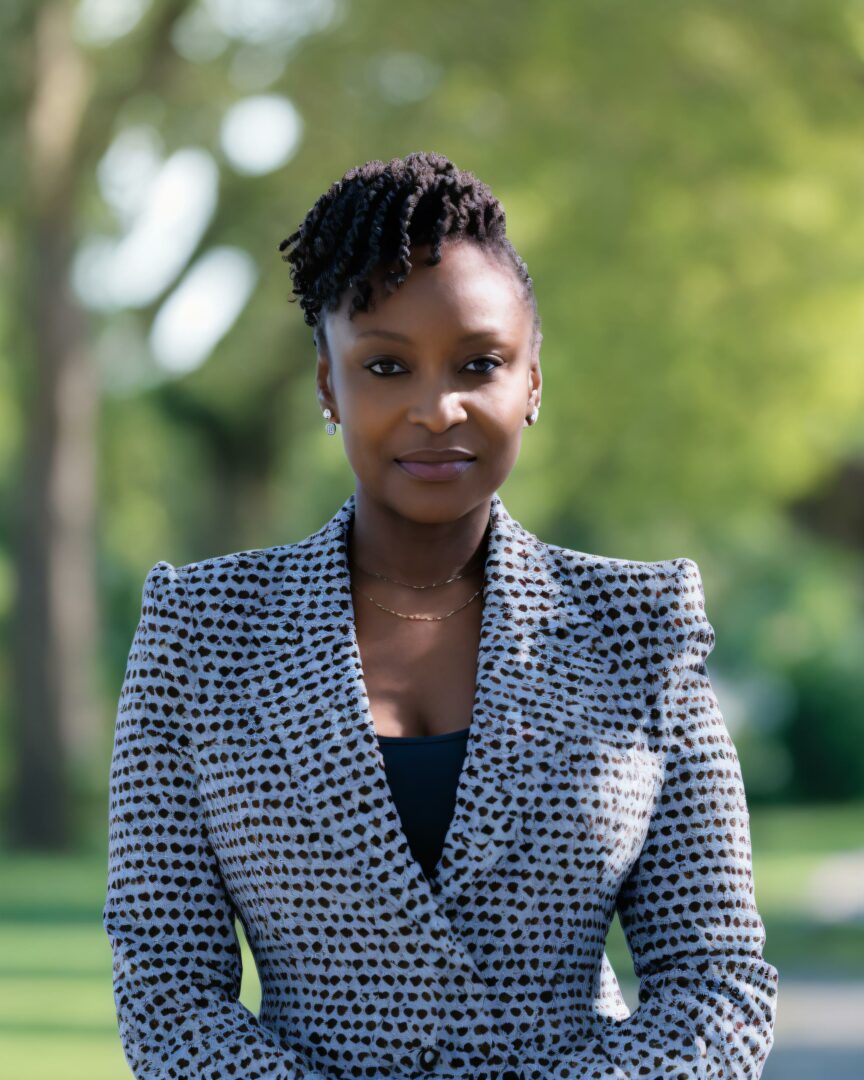
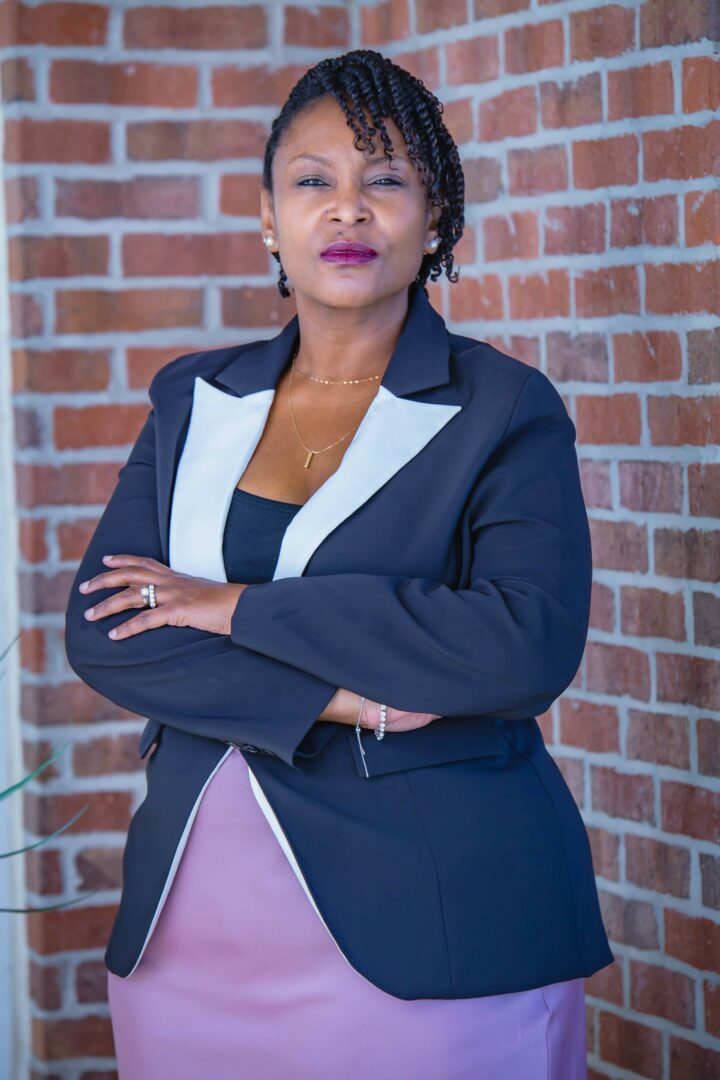
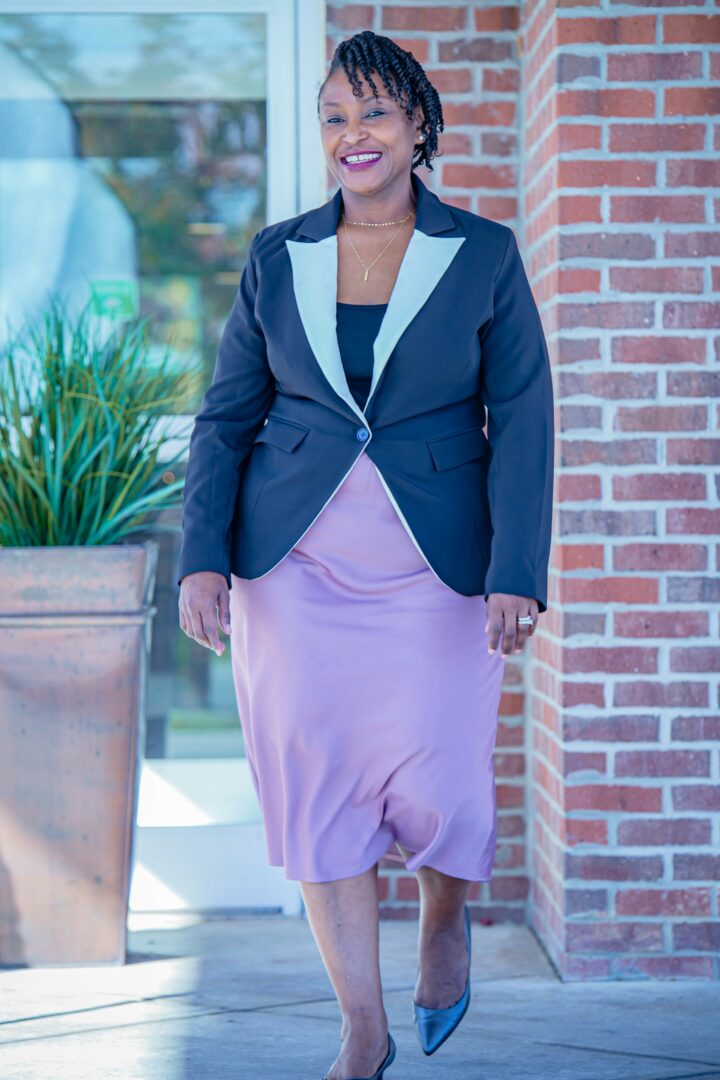
Image Credits
Dianie Coston
so if you or someone you know deserves recognition please let us know here.