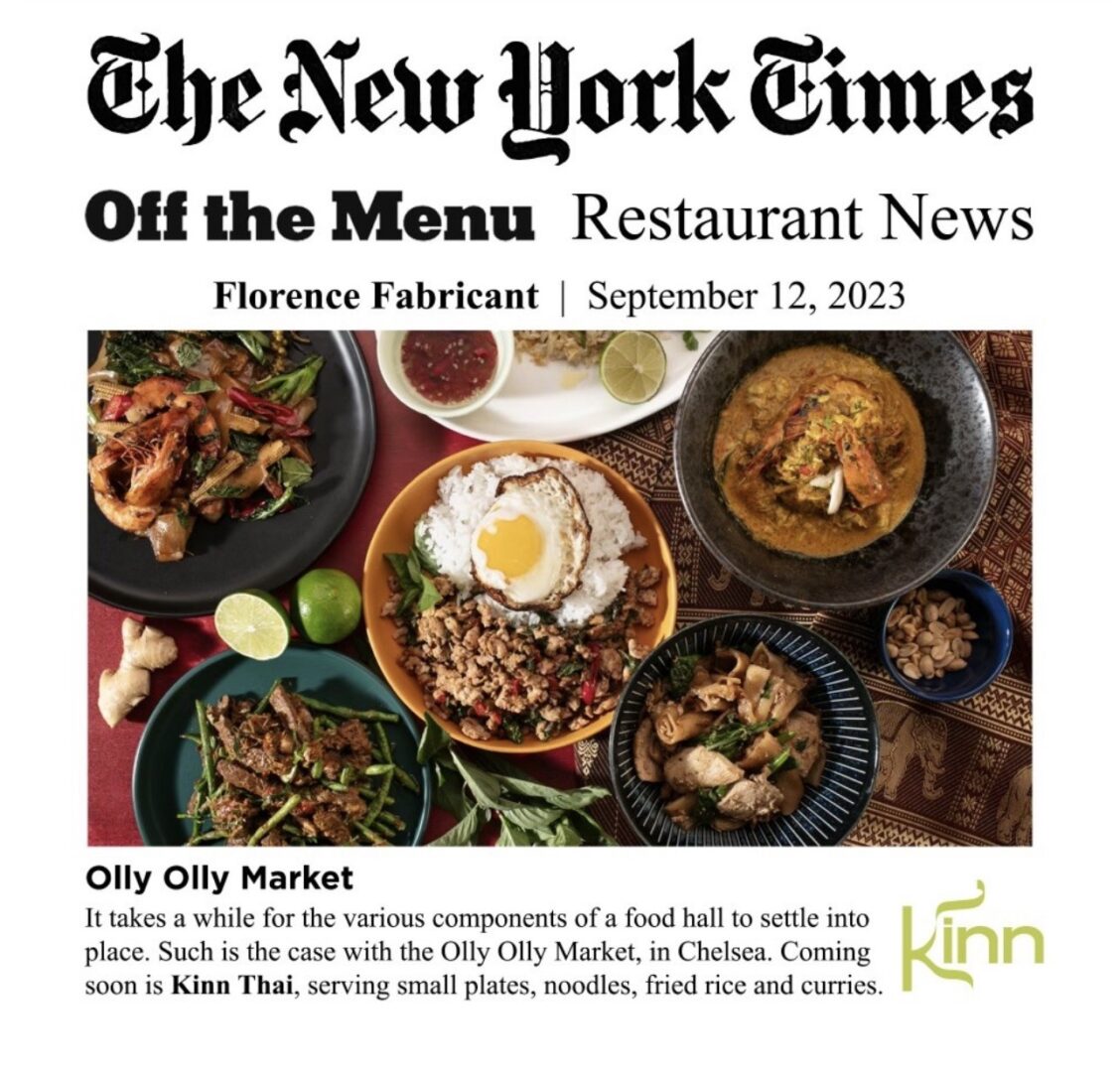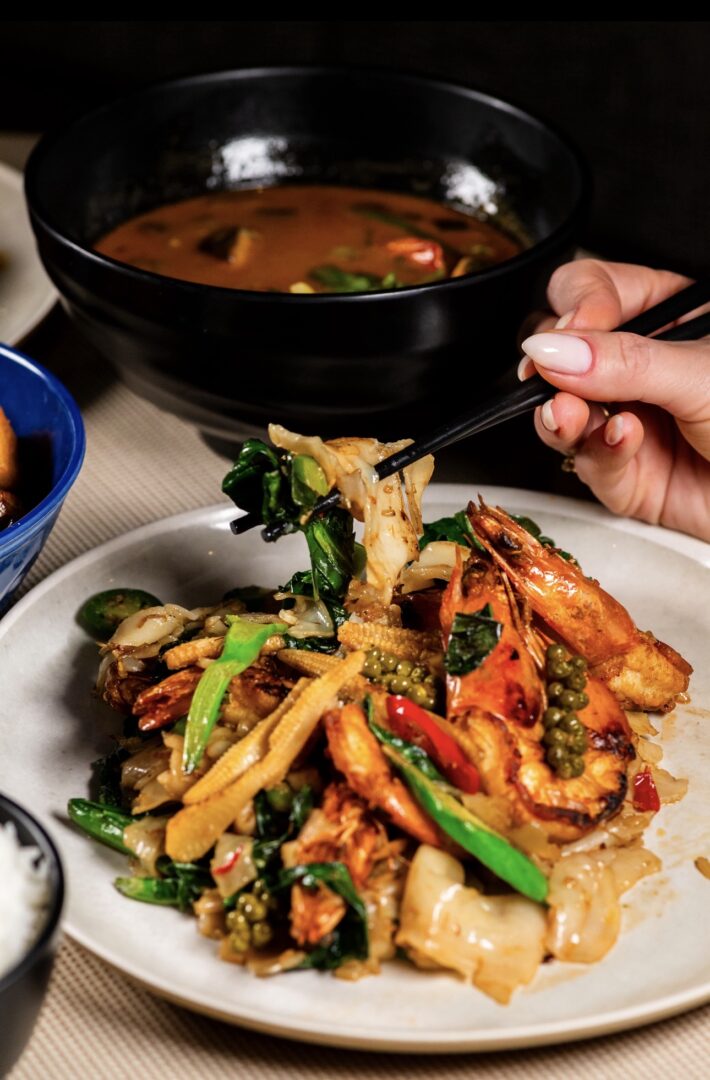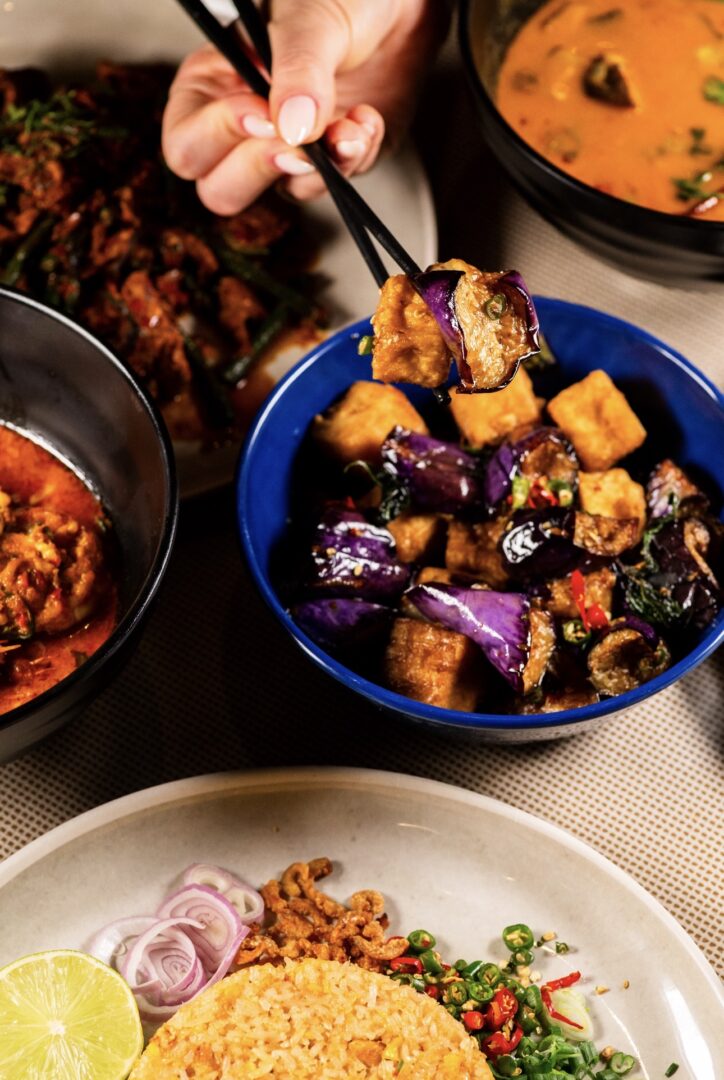
For founder Christy LoPresto, EatKinn LLC was never meant to stop at the plate. Rooted in Thai culture, family tradition, and an uncompromising respect for process, Kinn began as a from-scratch restaurant and has grown organically into chili oil, candles, and The Kinn Collection—each extension guided by the same philosophy of craft and care. By translating the feeling of food—comfort, memory, ritual—into products for the home, LoPresto is building a brand designed to live quietly and meaningfully in everyday life, offering well-made essentials people can trust, return to, and gather around.
Hi Christy, thank you so much for taking the time to share your story with our readers — can you start by telling us how EatKinn LLC came to life and what inspired you to build multiple offerings under one cohesive brand?
Kinn began as a deeply personal expression of Thai food, culture, and family traditions. “Kinn” means “to eat” in Thai, but in English it also resonates as kin — family. That dual meaning reflects what I wanted to create: nourishment, connection, and togetherness. From the beginning, the brand was never meant to live only in a restaurant. Food has always been part of a larger lifestyle — how we gather, slow down, and create rituals rooted in culture. Expanding into multiple offerings felt natural because they all come from the same philosophy: craft and a deep respect for process.
Your Thai restaurant is known for making everything from scratch daily. Why was that commitment to quality and process so important to you, and how does it influence everything else you create?
That commitment comes from respect — for the culture, the ingredients, and the people eating the food. Thai cooking is built on process: pounding pastes, layering flavors, and taking the time to let things develop properly. Cutting corners changes the food completely, and I never wanted to compromise that.
That mindset influences everything I do beyond the restaurant. Whether it’s chili oil, candles, or future products, the same standards apply. I care deeply about how something is made, not just how it looks or sells. If it carries the Kinn name, it needs to feel considered, honest, and consistent with the way we cook.
You’ve expanded beyond the restaurant into chili oil, candles, and now The Kinn Collection. How do you think about translating a food experience into home, kitchen, and lifestyle products?
I think about how food feels, not just how it tastes. Food is tied to memory, comfort, and ritual — and those feelings don’t stop once the meal is over. The goal with The Kinn Collection is to extend that experience into everyday life.
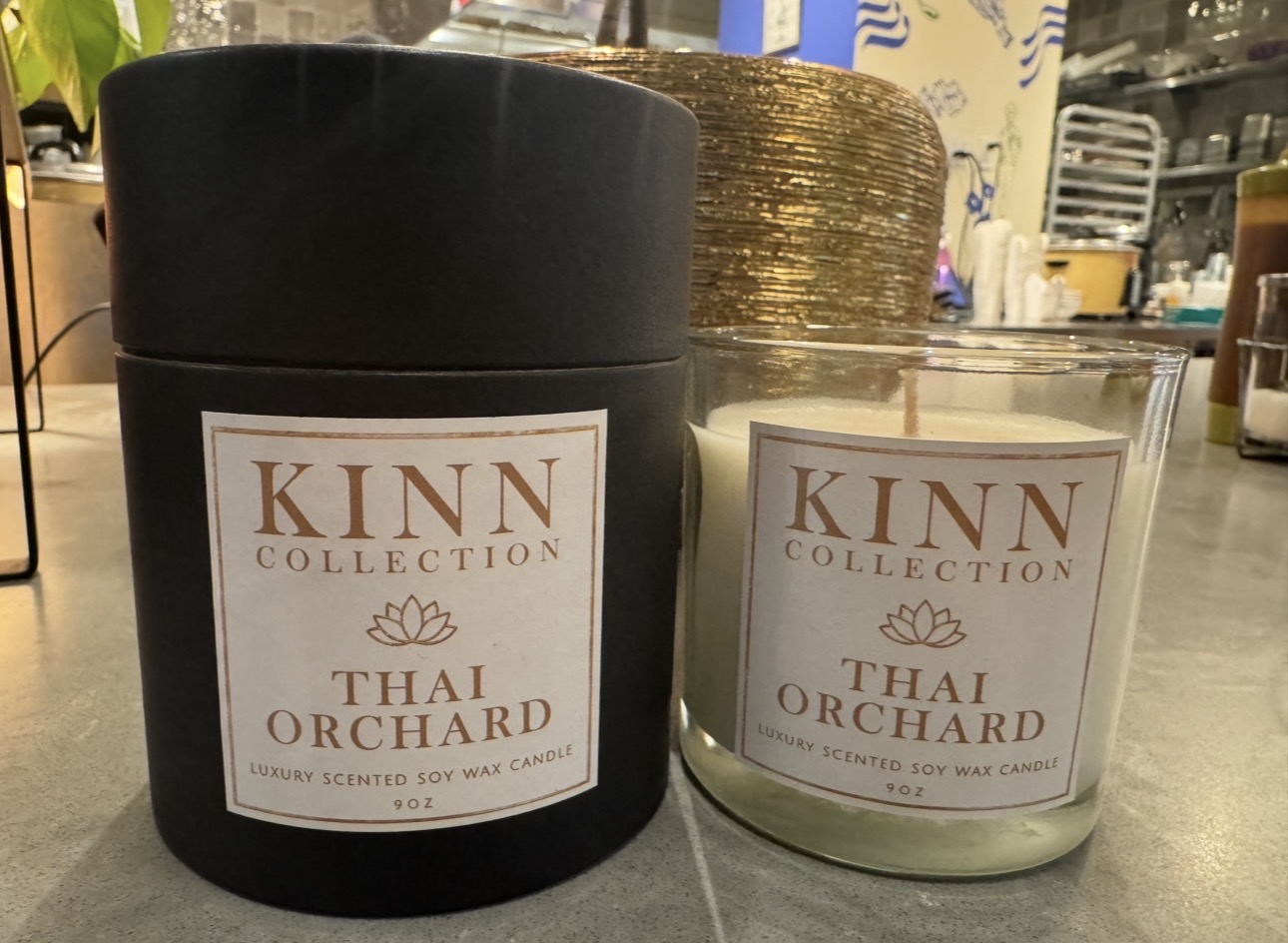
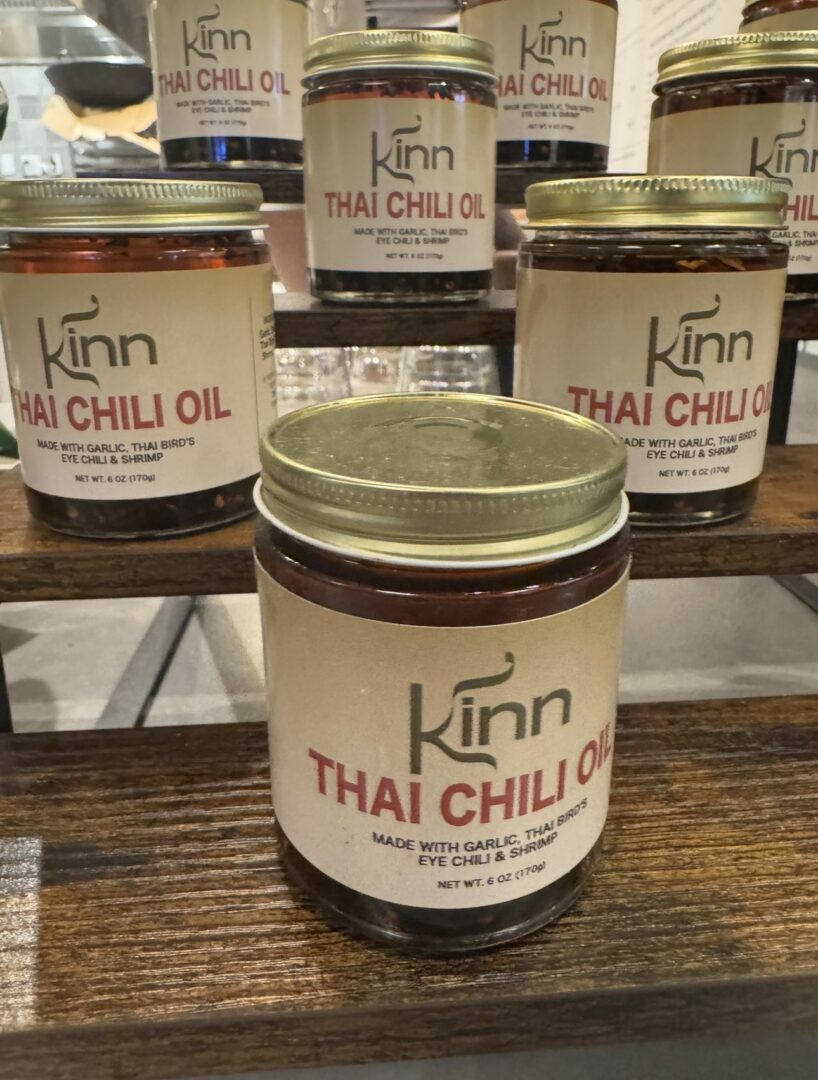
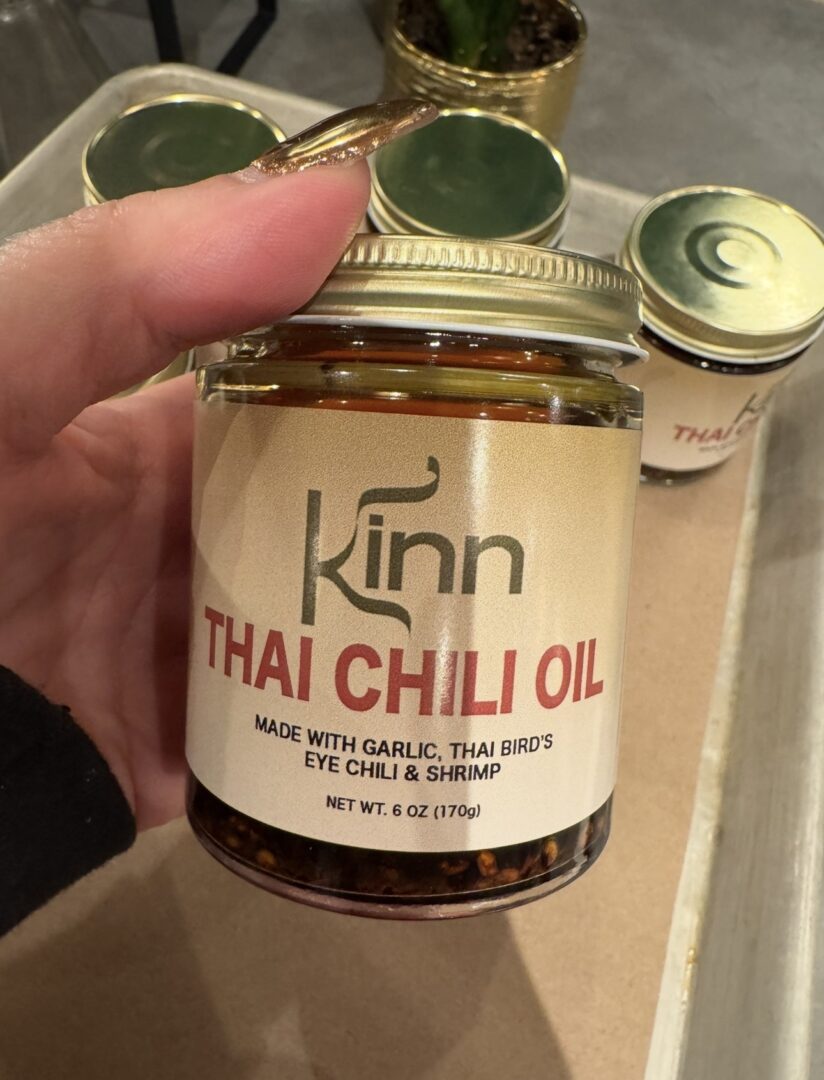
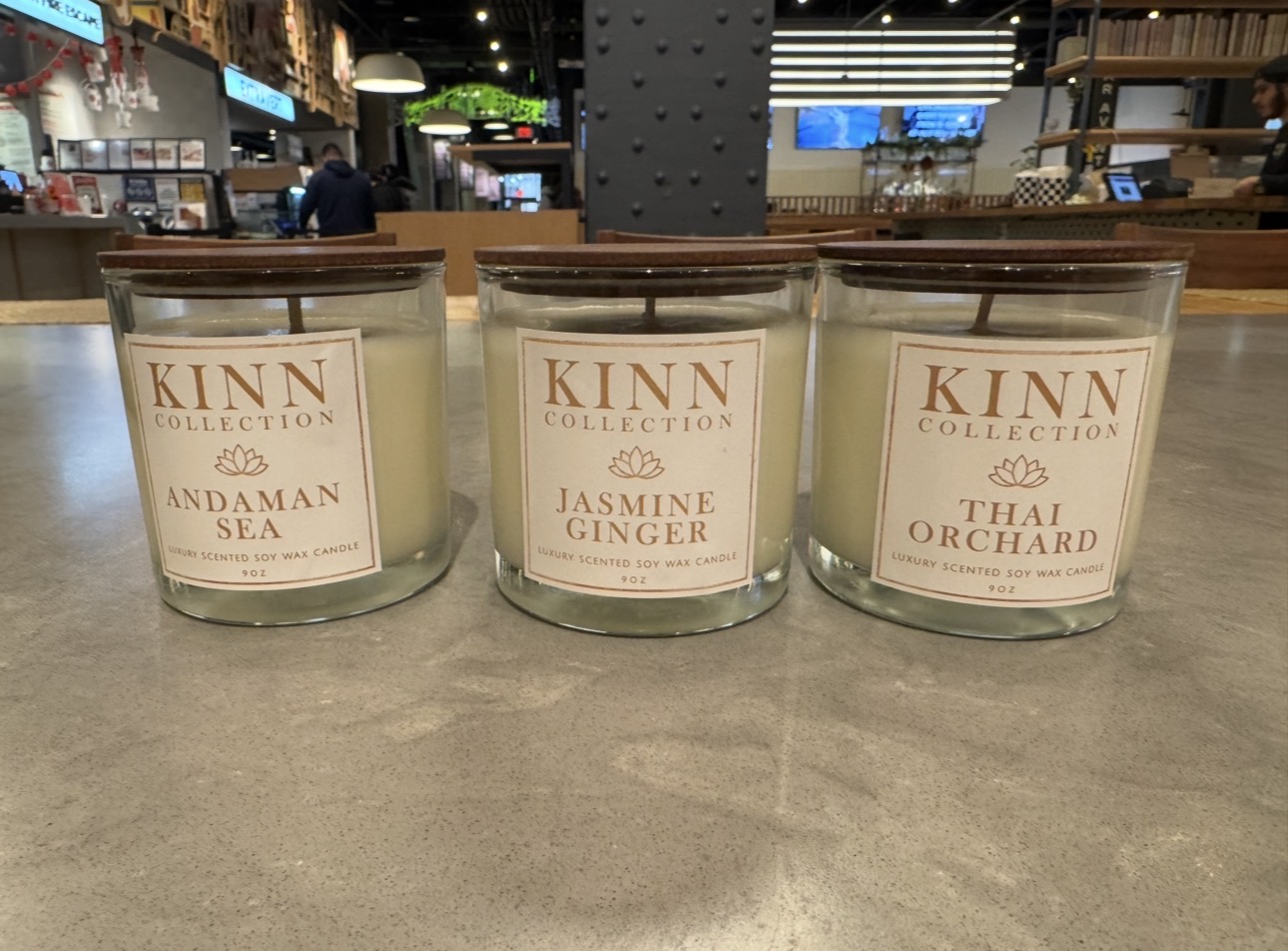
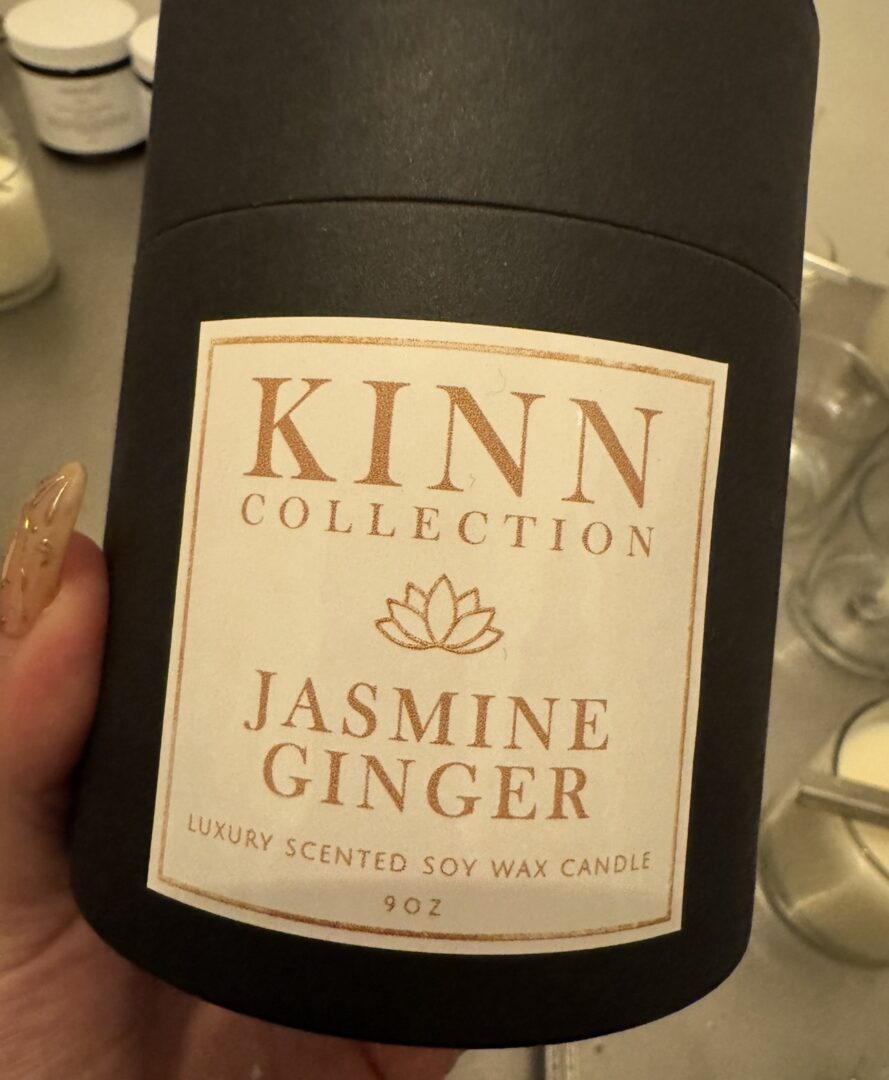
Chili oil brings the flavors and energy of the kitchen into home cooking. Candles tap into the sensory side — scent, mood, atmosphere. Even though the products are different, they all come from the same place emotionally. They’re meant to feel familiar, useful, and connected to the experience of eating, cooking, and gathering.
What has the journey of bottling and selling your chili oil out of a small restaurant stall taught you about product development, customer connection, and growing a brand organically?
It taught me the value of listening and paying attention. The chili oil wasn’t created as a product launch — it started because customers kept asking for it. That kind of feedback is honest and earned.
Bottling it in a small space meant being involved in every detail, from flavor consistency to packaging to how it was presented. It showed me that organic growth happens when people trust what you’re making. When customers feel connected to the product and the story behind it, they support the brand in a much deeper way.
Looking ahead, with a cookbook and a full line of home and kitchen goods on the horizon, what’s your long-term vision for Kinn and the world you want people to feel when they bring your products into their homes?
I want Kinn to grow thoughtfully and become a household name that people trust. That includes expanding into jarred curries, traditional pastes, additional sauces, and opening future restaurant locations — but only in a way that feels intentional and aligned with where the brand started.
The larger vision is about making Kinn part of everyday life. When people bring Kinn into their homes — whether through food, cooking, or lifestyle products — I want it to feel familiar, comforting, and rooted in culture. Nothing overdone, nothing forced. Just well-made things that people return to and rely on.