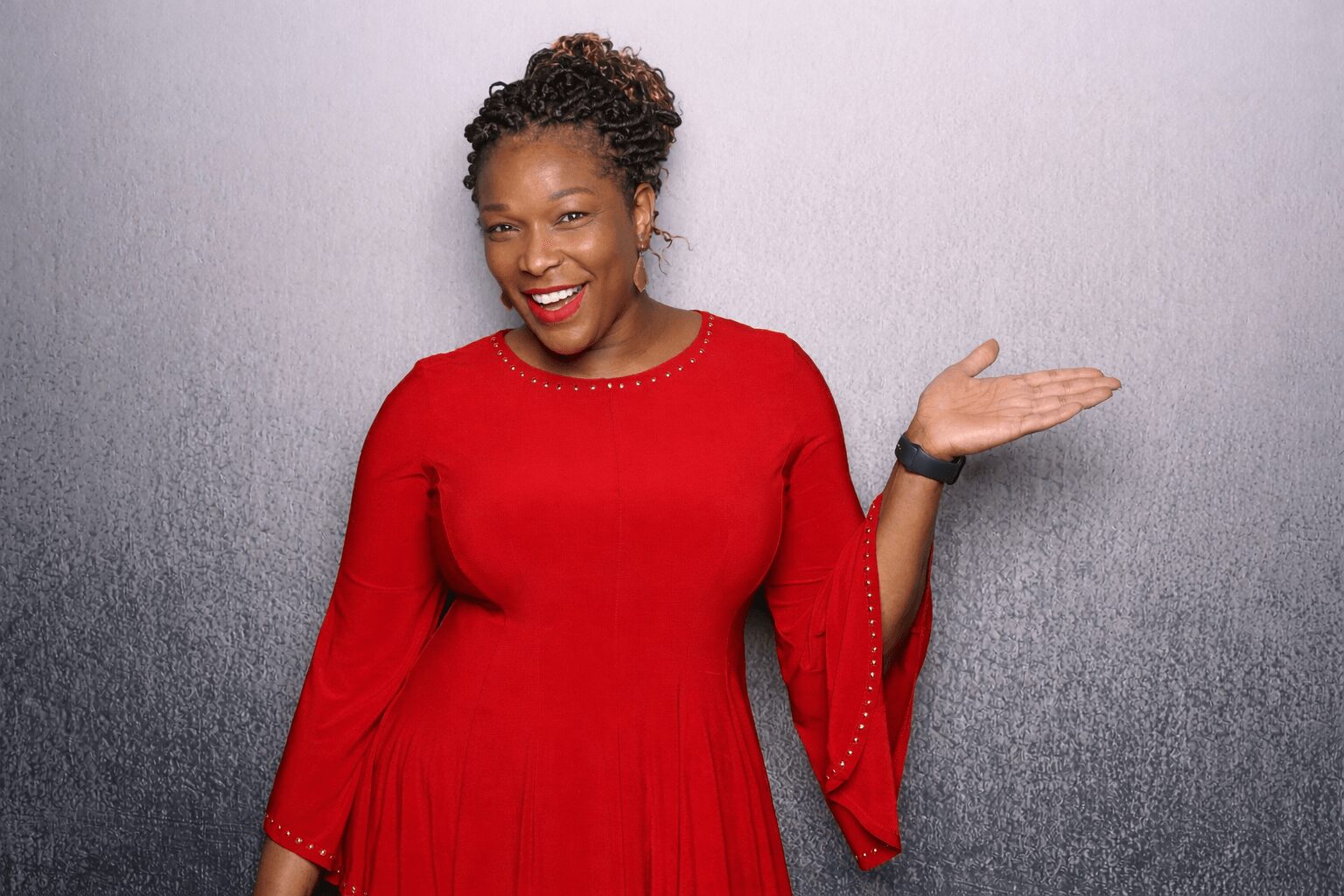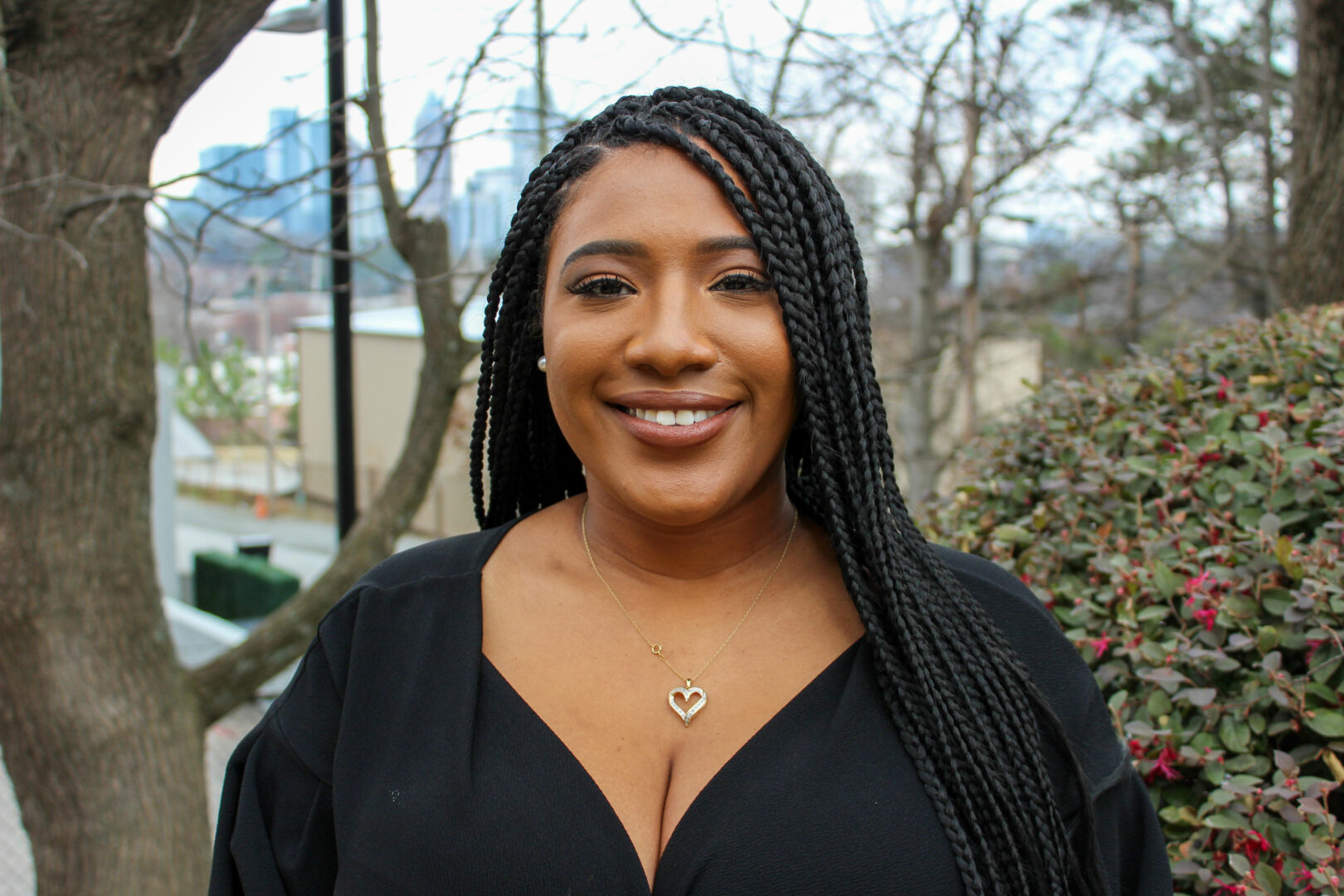
For Shaykara Webster, launching Salvation Private Home Care was both a professional mission and a deeply personal calling. After witnessing families with medically fragile children struggle to navigate complex healthcare systems, Webster set out to create an agency that not only provides in‑home care but also raises awareness about critical resources like the Georgia Pediatric Program (GAPP). By helping families access nursing support and even compensation for caregiving through Medicaid programs such as the Katie Beckett Waiver, Webster aims to ease both the emotional and financial burden many parents face. As her organization expands across Georgia, her vision remains centered on impact—ensuring more families feel seen, supported, and empowered to care for their children at home.
Shaykara, you founded Salvation Private Home Care to support medically fragile children and their families across Georgia. What inspired you to start this agency and dedicate your work to serving this particular community?
Salvation was born from both personal experience and professional purpose. Throughout my career, spanning healthcare tech, HR, operations, and business ownership — I kept encountering the same painful reality: families with medically fragile children were falling through the cracks of a system that was supposed to support them. But it wasn’t just something I witnessed professionally. I’ve seen it up close personally, through people in my own life navigating impossible situations with little to no guidance or support. When you experience something that deeply from multiple angles, you stop waiting for someone else to fix it. That’s what Salvation is, my answer to a problem I couldn’t ignore.
Many families are unaware of the Georgia Pediatric Program (GAPP) and the support it provides. Can you explain how the program works and why increasing awareness is so important for families who could benefit from it?
The Georgia Pediatric Program, or GAPP, is a Medicaid-funded program that provides in-home skilled nursing and personal care support for medically fragile children under the age of 21. Families can access these services at absolutely no out-of-pocket cost through Medicaid or the Katie Beckett Waiver. The program is life-changing, but the heartbreaking truth is that most families who qualify have never heard of it. They’re exhausted, overwhelmed, and spending their energy just trying to keep their child safe and cared for. They don’t have time to research programs buried in state policy language. That’s why awareness isn’t just important, it’s everything. A family that doesn’t know GAPP exists can’t access it. And every day they don’t know is a day they’re carrying a burden that doesn’t have to be that heavy.
Parents of medically fragile children often face the difficult choice between maintaining employment and providing full-time care. How does GAPP help relieve some of that financial and emotional pressure for families?
This is the part that moves me most. Parents of medically fragile children often can’t work a traditional full-time job, their child’s needs are too complex, their schedules too unpredictable. Many are quietly absorbing a significant financial loss on top of an already overwhelming emotional one, forced to choose between their career and their child. GAPP addresses both sides of that equation. Through the program, a parent can actually be compensated as their child’s paid caregiver, so the love and labor they were already giving is finally recognized and supported. And on top of that, they receive skilled in-home nursing support, which means they’re not doing it alone anymore. For a lot of families, that combination is the first time they’ve felt like the system actually saw them.
Building a Medicaid-certified home care agency comes with unique challenges. What has your experience been like as a Black woman entrepreneur establishing and growing this kind of organization in Georgia?
I’ll be honest, it has been one of the most challenging and most rewarding things I’ve ever done, often at the same time. The healthcare and Medicaid space is complex and deeply bureaucratic, and navigating it as a Black woman means you sometimes have to work twice as hard to be taken half as seriously. There were moments where I had to walk into rooms, or onto calls, or into processes, and advocate for the legitimacy of what I was building when others may not have extended that same benefit of the doubt so easily. But I also want to be clear: that hasn’t stopped me, and it won’t. If anything, it’s reinforced why representation in this space matters. The families we serve are disproportionately Black and brown families in Georgia. Having a provider who looks like them, who fights like them, and who built something specifically for them, that means something. I carry that with me every single day.
As Salvation Private Home Care continues to grow, what does success look like for you—not just as a business, but in terms of the impact you hope to have on the families you serve?
Success for me looks like more families served, more counties reached, more children receiving the care they deserve in the comfort of their own homes. It looks like Salvation becoming the name that families, pediatricians, social workers, and case managers across Georgia trust and turn to first when a medically fragile child needs support. But beyond the growth, success looks like a parent who can finally exhale because they found us, and we showed up for them. That’s the standard I hold myself to, and that’s the future I’m building toward.