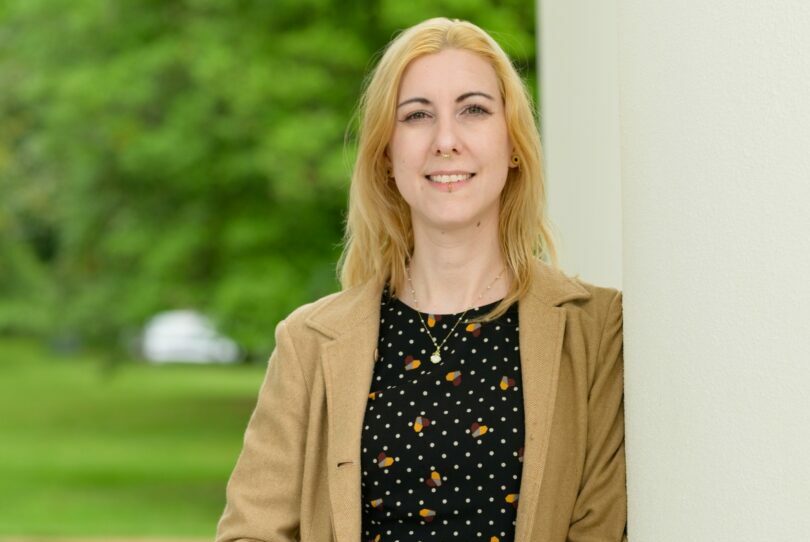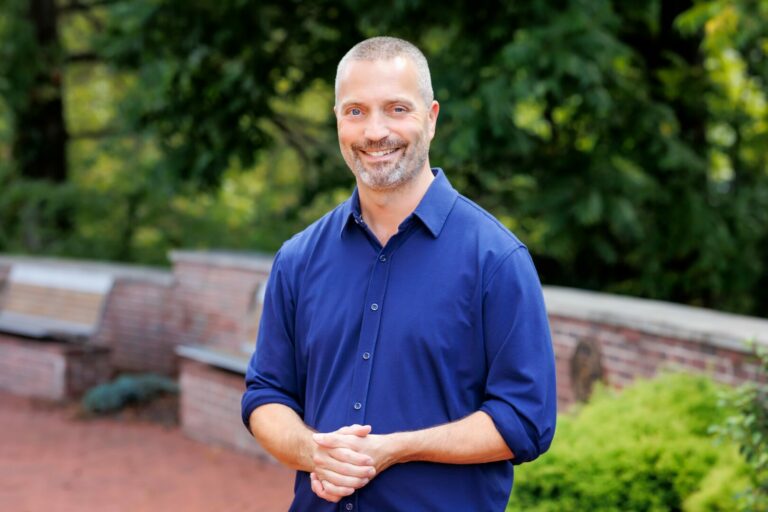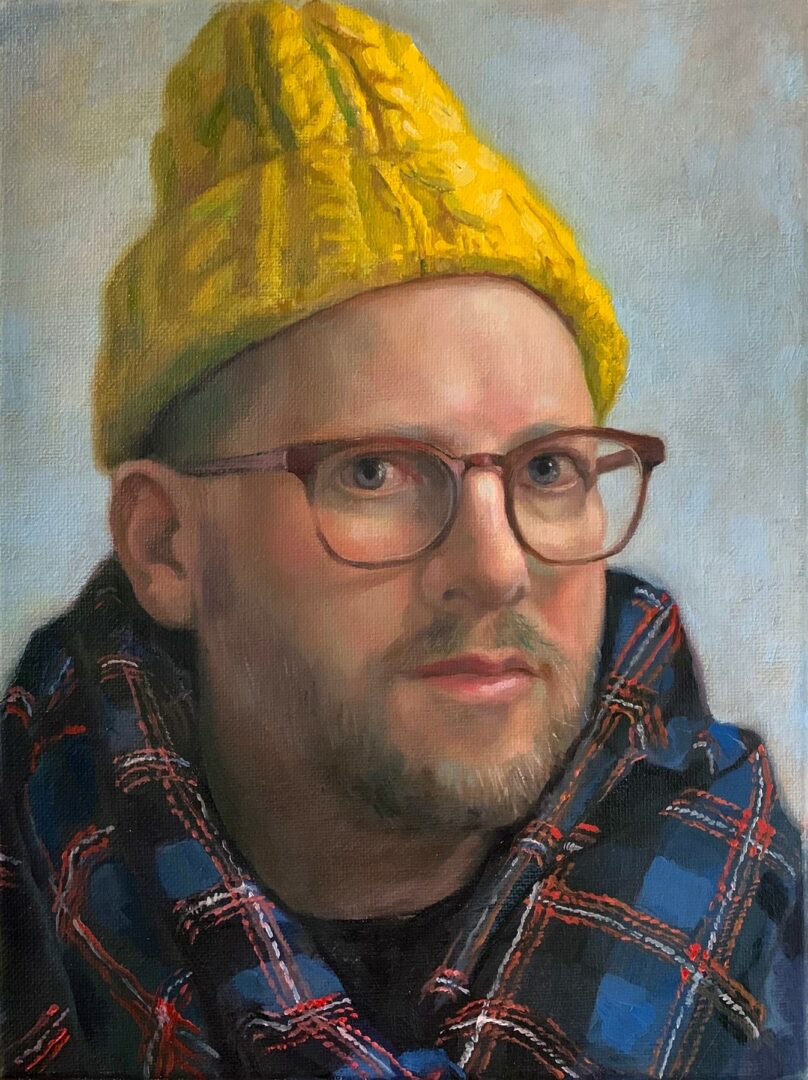
We’re looking forward to introducing you to Carl Grauer. Check out our conversation below.
Carl, so good to connect and we’re excited to share your story and insights with our audience. There’s a ton to learn from your story, but let’s start with a warm up before we get into the heart of the interview. What do the first 90 minutes of your day look like?
The first ninety minutes of my day begin with taking my dog, Amelia, for a walk through the Vassar campus, where we watch the sunrise and she plays among the trees always on the look our for squirrels. When we return home, my husband Mario and I share breakfast together, accompanied by a very warm cup of tea.
Can you briefly introduce yourself and share what makes you or your brand unique?
I’m Carl Grauer, a painter and portrait artist based in Poughkeepsie, New York. My work is all about exploring identity, mortality, and time through the people I paint. I’m drawn to portraiture because it allows me to really connect with others and capture something that feels both deeply personal and universal in how we exist, change, and leave traces of ourselves behind.
I grew up in Kansas in a pretty conservative environment, and finding my voice as a queer artist has been a big part of my journey. Painting has become a way for me to honor that experience and to create space for reflection, visibility, and empathy.
Before I was a full-time painter, I actually studied medical and biological illustration, so anatomy and precision are part of my visual language. But what keeps me coming back to the canvas is the emotional side, the stories, and the energy each person brings.
Lately, I’ve been working on paintings that look at ritual, memory, and how we mark time. Whether I’m painting myself or others, I see portraiture as a form of connection and a way to celebrate the beauty and complexity of being human.
Thanks for sharing that. Would love to go back in time and hear about how your past might have impacted who you are today. Who saw you clearly before you could see yourself?
Betty Kepka Belton saw me clearly long before I could see myself. As my art teacher from kindergarten through high school, she recognized and nurtured a creative spark in me that I hadn’t yet understood. Through her gentle encouragement and unwavering belief in the power of making, she taught me not only how to draw and paint, but how to see. How to look closely, to stay curious, and to trust what I had to say through my work. Her classroom was a place of safety and exploration, where every student was welcomed and given permission to create without fear. Betty’s ability to see potential in others, to honor tradition while inspiring individuality, shaped me as both an artist and a teacher. She held a vision for who I could become long before I did, and her influence continues to guide the way I approach my own practice and mentorship today.
What have been the defining wounds of your life—and how have you healed them?
I grew up in a rural Kansas town of about 800 people, in the heart of a conservative, evangelical community where homosexuality was openly condemned from the pulpit and mocked in the streets. Words like “faggot” rang through the hallways of my school, often followed by acts of violence. These early lessons in rejection came long before I even understood who I was. The wound of being told I was wrong simply for existing shaped much of my early life.
Healing has come through the slow, deliberate act of self-acceptance; and through art. Painting became a way to reclaim my story, to transform shame into visibility and empathy. In my work, I seek to honor vulnerability as strength and to create portraits that remind both myself and others that seeing and being seen fully is a radical act of healing.
Next, maybe we can discuss some of your foundational philosophies and views? How do you differentiate between fads and real foundational shifts?
Fads are something someone chases, real foundational shifts are the core essence of authentic discovery.
Okay, we’ve made it essentially to the end. One last question before you go. Could you give everything your best, even if no one ever praised you for it?
I think I’ve learned to. Growing up in a place where being different wasn’t celebrated or even accepted, taught me early on that external validation couldn’t be the thing that kept me going. I had to find my own reasons to create, to keep showing up. Painting became that reason. It’s a practice that asks for honesty, not applause.
Of course, praise feels good. It connects us, it affirms, but the real reward for me is in the making itself: the quiet focus, the struggle, the moment when something true starts to emerge on the canvas. Even if no one ever saw the work, I think I’d still paint. It’s how I make sense of the world and of myself.
Contact Info:
- Website: https://www.carlgrauer.com
- Instagram: @carlgrauer
- Other: @carlgrauer.bsky.social
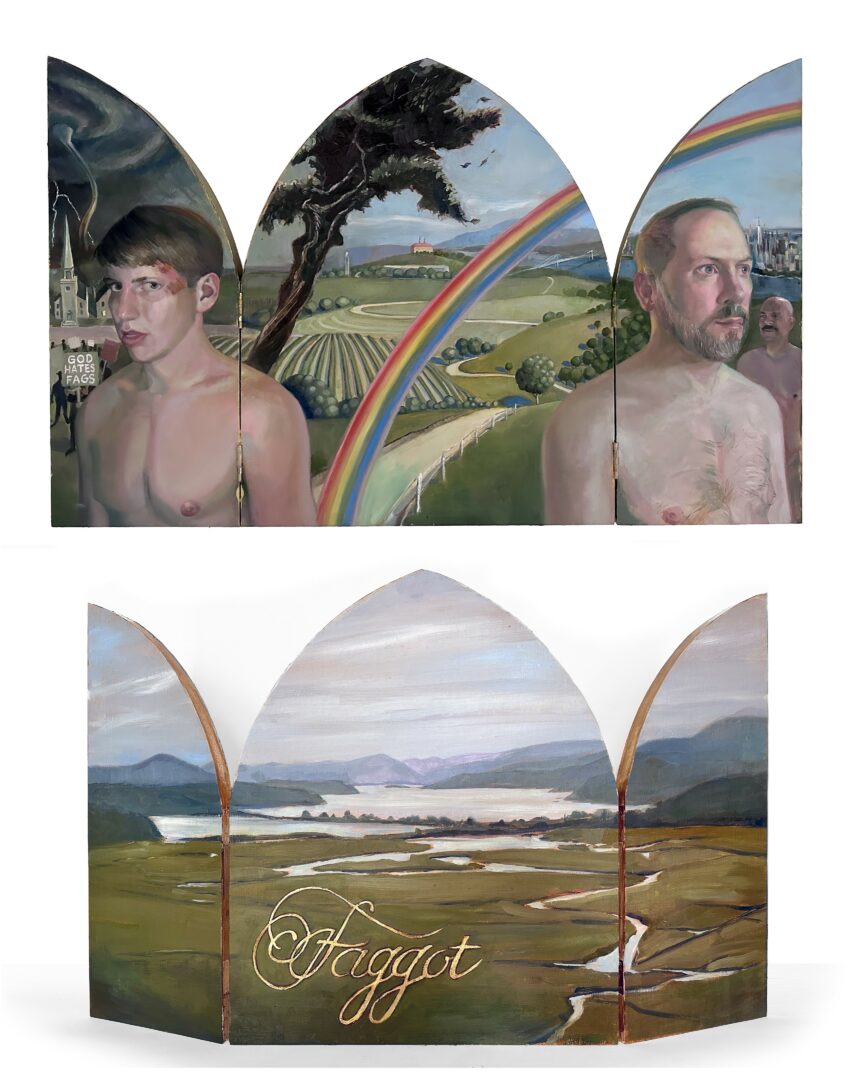
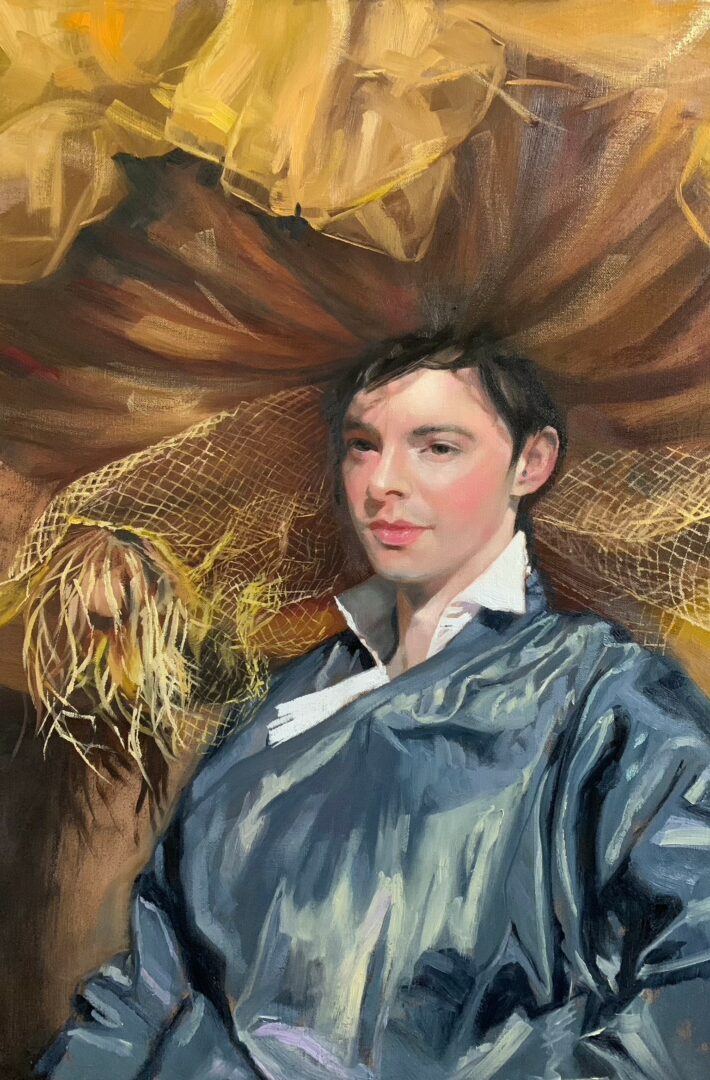
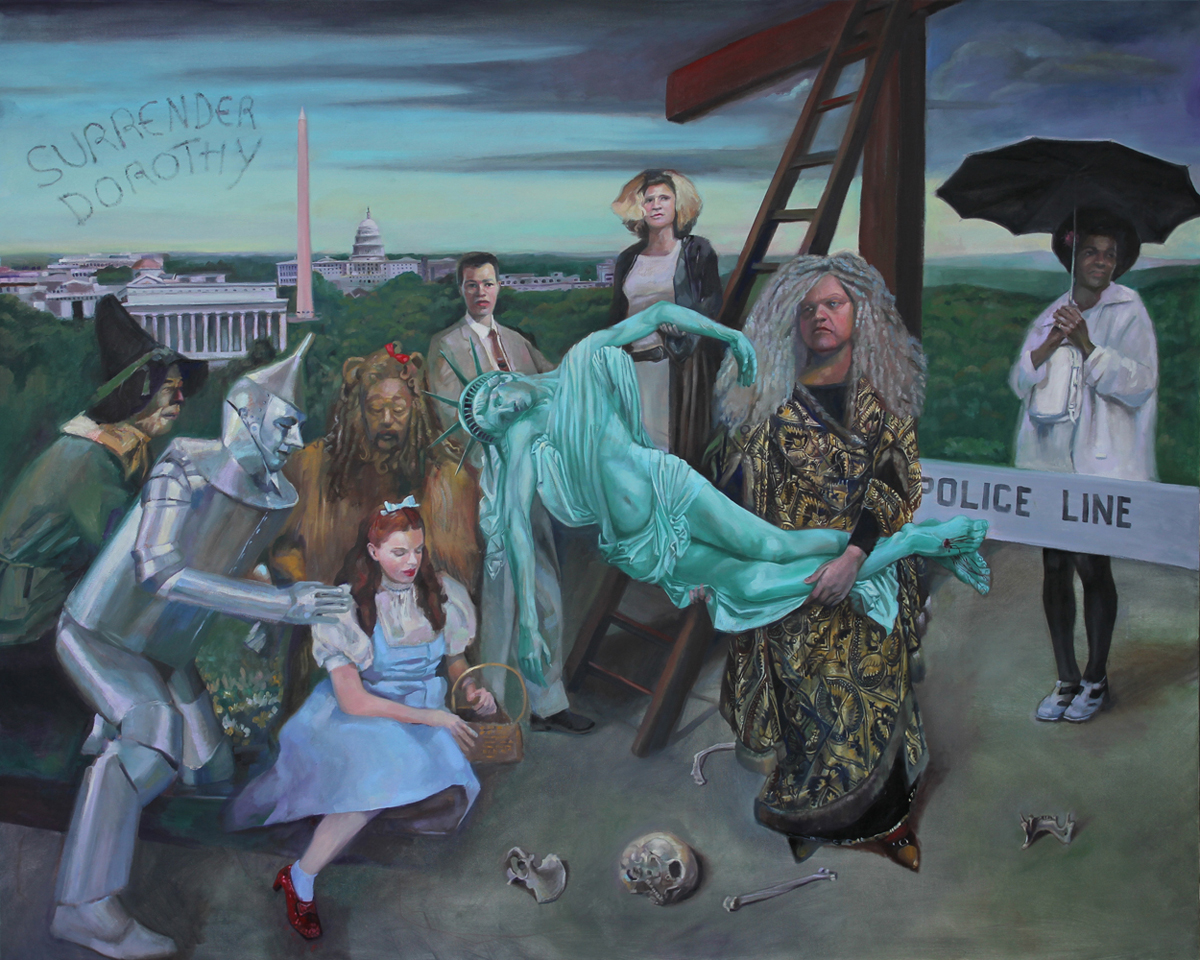
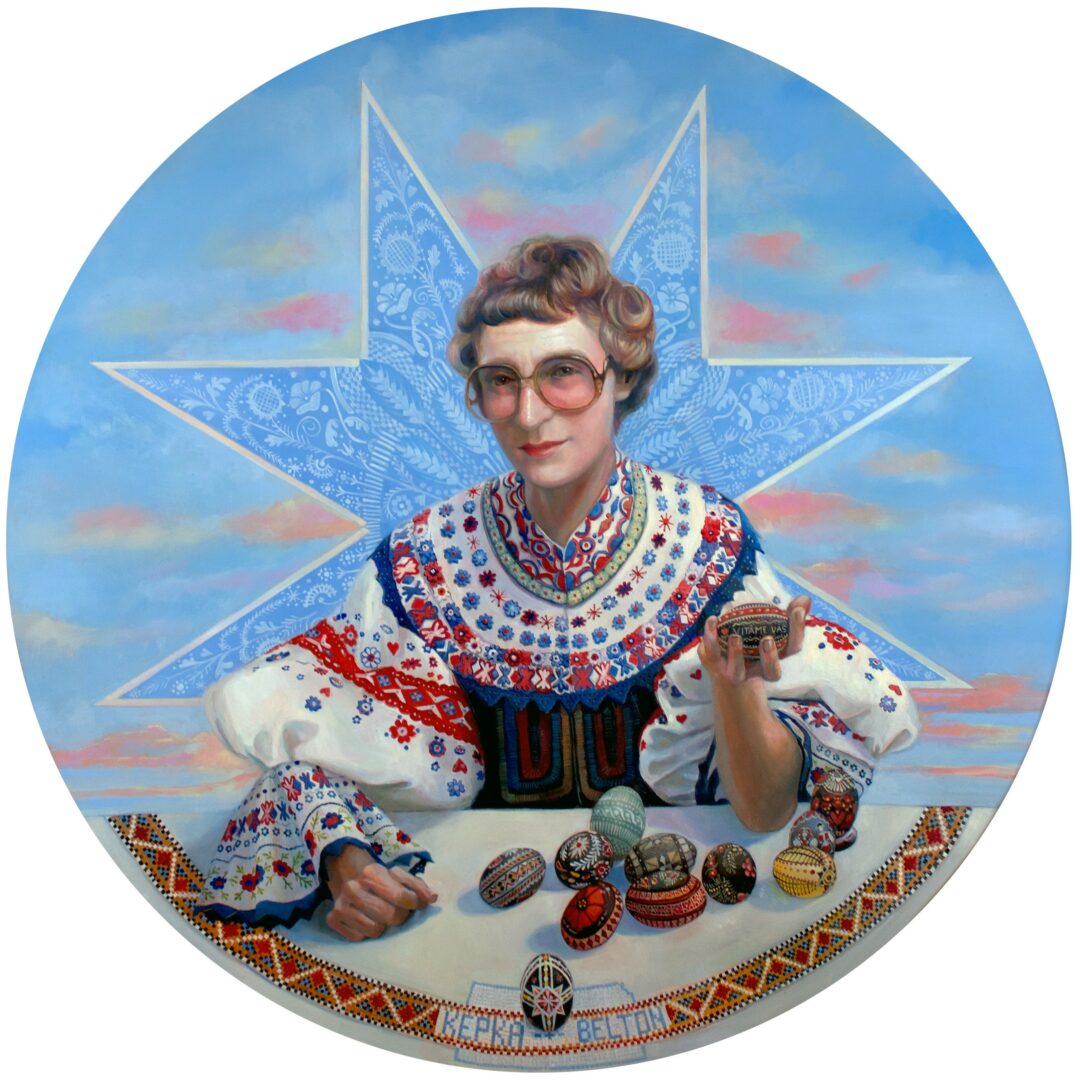
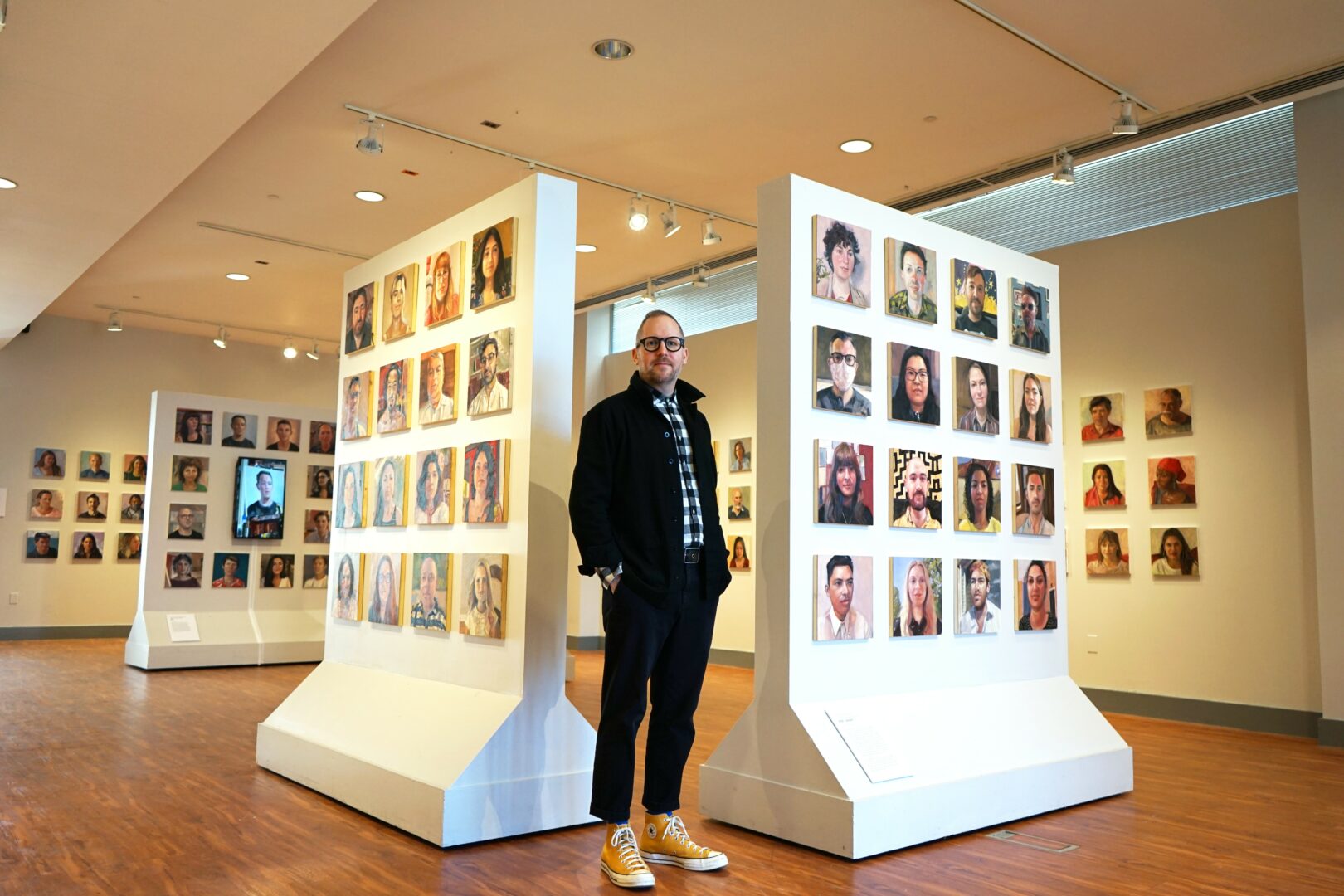
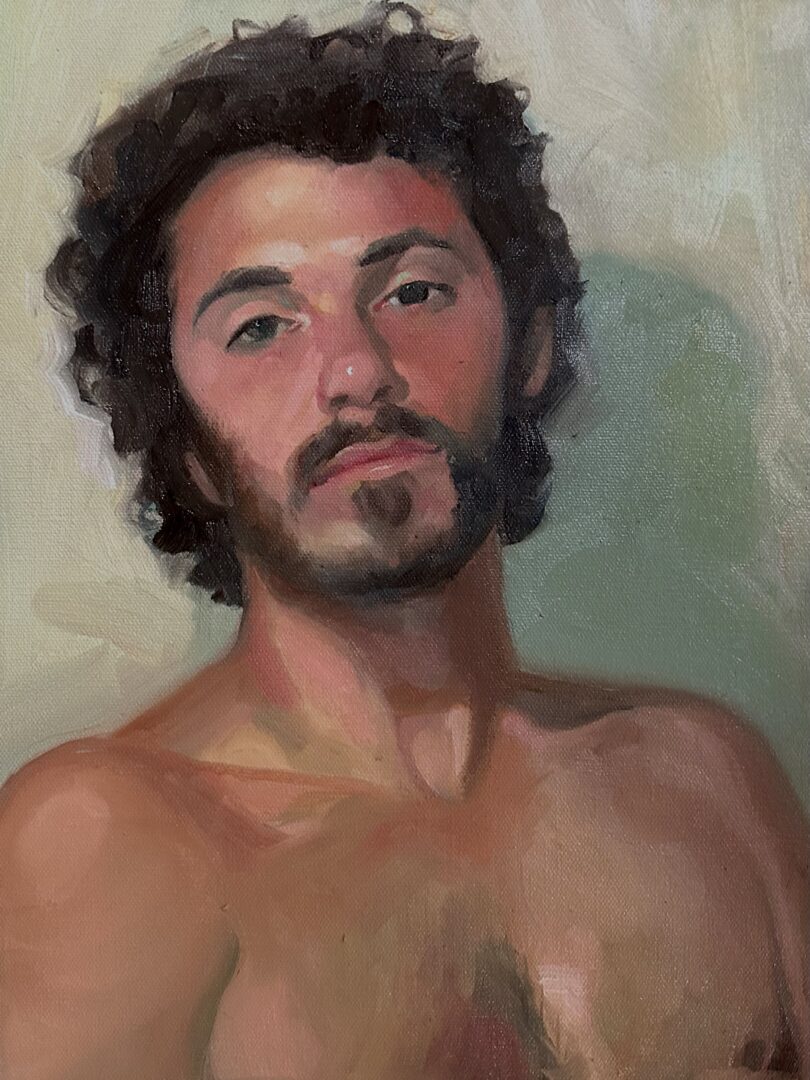
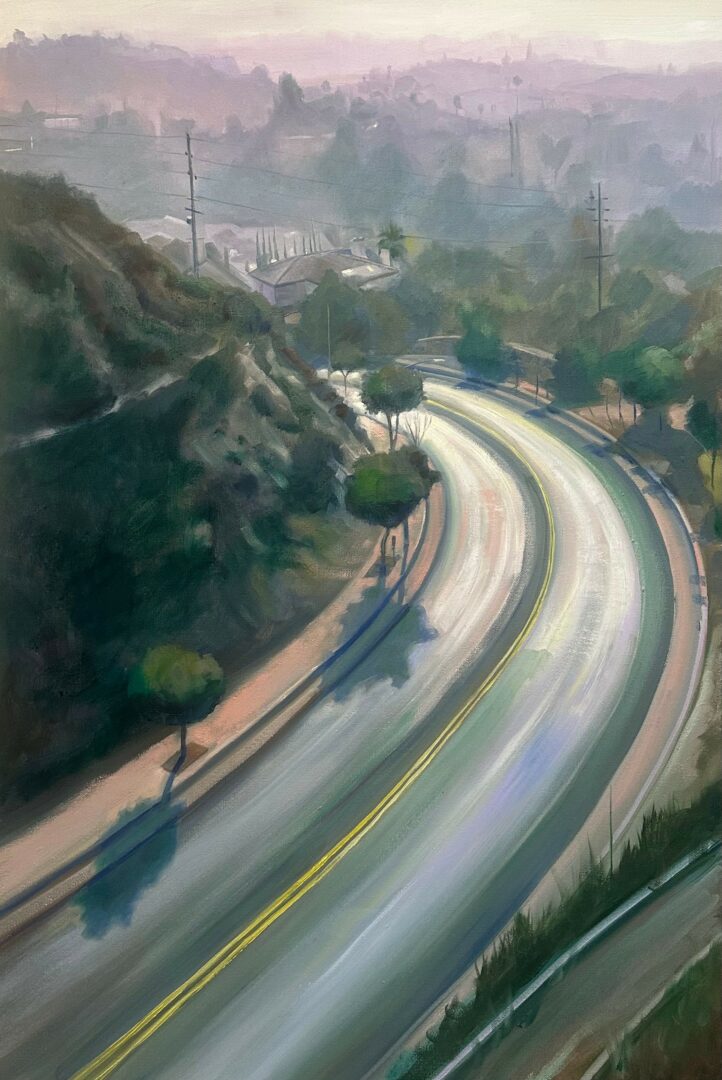
Image Credits
Carl Grauer
so if you or someone you know deserves recognition please let us know here.