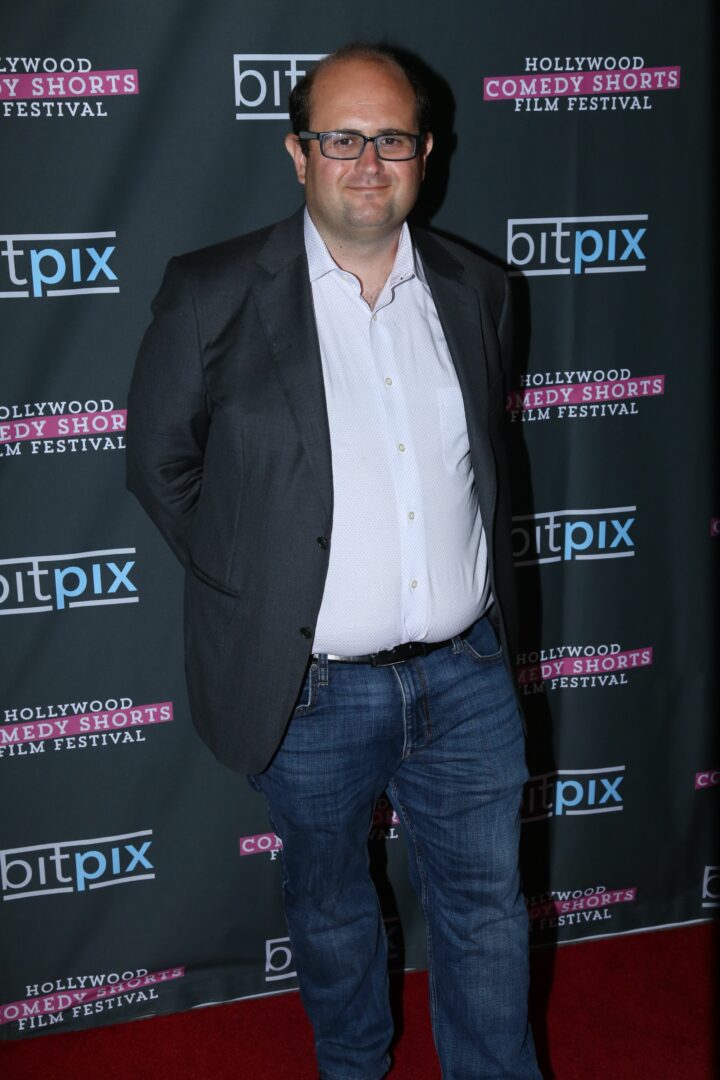
We recently had the chance to connect with Chuck Copeland and have shared our conversation below.
Chuck, it’s always a pleasure to learn from you and your journey. Let’s start with a bit of a warmup: What is a normal day like for you right now?
I get up, breakfast, usually greek yogurt and some fruit, then hit the gym for an hour or two. Have lunch, then get to work until 7, then I’ll make dinner. If needed I’ll work some more, otherwise put on a movie.
What work is varies, I’m either doing freelance work for film festivals, usually screening films for consideration to be programmed for the festival, or working as a script reader. Or I’ll work on writing my own scripts.
Can you briefly introduce yourself and share what makes you or your brand unique?
I’m an emerging filmmaker & storyteller. I went to UCLA for producing, but lately have been focused on screenwriting. Last year a biopic I wrote placed in the Austin Film Festival. Last fall I wrote a children’s comedy that was ranked #4 on Coverfly’s Red List for best children’s tv script before it shut down. I’m waiting to hear if it’s placed in other writing contests. This summer I was accepted to CineStory’s first ever screenwriting residency where I worked on a new action adventure feature script about pirates on a treasure hunt.
Okay, so here’s a deep one: Who were you before the world told you who you had to be?
In high school I thought I wanted to be a pilot. I was in the Royal Canadian Air Cadet’s where I got a glider and private pilot license. 9/11 happened my senior year and the airline industry collapsed. I had glasses, so the military wasn’t an option. I wasn’t sure what I wanted to do, so did a degree in economics before doing my MBA at Florida State University. Unfortunately I graduated during the 2008 financial crisis. The only job I could find was in international tax. After a few months, I new it wasn’t meant for me, so I saved for a year and a half and took a trip around the world, living in Sydney and London while visiting Japan, China, Argentina, Brazil, Egypt and Europe. When I returned I had trouble finding work, so decided to apply to film school. That’s where I finally discovered my purpose.
Was there ever a time you almost gave up?
It took me three applications to finally get into UCLA. After the second I wasn’t sure if I should continue, but the UCLA faculty suggested one of the professional programs. I attended the 2017 summer producing program and was encouraged to give it one more go, where I finally got in. I learned the lesson of persistence and the importance of never, ever, giving up.
Next, maybe we can discuss some of your foundational philosophies and views? What are the biggest lies your industry tells itself?
I’m constantly hearing about Hollywood that “No one knows anything”. While I agree filmmaking has an element of throwing spaghetti against the wall and seeing what sticks, I feel far too many people use it as an excuse for being bad at your job. A big part of being a storyteller is having your finger on the pulse of pop culture and being able to predict trends before they happen. You need to identify the gaps in the marketplace. I’m glad last year’s “It Ends With Us” did well, as I’d been saying since 2017 there was a market for that kind of movie, but because there wasn’t any recent success in the genre, no one would listen to me. I’m happy to say I told you so.
Thank you so much for all of your openness so far. Maybe we can close with a future oriented question. What false labels are you still carrying?
Because of my economics degree and MBA, people see me as a quant and not always as a creative. There was a production company I worked at and they were about to go into production on a low budget horror movie. There were still some story issues and I gave some suggestions to the producers on how to solve them. I was told to stay in my lane as the numbers guy. The next day the director made the exact same suggestions and everyone thought they were brilliant. I only found out because the line producer told me, she was angry I at what happened. I still struggle with getting taken seriously as a creative because of my financial background. People hear MBA and think I’m a human calculator. I’m one of those rare people that can be both creative and analytical. Most people are one or the other.
Contact Info:
- Instagram: https://www.instagram.com/chuck.copeland006/
- Linkedin: https://www.linkedin.com/in/chuck-copeland-ba41946/
- Youtube: https://www.youtube.com/@chuck037
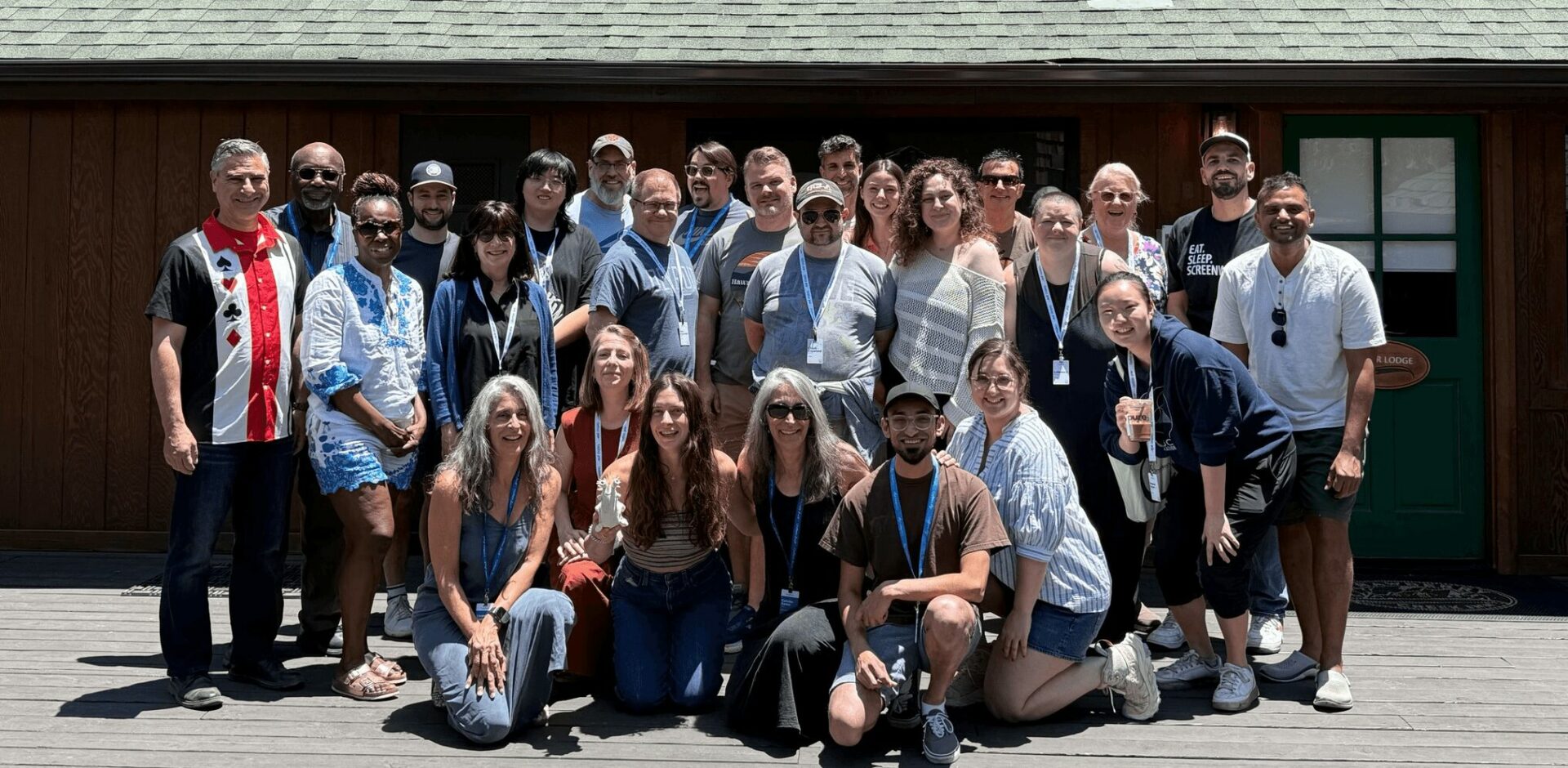
Image Credits
None
so if you or someone you know deserves recognition please let us know here.