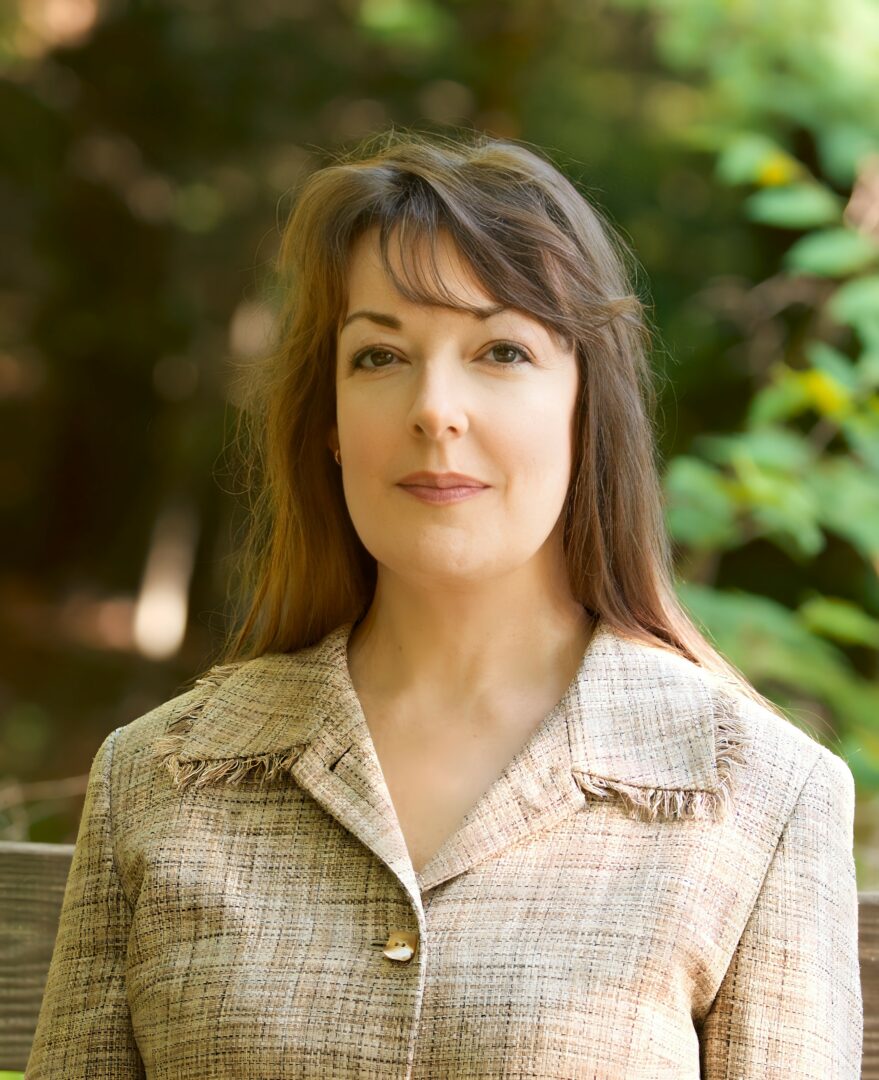
We recently had the chance to connect with Cinzi Lavin and have shared our conversation below.
Cinzi, it’s always a pleasure to learn from you and your journey. Let’s start with a bit of a warmup: Are you walking a path—or wandering?
I’m on a highway heading for a destination, but sometimes I need to change lanes.
As an artist, I never know what will come my way. An unforeseen opportunity may help me get to my goal faster, or increase my skills or visibility, so I’ll make a slight diversion in order to accommodate it. Other times, I’m invited to take an exit that doesn’t have anything to do with my goal, so I decline the offer.
Looking back, some of the biggest offers I turned down included teaching English at a prestigious foreign university, managing a lucrative boutique shop, and partnering with a disreputable (but wealthy) Broadway producer who wanted to invest in my musical dramas.
In all three cases, I’m glad I kept going!
Can you briefly introduce yourself and share what makes you or your brand unique?
I’m a playwright and musical dramatist; I’ve also written several books, both fiction and nonfiction.
Earlier this year, one of my plays premiered in Ireland and two others were produced here in the states. I’m currently writing a special musical drama in honor of America’s 250th anniversary. Stay tuned!
In addition, I’m an artistic and theatric consultant for individuals and organizations, so if you would like to work with me, contact me at [email protected].
Okay, so here’s a deep one: What’s a moment that really shaped how you see the world?
In high school, one of my teachers suffered two devastating bereavements within a week of each other. His wife’s father died suddenly, and then his own father also died. He’d show up for class disheveled with dark circles under his eyes. One day, he assigned us some reading to do and put his head down on the desk and slept. Despite the fact that we weren’t being monitored, nobody misbehaved because we had such respect for him and we knew he was exhausted.
That was when I realized that only a small part of teaching is about the subject, and that teachers are really teaching their students how to do life. This teacher was a kind and optimistic man, and even in the midst of his suffering, he kept going as well as he could.
Since then, I’ve realized that all my favorite teachers (in school and beyond) were people who modeled kindness and perseverance in the face of adversity.
Do you remember a time someone truly listened to you?
In college, I was honored to be invited to a gathering of theatre luminaries in Austin, Texas. That was the day I met Carol Channing, who was incredibly tall. While I met several other notable figures, the person who made the greatest impression on me was playwright/screenwriter Horton Foote.
One might think that being the recipient of a Pulitzer Prize, two Academy Awards, and an Emmy would make him a standout in any crowd, but in this case, what made him so memorable wasn’t the fact that he wrote the screenplay for To Kill a Mockingbird, but the fact that he had the most amazing ability to be completely present.
From the moment we were introduced, his calm tone and charming southern manners had a profound effect on me, but I was astounded when he asked me (21-year-old aspiring-playwright me) what I was working on, and he expressed genuine interest in hearing my answer. Nothing was rushed, and his full attention made it easy for me to talk about my hopes for my career.
Despite all the distractions and chatter around us, he made me feel like I was the only person in the room.
It taught me that people who are fully present for others carve a space in the universe that says, “This time is for us.” It makes people feel heard, and it makes them feel that they matter. I don’t know that I’ve been able to match his level of presence with others in my own life, but he certainly gave me a goal worth striving for.
So a lot of these questions go deep, but if you are open to it, we’ve got a few more questions that we’d love to get your take on. What’s a belief you used to hold tightly but now think was naive or wrong?
When I began my career, my goal was to have my plays produced on Broadway. After all, that was the measure of success in my field.
Decades later, I’ve learned some disappointing truths. To my amazement, a very small number of people decide which shows will ever be produced on Broadway. Even more concerning, with ticket prices skyrocketing, shows which were once accessible to working- and middle-class families are now unaffordable for anyone but the wealthy. While that wouldn’t bother me quite as much if actors and crew members were benefiting from these exorbitant ticket prices, that isn’t the case. The financial gains are being enjoyed by a very small number of people in leadership positions. Thus, from start to finish, Broadway productions today represent something much different and much, much less equitable than they did years ago.
Fortunately, I also learned some inspiring truths. When I asked myself where most people in this country experience theatre, the answer wasn’t Broadway. The answer is: in small theatres. Whether community theatres, independent theatres, or regional theatres, these are the places where art can still be enjoyed by all, and while there are many theatres on Broadway, there are a whole lot more across the United States.
In light of my realization that things had changed and my goal was no longer a worthy one, I took stock of decisions I’d need to make. First, I would aim to have my plays produced in small theatres. Second, I would revise my royalty fees in order to support these small playhouses who already do so much with so little.
Being committed to these little theatres means I’m committed to ensuring everyone can enjoy live performances. True, some regional theatres have monetized themselves by raising ticket prices, only producing crowd-pleasers, and paying their executives outrageous salaries, but I don’t bother with them any more than I do with the bright lights on Broadway.
These days, I’m more interested in the thousands of small but steady lights burning all across the country. They light the way to the theatres where art truly shines.
Okay, so let’s keep going with one more question that means a lot to us: If immortality were real, what would you build?
Immortality is real, in that great ideas that we leave behind will last forever, and so I’m building the society of the future.
My plays, musicals, and books are testaments to people and virtues that made the world a better place. By sharing these works with others, I hope to help them learn new ways of seeing things and new ways of understanding others.
Contact Info:
- Website: https://www.cinzilavin.com/
- Instagram: https://www.instagram.com/cinzi_lavin/?hl=en
- Linkedin: https://www.linkedin.com/in/cinzilavin/
- Facebook: https://www.facebook.com/CinziLavinOfficialFacebook/


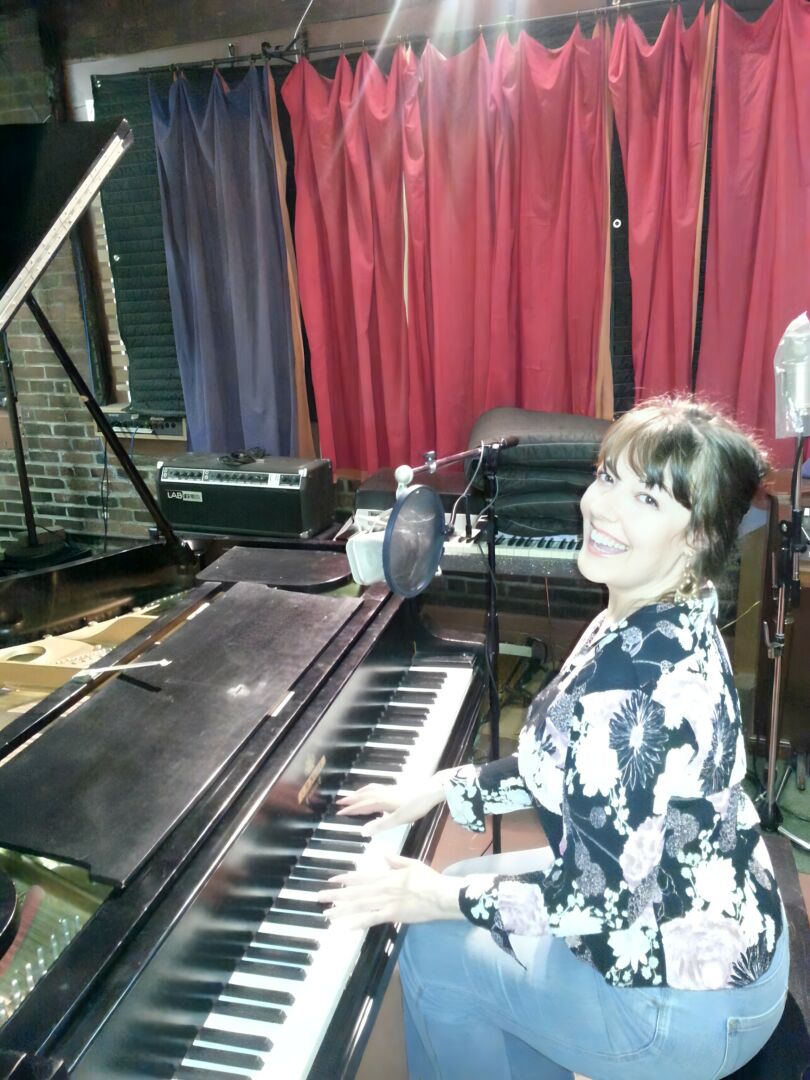
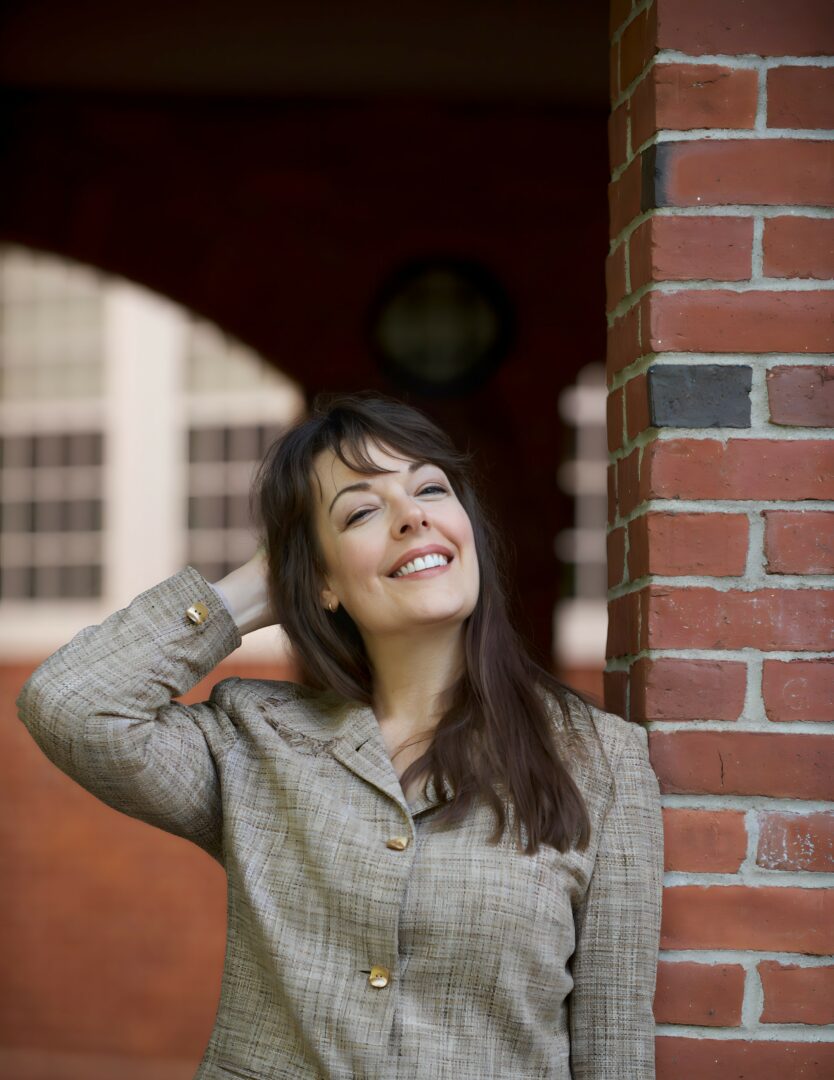
Image Credits
Anna Zuckerman-Vdovenko@AZV PHOTO/MEDIA
so if you or someone you know deserves recognition please let us know here.