For game and technical designer Yitong Hu, the power of games lies in their ability to turn storytelling into an experience rather than a passive observation. Working across both large studio productions and independent experimental projects, Hu focuses on building gameplay systems that allow narrative to emerge through player interaction. As a technical designer on the cosmic horror title SLEEP AWAKE, Hu helped implement gameplay mechanics and scripted sequences using tools like Unreal Engine to support the game’s atmospheric storytelling. Alongside studio work, Hu has also created award‑winning indie projects such as Truants and Black White Bear, using independent development as a space to explore branching narratives, experimental mechanics, and new approaches to interactive storytelling that continue to push the boundaries of how stories can be experienced through games.
Yitong, you’ve worked across both large studio productions and independent experimental projects as a game and technical designer. What first drew you to interactive storytelling and game development as a creative career?
I’ve always been interested in storytelling, but what drew me specifically to games was the idea that stories could be experienced rather than simply observed. In games, the player becomes part of the narrative, and their decisions or exploration shape how that story unfolds.
When I began studying game design, I realized that interactive storytelling sits at the intersection of technology, art, and narrative. That combination really resonated with me. I became especially interested in how gameplay systems can communicate emotion and meaning.
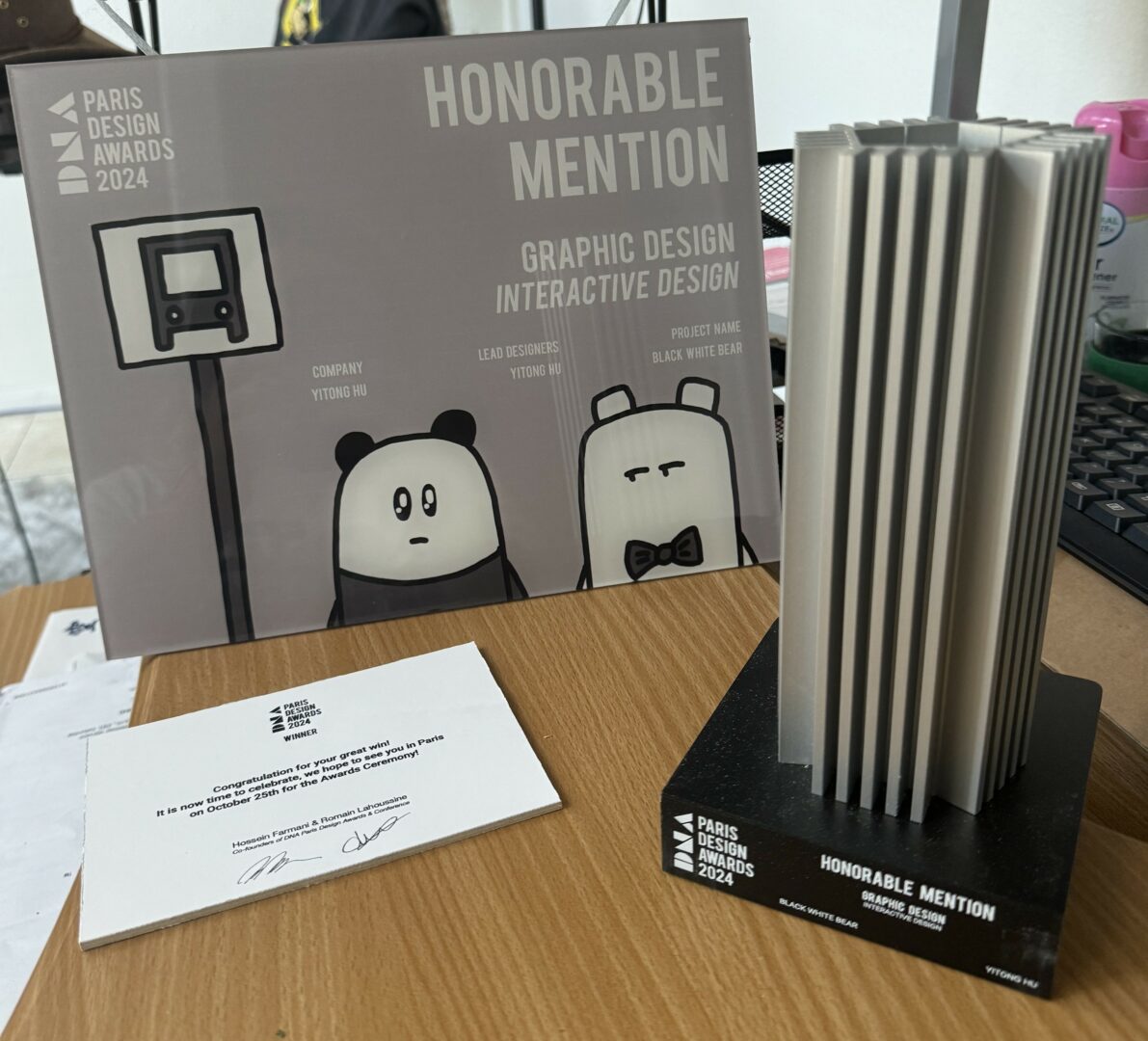
Over time, that interest led me to work on both large-scale studio productions and experimental independent projects. Some of my indie work has received international recognition, including awards from the NYX Game Awards, Indigo Design Award, and DNA Paris Design Awards, which further encouraged me to keep exploring storytelling through interactive systems.
You served as a Technical Designer on the cosmic horror game SLEEP AWAKE. What was your role in shaping the gameplay systems and narrative-driven mechanics that help immerse players in that world?
On SLEEP AWAKE, I worked as a Technical Designer, which meant bridging creative design and technical implementation.
The game focuses heavily on atmosphere and narrative exploration, so a large part of my role involved building gameplay systems and scripted interactions that supported the storytelling experience. Using Unreal Engine, I helped implement gameplay mechanics, interactive sequences, and scripted events that guide players through the world while maintaining the game’s mysterious tone.
The project has received significant international attention since its reveal. It was showcased at major industry events such as Summer Game Fest 2024, Future Games Show Summer Showcase 2025, the Horror Game Awards Summer Showcase, CCXP Festival in Mexico City, and Tribeca Festival in New York. It was also featured in Day of the Devs: The Game Awards 2025 Edition. Being part of a project that reached such a global audience was incredibly exciting.
In addition to studio work, you’ve created award‑winning independent projects like Truants and Black White Bear. How does working on indie games allow you to experiment with storytelling and gameplay in ways that differ from large-scale productions?
Independent projects give me the opportunity to experiment more freely with storytelling structures and gameplay systems.
For example, the narrative-driven game Truants explores branching story paths and puzzle-based storytelling. The project received several international design recognitions, including the Silver Winner award at NYX Game Awards, a Bronze Winner award at Indigo Design Award, and another Silver recognition from London Design Awards.
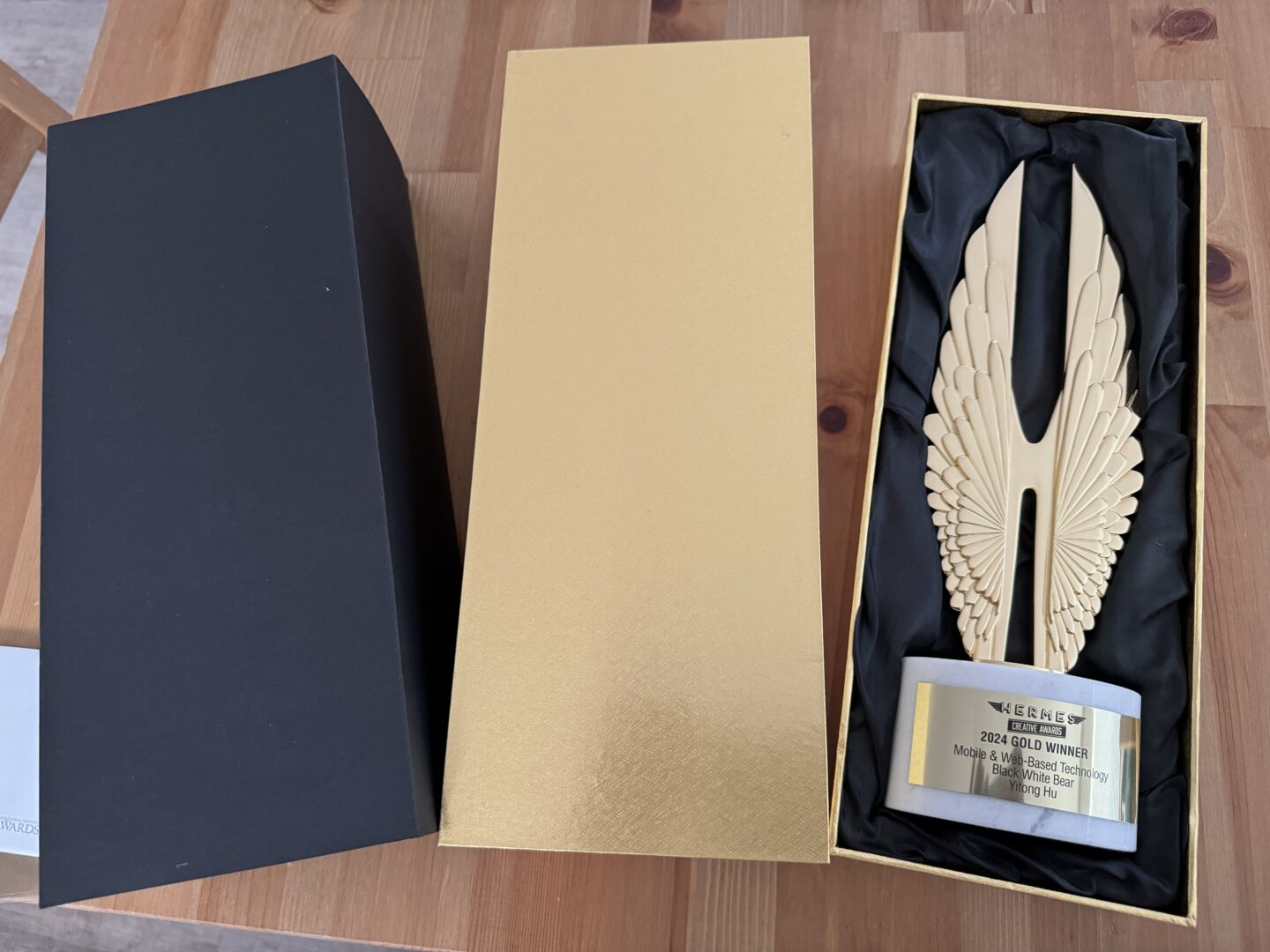
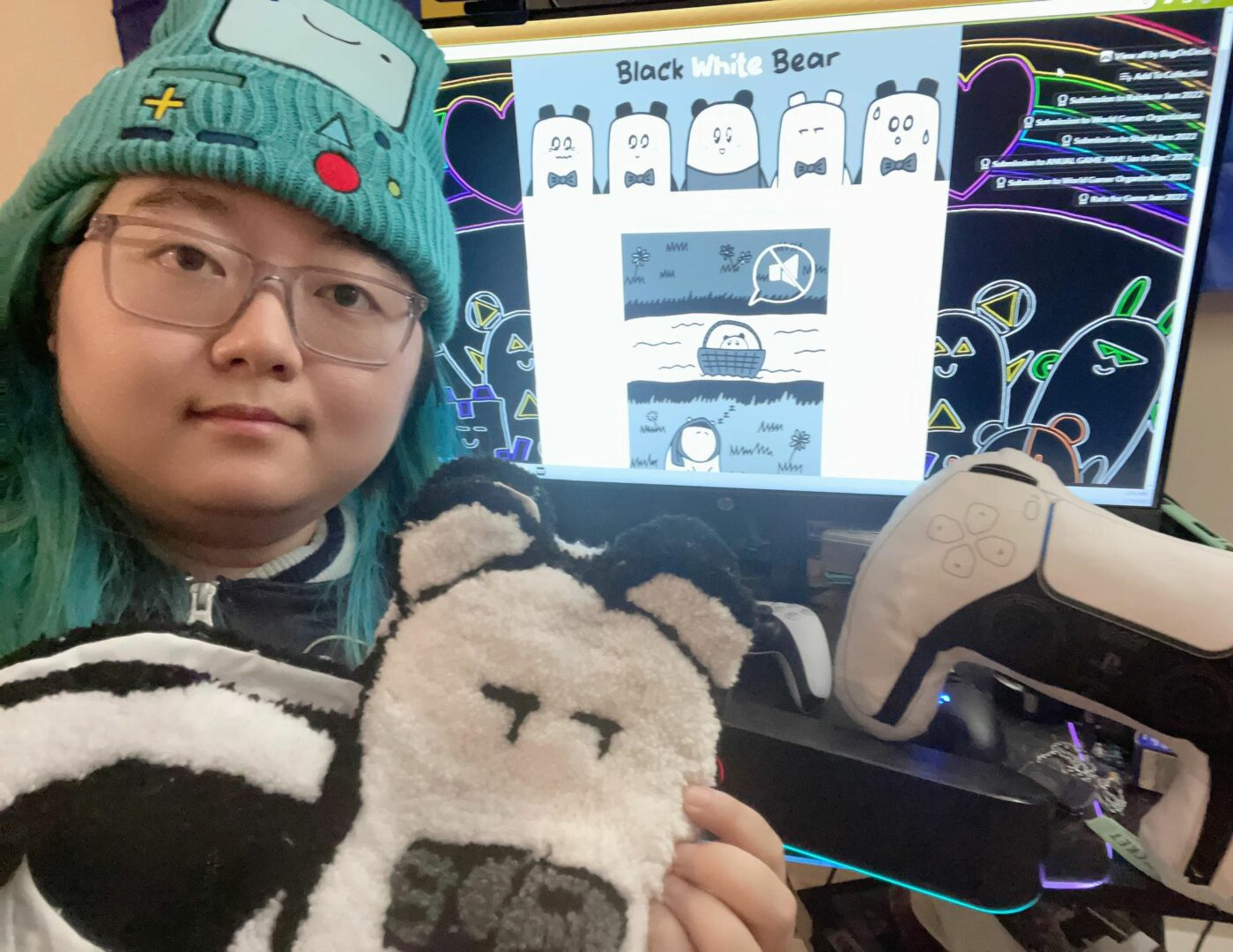
Another project, Black White Bear, was developed largely as a solo project. It allowed me to combine gameplay systems, interface design, storytelling, and audio elements into one cohesive experience. The project has received recognition from multiple international competitions such as NYX Game Awards, French Design Awards, MUSE Design Awards, Vega Digital Awards, Hermes Creative Awards, dotCOMM Awards, London Design Awards, Indigo Design Award, and DNA Paris Design Awards. It was also showcased at events like GameACon 2024 and Indie Game Expo 2024.
Working on indie games allows me to explore ideas more rapidly and experiment with narrative techniques that might be harder to test in large productions.
Your work often blends technical implementation with narrative design, including scripting mechanics, building systems in engines like Unreal and Unity, and designing branching story structures. How do you approach balancing the technical and creative sides of game development?
For me, the technical and creative aspects of game development are deeply connected.
When designing interactive storytelling, narrative ideas often need to be expressed through systems. That means thinking about how mechanics, player interactions, and game logic can communicate story or emotion. Sometimes a small gameplay mechanic or environmental interaction can convey narrative meaning more effectively than dialogue.
My process usually starts with the player experience. I ask what the player should feel or discover at a particular moment, and then I design systems that make that experience possible. Because I work with engines like Unreal and Unity, I often prototype directly in the engine so I can test how narrative pacing and gameplay mechanics interact.
In many ways, the technical implementation becomes another storytelling tool.
Beyond developing games, you’ve also served as a juror for major international competitions, reviewing innovative projects from developers around the world. What trends or new directions in interactive storytelling are you most excited about right now in the global game industry?
Serving as a juror for competitions such as the BAFTA Games Awards, BAFTA Student Awards, Games for Change Awards, IndieCade Awards, and the Indie Groundbreaker Awards has given me the opportunity to see a wide range of creative projects from developers around the world.
One trend I find particularly exciting is the increasing diversity of storytelling approaches in games. Many developers are experimenting with new ways of integrating narrative into gameplay systems, rather than separating story and mechanics.
I’m also seeing more projects where narrative emerges through exploration, player choices, and environmental storytelling instead of traditional linear storytelling structures. Independent developers especially are pushing boundaries in this area, and it’s inspiring to see how interactive storytelling continues to evolve globally.