
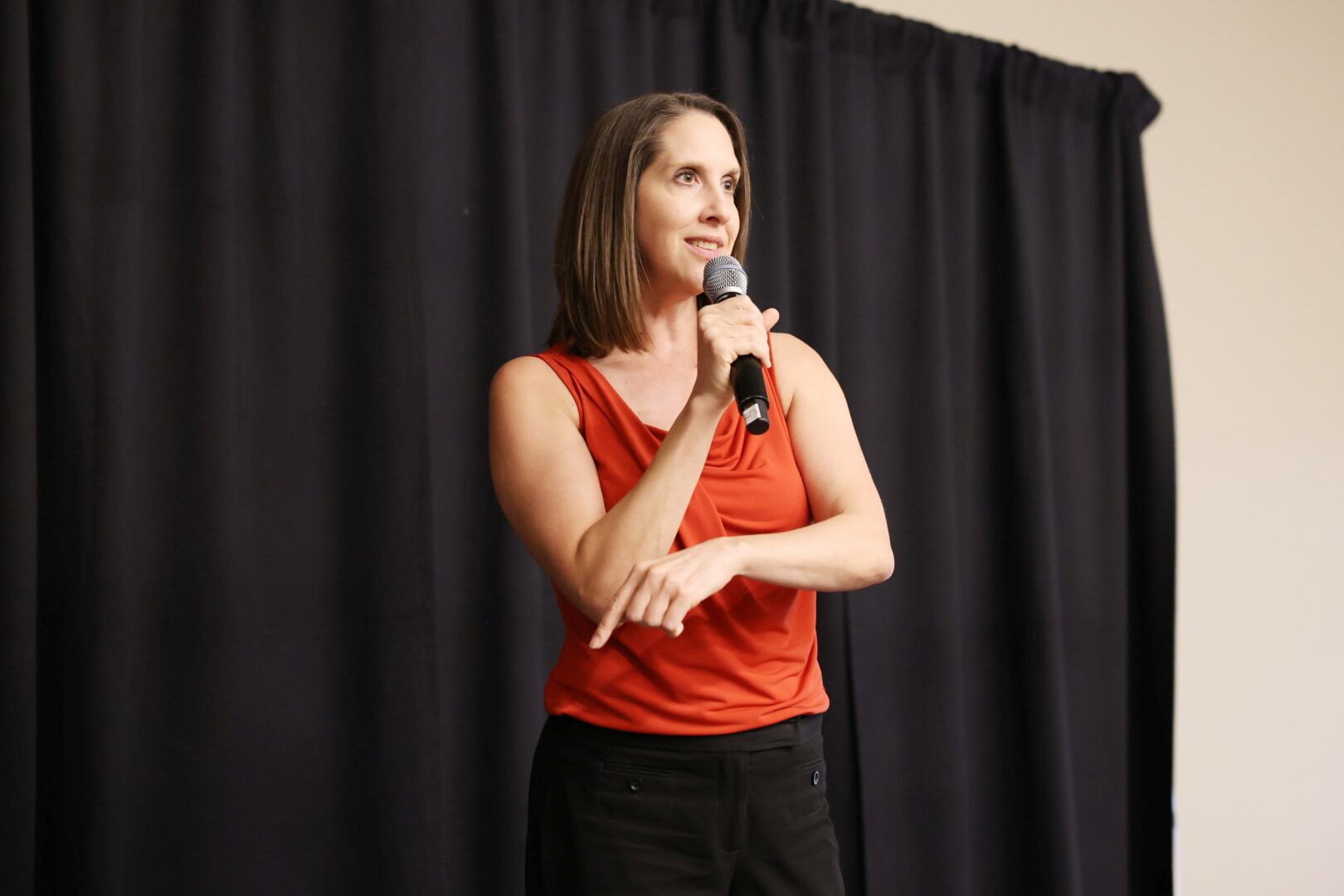
We recently had the chance to connect with Dr. Ashley Smith and have shared our conversation below.
Dr. Ashley, a huge thanks to you for investing the time to share your wisdom with those who are seeking it. We think it’s so important for us to share stories with our neighbors, friends and community because knowledge multiples when we share with each other. Let’s jump in: What makes you lose track of time—and find yourself again?
It’s easy to lose contact with yourself in the day-to-day grind of building a business and the business of life. It never fails that I find myself again when I travel. Specifically, it’s the unplanned moments that combine novelty, surprise, and a sense of awe.
Most recently, I was in Puerto Rico with my best friend. We rented a car to explore some caves just outside of San Juan. Afterwards, we figured, why not see what else was around while we still had the car. We literally stumbled onto the most amazing limestone beach—I’ve never seen anything like it—and hiked up these beautiful arches that had holes and caves all the way down to the crashing waves below. It was absolutely stunning… and completely unexpected. Exploring there had the effect of pausing time and making me feel fully alive.
Can you briefly introduce yourself and share what makes you or your brand unique?
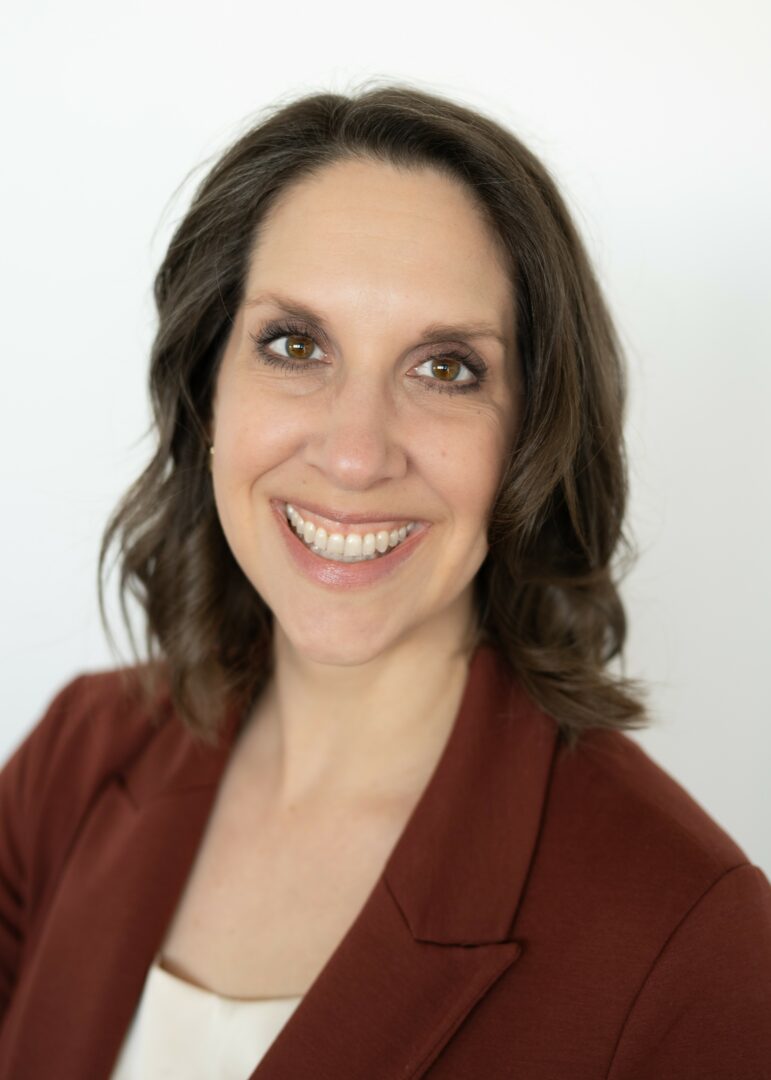
I’m Dr. Ashley. I’m a licensed psychologist who has specialized in anxiety and happiness for nearly 20 years. As much as I enjoy direct patient care, I closed my private practice in 2025 to focus on speaking and writing full-time.
I am also legally blind. I have a rare degenerative retinal disease that causes increasing vision loss. It’s been quite a journey of coming to terms with that and finding ways to create a life I love. The combination of my professional expertise and personal experience puts me in a unique position to educate and inspire.
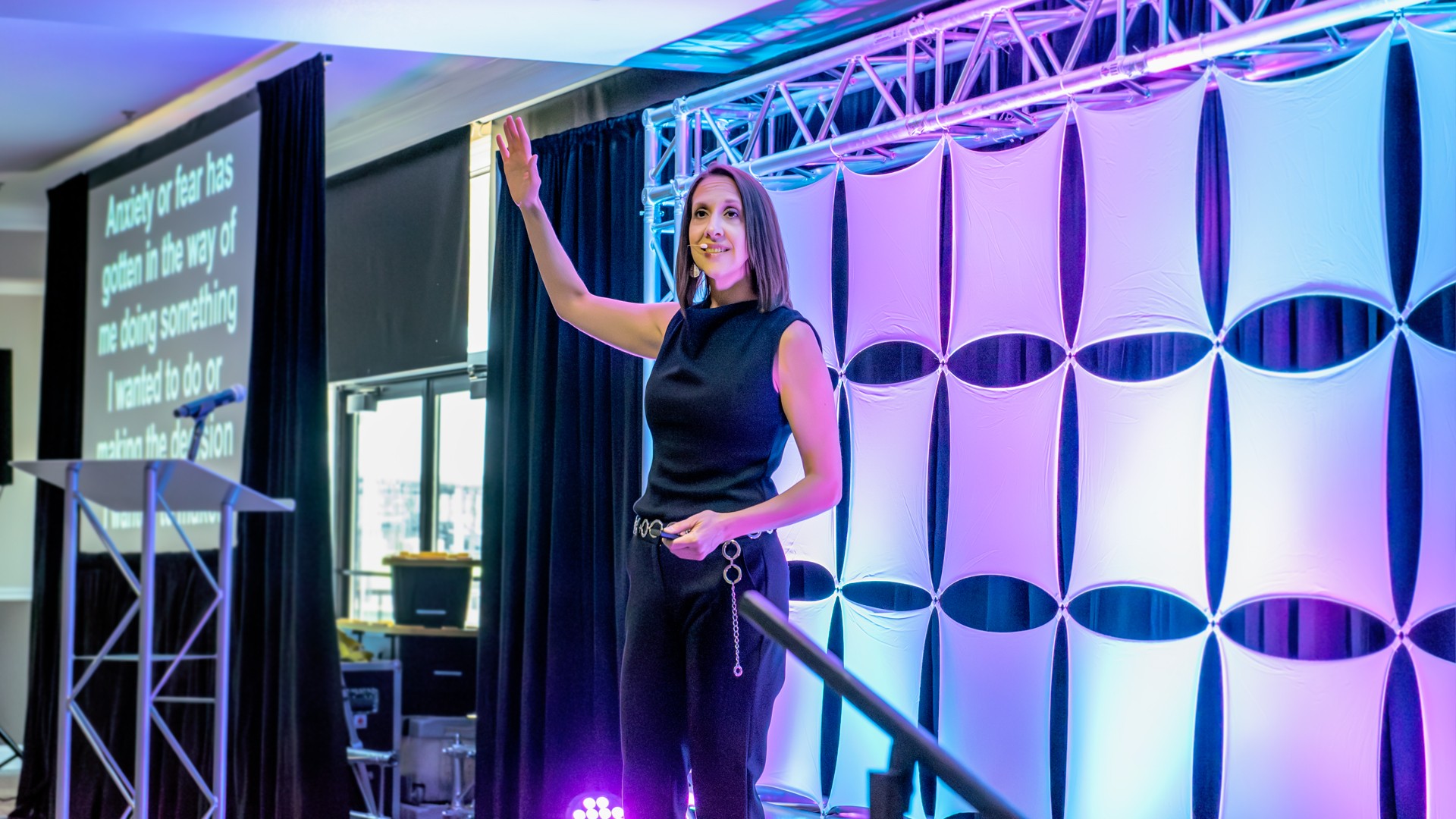
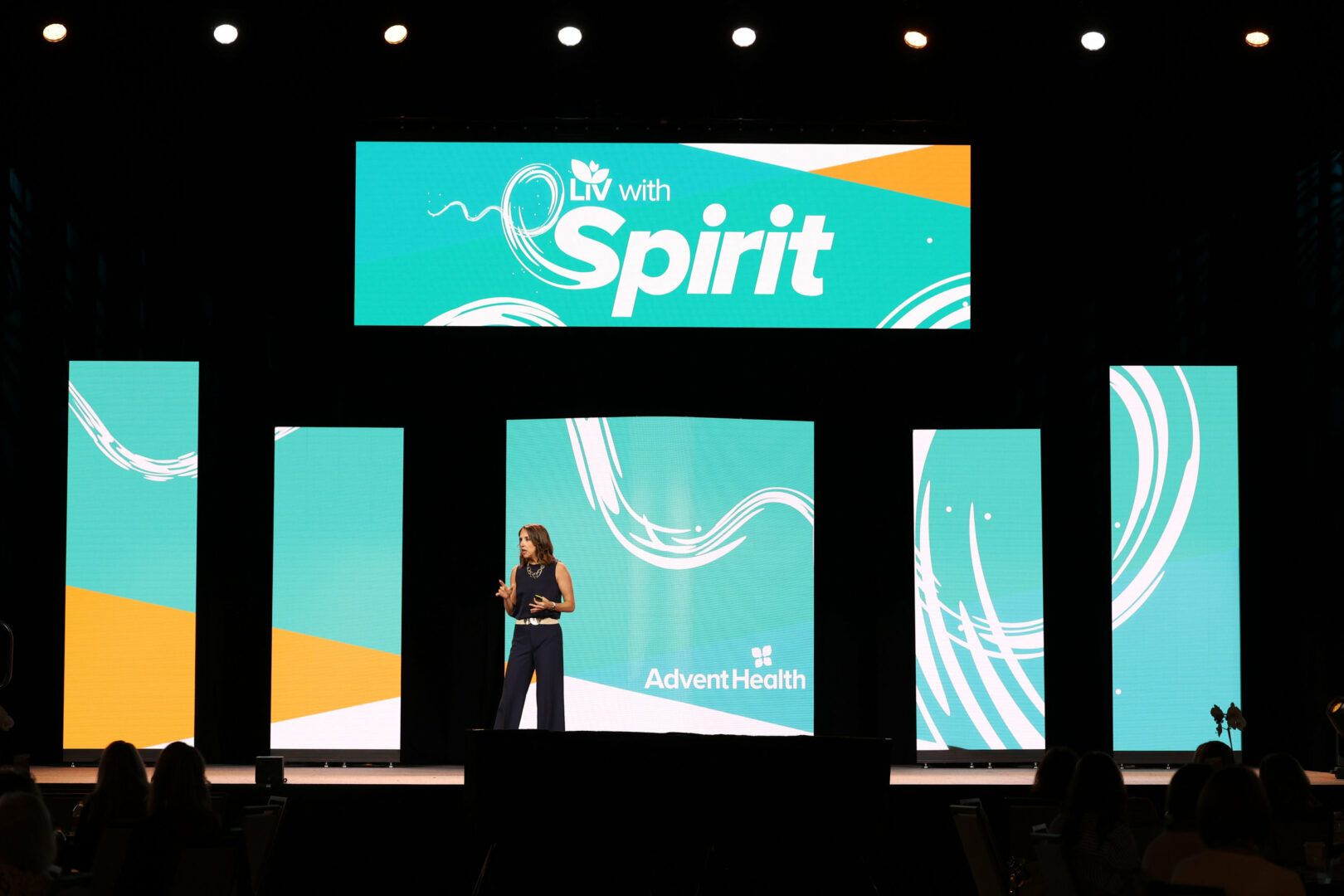
As a speaker, I bring to the stage a unique blend of science + story + strategy to help audiences learn how to master their minds, break through perceived limits, and live bold, happy lives.
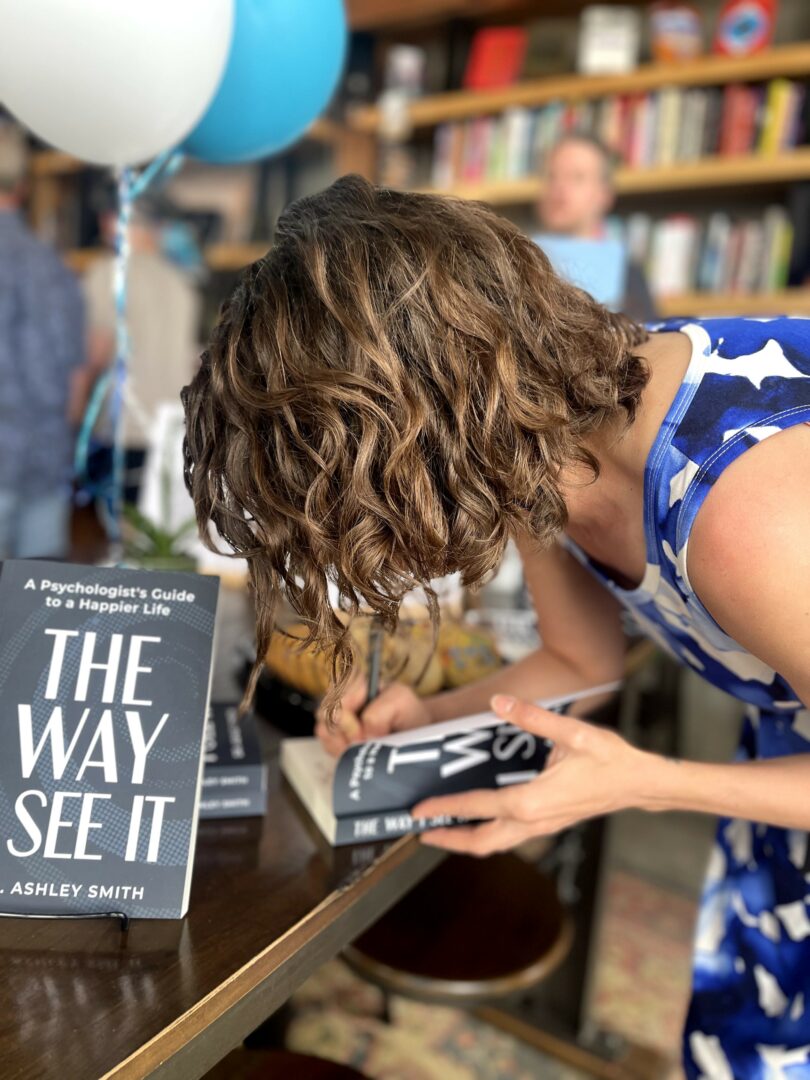
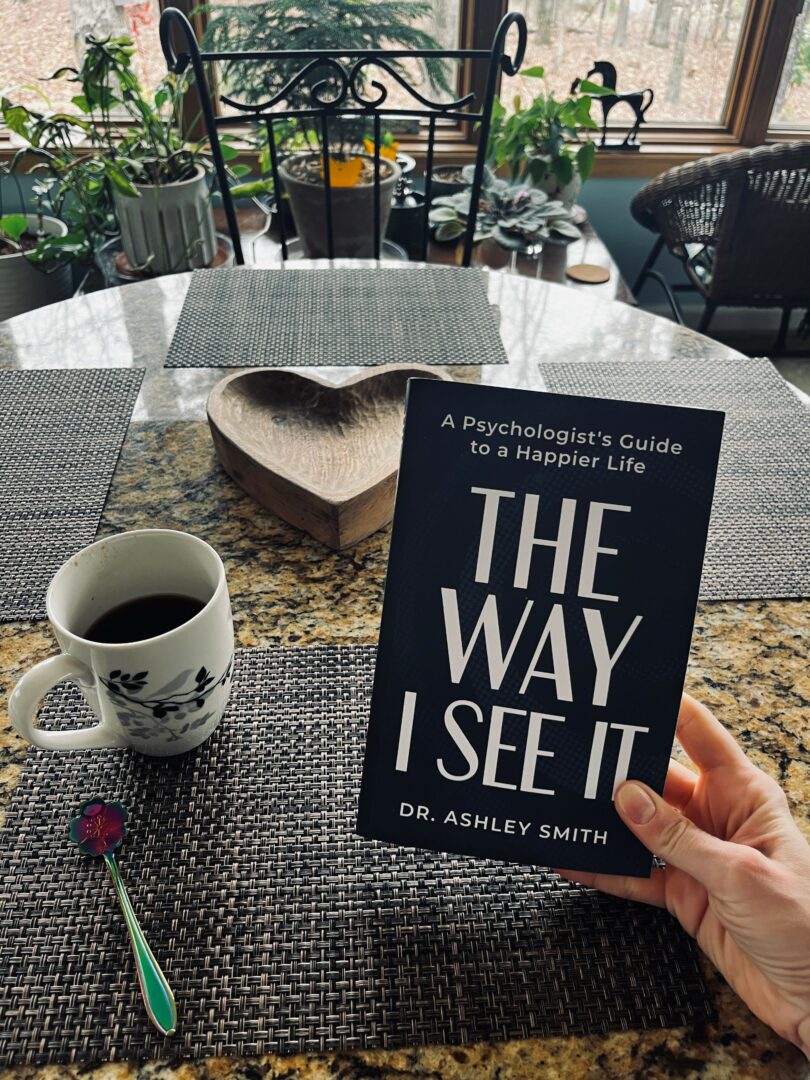
As an author, my book, The Way I See It: A Psychologist’s Guide to a Happier Life, is actionable wisdom, delivered in short chapters that feel like a conversation with your best friend… who is also your therapist. It’s self-help that doesn’t feel like it, science-backed real talk without the fluff.
I am also the co-founder of Peak Mind: The Center for Psychological Strength. We design and deliver evidence-based employee mental health, wellbeing, and resilience trainings. Our mission is to help people and organizations thrive.
The through-line in all my work is helping people understand how our minds work… and work against us. My message is simple: Your mind will hold you back… if you let it.
Appreciate your sharing that. Let’s talk about your life, growing up and some of topics and learnings around that. What did you believe about yourself as a child that you no longer believe?
Because of the nature of my particular vision loss, you can’t necessarily tell by looking at me that I’m disabled. I don’t use a white cane or a guide dog, so there is no outward marker of my disability. This is both a blessing and a curse.
For most of my life, I believed, wholeheartedly, that my vision impairment made me less than and that others would shun me if they knew the extent of it. I was convinced there was no way I could be happy, successful, or independent with (legal) blindness. As a result, I got really good at faking sight, pretending to be normal.
When my vision loss progressed to the point that I had to stop driving, I couldn’t hide anymore. I was thrust out of the disability closet, and I was devastated. It was only a matter of time before my worst fears were realized.
It turns out, though, that I was wrong. Over time, I got to see that none of the awful things my mind had promised me came to fruition. No one shunned me. In fact, people responded quite positively. My career didn’t end. It’s actually quite the opposite! I’d argue it is what it is today because of my vision loss. And, shockingly, I’m happy.
This was such a profoundly impactful experience for me, and I am learning that my vision does not make me flawed or less than.
What did suffering teach you that success never could?
I am someone who does hard things. That is a core component of my identity. It is also something that came about as a result of suffering.
Sure, successes are great! They’re fun and exciting and validating, but it is the suffering that has taught me not to be afraid of hard, not to be afraid of uncomfortable, and not to be afraid of failure (or to be afraid but risk it anyways). Those are fears that hold a lot of people back.
Suffering shows you that you are stronger than you realize and capable of more than you think.
My own personal suffering, namely around vision loss, was also the catalyst for studying the science of happiness and discovering how to find joy no matter what life circumstances you find yourself in. It’s easy to be happy when you’re drowning in success and things are going well. It’s a whole other ballgame to be happy when you’re just drowning.
Yet, it’s possible, and I know this firsthand.
Sure, so let’s go deeper into your values and how you think. Is the public version of you the real you?
By and large, yes. I think so. One of my close friends told me after reading my book, “It was just like having a conversation with you.”
There are certainly some topics and experiences that I keep private, which makes sense. Some things are for inner circle only. But my personality and philosophies are generally the same behind closed doors as they are on stage or page.
Thank you so much for all of your openness so far. Maybe we can close with a future oriented question. What is the story you hope people tell about you when you’re gone?
This is going to sound morbid. I think about dying every day.
And it’s motivating to me.
We have a finite amount of time on this planet, and it’s easy to lose sight of that, to pretend that we have all the time in the world, that we can always do it later. At some point, though, there is no later.
Time is our most precious, most limited resource, and I don’t want to squander mine. So I think… a lot… about Future Ashley on her deathbed, looking back on her life and how she lived, and I don’t want her to have any regrets.
All of that to say, I’ve given a lot of thought to what I hope people will say about me when I’m gone. I hope that people say, “She was an inspiration, and she changed the way I think.”
That hope drives a lot of what I do and how I do it today.
Contact Info:
- Website: www.drashleysmith.com; www.peakmindpsychology.com
- Instagram: https://www.instagram.com/drashleysmith/
- Linkedin: https://www.linkedin.com/in/drashleysmith/
- Facebook: https://www.facebook.com/drashleysmith
- Youtube: https://www.youtube.com/@drashleysmith
- Other: TikTok: https://www.tiktok.com/@drashleysmith
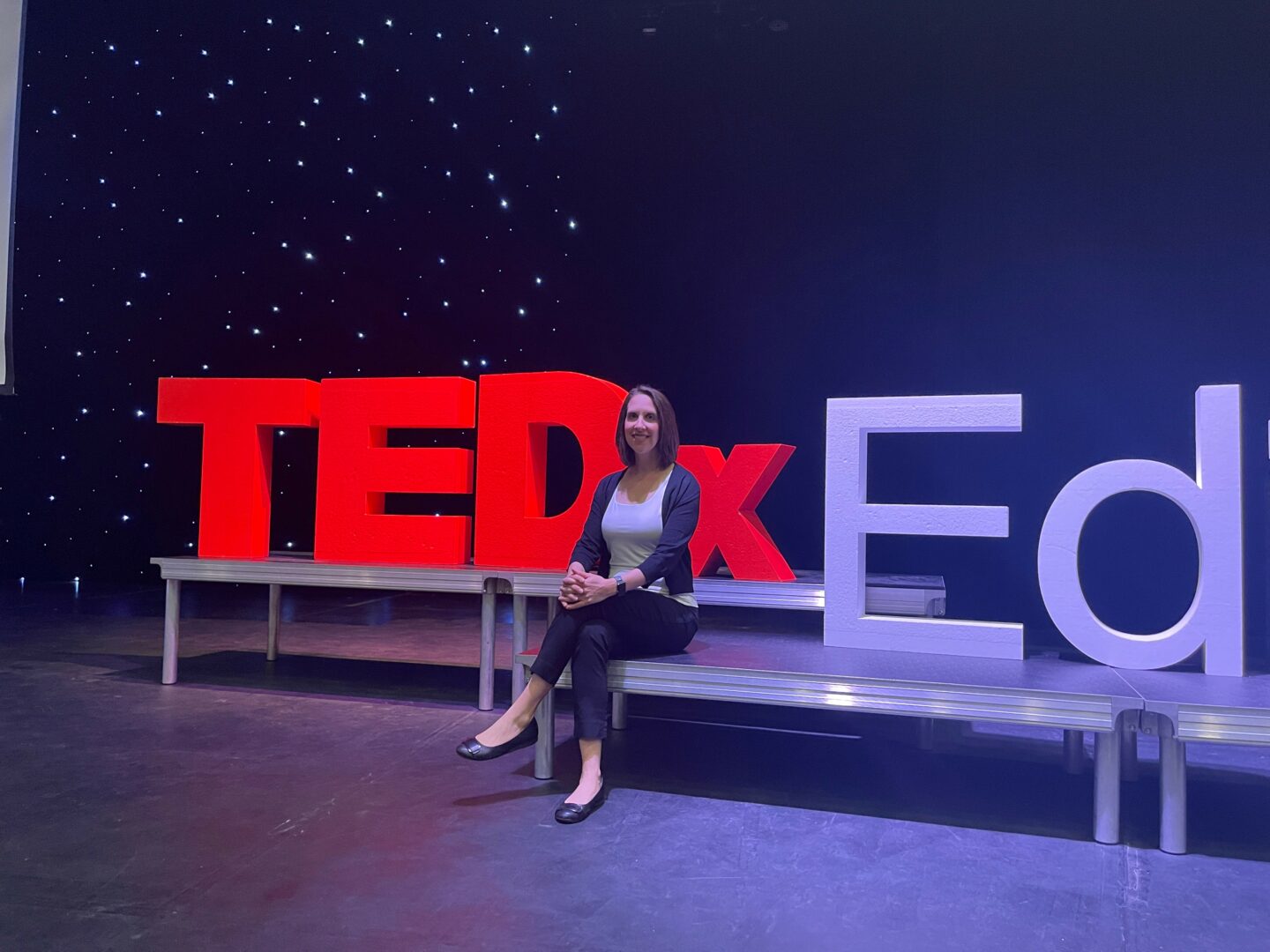
TED.com: https://www.ted.com/talks/ashley_smith_is_your_brain_deceiving_you
Free chapter of my book/newsletter: www.drashleysmith.com/freechapter

so if you or someone you know deserves recognition please let us know here.


