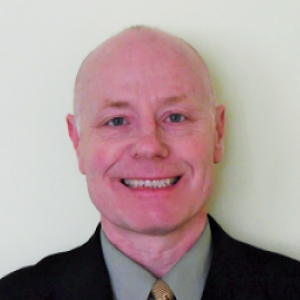
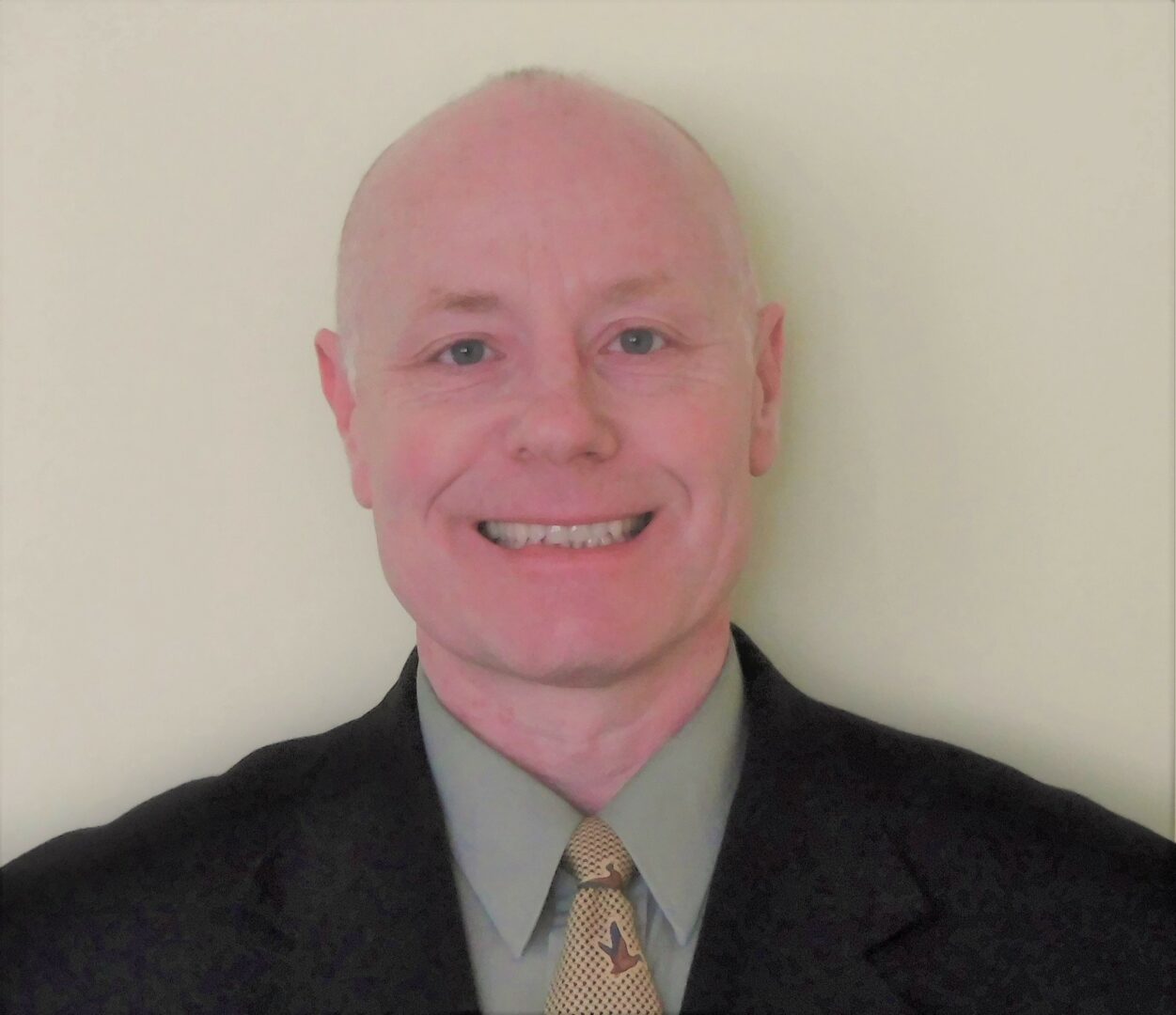
Dr. Wally Bartfay shared their story and experiences with us recently and you can find our conversation below.
Dr. Wally, it’s always a pleasure to learn from you and your journey. Let’s start with a bit of a warmup: What do the first 90 minutes of your day look like?
I typically wake-up early around 6:30 a.m. I like to have a light breakfast consisting of whole wheat bagel or toast, strong dark roast coffee that I freshly ground, mix high fiber cereals with at least two fruits added such as a banana, fresh blackberries or blueberries, mango or strawberries. I then wash-up and shave and call my 89 year old mother who resides in Chateauguay, Quebec to check-up on her.
She askes me about my Indie Music chart rankings and encourages me to make time for myself daily. I then jog for 30 minutes and do medium to heavy weights in my home gym five days a week. I take the weekends off, but remain active walking, cycling or doing yard work around the house depending on weather, This takes up my first 90 minutes of my day.
Can you briefly introduce yourself and share what makes you or your brand unique?
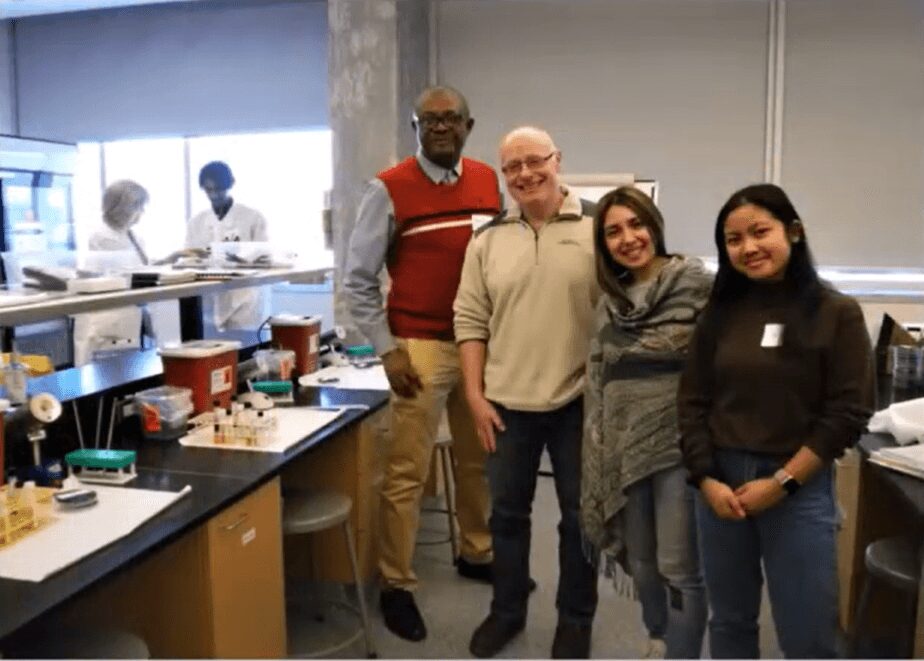
My name is Dr. Wally Bartfay. I’m a retired university professor and former associate dean in the Faculty of Health Sciences at Ontario Tech University, located in Oshawa, Ontario Canada. Oshawa is approximately 45 minutes drive east of Toronto. I also taught at Queen’s University in Kingston, Ontario, University of Windsor and Red River Community College in Winnipeg, Manitoba. My primary area of research was related to heart disease and stroke, public health and epidemiology. I have taught nursing, med lab, kinesiology, public health, and general health science students for over 35 years. I have also served as director for various undergraduate and graduate programs and was instrumental in developing and spear-heading various programs including the Bachelors of Health Science program in public health, Bachelors of Health Administration program, Bachelors of Allied Health program. I also served as Director of Research at the University of Windsor.
My interest in working with people and helping others began during my teen years when I was a lifeguard and had to deal with several emergencies including spinal injuries when diving, first aid and doing CPR when necessary. I have taught clinical for many years.
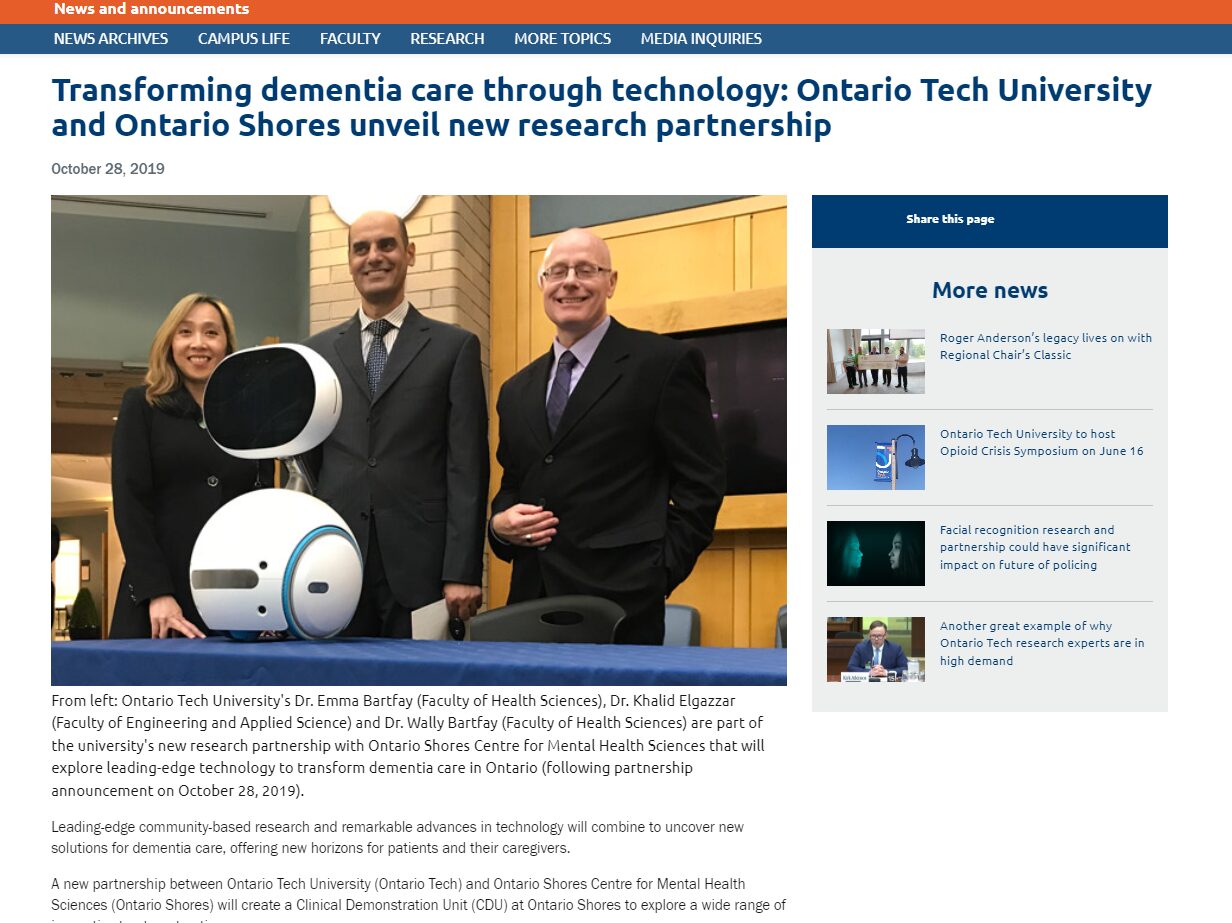
As associate dean, I partnered with Ontario Shores Centre for Mental Health Sciences in Whitby, Ontario to create the Clinical Demonstration Unit (CDU) for dementia research, teaching and practice with various nurses, staff, psychiatrists, graduate students and faculty. We sought to develop a centre for teaching, clinical and research excellence. We conducted various research programs employing non-pharmacological interventions including reminiscent therapy, light therapy, and music therapy for patients with advanced types of dementia. My interest in dementia stems from the fact that my own father suffered from a series of strokes and later developed vascular dementia, which is the second most common form of dementia after Alzheimer’s disease. There are, in fact, over 100 different forms of dementia and there is no cure for this chronic degenerative neurological condition.
Okay, so here’s a deep one: What was your earliest memory of feeling powerful?
When I was a teenager, I worked as a lifeguard with advanced training for first aid (St. John’s Ambulance), CPR and advanced training beyond the basic Bronze Medal level required to be a lifeguard in Canada by the Royal Life Savings society, including Bronze Cross, Award of Merit. I also taught swimming as an instructor.
One of the first jobs was working at a YMCA located Montreal, Hochelaga street near the 1976 Olympic Stadium. My job was to be a lifeguard and work with children that where disabled and teach them to swim. Although my class size was small, consisting of only 5 children, there were challenges teaching them swimming, especially given they were missing limbs or had other disabilities. The first step in the process was to get them to enjoy being in the water and increase their comfort levels. I used play as a vehicle to get them to enjoy chasing a ball, playing tag, etc. in shallow water at first. The next step was to proceed to deeper end of the pool and actually teach them to float and feel comfortable putting their face into the water. The third step was actually teaching them to swim with their existing limbs or noted disability. Each student was a separate and unique challenge. At the end of the summer, it was extremely rewarding and humbling to see that I was, in fact, successful as a swimming instructor. I felt empowered and my self-confidence level rose exponentially that summer of 1981.
What did suffering teach you that success never could?
My parents were not well off with only one parent as the sole breadwinner, and were always conscious about spending money. My mother suffered after being electrocuted in a photo lab she worked in, and could not work consequently. My father worked for the Canadian National Railway and attended night classes and completed his degree at McGill University.
Personally, I can’t remember I time that I wasn’t trying to save-up money or make money growing up. We collected bottles and cans with my sister when I was very young for cash. I cut grass, shoveled snow in the winter for my neighbours and worked in my uncles garage pumping gas, fixing flat tires and during oil changes and tune-ups on cars on weekends.
After high school, for example, I wanted to continue on with my studies in the health sciences. I worked as an orderly to support my studies at Dawson College and studied hard to earn scholarships and bursaries to subsidize my tuition during my university studies. When I got married at the age of 25, the only thing I owned as a beat-up 1978 Plymouth, Fury that I bought for $200 from a wheat farmer in Brandon, Manitoba. Everything I owned fit into the truck of that car, but I was determined to make a mark in this life and to help people.
As a doctoral student in the Institute of Medical Sciences at the University of Toronto, I actually slept on the lab floor several nights a week because I could not afford to pay rent for two apartments. My wife was studying in London, Ontario at Western University and I was studying and commuting back-and-forth as required. I was also teaching nursing courses part-time at Western University in London and helped to develop the nurse practitioner program in Ontario for a pathophysiology course. The cardiac and hematology modules for examples. After a year of so, my supervisor found an office for me located at the Toronto General Hospital that I shared with 3 others during the day. During the night, I slept on the floor on a camping mat and sleeping bag and did my clinical and lab based research related to free radicals and iron overload cardiomyopathy.
So a lot of these questions go deep, but if you are open to it, we’ve got a few more questions that we’d love to get your take on. Is the public version of you the real you?
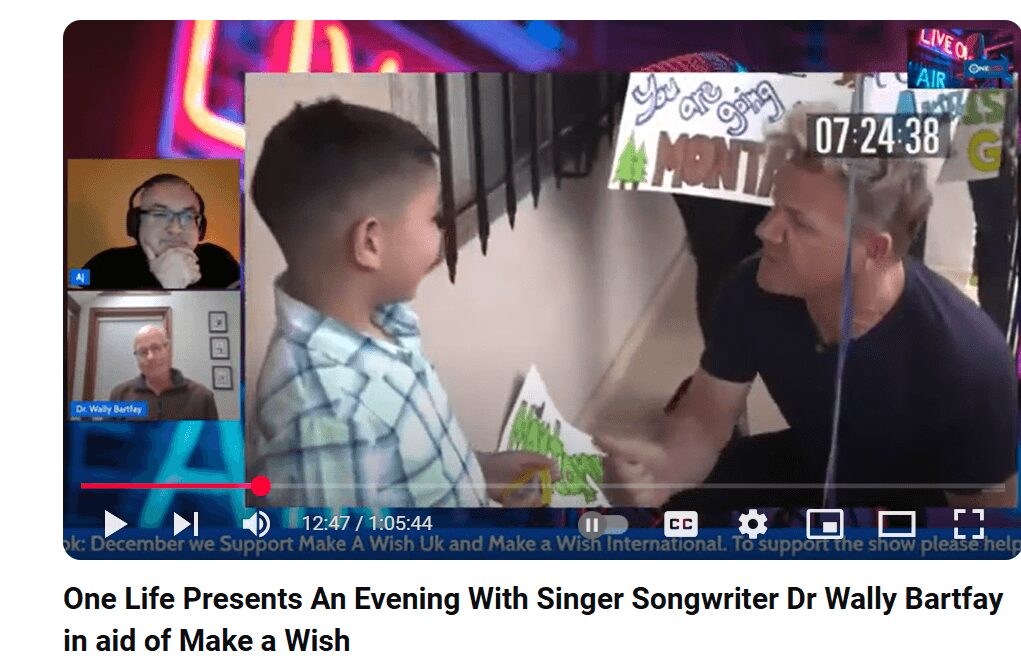
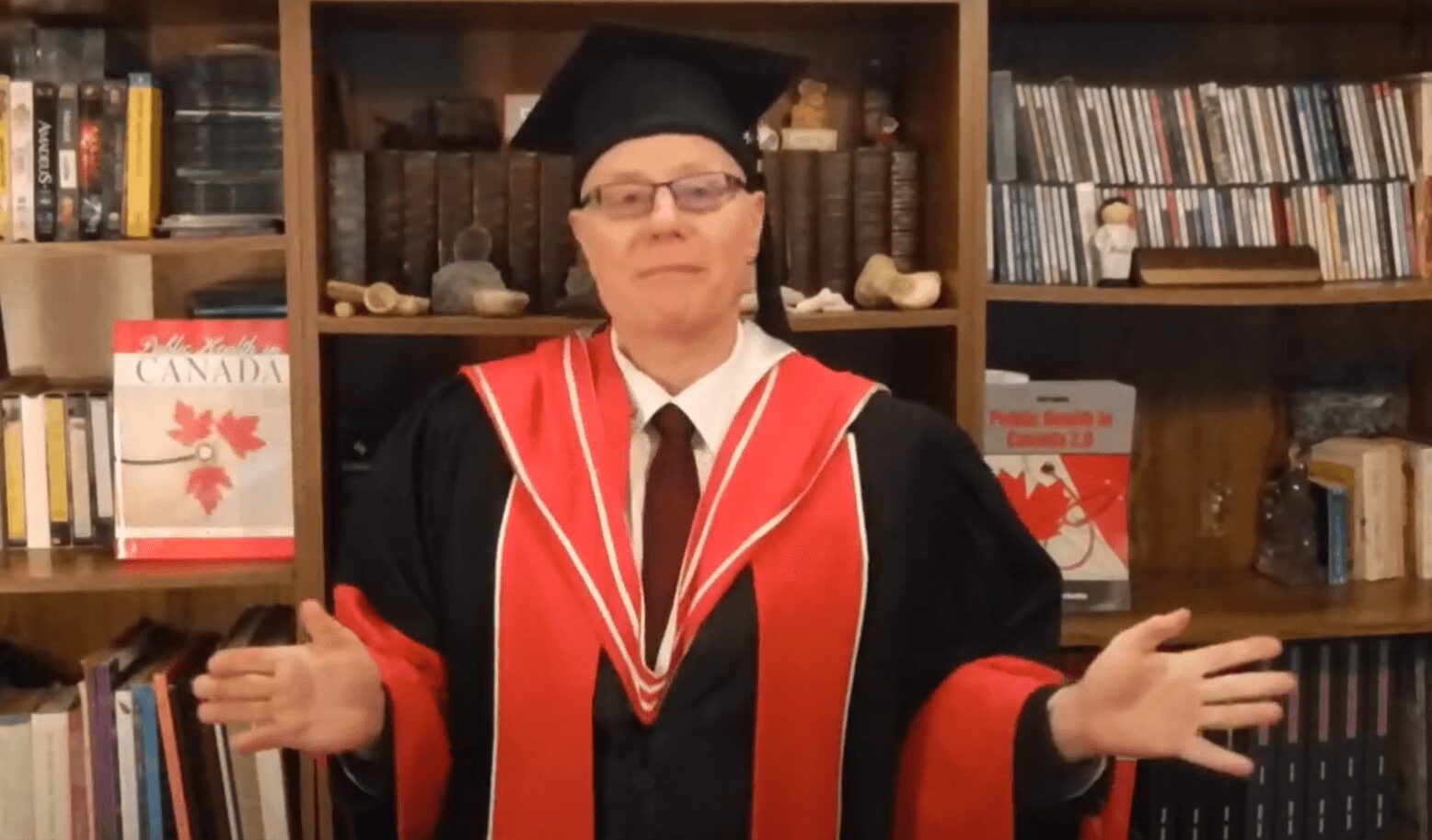
Yes, I do have a public version of myself as Dr. and Professor Wally Bartfay, with various peer-reviewed articles bearing my name, six published textbooks on community and public health, and various on-line lectures that you can watch on YouTube (see link https://www.youtube.com/@wallybartfay5102).
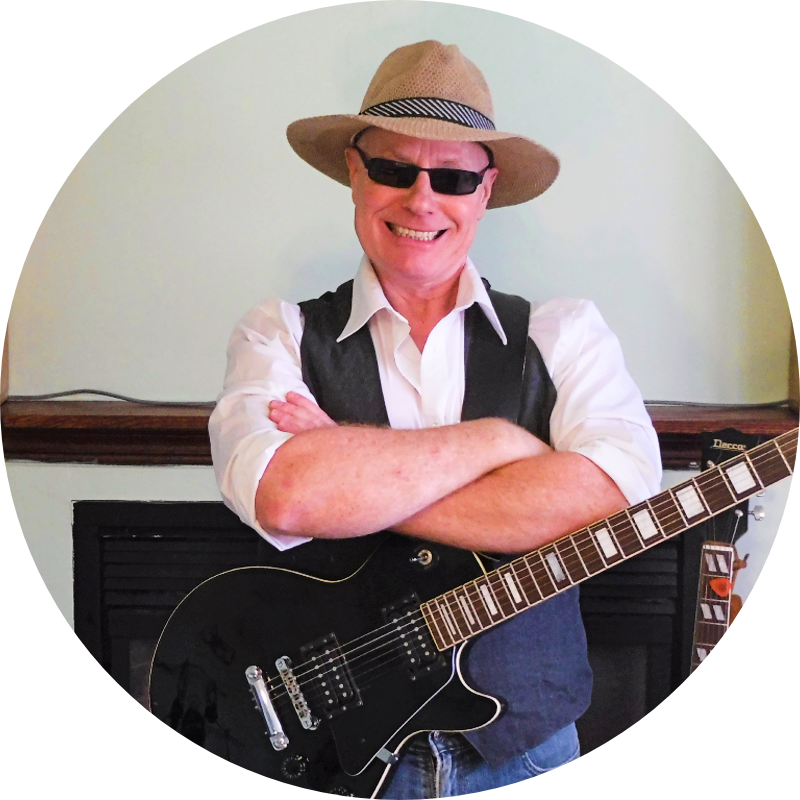
However, I have an alternative persona known as the “Rocking Prof” (see link https://sites.google.com/view/wally-bartfay-music/wally-bartfay-music-productions). I would sometimes dress in jeans, wear a Stetson hat and boots and show-up for the first class to every students surprise. I would then pull-out my guitar and sing a song. It was a great way to break the ice with students and start a conversation. For example, I might play a song that I would sing to my father who suffered from BPSDs (behavioral and psychological symptoms of dementia) like aggression, agitation, depression and hallucinations. This is a song that we would sing around the campfire at the cottage by the lake in the Laurentians, near Weir Quebec, when I was growing up, such as “Take Me Home Country Roads” or some Hungarian folk song. This would help to deal and manage his BPSDs non-pharmacologically. Unfortunately, he suffered from a series of strokes, required a pacemaker, developed heart and kidney failure, and vascular dementia over the years. He was subsequently required to be put into a nursing home when my aging mother could no longer care for him. Ironically, the nursing home that he was admitted to in Chateauguay, Quebec was the same one that I use to put on voluntary charity concerts for with my sister Kathy, cousin Iren Bellon and some other friends during the Christmas holidays for seniors and veterans. The singing and subsequent lecture that day would be on neurological disorders, so the students could make the critical and personal links regarding the importance of this clinical topic and the need to study it.
Okay, so before we go, let’s tackle one more area. When do you feel most at peace?
I feel most at peace being in nature and by the ocean or a lake. The sounds of nature and the water hitting the shore is truly rejuvenating for my soul. My favorite place to be when I was growing up was an isolated cabin on Lake Winnitou, where my parents had a small cabin. No electricity. No running water. A Franklin stove to keep warn and cook on. Down to the bare bones. There was no road to the cabin and you had to take a boat or hike in along a mountain path to the cabin. I also enjoy playing and writing music as an Indie Rock and Country musician and sharing my music and enjoy the creative side of production also. I make my own music videos (see link https://www.youtube.com/@wallybartfayvevo-ib1kj).
I am humbled that my music has appeared on Euro Indie Network Music Chart lists top 1 and 3; World Indie Music Chart lists top 1 and 2; BWNR music list top 5, and the US Top 20 Show- Weekly Pulse of Music at No. 18 and No. 21. In 2024, I had three number hits on the World Indie Music Top 100 Music chart lists and Euro Indie Network Music Chart lists: 1. You’re My Beautiful; 2. Little Sunshine Girl and 3. Cherry Hill Gal. In 2025, Wrote This Song To Say Goodbye Girl hit No. 1 on August 13, 2025.
My latest single with Stephen Wrench is entitled, “Sweet Old School Rock N’ Roll” that tells the story of a 14 year old who buys his first electric guitar at a second hand store, like I did. Check it my music video at https://www.youtube.com/watch?v=3GN9zHfy3oQ



so if you or someone you know deserves recognition please let us know here.