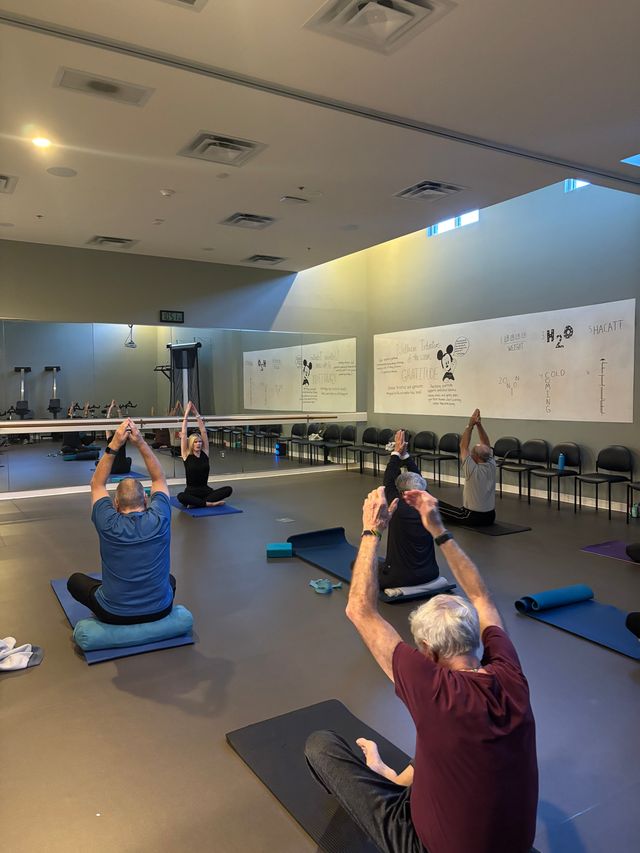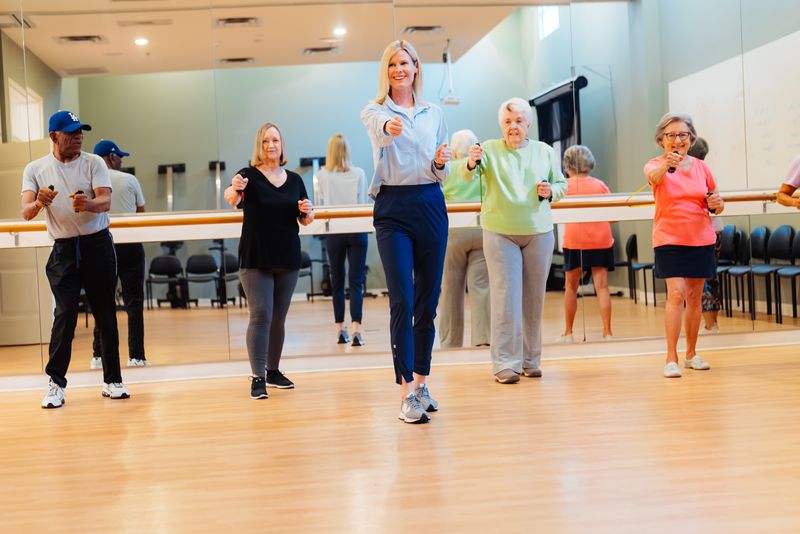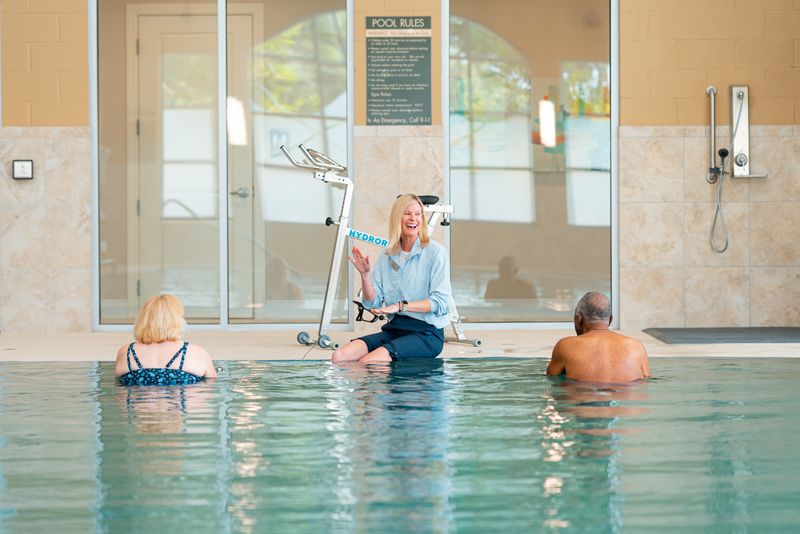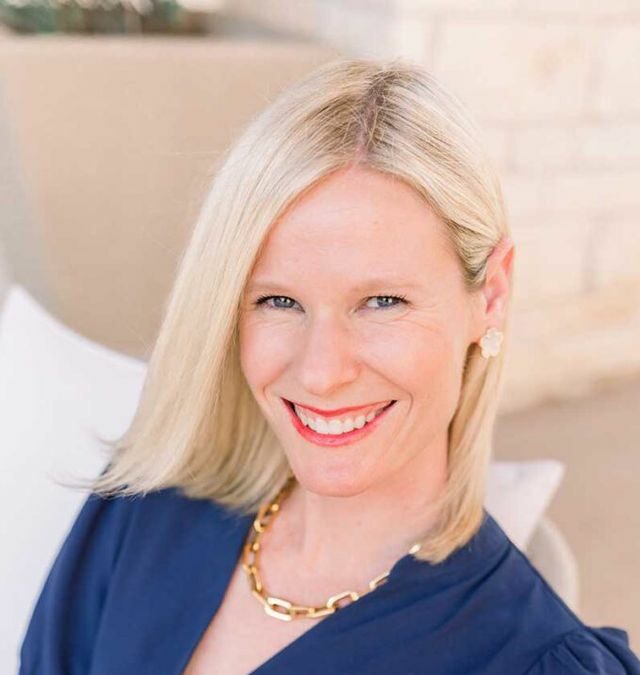
At Presbyterian Village North, Shannon Radford is redefining what senior wellness can look like by blending movement, mindfulness, and spiritual care into everyday life. Drawing on two decades in senior fitness and her recent 200‑hour yoga teacher training, she has expanded yoga beyond exercise into a deeply holistic practice—one that supports strength, balance, emotional regulation, and inner calm for residents ages 61 to 94. From Gentle Yoga Flow and restorative Yoga Nidra to sound baths, outdoor grounding, and sensory wellness experiences across the continuum of care, her work reflects a simple but powerful belief: when seniors are met exactly where they are, wellness becomes not just accessible, but transformative.
Shannon, for readers who may be new to you and your work at Presbyterian Village North, what drew you to expand yoga offerings for seniors, and why did this feel like the right moment to do so?
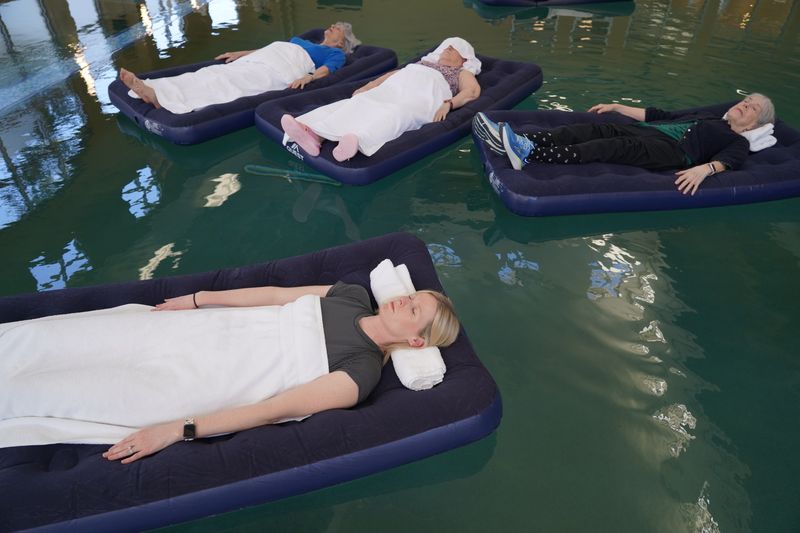
After 20 years of working in senior fitness, I’ve seen firsthand that residents are looking for more than just traditional exercise. They want something that supports mind, body and spirit. The timing to expand our yoga offerings felt perfect because following the success of our first ever floating sound bath, there was a clear yearning for mediation, breathwork and mind-body wellness across our community. I wanted to meet that enthusiasm with professional, specialized instruction that helps residents thrive at every stage of life.
You recently completed an intensive 200-hour yoga teacher training. How has that experience changed the way you approach movement, mindfulness, and wellness for older adults?
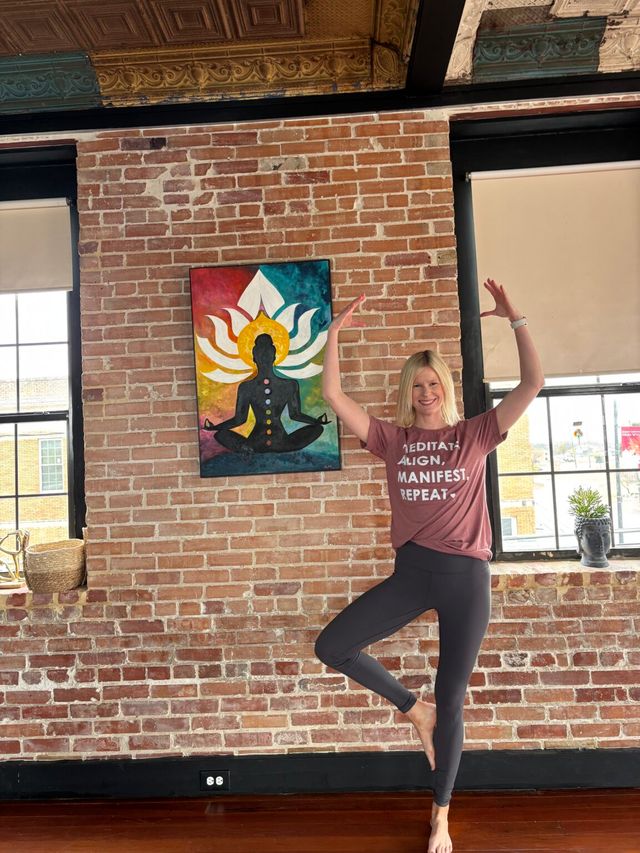
My journey allowed me to evolve beyond “fitness style” yoga into specialized disciplines like Hatha, Yin, Vinyasa and Nidra. While yoga is often viewed in the West through the narrow lens of physical exercise, I now honor it as the traditional eight-fold path—a holistic integration of body, mind and spirit. This journey encompasses: Yama and Niyama (ethics and observances), Asana and Pranayama (posture and breath), Pratyahara and Dharan (withdrawal and concentration) and Dhyana leading toward Samadhi (meditation and enlightenment).
A cornerstone of my growth has been a deep immersion into these philosophical roots, allowing me to lead with a focus on the “why” behind every movement. Whether using the stillness of Yin to preserve joint health or the restorative power of Yoga Nidra to alleviate anxiety, my goal is to bridge the gap between physical resilience and inner peace. By blending movement with mental stillness, every session I lead is a personal step toward self-realization.
Your classes now range from Gentle Yoga Flow to more advanced Yoga Fusion, with participants spanning ages 61 to 94. How do you design classes that feel both accessible and empowering across such a wide range of abilities?
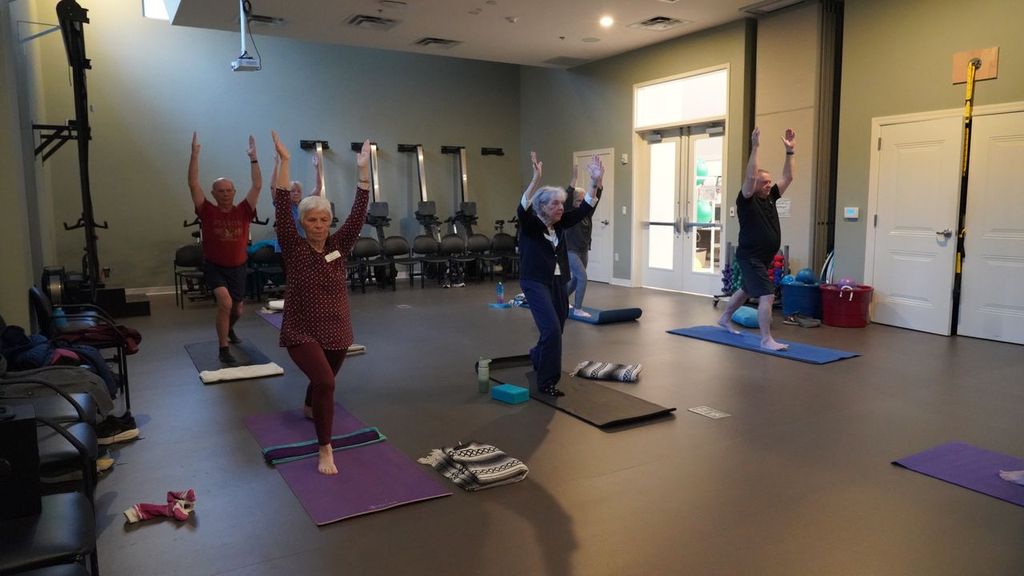
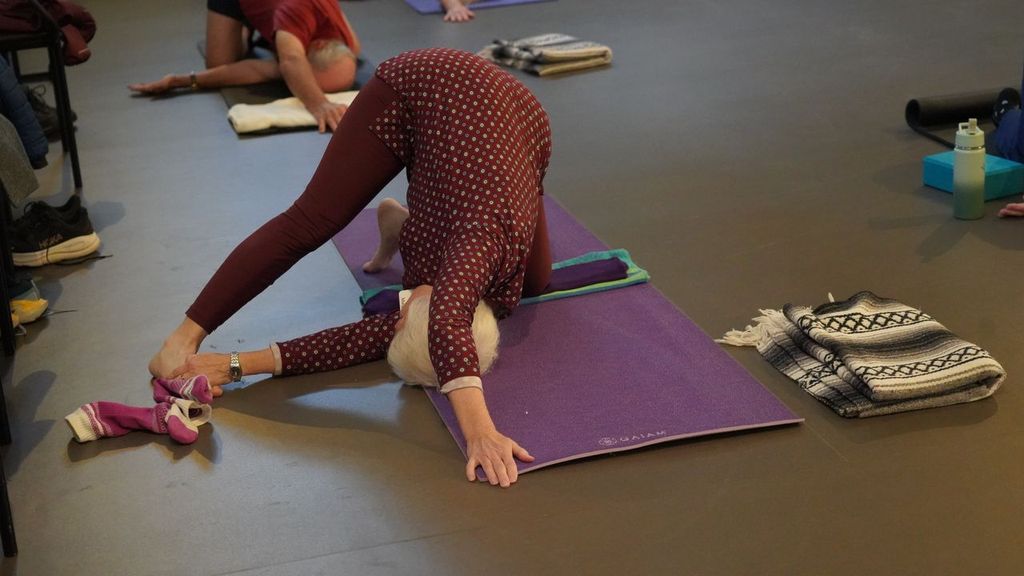
At its core, yoga is for everyone. I focus on classes designed around functional movement, prioritizing the strength and range of motion essential for activities of daily living. Every pose is thoughtfully modified to meet the unique needs of residents to make certain the practice is accessible to all. The Wellness team empowers residents to better understand their bodies by finding the perfect balance between effort and ease, utilizing props and chairs to enhance alignment and stability.
Last year’s floating sound bath sparked increased interest in meditation and mind-body wellness on campus. How are you building on that momentum to create a more holistic wellness culture for residents?
Building on the momentum of last year’s floating sound bath, we are cultivating a more holistic wellness culture through an array of healing workshops led by PVN’s new Associate Director of Spiritual Life, Elise Neal. By integrating a rotating schedule of immersive sessions, including offering more sound bath experiences (grounded and floating) and targeted energy and mediative work, she hit the ground running in her mission to deepen our senior living community’s restorative practices. Elise recently hosted a “Sacred Heart Awakening” that focused on the heart chakra.
We also provide integrated restorative practices across our entire continuum of care. In Assisted Living and Memory Support, we use sound baths to create a sensory sanctuary where overlapping vibrations from singing bowls and gongs act as a tool to quiet the “fight or flight” response. These immersive sessions can reduce agitation and restlessness while improving quality and mood. By incorporating the chakra systems, residents can balance their energy centers to promote emotional release, stimulate cognitive function through vibrational frequencies and enhance sensory engagement.
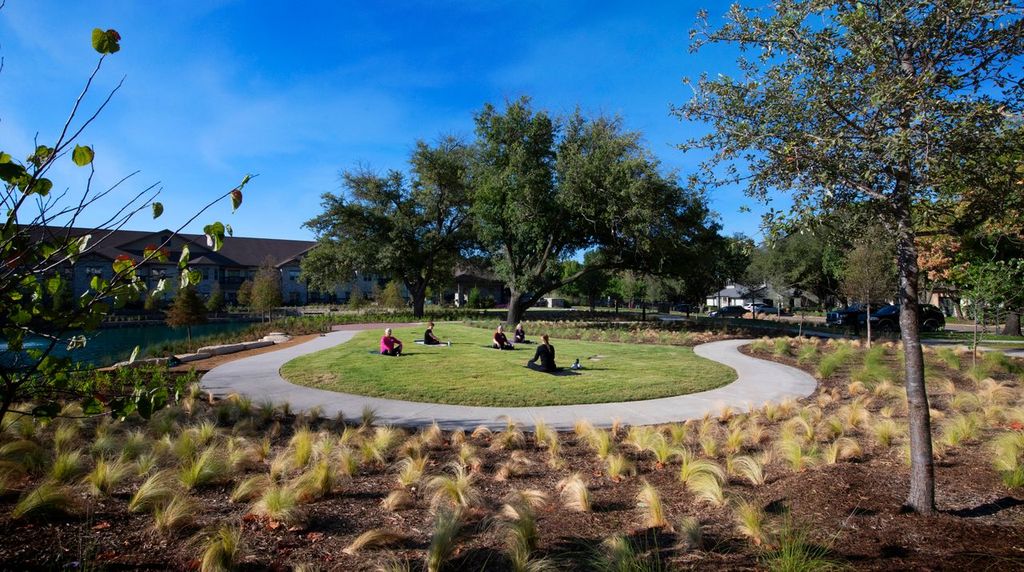
To further enrich these sessions, we utilize our beautiful 66-acre campus as a natural extension of our studio. By taking our practice outdoors, we lead residents in grounding or “earthing” techniques like barefoot grass walking or seated grounding to stabilize the body’s electrical field and lower cortisol levels. These outdoor “sensory sanctuaries” are especially impactful for memory support residents, as natural light helps regulate circadian rhythms to reduce “sundowning” (late day) behaviors like anxiety, confusion or ignoring directions. We recently introduced the PVN Sensory Wellness Trail Guide, a custom-designed resource created specifically for our campus. This guide elevates a simple stroll into an intentional, mindful journey encouraging residents to engage their chakra systems and practice physical grounding while immersed in the healing power of nature, sunlight and fresh air.
You’ve said it’s important that every resident finds a practice that meets them where they are. What impact have you seen—physically, mentally, or emotionally—since introducing these expanded yoga offerings across the continuum of care?
The positive impact has been visible across the board! Physically, I see residents improve their strength, balance and mobility. Mentally and emotionally, these restorative practices provide a space to reduce tension and anxiety. The variety in our programming is truly enhancing the overall longevity of those living at PVN. It’s incredibly rewarding to witness residents discover a practice that empowers them to lead more active, fulfilling lives while becoming more physically resilient and mentally centered. I often describe yoga as a journey back to yourself; it is a beautiful practice, and I am grateful to share its benefits with the residents of the PVN community.
Links: