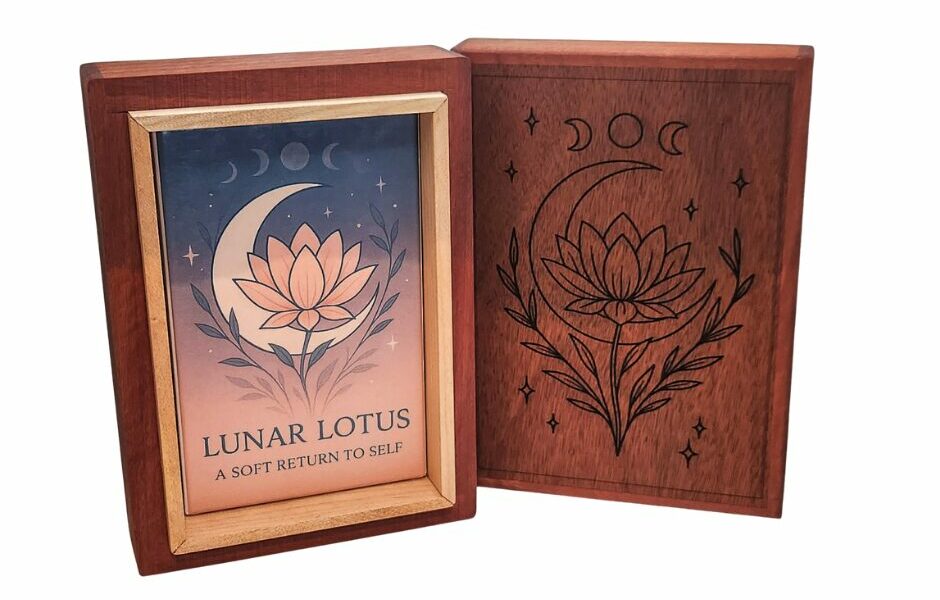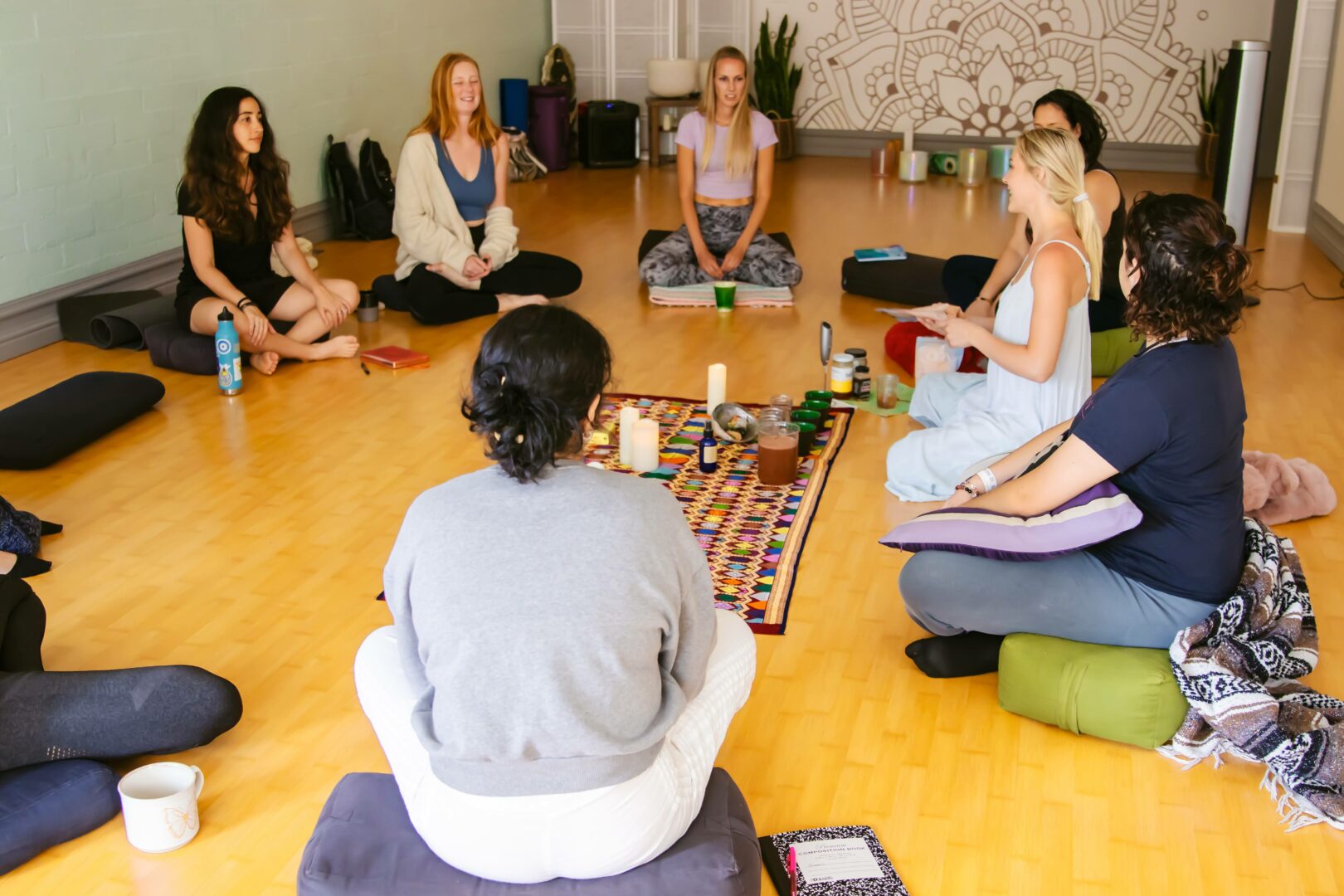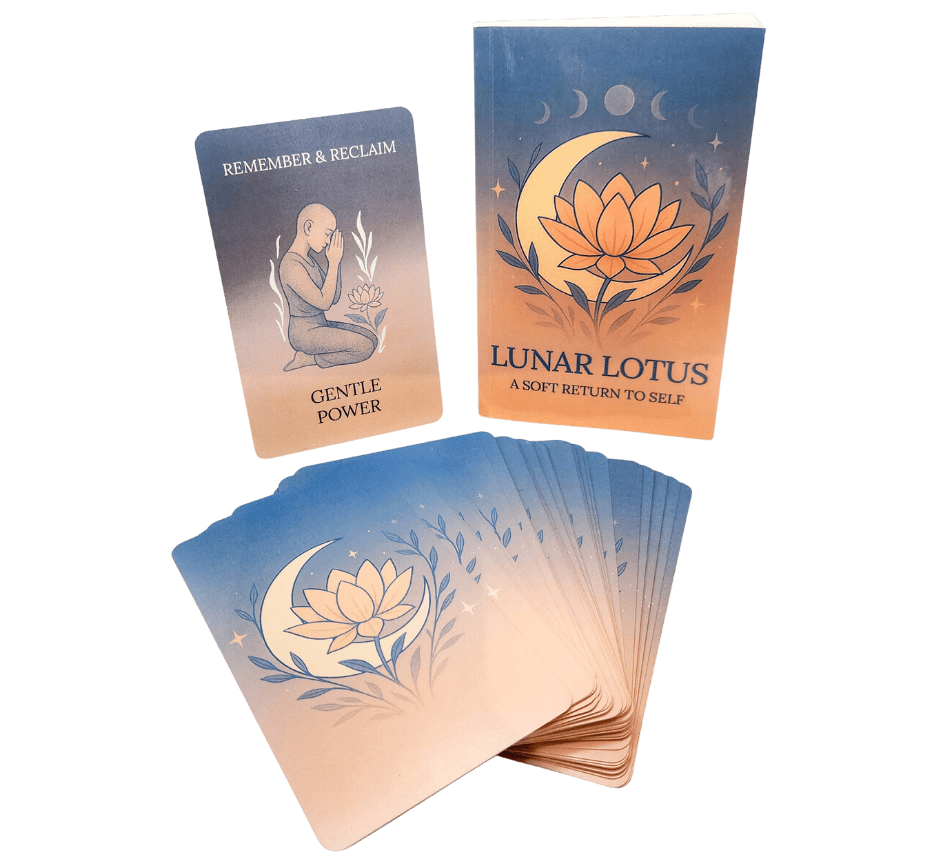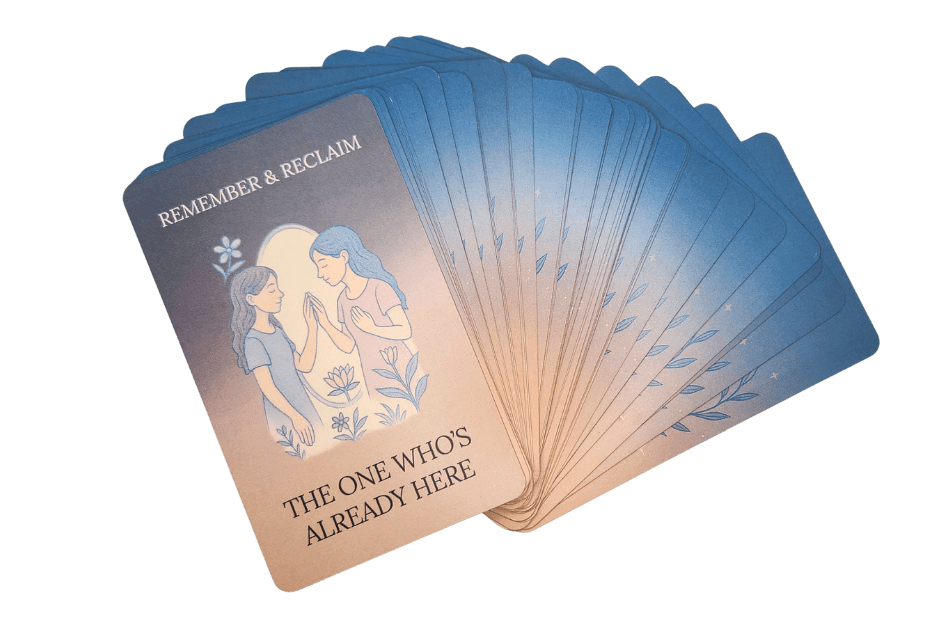
Lunar Lotus Retreats began in the desert with a simple but radical idea: healing doesn’t require proving, performing, or pushing through. Founded by Christina Rogers after hosting an intimate women’s retreat in Yucca Valley, Lunar Lotus has since evolved from in‑person gatherings into gentle, accessible tools designed to meet people where they actually are—especially in seasons of burnout, survival, or overwhelm. Rooted in lived experience, sensitivity, and deep respect for human limits, Christina’s work—including the Lunar Lotus Oracle Deck—invites pause, self‑trust, and nervous system care, offering a quiet reminder that real healing often happens slowly, privately, and with kindness.
Hi Christina, thank you so much for taking the time to share your story with our readers. Lunar Lotus Retreats began as in-person gatherings centered on healing and reflection — can you take us back to those early days and what first inspired you to create a space devoted to slowing down and reconnecting with self?
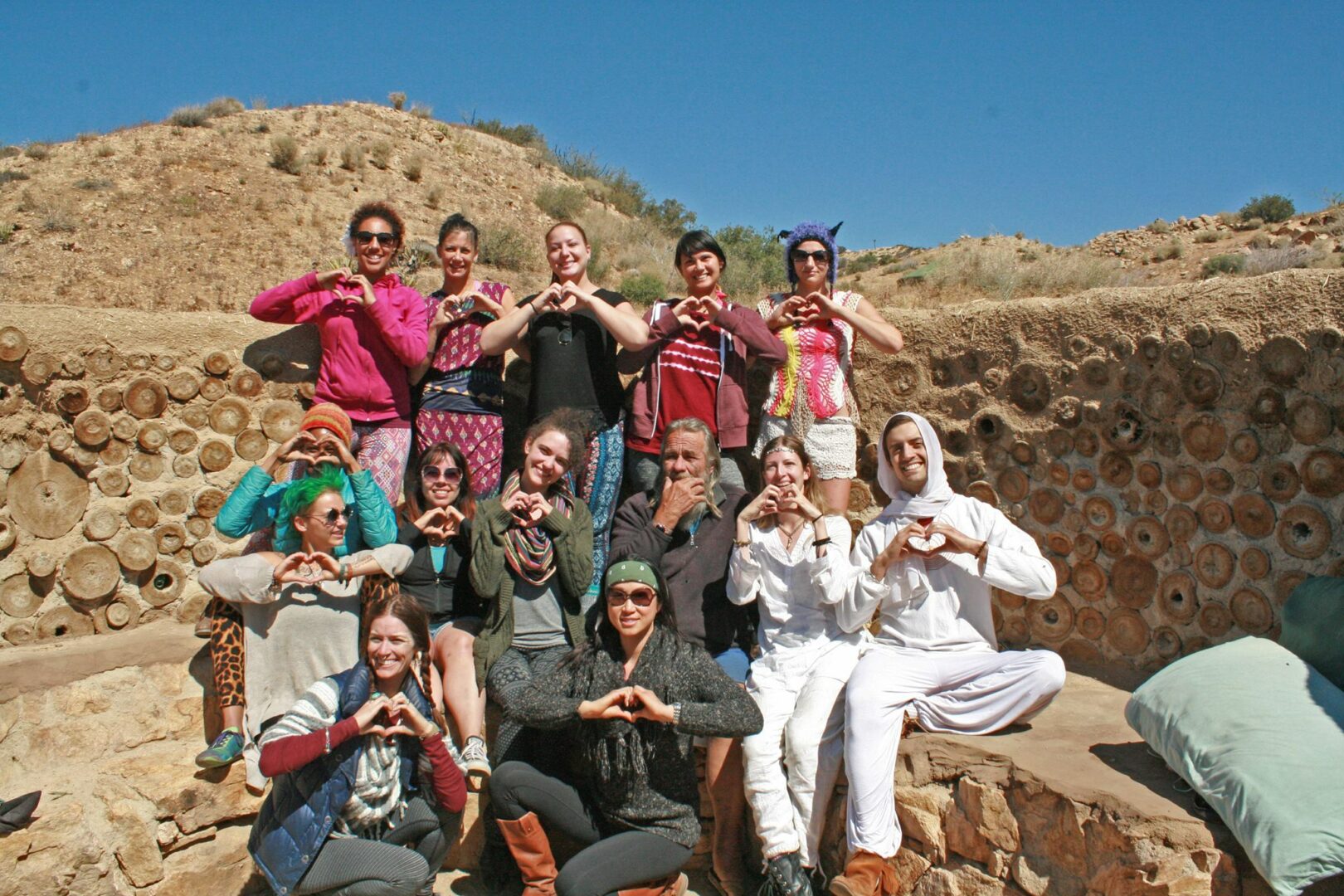
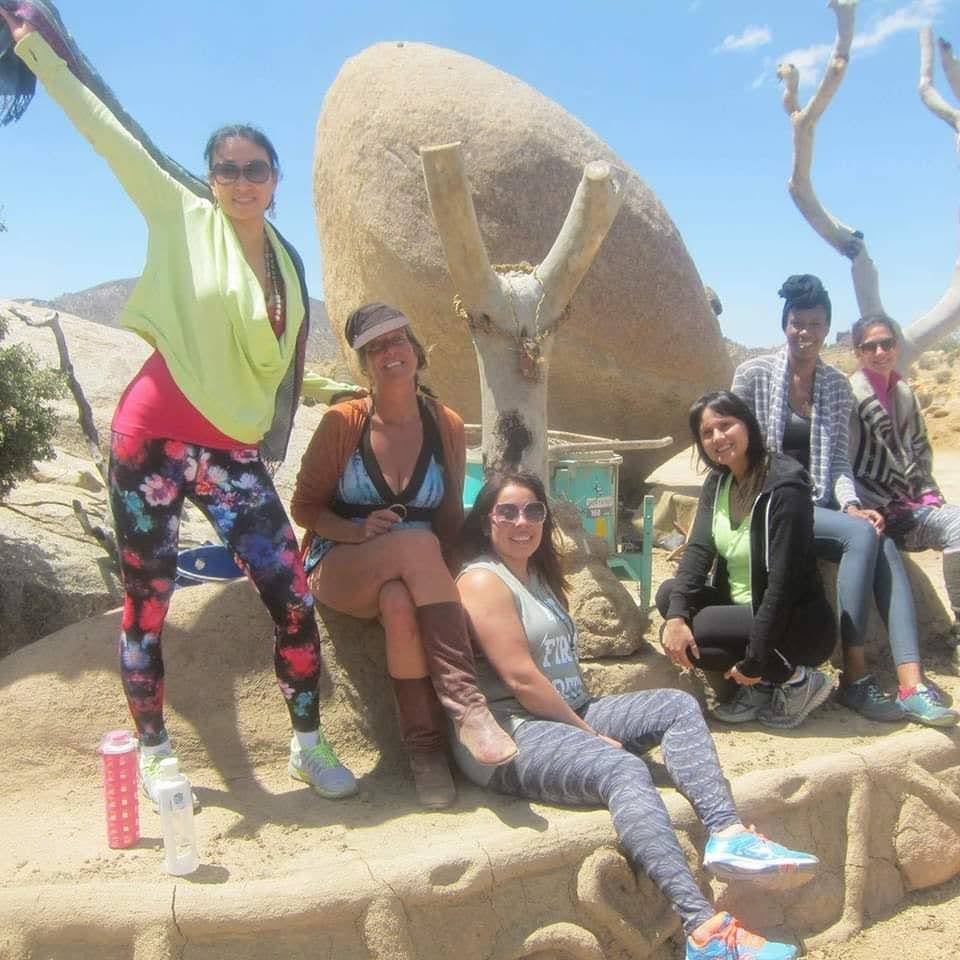
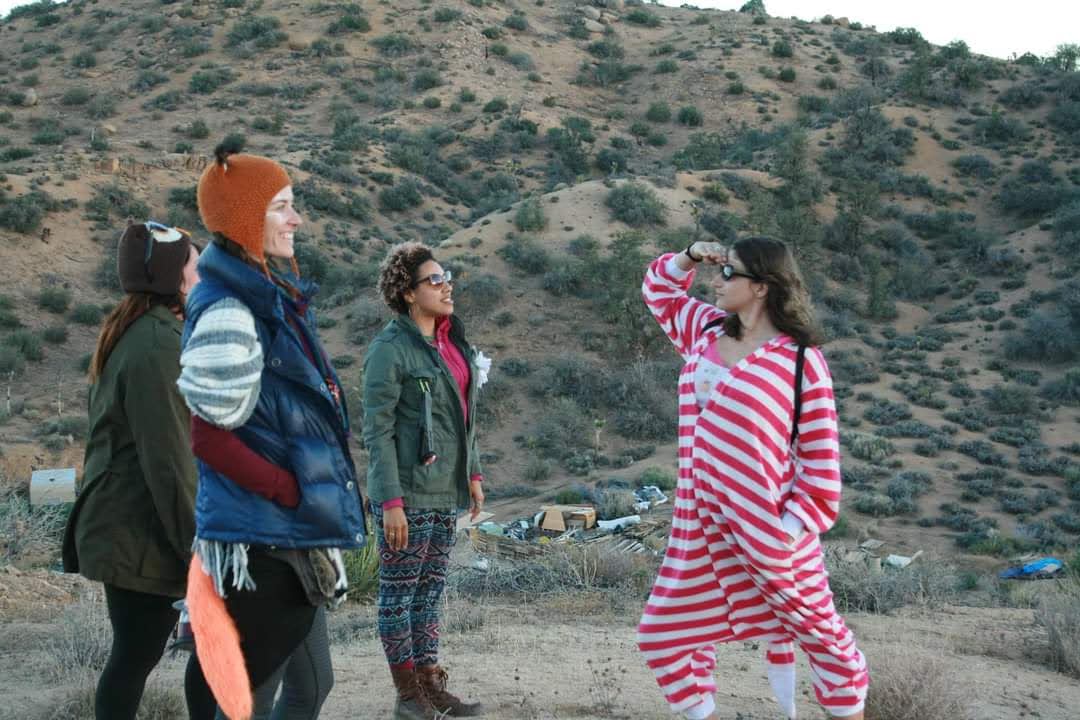
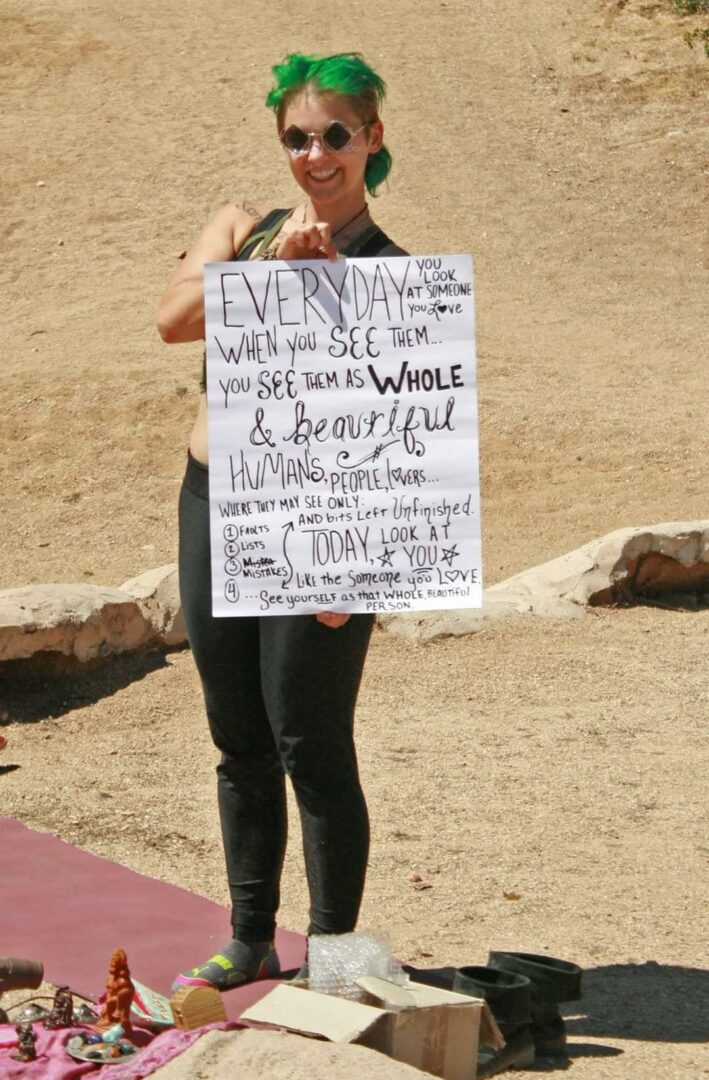
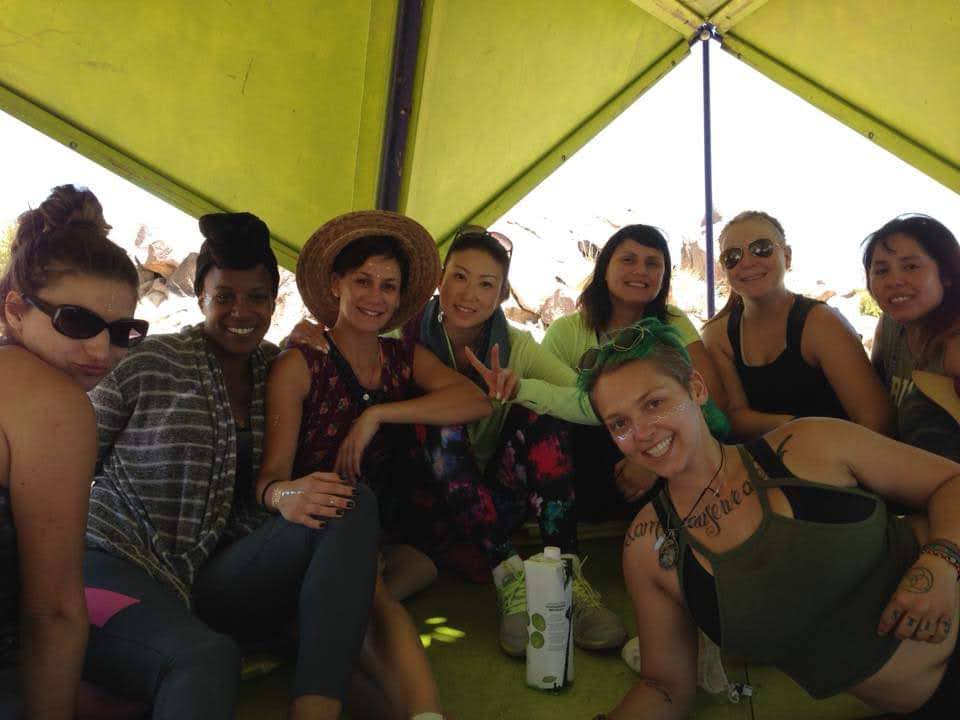
Lunar Lotus began from a very sincere place. In 2016, I hosted a small women’s retreat in Yucca Valley that focused on self-love, empowerment, and reconnecting with inner worth. At the time, I was deeply interested in creating spaces where women could slow down, reflect, and feel supported without needing to prove or perform anything.
That first retreat was meaningful and well received, even though I didn’t yet understand the financial realities of hosting events. Still, it affirmed something important for me: when people are given space to pause and be witnessed, something real opens up. That early experience planted the seed for Lunar Lotus as a space devoted to gentler forms of healing and connection.
After Covid, your work shifted from hosting retreats to helping people “bring the retreat home.” What did that transition look like for you personally and professionally, and how did it reshape the way you think about support, accessibility, and healing?
That transition was less of a strategic pivot and more of a lived reality. In the years following that first retreat, I was navigating financial strain, an unhealthy relationship, and intense work demands. I didn’t stop hosting events because the vision disappeared. I stopped because I was in survival mode.
After Covid, gathering in person became even harder, both logistically and emotionally. At the same time, I was realizing that healing doesn’t only happen in retreat settings. Often it happens privately, quietly, and on uneven ground. That understanding reshaped how I thought about support. It didn’t need to be structured or scheduled to be real. It needed to be accessible, flexible, and kind to people’s actual lives.
You’ve shared openly about experiencing burnout and health challenges along the way. How did moving through that season influence the gentler, more intentional tools you now create, especially for sensitive, neurodivergent, or overwhelmed individuals?
Burnout taught me about limits in a very embodied way. There were long stretches where I was working too much, carrying too much responsibility, and trying to hold space for others without enough support myself. Over time, my body simply wouldn’t allow that pace anymore.
As someone who is sensitive and neurodivergent, I became deeply aware of how many wellness tools assume high energy, consistency, and emotional bandwidth. Moving through burnout shifted my focus toward creating tools that don’t demand readiness or resilience. Tools that can meet someone on their hardest days, not just their motivated ones.
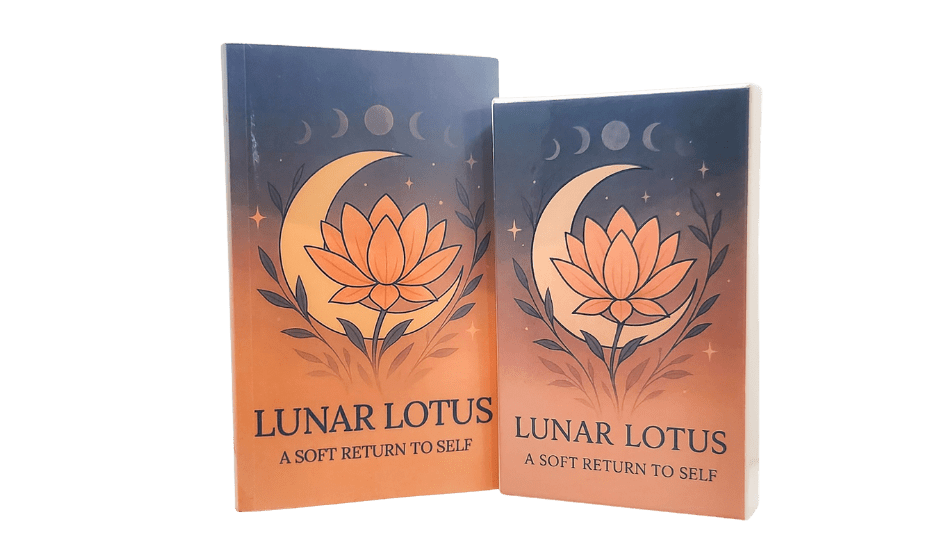
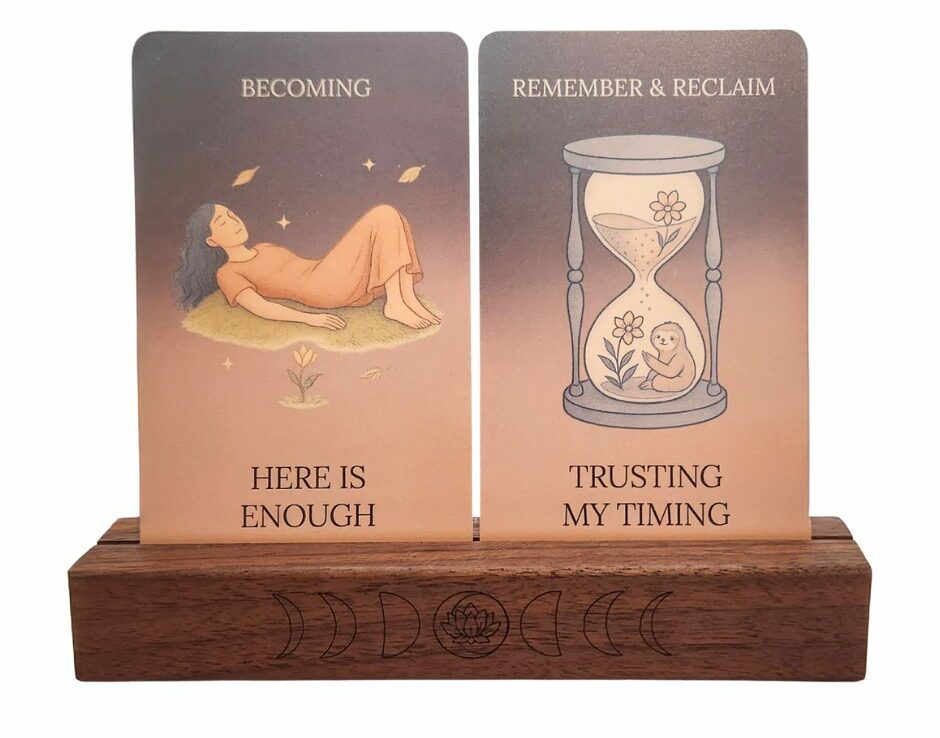
The Lunar Lotus Oracle Deck feels less about fixing and more about listening inward. What was the creative process like in designing a tool that invites pause, self-trust, and nervous system regulation rather than productivity or performance?
The deck didn’t come from theory or abstraction. Every card grew out of lived experience, from childhood through adulthood, and from moments where I realized how often I had pushed past my own needs because no one had given me permission to slow down, rest, or trust myself.
As I was creating the deck, I noticed that many of the messages were things I had needed to hear at different points in my life. Permissions I never received, reminders I had to learn the hard way, and moments of self-compassion I wish had been modeled earlier. In that sense, the deck began as something I was offering to myself.
The creative process was intentionally slow and reflective. Rather than trying to fix anything, I focused on creating space. Each card is meant to act as a pause, a gentle interruption that allows someone to listen inward and respond with more kindness toward themselves. Over time, what started as personal permission slips became something I felt ready to share with others.
It’s powerful to hear how people are using the deck in therapy offices, during life transitions, or in moments of overwhelm. What kind of impact or feedback has meant the most to you as you’ve watched this work live in people’s everyday lives?
The feedback that stays with me most is when people say the deck helps them feel less alone or more trusting of their own inner voice. Hearing that it’s being used quietly, on desks, in therapy sessions, or during difficult transitions tells me it’s serving its purpose.
I never wanted the deck to be something people aspire to become. I wanted it to be something that meets them where they already are. Knowing that it offers steadiness during uncertain moments has been deeply meaningful.
As you continue evolving Lunar Lotus, what have you learned about creativity, community, and building something sustainable that truly supports real humans — and what feels most important to carry forward into this next chapter?
I’ve learned that sustainability isn’t about doing more. It’s about doing what’s honest and aligned with your actual capacity. For me, Lunar Lotus has evolved from hosting and holding space for others into creating something that can hold space without depleting the person behind it.
What feels most important moving forward is integrity. Creating tools that respect people’s limits, including my own. If Lunar Lotus can continue to offer calm, permission, and self-trust without asking anyone to override themselves, then it’s doing what it was always meant to do.