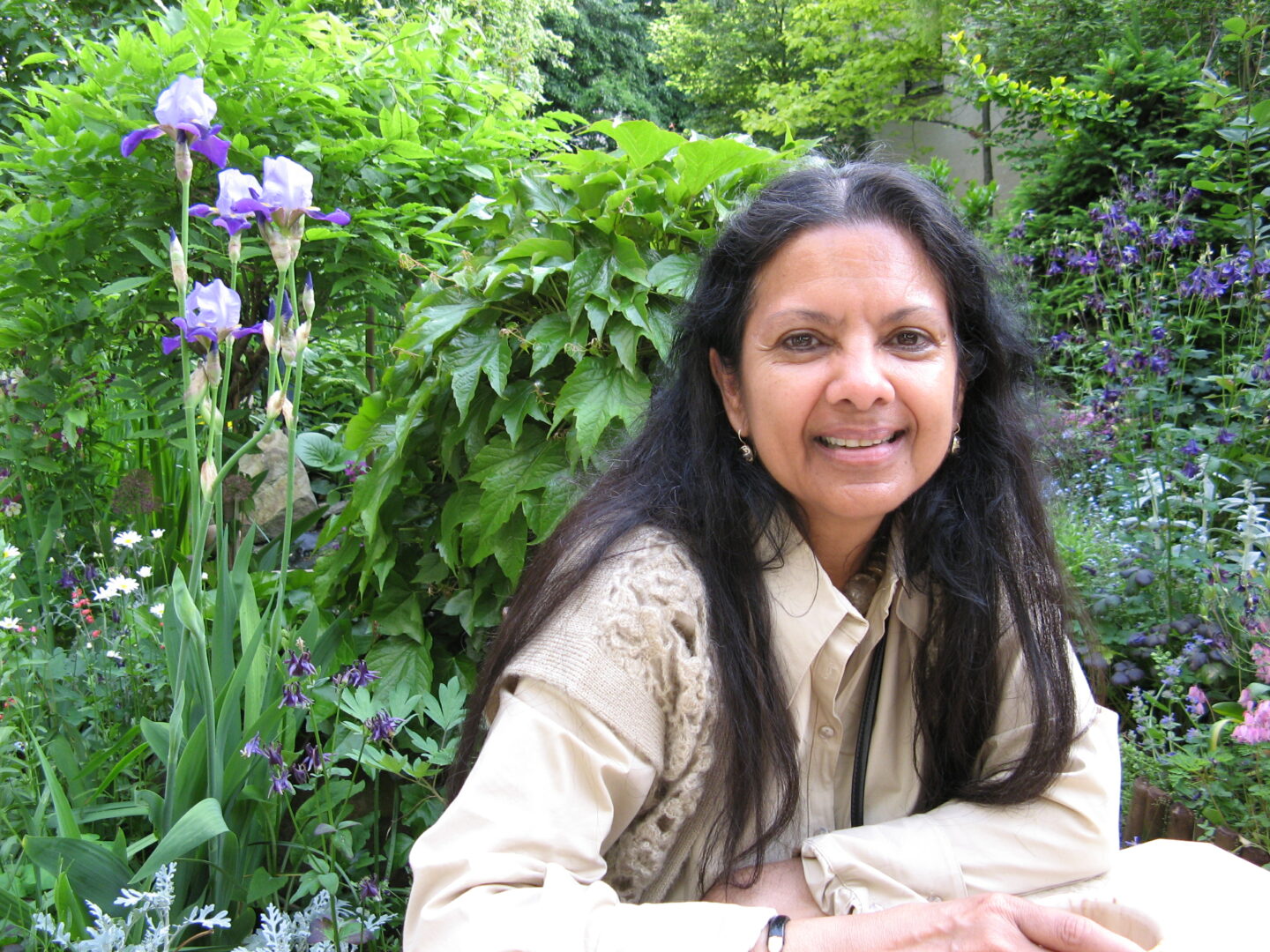
Indra Persad Milowe’s work captures the powerful intersection of modern life and ancient spirituality, weaving together striking visuals like Casablanca’s Zevaco Dome with the meditative practice of whirling dervishes. Through My Journey to Morocco, Indra explores how fast-moving urban environments and timeless spiritual traditions can coexist — each offering a different path to presence and meaning. Her work invites viewers to look beyond the surface of a place, uncovering not just its history and architecture, but the enduring spirit and cultural depth that continue to shape it today.
Indra, your collection brings together architectural landmarks and deeply spiritual traditions. What drew you to capture both the Zevaco Dome and the whirling dervishes in the same body of work?
The Zevaco Dome (often called Kora Ardia or terrestrial globe by locals) is a famous, futuristic, steel-and-glass, half-globe sculpture located in the center of Place Nations-Unies in Casablanca, Morocco.
The Dome is a great place to observe the daily rhythm of life for locals and feel the contrast between the silence inside the dome and the noise of Casablanca’s busy streets. Likewise, the practice of whirling aims to quiet the noisy minds of the dervishes, allowing them to enter a deeper quieter space. Such a space of mind, it is said, can be ecstatic and bring one to a direct experience of the Divine.
The Zevaco Dome represents modernity and urban life, while the Sema ceremony reflects ancient spirituality. What connection do you see between these two worlds?
Modernity is in time and thus changing at every moment. Modernity for those people alive in 1926 was quite different then for us in 2026! Spiritual practices, such as whirling, take one out of time. This brings deep peace and ever new bliss to the practitioner’s state of mind and heart, independent of the changing scenes of daily life.
Your piece highlights the symbolism behind the whirling dervishes. How did witnessing or studying this practice impact your own perspective on spirituality or presence?
It is beautiful to experience the whirling dervishes and the Sema ceremony. However, it impressed on me the necessity of deepening my own personal spiritual practices. That way, I can hopefully attain a more Divine interior state while going about my daily routines.
When documenting places like Casablanca, how do you decide what elements tell the most meaningful story of a location?
The Zevaco Dome is in the center of an historic ever-changing part of Casablanca, now called Place Nations-Unies (United Nations Square). It is just outside the old city or medina. It has changed much over time. Before French colonization, it was the Grand Market. The French put up a clock tower which was demolished in 1948 for new urban design. A clock tower imitating the original’s design was constructed a short distance closer to the medina in 1993. The Zevaco Dome is part of an underground pedestrian passage. It stands as an architectural monument built in 1975 by Moroccan-born French engineer Jean-François Zevaco.
My Journey to Morocco sounds both visual and personal. What do you hope people feel or understand after experiencing this collection?
Despite colonization by the French and other modern influences, this country’s traditional culture has survived. The arts, the architecture, the beautiful attire of both men and women and the marvelous cuisine are very much alive and vibrant. And so is the spirituality of the people.
Links:
- YouTube: My Journey to Morocco
- Fine Art News Interview: https://
fineartsnews.com/2026/04/ indra-persad-milowe-weaving- worlds-of-color-culture-and- resilience/ - Unofex: UNION OF EXCELLENCE: Certified Member Arts Industry: https://www.
unionofexcellence.com/ directory/indra-persad-milowe
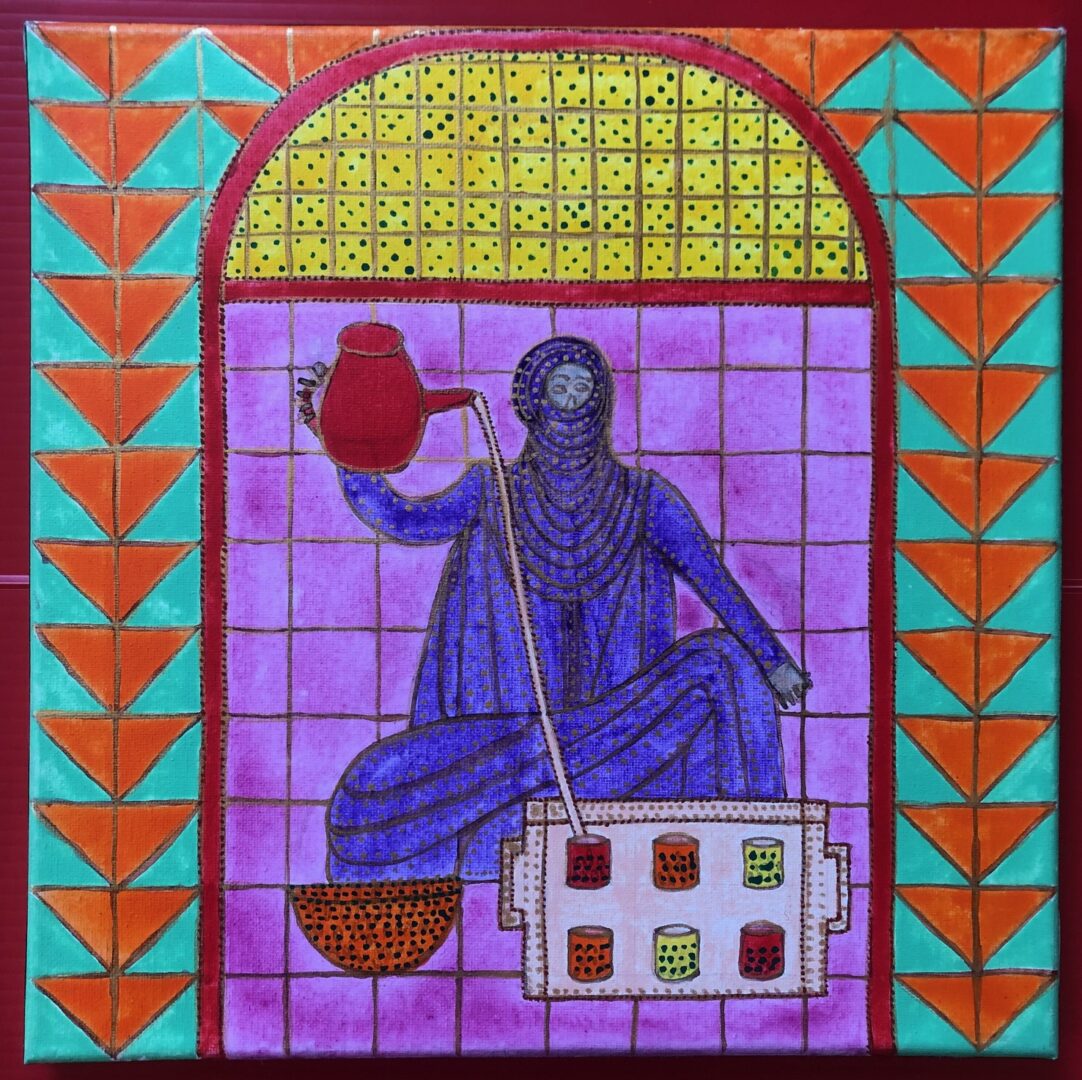
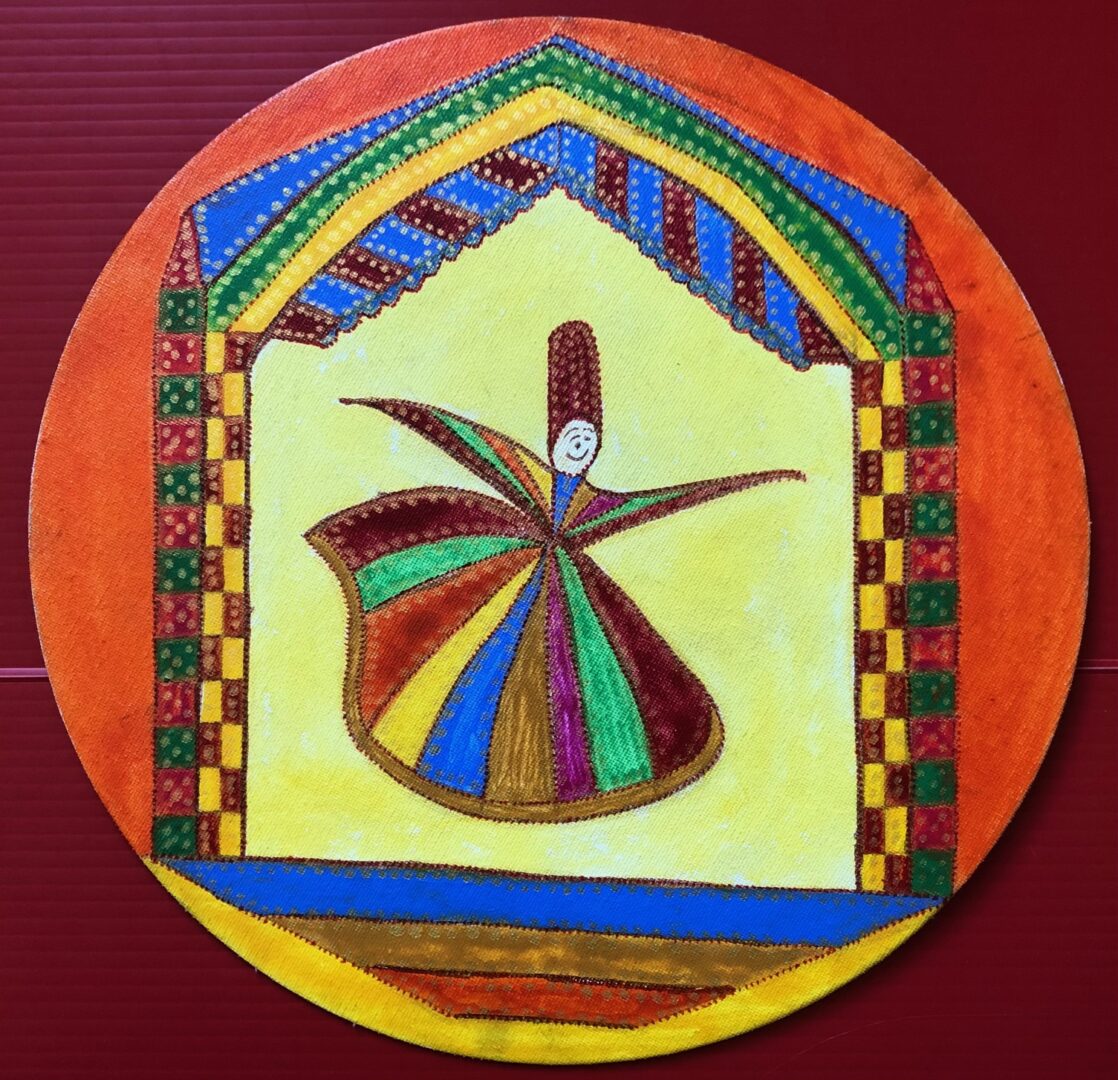
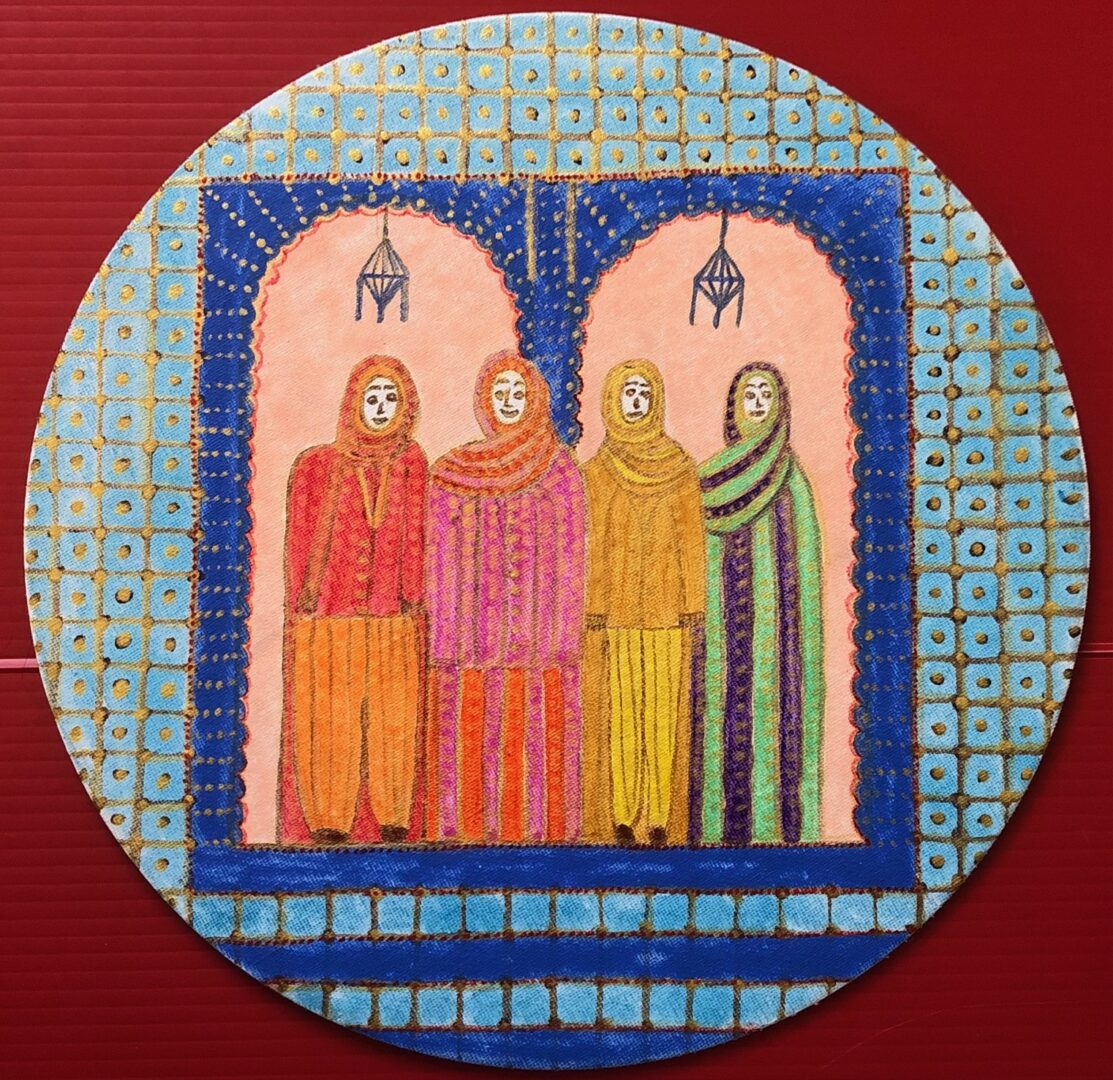
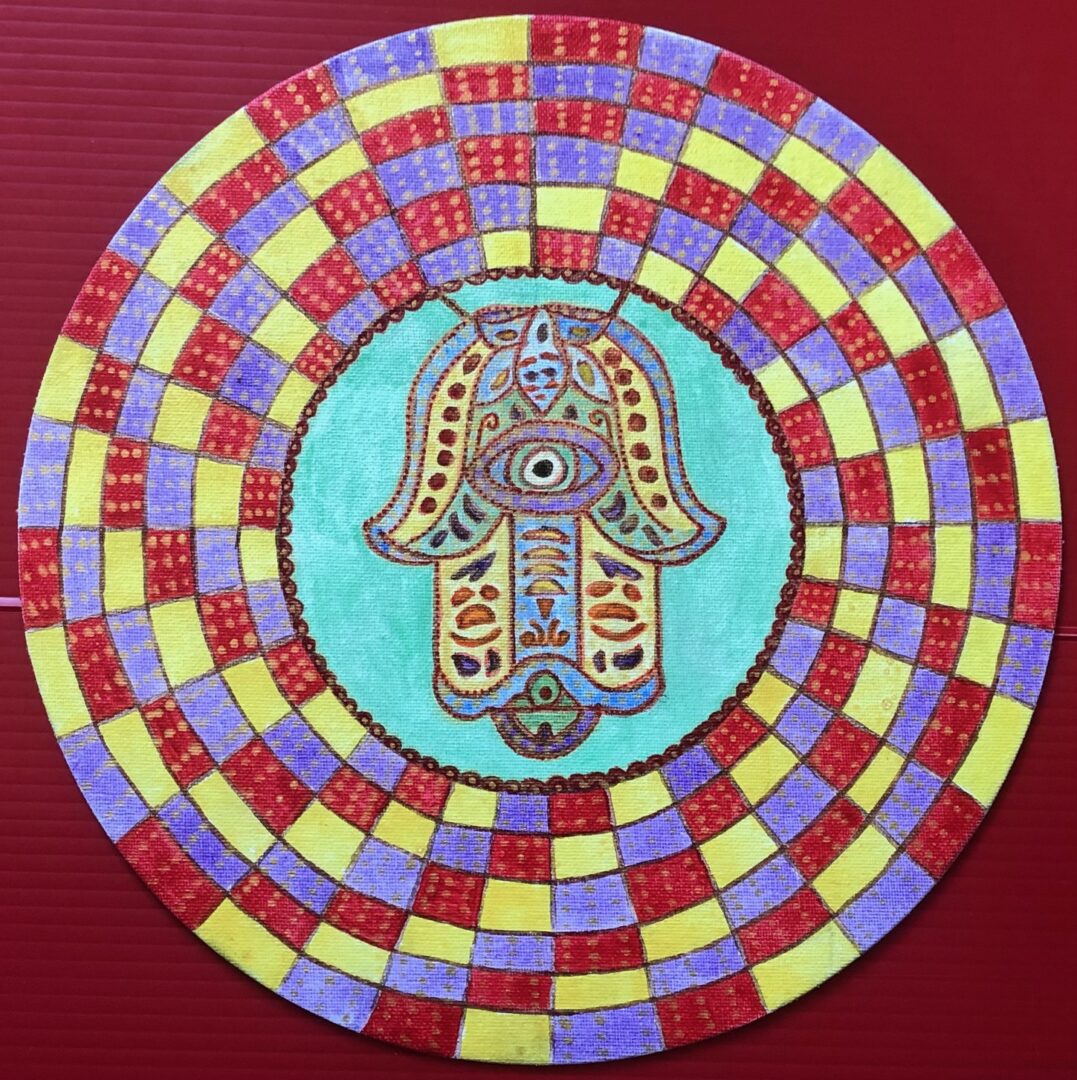
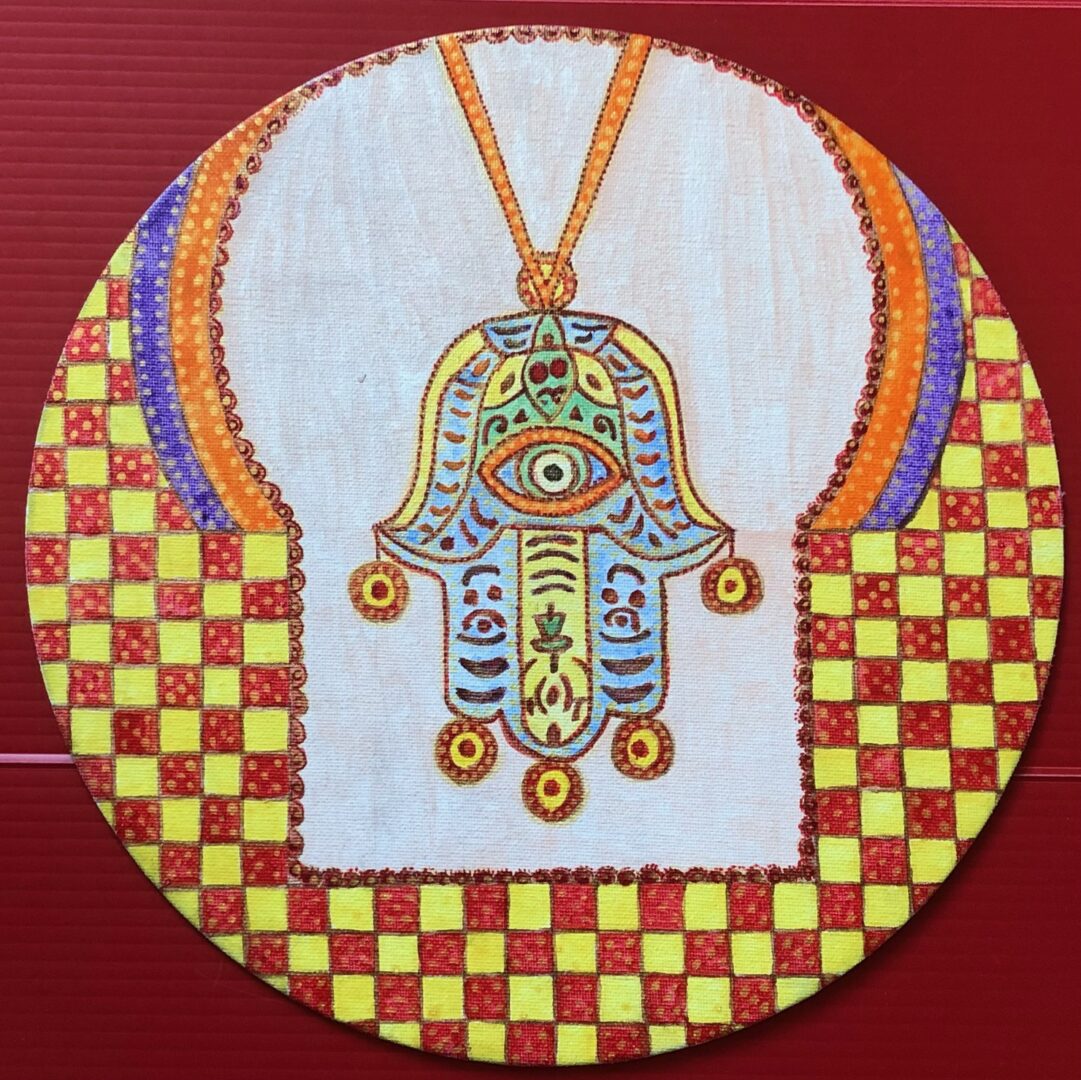
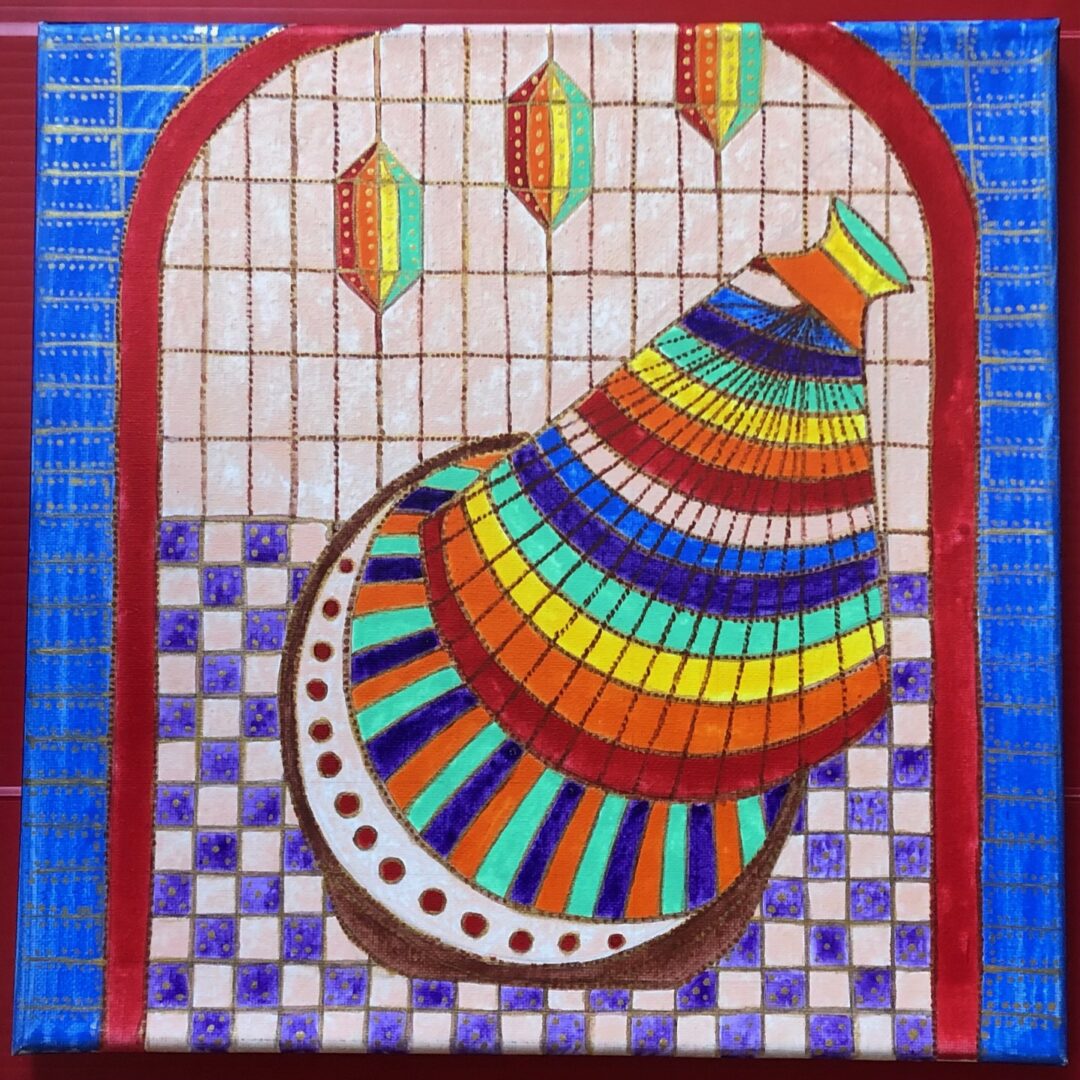
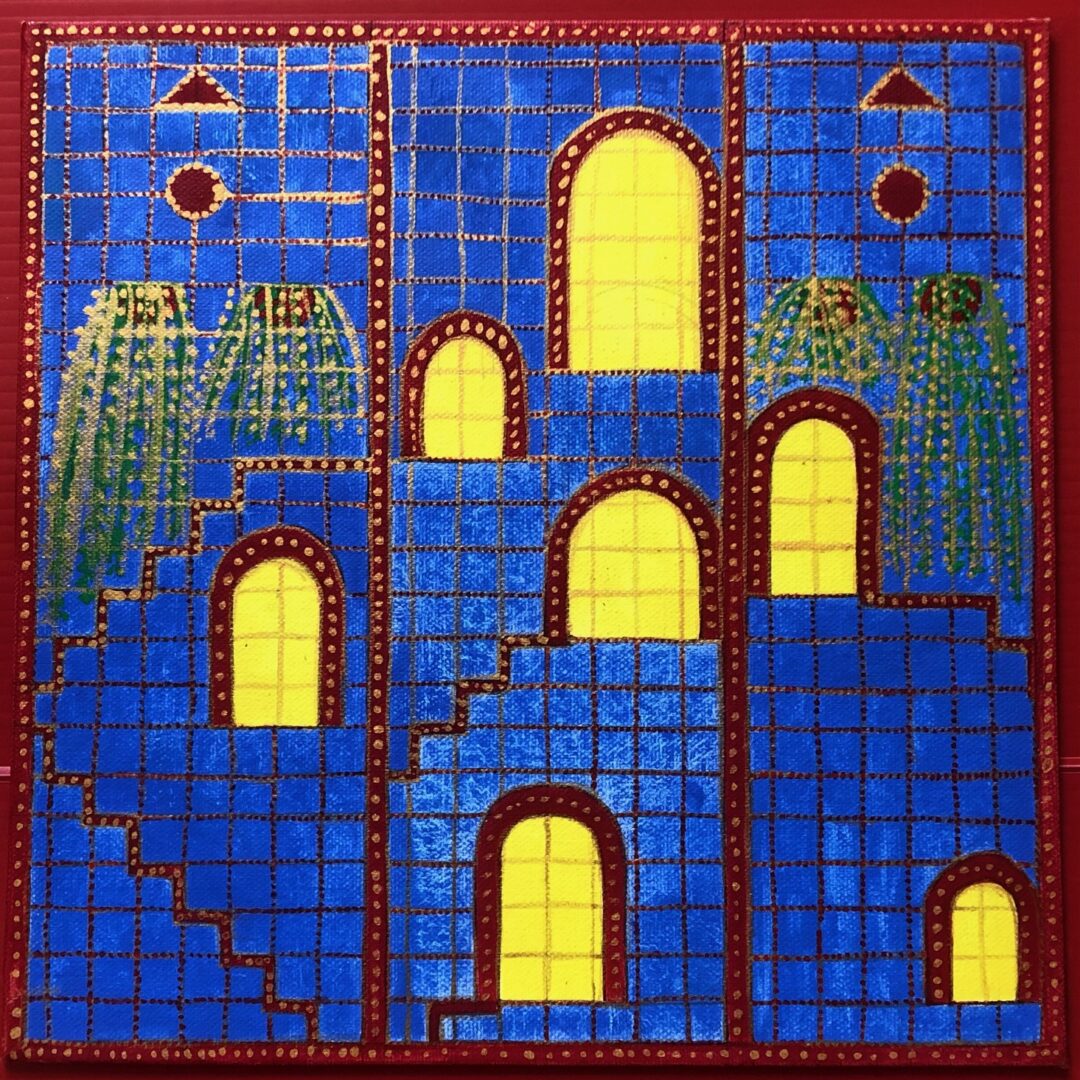
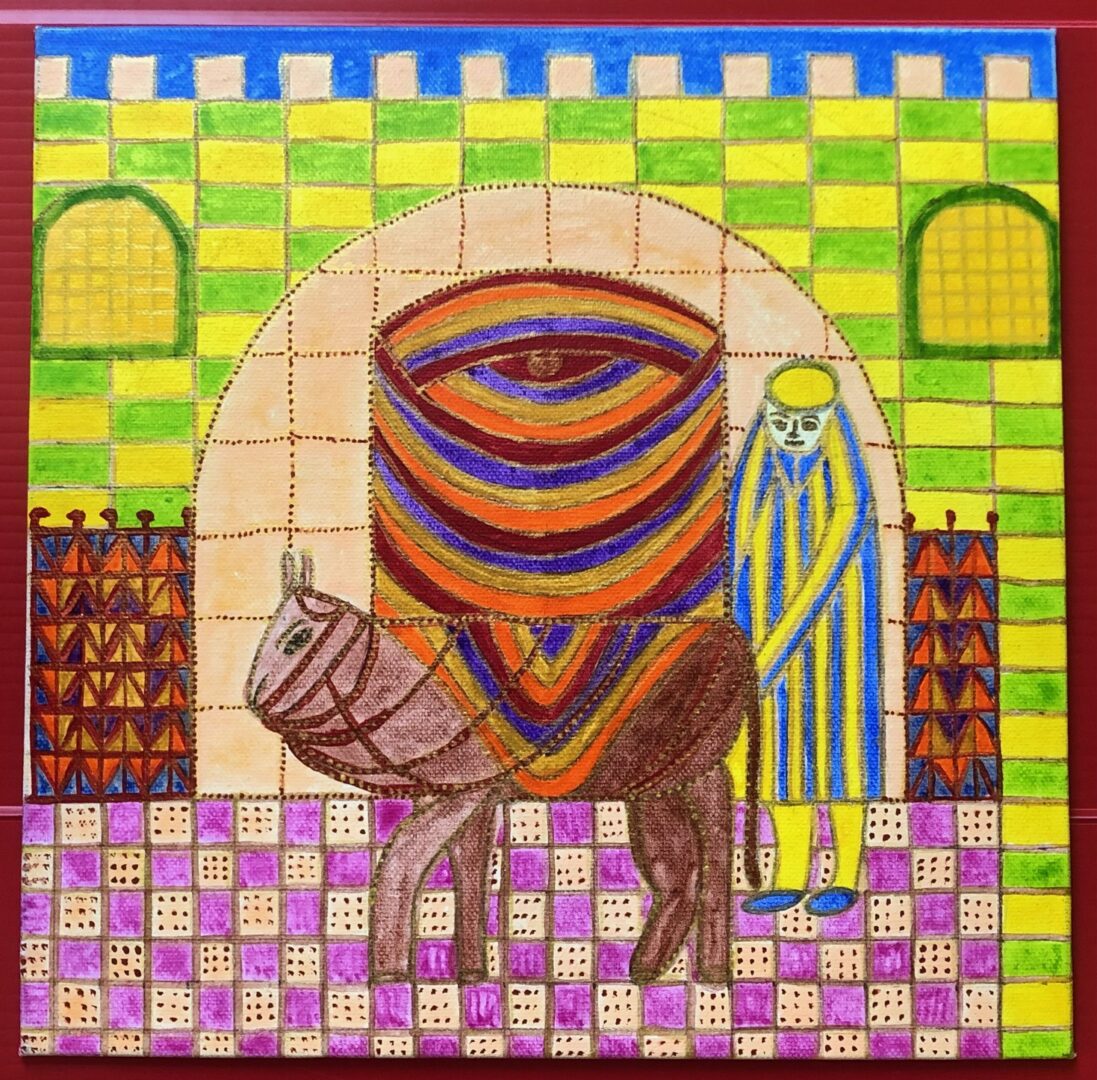
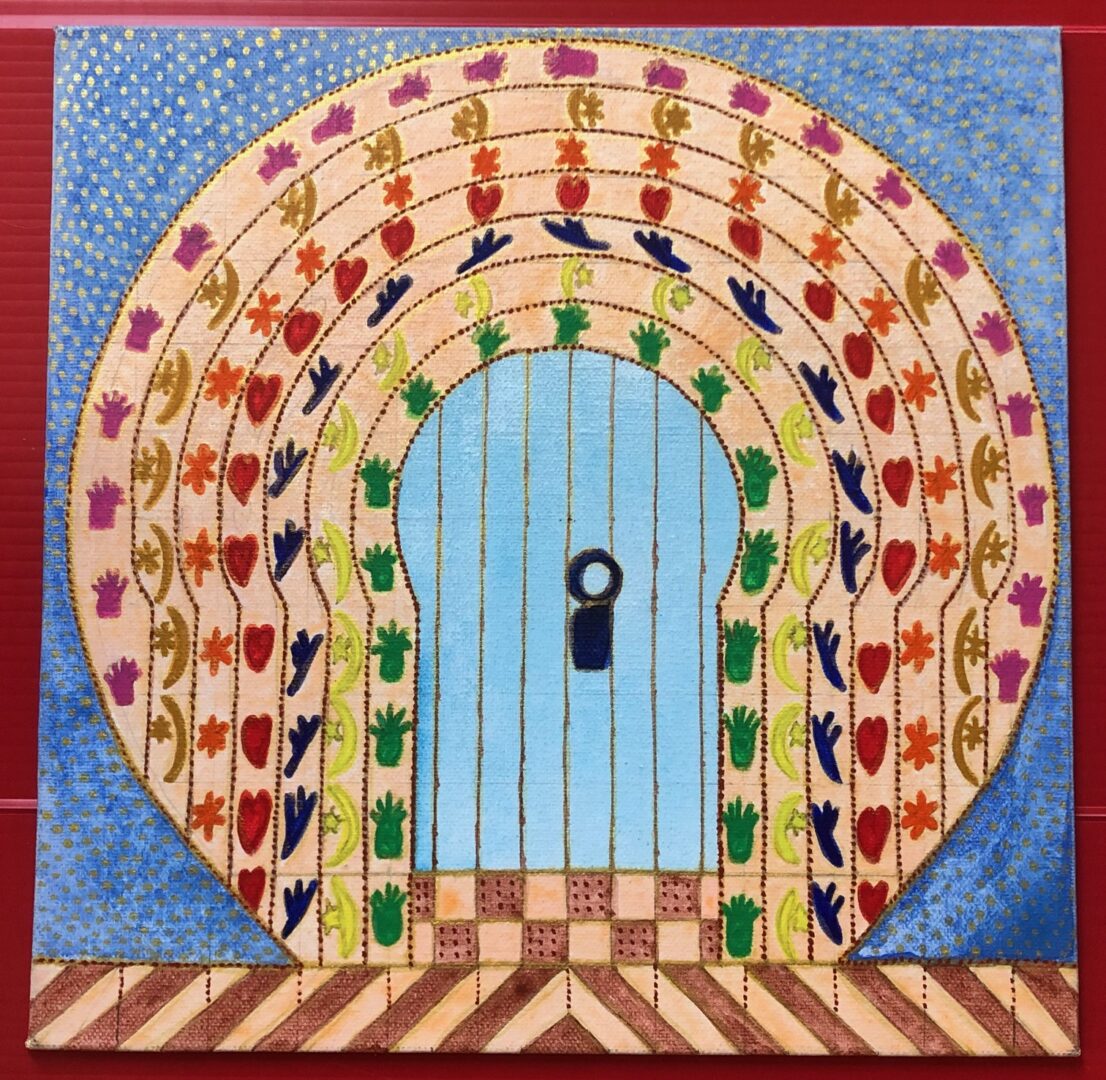
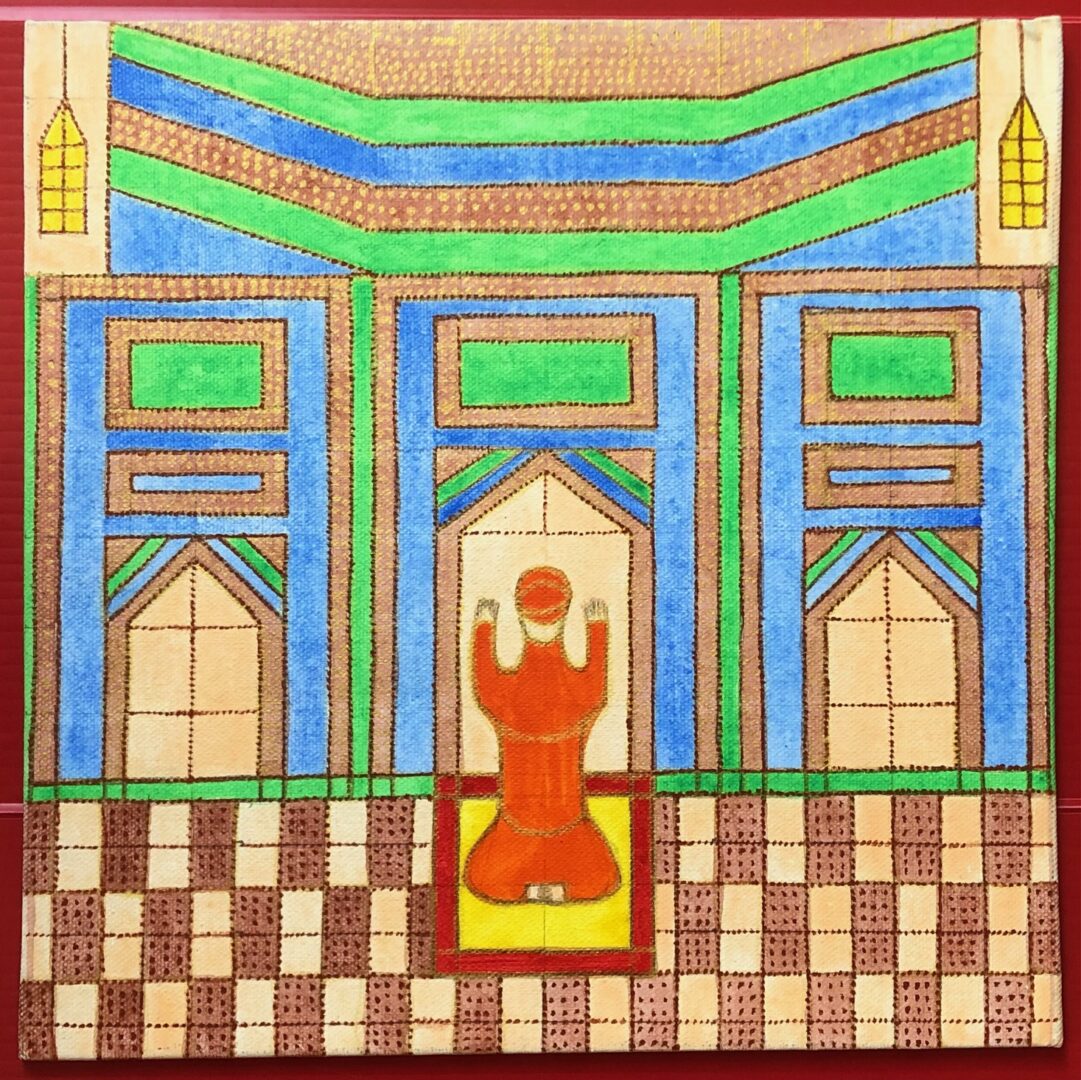
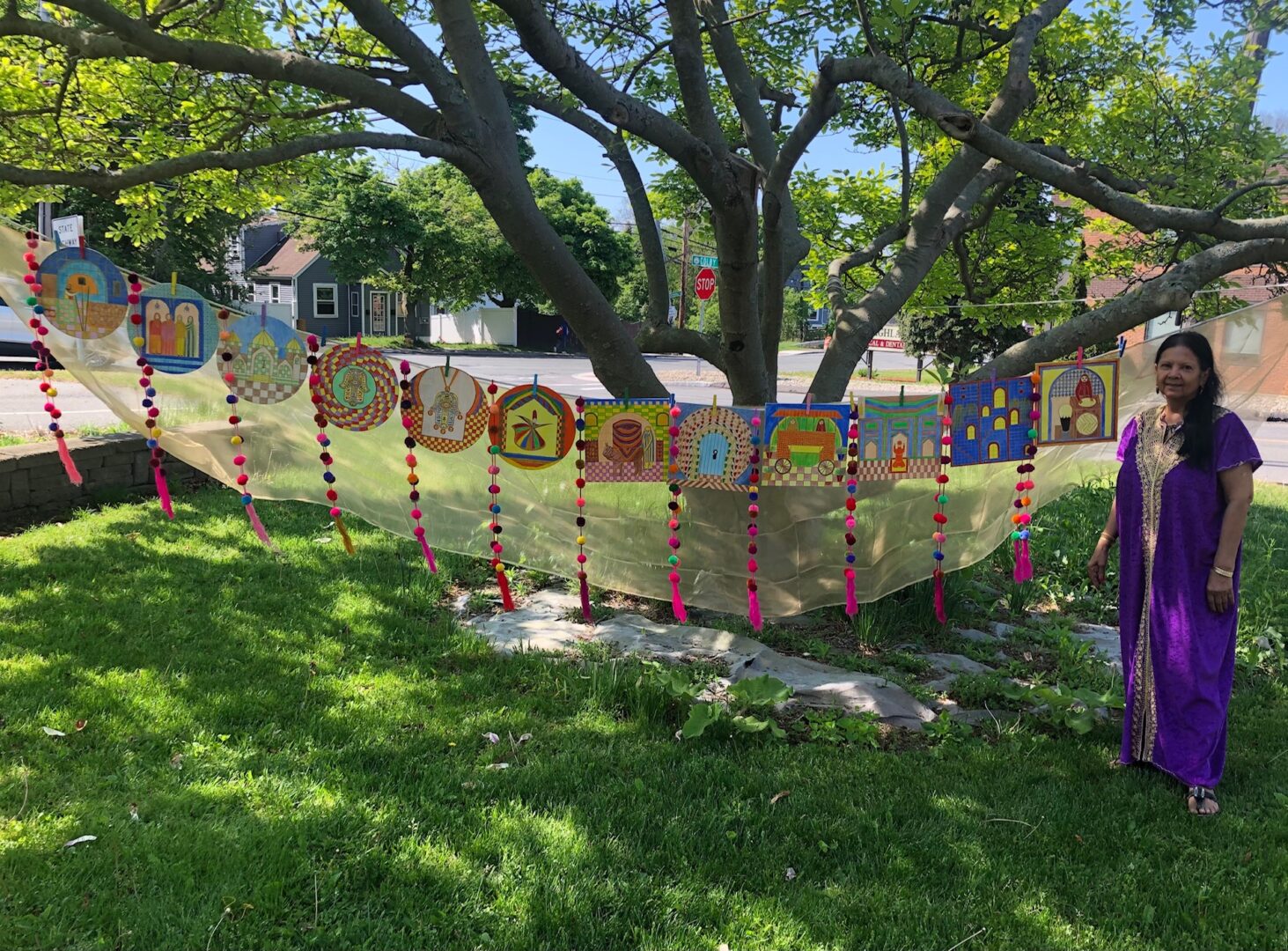
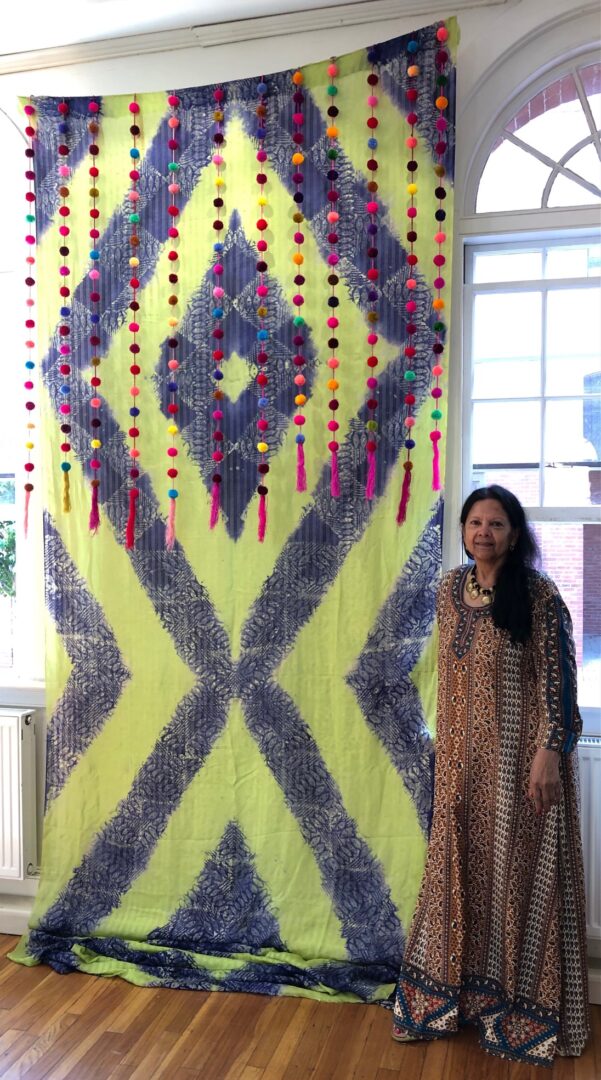
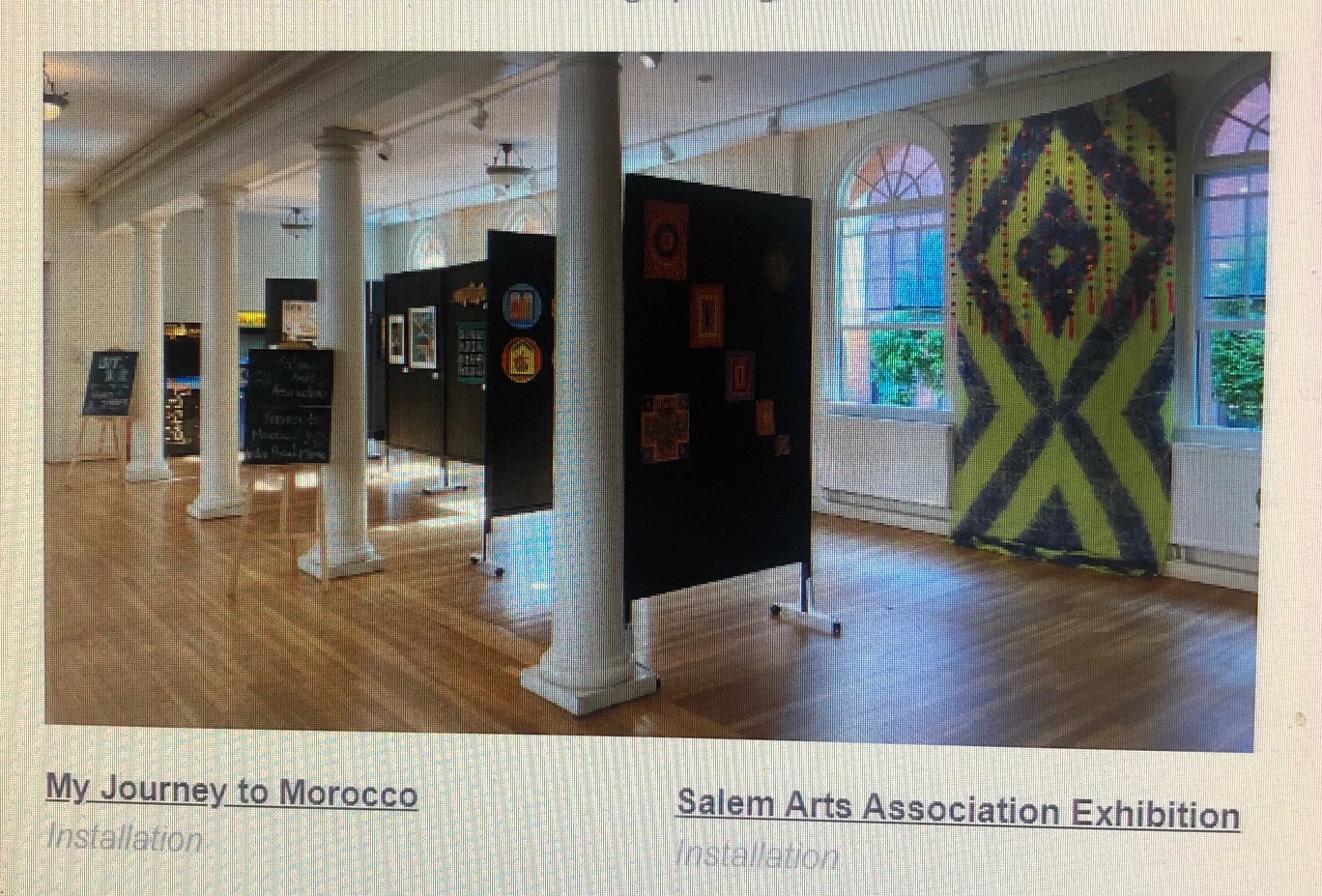
Image Credit:
#0597 – A Berber pouring mint tea for his guests in Fez, Morocco., #0630(1) – An owner with his donkey in the Medina in Fez, Morocco., #0634 – Patterns painted outside a Medina’s door in Essaouira, Morocco., 0638 – A gentleman praying in a Mosque in Rabat, Morocco., #0624 – A Communal Tagine for a feast in Marrakesh, Morocco., #0627 – Front entrance wall of a home in the Blue City of Chefchaouen, Morocco., #0610 – A Hamsa hanging from a store window in Fez, Morocco., #0601 – A Whirling Dervish at a concert in Fez, Morocco., #0603 – Four women standing at the front door entrance of their home in Chefchaouen, Morocco., #0608 – A personal Hamsa in a jewelry case in Fez, Morocco., #1800 – Clothesline Exhibition., # 2616 – City Hall location of my Exhibition: “My Journey to Morocco”., #2444 – I am wearing a Moroccan Caftan, the fabric hanging at the entrance of my Exhibition is a “Keffiyeh”, men wrap this around their heads in Morocco.