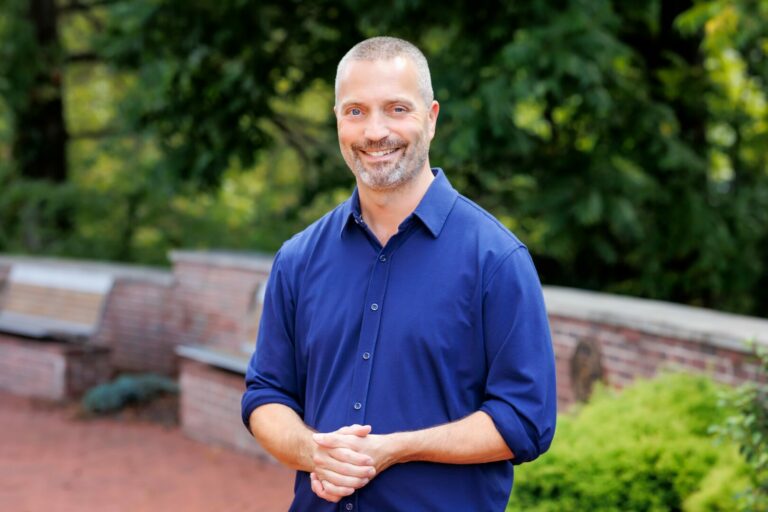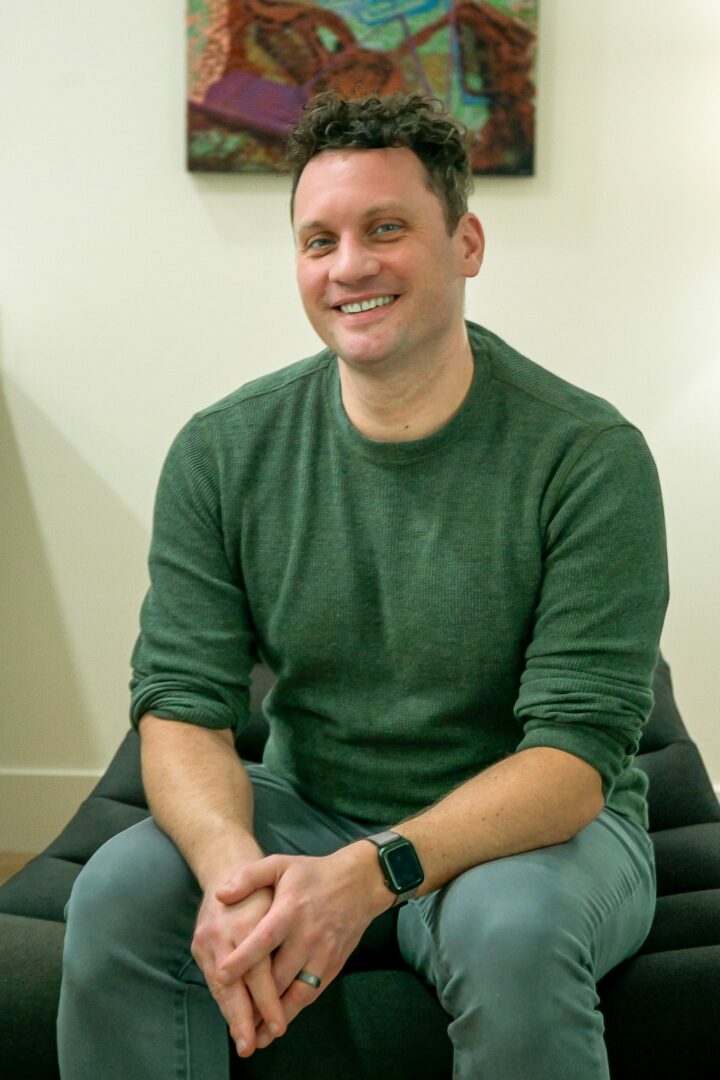
We’re looking forward to introducing you to Jamie Treacy. Check out our conversation below.
Jamie, really appreciate you sharing your stories and insights with us. The world would have so much more understanding and empathy if we all were a bit more open about our stories and how they have helped shaped our journey and worldview. Let’s jump in with a fun one: Who are you learning from right now?
One thing to know about me right away is I’m a visual artist and a high school art educator. After 20 years of teaching in my own high school classroom, I shifted into teacher education. Now, I work as an instructional coach for other art teachers in Oakland and around the state of California.
I’ve been learning a lot from the work of art educator and researcher Julia Marshall (1947-2022). Her work around inquiry-based art-making and her Creative Conceptual Strategies have been inspirational in my work as an artist and as an art educator. I never had that chance to take any of her courses while she was a professor at San Francisco State University, but several art teachers I came up with sang her praises and built their teaching practice around her inquiry-led approach. Julia Marshall’s work is a lot about teaching creativity, and the tools for communicating complex ideas. She breaks down creative strategies into the categories of transformative, combinatory, juxtaposition, extension, distillation and associative. These categories have not only helped me to analyze artwork and visual culture in general, but it’s deepened my awareness of the artistic moves I can make. It’s often that case that a breakthrough I make in teaching art spills over into my art practice.
When I was working on my BFA and even into my MFA in painting and drawing, I didn’t feel ready to think about my “conceptual strategy.” My early artwork had a lot of meaning to it, and it was really figuring out who I wanted to be in the world. I was so focused on making art that showed my labor and my technical effort, but I didn’t have a lot of agency in how my work was communicating meaning–or even creating art that invites meaning-making. Marshall’s work has given me the tools to notice and shape meaning through paint in real time.
Can you briefly introduce yourself and share what makes you or your brand unique?
My name is Jamie Treacy (he/him), and I’m a visual artist working in Oakland, California. I create paintings and drawings that hover between the genres of surrealism and abstraction. A throughline in my work is a desire to create an emotional language through paint. Themes of power, pain, joy and shame coalesce in imagery inspired by water and fire.
In my recent body of work, Primal Alchemy, I have shifted away from painting ocean-inspired environments to focus on the strangeness of fire, embers and ash. As Californians, our fear of fire is ever-present, and for many of us, a force that alters the course of our lives. The recent scope of destruction and loss that our friends and family in LA have experienced brings a rawness and tenderness to approaching this elemental force. Following years of paintings about the dusty drought-stricken forests, I painted flames as a form of deep visual research into how to represent something that is at once awesome, terrifying, transparent, and a source of light. Created from my own photographs from our tiny fire pit, the nearly abstract compositions document the mesmerizing practice of watching a fire slowly diminish into embers and ash—perhaps one of humanity’s oldest shared spaces for reflection.
Building on the idea of watching flames as research, the series grew to include compositions further removed from reality. I work from the premise that the most fascinating shapes already exist around me (I just need to notice them). In this case, I drew inspiration from the shapes of waning flames, and the collapse of charred forms into ash. As a practitioner of abstraction and author of visual language; my job is to take that realia and deconstruct, dissolve, and rearrange. If boldness was my guide in this work, then it brought me beyond acrylic painting to experiment with the crude and opulent oil stick. As if drawing with a cylinder of butter, I combined its brashness with delicate colored pencil, graphite and sgraffito techniques. The square “slide-like” format of the oil stick pieces references my fascination with the microscopic and unseen world. I seek to iterate upon the hypnosis of sharing a silence by the fire.
Okay, so here’s a deep one: Who were you before the world told you who you had to be?
I was a wildly imaginative child, and comfortable being by myself… but I really hungered to find my people. I enjoyed my own strangeness and the boundless capability of my subconscious. I had legions of imaginary friends, imaginary languages and mythologies.
I had a project in fourth grade that seemed to last for months where we studied the lives of pioneers, (this was also around the same time as the Little House on the Prairie show). I loved one-room schoolhouses. I was fascinated learning about these young teachers that would teach multiple ages and subjects in a tiny room. The summer after fourth grade, I turned the back of our garage into a one-room schoolhouse. I wrote lessons on pieces of slate and I invited my neighborhood friends over to be my students. I remember one of my lessons was on calligraphy (which I still love!) I also remember obsessively sweeping the concrete floor of the back of the garage with a straw broom. I had to keep the schoolhouse clean!
Looking back, I carried that confident and experimental energy through eighth grade, and a big reason for that is the school I attended. Kazoo School in Kalamazoo, Michigan was a nurturing place for a young creative kid. I see now how much my parents sacrificed to send me and my younger sibling there. It had a massive impact on me.
When did you stop hiding your pain and start using it as power?
Whew. This question spoke to me because this is what I’m examining in much of my art right now. I think a lot about chronic pain, both from my first hand experience and from hearing people in my community share the mystery of trying to manage pain from arthritis and autoimmune disease. As someone living with Crohn’s disease, and its accompanying joint inflammation and arthritis, it’s an unwelcome element of life that I navigate daily. Last year, much of my normal routine of active life, making art and swimming was greatly affected by having “tennis elbow” or lateral epicondylitis in both elbows. The damage to my tendons was a repetitive stress injury – caused by many of the manual labor tasks in my life like building frames, sanding paintings, carrying materials for work and who knows what else. The injury led to a year and a half-long journey of creating art while in excruciating pain–and thinking about art through the lens of pain. When I look back on the work in the Primal Alchemy series, I allude to the body without showing the literal body. There’s a sense of tendons, joints, bones and the cellular world.
I remember when I was painting two works (You Can Heal from This and The Final Hour of Pain) I was trying so hard to conjure healing and regeneration in myself. I was preparing for a major exhibition, but my arms were so weak that I couldn’t lift my canvases or carry my computer.
You Can Heal From This, in particular, was a kind of personal invocation to summon the will to heal my arms. When painting it, I had just received the “final boss” of treatments in my elbows before resorting to surgery. The “Platelet-Rich-Plasma” (PRP) injections delivered a potent dose of my own red blood cells to the damaged areas in my elbows, in the hopes of triggering the body’s own concentrated healing. The treatment itself was extremely painful, and it took months before I knew if it would yield a positive result. Those same months were my final push of preparing for my Primal Alchemy exhibition (a two-person show with sculptor Linda Ellinwood). During that time, I envisioned my platelet-rich mixture seeking out the tears in my tendons and slowly rebuilding them strand by strand. When I look back at You Can Heal From This, I see the bowling hot orange orb as a symbol of the pain I was enduring, receiving a healing onslaught in the form of deep red darts.
The idea of transforming hidden pain into a source of power is interesting to me. As a culture, it’s seen as tedious conversation content to discuss our medical woes. But at the same time, experiencing life through the lens of pain alters every interaction (whether you keep it hidden or not). To keep pain a secret gets in the way of deep connection. Learning from my own chronic pain, I’ve tried to be more attuned when I recognize it in others, even if we don’t talk about it. But maybe I can give someone a little more grace if there’s a shortness or lack of patience in how they communicate… there might be suffering underneath.
Reframing thinking of pain as being a disruption in my productivity or a sign of my mortality into something worthy of examining has helped me to create some of my best work.
Sure, so let’s go deeper into your values and how you think. What would your closest friends say really matters to you?
For this question, I reached out to my dear friend and chosen sister, Nicole Klaymoon. Nicole is a brilliant poet and interdisciplinary performing artist and founder of the Embodiment Project. Over the past 18 years, our conversations have spanned from discussing how to survive as an artist to our shared work around anti-racism and white consciousness. Here is an abridged transcript of her response to the above question:
“You care a lot about the next generation. The future of our planet and being a good ancestor. Your life’s work is centered around young people. Helping to be a guide and conduit for young people. And the mental health of young people. You make use of your own lived experience. Your white consciousness work. The concept of whiteness. To be in service to Humanity. You’re someone who cares a lot about making a difference and touching lives with people that you’ll never meet. It’s one of the things I love about you.
You care about working on yourself; internal work, psychological work. Having a lot of your family and chosen family be Black. Being in a relationship with a Black man, as a partner; a marriage. There’s a dedication to Black liberation and the understanding of the Black experience in this country through the lens of a white man that really shapes how you move through the world and understand yourself and your relationship to the world. That it matters to you to challenge that and to find a new path forward. You care about bringing compassion to hard conversations and staying in it. There’s something in the Stewardship. Listening. Awareness.”
Thank you so much for all of your openness so far. Maybe we can close with a future oriented question. What pain do you resist facing directly?
I resist looking at the pain of my art career looking different than I had pictured for myself. The trajectory I planned for myself in college has become so much less possible; with the de-funding of college art departments and the changes in the gallery markets. I had dreamed of having a tenure-track professorship in painting, and working with a commercial gallery that was aligned with my values over the long term. In many ways, that’s still my dream, but the pain I have to face is that I can’t base my happiness or perception of success on those criteria. Being a visual artist for life feels like a gamble that has higher and higher stakes the longer you stick with it, and the more work you create. In many ways, I’m so proud of myself for sustaining and thriving as an artist…but when I’m feeling self-defeated, I have this vision of my future self drowning in paintings. I have a fear, however irrational, that I’m bringing art objects into the world that ultimately there is no space for and that the world didn’t ask for. It’s a shadowy thought to have; that ultimately my art-practice is self-serving. I guess that’s why I’m so committed to art as a teaching tool and a conduit for repair and connection.
Contact Info:
- Website: https://jamietreacy.com
- Instagram: https://www.instagram.com/jamietreacy/
- Linkedin: https://www.linkedin.com/in/jamietreacy/
- Facebook: https://www.facebook.com/jamietreacyfineart/
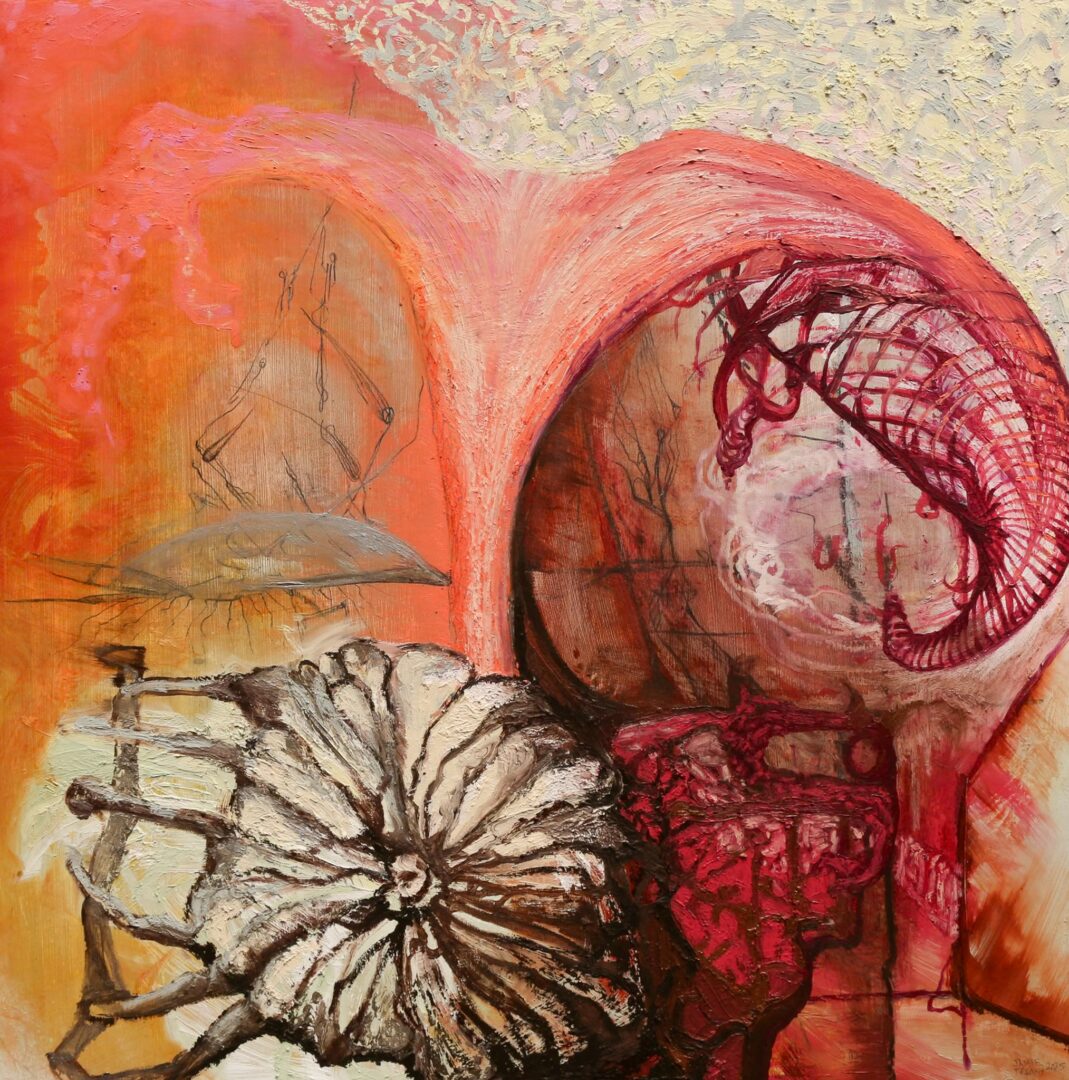
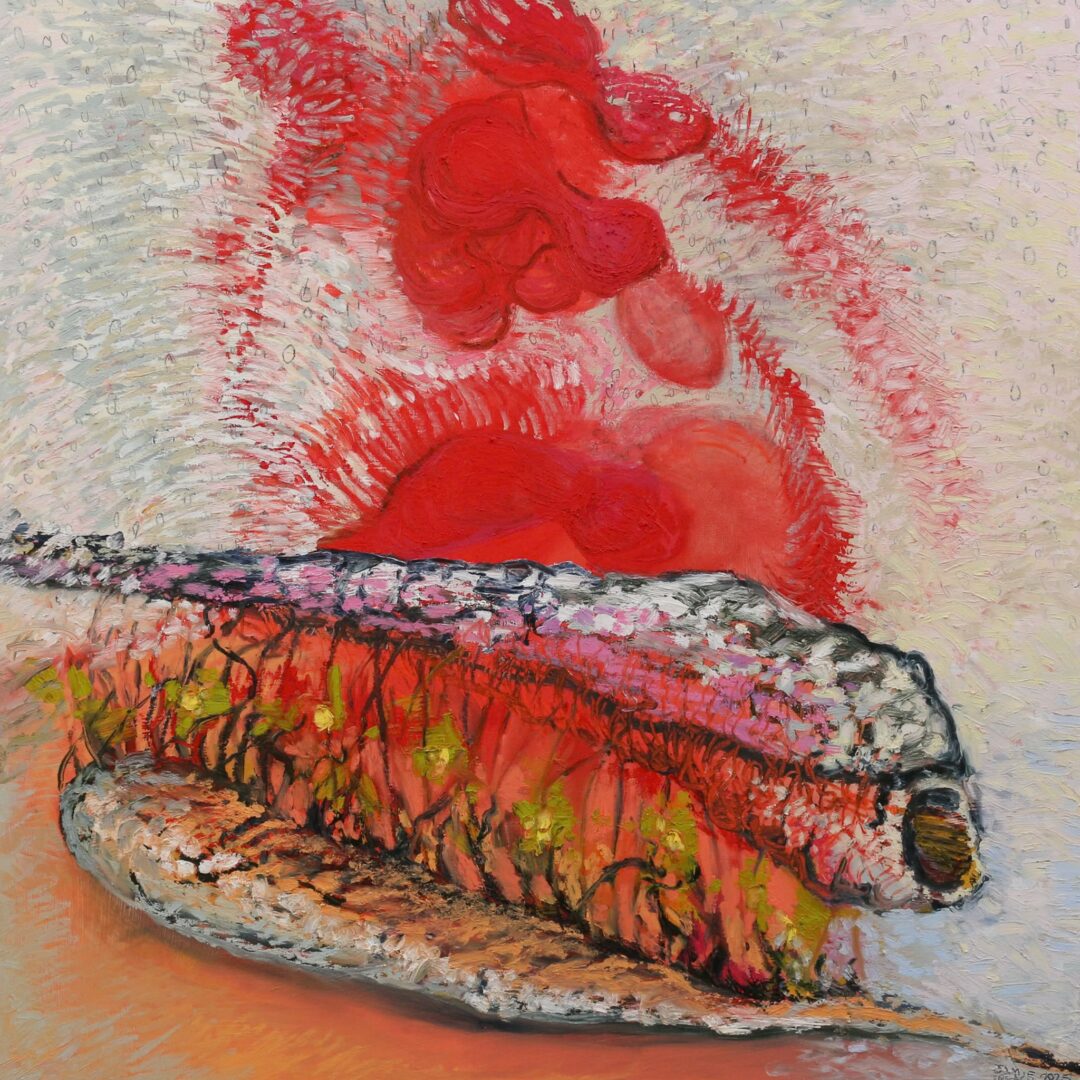
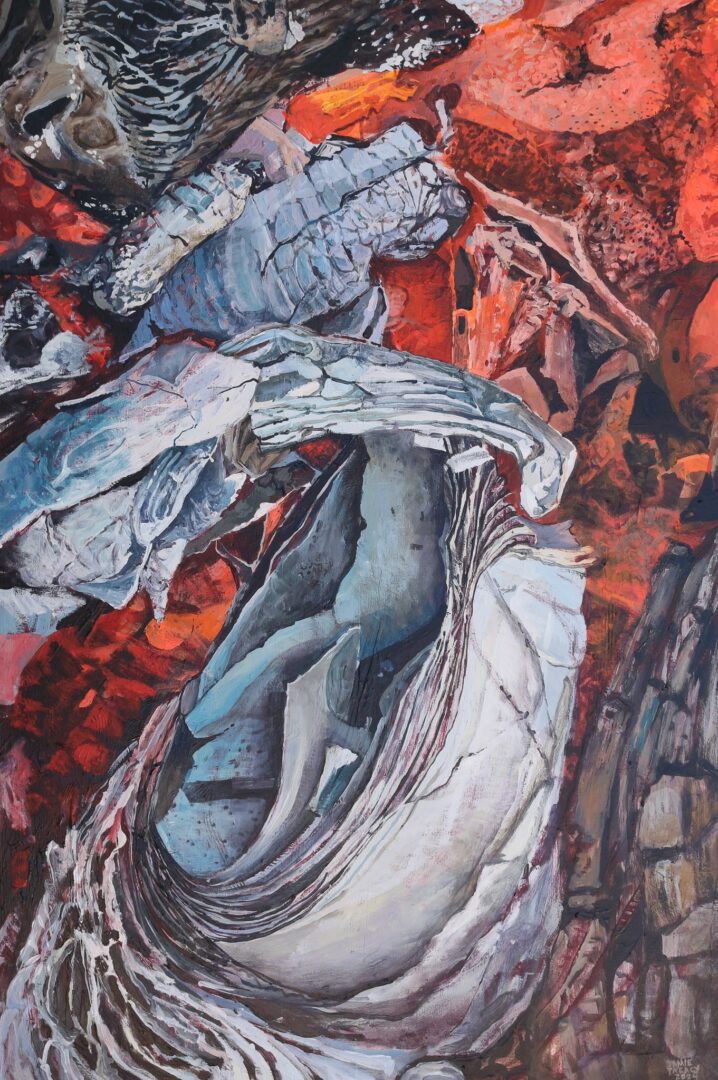
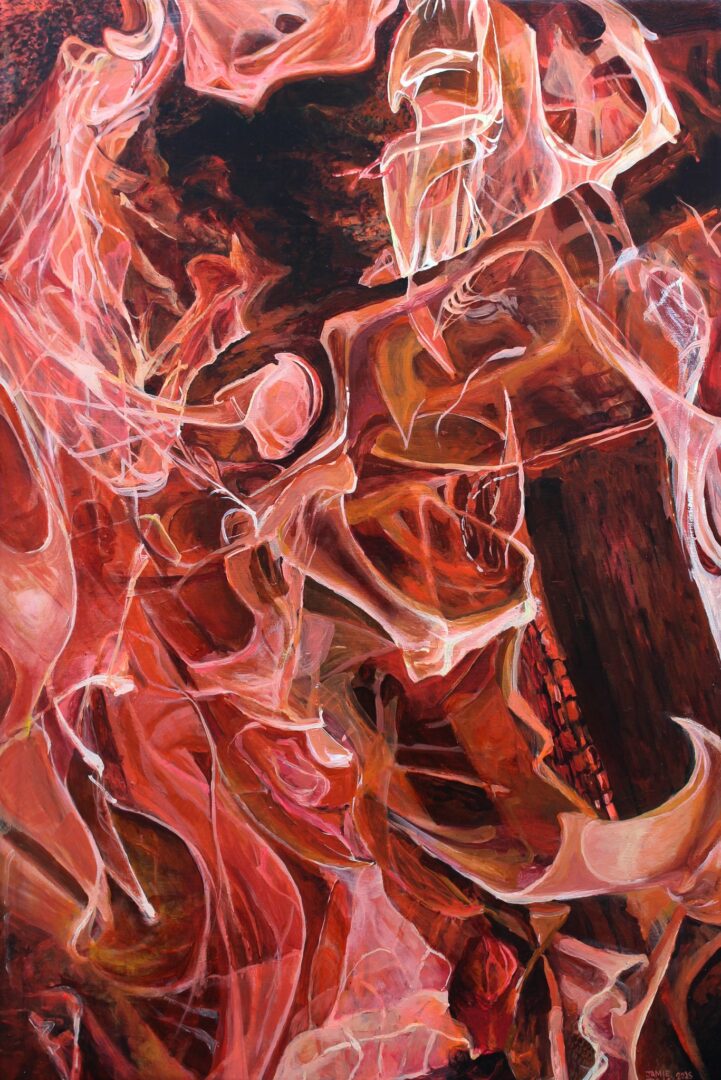
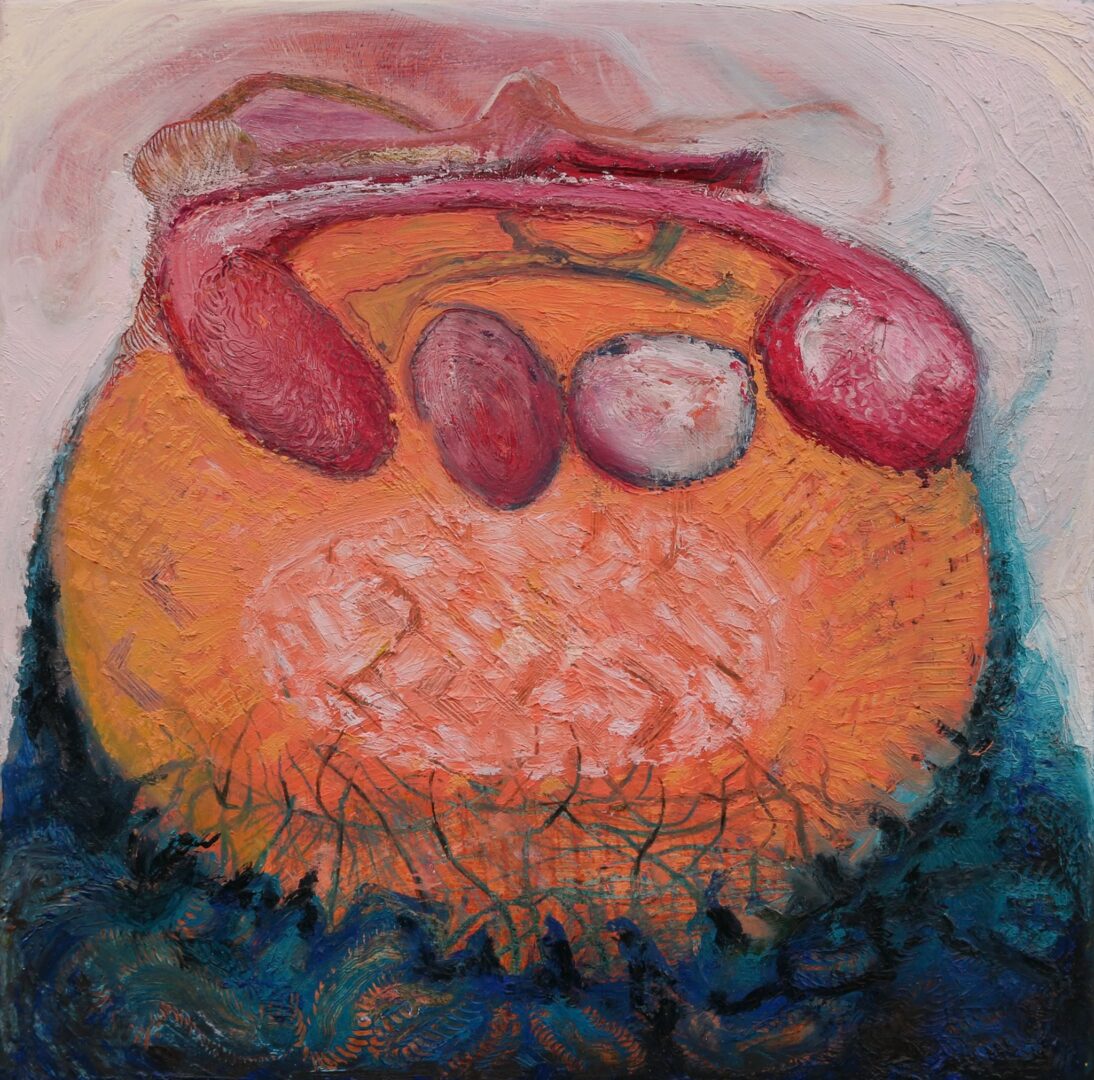
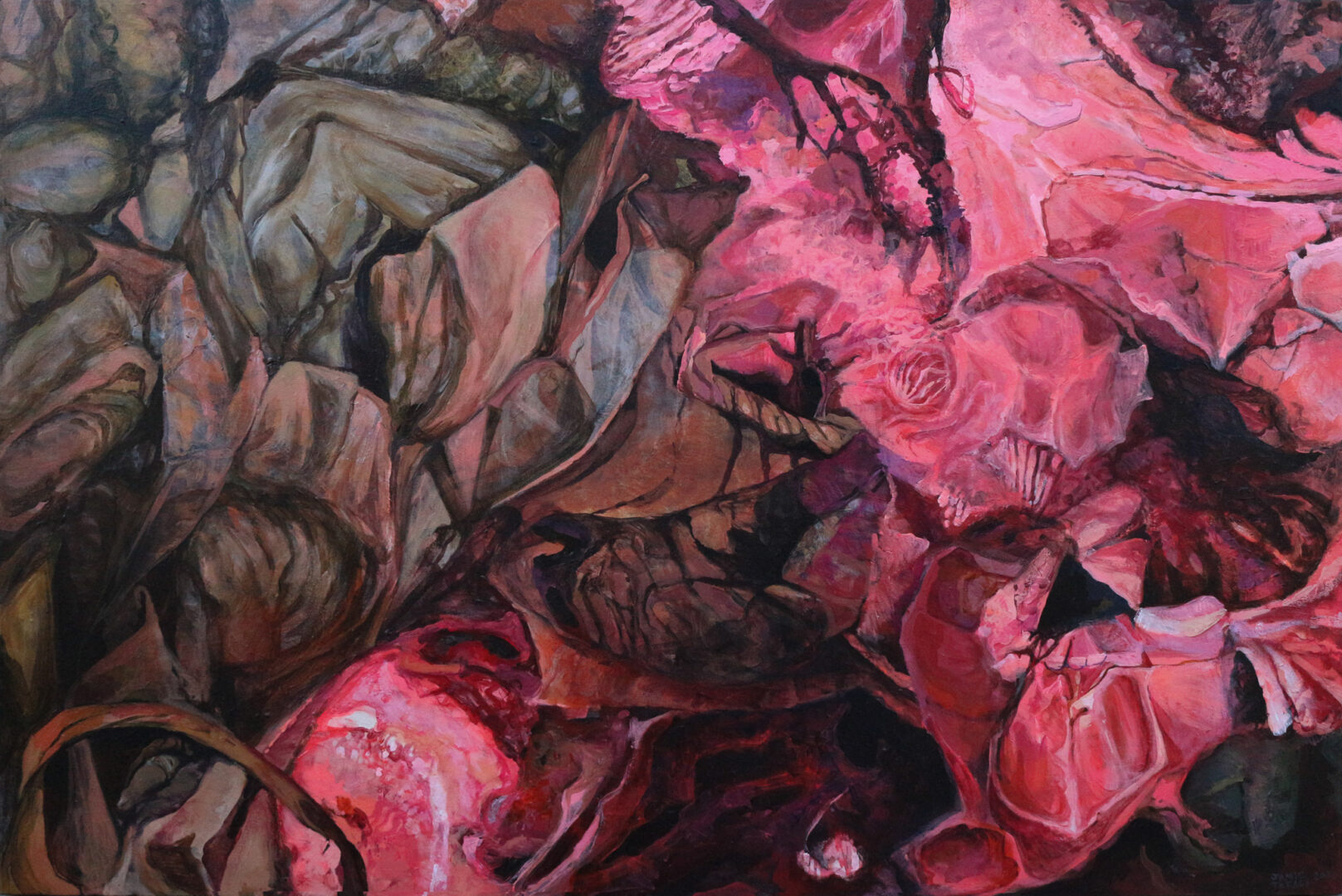
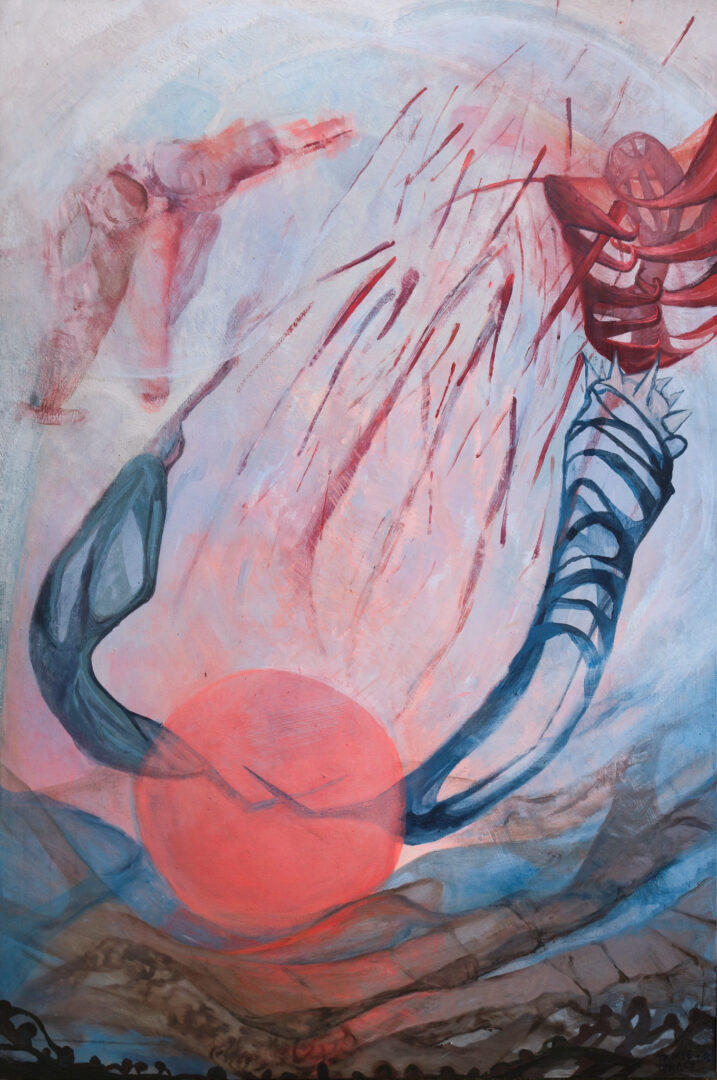
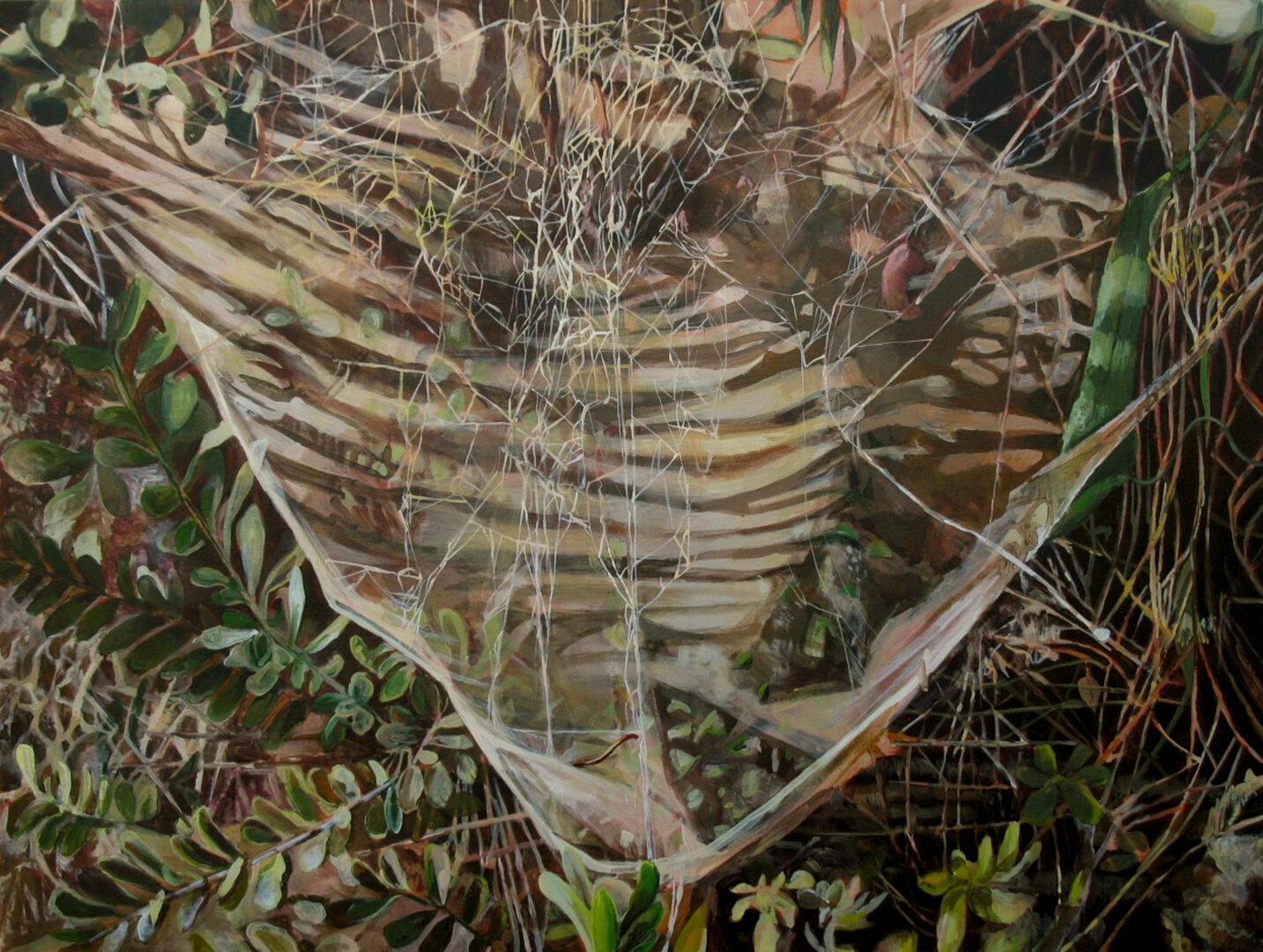
Image Credits
Profile photo by Patanisha Williams
Artwork photos by Jamie Treacy
so if you or someone you know deserves recognition please let us know here.