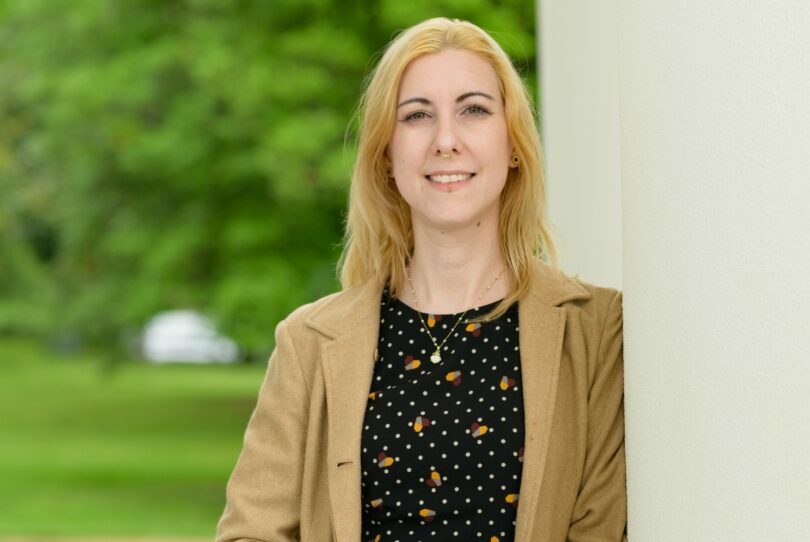
We’re looking forward to introducing you to Jen Tankel. Check out our conversation below.
Hi Jen, thank you so much for taking time out of your busy day to share your story, experiences and insights with our readers. Let’s jump right in with an interesting one: What is a normal day like for you right now?
My days start with walking my dog, Chloe, grabbing an iced coffee from a nearby cafe, and listening to a podcast – usually ‘My First Million’ (Spotify tells me I’m a top 4% listener). Moving my body and feeding my brain first thing keeps me inspired and focused.
After that, it’s back-to-back zoom calls. I meet with our social media team, our growth team – we just brought on two new sales reps – and our UX and engineering teams as we shape the next generation of Pegasus. We’re in such an exciting build cycle that I’m working with our designers and engineers almost daily.
Then there are calls with our documentary team (we’re producing a feature releasing spring 2026!), live demos for prospective customers, and jumping into any new customer needs that pop up.
Some days I’m writing, creating content, or shaping marketing narratives for partnerships or campaigns.
My co-founder and husband and I also travel constantly – horse shows, conferences, governing body meetings – anywhere organizers and riders are. Staying close to the field is a huge part of our culture.
Evenings are for pilates, making dinner, reading, and decompressing before the next sprint.
Can you briefly introduce yourself and share what makes you or your brand unique?
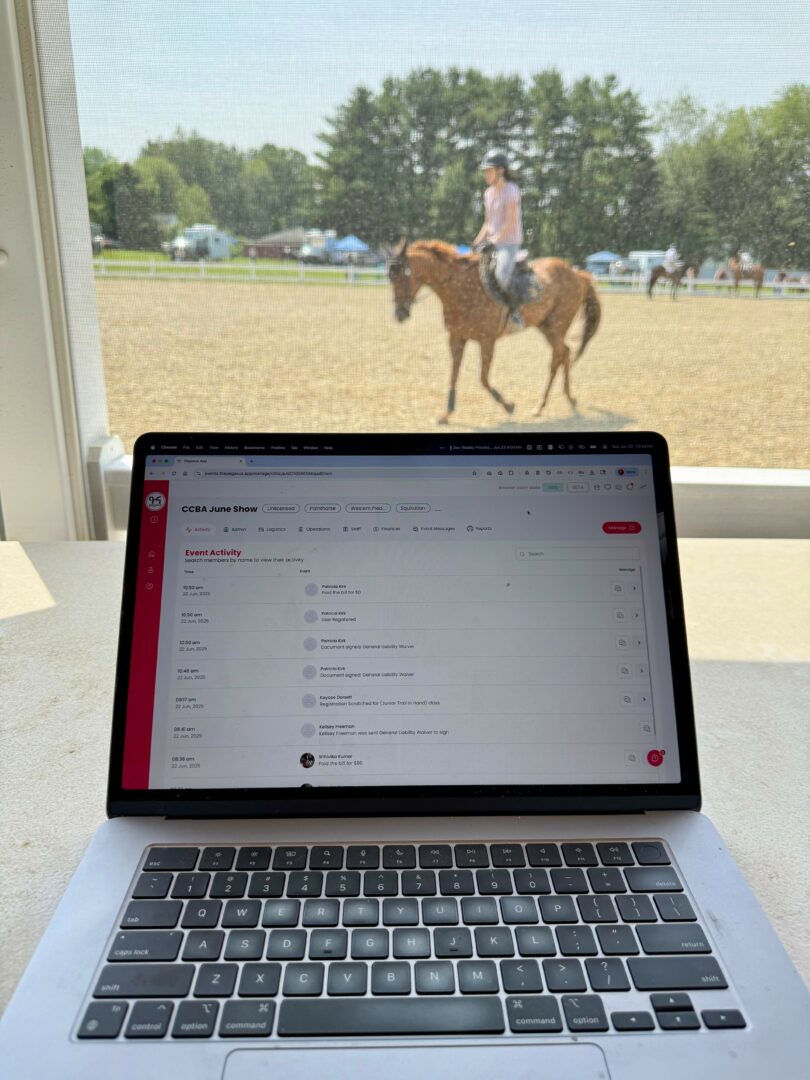
I’m Jen, the co-founder of Pegasus, a modern event management platform built to bring the equestrian industry the technology it deserves. We’re on a mission to make running horse shows radically easier, more efficient, and more enjoyable for everyone involved: organizers, riders, trainers, parents, and brands.
What makes Pegasus unique is that we’re completely rethinking how equestrian events operate. Most of the existing systems were built decades ago; we’re building a next-generation platform that feels more like using Airbnb or Shopify. Clean, intuitive design. Smart automation. Real-time scheduling, scoring, and payments. And absolutely no contracts or per-seat fees – we only succeed when organizers do.
We’re currently in the middle of our biggest build yet: a full next-gen version of Pegasus shaped directly by thousands of users across disciplines. And outside of the software, we’re producing a documentary feature film showcasing the future of this sport and the incredible people who power it.
I’ve always been fascinated by the intersection of technology, creativity, and community and Pegasus sits right at that crossroads. We’re building the infrastructure that will support the next era of equestrian sport. It’s been an incredible journey growing Pegasus into a brand with users around the world and bringing fresh energy into a sport that’s ready for innovation.
Appreciate your sharing that. Let’s talk about your life, growing up and some of topics and learnings around that. What was your earliest memory of feeling powerful?
My first memory of feeling powerful was as a teenager when I was heavily into upper level three-day eventing. I was constantly training on intermediate-level cross-country jumps on my Thoroughbred, Impulsive. Those fences are no joke – I was often baffled (and mildly terrified) at the size anytime I was on the ground next to them when walking a course. Galloping at full pace, locking in, and feeling your horse take off with total commitment is an indescribable rush. It really makes you trust yourself, your horse, and just go for it (your horse can sense when you’re not all in!)
Was there ever a time you almost gave up?
There was a moment that truly felt like a gut-punch. We had spent nearly two years negotiating a major partnership that had the potential to fundamentally accelerate Pegasus’ growth. We invested close to $100,000 in legal negotiations, planning, and preparation. We were right on the edge of something that felt transformative.
But the deal kept shifting. Many of the original decision-makers were no longer part of the conversation, and we found ourselves negotiating endlessly over microscopic details. It became a constant cycle of giving and compromising until we hit one clause we simply could not agree to. And with that, the entire partnership fell through. After pouring so much time, money, and emotional energy into it, the loss felt surreal.
But after some reflection (it’s amazing what one good night’s sleep can do to reset your perspective), we realized it was actually a blessing. The partnership would have come with handcuffs and red tape, limiting our flexibility, closing doors to other collaborations, and even constraining the global vision we had for Pegasus.
A few years later, that instinct proved absolutely right. Not moving forward with that partnership created the space for us to build something bigger, better, and far more aligned with our long-term mission. What felt devastating in the moment turned out to be one of the best non-decisions we ever made.
I think our readers would appreciate hearing more about your values and what you think matters in life and career, etc. So our next question is along those lines. Where are smart people getting it totally wrong today?
I think a lot of smart people are getting it wrong by overvaluing the appearance of momentum instead of the reality of it. Social media has created a world where polished press releases, beautiful branding, and big announcements can give the illusion that something is working even when there are no users, no revenue, and no real value being created behind the curtain.
It’s easy to get excited about the optics of success. But substance still wins. The companies that endure are the ones quietly building, listening to their customers, and iterating long before they ever post anything worth hyping. It’s best not to confuse noise with progress.
Okay, we’ve made it essentially to the end. One last question before you go. What are you doing today that won’t pay off for 7–10 years?
A lot of what we’re building at Pegasus today won’t fully pay off for another 7–10 years. The event management system is just the beginning. It’s a crucial piece, but ultimately one component of a much larger vision.
We’re working toward becoming the underlying infrastructure the global equestrian industry runs on. Early 2026 is when we start unlocking the next phase: barn management, lesson programs, expanded membership systems, and all the micro-transactions and workflows that currently live across fragmented tools, spreadsheets, and disconnected channels.
The equestrian world is full of small but crucial operational moments like scheduling, billing, messaging, organizing, tracking, and right now, they’re scattered everywhere. Building the connective tissue that brings all of that into one modern, intuitive ecosystem is a long, ambitious roadmap. It’s not something that happens overnight.
But 7–10 years from now, I believe Pegasus will be the invisible infrastructure that powers how barns operate, how riders interact with their sport, how shows run, and how the entire community communicates. We’re laying those foundation blocks now knowing that the compounding effect won’t be fully realized for years.
Contact Info:
- Website: https://www.thepegasus.app
- Instagram: https://www.instagram.com/thepegasusapp/
- Linkedin: https://www.linkedin.com/company/the-pegasus-app/?viewAsMember=true
- Twitter: https://x.com/ThePegasusApp
- Facebook: https://www.facebook.com/thepegasusapplication
- Youtube: https://www.youtube.com/@pegasusapp
- Other: Spotify: The Pegasus Podcast https://open.spotify.com/show/2y5GPhfo8FNdaT0gnVKJK3
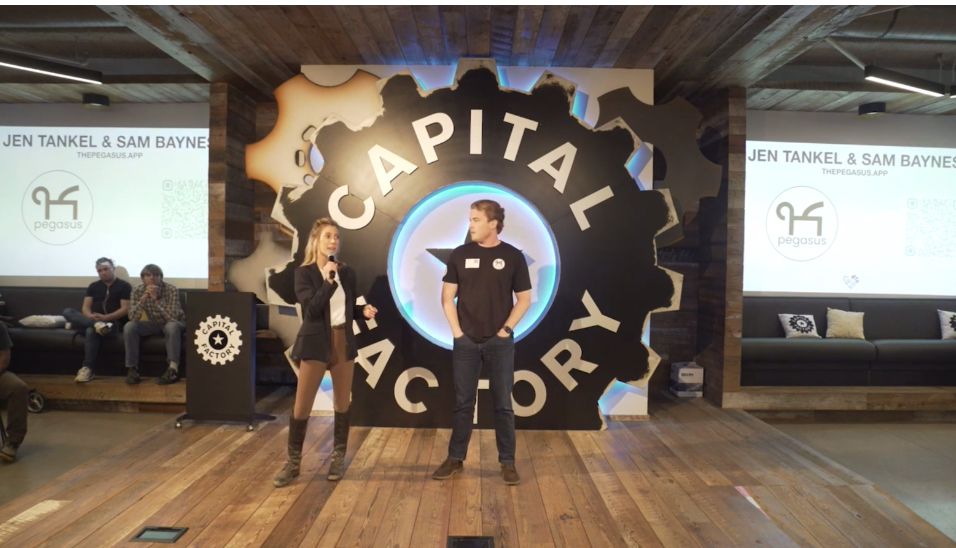
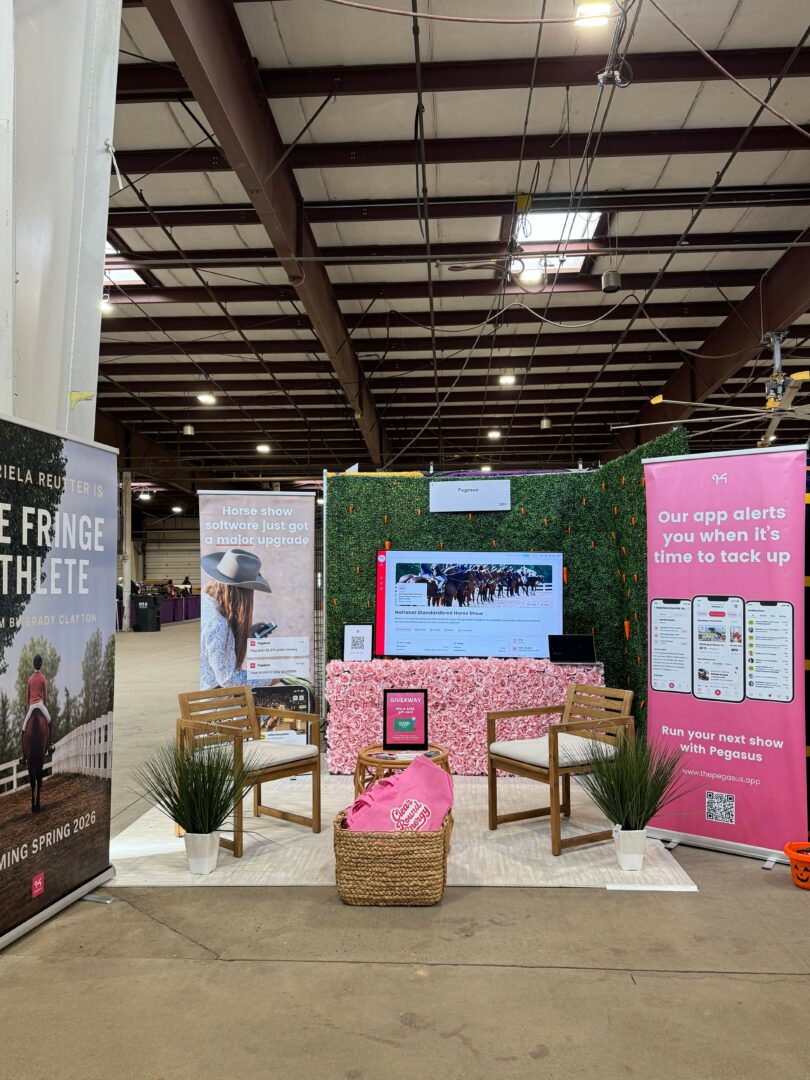
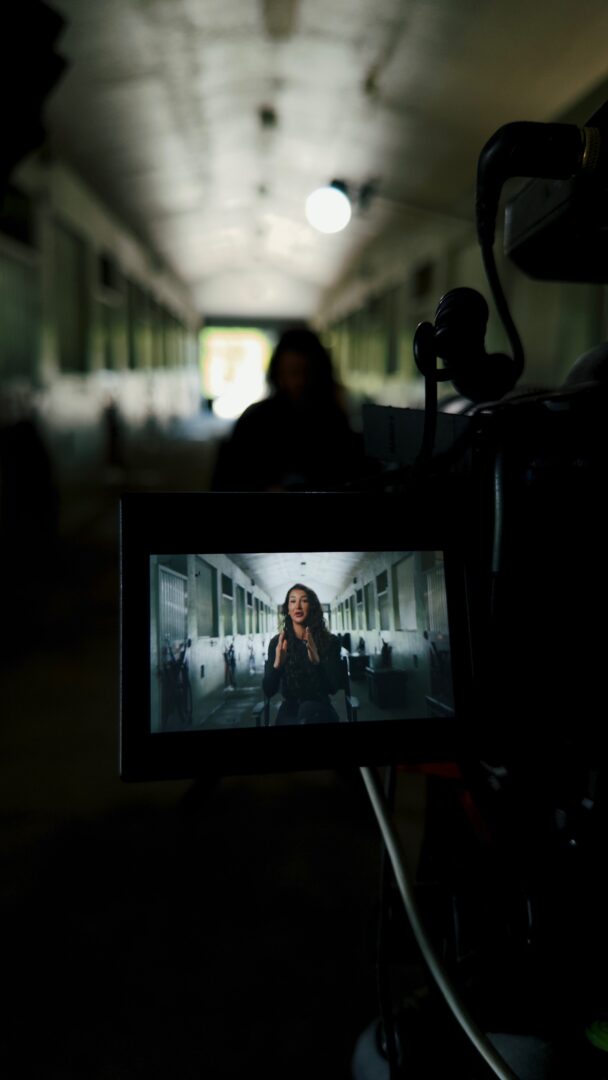
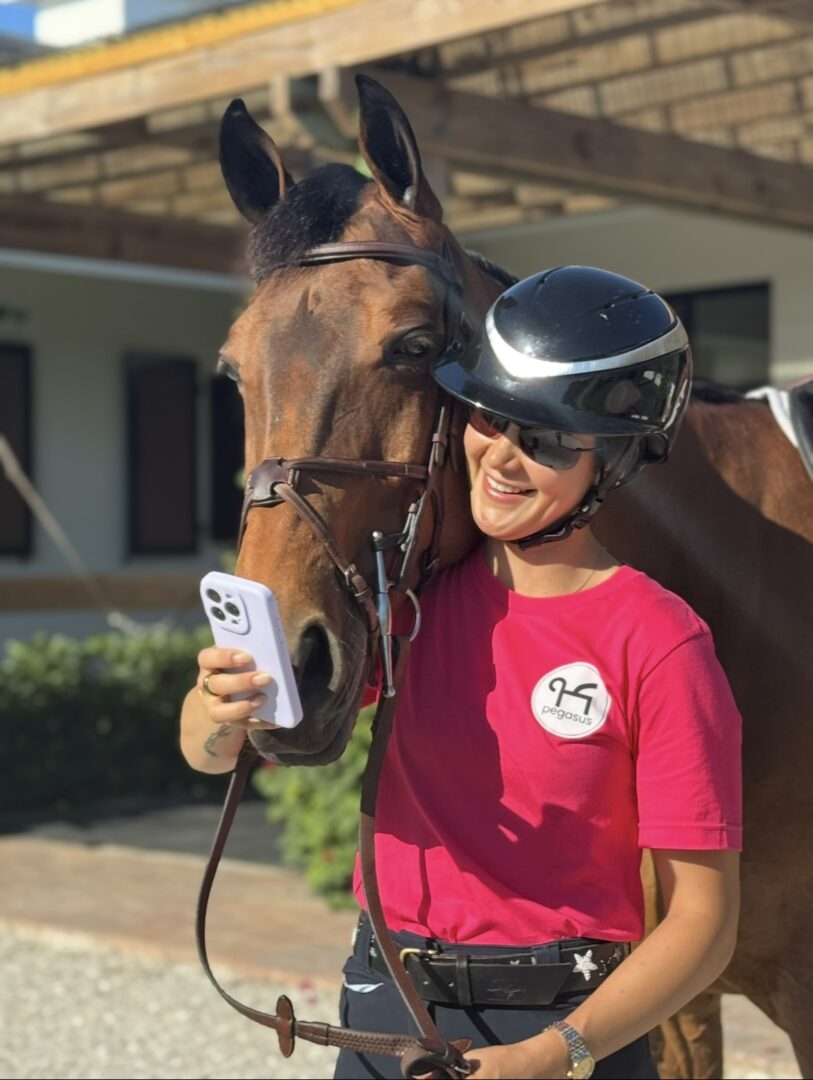
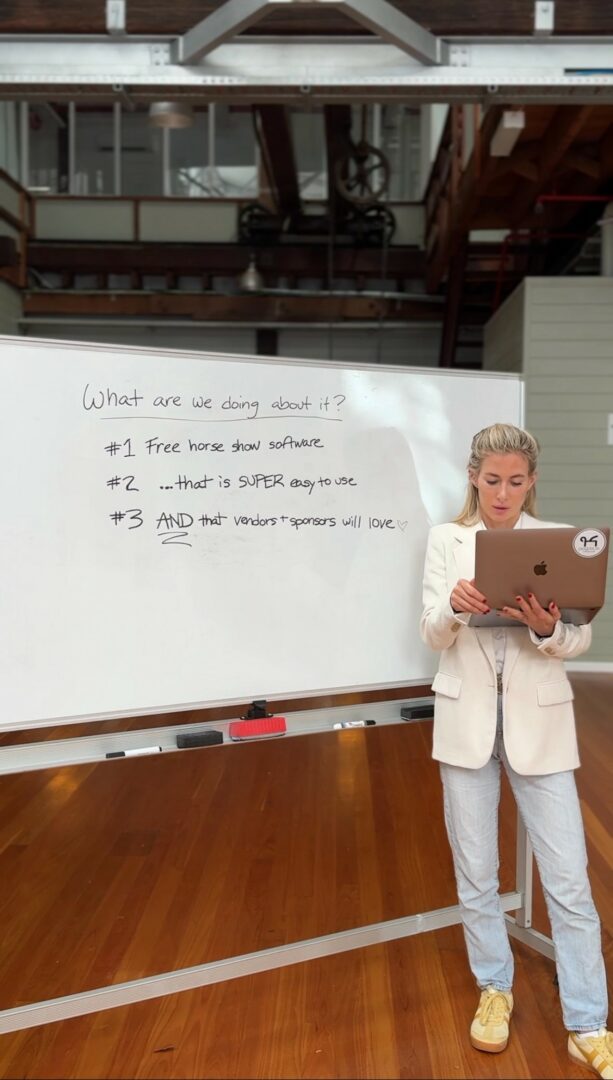
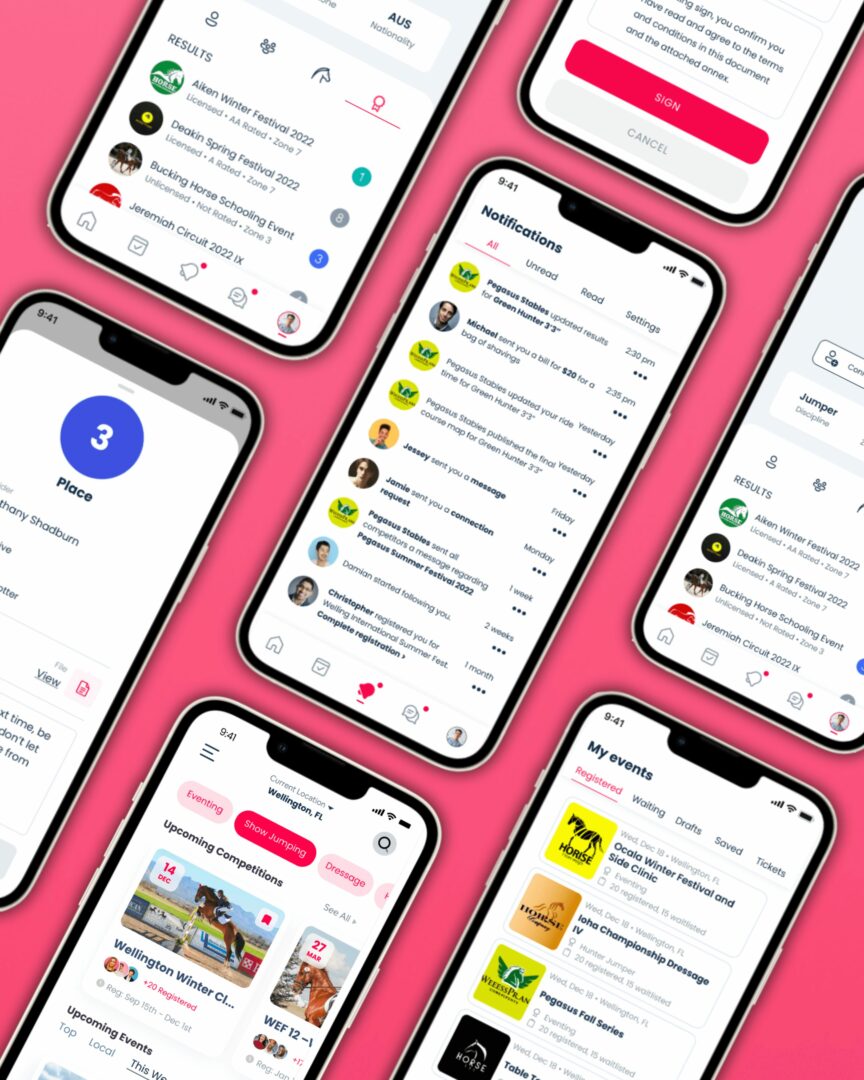

Image Credits
Jen Tankel
so if you or someone you know deserves recognition please let us know here.