We recently had the chance to connect with Jon Ross and have shared our conversation below.
Jon, we’re thrilled to have you with us today. Before we jump into your intro and the heart of the interview, let’s start with a bit of an ice breaker: What do you think is misunderstood about your business?
I think people believe that doing this work—being of service, non-profit work—is a selfless act. The truth is that the benefits flow both ways. It’s kind of “law of reciprocity”: I benefit as much as the families we help. And that is sort of the secret to life—to a fulfilling life—that being of service is where you can find meaning and purpose and fulfillment.
Can you briefly introduce yourself and share what makes you or your brand unique?
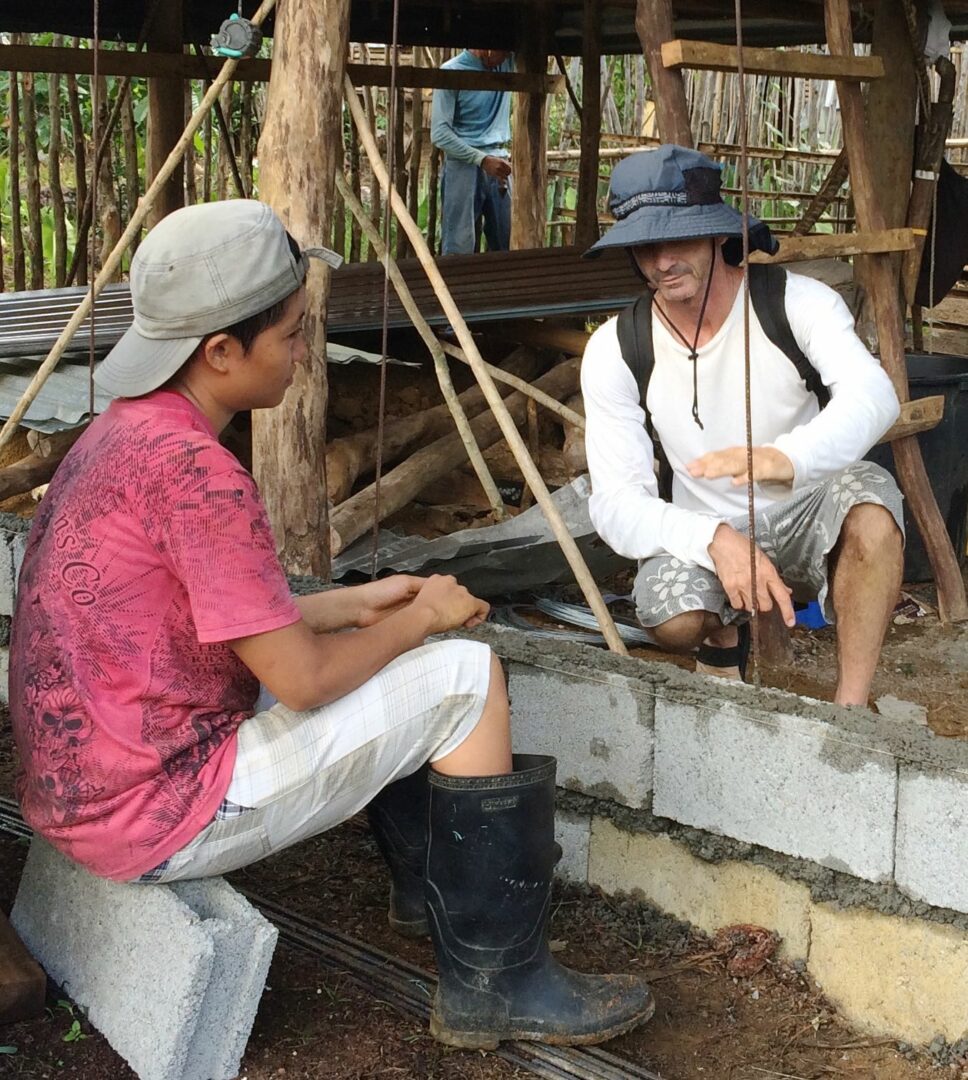
I run a nonprofit called MicroAid International. We rebuild permanent houses for disaster survivors, after the world’s attention has moved on. MicroAid goes in a year or more after a natural disaster and finds people who sill need help. MicroAid rebuilds comfortable, culturally appropriate, permanent houses, which will last for generations to come, to help families return to self-sufficiency. We work in areas where there is no insurance, no social safety nets, and no meaningful government assistance. Without MicroAid these families would be out of luck.
Great, so let’s dive into your journey a bit more. Who were you before the world told you who you had to be?
Ha. The real question is, who am I now, AFTER I was the person the world told me I had to be. I think from the earliest age the world (especially our Western material culture) tells you what to be… and how to act. I think the layers of that indoctrination and learning and adjusting to those expectations has to be un-wound. And that takes some doing. In my case, I was lucky enough to have found a wonderful therapist when I was in my mid-twenties, who helped me understand those early childhood traumas and issues with parents that then defined my behavior—I call that “the psychology of this lifetime.” Later, I was introduced to Eastern philosophies and saw a different way to approach the world and our human existence—the bigger picture. And later still, when I was in my forties, I was introduced to Vipassana meditation, which really, when I think about it, tied everything together. (Like the Dude said in “The Big Lebowski,” “… that rug really tied the room together.”) When the Buddha was asked what he gained from meditation, he said, “Nothing. But I LOST anger, anxiety, depression, insecurity, and the fear of old age and death.” I’m not there, yet, but I’m working on it.
What did suffering teach you that success never could?
Well, I learned that it’s in the suffering where the real growth happens. I like to say that you really don’t learn that much sitting on a beach drinking a pina colada. And I have found that when things were the hardest—when I got fired from jobs, or someone broke up with me, or even when people I loved died—that’s when I made the most progress: dealing with the pain, or the fear, or the heartbreak, and making it to the other side.
So a lot of these questions go deep, but if you are open to it, we’ve got a few more questions that we’d love to get your take on. What important truth do very few people agree with you on?
It’s sad to say that most people don’t agree that eating animals is one of the worst things you can do for your body, for the environment, and for your spirit—and the animals, of course. I believe that raising animals and killing them for human appetite is a horrible thing to do to our fellow creatures. Even Gandhi said that a nation’s moral progress could be judged by the treatment of its animals, advocating for compassion and non-violence toward them. I agree—and I wish more people did.
Thank you so much for all of your openness so far. Maybe we can close with a future oriented question. What is the story you hope people tell about you when you’re gone?
If they write on my tombstone “He was a good friend,” that would be my dream. I feel that my friendships and my relationships are my most valuable possessions. I actually spend a lot of time nurturing and maintaining them. To have people who you have known, and who have known you, for a long time (in my case, I have many friends that I’ve known all my life) is a comfort beyond words. To be able to reach out to someone who’s known you “before” and “after”—and in between—is such a blessing. If someone has one single person like that in their life, they’re lucky. I have a dozen! I like to think I’m a good friend… I try to be… because I have so many people who are such good friends to me.
Contact Info:
- Website: https://www.microaidinternational.org
- Instagram: https://www.instagram.com/microaidinternational/
- Linkedin: https://www.linkedin.com/company/microaidinternational
- Facebook: https://www.facebook.com/microaidinternational/
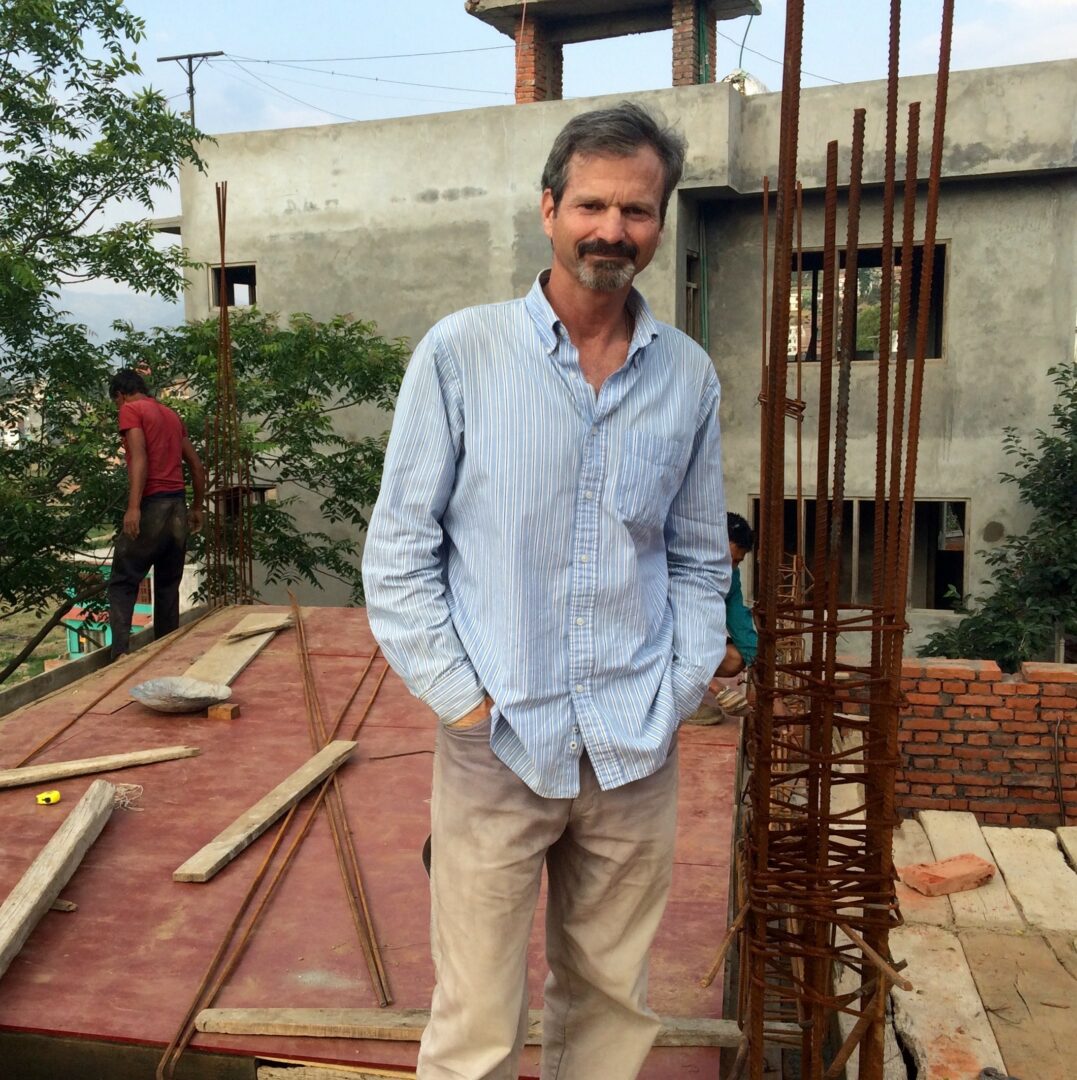
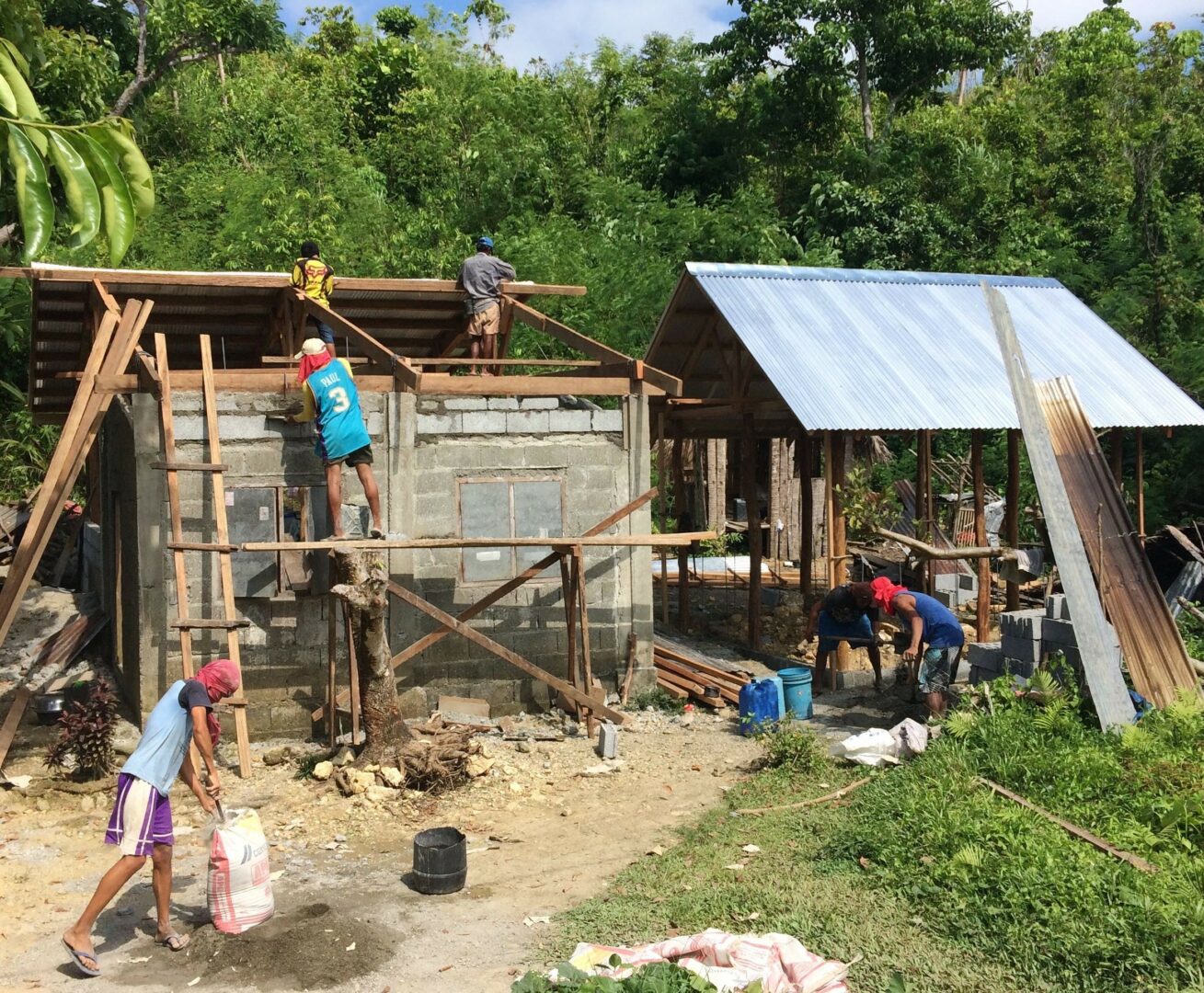

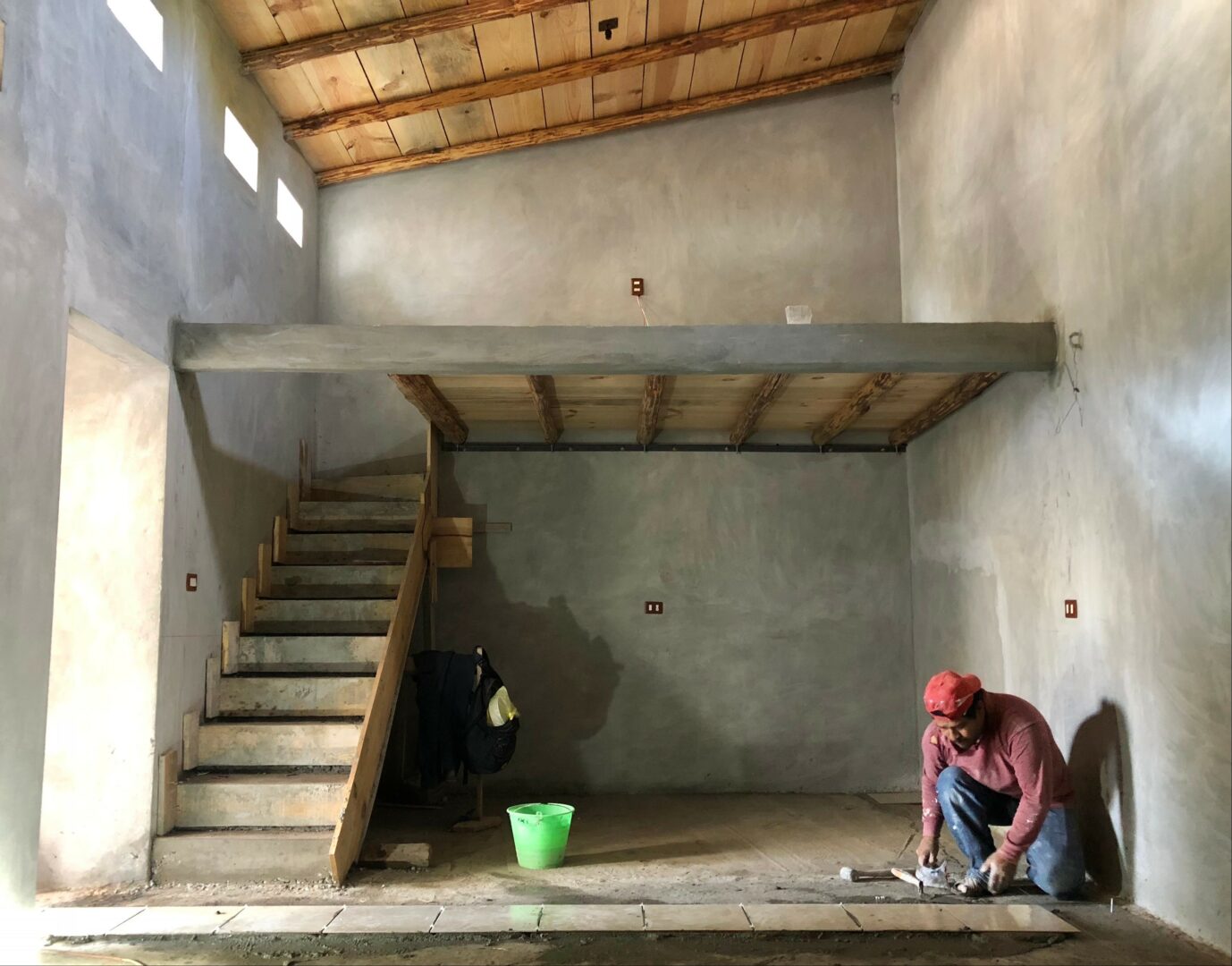
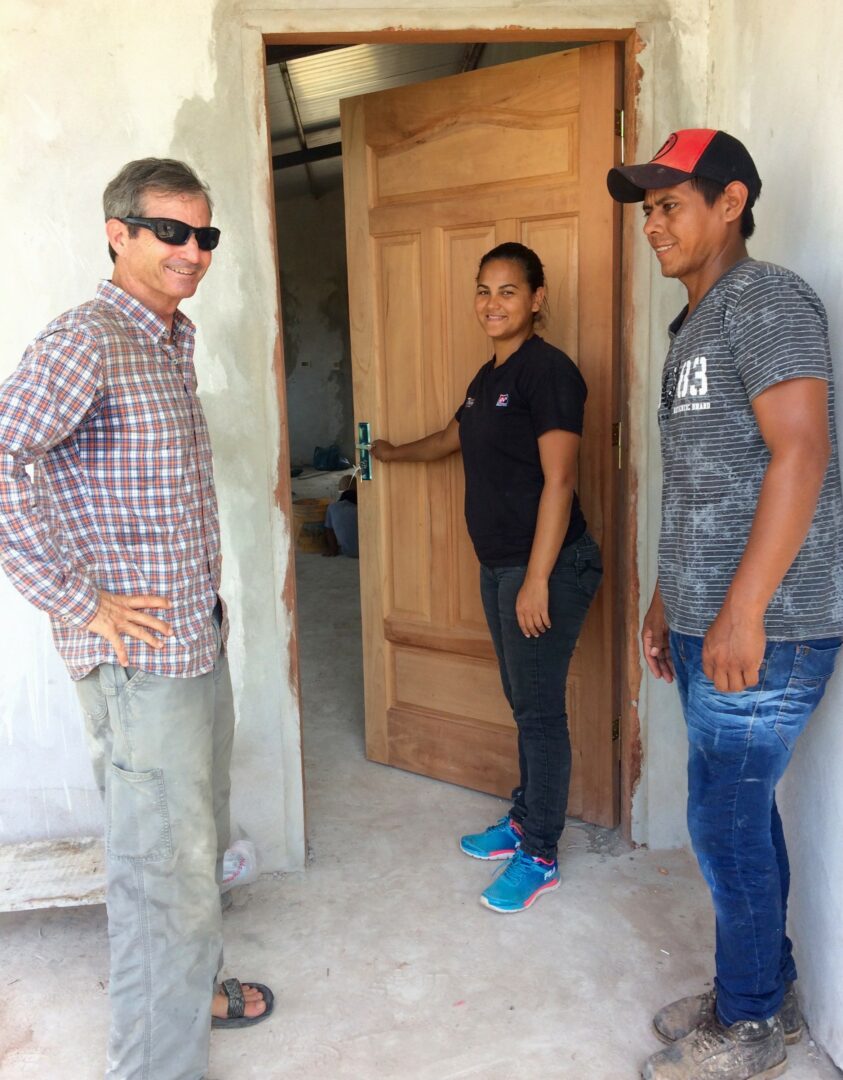
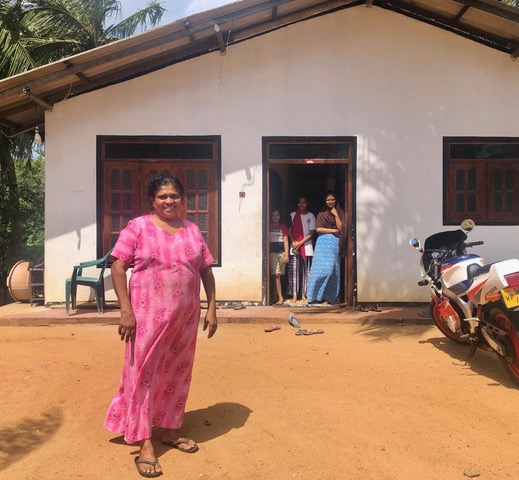
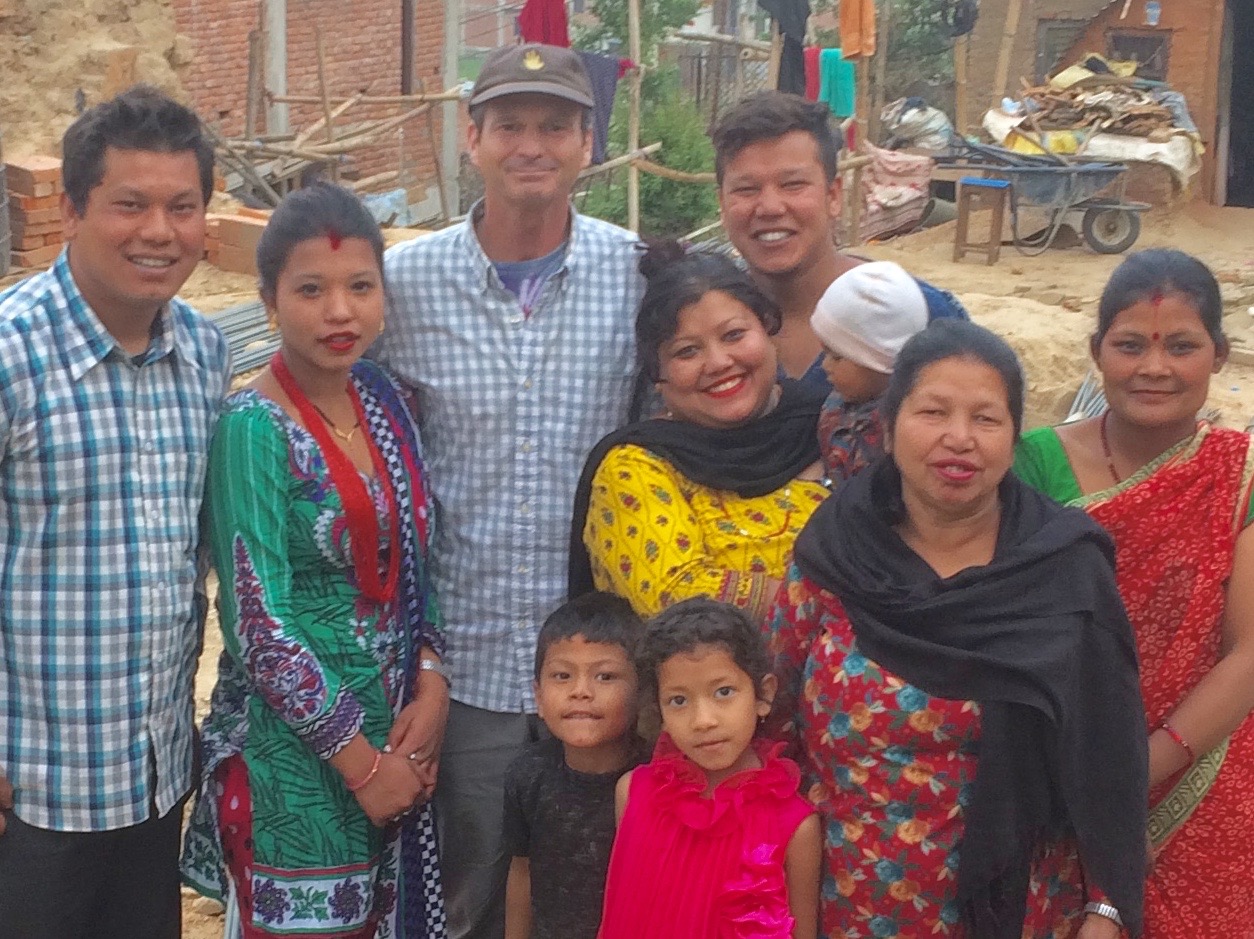
Image Credits
All photos (C) Jon Ross
so if you or someone you know deserves recognition please let us know here.