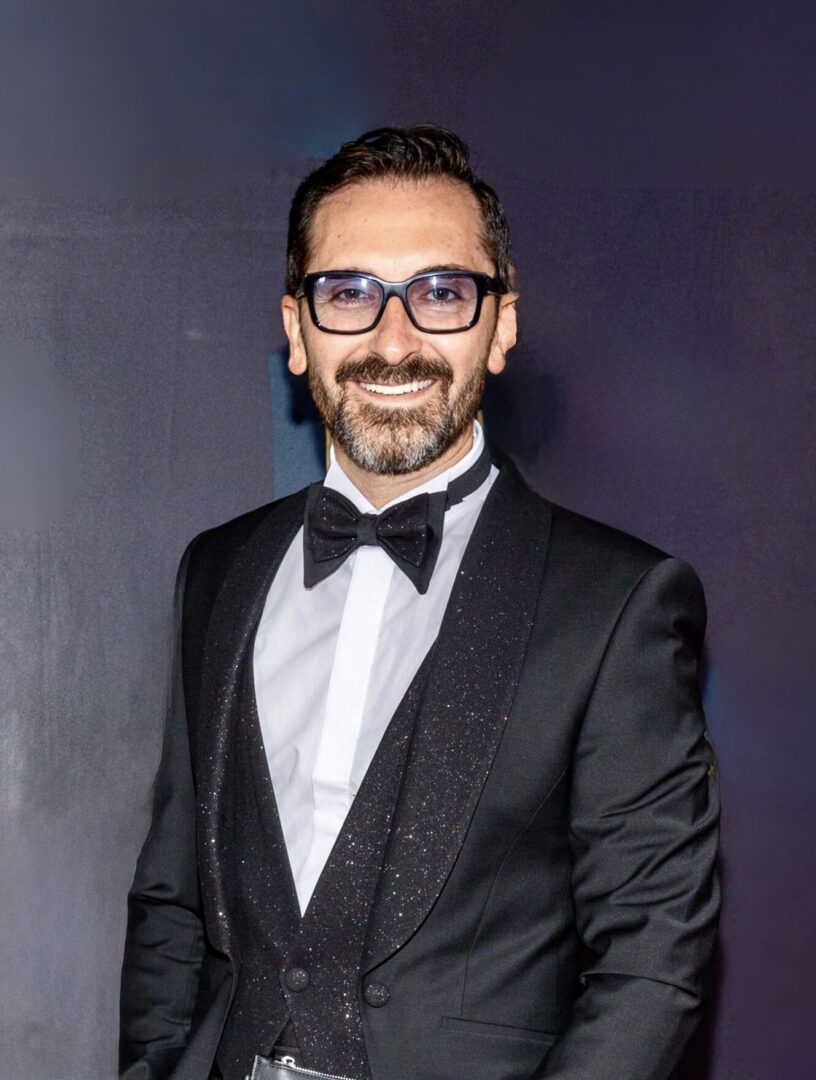
JOSEPH LU shared their story and experiences with us recently and you can find our conversation below.
JOSEPH , so good to connect and we’re excited to share your story and insights with our audience. There’s a ton to learn from your story, but let’s start with a warm up before we get into the heart of the interview. What makes you lose track of time—and find yourself again?
When I sit at the piano, time suspends itself, and everything rational gently separates from what belongs to instinct. In that moment, it is no longer just me touching the keys: it feels as if a passage opens, a subtle space where the mind falls silent and sensitivity takes the lead. That is where I meet the universe, not as something distant, but as a presence vibrating through every note. That is where my creativity connects, expands, crosses invisible boundaries, and lets itself be carried by a mysterious dialogue between who I am and who I might become. In that suspended instant, everything aligns: the sound, the breath, the feeling. And it is in that exact place that music reveals who I truly am.
Can you briefly introduce yourself and share what makes you or your brand unique?
My name is Joseph Lu, and I am known as the Pianist of Dreams. Since childhood I have lived in a universe where the boundary between reality and dream was thin: I dreamed melodies, perceived harmonies in silence, and slowly learned to translate those inner sounds into real music. I am Sicilian, from Modica, and to me the piano is not just an instrument but a bridge,a bridge between the world we can touch with our hands and the vast world of imagination, of the subconscious, of the infinite. When I compose, I don’t simply try to “play”: I seek to capture those dreamlike vibrations that live within me, and perhaps within all of us and transform them into notes that speak of love, hope, and inclusion. The realm of dreams is my main source of inspiration. In my music there is a constant tension between classical structure and the freedom of the dream. I believe music can become the symphony of the infinite, because the infinite has neither space nor time, but exists in our emotions, our desires, our inner visions. A central theme of my artistic journey is universal love not only the romantic kind, but the kind that embraces differences, supports those who are fragile, and welcomes those who face difficult experiences. I live this deeply, and it flows through my music.
In 2025 I also published my book The Pianist of Dreams, an autobiography in which I recount my journey through music and dreams: from the silences of childhood, to moments of crisis, to artistic rebirth. In the book I share my personal transformation, my relational challenges, and my poetic and spiritual vision. For me, writing is another way of playing music without a piano.
It may sound like a dream, but it is precisely there, between dream and reality, that I want to live and let my notes come alive.
My mission as an artist is both simple and ambitious: to use music to create connections between people, between inner and outer worlds, between hearts that perhaps dream in the same direction. I want those who listen to my compositions not only to hear the melody, but to feel it as a profound dialogue, as a gentle touch to the soul.
Great, so let’s dive into your journey a bit more. What’s a moment that really shaped how you see the world?
You know, the moment that truly shaped the way I see the world happened when I was a child. As a kid, I was “distracted,” almost silent: I spent hours dreaming and, at the same time, playing the piano. For me, dream and sound were not two separate realms they were deeply connected, interdependent. In my inner world a place without space or time I could perceive melodies, visions, vibrations that others would hardly have sensed. This way of being, this window opened onto dreams, taught me that music is not just notes and rhythm, but a bridge to the infinite, a dialogue between the soul and the universe. Another decisive turning point came when, as an adult, I set the piano aside for many years about sixteen. My wife told me, “Pick it up again, don’t let it go.” That simple phrase reopened an entire world. I began playing again, and from that moment on, music became my path to rebirth. In that instant, I understood that my mission was not just to play for myself, but to translate the dream dimension into sound, to give others the same sense of infinity that lives within my dreams. Every composition of mine, every piece, is a journey into the inner self into emotions, desires, fears, and hope. So if I had to say what the defining moment was: it wasn’t a single snapshot, but the union of my dream filled childhood and my musical rebirth in adulthood. These two poles shaped my vision of the world a place where dreams are not an escape, but an encounter, a transformation, and music.
When you were sad or scared as a child, what helped?
When I was a child and felt sad or afraid, there was always one thing that helped me: the piano. It wasn’t just an instrument it was my refuge. When I placed my fingers on the keys, all the fear and sadness seemed to turn into melodies. In those moments, dreaming and playing were a single breath of air: my way to escape, to give voice to emotions that would otherwise remain silent. I would close my eyes and let my mind wander into that inner universe I call the “oniric dimension”: a place without space or time, where I was no longer alone, where my soul could find peace and a sense of infinity. There, my fears grew smaller, because I was no longer bound to reality as it was I could recreate it, transform it. Music itself gave me courage: it reminded me that every note was a bridge toward tomorrow, that sadness is only a part of the journey, not the end. Even when I couldn’t speak or explain what I felt, my hands on the piano did speak and they said everything.
I think our readers would appreciate hearing more about your values and what you think matters in life and career, etc. So our next question is along those lines. What’s a cultural value you protect at all costs?
The cultural value I protect at all costs is wonder.
Wonder is that spark that makes the heart tremble when a sudden chord opens up a landscape within you, when a story whispered by a stranger becomes part of your world, when a kind gesture breaks the gray rhythm of the day. It is the door that allows us to see the invisible, to believe in the impossible, to feel that life, despite everything, remains an unfinished work full of light. Because without wonder, music would be just technique. And the world, just noise. I defend it like this: by playing every note as if it were a dream choosing, in that very moment, to be born.
Okay, we’ve made it essentially to the end. One last question before you go. When do you feel most at peace?
I feel most at peace when I am able to stop within myself. When thoughts cease their chase and the heart finds a slow, gentle rhythm, I understand that peace is not something we can obtain from the outside world: before we can feel it outwardly, we must first find it within ourselves. It is like sitting at the piano before playing: if the hands tremble or the mind is restless, the music will be tense. But when the breath grows calm, when the soul smiles at itself, then every note that emerges becomes a small universe of quiet. External peace is born only from inner peace. Without it, every gesture, every encounter, every light of the day remains barely touched, without depth. I seek peace within myself as one seeks a secret theme in a melody: and when I find it, the entire world seems finally in harmony.
Contact Info:
- Website: https://josephlu.it/
- Instagram: https://www.instagram.com/joseph_lu_pianist/
- Facebook: https://www.facebook.com/josephlupianist/
- Youtube: https://www.youtube.com/channel/UCeL1R9B0Z77dElCribI0pqg
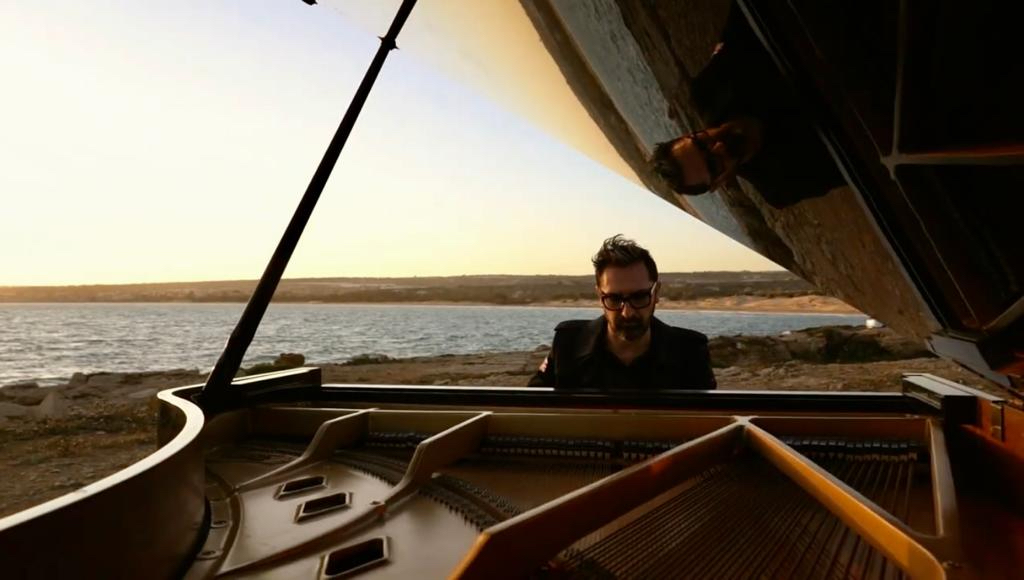
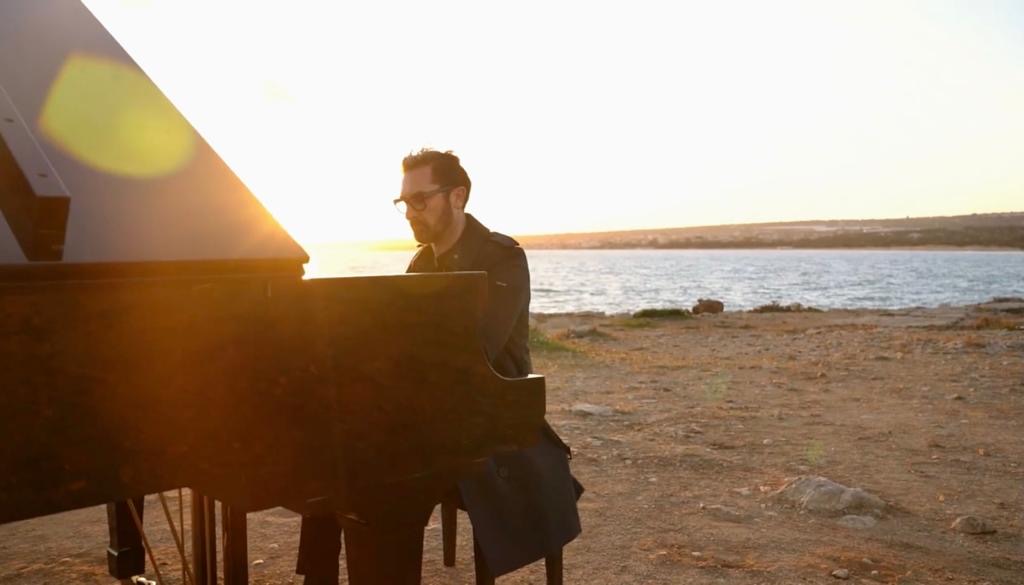
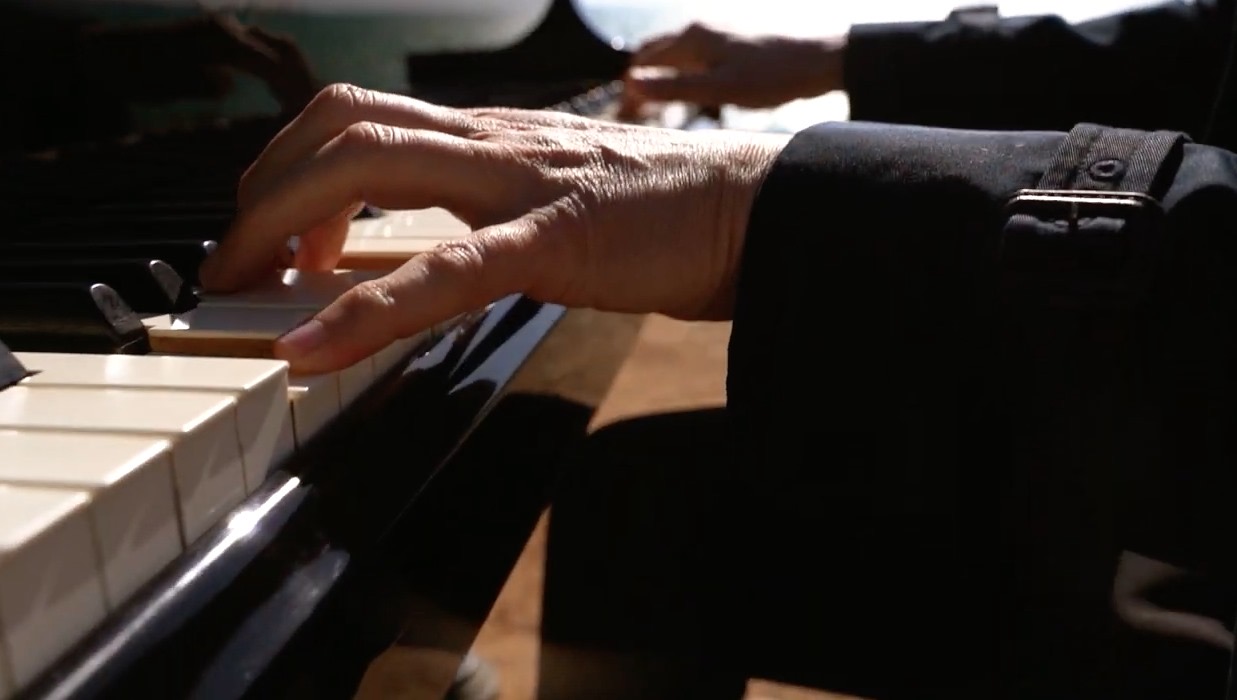
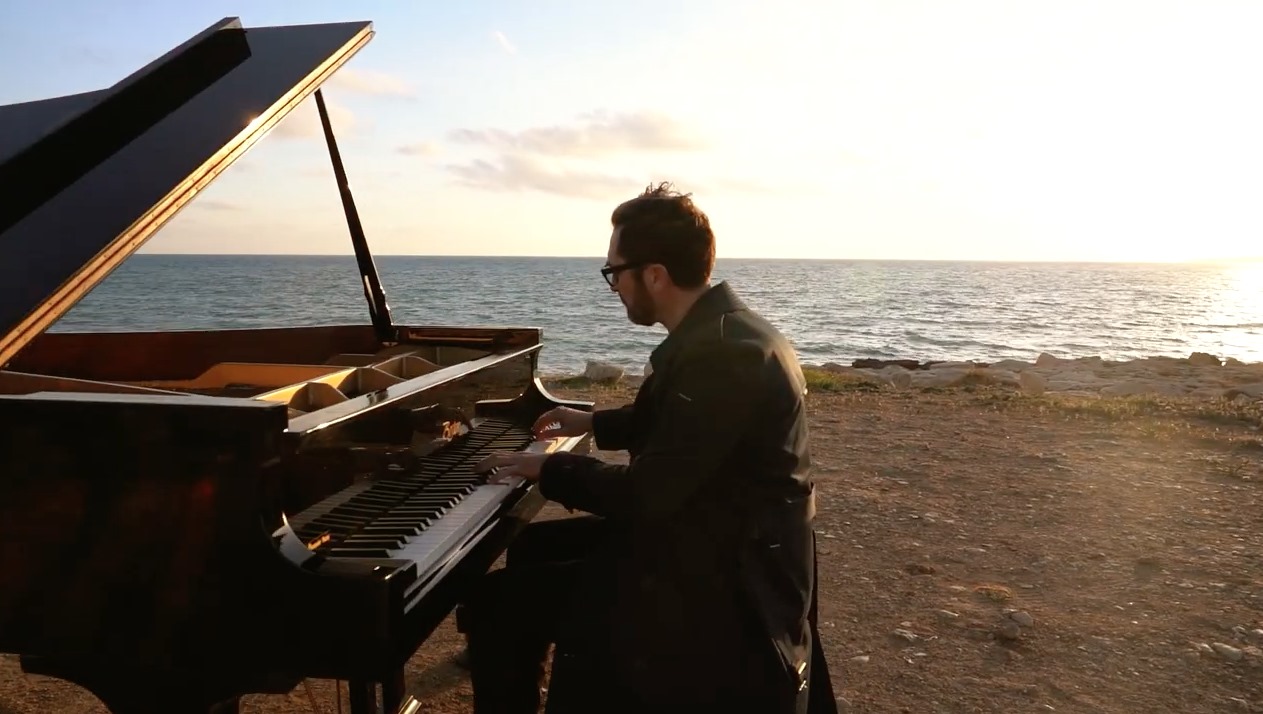
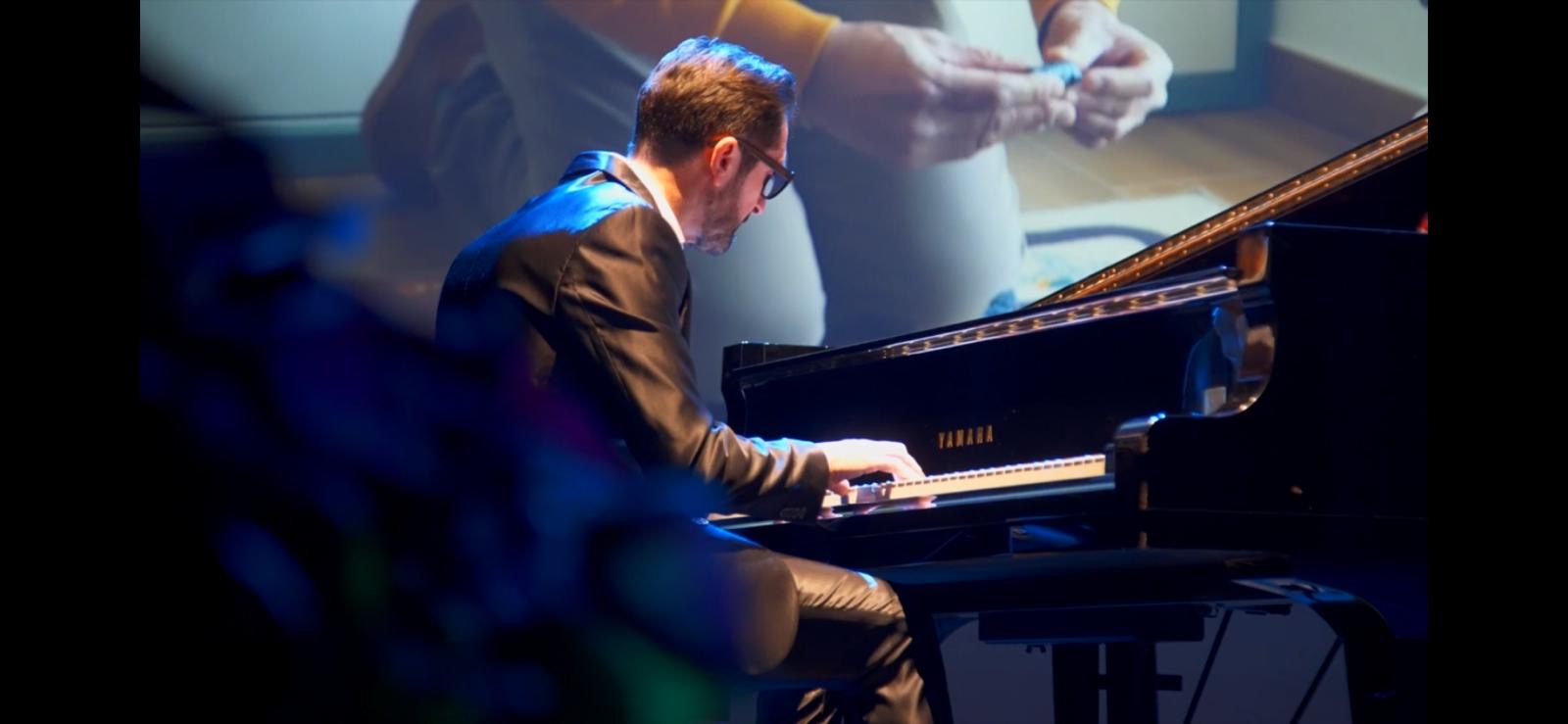
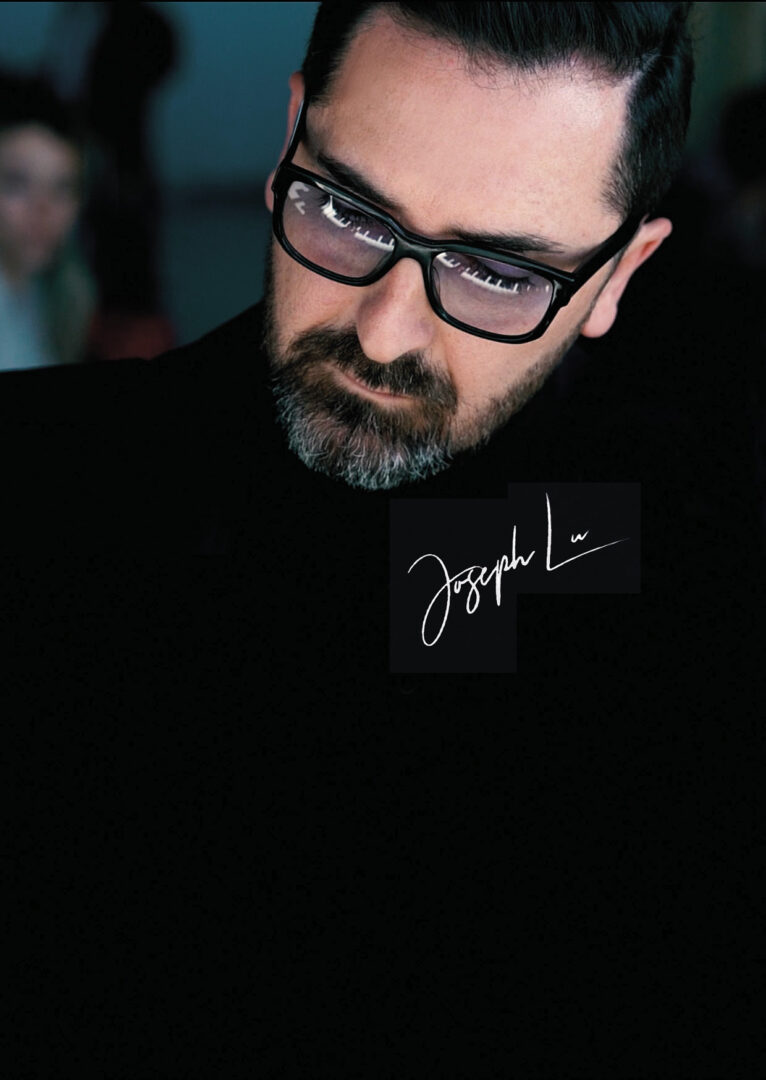
Image Credits
Joseph Lu
so if you or someone you know deserves recognition please let us know here.