We’re looking forward to introducing you to Katie Marshall. Check out our conversation below.
Katie, really appreciate you sharing your stories and insights with us. The world would have so much more understanding and empathy if we all were a bit more open about our stories and how they have helped shaped our journey and worldview. Let’s jump in with a fun one: Have you ever been glad you didn’t act fast?
Whenever I’m working on a painting, I always think that one of the most important ingredients in a painting is time. I’m not generally a fast person (I’m a Taurus, so I like to take my time) and as an artist I’ve started to embrace what not acting fast can bring to my work.
Earlier this year I was working on a large painting that’s basically an abstraction of a windshield, with a pair of hands and little charms and tchotchkes spread across the dashboard at the very bottom edge. In almost all of my work I start with a very general idea and rough compositional sketches, but all the fun comes in figuring out how to paint something and what the painting actually needs while I’m working on it.
I’d been working on this painting for several months and was entering the final stages and I still didn’t know how to resolve its bottom edge. One day my stepson’s girlfriend came over to our house with her mom and much younger siblings. One was a little toddler who was eating a bag of Cheetos and had Cheeto dust all over his hands. I thought—that is exactly what my painting needs—a bunch of chip crumbs! My own car is so full of crumbs and chip residue, and wouldn’t that make for a great image and add some potential abstract mark-making to my painting?
I ended up adding what looks like a bunch of Doritos in the bottom right corner of my painting. I was finishing it right around the time of LA wildfires in early January 2025 and as I worked, the Doritos started to look more and more like flames.
Not acting fast, giving things the luxury of time to unfold as they were meant to be (which isn’t possible in every case), letting oil paint take its sweet time to dry…I’m always glad for these things when they happen.
Can you briefly introduce yourself and share what makes you or your brand unique?
I’m a painter exploring the overlap between the cosmic and the personal, thinking about how a meteor slamming into Earth is not so different from the mark of violence left on a body or the scar left by a heartbreak. My work is based on my experiences driving long distances and all the baggage that comes with being a young woman traveling alone.
Visually, my work combines landscape painting and abstraction with a little bit of Ed Ruscha thrown in; sort of like if Hilma auf Klint or JMW Turner had a spiritual awakening at a Carl’s Jr.
For me, the act of painting feels a lot like being on the road, with smears of paint becoming dirt splattered across my windshield or cosmic stardust that remains after the crash of a meteor in the desert.
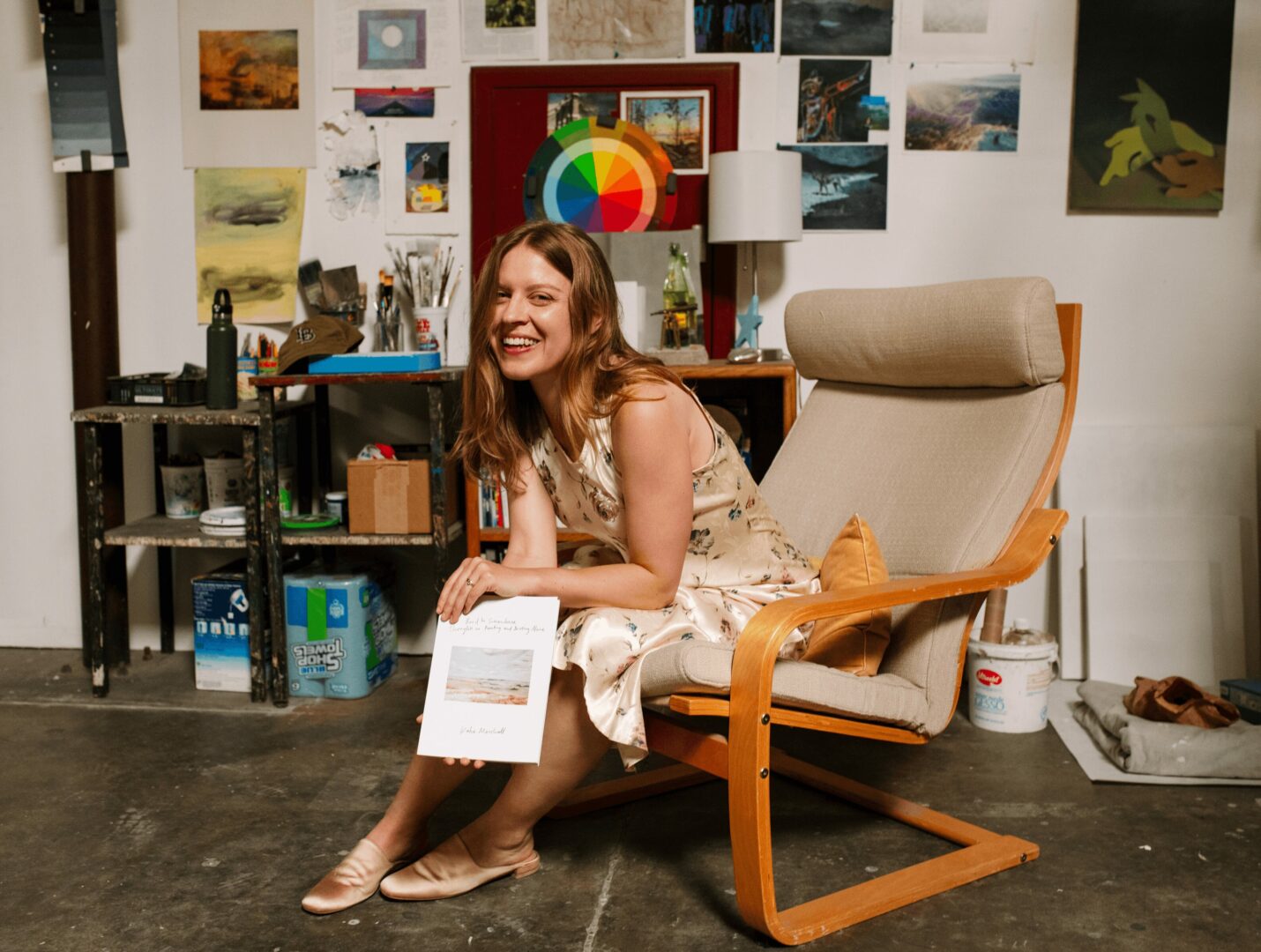
Before I got my MFA and started painting, I majored in Russian Literature and spent several years working as a Russian translator. Recently, I wrote a book about my work titled “Road to Somewhere: Thoughts on Painting and Driving Alone,” which presents an intimate portrait of long-distance driving, becoming an artist, and the things we do in the aftermath of violence and the loss of innocence.
Appreciate your sharing that. Let’s talk about your life, growing up and some of topics and learnings around that. What was your earliest memory of feeling powerful?
It’s interesting you ask about early memories of feeling powerful—as opposed to say, excited, strong, engaged, or passionate about something—because even as an adult, I still don’t really feel a strong sense of power. I don’t really feel comfortable having authority over others, and I never felt very powerful as a child. I was somewhat small and shy, a little overwhelmed by my surroundings, but I’ve always felt really grounded in my sense of self and my creativity, and really good at connecting with others through humor, imagination, and shared interests.
I’ve never had any respect for anyone who seeks to exert power and control over others.
Feeling powerful has been a very gradual process for me. I do feel it as a painter. Alone in my studio with several square feet of canvas and very expensive pigmented sludge (a.k.a oil paint) I feel pretty fearless, especially with the right song playing.
Of course, these feelings of power tend to come crashing down as soon as I let others in to see the work and my self-doubt and neuroticism creeps in, but I think that’s healthy. I’ve come to feel that there is power in staying grounded, sharing with others, and showing up and going to work with integrity, and a good sense of humor.
When did you stop hiding your pain and start using it as power?
I’m a rather private person. After getting my MFA all I wanted to do was retreat into a corner, move home and live with an old boyfriend in his parent’s basement. Make my work, but just for myself. It was so hard in the early stages of being an artist to share anything that felt personal.
While I was in graduate school, a young woman I knew was murdered. I still feel uncomfortable saying that because I don’t want to make others uncomfortable, and her life and her story are not mine to tell. Still, it really impacted me and forced me to reconcile a lot of internal things, including how I wanted to grow up and be as a person in the world, what I wanted to do as an artist.
Not everyone gets to grow up and not everyone gets to tell their story or to center their lives around creativity.
To have these abilities as a person and an artist are immense privileges. For me making art has been very cathartic and healing on a personal level, but I think it’s also enabled me to share more of myself and my story with others, allowed me to become a much more generous and open, to believe very strongly in the bonds and connections that art can forge between people and the sense of community it creates.
So a lot of these questions go deep, but if you are open to it, we’ve got a few more questions that we’d love to get your take on. What’s a belief or project you’re committed to, no matter how long it takes?
I am committed to making art and being an artist!
Not just the stuff, the objects, but living with and sustaining ideas over many years, cultivating them through materials and time to manifest things that are new and unexpected, to find new forms or ways of looking at things we didn’t have good language for previously.
Just recently I published a book titled “Road to Somewhere: Thoughts on Painting and Driving Alone.” It’s a project I started in 2023 and have worked on slowly and surely since then. I never thought I’d be able to do something like this and it was really exciting to see this long-term project through to the end. Giving context to my work and giving viewers a different and more accessible way to experience it and learn the stories behind it work is really exciting to me.
Being an artist is being part of a lineage of all those humans who came before me and made form for things, whether they became greats or remained unknown. It is being part of a living community: showing up for the shows, talks, crit groups, studio hangouts with other artists (even though I might prefer being a hermit in my own studio 90% of the time). It is teaching what I have learned to my students so that they can continue the artistic tradition and forge their own paths.
I can’t think of a better way to spend a life!
Before we go, we’d love to hear your thoughts on some longer-run, legacy type questions. What is the story you hope people tell about you when you’re gone?
I hope that the work I leave behind can live on to tell its own story and inspire or move anyone who encounters it: it is okay to be vulnerable, to have a sense of humor, to make work that explores both beauty and darkness, to believe that a work of art can be a means for connection and communion between two souls. I would hope the people of the future think my work was pretty badass.
Contact Info:
- Website: https://www.katie-marshall.net/
- Instagram: https://www.instagram.com/katiemarshallstudio/
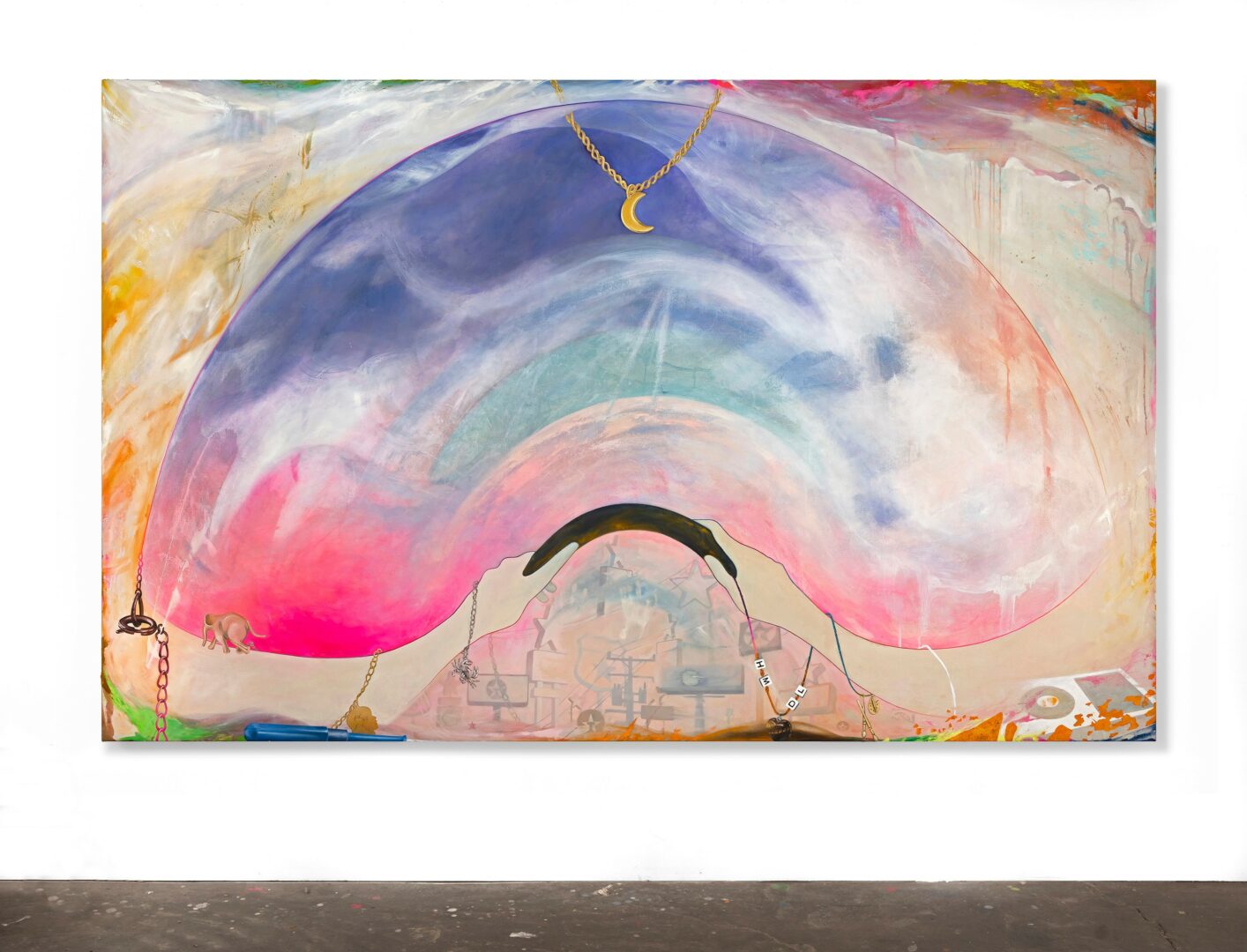
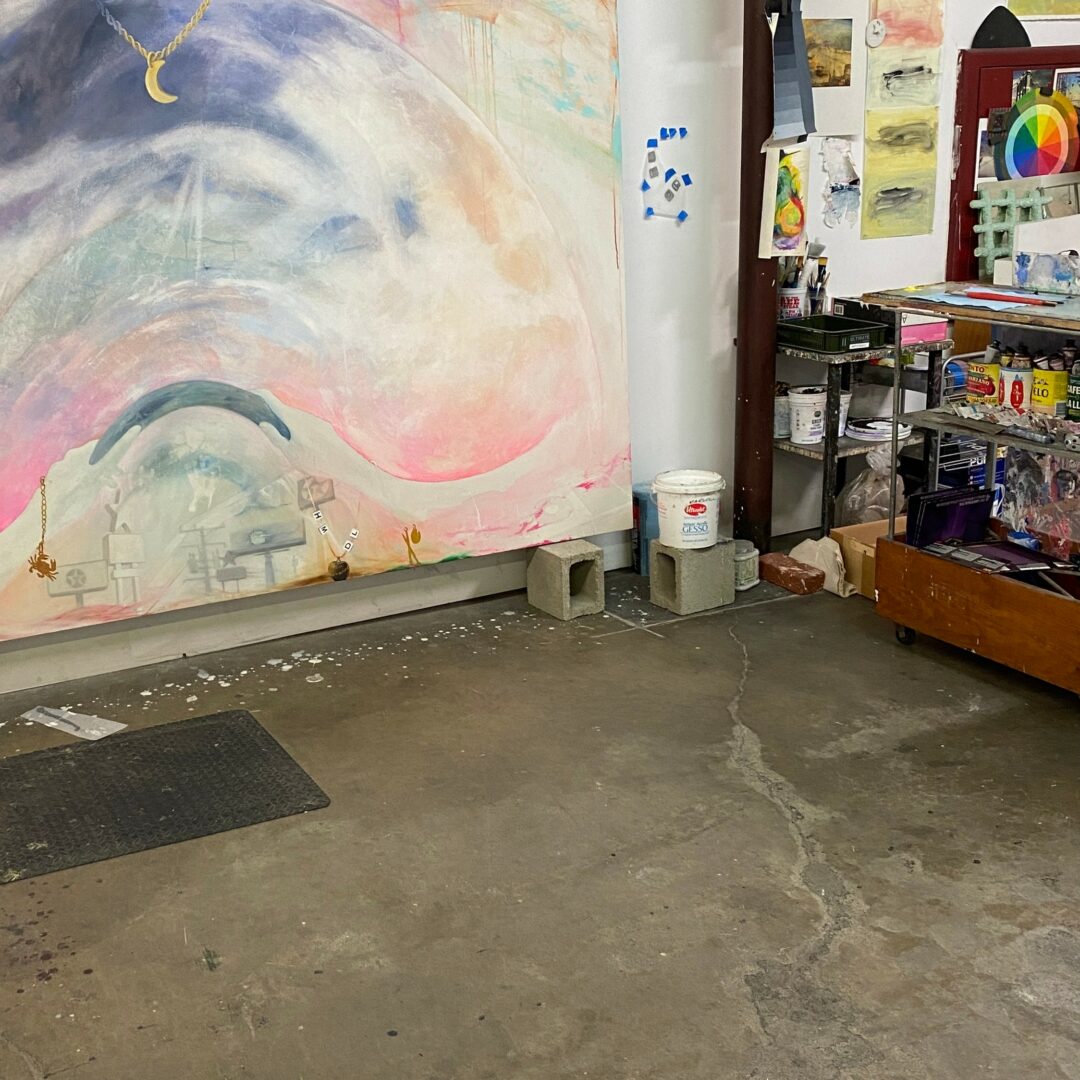
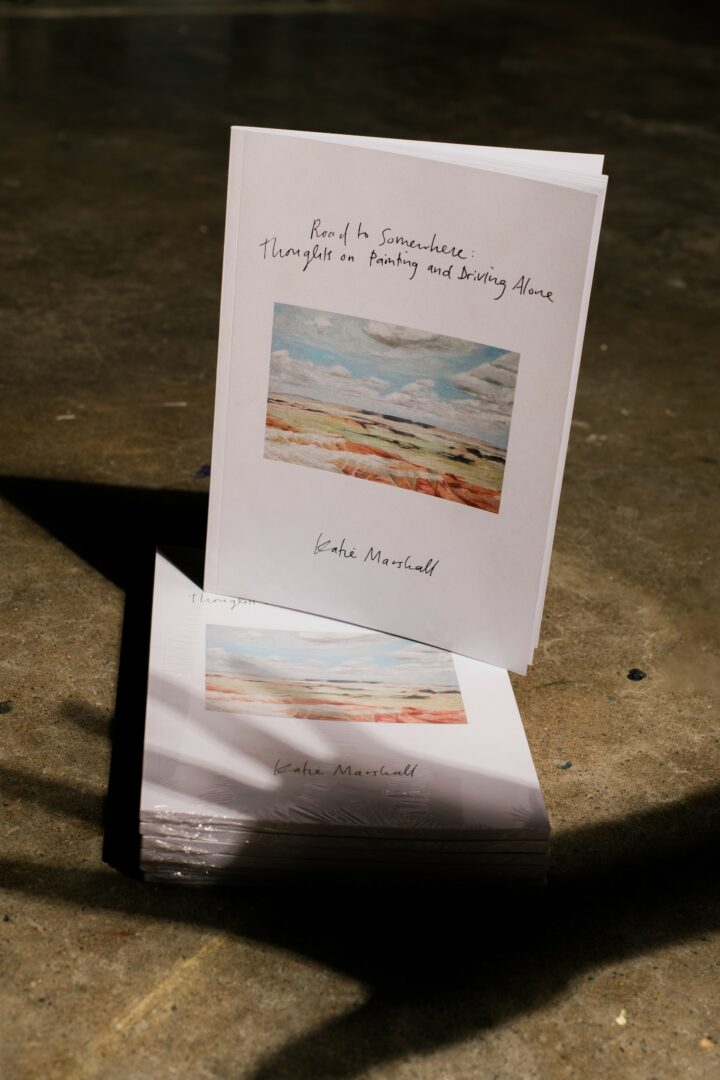
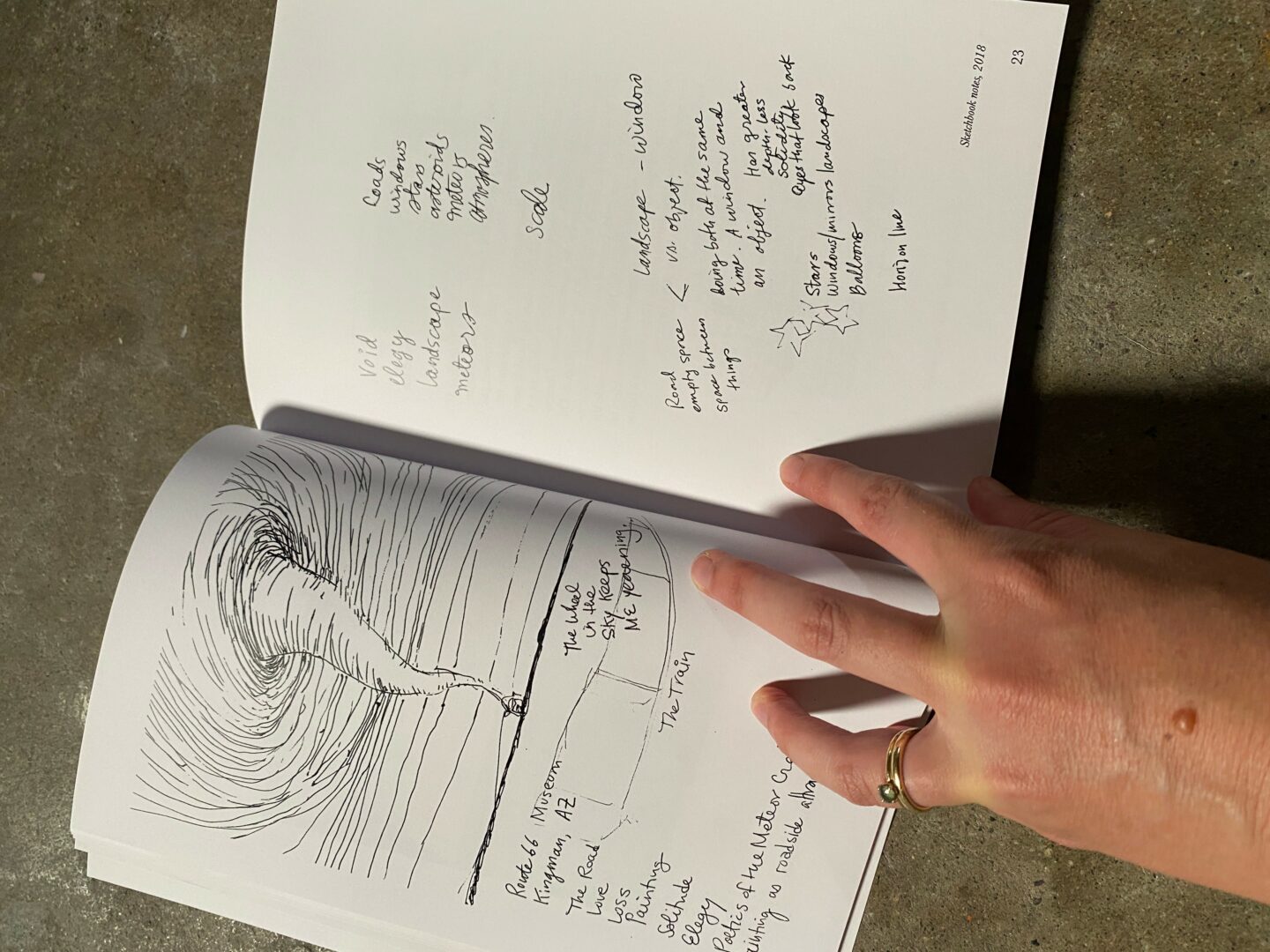

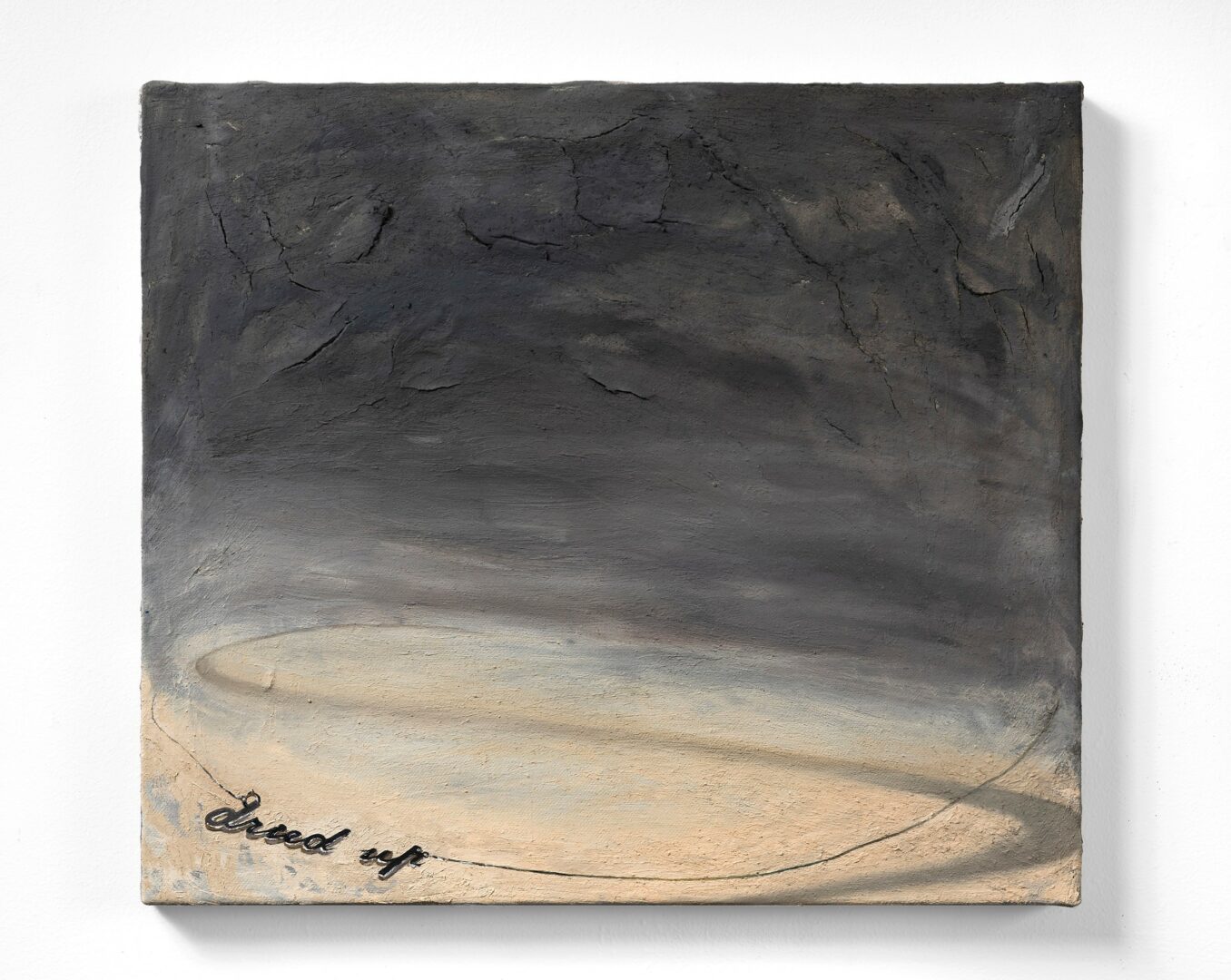
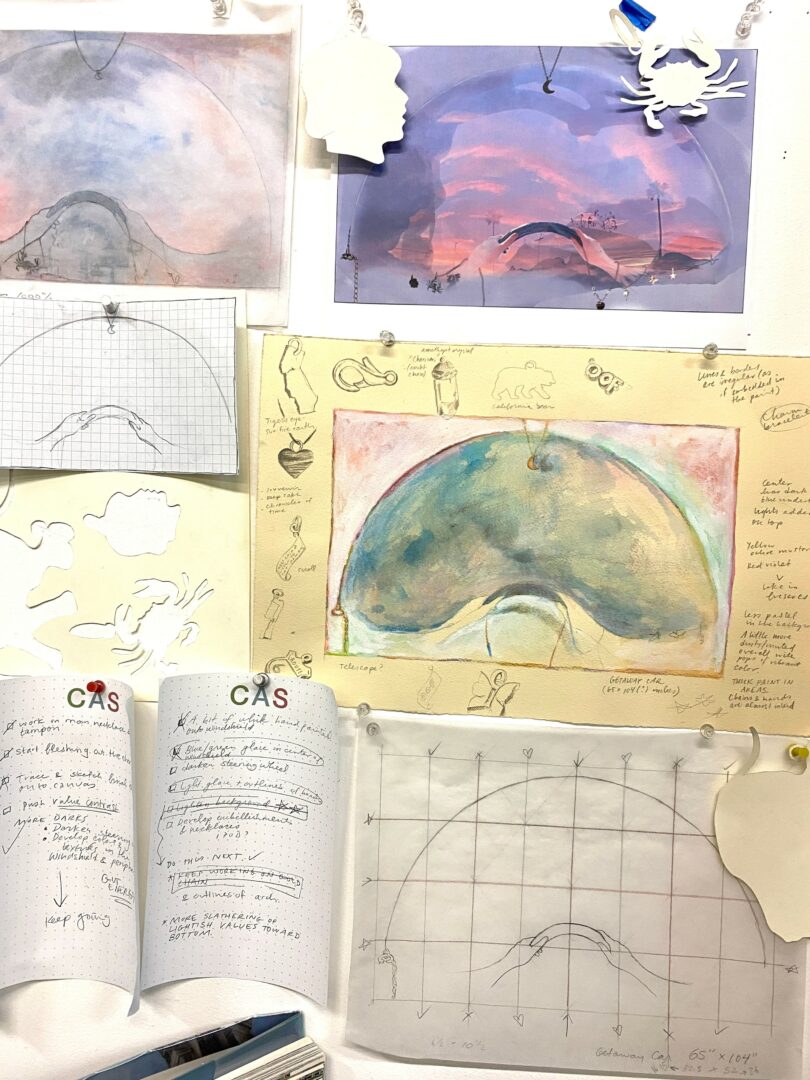
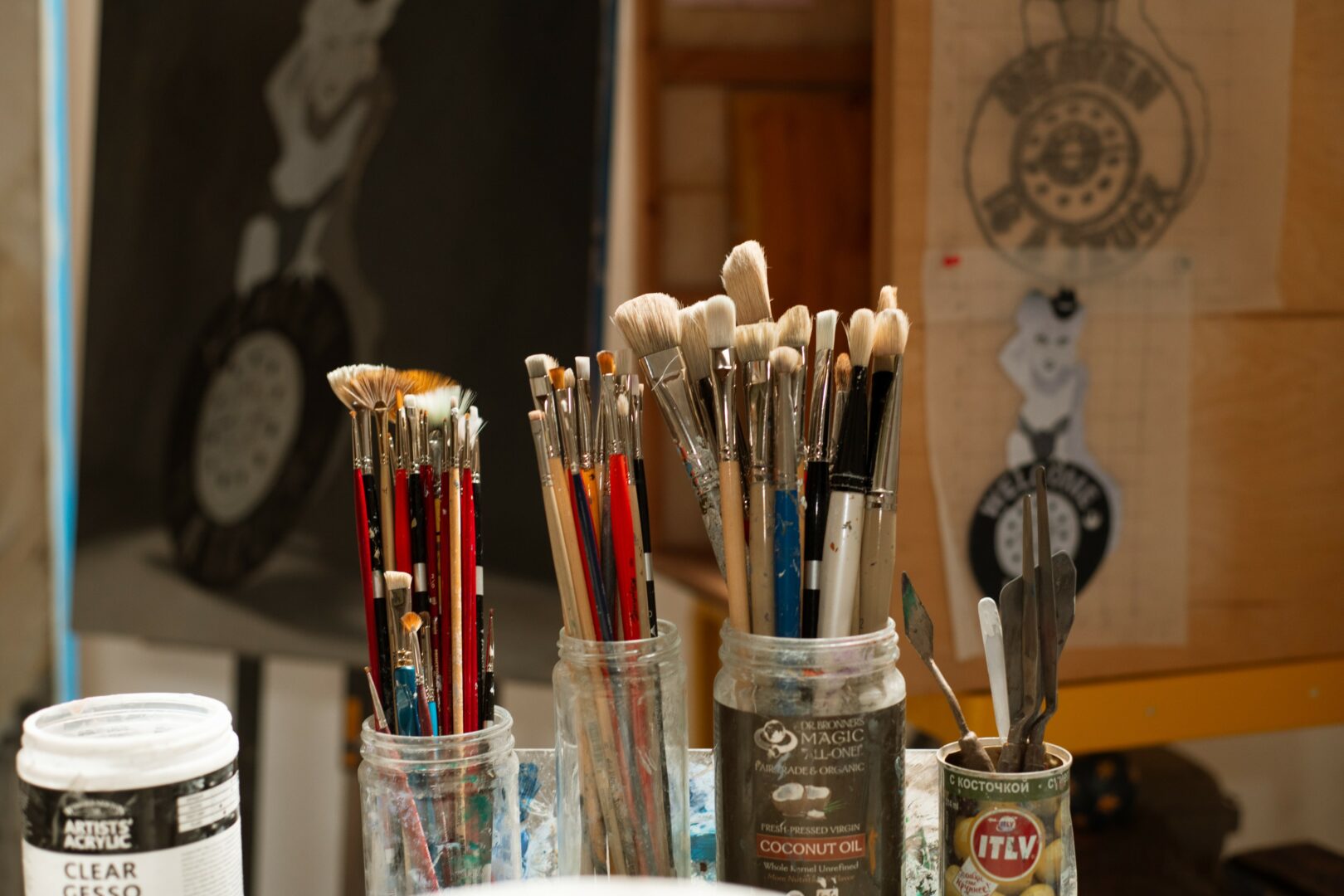
Image Credits
Amanda Quinlan
Gene Ogami
so if you or someone you know deserves recognition please let us know here.