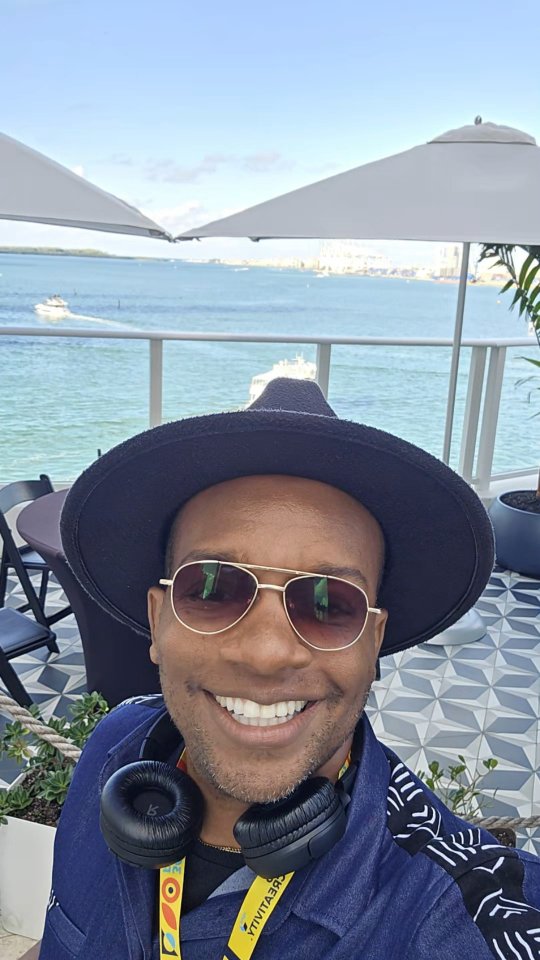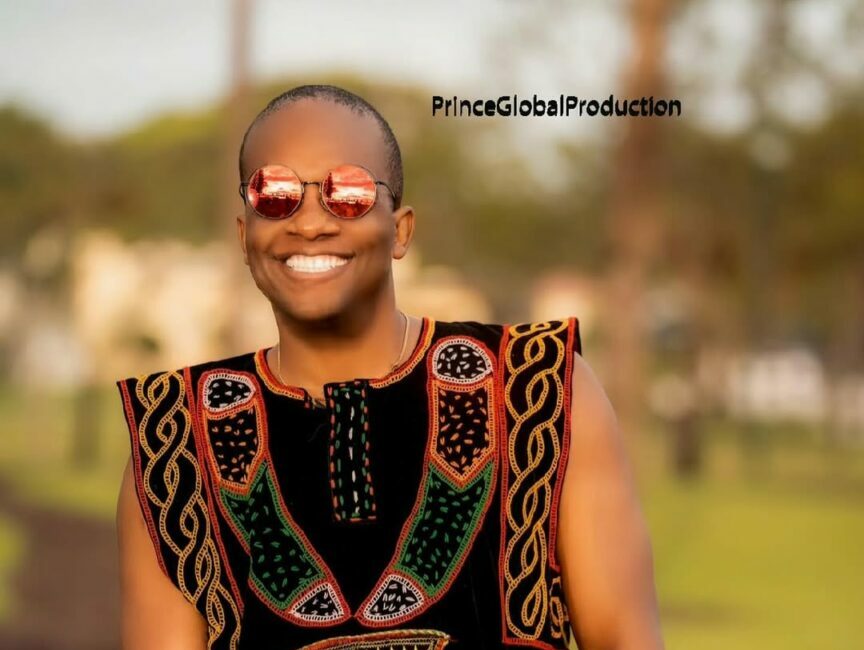
As a self‑described strategic fixer, Kellen Coleman operates at the intersection of clarity, protection, and long‑term progress—helping founders, executives, and organizations align their vision with systems that can actually support it. Through his work with Coleman Public Relations & Consulting and ventures like MillionaireX.ai, he prioritizes stewardship over hype, integrating AI, financial discipline, and emotional intelligence to reduce risk, prevent burnout, and guide clients toward growth that’s grounded, compliant, and built to last.
Hi Kellen, thank you so much for taking the time to share your story and perspective with our readers. Your work as a strategic fixer and business consultant spans industries from PR to AI to healthcare, and it’s clear you focus less on hype and more on real solutions—so let’s jump right in.
You describe yourself not just as a consultant, but as a “strategic fixer.” What does that role look like in practice, and how is your approach different from traditional PR or advisory services that focus mostly on tactics or visibility?
In practice, being a strategic fixer means my responsibility is not just to promote someone, but to PROTECT & PROGRESS the person, brand, or project as a whole. Traditional PR often focuses on volume, how many platforms, how much exposure, how fast. My focus is sustainability, discernment, and alignment with where the client’s life and work are actually headed. Blind spots are inevitable; anticipating and managing them is part of the value we provide to our clients.
My approach is shaped by both formal training and lived experience. In addition to holding a Master’s degree, I am also a Certified Financial Social Worker (CFSW) Advisor/Coach. That perspective matters because many professional collapses are not caused by a lack of talent, but by financial stress, emotional overload, and poor decision-making under pressure. I also teach biblical financial principles, heavily influenced by Dave Ramsey, who has served as an online mentor through his emphasis on stewardship, discipline, and long-term thinking.
Many of my clients come into money, influence, or visibility faster than they ever anticipated. That includes content creators, athletes, founders, and medical professionals running multiple clinics. In those moments, tactics alone are insufficient and sometimes dangerous. My background in mental health, financial social work, and education allows me to help clients stay grounded, avoid self-sabotage, and make decisions that protect both their wealth and their well-being.
With over two decades of experience across communications, AI, healthcare, and regulated industries, how do you quickly identify what’s actually broken or misaligned inside a business—and what are some of the most common mistakes you see founders making?
Every client is different, but I operate from a core framework we use internally at Coleman Public Relations & Consulting. It begins with understanding what the client has already built, why they made certain decisions, and whether their financial, emotional, and operational foundations are strong enough to support growth.
I tend to see businesses almost like a movie. If I can step into the founder’s position and see the full narrative, past, present, and future, then we are likely a good fit. Most founders are not broken; they are misaligned. The most common mistakes I see include scaling too fast, chasing visibility without infrastructure, and confusing revenue with stability. Founders often underestimate how much emotional regulation and financial clarity are required to sustain success.
AI is a huge buzzword right now, but you emphasize practical, compliant integration rather than trends. How do you help organizations use AI in a way that genuinely improves operations and decision-making without creating risk or complexity?
AI is something I use daily, often quietly and intentionally. Sometimes I refer to AI as “she,” because of the way it multitasks with elegance and precision. In practice, AI supports real work: answering routine calls, responding to texts, triaging emails, and handling first-line communication so that human attention can be reserved for higher-level decisions.
That efficiency saves an enormous amount of time, though I’ll admit it can occasionally frustrate family members who expect instant, personal responses. It’s a reminder that technology should serve life, not replace it, and boundaries still matter.
We’ve built MillionaireX.ai as a practical application layer, and I’m grateful to partners like Tyler from Wealthy Vibes who helped connect systems like GitHub, Supabase, and the Play Store. While I hold multiple certifications from institutions such as LinkedIn, Microsoft, and Vanderbilt, our real advantage is experience. We have been building with AI for more than eight years, including through publishing and educational projects under Fomenky Publishing, where my family creates content inspired by our global travels. For me, AI is not about novelty. It is about stewardship, efficiency, and reducing unnecessary strain on people and systems. We are transparent with clients about the use of AI and AI-based management systems, and we also keep them informed about major AI and technology conferences such as CES, several of which our clients have attended to stay ahead of emerging developments.
Through ventures like Coleman Public Relations & Consulting, Vanguard Radiology, and MillionaireX.ai, you’re operating across very different sectors. How do you decide where to focus your energy, and what connects all these businesses under one bigger vision?
The unifying principle is people. I focus my energy where I can add the most strategic clarity and leadership. I only do what I am genuinely strong at, and for everything else, I partner with or hire experts who love their craft.
Many of those relationships span more than a decade. My wife, who once tutored me in math and French, has always been a business partner. Colleagues like Brandon Richardson, also known as Richboi, and others from Grambling State University have been part of my professional ecosystem for years. I spend much of my time directing traffic, aligning talent, and ensuring systems support people rather than burn them out.
For entrepreneurs and executives who feel stuck, overwhelmed, or unsure where to start fixing their business, what’s the first step you recommend—and how can one focused strategy conversation truly change the trajectory of their growth?
When someone feels genuinely stuck, the first step is clarity, not motion. For me, that often begins with prayer and asking for wisdom before making another move. From a practical standpoint, I also encourage people to explore overlooked free resources like the SBA, SCORE, and APEX Accelerators.
If professional support is needed, we step in through CPRFIRM.com, but we are selective. We are not the cheapest option, and that is intentional. We only work with people and projects where we can see the path forward clearly, almost like watching the next chapters unfold in advance.
Personally, I find clarity through international travel, reading at least one book a week, and conversations with people across every socioeconomic level, from the homeless to millionaires. Hosting Diversified Game has reinforced that wisdom is everywhere if you are willing to listen. Continuous learning, faith-based study, and returning to the classroom consistently unlock new creative insight. Some of my strongest ideas have emerged not in boardrooms, but in classrooms, spaces where humility and curiosity are still allowed to grow. Many of those ideas have also been sparked by listening closely to the people around me, especially my wife and Rich Boi, also known as Professor Richardson at Grambling State University, my Gram Fam, whose perspectives have shaped at least half of my thinking.
Links: