We recently had the chance to connect with Krittika Mittal and have shared our conversation below.
Hi Krittika, thank you so much for taking time out of your busy day to share your story, experiences and insights with our readers. Let’s jump right in with an interesting one: What is something outside of work that is bringing you joy lately?
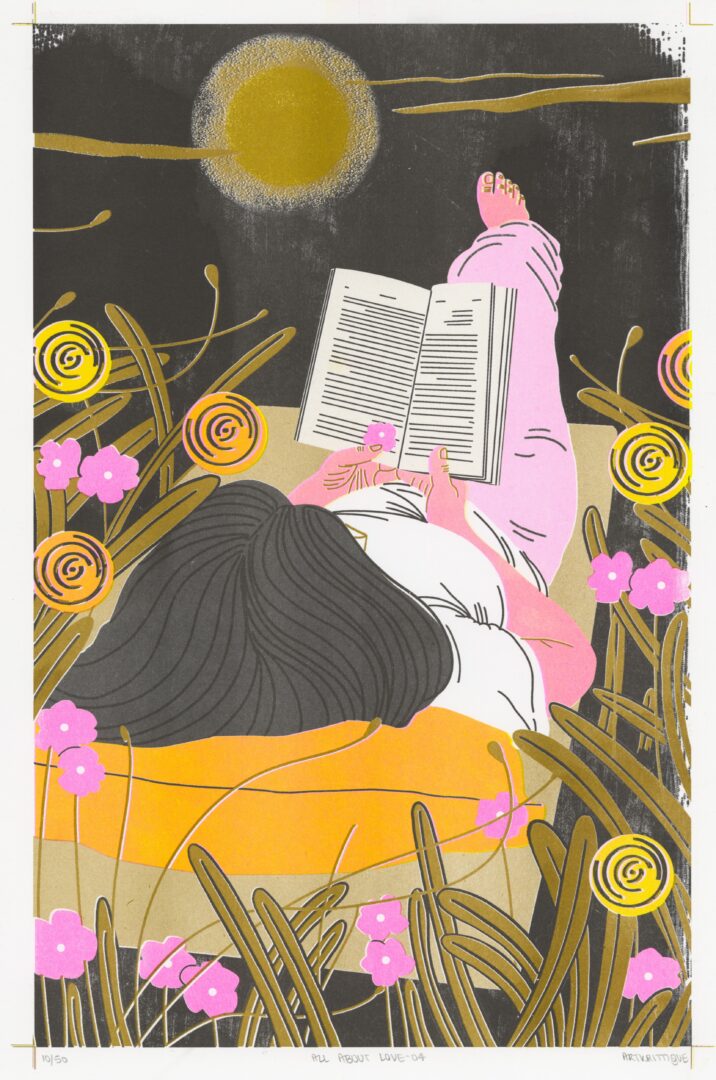
Reading: good old-fashioned reading.
I’ve been trying to rediscover the pleasure of reading purely for myself. At home, I often struggle to switch off my “productive” mindset, but when I travel, I can lose myself in a book for hours. I’m still struggling to allow myself to read for leisure at home, and I’ve recently subscribed to the newspaper to get myself to read more.
Can you briefly introduce yourself and share what makes you or your brand unique?
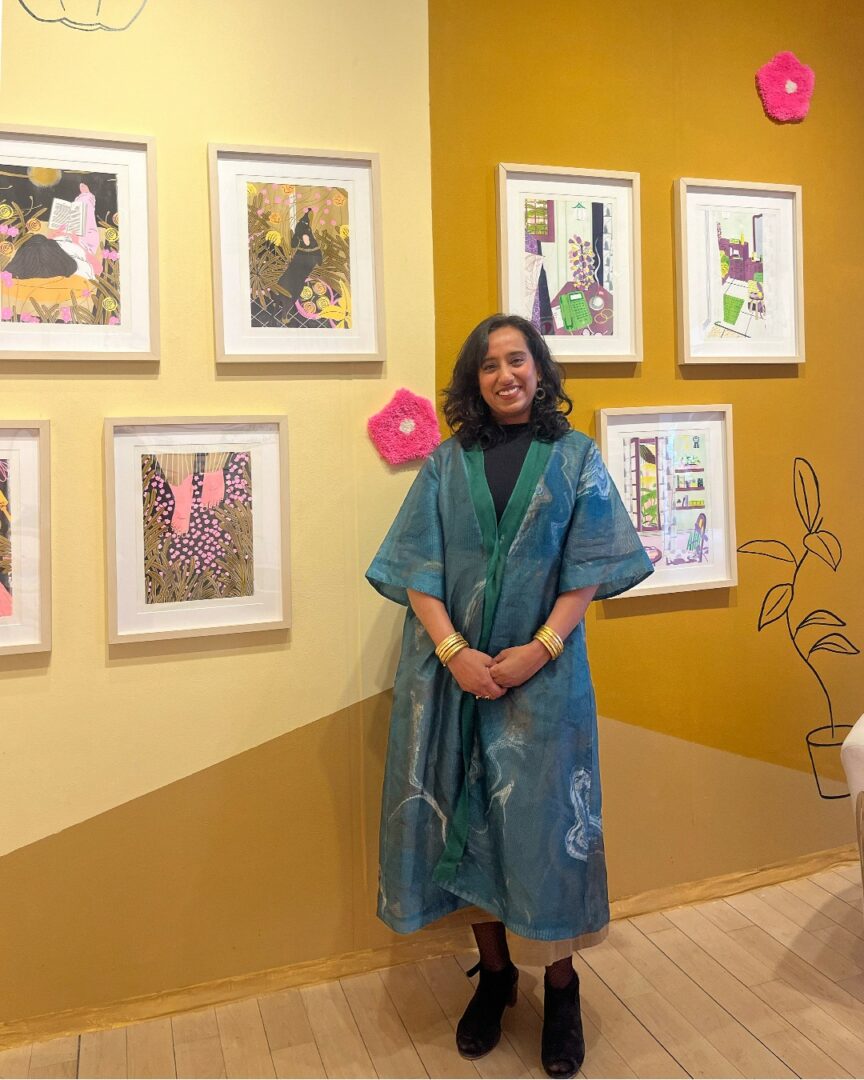
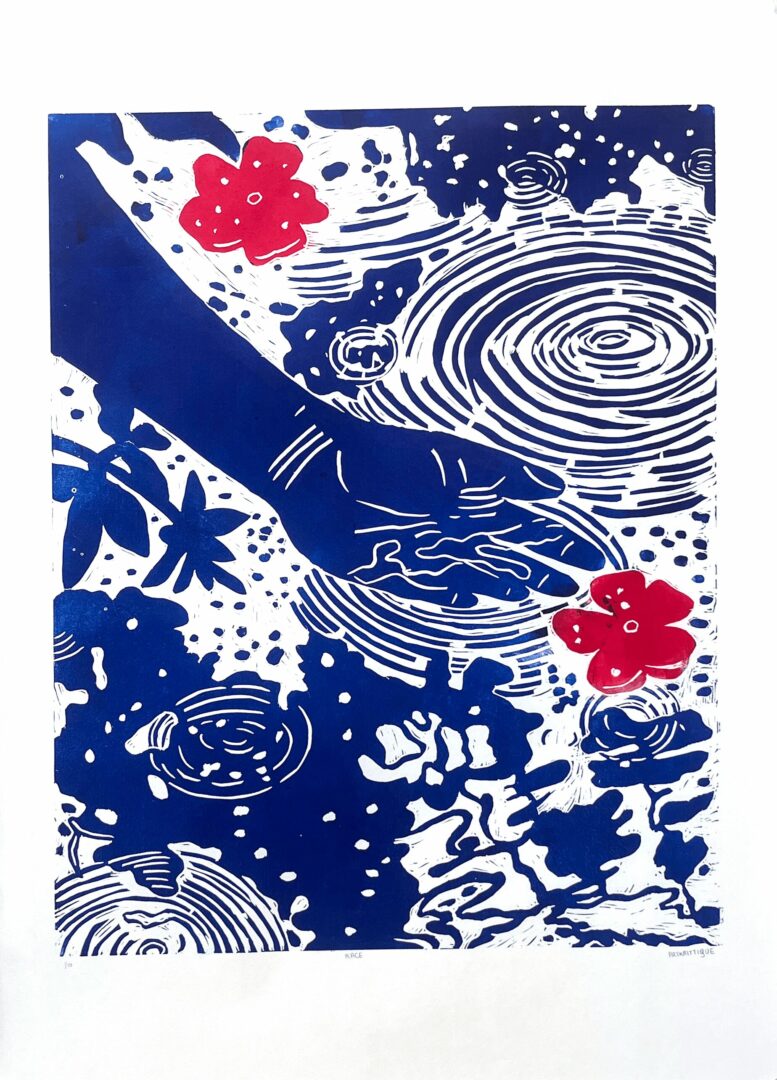
I’m Krittika, the artist and founder behind Artkrittique, a brand that began as a personal challenge and evolved into a full-fledged creative practice.
As a self-taught artist, I often found the art world intimidating and exclusive. I wanted to make art that felt approachable, work that celebrated small, everyday moments like picnics with friends or the quiet joy of seeing your dog perched on a chair.
When a few of my illustrations unexpectedly went viral on Instagram, I started receiving messages from people wanting to purchase my work. I opened an online shop during the pandemic, and what began as an experiment soon changed the trajectory of my life. Today, Artkrittique continues to be a reflection of my belief that art can be meaningful without being distant, that beauty often lives in the small, familiar corners of everyday life.
Amazing, so let’s take a moment to go back in time. What did you believe about yourself as a child that you no longer believe?
That I wasn’t creative.
Growing up in India’s education system, I excelled in math and science, and I internalized the stereotype that being analytical meant I couldn’t be artistic. When I applied to architecture school, people warned me I wouldn’t succeed because I “couldn’t draw.” Later, in undergrad, I struggled in an environment with little creative guidance and was told I simply wasn’t creative enough.
It took years of unlearning that belief. I eventually realized creativity isn’t a gift that a few people are born with, it’s a muscle that strengthens with practice, exposure, and curiosity. Once I gave myself permission to explore and make mistakes, everything changed. I discovered I was creative all along; I just hadn’t been given the right space to nurture it.
What did suffering teach you that success never could?
Resilience, and a deeper sense of emotional maturity.
At several points in my life, I have poured my heart and soul into a project, a product, a competition, only to not be selected. I quit my job and became a freelancer, only to have the covid pandemic hit a few weeks later. Everytime, I’ve spent a few days mourning the what-if, eating lots of carbs, and then going back to making art. And this isn’t an isolated experience- it happens to all of us.
These experiences have taught me that I can’t let rejection define me, but I can take some time to recuperate and try again. One book that has also helped me reframe this mindset was The Luck Factor by Richard Wiseman. It’s like the early 2000s version of “lucky girl syndrome,” but more grounded; it taught me to look for the positives in any situation.
Recently, I didn’t get into three holiday art markets I’d been counting on financially. I feel disappointed, a bit worried about the strength of my applications, but I’m now using this time to catch a breath and plan new product lines for next year and refine my social media strategy.
Next, maybe we can discuss some of your foundational philosophies and views? How do you differentiate between fads and real foundational shifts?
Foundational shifts are the principles you refuse to compromise on, especially when times are difficult. For me, it always comes down to values and authenticity. A platform or trend might come and go, but if the message you share through it is true to your core values, it remains meaningful.
When I was setting up my art business in India, I made a conscious decision to work only with small, local vendors and ensure they were paid fairly for their labor. It wasn’t always the easiest or most convenient route, but it helped me build a sustainable business rooted in ethics and community. Those are the choices that still define my business 5 years later, across continents, they shape not just what I do, but why I do it.
Thank you so much for all of your openness so far. Maybe we can close with a future oriented question. What will you regret not doing?
Not creating more new work.
Lately, I’ve been so focused on the logistics of survival: applying for markets, managing finances, maintaining connections, that I haven’t made as much time for the act of creating itself. The recent rejections I faced were difficult, but they’ve also reminded me of where I find the most joy and fulfillment.
I’ve spent the last year building meaningful in-person connections, which I’m grateful for, but my online presence and creative expression have taken a back seat. I’ve realized I’ve been making myself smaller, being careful about sharing my opinions, to fit others’ expectations of me as an artist. Going forward, I want to return to creating from a place of authenticity: to let my own voice and vision take up more space.
Contact Info:
- Website: https://www.artkrittique.work
- Instagram: https://www.instagram.com/artkrittique/
so if you or someone you know deserves recognition please let us know here.