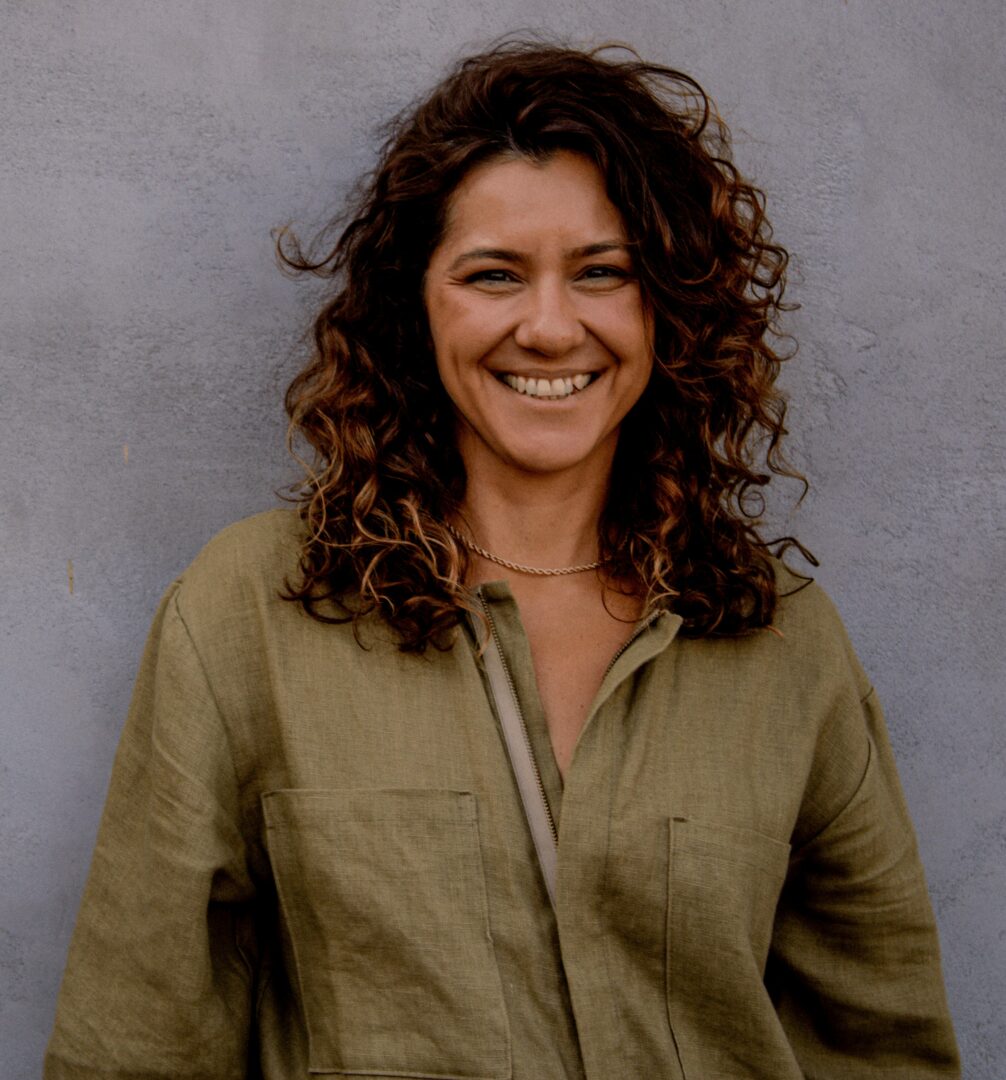
We’re looking forward to introducing you to Brisa Gonzaga . Check out our conversation below.
Brisa, we’re thrilled to have you with us today. Before we jump into your intro and the heart of the interview, let’s start with a bit of an ice breaker: What do you think others are secretly struggling with—but never say?
Everyone struggles with some type of insecurity. Unfortunately, we live in a society that does not value vulnerability. For too long, vulnerability has been mistaken for weakness. As a result, people hide and sometimes is too scary to even recognize the insecurities they have. I see this in the clinic all the time. Once an insecurity is spotted, the person often becomes defensive or very sad to realize they have insecurities. But the first step to truly taking care of ourselves and making emotional progress is to look at our emotions, become conscious of them. How are we supposed to work through or overcome something we don’t even realize we are experiencing? When we allow ourselves to face those feelings, we discover that vulnerability isn’t weakness at all, it’s strength. And you’ll start to feel that once you begin practicing it.
Can you briefly introduce yourself and share what makes you or your brand unique?
I grew up in Rio de Janeiro with just my mom. She came from a very poor part of Brazil, Ceará, hoping for a better life, but ended up pregnant and single. Working as a maid gave us a place to live, food, the basics. From a young age, I learned that to keep what we had, I needed to be quiet, not complain, and never cause trouble, almost as if it was my responsibility, even at three years old. While my mom cooked and cleaned, I spent my days quietly in the bedroom, observing everything around me.
As a teenager, I could already sense and describe people’s emotions with surprising clarity. In my twenties, I turned to therapy to answer questions I couldn’t solve on my own. I tried different psychologists and psychoanalysts. They helped me understand myself, but I didn’t see real change. I kept hearing “awareness is the first step,” but no one could tell me what the second step was.
At 31, I was diagnosed with breast cancer, the youngest patient in a huge hospital. I took it as a wake-up call. While doctors treated my body, I started looking inward, asking what I needed to change emotionally. That’s when I discovered this powerful therapy that helped me access my emotional mind, the part that holds most of our experiences and reactions.
This shifted my therapy from something not just rational but deeply emotional. By working with the roots of my feelings, I could finally create lasting change from the inside out. Emotions stay with us every second of our lives, and real transformation only happens when we learn to reach them and heal them.
Thanks for sharing that. Would love to go back in time and hear about how your past might have impacted who you are today. What was your earliest memory of feeling powerful?
When I was around 18, a friend, 20 years older then me, with a husband and a kid was telling me about her jealousy and anger towards her family. And empirically, I came up with a hole explanation of why she was feeling that way, I could see and feel her emotions and put it in words, and help her to see it. That was normal for me, but she was completely chocked and told me: how a 18 years old with no romantic experience can put in words such deep emotions? At that moment I understood I had something that could help people.
If you could say one kind thing to your younger self, what would it be?
Trust your instincts and relaxe. (Easier saying then done, but 100% true.)
So a lot of these questions go deep, but if you are open to it, we’ve got a few more questions that we’d love to get your take on. What important truth do very few people agree with you on?
Many health issues in the body can be influenced by our emotional state. Emotions strongly affect how we experience life. A large part of the brain is involved in processing emotions, and emotional states can influence our biology. Fields such as psychoneuroimmunology and research on neuroplasticity are showing more and more how our thoughts and emotions can affect brain pathways and certain physiological responses. I believe that as science continues to advance, we’ll gain even clearer evidence of how emotional health and physical health are interconnected, encouraging more people to focus on treating emotions alongside the body.
Okay, so let’s keep going with one more question that means a lot to us: Are you doing what you were born to do—or what you were told to do?
Definitely what I was born to do. I did, for a long time, what I was told to, after some experiences in my life, after recognizing my value, my strength I just can do what I was born to. And it was therapy that brought it to me. And its nothing more gratifying then that.
Contact Info:
- Website: https://www.brisagonzaga.com/
- Instagram: @brisagonzaga.psychotherapist
- Linkedin: https://www.linkedin.com/in/brisa-gonzaga/
- Other: Tiktok: brisagonzaga.therapist
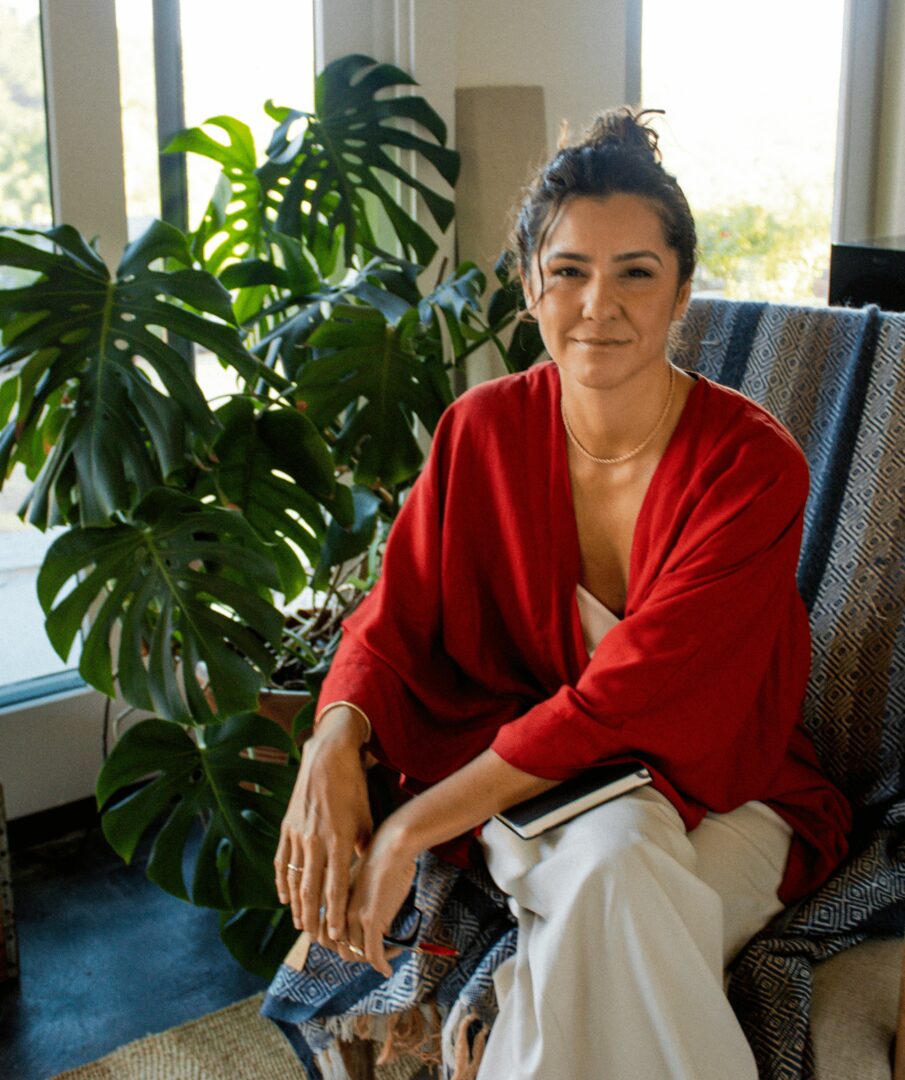
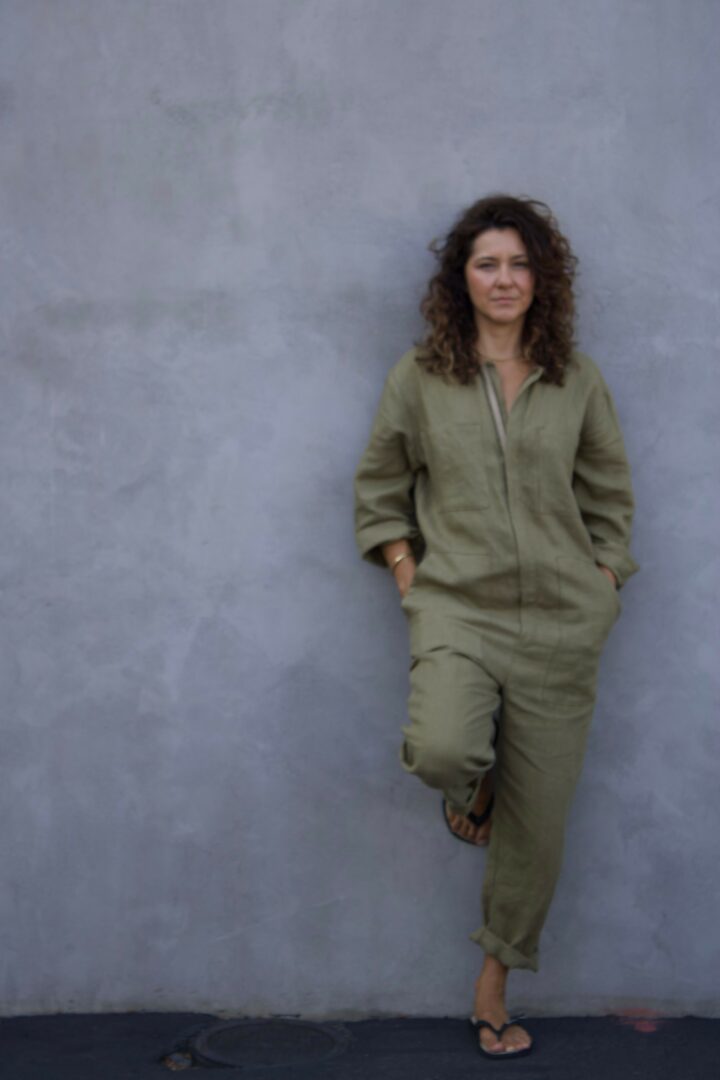

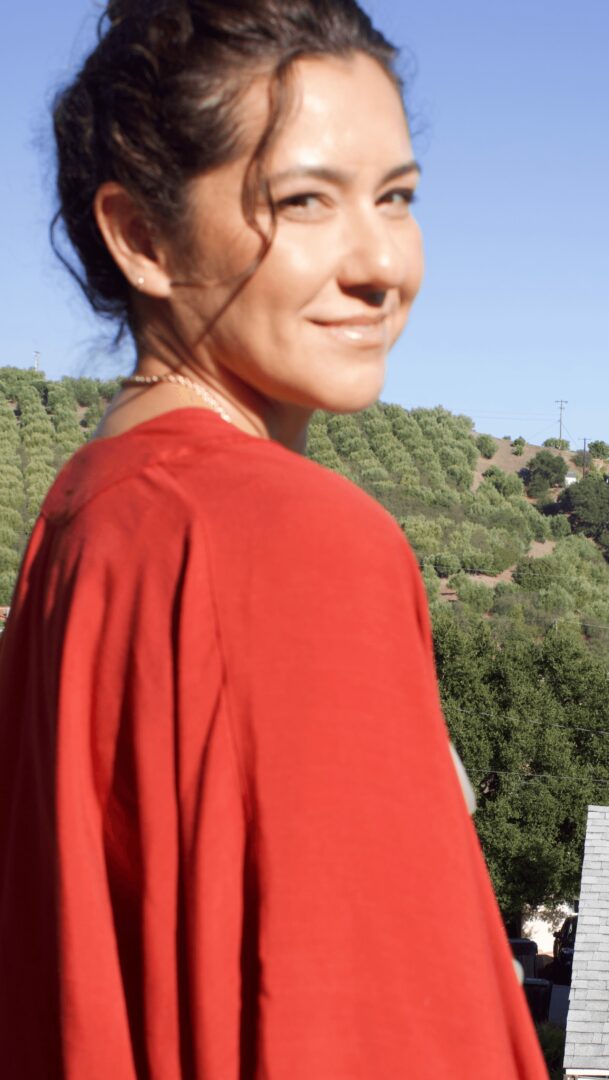

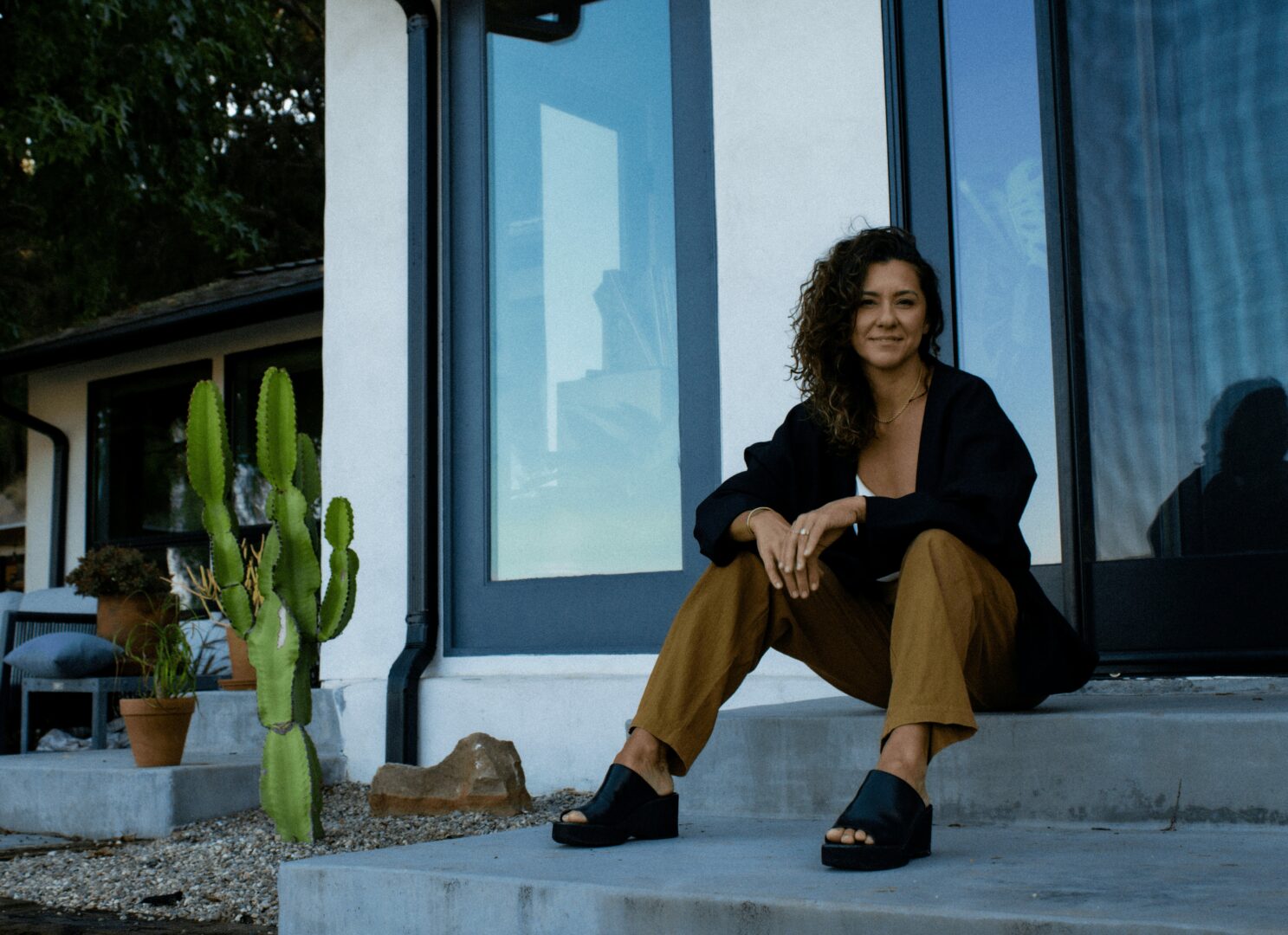
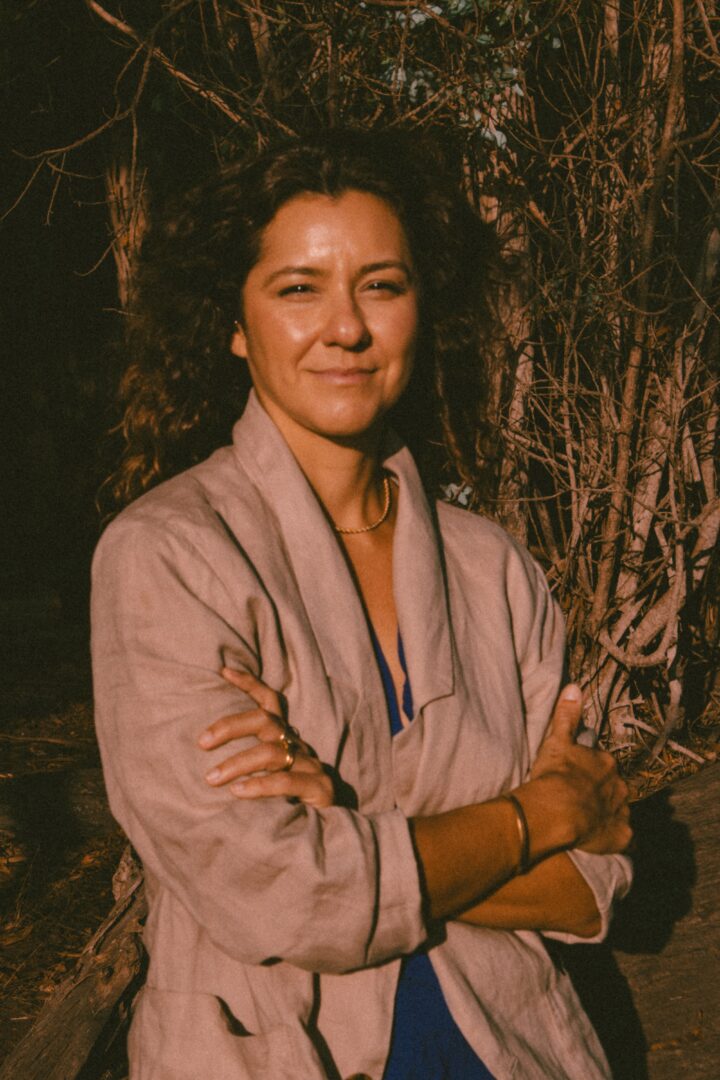
Image Credits
Dani Wieczorek
@daniwieczorek
so if you or someone you know deserves recognition please let us know here.