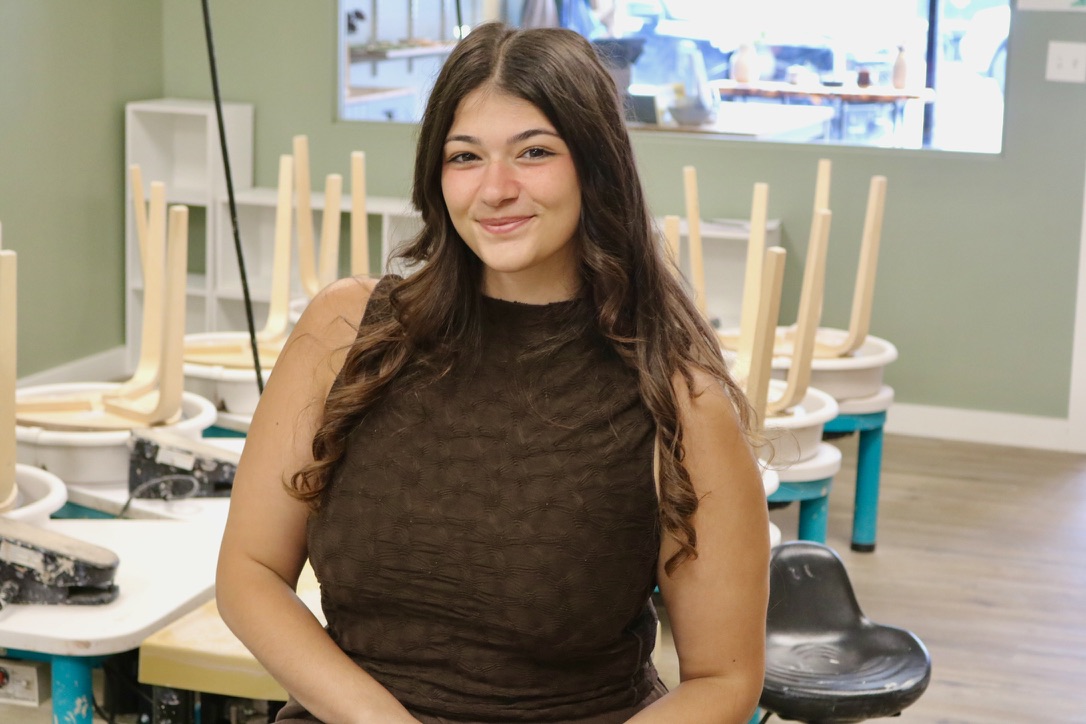
We’re looking forward to introducing you to Camille “Yuyang” Zhang. Check out our conversation below.
Camille “Yuyang”, we’re thrilled to have you with us today. Before we jump into your intro and the heart of the interview, let’s start with a bit of an ice breaker: What do you think is misunderstood about your business?
People often underestimate the role of design in business. They think as long as the product is good, it will sell itself. But that’s rarely the case. In reality, design is one of the fastest and most powerful ways to communicate a brand’s value to customers. A strong design isn’t just about making things “look pretty.” It’s strategic, research-driven, and grounded in commercial goals. Some of the most successful companies only took off after redesigning their brand identity or packaging. Think of how brands like Airbnb, Burberry, or even Pepsi reinvented their image through thoughtful design.
As designers, we’re not just decorators. We analyze markets, study user psychology, and translate insight into visual systems that drive real business results. It’s unfortunate that many still assume we just make things “look nice.” True design creates impact, not just beauty.
Can you briefly introduce yourself and share what makes you or your brand unique?
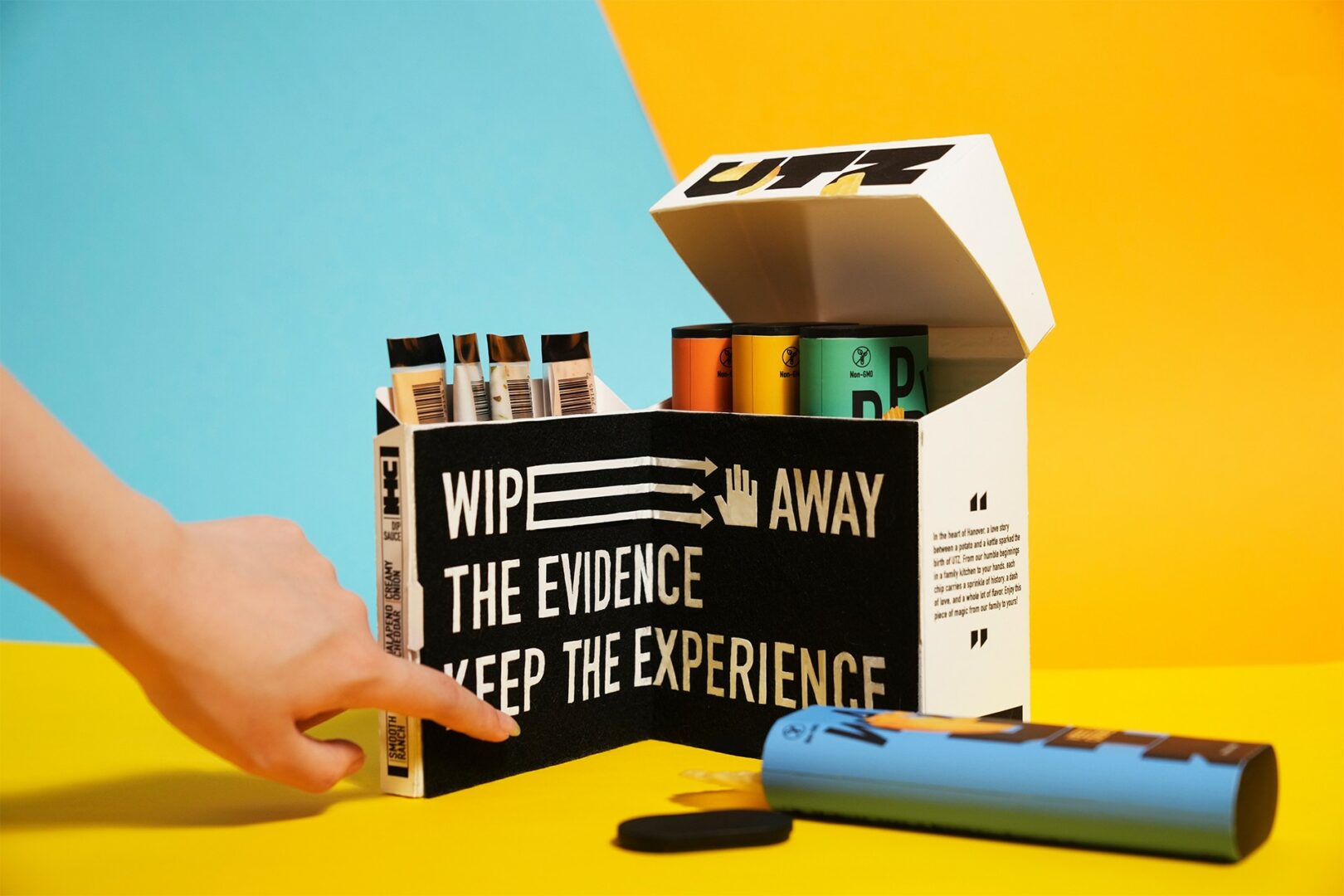
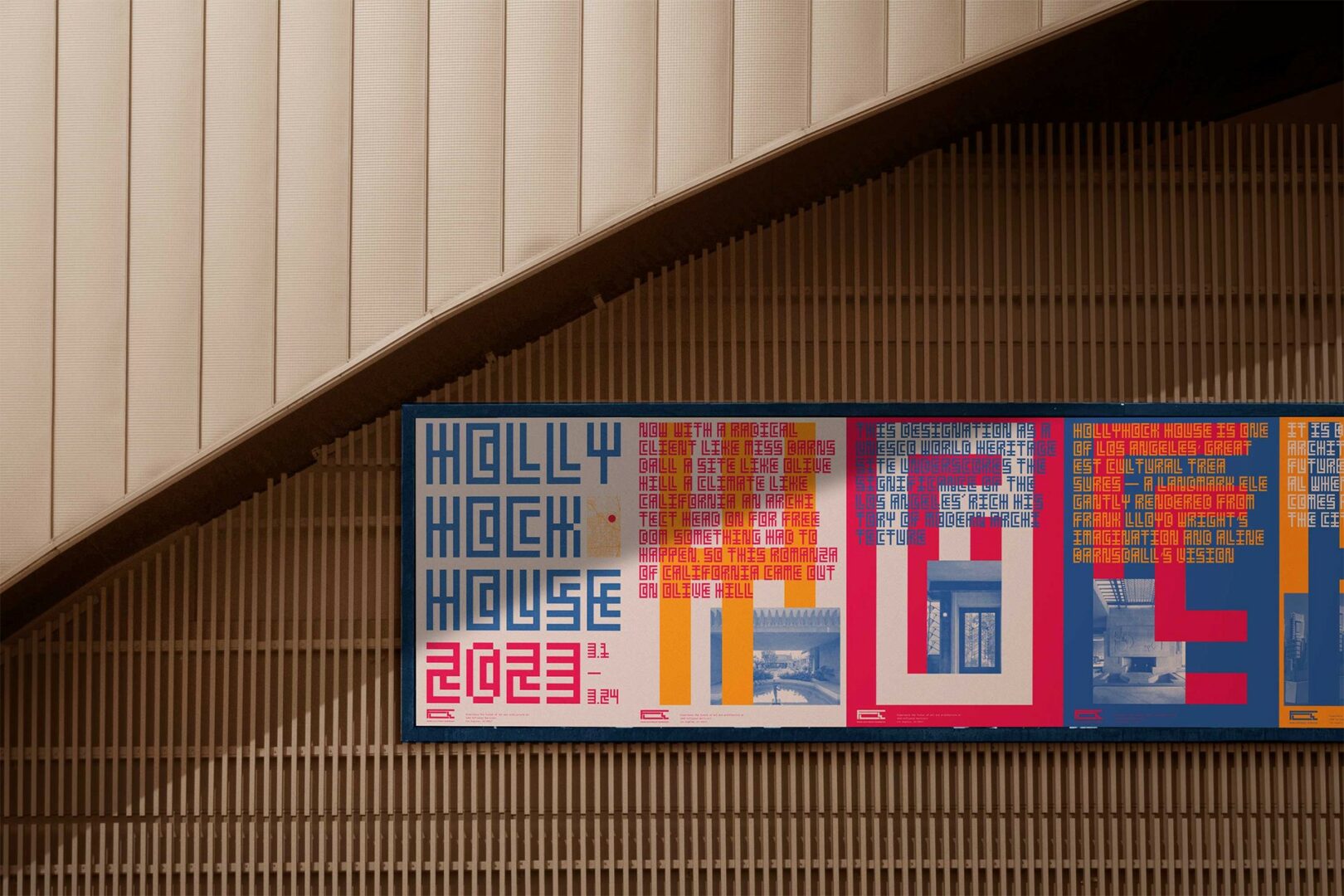
Hi, I’m Camille Zhang, a graphic and packaging designer originally from China, now based in Los Angeles and Vancouver. I’m a partner of Amedia, a design studio that blends branding, storytelling, and culture through bold visual systems and meaningful experiences. My work often lives at the intersection of tradition and innovation.
I studied at ArtCenter College of Design in California and am currently pursuing my Master of Digital Media in Canada, where I’m diving deeper into interactive and interdisciplinary design. Amedia isn’t just a studio, it’s a platform for collaboration, cultural reflection, and creative risks. We believe good design isn’t just seen—it’s felt. I’m currently working on projects that range from brand identity and immersive installations to consumer packaging for clients in both North America and Asia.
Great, so let’s dive into your journey a bit more. What part of you has served its purpose and must now be released?
The part of me that constantly needed to “prove my worth” has served its purpose, and it’s time to let it go. For many years, I measured my value by how much I could produce, how late I stayed up, or how “perfect” every project turned out. That mindset helped me survive a competitive environment and pushed me to achieve things I’m proud of. But I’ve realized that constantly operating from a place of pressure and perfectionism is not sustainable.
Now, I want to create from a place of trust in myself, in the process, and in collaboration. Letting go doesn’t mean losing ambition; it means making space for joy, intuition, and curiosity again. I’ve learned that great work doesn’t come from fear; it comes from alignment.
Was there ever a time you almost gave up?
Yes, when I first moved abroad for design school, I almost gave up. Coming from China, I was confident in my skills, but I didn’t expect the cultural shock to hit so hard. In critiques, people spoke up freely and challenged each other’s work. I came from a background where we listened more than questioned. I often felt like I couldn’t find the right words to defend my concepts, and that made me doubt if I truly belonged.
There were days when I felt invisible in the classroom and lost in translation, literally and emotionally. I thought about going back home more than once. But over time, I started to see that being different was actually my strength. I began embracing my unique visual language, pulling from my cultural roots and combining them with new perspectives. I also pushed myself to speak up, even if it wasn’t perfect. The turning point was realizing that design is a universal language, and I didn’t need to sound fluent to create impact.
So a lot of these questions go deep, but if you are open to it, we’ve got a few more questions that we’d love to get your take on. Is the public version of you the real you?
Yes, but not entirely.
The version of me people often see is confident, driven, and always “doing something”. And that part is very real, I am ambitious, passionate, and I care deeply about what I create. But what people don’t always see is the overthinking, the self-doubt behind every decision, or the quiet moments when I question if I’m doing enough. I’ve learned to show up strong because that’s what people expect, but I’m slowly making space to show up softer too.
I think the “real me” is somewhere in between: someone who is bold enough to create loudly, but gentle enough to pause, reflect, and grow privately.
Okay, so let’s keep going with one more question that means a lot to us: If you retired tomorrow, what would your customers miss most?
If I retired tomorrow, I think my clients would miss the spirit we bring to every project, our dedication, our energy, and our belief that design is never “just a deliverable.” As a young team, we don’t operate on autopilot. We care deeply. We research, iterate, and push ourselves not because we have to, but because we want every outcome to feel thoughtful, strategic, and alive.
They’d probably also miss the way we communicate with clarity, kindness, and respect. We try to make every collaboration feel less like a transaction and more like a shared journey. For us, design is about building trust, and that trust is built not only through good work, but through how we work.
Contact Info:
- Website: https://www.amediateam.com/
so if you or someone you know deserves recognition please let us know here.