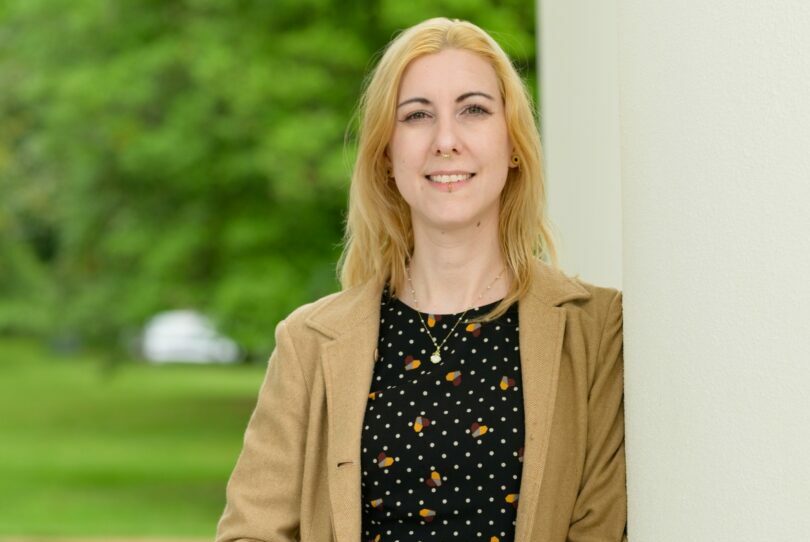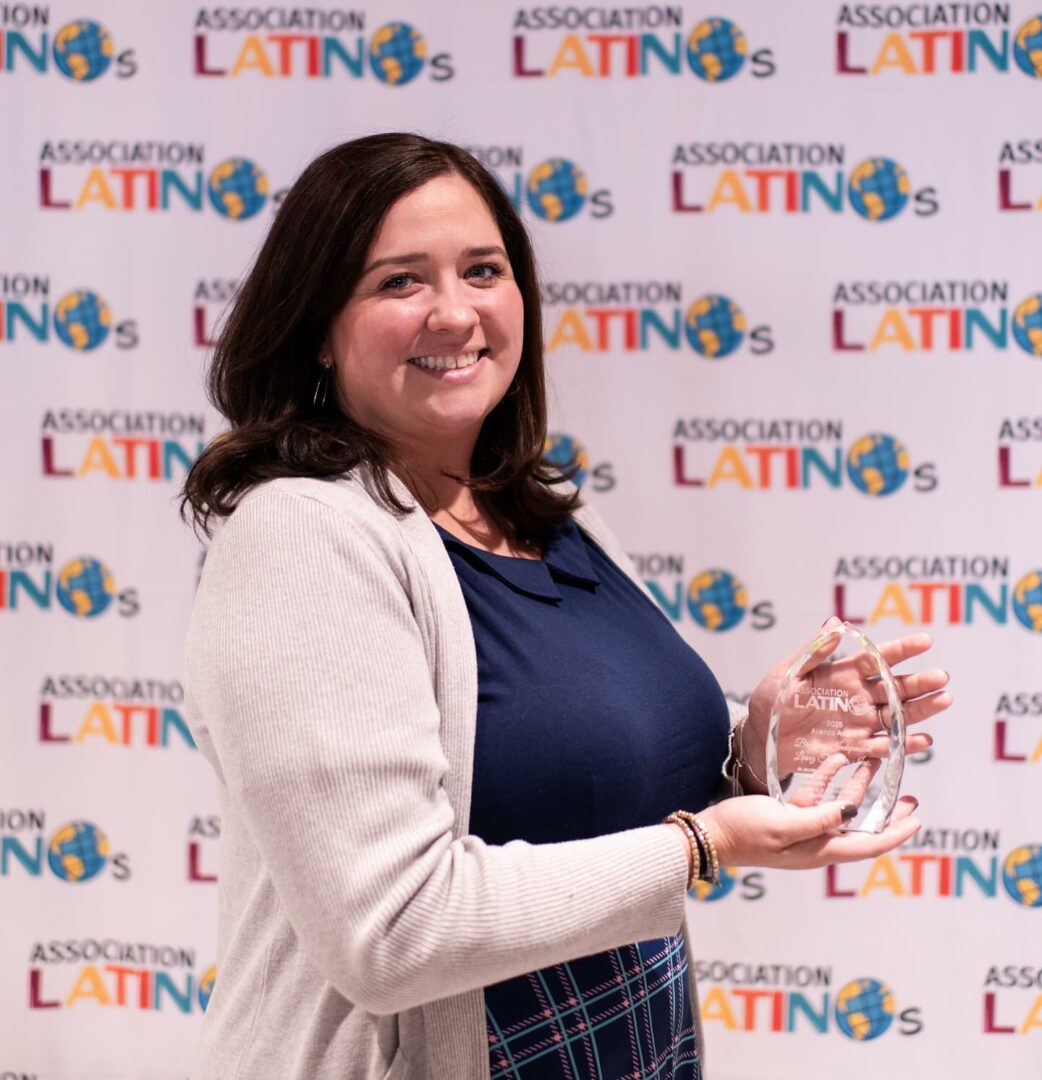
Christina Gravina M.ED, BCBA, LABA shared their story and experiences with us recently and you can find our conversation below.
Christina, it’s always a pleasure to learn from you and your journey. Let’s start with a bit of a warmup: Who are you learning from right now?
I learn from the clients we serve every single day. Even after years of working with individuals with developmental disabilities, they continue to teach me so much—kindness, acceptance, resilience, and the ability to face challenges with grace. They show me what it truly means to take what you have, or even what you don’t, and still move forward with determination and success.
Can you briefly introduce yourself and share what makes you or your brand unique?
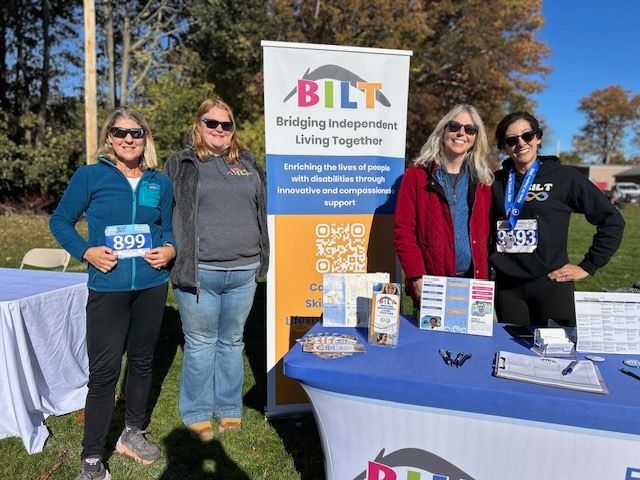
My name is Christina Gravina, and I am the CEO and Founder of Bridging Independent Living Together, Inc. (BILT), as well as a Board Certified Behavior Analyst (BCBA). BILT is a 501(c)(3) nonprofit organization dedicated to enriching the lives of individuals with developmental disabilities.
What makes BILT unique is the breadth of services we provide—and the way we provide them. Our programs are truly person-centered, built around the choices, goals, and strengths of each individual we support. Every person we serve brings their own perspective and personality, and we design our services to fit them, not the other way around.
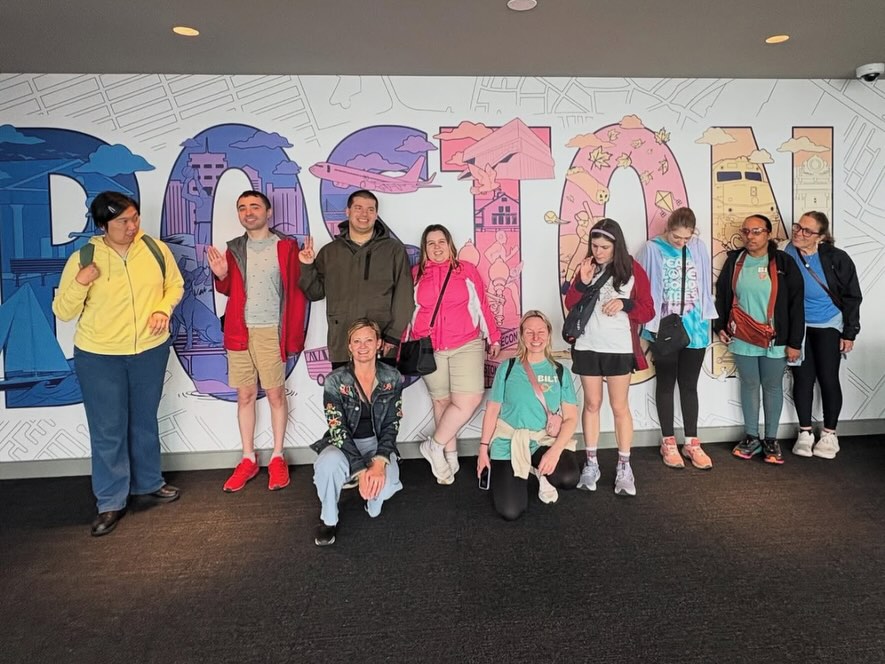
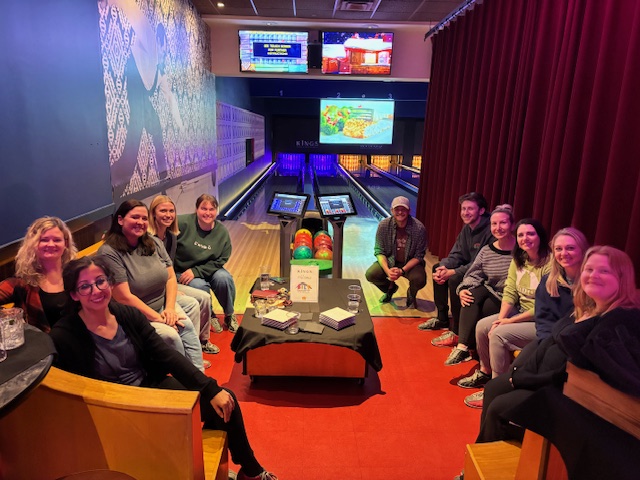
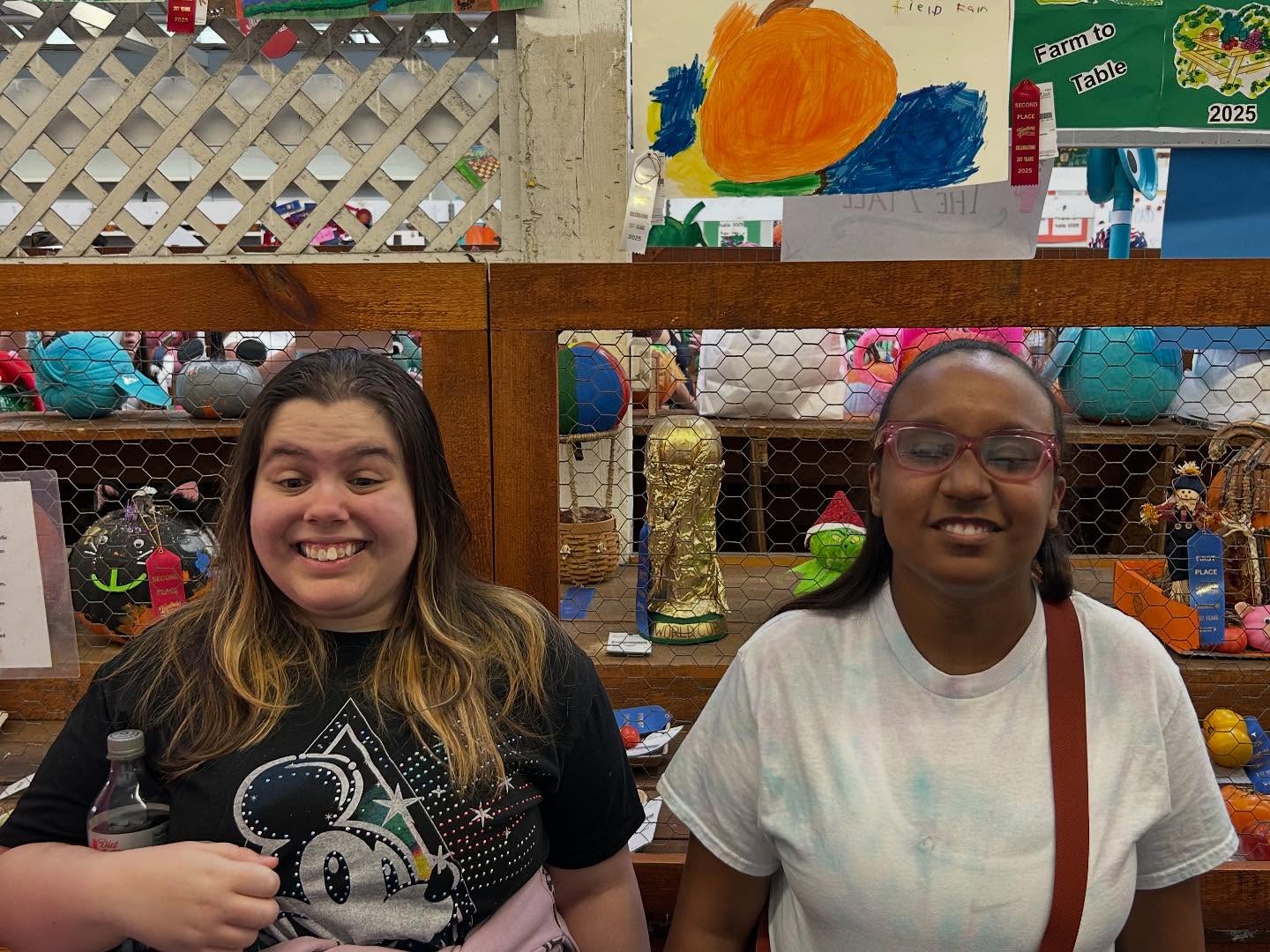
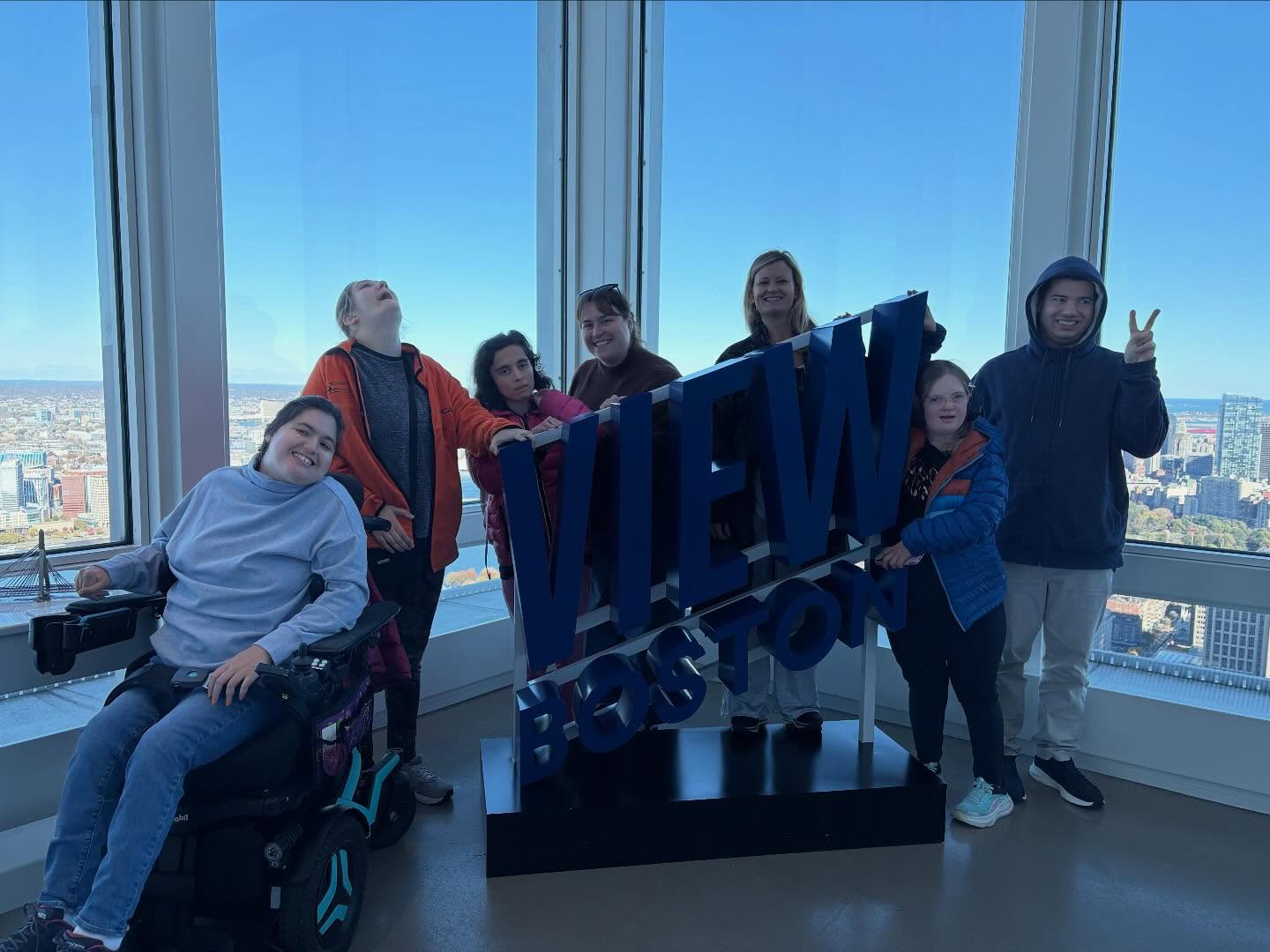
Right now, we’re focused on expanding opportunities for our clients, strengthening community connections, and highlighting the remarkable contributions that individuals with developmental disabilities make every day. This work continually challenges and inspires me, and it reminds me daily why I am so passionate about this field. We currently serve approximately 150 individuals annually, supported by a dedicated team of about 60 employees.
Amazing, so let’s take a moment to go back in time. What’s a moment that really shaped how you see the world?
When I was 19, my grandmother—who had raised my sisters and me—passed away unexpectedly. Overnight, I went from being a college freshman to becoming the guardian of my two younger sisters. That period was incredibly difficult and traumatic, and there were moments when it was hard to see how we would get through another week. But it also lit a spark in me. I realized that I could do hard things, and that resilience is often born out of necessity.
This experience profoundly shaped my understanding of family. It taught me that every family looks different—each with its own complexities, challenges, and strengths. I believe that without having gone through this, I wouldn’t be the leader I am today. It instilled in me a deep empathy not only for the individuals we serve, but also for their families and support systems, who navigate their own unique journeys every day.
When did you stop hiding your pain and start using it as power?
Around this same time in my life, I realized I had two choices: I could dwell on the difficult situation I had been handed, or I could do everything in my power to support myself and my sisters. They became my motivation to keep going. I wanted to make sure they finished high school and had every opportunity I had—if not more.
During this period, I also began working in group homes for adults with disabilities. I quickly realized that while I was navigating my own challenges, the individuals I supported were navigating theirs as well. And unlike my own situation, where some things felt beyond my control, there were real, meaningful actions I could take to improve their quality of life. That realization changed me.
I became comfortable advocating—for myself, for my family, and eventually for the individuals I served. The strength I found in vocalizing my own needs naturally evolved into speaking up for their needs, too. That shift became a cornerstone of who I am as a leader and as a professional.
Next, maybe we can discuss some of your foundational philosophies and views? What are the biggest lies your industry tells itself?
One of the biggest lies our industry tells itself is that the systems in place are already “good enough” for individuals with developmental disabilities. We often act as though the services, funding structures, and program models are meeting people’s needs—when in reality, many individuals and families are still fighting every day to access basic supports. When we convince ourselves that the status quo is acceptable, we stop pushing for innovation, better staffing models, and more meaningful person-centered care.
Before we go, we’d love to hear your thoughts on some longer-run, legacy type questions. When do you feel most at peace?
I feel most at peace when I’m immersed in music. Whether it’s a small show with an up-and-coming band or a three-day music festival, those moments are my time to unwind. Being surrounded by good music, my fiancé, and my friends allows me to reset, be myself, and fully recharge.
Contact Info:
- Website: https://www.biltne.org
- Instagram: https://www.instagram.com/biltinc
- Linkedin: https://www.linkedin.com/company/20279993
- Facebook: https://www.facebook.com/biltinc
so if you or someone you know deserves recognition please let us know here.