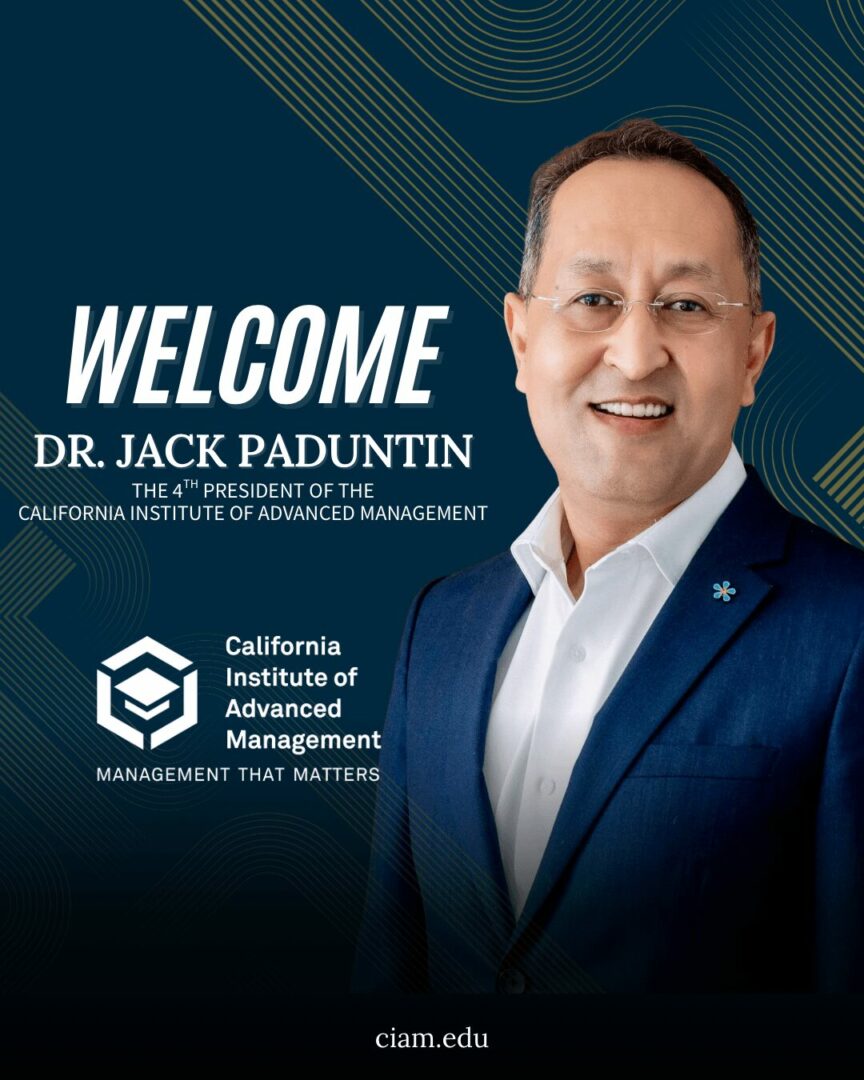
We’re looking forward to introducing you to Dr. Jack Paduntin. Check out our conversation below.
Hi Dr. Jack, thank you for taking the time to reflect back on your journey with us. I think our readers are in for a real treat. There is so much we can all learn from each other and so thank you again for opening up with us. Let’s get into it: What do you think is misunderstood about your business?
What I think is most misunderstood about my field is the relationship between education and business. In many academic circles, even suggesting that education operates like a business can feel almost taboo—as if efficiency, strategy, or financial responsibility somehow cheapen the purity of learning. Yet at the same time, society expects schools to behave like high-performing organizations: to be accountable, sustainable, innovative, and outcome-driven.
That tension reveals a deeper misunderstanding of what education truly is. Some people view education as a simple transaction: “I pay tuition, I get a degree, I get a job.” Others, especially younger generations navigating a rapidly shifting world, question whether formal education is even necessary anymore. And then there are those who believe that a degree alone guarantees success. None of these interpretations capture the full truth.
To me, education is not a product; it is a lifelong practice. I often tell students, “Learn how to learn.” Because the real value of education lies in developing resilience—the ability to think, adapt, and reinvent yourself as the world evolves. Education is not a transaction; it is a transformation that shapes how we see ourselves and how we navigate life.
Can you briefly introduce yourself and share what makes you or your brand unique?
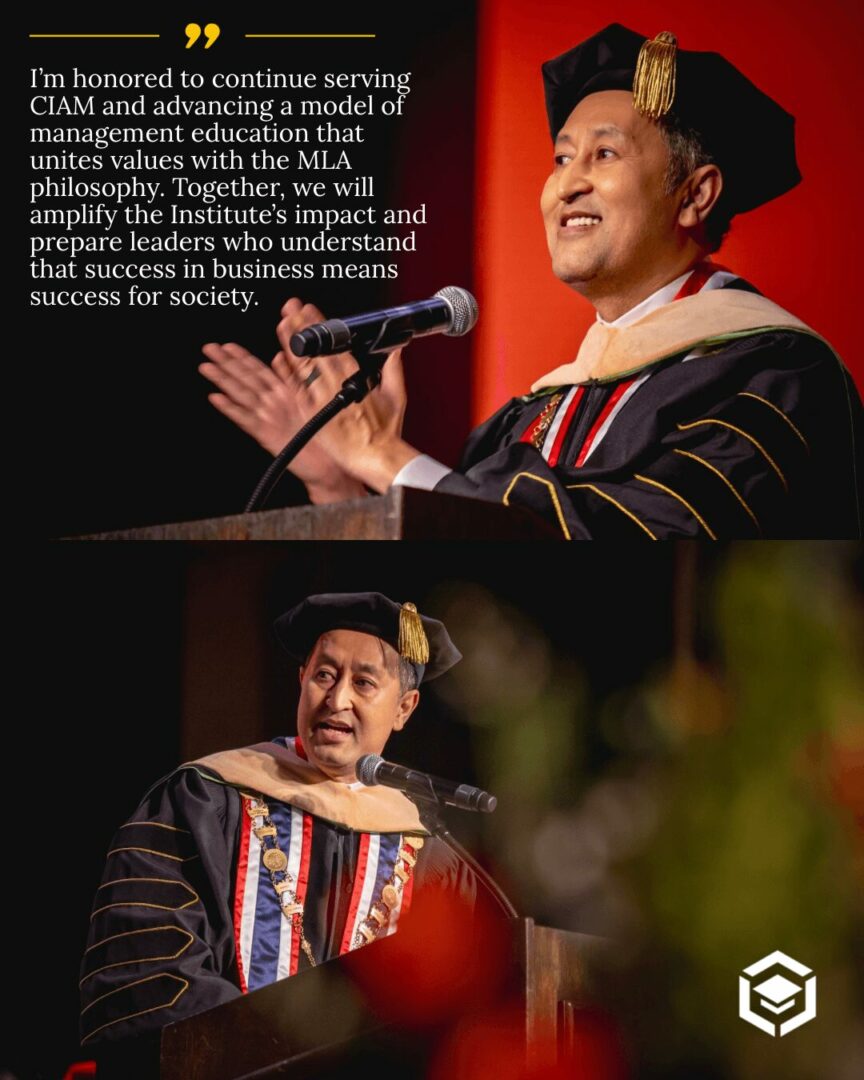
I currently serve as president of the California Institute of Advanced Management, or CIAM, a small nonprofit graduate university here in the Greater Los Angeles area. We offer MBA, Organizational Leadership, and Data Analytics programs, but what really makes us different is how we teach and why we teach.
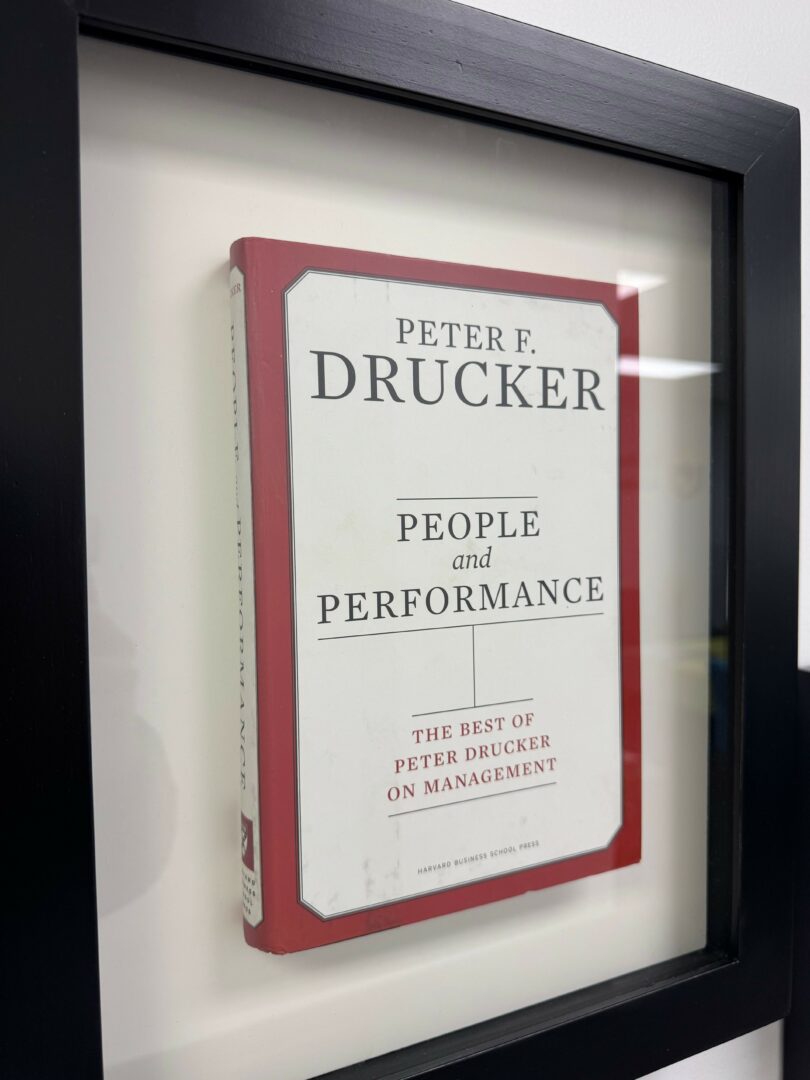
Our on-campus and online programs were intentionally designed around the philosophy of Peter F. Drucker, who’s regarded as the father of modern management. His ideas have shaped countless leaders and organizations around the world, but what inspires us most is that his approach isn’t just about business; it’s about people. Drucker believed in drawing from many disciplines, building on individual strengths, and leading with integrity. He talked about innovation, purpose, and social responsibility long before they became buzzwords.
At CIAM, we try to bring those principles to life. Our students don’t just study theories. They learn to apply them in real situations, with compassion and accountability. We take a holistic view of business education, blending academic rigor with hands-on experience so that our graduates are not only effective professionals, but thoughtful human beings who understand their impact on society.
At the heart of our mission is a belief in leadership as a force for good. We develop leaders who apply management skills with intention – driving innovation, serving others, and creating impact that truly matters.
Okay, so here’s a deep one: Who taught you the most about work?
I really can’t point to a single individual, because my understanding of work has been shaped by many people over many years. I learn from colleagues, mentors, and partners and I also learn from students.
Students are extraordinary teachers. Their motivations, expectations, and values reflect the evolving world around us. Paying attention to their questions and their struggles forces me to remain flexible, curious, and grounded. They challenge me to rethink what leadership looks like today versus a decade ago—and what it will require tomorrow.
I also learn from the faculty and staff I’m fortunate to work alongside. Their expertise, creativity, and dedication give life to our institution. Education is a collective endeavor, and they remind me daily that good work happens in community, not isolation.
Over time, I’ve come to understand that the most important skill in any career is not mastery—it’s the willingness to learn and relearn. My greatest lessons have come from listening, observing, and being open to the idea that I am always, in some way, still a student.
Do you remember a time someone truly listened to you?
That’s such an interesting question—and honestly, not an easy one for me to answer. I’ve had many people listen to me throughout my life, but as I’ve grown older, I’ve realized that being truly heard by others is only part of the picture. What matters just as much, and maybe even more, is learning to listen to myself.
When I was younger, I didn’t always do that. My sense of purpose was often shaped by what others expected of me. My definition of success came from outside voices. Looking back, I can see how easily your direction can shift when you haven’t yet learned to tune in to your own inner voice.
But with time, and hopefully with some maturity, I’ve become better at listening inward. When you start to hear yourself more clearly, your identity becomes clearer too. You begin to understand what you value, what motivates you, and how you want to show up in the world. That clarity shapes the way you contribute, the way you lead, and the way you serve.
So yes, having someone truly listen to you is powerful and important. But I’ve learned that the deeper work is listening to yourself with the same attention and care. That’s where growth really begins.
I think our readers would appreciate hearing more about your values and what you think matters in life and career, etc. So our next question is along those lines. Is the public version of you the real you?
Yes. The version of me that people see publicly is consistent with who I am privately. I wear many hats: son, brother, husband, colleague, team leader, sometimes follower. Each role asks something different, but I try to meet each one with authenticity.
Early in my career, I often felt pulled in every direction, trying to meet everyone’s expectations. I learned quickly that no amount of performing for others could replace staying true to myself. Integrity became my foundation. When my actions reflect who I truly am, adapting to different roles becomes natural rather than exhausting.
I also see authenticity as a form of leadership. When students, colleagues, or friends see me navigate challenges with thoughtfulness, take responsibility for missteps, or act with compassion, they witness my values in action. Life is complex, my roles are varied, but living with integrity makes each one meaningful—and allows me to contribute in a way that feels human, honest, and true.
Before we go, we’d love to hear your thoughts on some longer-run, legacy type questions. When do you feel most at peace?
I feel most at peace when I know I have given my very best. It’s a quiet, grounded feeling that comes from acting with intention, focusing on what matters, and treating others with respect.
Over time, I’ve learned that I cannot, and should not, try to please everyone. Accepting that truth has been liberating. What matters is that my decisions reflect our mission, honor the people we serve, and stay aligned with my values. When I lead from that foundation, I carry no regret, even when outcomes are uncertain or imperfect.
For me, peace is not the absence of difficulty. It is the presence of purpose. It comes from knowing that my effort, my choices, and my energy are directed toward something meaningful, even if the impact is small and steady rather than grand or immediate. Peace lives in the knowledge that I am doing my part, genuinely and intentionally, to make a positive difference.
Contact Info:
- Website: https://www.ciam.edu
- Instagram: https://www.instagram.com/ciam_edu/
- Linkedin: https://www.linkedin.com/in/jack-paduntin-b4534813/
- Facebook: https://www.facebook.com/jack.paduntin.5
- Youtube: https://www.youtube.com/@CIAMGradschool
so if you or someone you know deserves recognition please let us know here.