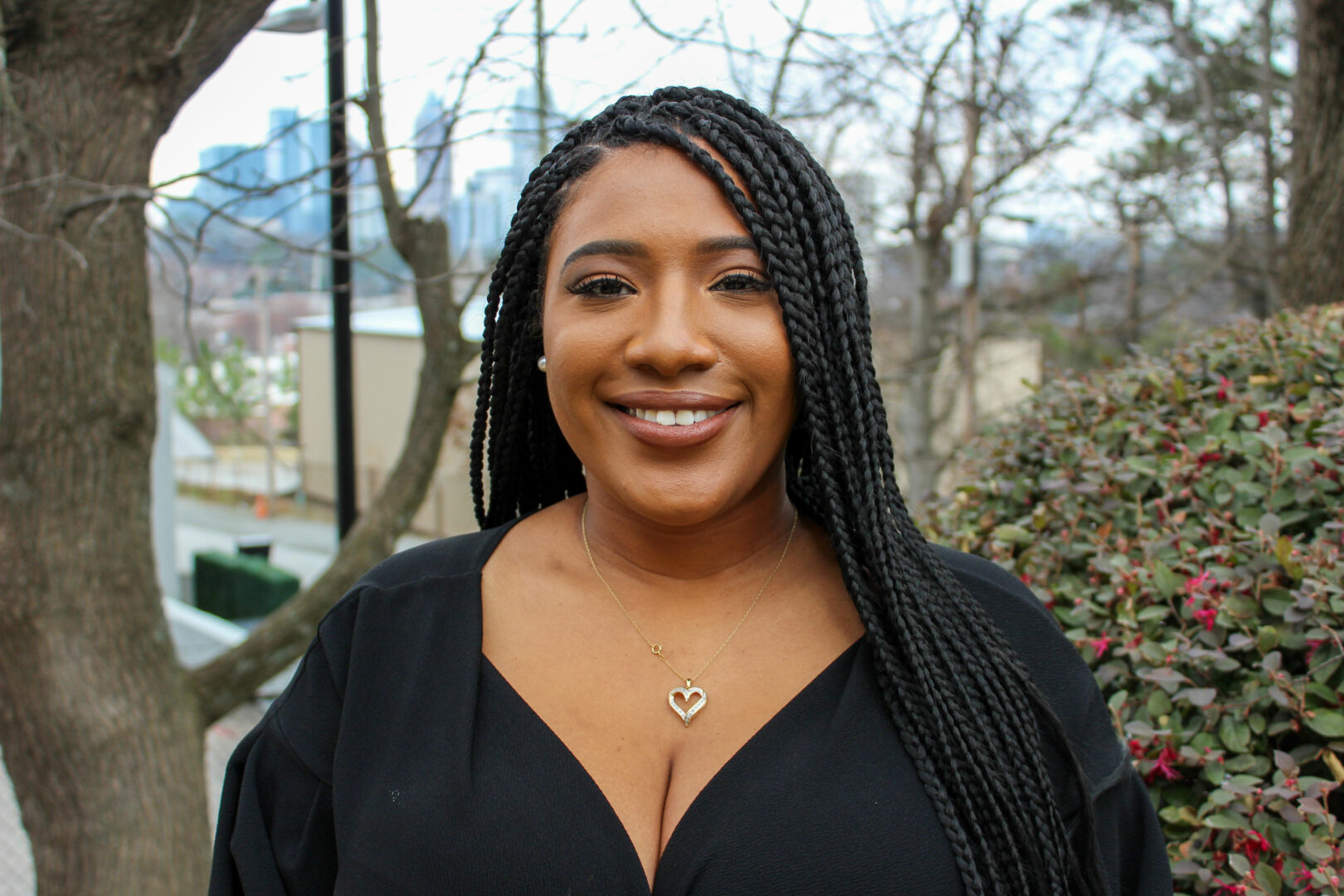
Jen Guidry shared their story and experiences with us recently and you can find our conversation below.
Jen, a huge thanks to you for investing the time to share your wisdom with those who are seeking it. We think it’s so important for us to share stories with our neighbors, friends and community because knowledge multiples when we share with each other. Let’s jump in: What do the first 90 minutes of your day look like?
The first ninety minutes of my day are the quietest part of my life. I start with a cup of coffee by the fire. I do it year-round. It doesn’t matter if it’s a hundred degrees outside. That moment anchors me. It slows my whole system down.
I stay off my phone. I read. I write. I pray. I sit long enough to hear my own thoughts instead of reacting to the world. Some days I feel something shift in my chest when things settle. Other days I’m just sitting there trying to breathe and let my mind land.
Those first ninety minutes are where I remember who I am before I step into everything I do. It keeps me steady. It keeps me honest with myself. And it keeps me connected to the work I ask other people to do.
Can you briefly introduce yourself and share what makes you or your brand unique?
I’m the founder of The High Level Life Method®. I help people rebuild their lives from the inside out by teaching them how to regulate their nervous system, release long-held stress and trauma, and step into who they were always meant to be. My background is a mix of high-performance leadership, trauma work, and faith. I spent years climbing the corporate ladder while navigating my own trauma, cancer, and two near-death experiences. That season forced me to understand the human body and mind in a way textbooks never could.
My work is different because I don’t teach people how to “cope.” I help them recalibrate their entire system so they stop living on autopilot. I use somatic science, neuroplasticity, breathwork, and practical leadership training. I also bring a spiritual lens to the work because, for many people, healing isn’t just physical or mental. It’s a return to themselves.
Right now I’m focused on bringing this work into more rooms—corporate teams, high achievers, people who look successful but feel worn out inside. My goal is simple. Help people build a life that doesn’t cost them their well-being. Help them remember the version of themselves that existed before the stress, the trauma, and the pressure.
That’s what I do, and it’s the work I’m called to.
Great, so let’s dive into your journey a bit more. Who were you before the world told you who you had to be?
I was the girl who felt everything before I understood anything. I was sensitive in a way that made adults uncomfortable. I noticed people’s moods. I could feel the tension in a room before anyone spoke. I didn’t have language for it back then, so I learned to shrink it, hide it, and “be strong” because that’s what the world rewarded.
Before life layered on expectations, trauma, and survival mode, I was someone who trusted her own instincts. I was creative. Curious. Quiet in a way that wasn’t timid, but observant. I saw the world through a wider lens, and I didn’t question that.
Somewhere along the way, I traded that sensitivity for achievement. I traded intuition for performance. And I carried that into adulthood until my body forced me to stop.
Who I was before the world told me who to be is still here. She’s the one who leads my work now. She’s the one who knows how to sit with people in their pain. She’s the one who remembers what it feels like to want to go home to yourself.
What did suffering teach you that success never could?
Suffering taught me things success never even touched. Success builds confidence, but suffering builds character. It strips you down to the truth. It shows you what actually matters and what was just noise. When I went through cancer, trauma, and the seasons where everything felt like it was falling apart, I learned how strong the human spirit really is. I learned how much the body can hold before it breaks and how much it can rebuild when you give it safety, time, and attention.
Suffering taught me humility. It taught me compassion. It taught me how to sit with people in their hardest moments without trying to fix them. It showed me the places in myself I avoided for years. Success never asks you to look at your shadows. Suffering forces you to.
It also gave me a level of clarity that changed the course of my life. When you face your own limits, you stop living for approval. You stop chasing achievement as a way to feel worthy. You stop pretending you’re fine when you’re not.
Suffering taught me presence. It taught me honesty. And it taught me how to rebuild a life that feels real, instead of one that only looks good from the outside. Success didn’t give me that. My hardest moments did.
Sure, so let’s go deeper into your values and how you think. Where are smart people getting it totally wrong today?
Smart people are getting it wrong in one big way: they think their mind can outwork their body. They push harder. They strategize. They collect information. They read every book, take every course, and try to think their way out of stress. But the nervous system doesn’t care how smart you are. It doesn’t negotiate. It wins every time.
High achievers especially fall into this trap. They believe discipline will save them. They believe overthinking is problem-solving. They believe burnout is a badge of honor. They keep climbing while ignoring the fact that their body is screaming for regulation, rest, and recalibration.
The truth is simple. Your brain cannot access its brilliance when your body is in survival mode. You can be the smartest person in the room and still sabotage your own life if you never learn how to downshift your system. That’s where people get it wrong. They’re trying to build a powerful life on top of an overwhelmed body. And that never works for long.
Okay, so before we go, let’s tackle one more area. What do you understand deeply that most people don’t?
I understand the nervous system at a level most people never think about. Not just the science, but the lived experience of what happens when your body has been in survival mode so long you start to confuse it with your personality. Most people think their reactions, their anxiety, their burnout, their short fuse, their overthinking, their shutdowns… are “just who they are.” They don’t realize it’s their biology trying to protect them.
What I know is that your life changes the moment your nervous system changes. Your confidence shifts. Your decisions get cleaner. Your relationships get calmer. Your mind gets clearer. You stop chasing external validation because your internal world finally has structure.
I also understand that healing isn’t about fixing anything. It’s about remembering who you were before stress rewired you. Most people are trying to improve their mindset when what they really need is to regulate their body. Once you do that, everything else opens up.
Contact Info:
- Website: https://www.TheHighLevelLife.com
- Instagram: https://www.instagram.com/thejenguidry/
- Linkedin: https://www.linkedin.com/in/jen-guidry-a70b7852/
- Facebook: https://www.facebook.com/jen.guidry.10
- Youtube: https://www.youtube.com/@thejenguidry




so if you or someone you know deserves recognition please let us know here.