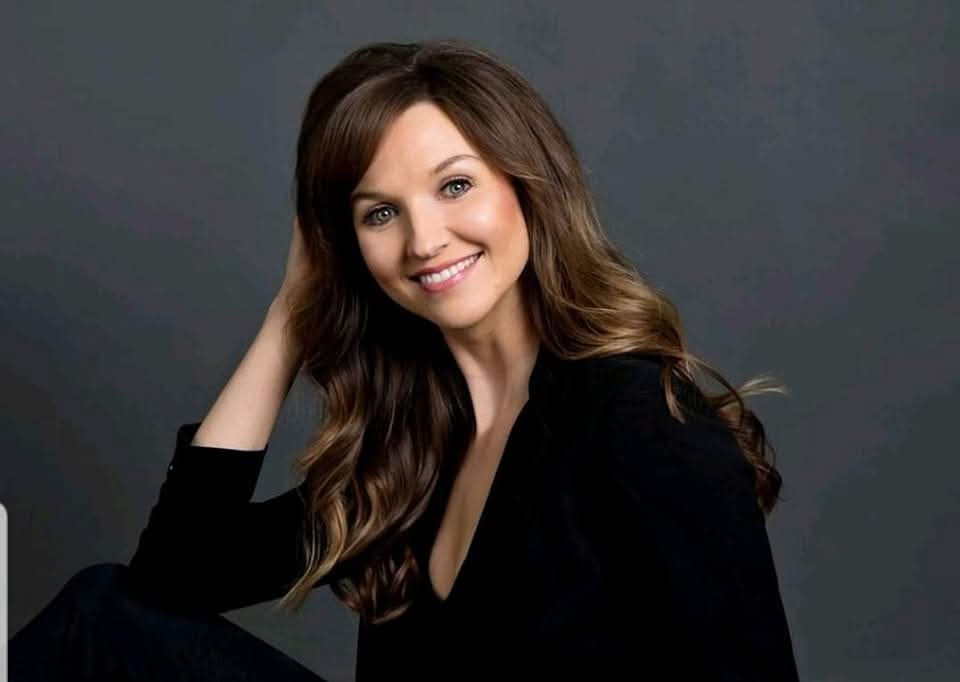
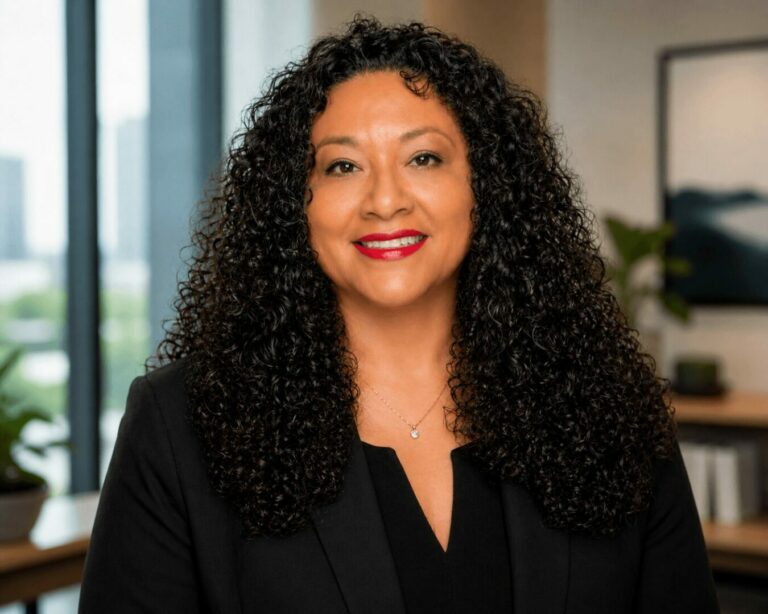
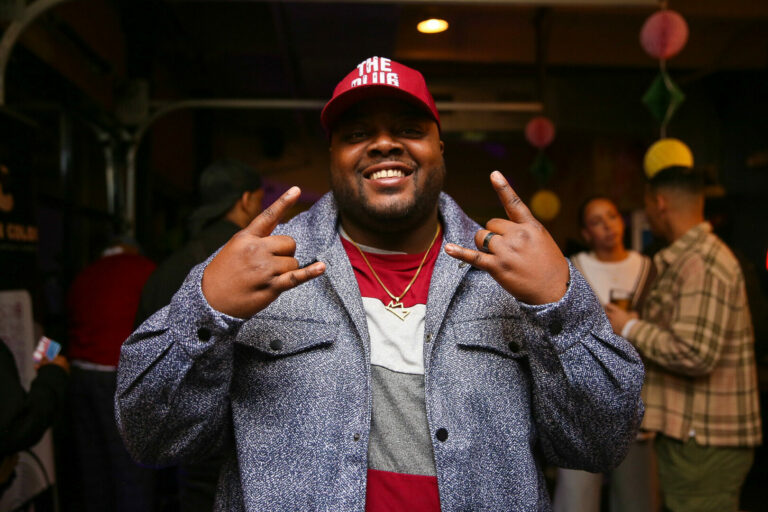
We’re looking forward to introducing you to Karen Moore. Check out our conversation below.
Karen, we’re thrilled to have you with us today. Before we jump into your intro and the heart of the interview, let’s start with a bit of an ice breaker: What are you most proud of building — that nobody sees?
My capacity to choose myself.
In November 2008, my mother’s health started to decline. We moved her from Alabama to live with us in Savannah so I could care for her.
In May 2009—less than six months later—I lost my husband, James, to sepsis.
This should have been a joyous time. My son was two weeks from prom and four weeks from graduating high school. Instead, I was planning a funeral while trying to hold our family together.
I became a widow and a full-time caregiver overnight. For the next 16 years, I juggled caring for my mother while running my wedding and event planning business. My body was a tool—for lifting, bathing, feeding, serving clients, executing events. My time wasn’t mine. My energy wasn’t mine. My grief had nowhere to go because survival required everything I had.
Then, in 2016, I survived sepsis myself for the first time. The same illness that took my husband nearly took me.
In 2020, I survived it again. Twice.
Three times total, I walked through death’s door. Three times, I had to choose life.
Then, in September 2024, I had to make the hardest decision of my life: I had to choose me.
I was no longer physically able to take care of my mother by myself. My body—already broken from caregiving and sepsis—was telling me I couldn’t keep sacrificing myself.
So I packed up my personal items, emptied out our home, gave away most of my possessions, and left.
In October, I went to Denver, thinking I’d build a life there near my son. I spent eight weeks trying to make it work.
But it didn’t feel like home.
In November, I set out for Las Vegas. And the moment I hit the city limits, I knew. I was home.
What I’m most proud of building is something nobody can see: my relationship with my own body as sanctuary, not sacrifice.
For 57 years, I’ve only known my body as a responsibility. A vessel for serving others. A battleground during illness. A thing to manage, maintain, or push through.
I’ve never known what it’s like to inhabit my body as mine—to steward it, honor it, rest in it, feel powerful in it.
That’s what I’m building now. And nobody sees it.
They don’t see the mornings I wake up and practice being in my body instead of immediately doing for someone else.
They don’t see the grief I’m processing—not just the loss of James, but the grief of leaving my mother, the guilt of choosing myself, and the loss of the woman I could have been if I hadn’t spent decades postponing myself.
They don’t see the courage it took to leave everything familiar and drive across the country at 57, not knowing where I’d land.
They don’t see the small, sacred moments when I catch myself in the mirror and think, “I don’t know her yet. But I want to meet her.”
What I’m building is my becoming.
I’m discovering who Karen is when she’s completely healed. Fully embodied. Living from overflow, not depletion. Building a life and business that honors God, Sabbath rest, and legacy—not hustle, performance, or self-abandonment.
I call it the sovereign soft life—not soft because someone else carries the weight, but soft because I’ve removed the unnecessary weight. Soft because I’ve built a life that doesn’t require hardness to survive.
I’m teaching this to other women now—how to heal from trauma, embody their sovereignty, and build Kingdom-aligned businesses that serve their lives instead of consuming them.
But before I could teach it, I had to build it in myself. Quietly. Slowly. In Las Vegas where nobody knows my story.
That invisible work—the internal architecture of choosing myself at 57—is what I’m most proud of.
Because it’s the foundation everything else will be built on.
And because I know how rare it is for women—especially women who’ve spent their lives serving others—to give themselves permission to become.
I’m giving myself that permission now.
And I’m showing other women they can too.
Can you briefly introduce yourself and share what makes you or your brand unique?
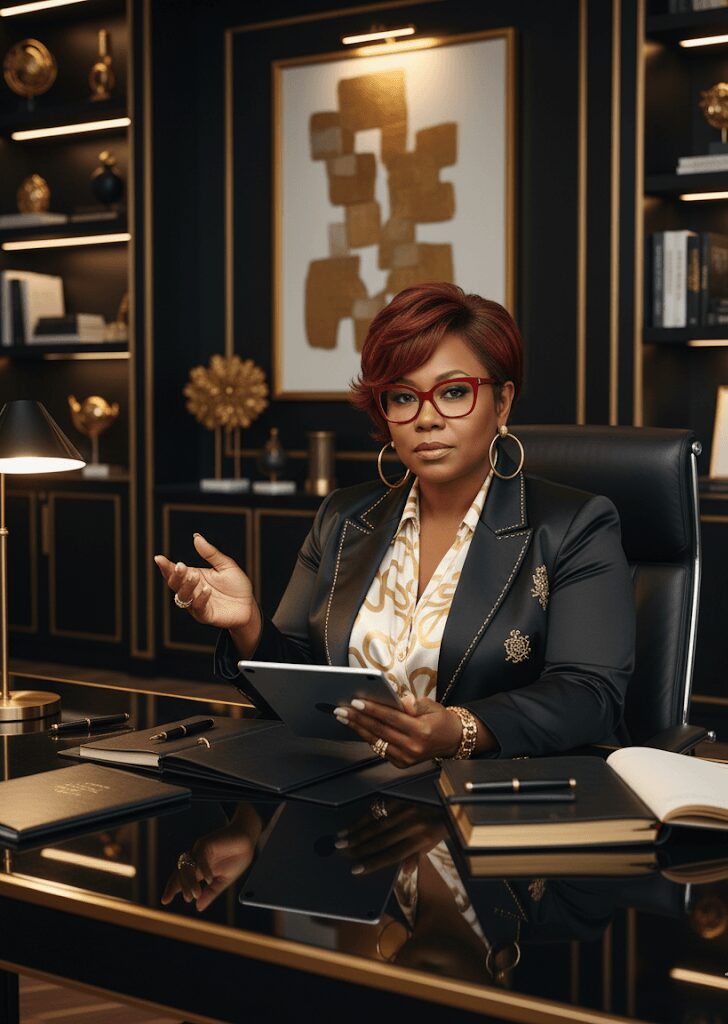
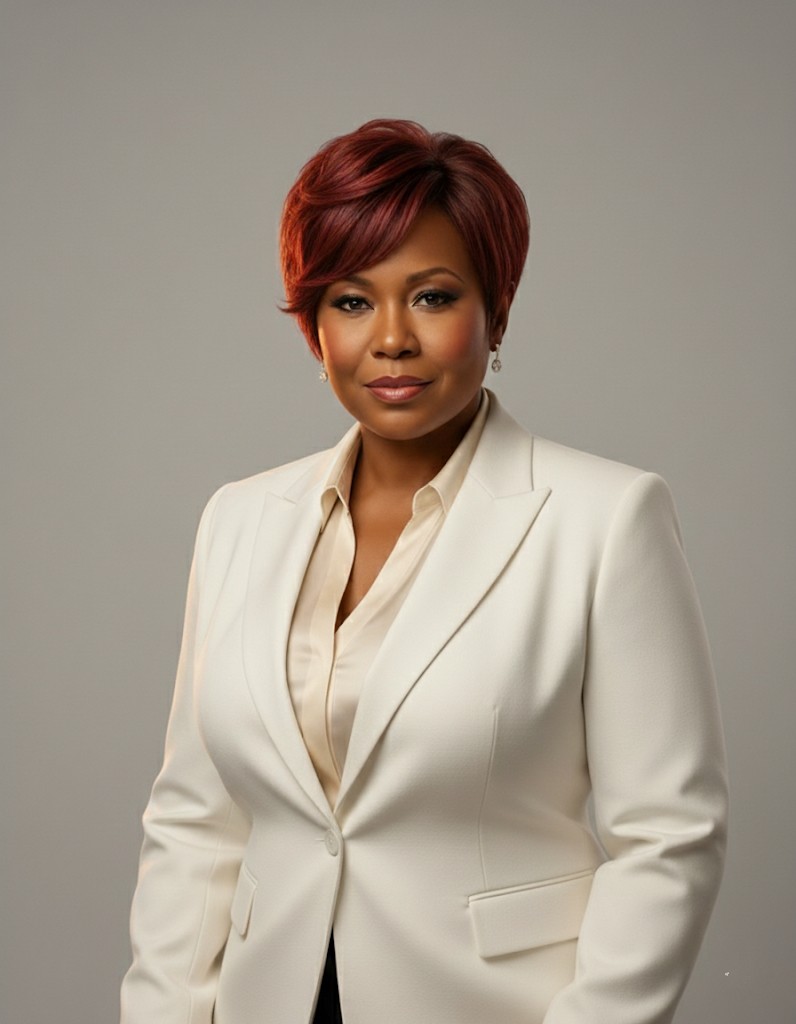
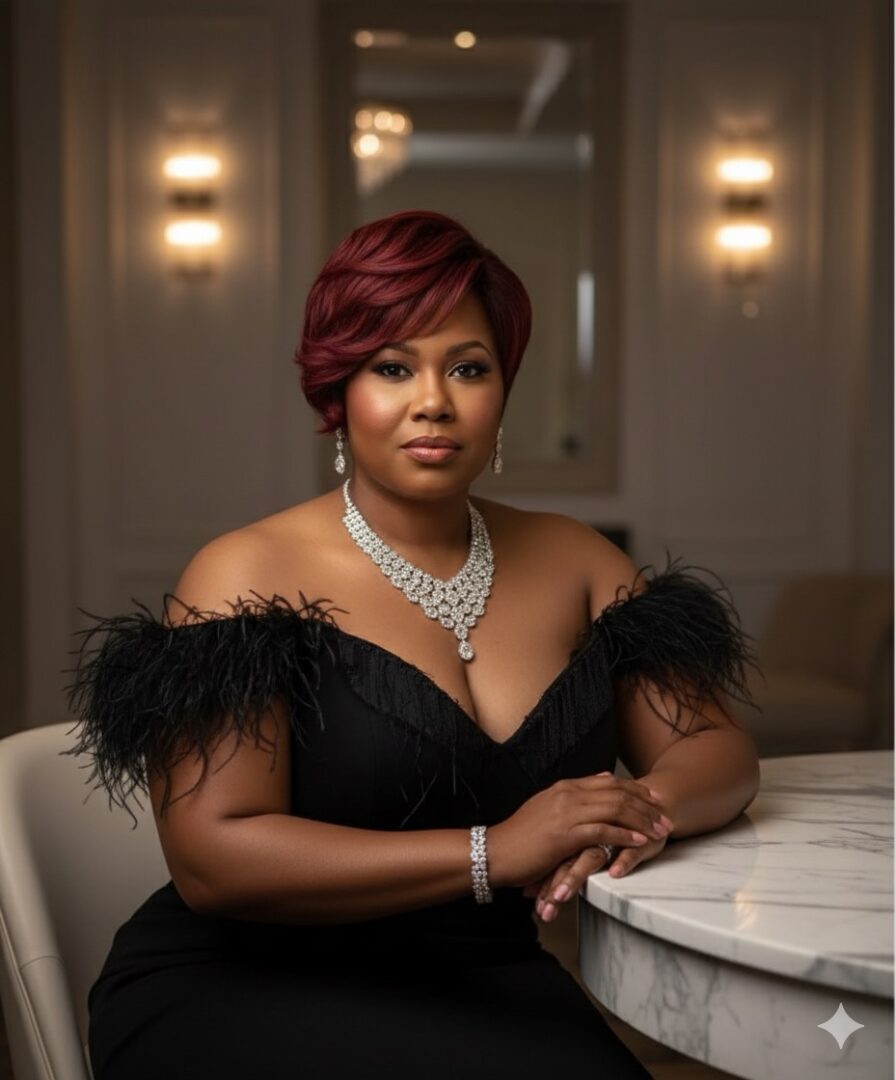
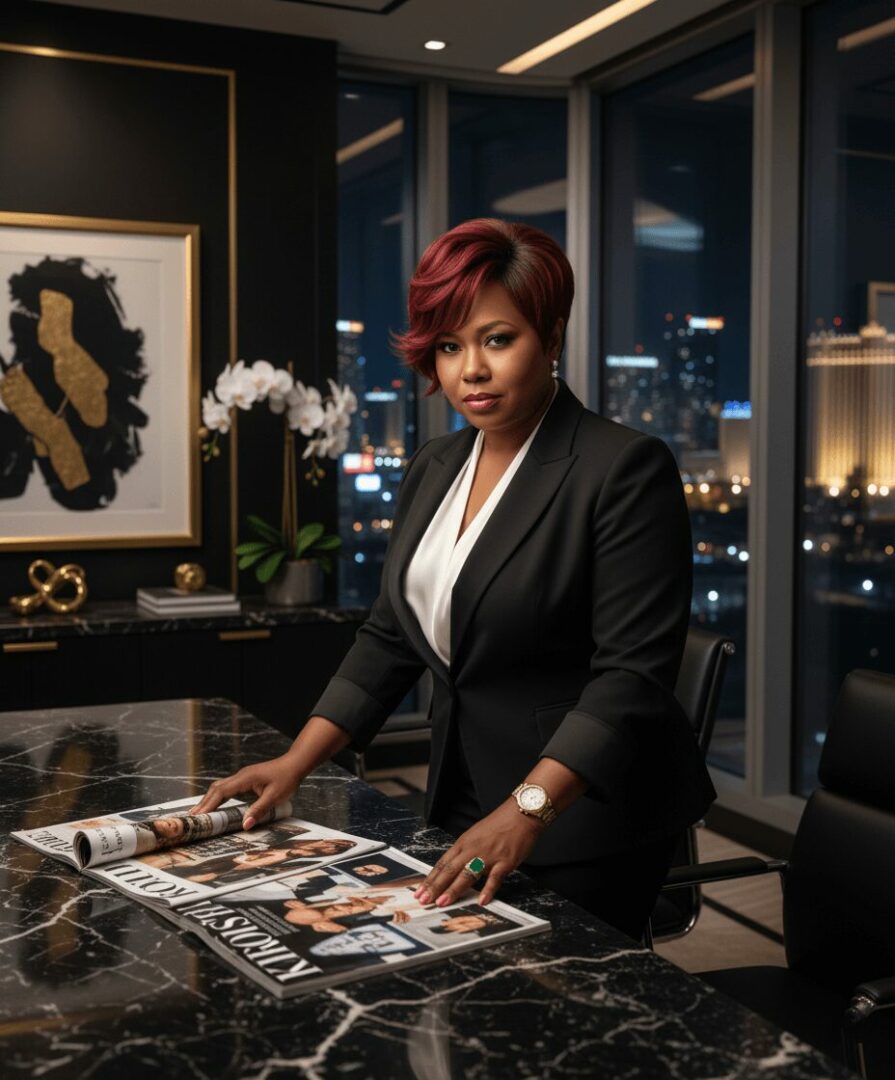
I’m Karen Y. Moore—Chief Legacy Architect and Embodiment Strategist.
I teach women how to heal from trauma, embody their sovereignty, and build Kingdom-aligned businesses that honor faith, rest, and legacy instead of hustle, performance, and self-abandonment.
I call this work the sovereign soft life—and it’s not what the internet has made “soft life” mean. It’s not about finding a man to fund your lifestyle or luxury consumption.
The sovereign soft life means:
Soft because you’ve removed the unnecessary weight, not because someone else is carrying it
Soft because you’ve built a life that doesn’t require hardness to survive
Sovereign because you’re stewarding your body, time, energy, and calling with wisdom and discernment
I’m a faith-based advisor helping women build businesses that serve their lives instead of consuming them. I teach embodiment—not just mindset, but the physical, spiritual, and emotional practice of fully inhabiting your body as sanctuary, not sacrifice.
What makes my work unique:
First, I teach from lived transformation, not theory. I’m a 3x sepsis survivor, a widow who spent 16 years caregiving, and a woman who chose herself at 57 after decades of self-sacrifice. I don’t teach what I’ve mastered—I teach what I’m living. I’m documenting my metamorphosis in real time.
Second, I integrate faith and embodiment in a way most coaching spaces don’t. Your body is a temple (1 Corinthians 6:19). Sabbath rest isn’t optional—it’s commanded. The Proverbs 31 woman wasn’t exhausted; she was embodied, building from overflow, laughing without fear of the future. That’s the model I teach.
Third, I help women build Sabbath-honoring businesses. Everything I create is designed to protect sacred rest. My cohorts, masterclasses, and advisory work honor weekends, avoid emergency-responsive models, and prioritize presence over productivity.
My background:
I’m a graduate of the Institute for Integrative Nutrition (IIN) as an Integrative Health and Wellness Coach, a certified Christian life coach, author of Healing Whispers: A 31-Day Faith Journey to Overcome Toxic Motherhood and Reclaim Your Power, and a speaker. I also bring over 25 years of experience in luxury hospitality and high-touch client service—skills that now translate into my advisory work with high-visibility women and founders navigating leadership, boundaries, and legacy.
What I’m building:
I’m based in Las Vegas and launching my work fully in January 2026. My offerings include private advisory, short-term cohorts, quarterly masterclasses, speaking engagements, and faith-based women’s retreats focused on embodiment and Sabbath.
I’m also creating digital resources like my upcoming ebook, Becoming Her: The Sovereign Soft Life of a Kingdom Woman, which will be my first product.
Why this work matters:
Women spend their lives giving, serving, and sacrificing—and then wonder why they’re depleted, disconnected from their bodies, and burned out in their businesses. I teach them how to stop performing and start becoming. How to build lives where rest is sacred, bodies are honored, and legacy is intentional.
At 57, I’m discovering who I become when I’m completely healed, fully embodied, and living my sovereign soft life. I don’t know her yet. But I’m committed to meeting her.
And I’m inviting other women to do the same.
This is my metamorphosis. This is the sovereign soft life. This is Kingdom embodiment.
Great, so let’s dive into your journey a bit more. What part of you has served its purpose and must now be released?
What part of you has served its purpose and must now be released?
Caregiver Karen.
For 16 years, being a caregiver wasn’t just what I did—it was who I was. My entire identity was wrapped up in meeting someone else’s needs, anticipating problems before they happened, and making sure everyone around me was okay.
It started when my mother moved in with us in 2008. Six months later, I lost my husband. I became a widow, a caregiver, and a single mother trying to hold everything together while running my wedding and event planning business.
Caregiver Karen was devoted. She was selfless. She was strong. She showed up even when she was exhausted. She pushed through pain, postponed her own medical needs, and made herself last priority because someone else’s survival depended on her.
That version of me served her purpose. She kept my mother alive. She kept my son stable. She kept our lives moving forward.
But Caregiver Karen also learned to silence her own needs. She learned that her body was a tool, not a temple.
She learned that rest was selfish. She learned that choosing herself meant abandoning others.
And when I survived sepsis three times—when I was the one who needed care—Caregiver Karen didn’t know how to receive it. She didn’t know how to be still. She didn’t know how to let someone else carry the weight.
Now, at 57, I’m releasing her.
Not with bitterness. Not with resentment. But with gratitude for what she taught me and acknowledgment that her season is over.
I’m no longer the woman who has to be everything for everyone. I’m no longer the woman who equates her worth with how much she can endure. I’m no longer the woman whose body exists to serve others.
What I’m becoming is Embodied Karen. Sovereign Karen. Karen who knows that choosing herself isn’t abandonment—it’s stewardship.
I’m learning that my body is a sanctuary I’m responsible for protecting, not a sacrifice I’m required to make.
I’m learning that rest is holy, not a reward I have to earn.
I’m learning that I can love others deeply and choose myself fiercely—that these aren’t opposites, they’re necessities.
Releasing Caregiver Karen means releasing:
The belief that my value comes from how much I can give
The guilt of putting my own oxygen mask on first
The fear that if I’m not constantly doing, I’m not enough
The identity of being the one who holds it all together while falling apart inside
It also means releasing the need to perform strength.
For years, I had to be strong because I didn’t have the luxury of falling apart. Now I’m discovering what it means to actually embody strength—not as performance, but as presence. Not as pushing through, but as knowing when to rest.
This release isn’t easy. There are days I still feel the pull to go back—to over-function, to take on more than I should, to sacrifice myself for someone else’s comfort.
But I’m committed to my becoming.
I’m discovering who Karen is when she’s not defined by caregiving, but by her own fully embodied, fully alive, fully sovereign life.
And I’m teaching other women to do the same—to release the parts of themselves that served their purpose and step into who they’re becoming.
Because the cocoon was necessary. But it’s time to break it open and emerge.
When did you stop hiding your pain and start using it as power?
When did you stop hiding your pain and start using it as power?
September 2024. When I packed up my life and chose myself for the first time in 16 years.
Before that moment, I wasn’t just hiding my pain—I was performing through it.
When my husband James died in 2009, I had a son two weeks from prom and four weeks from graduation. I didn’t have time to fall apart. I had to hold it together.
When I survived sepsis the first time in 2016, I told myself I was lucky to be alive. I got back to caregiving as soon as I could stand.
When I survived it again—twice—in 2020, I still didn’t stop. I kept showing up. Kept pushing through. Kept making myself last priority because my mother needed me.
I wore my ability to keep going as a badge of honor.
Look how strong I am. Look how much I can endure. Look how I never complain, never quit, never ask for help.
But that wasn’t strength. That was survival. And survival mode doesn’t leave room for becoming.
The shift happened when I finally admitted I couldn’t do it anymore.
In September 2024, I looked at myself in the mirror and said the words I’d been too afraid to say for 16 years: “I can’t keep sacrificing myself. I have to choose me.”
That admission felt like failure. It felt like weakness. It felt like I was abandoning the one person who had always been there for me.
But it wasn’t failure. It was the first honest thing I’d said to myself in years.
I left. I drove to Denver. Then Vegas. And somewhere on that drive, something shifted.
I stopped seeing my pain as something to hide and started seeing it as something to use.
Here’s what I realized:
Every moment of caregiving taught me about boundaries, stewardship, and the cost of self-abandonment.
Every moment of grief taught me about resilience, presence, and the sacredness of choosing life.
Every moment of surviving sepsis taught me about embodiment, mortality, and what it means to truly inhabit your body as sanctuary.
My pain wasn’t a weakness to hide. It was wisdom waiting to be shared.
So I started building my work around it.
I teach women how to heal from trauma—because I know what it’s like to carry pain you don’t know how to process.
I teach embodiment—because I know what it’s like to spend decades treating your body as a tool instead of a temple.
I teach the sovereign soft life—because I know what it’s like to build a life that requires constant hardness just to survive.
I’m not teaching theory. I’m teaching from the trenches.
And the women I work with don’t want someone who’s never been broken. They want someone who’s been shattered and is learning—in real time—how to put herself back together differently.
Using my pain as power doesn’t mean the pain is gone.
Some days I still grieve James. Some days I still feel guilt about my mother. Some days I wonder if I’m doing this “becoming” thing right.
But I’m not hiding anymore.
I’m not pretending I have it all figured out.
I’m not performing strength while falling apart inside.
I’m standing in my story and saying: “This broke me. And I’m using what broke me to build something that will help other women heal.”
That’s power.
Not the power to push through pain and pretend it doesn’t exist.
But the power to transform pain into purpose, trauma into testimony, survival into sovereignty.
I stopped hiding my pain when I realized hiding it was keeping other women trapped in theirs.
Because when we pretend we’re fine, we give everyone else permission to keep pretending too.
But when we stand in our truth—messy, imperfect, still becoming—we give other women permission to do the same.
That’s why I’m documenting my metamorphosis in real time.
That’s why I talk openly about sepsis, caregiving, choosing myself, the guilt, the grief, the grace.
Not for sympathy. Not for applause.
But because my pain, transformed, becomes someone else’s permission.
And that? That’s the most powerful thing I could ever build.
Next, maybe we can discuss some of your foundational philosophies and views? What are the biggest lies your industry tells itself?
Lie #1: “Just change your mindset and your life will change.”
The coaching and wellness industry loves to sell mindset work as the cure-all. And yes, mindset matters. But you can’t “manifest” your way out of trauma that lives in your body.
You can’t “think positive” your way through burnout when your nervous system is dysregulated from years of survival mode.
You can’t “reframe” chronic pain, exhaustion, or the physiological impact of stress.
The body keeps the score. And most coaching completely ignores that.
I survived sepsis three times. I spent 16 years caregiving. My body holds that history. No amount of affirmations or vision boards will heal what needs to be processed somatically—through embodiment, through rest, through actually inhabiting my body instead of living from the neck up.
The truth: Transformation requires embodiment, not just mindset shifts. You have to get into your body, not just your thoughts.
Lie #2: “Hustle harder. You’re just not committed enough.”
The coaching industry—especially in the online business and entrepreneurship space—glorifies exhaustion. If you’re not working 60-hour weeks, posting daily, showing up constantly, you’re told you’re not serious about success.
Even in faith-based spaces, I see it: “God helps those who help themselves.” “You have to work like it depends on you and pray like it depends on God.”
But that’s not Kingdom living. That’s hustle culture with a scripture slapped on it.
God commanded Sabbath rest. He didn’t suggest it. He didn’t say, “Rest if you have time.” He said, “Remember the Sabbath day, to keep it holy.” (Exodus 20:8)
The Proverbs 31 woman wasn’t exhausted. She wasn’t hustling herself into burnout. She was building from overflow, not depletion. She laughed without fear of the future because her foundation was solid.
The truth: You can build a thriving business and honor rest. You can be successful and protect your peace. Sustainable success requires rest, not relentless hustle.
Lie #3: “Self-care = bubble baths and face masks.”
The wellness industry has commodified self-care into consumption. Buy this product. Book this spa day. Take this vacation.
And while those things are nice, they don’t address the root issue: most women are living in self-abandonment.
Self-care isn’t a manicure when you’re running on fumes. It’s not signing up for things that deplete you in the first place. It’s setting boundaries. It’s saying no. It’s building a life that doesn’t require you to “recover” from it every weekend.
The truth: Real self-care is self-stewardship. It’s treating your body as a temple. It’s removing unnecessary weight from your life. It’s building the sovereign soft life where rest is integrated, not something you have to escape to find.
Lie #4: “You just need to ‘level up.'”
The constant message is: do more, be more, become more. Upgrade your business. Upgrade your life. Get to the next level.
But what if you’re already breaking under the weight of the current level?
What if “leveling up” just means adding more to a foundation that’s already cracked?
I don’t teach women to “level up.” I teach them to come home—to their bodies, to rest, to alignment.
Because sometimes the most powerful move isn’t addition. It’s subtraction. Removing what doesn’t serve you. Releasing who you had to be to survive. Building from a place of wholeness, not proving.
The truth: Becoming isn’t about doing more. It’s about being more fully yourself—embodied, rested, sovereign.
Lie #5: “Transformation is linear and fast.”
The coaching industry sells 90-day transformations, 6-week breakthroughs, instant results.
But real transformation—the kind that integrates body, mind, and spirit—is slow. It’s messy. It’s nonlinear.
I’ve been “becoming” for 57 years. And I’m just now discovering who I am when I’m not defined by survival, caregiving, or performance.
There’s no hack for that. There’s no shortcut. There’s just the slow, sacred work of inhabiting your life fully.
The truth: Transformation is a practice, not a destination. And the women who are ready for this work aren’t looking for quick fixes—they’re ready to do the deep, embodied work of truly becoming.
Here’s what I believe instead:
Healing requires embodiment, not just mindset.
Success requires rest, not relentless hustle.
Self-care is stewardship, not consumption.
Becoming requires subtraction, not constant addition.
And transformation is slow, sacred, and worth every moment.
That’s what I teach. That’s the sovereign soft life. That’s Kingdom embodiment.
And it’s the opposite of what most of the industry is selling.
Okay, so let’s keep going with one more question that means a lot to us: When do you feel most at peace?
Saturday mornings. My true Sabbath.
For 16 years, Saturday wasn’t rest—it was just another day of caregiving. Another day of making sure someone else was okay. Another day of pushing through exhaustion because there was no one else to do it.
But now? Saturdays are sacred.
I wake up slowly. No alarm. No urgent needs pulling me out of bed. Just the quiet of honoring the Sabbath as God commanded—from sundown Friday to sundown Saturday.
I make my tea. I sit by the window. And I just breathe.
That’s when I feel most at peace—when I’m doing nothing and not feeling guilty about it.
For so long, my worth was tied to productivity. To how much I could do, how much I could endure, how much I could give. Rest felt like failure. Stillness felt like laziness.
But I’m learning that rest is worship.
God didn’t command Sabbath because we earn it. He commanded it because we need it. Because we’re human. Because we were never meant to run on empty.
I also feel peace when I’m in my body—not just occupying it, but actually present in it.
Some mornings I move—gently, intentionally. Not to punish my body or force it into a shape. But to inhabit it. To feel what it’s like to be strong, flexible, alive.
After surviving sepsis three times, after years of using my body as a tool for serving others, I’m finally learning what it means to treat my body as a temple. To honor it. To listen to it. To let it rest when it’s tired and move when it wants to.
That presence—being fully in my body, fully in the moment—that’s peace.
I also feel peace when I’m creating. Writing. Building this work. Not from hustle or pressure, but from alignment.
For the first time in my life, I’m building something that doesn’t deplete me. I’m not performing. I’m not proving. I’m just becoming. And there’s so much peace in that.
And I feel peace when I talk to my son.
He’s building his life. I’m building mine. We’re not dependent on each other, but we’re connected. And there’s something beautiful about that—about both of us choosing ourselves, supporting each other, and walking into our own becomings.
But here’s what’s different now:
Peace isn’t something I have to find anymore. It’s not something I escape to on vacation or carve out in stolen moments between obligations.
Peace is becoming my baseline.
Because I’ve removed the unnecessary weight. I’ve released the roles that no longer serve me. I’ve built a life that doesn’t require constant hardness just to survive.
The sovereign soft life isn’t about luxury. It’s about ease.
Ease in my body. Ease in my spirit. Ease in my work. Ease in my relationships.
And when I feel that ease—when I’m sitting by my window on a Saturday morning, tea in hand, honoring the true Sabbath, doing absolutely nothing and feeling completely whole—that’s when I know I’m finally home.
Not just in Las Vegas. But in myself.
That’s peace.
Contact Info:
- Website: https://www.karenymoore.com
- Instagram: https://www.instagram.com/kymlifestyle
- Linkedin: https://www.linkedin.com/in/karenymoore
- Twitter: https://x.com/iamkarenymoore
- Facebook: https://www.facebook.com/kymlifestyle
so if you or someone you know deserves recognition please let us know here.