We recently had the chance to connect with Katherine Pryor and have shared our conversation below.
Katherine, really appreciate you sharing your stories and insights with us. The world would have so much more understanding and empathy if we all were a bit more open about our stories and how they have helped shaped our journey and worldview. Let’s jump in with a fun one: What’s more important to you—intelligence, energy, or integrity?
I hope that every action I take is rooted in integrity. A decision that gives me moral qualms is not the right decision for me. It can really annoy the people in my life, but I generally try to think a few steps out about how others will be impacted and what my future self will think about my decisions.
We’ve been trying to buy a house for months, and were in negotiations to buy one that checked a lot of boxes for our family. It needed some renovations and additions to work for us, but we were excited. Then we learned that the conversions we needed to do probably wouldn’t be allowed by the HOA. A lot of people in our life encouraged us to just go for it anyway and hide the changes or hope no one would notice, but I don’t want to live like that. I don’t want to lie to my neighbors; I want an honest life. We ended up walking away from the opportunity, and are still looking for that home that will let us live authentically.
Can you briefly introduce yourself and share what makes you or your brand unique?
I’ve loved writing since second grade, when my teacher led us in a creative writing exercise. She turned off the lights, had us put our heads on our desks, and played some classical music. Then she turned on the lights and told us to write whatever we had just seen in our imaginations. I’ve been chasing that feeling ever since.
I studied media in college, then spent a good portion of my twenties trying to make it as a novelist, but couldn’t convince anyone to publish my novels. When I got tired of bartending and waiting tables, I went to grad school to study sustainable food and farming. I graduated into a job I loved, but I missed writing, so I started waking up an hour earlier than I needed to so I could write before work. I ended up working on children’s books because they were short enough to tinker with while I held down a steady job. (And also, maybe, because I think I’m sort of eight years old at heart.)
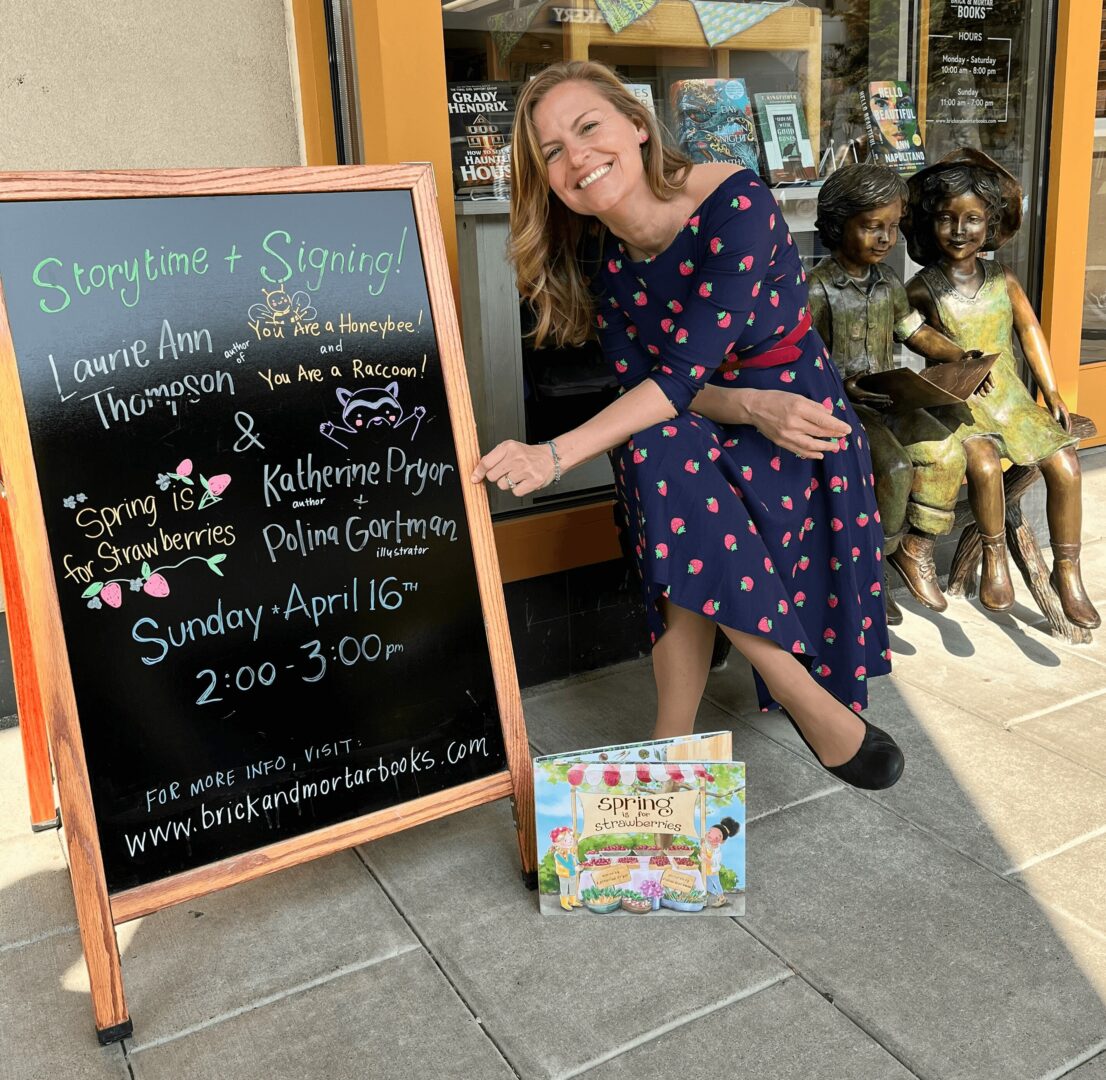
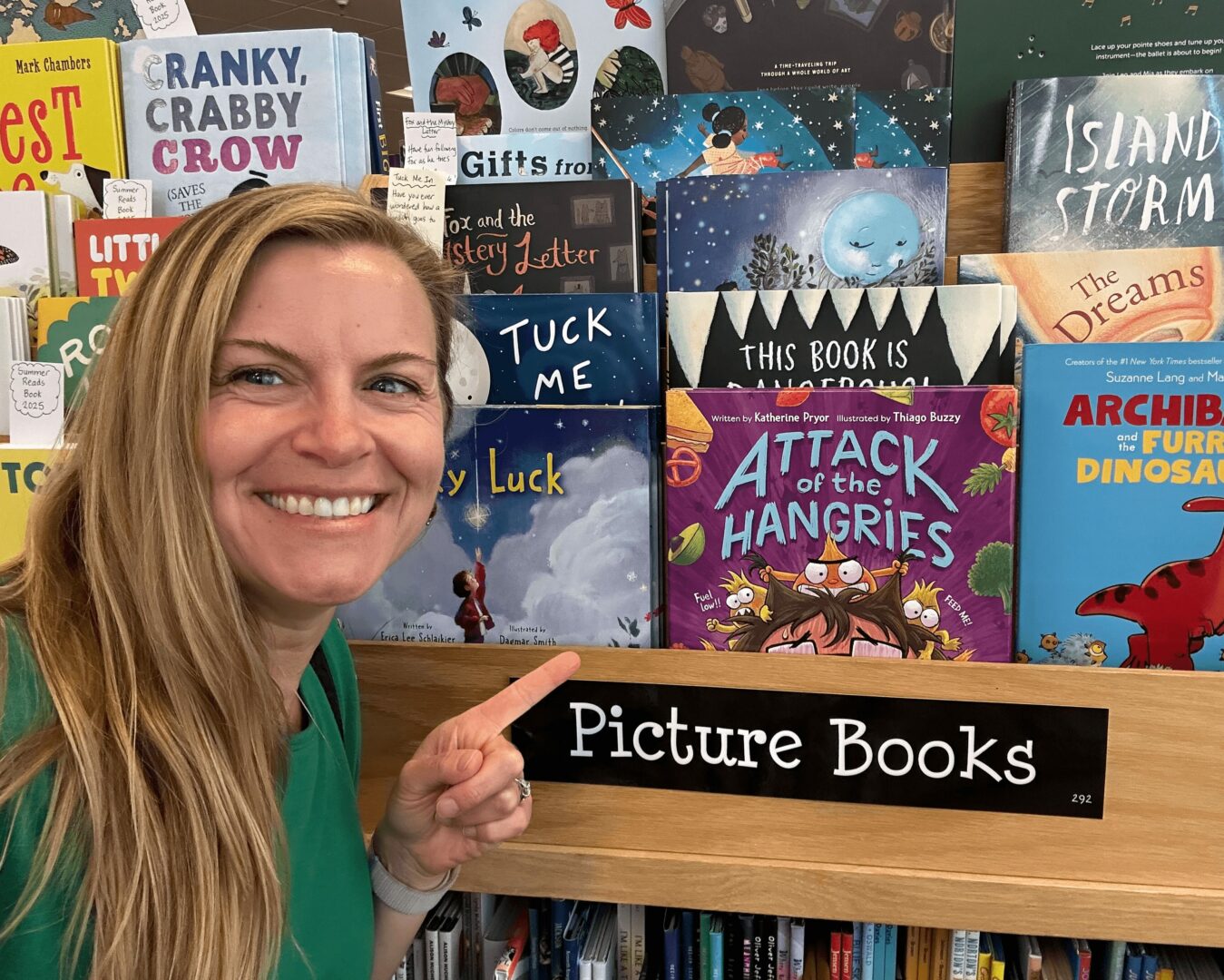
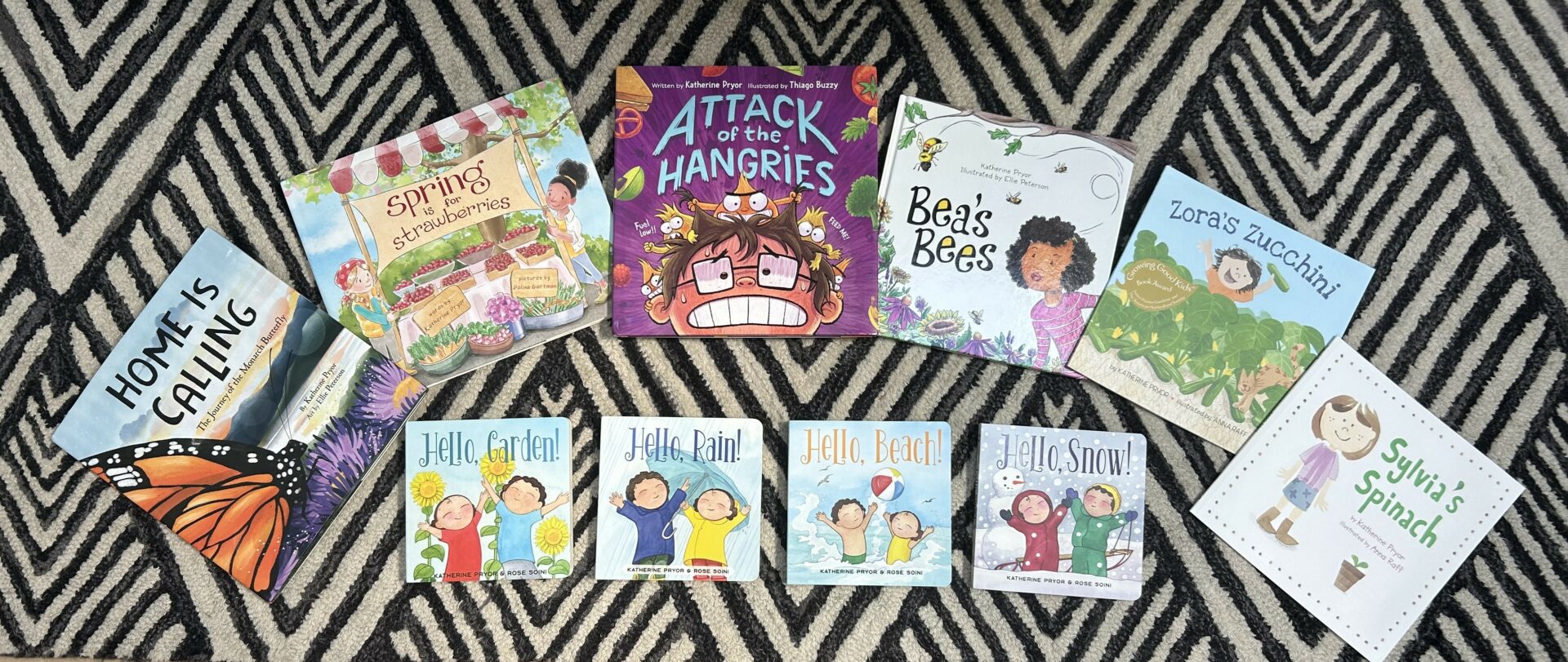
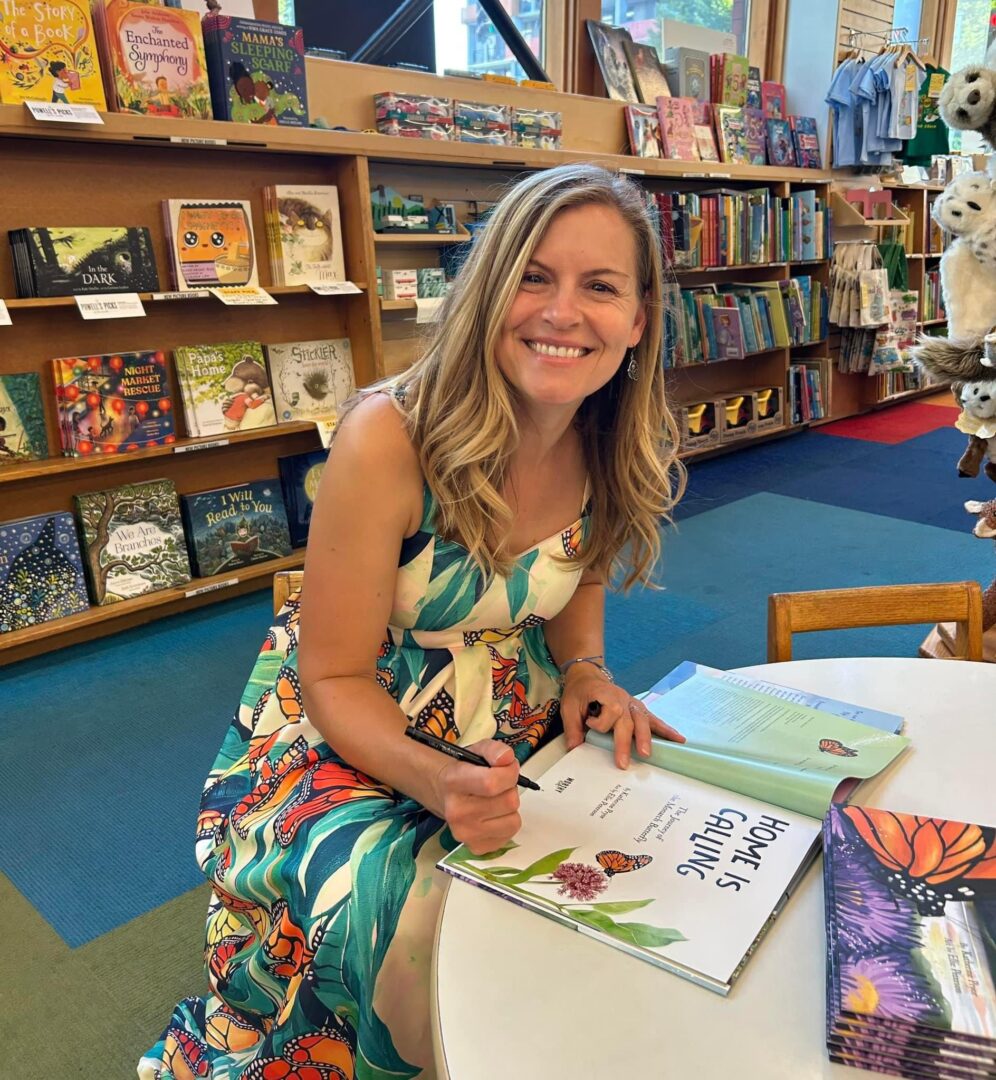
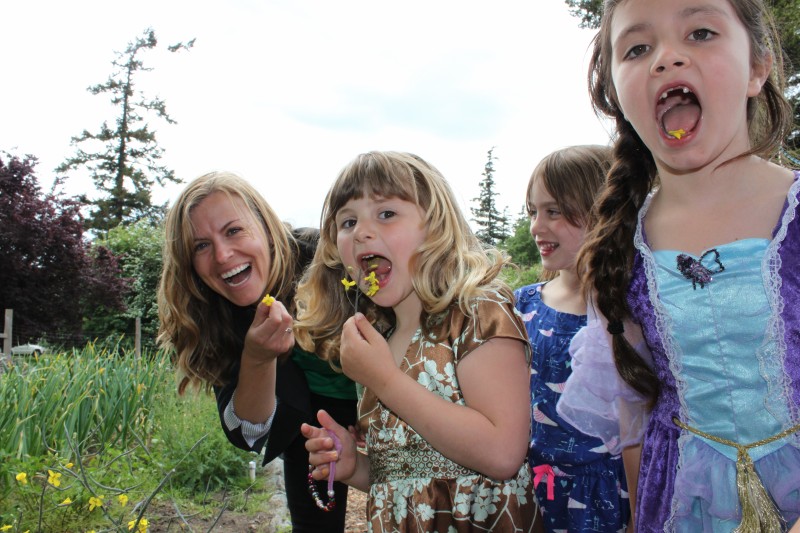
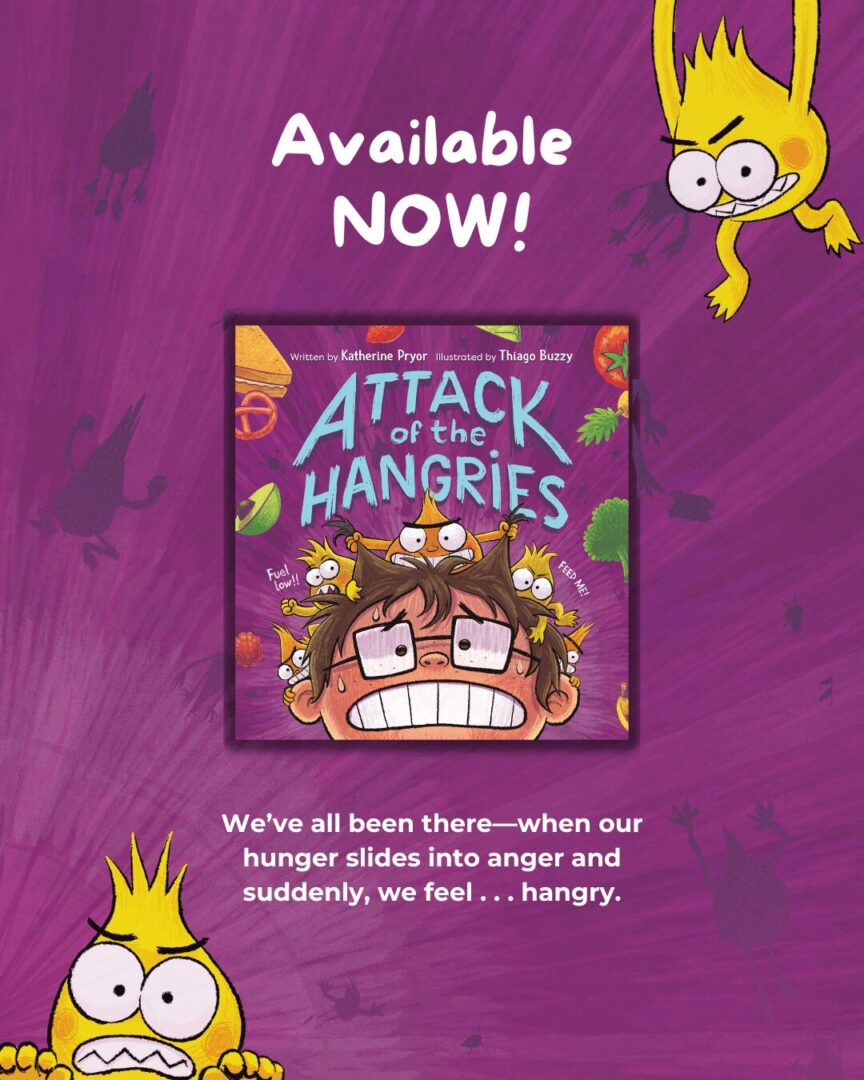
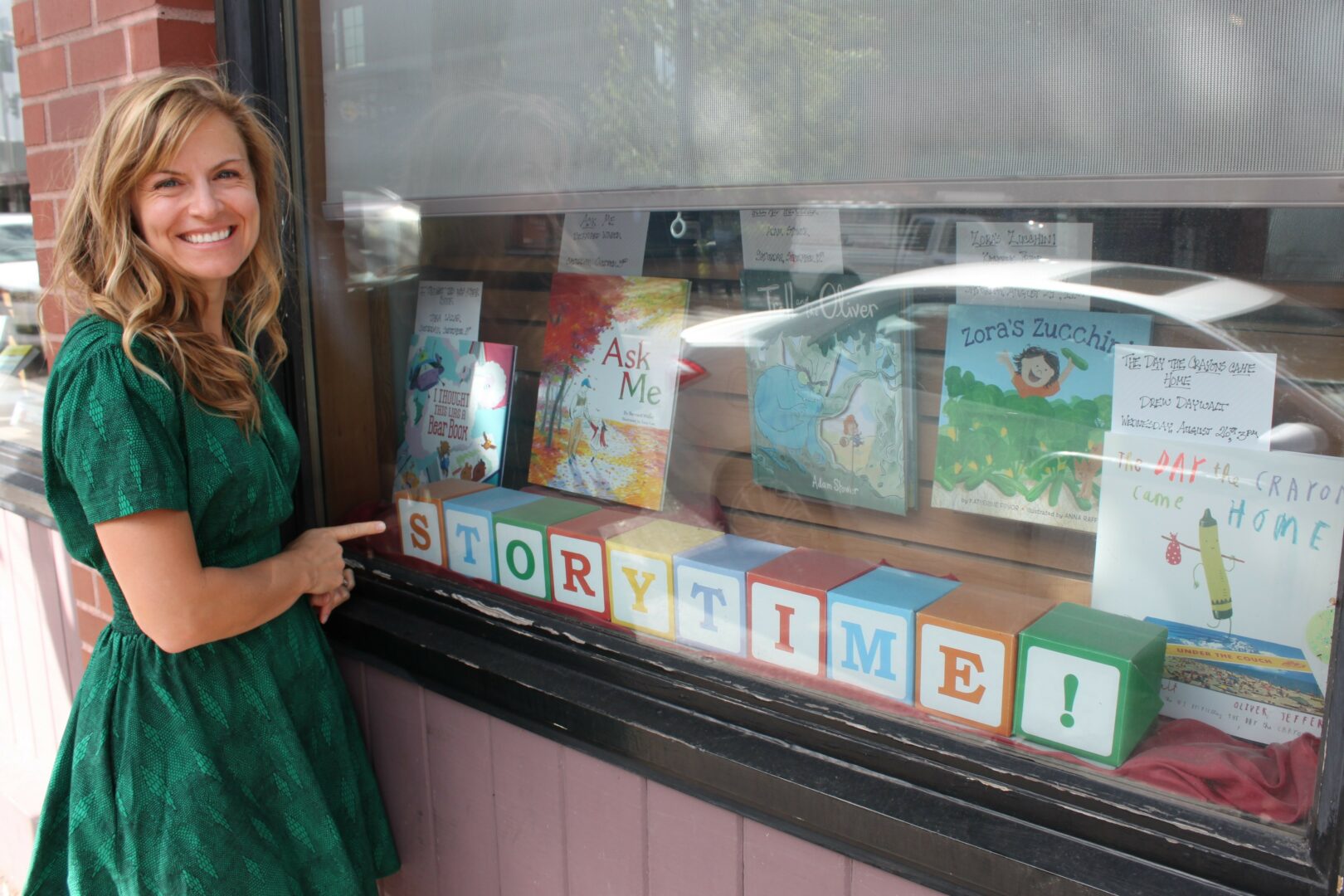
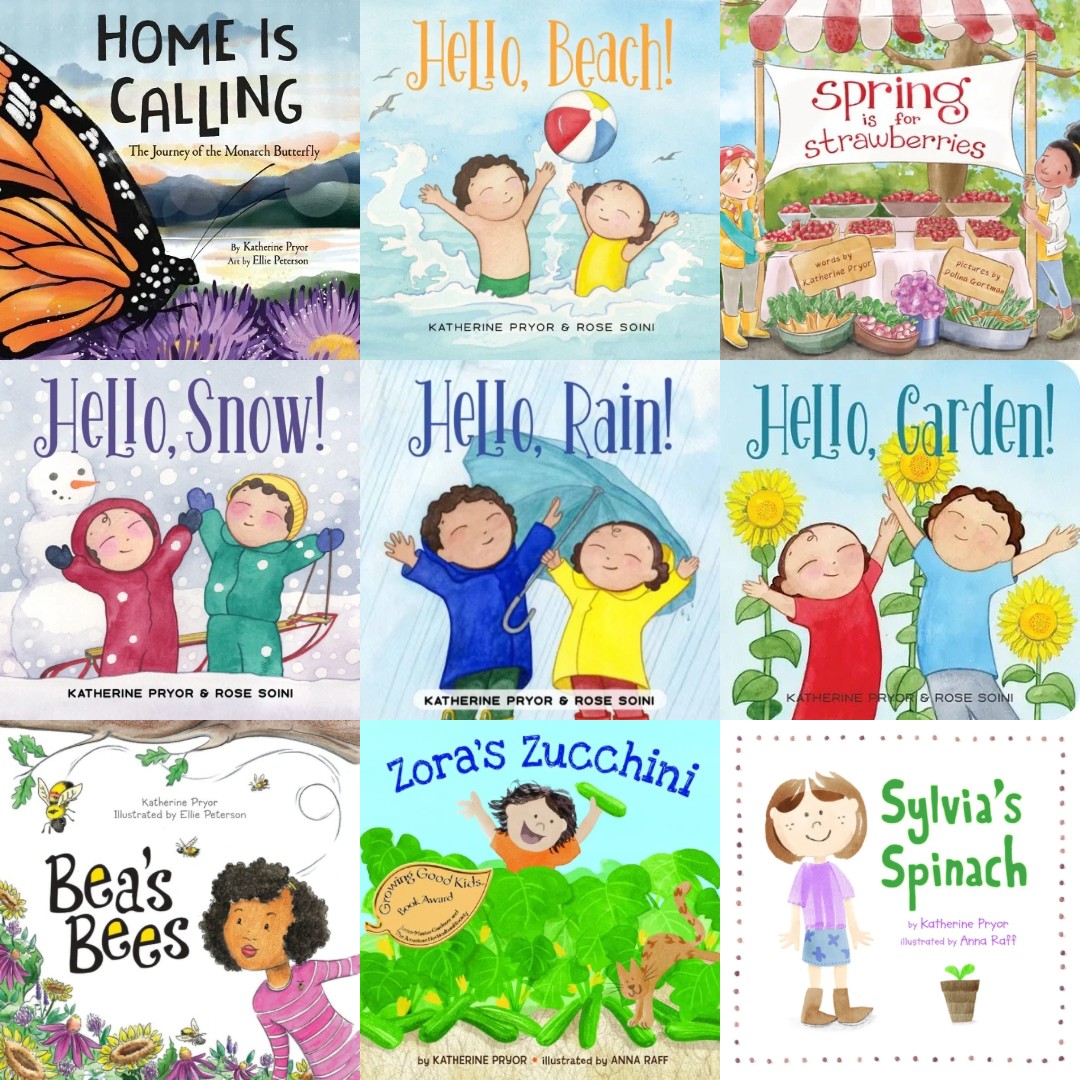
I’m now the author of ten books for children celebrating food, gardens, and nature. I’ve written about the importance of pollinators and how to eat seasonally. I do a lot of visits in school gardens and love talking with kids the interconnected web that is our food system. It’s funny to me now that I’ve somehow managed to merge my backgrounds in both communications and food to reach an audience I think too many people ignore. Kids deserve great food, too!
Thanks for sharing that. Would love to go back in time and hear about how your past might have impacted who you are today. Who saw you clearly before you could see yourself?
My advisor in grad school gave me a glowing reference for a job, and when I thanked him for it, he told me he saw me a leader, and commended me on the effort I put into even small tasks. He said, “You took this small job on campus” (I was a graduate assistant in the financial aid department) “and turned it into a series of workshops to get more students to apply for scholarships. You didn’t need to do that–you could have just stayed at your desk working on the database and getting paid–but you put in the extra effort and found a way to help people.”
I had never seen myself that way before. I’d worked in the service industry for so long that I took going above and beyond the basics of a job for granted. I didn’t hold those workshops because I wanted praise or even a full-time job–I did it because I saw an unmet need and could see a way to help. It felt good to be seen, and I’ve carried that good feeling into every job I held after that. Why do the bare minimum when I could see a way to make a difference? I still have hard time thinking of myself as a leader, but I’ve led enough organizations and campaigns that he must have been right.
Was there ever a time you almost gave up?
I thought of quitting writing after my second picture book came out. I’d taken a huge leap of faith and quit my job to write full time, but I wasn’t getting much published. I had saved up enough money to pay my share of our rent for a year, and that time (and money) was running out. I had managed to get two books published while working, but once I had all the hours in a day to write, nothing was happening.
A friend convinced me to go to a writing conference in LA, and I made a road trip out of it, visiting friends I’d known throughout my life along the way. I slept on their couches and we talked about our lives. Every single one of those friends was happy I was writing, and cheered me on. I moaned about not making any money, but no one seemed to care about that. To them, I was succeeding.
At the conference, there were thousands of people as passionate about the written word as me. I got to geek out on minutia no one else cares about, and left on an inspired high. As I drove home, I thought back to every creative project I’d ever been proud of–the short stories and plays in elementary school, the articles for the school paper in junior high, the essays in college–and realized that some of the best moments of my life had happened while I was writing. I was a writer, and always would be. As I stared down the open highway, I made a commitment to myself not to find a way to keep writing no matter what.
When I got home, I accepted some consulting work with a friend’s non-profit to take the financial pressure off my writing. It was the right call. Over the years, I’ve built up a balance between the two, and I think that’s fairly normal for my strange industry. But I’ve created a beautiful collection of titles, and I’ll keep writing the rest of my days. Realizing that this profession was not just a job title but a calling helped me find a way to keep doing it.
Next, maybe we can discuss some of your foundational philosophies and views? What’s a cultural value you protect at all costs?
I believe in the power of books and of children’s right to read whatever books help them make sense of the world. I had a strange childhood, going back and forth between my parents’ houses. I went to six different elementary schools. By sixth grade, I was pretty isolated, and had a hard time relating to my peers because no one else was living a life like mine.
I was a latchkey kid who discovered I could swing by the public library on my way home from school without anyone noticing. I became a voracious readers of novels, and their worlds often felt more relatable than my own. I read some pretty advanced stuff–there were sex scenes, physical danger, and drug use. But I also met characters who didn’t feel like they fit in with their peers, or have happy home lives. I recognized myself in those pages, and learned from their struggles.
I’m heartbroken at the book bans taking place around the country right now, because it’s impossible to know what book is going to speak to a child. If they meet a character in a book who gives them the tools they need to get through the horrors of adolescence, who are we to keep that from them? I support everyone’s right to read freely. You never know when a book with change someone’s life.
Okay, so before we go, let’s tackle one more area. Have you ever gotten what you wanted, and found it did not satisfy you?
When I’m working on a new book, it’s hard not to hope and dream about publication. I write a lot of manuscripts that never become books, but the dream of the published product is always there. When the stars align and I manage to write a book that enough people get excited about to publish, it’s a moment of pure joy. I spend years revising and looking at art until finally the book is in my hands as a finished product.
Yet somehow with every book I’ve ever published, my secret hope is always, “I hope it’s good enough that they’ll let me make another one.” Every book I work on makes me want to write another one. Publication is like a chain of mountains to climb–I think I’ve reached the peak, and then see the possibility of more peaks ahead. I think that’s how I know I’m in the right business. I don’t get tired of changing an ever-changing goal.
Contact Info:
- Website: https://katherinepryor.com/
- Instagram: https://www.instagram.com/readyourgreens/
- Linkedin: https://www.linkedin.com/in/katherinepryor/

so if you or someone you know deserves recognition please let us know here.