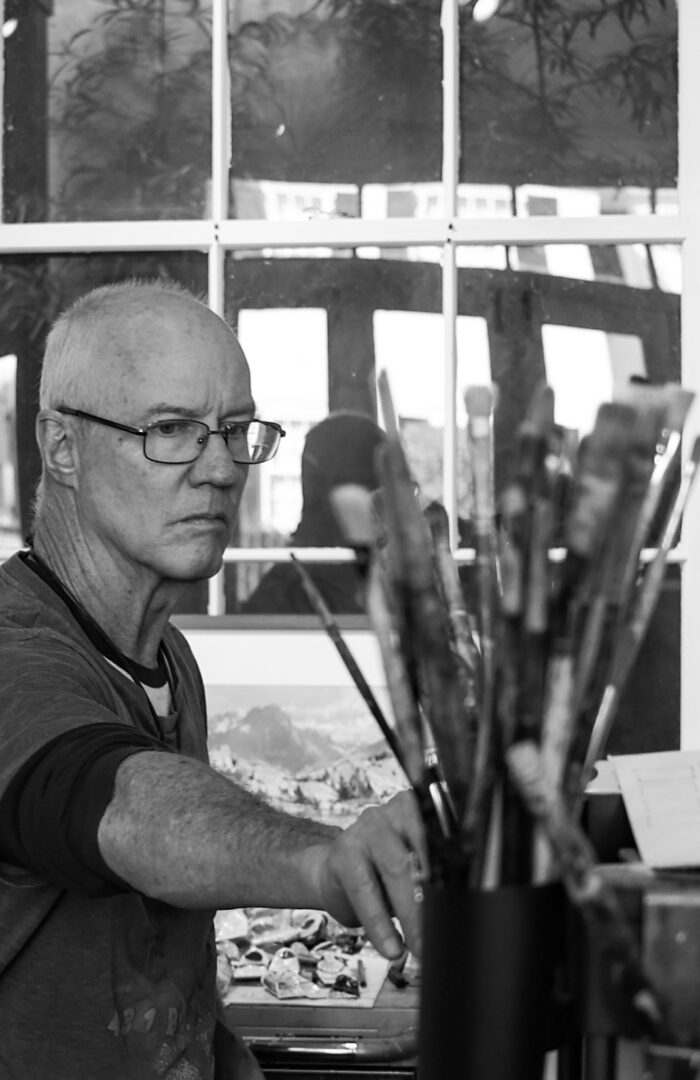
We recently had the chance to connect with Larry Moore and have shared our conversation below.
Larry, so good to connect and we’re excited to share your story and insights with our audience. There’s a ton to learn from your story, but let’s start with a warm up before we get into the heart of the interview. Are you walking a path—or wandering?
I’m definitely in wandering mode right now. It’s not that I feel lost, I generally like what I’m doing, just feeling a bit restless.
We are in a state of flux here in the US. Lots of crazy news makes for a scattered mind. Perhaps not everyone is feeling it, but I am. The effect on the art market, at least ours in Charleston, SC, has been a noticeable slowing. which can also have a direct impact on an artist’s psyche and confidence. I seem to respond to duress by stretching and trying different things, which always gets my excitement levels up. Though I’ve never created for the market, the effect is still there, and I try to look at it as an opportunity to grow. So, yes, I’m wandering a bit.
During COVID, I felt like the world as we knew it was coming to an end —not in an apocalyptic way, but as some kind of big socio-economic shift. In response, I started making larger, more experimental works since nothing was going to be going out the door anyway. Fortunately, the opposite happened. People stopped spending money on travel and started redoing their homes. And the wandering paid off.
Can you briefly introduce yourself and share what makes you or your brand unique?
I have a very diverse background in visual communication (55 years to date), from airbrushing surfboards in my youth to a career in graphic design/advertising, which morphed into a career as an illustrator, then full-time as an artist. This wandering path gave me a deep understanding and working knowledge of the creative process; what it is made of, how to learn and utilize it. Now, when I teach, I introduce my students to this approach to creative problem-solving and to thinking for themselves. It is both freeing and very satisfying on every level.
In 2015, I was challenged to write a book about the creative process and 3 years later, Fishing for Elephants. Insights and Exercises to Inspire Authentic Creativity was published. I am now working on the follow-up book.
Okay, so here’s a deep one: Who were you before the world told you who you had to be?
I found this question very interesting. I don’t recall ever being told who I had to be. I suppose I was fortunate. I found out years after the fact that my father wanted me to be an engineer in a most urgent way. But my mother fought for me to be whatever I was becoming. And thank goodness she did. My life, though thoroughly unplanned, has been a joyous, creative ride.
I realize there is no shortage of external and internal pressures to do and be certain things. It can show up as an internalized belief that we are supposed to be a certain way, or external forces stemming from parents or financial circumstances.
If there were any to provide influence or give me permission to follow my path, it would be a local artist who painted a large mural in one of our little surf shops in 1973 or thereabouts. It was not only really remarkable, but it also opened my eyes to the world of the graphic arts. From that moment on, I started noticing album covers and music posters. I understood that someone was paid to make these amazing things, and that this was an actual career path.
If you could say one kind thing to your younger self, what would it be?
Trust your voice, your creative decisions. In my early years as a creator, I did not trust my ideas. I didn’t realize that doing something really different from what others were doing was a good thing and not a bad thing. I often flipped through creative journals and assumed that I was not of their caliber. Once I started getting recognition for my work, I slowly began to believe in myself. I just wish I had realized my self-worth earlier.
Alright, so if you are open to it, let’s explore some philosophical questions that touch on your values and worldview. What important truth do very few people agree with you on?
I have no idea how many would agree or disagree with this, but I see all (or most) beliefs as localized “truths” that we accept to explain our world, and not universal truths. People confuse the two: I believe it, therefore it is true for all things. I am right and you are wrong. I should make the distinction here between beliefs and scientific, empirically supported, provable facts. I’m not just referring to science versus religion, but all belief systems.
Sports enthusiasts can become like religious zealots; my team is better than yours. People come to blows over this stuff. But, if you zoom out a little to see the big picture, you might see a pattern of beliefs that are regional rather than universal. We are seeing this same thing manifest in politics now; we are divided not on facts but on “feels.”
Art is much the same way.
There are genre, method, and style zealots in the art world. Representational painters tend not to care for abstract and vice versa. One school of color theory might go to the mat with someone from another school. It’s the Sharks and the Jets. There are people, like myself, who look at the big picture of art and see how all the parts and partitions relate and see them all as what they are. Just vital parts of the big universe of creative expression.
It has helped me immensely in understanding the why of any belief system, art or otherwise, to see the world from a distance and over the span of ages. I can see that we as sentient beings just need something to believe in, something to make sense of the world. As a result, I don’t have a desire to make sense of the big questions or believe in anything that can’t be proven empirically. It’s a real time saver.
Thank you so much for all of your openness so far. Maybe we can close with a future oriented question. What are you doing today that won’t pay off for 7–10 years?
I’d like to reframe the question as, “Do you operate on long-term gains or short-term?” And my answer is both.
I have the benefit of 55 years of life experience and art-making. So, I can now see how things I did or learned long ago are now paying off in my life and my work.
As a full-time illustrator in the late 90s, I wanted to do more editorial (narrative) work, but it just wasn’t coming in. I decided to go out and get it. I contacted every local theater, symphony, and opera company and offered my creative services.. Almost everyone said yes. This began a ten-year relationship with the Orlando Opera Company, culminating in 45 paintings that told the story of each opera, which they used for promotional purposes. At the end, I decided to have a show of the work and sold all of them to one collector.
I then decided to make a book about the creative process behind each painting. I included the sketches and studies showing how each came to be and the thinking behind them. It was not terribly successful. But it led me to write a broader version that encompassed all aspects of the creative process. A project that took 3 years.
I had no expectations for the book; I just knew I had to do it. But not only did it sell well, it positioned me as an authority on the creative process, and to this day, my workshop schedule is full and my classes are full. The bonus is that I teach exactly what I believe to be important.
All because I wanted to do more editorial art 25 years earlier..
Contact Info:
- Website: https://www.larrymoorestudios.com
- Instagram: https://www.instagram.com/larry_moore_studios/
- Facebook: https://www.facebook.com/larry.moore.429939/
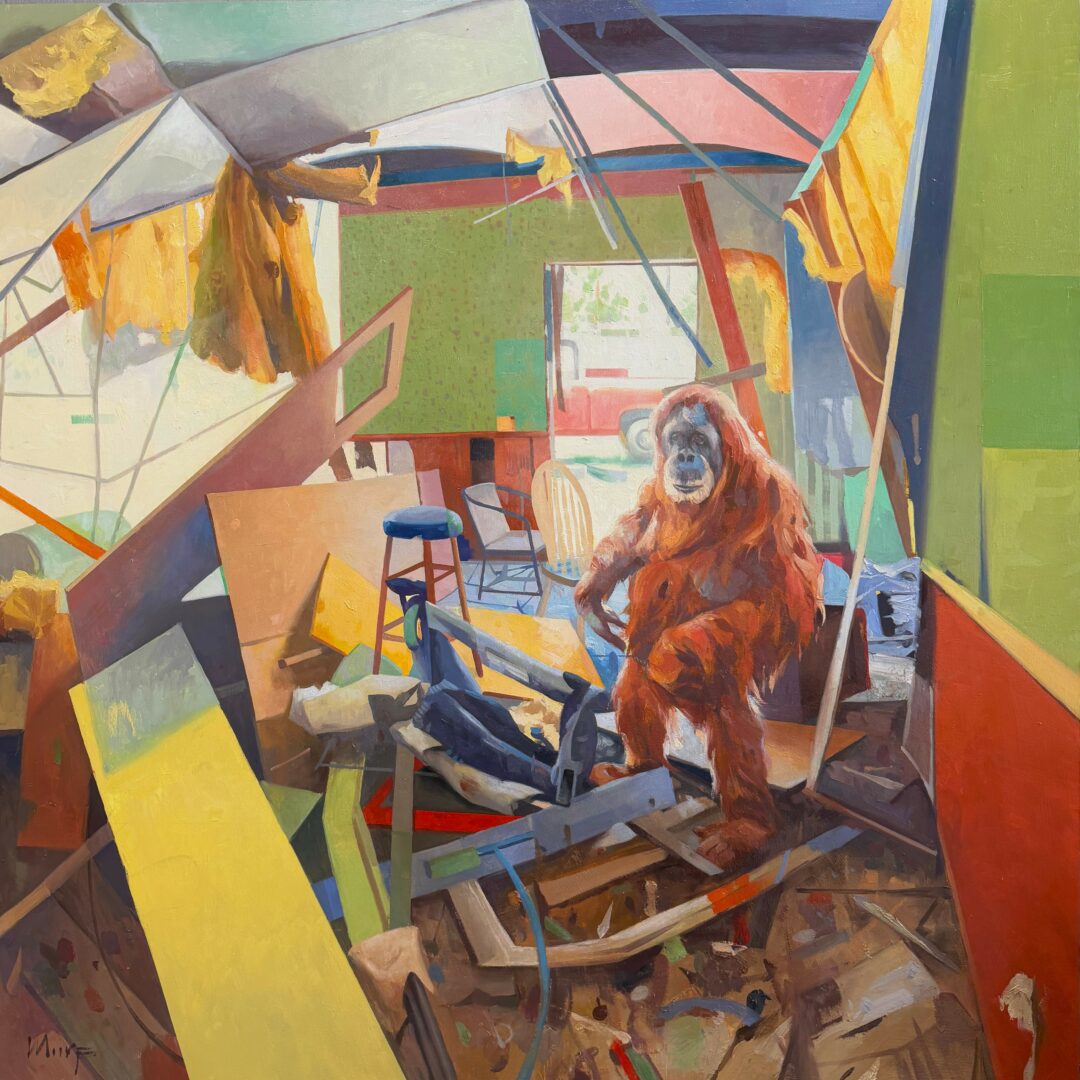
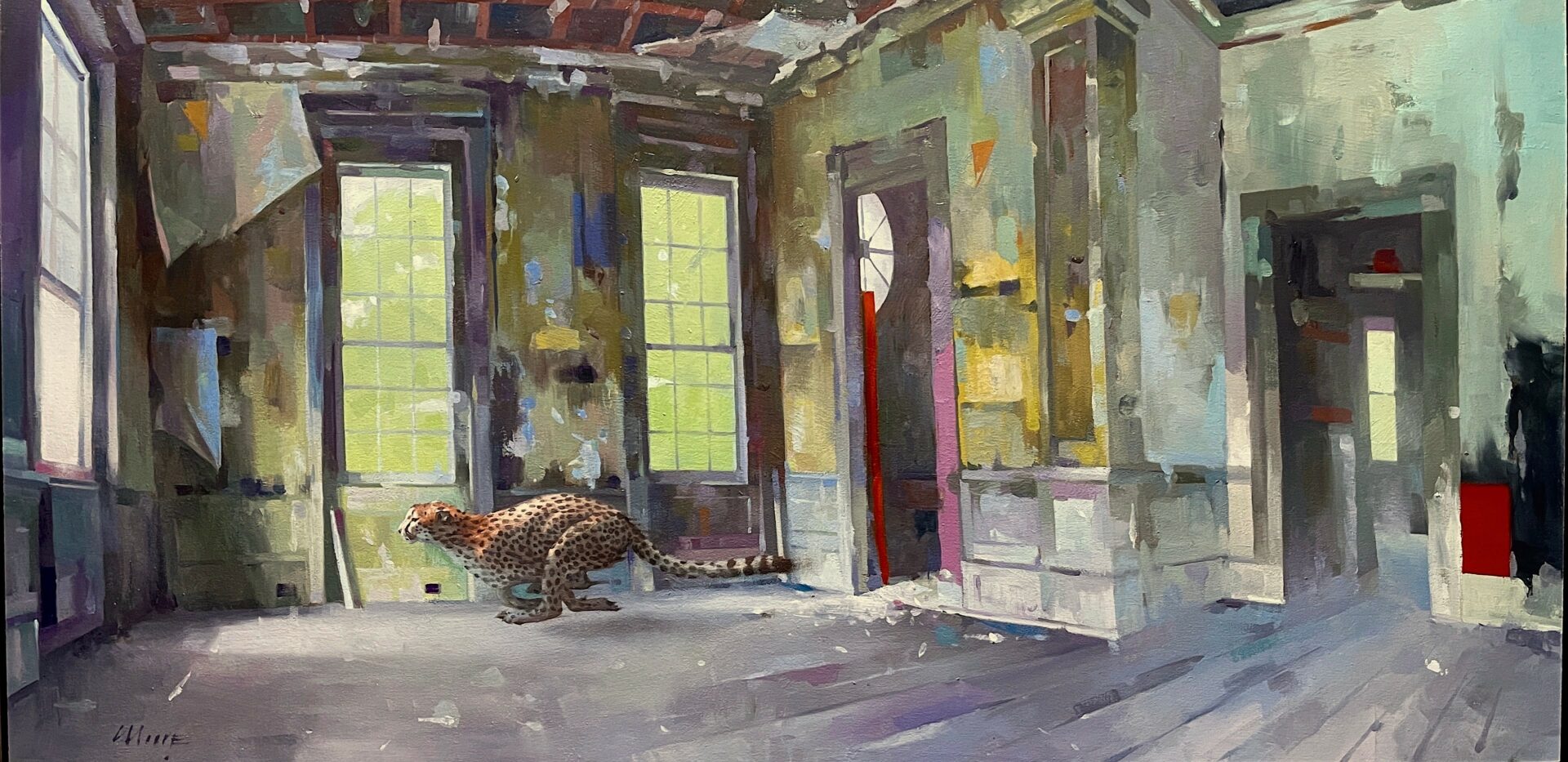

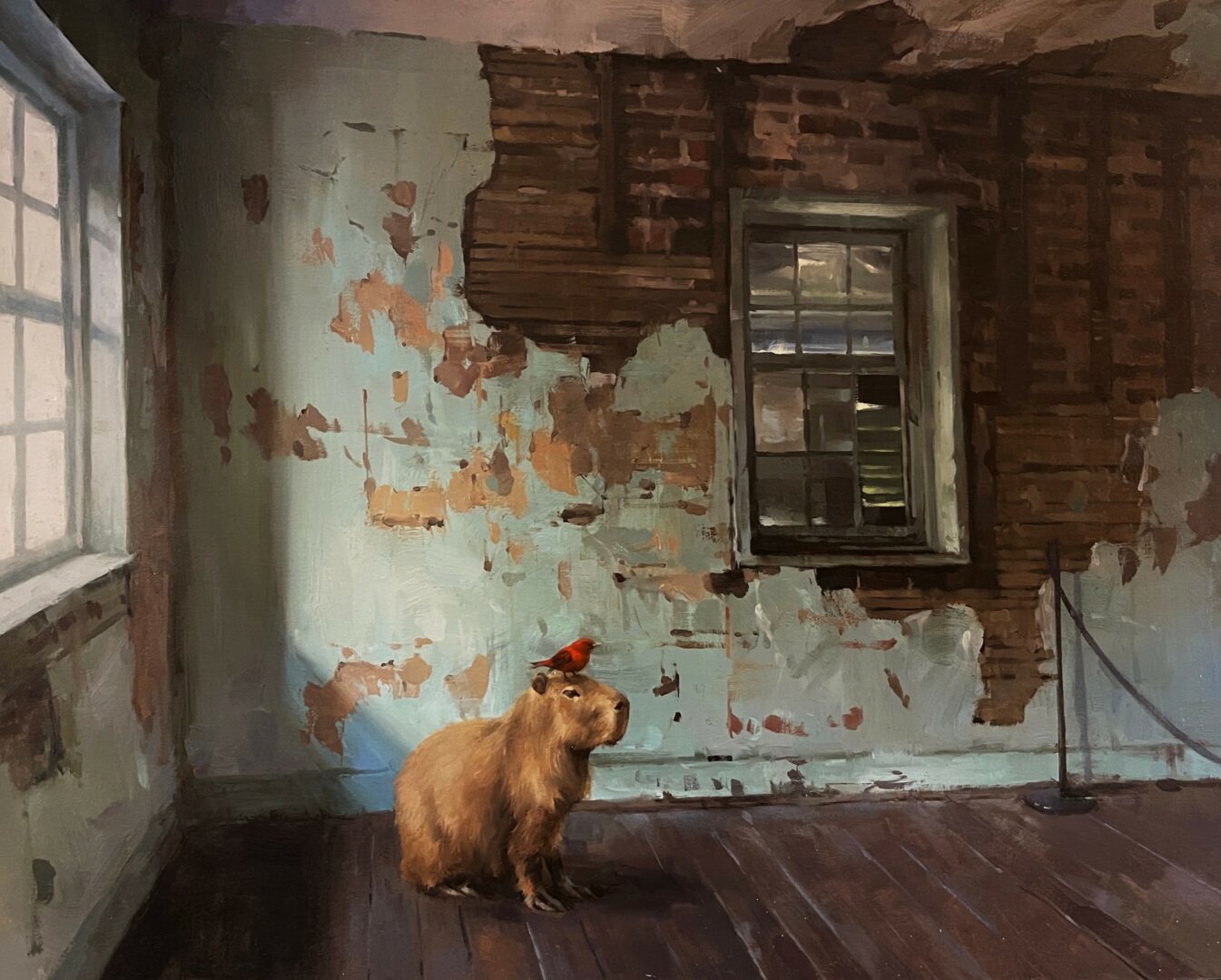
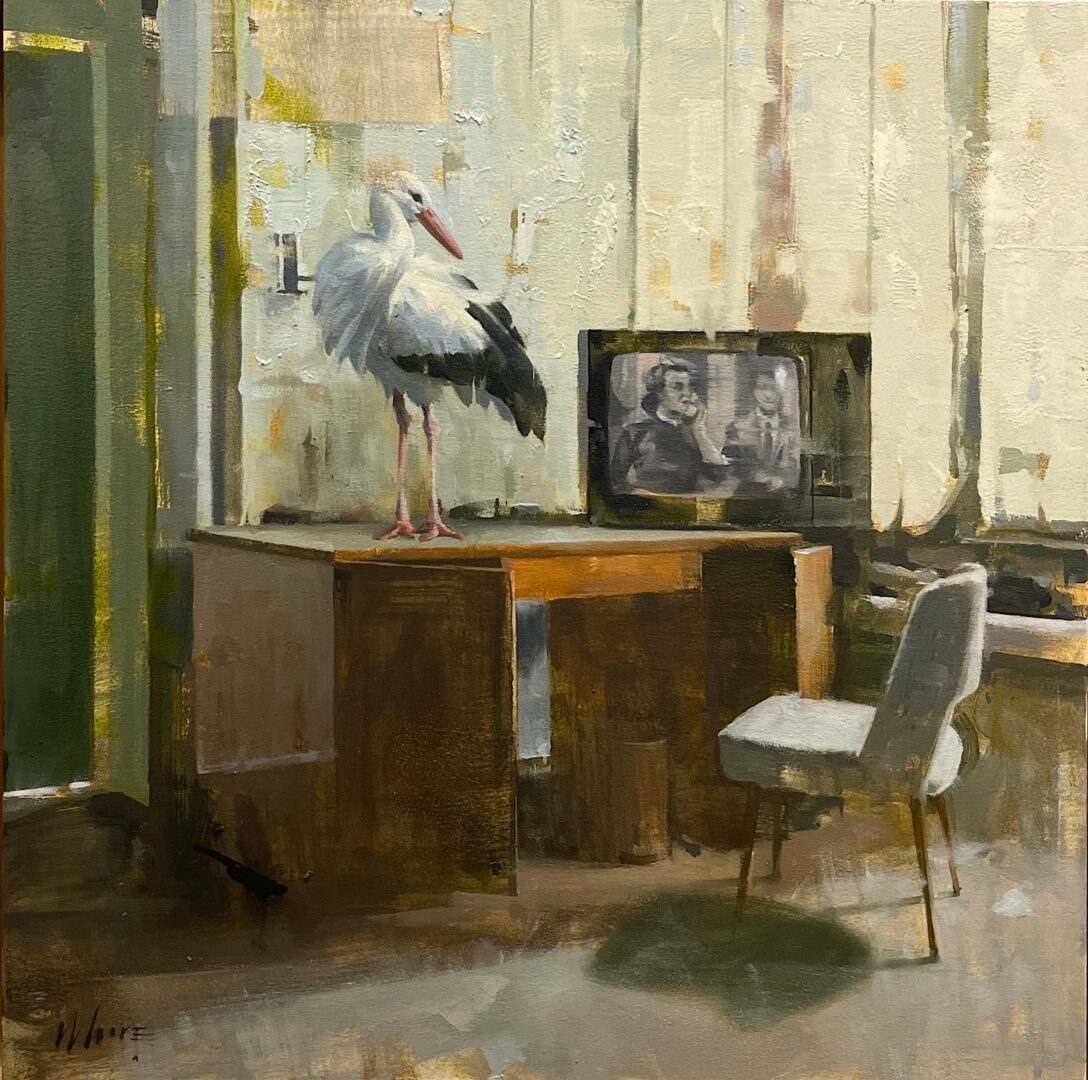
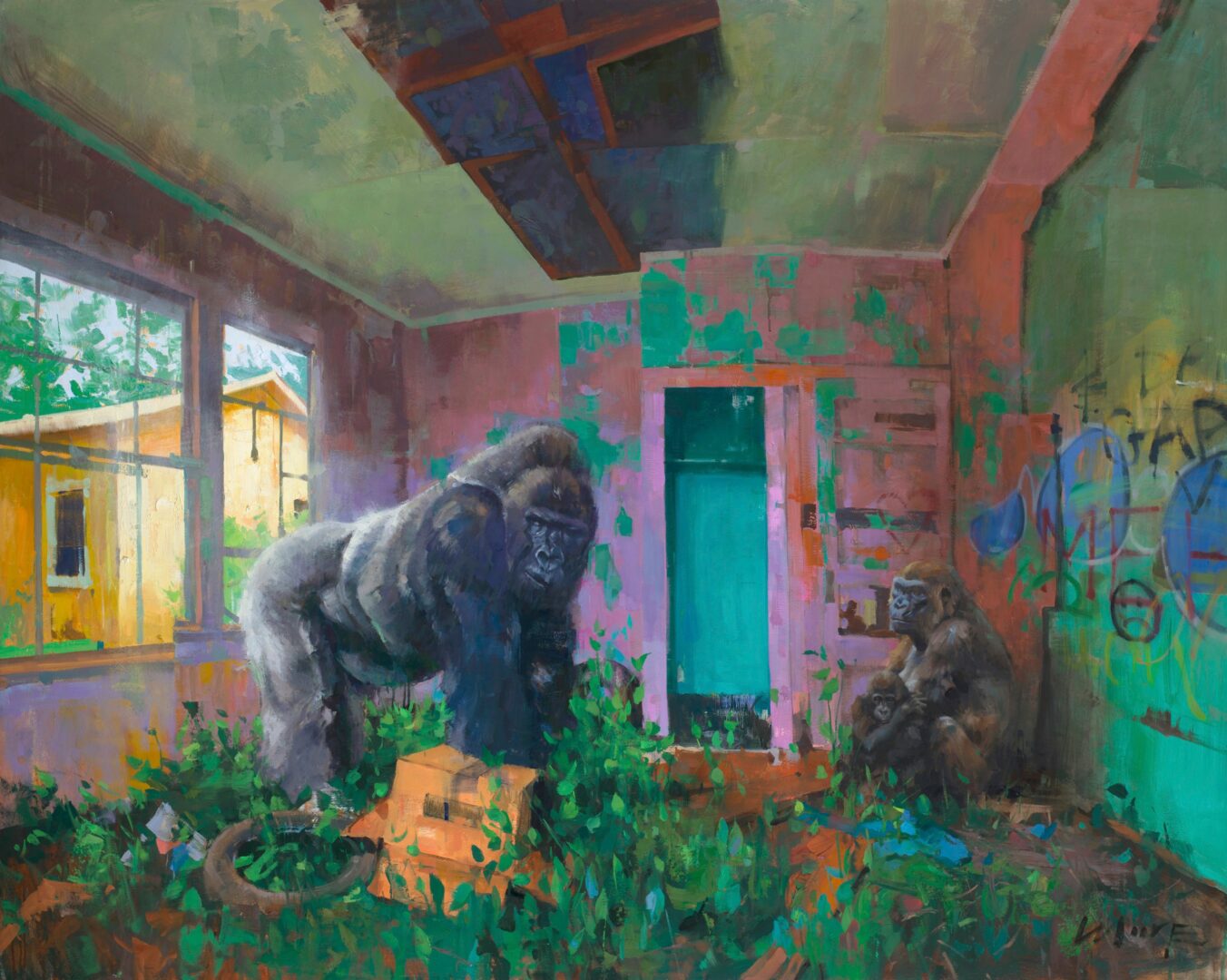
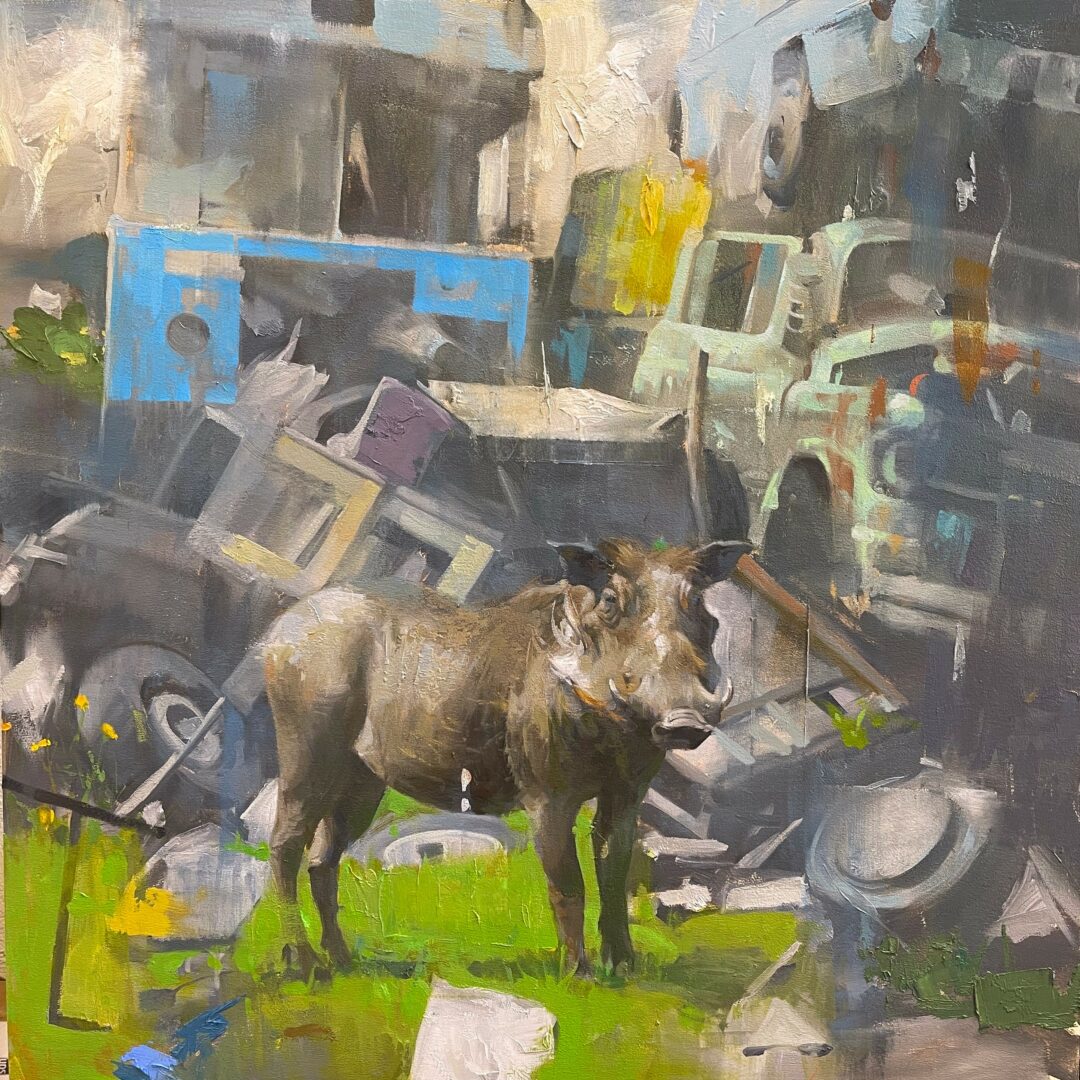
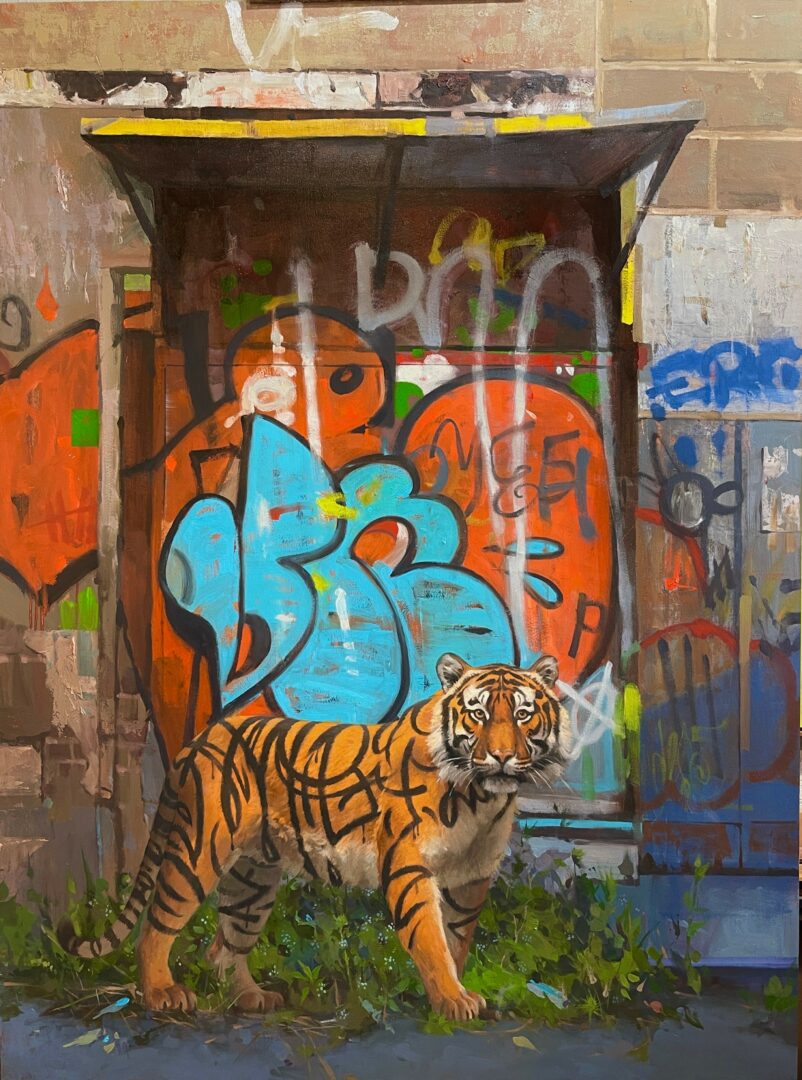
Image Credits
All art by Larry Moore
so if you or someone you know deserves recognition please let us know here.