We recently had the chance to connect with Nilangana Banerjee and have shared our conversation below.
Nilangana, a huge thanks to you for investing the time to share your wisdom with those who are seeking it. We think it’s so important for us to share stories with our neighbors, friends and community because knowledge multiples when we share with each other. Let’s jump in: What are you most proud of building — that nobody sees?
What I’m most proud of building — though it’s not something people can see — is my resilience, inner calm, and emotional strength. Behind every image or creative project I bring to life, there’s an invisible process of growth, discipline, and self-discovery that fuels it. The art, people see on the surface is only the final expression of a much deeper inner evolution.
Over the years, I’ve cultivated a “never say never” attitude that anchors me through uncertainty and creative challenges. There have been moments of doubt, rejection, and reinvention — but each one became a lesson, teaching me how to rebuild with greater clarity and conviction. That mindset has allowed me to see failure not as an endpoint, but as a necessary chapter in progress.
I’ve also worked intentionally on strengthening my emotional intelligence — learning to understand not only my own emotions, but also the subtle energy and feelings of the people I collaborate with. Whether it’s a model, stylist, or creative partner, I pay attention to their emotional rhythm and translate that authenticity into my photographs. That connection transforms an image from being just aesthetically beautiful to emotionally resonant — something that feels alive and human.
In a world that often celebrates visible success, I’ve come to value the unseen — the quiet resilience, the daily self-discipline, the inner calm that keeps me grounded. Those qualities have become my foundation as an artist and as a person. They’re not things that show up on camera, but they shape everything I create and every story I choose to tell.
Can you briefly introduce yourself and share what makes you or your brand unique?
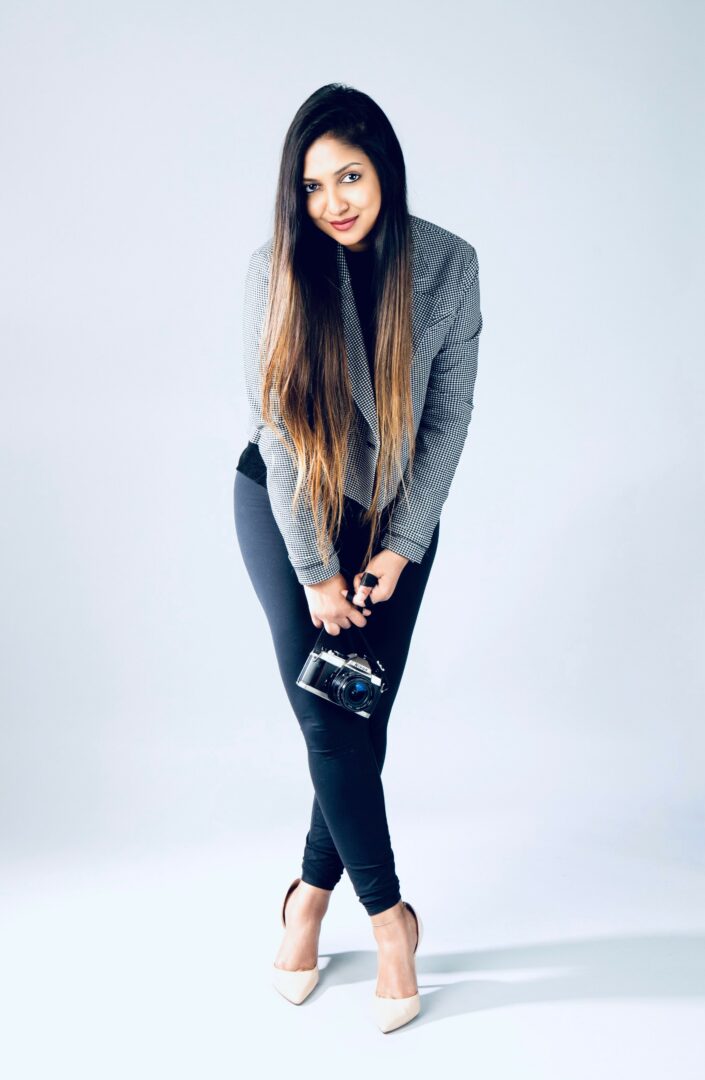
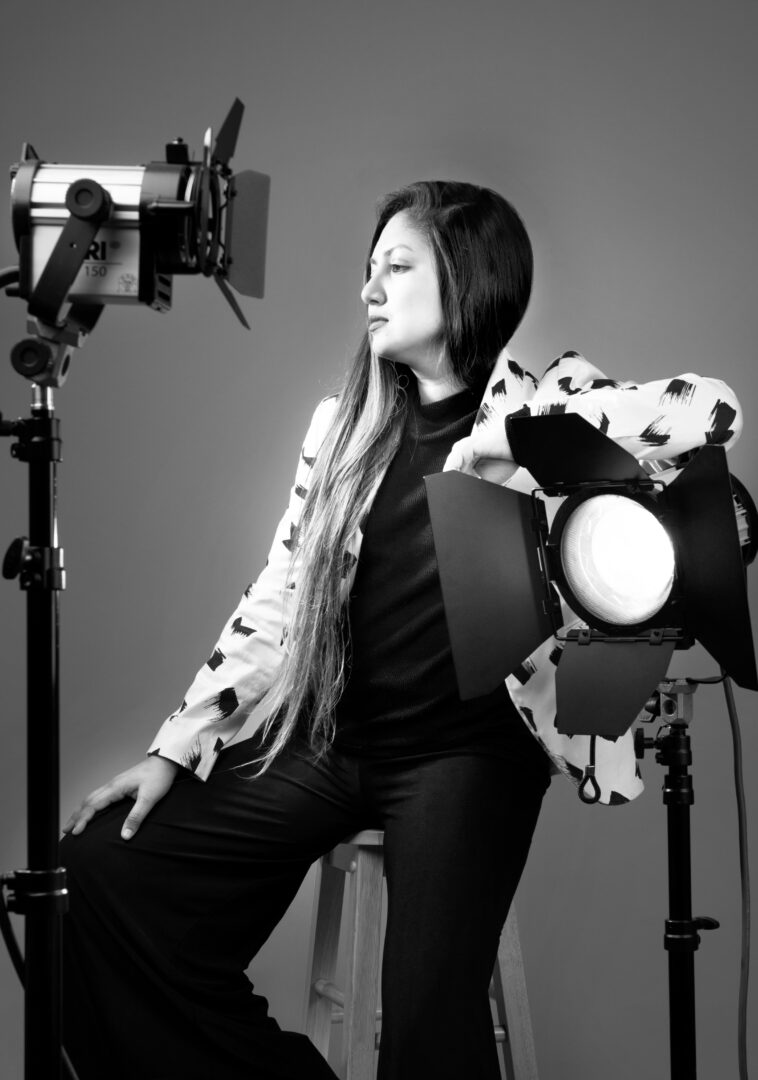
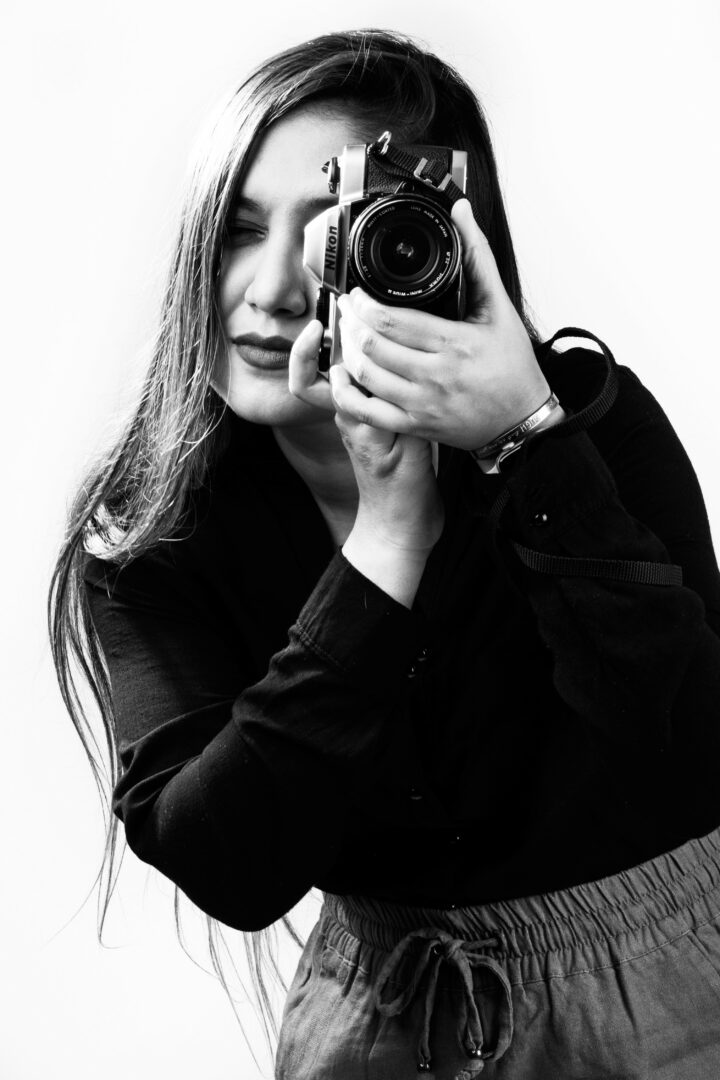
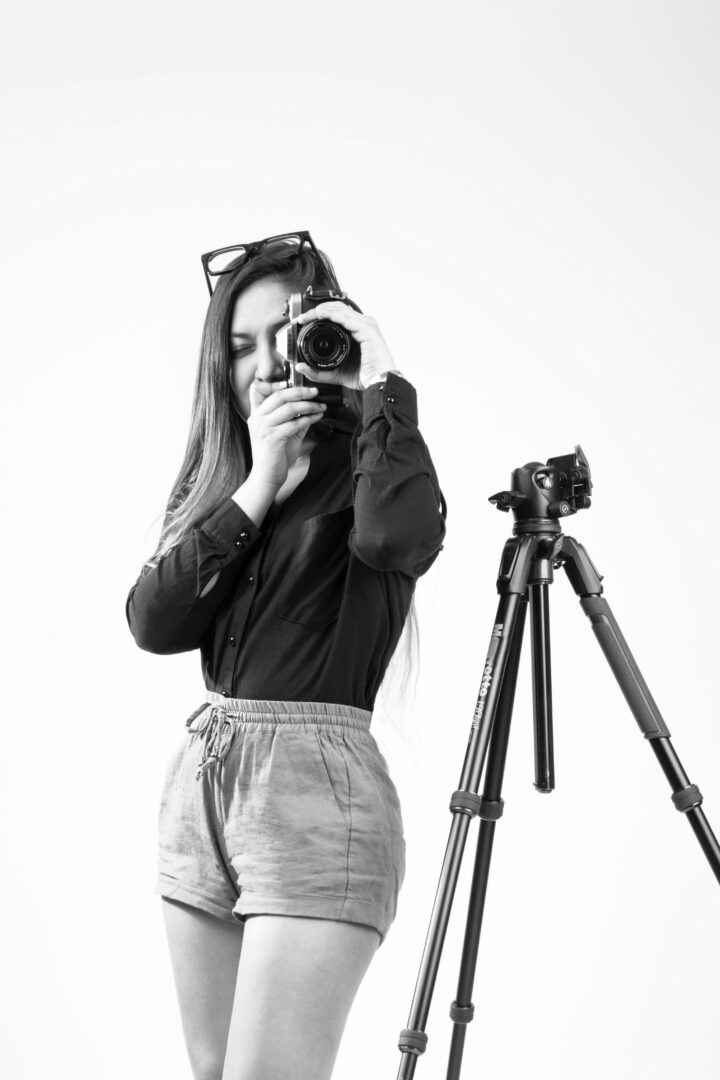
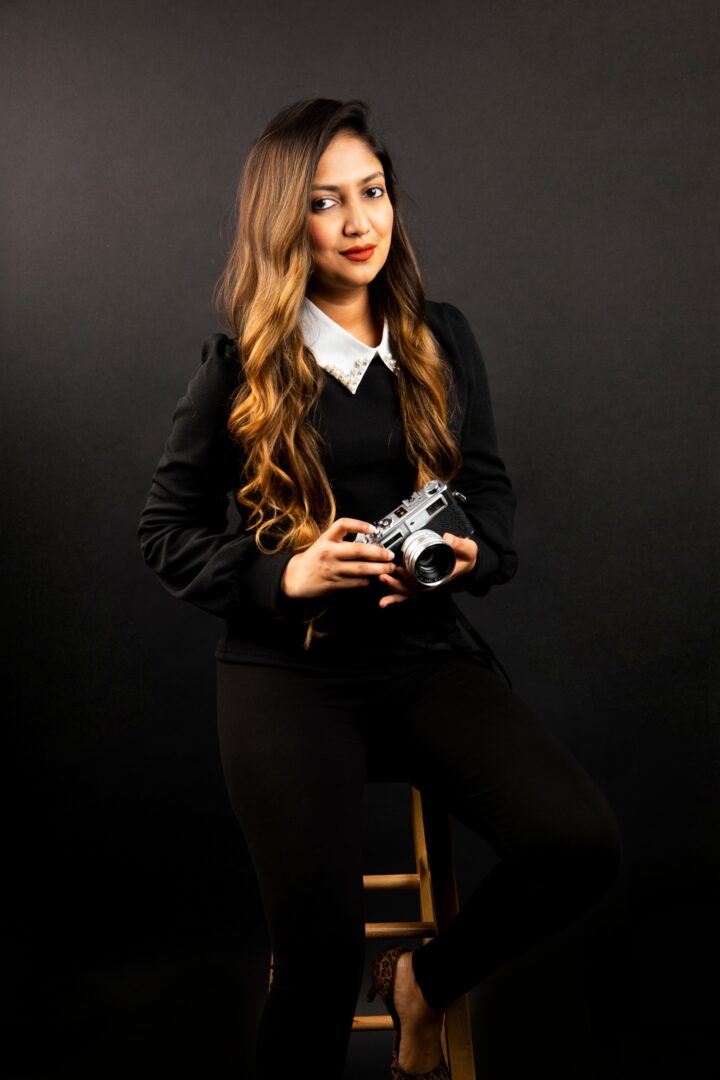
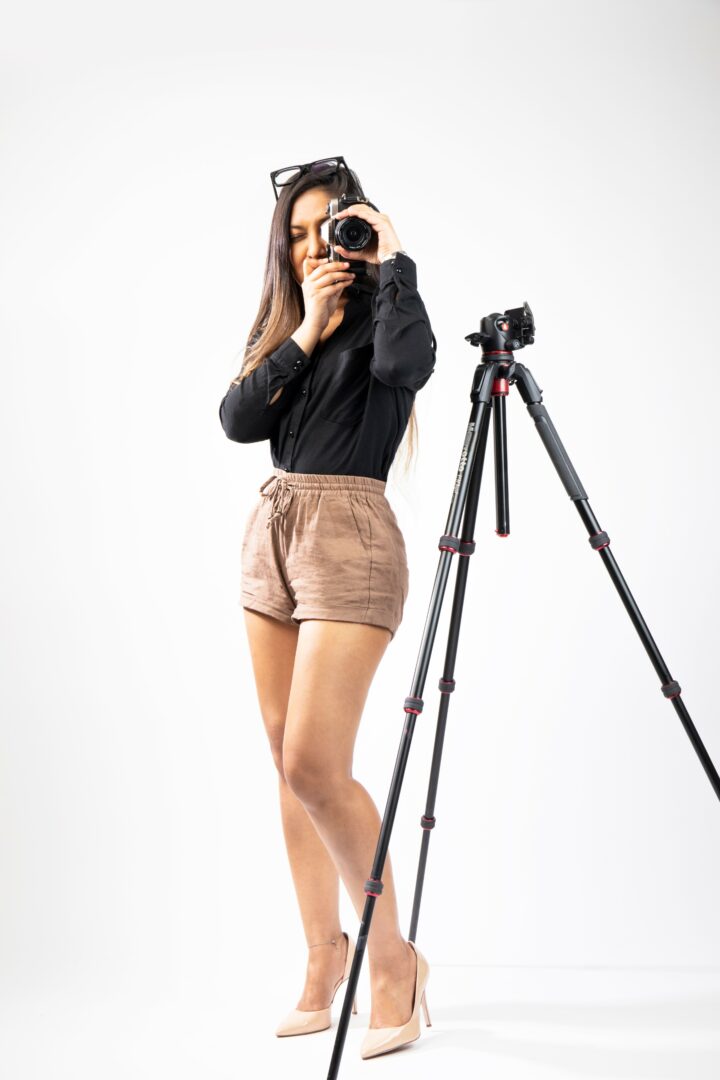
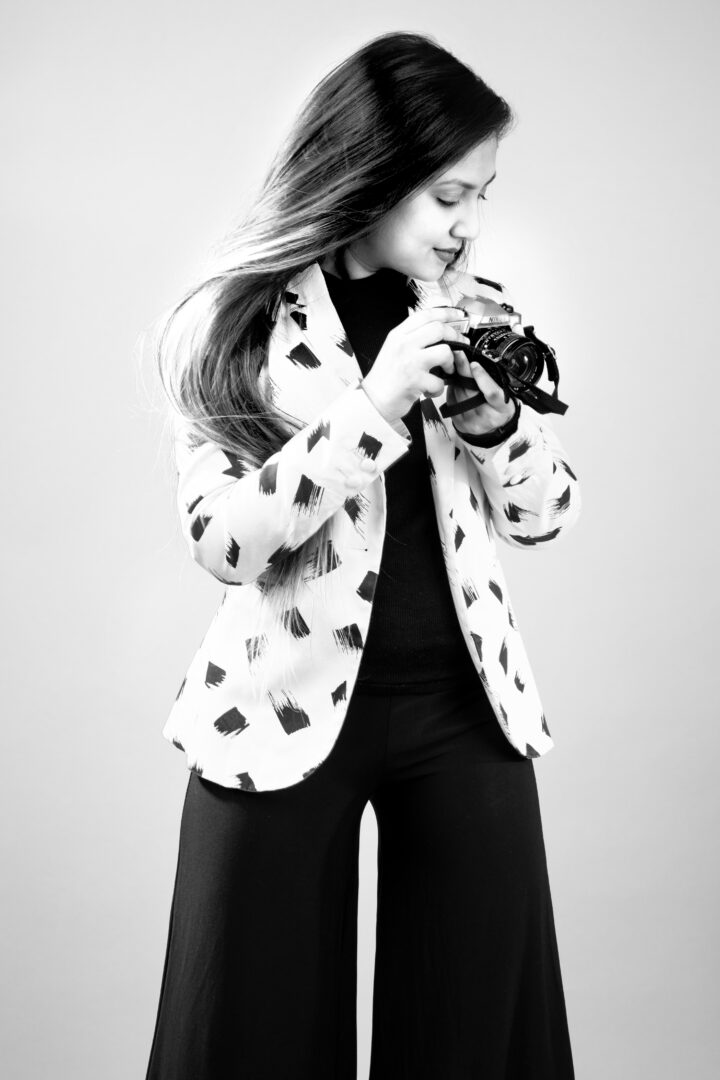
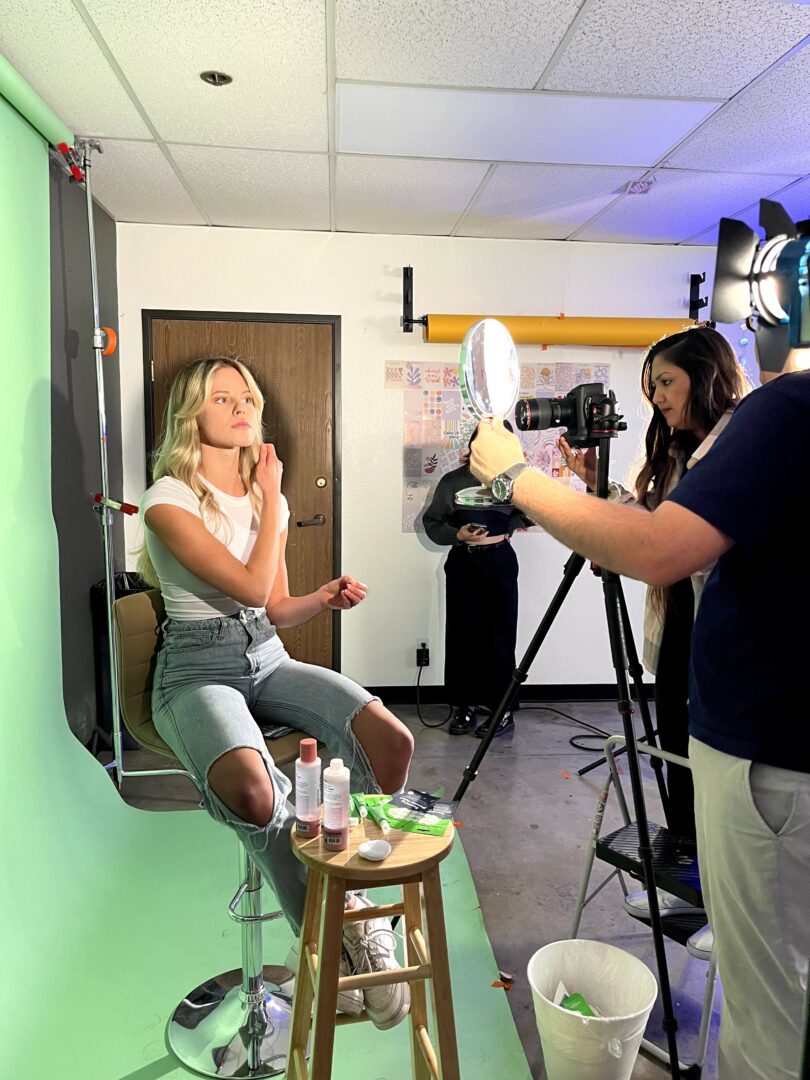
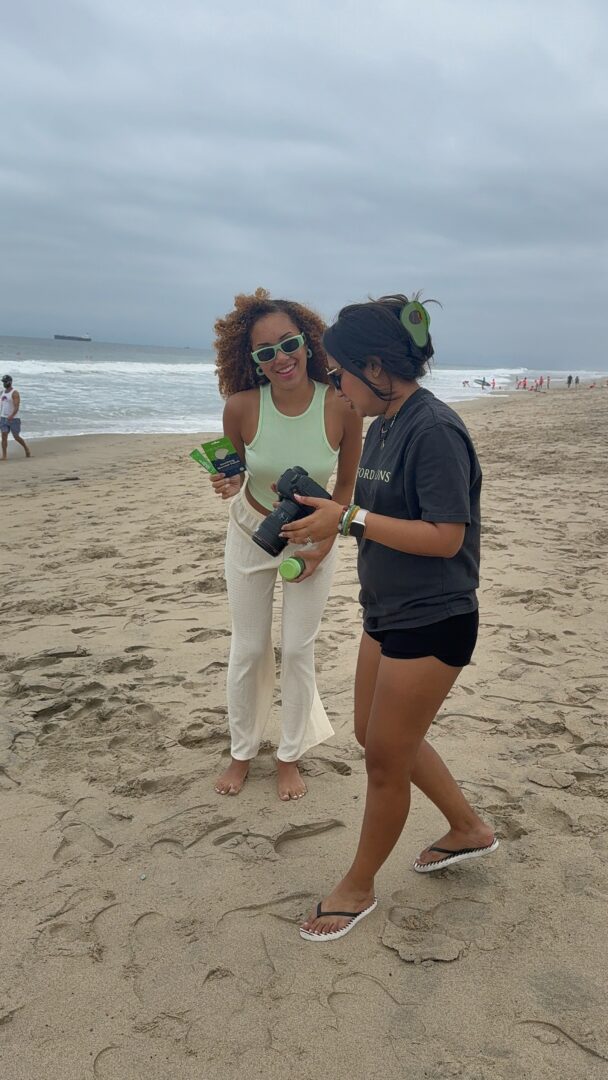
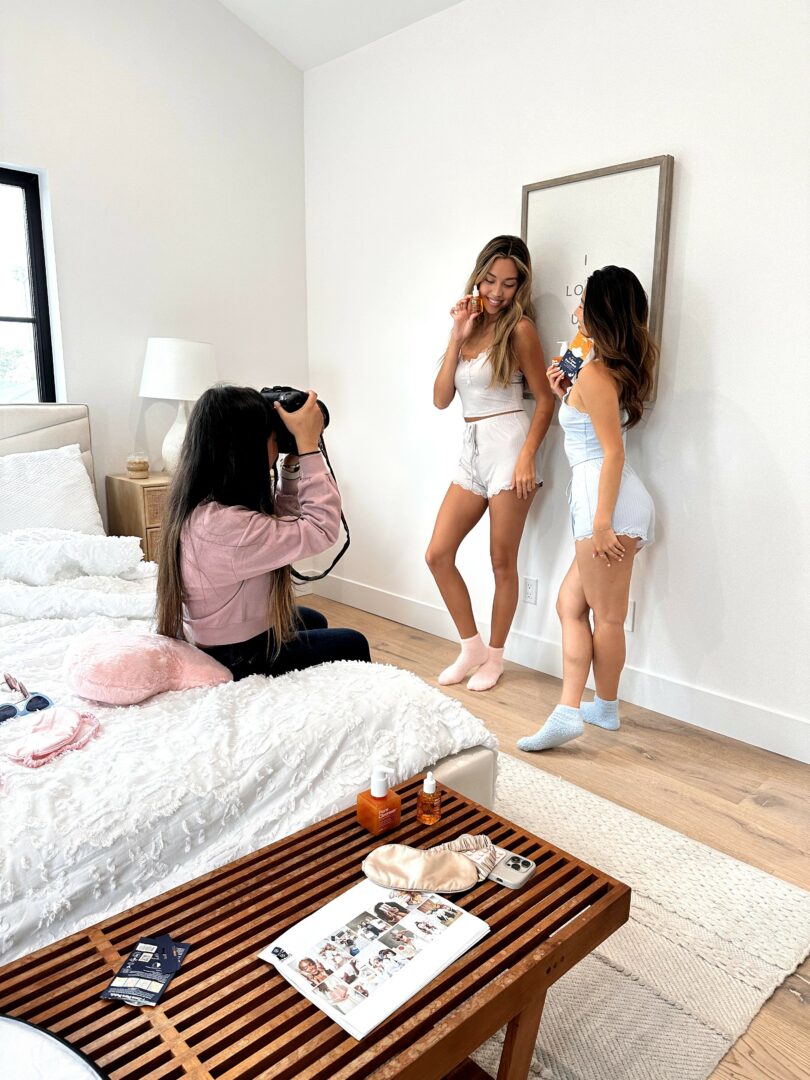
I’m Nilangana Banerjee, also known as Olive in the creative world — a commercial photographer, creative director, and conceptual artist based in Los Angeles. My work spans across fashion / advertising , beauty / skincare, product, and fine art photography, unified by a single vision: to create imagery that not only captivates the eye but also stirs emotion and sparks reflection.
What makes my work unique is its fusion of aesthetics and depth — I approach photography as both a visual and psychological exploration. I often delve into themes surrounding societal issues, human psychology, and the quiet intricacies of emotion. Every project, whether it’s a high-fashion editorial, a beauty campaign, or a conceptual fine art series, becomes a dialogue between my vision and the story I want to tell. I see my camera not just as a tool, but as a bridge between art and understanding — a way to translate human emotion into something tangible.
Over the years, I’ve had the privilege of collaborating with numerous editorial publications across the world and partnering with leading commercial clients such as Amazon, Walmart, and Target, among others. These experiences have allowed me to move fluidly between the worlds of commerce and art — maintaining a fine balance between creativity, storytelling, and strategy.
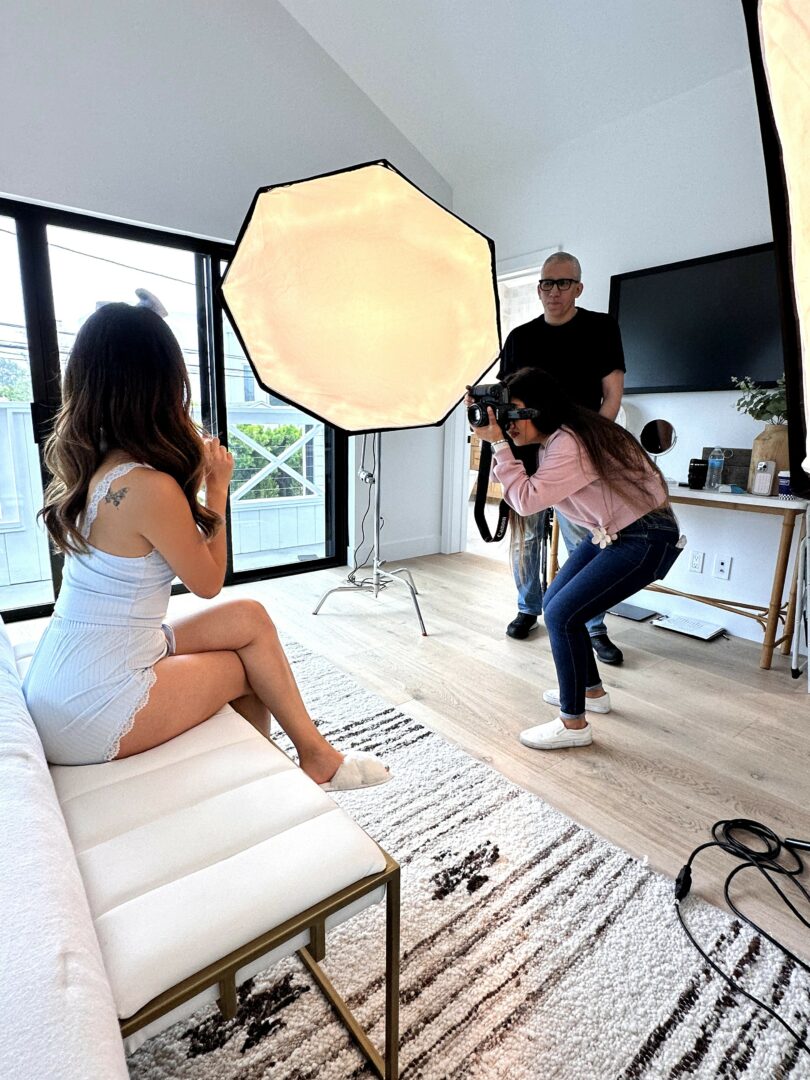
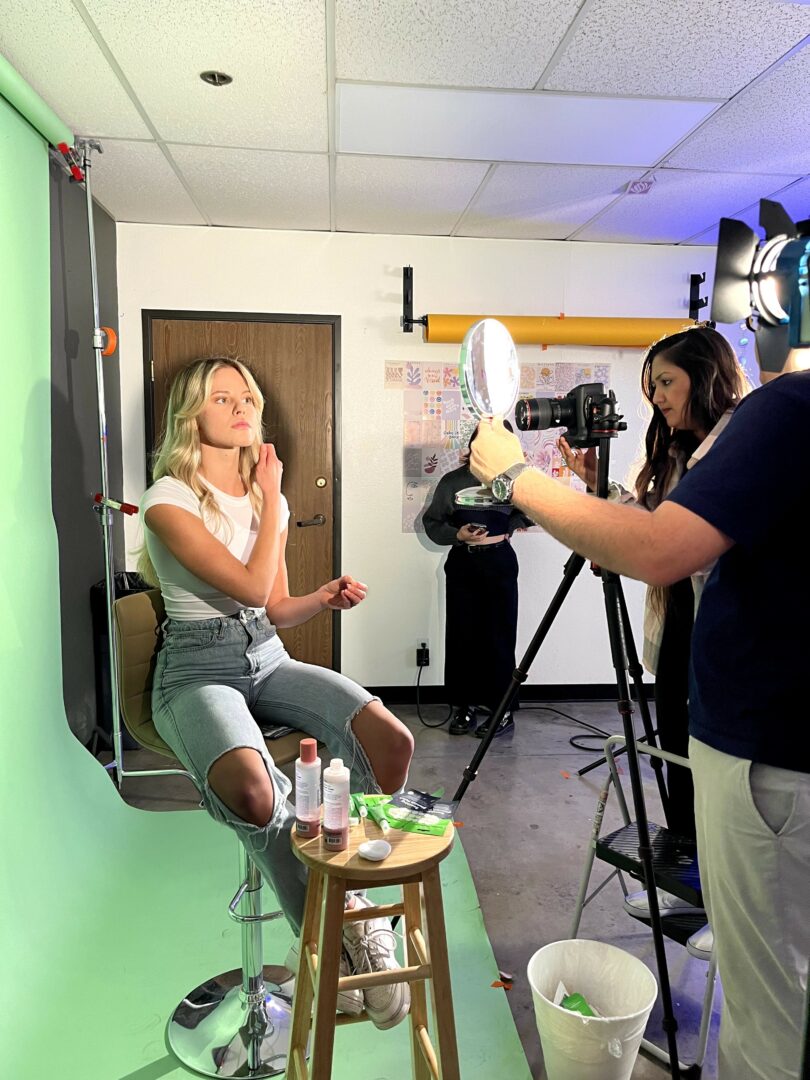
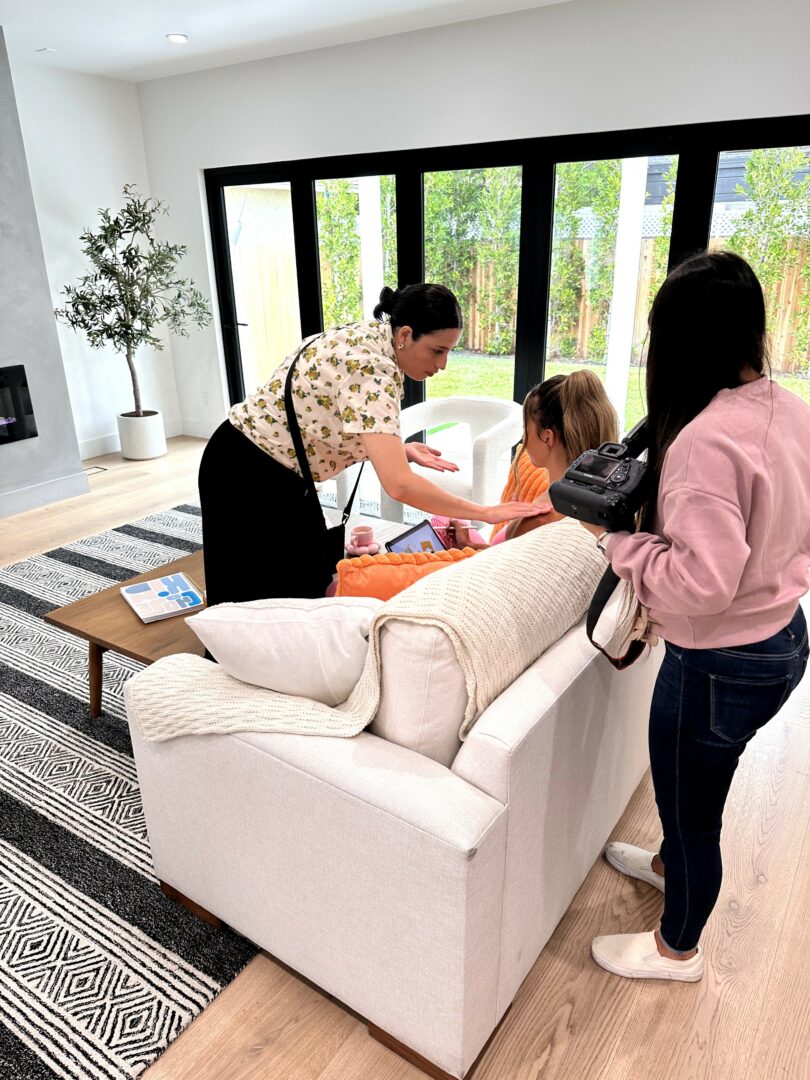
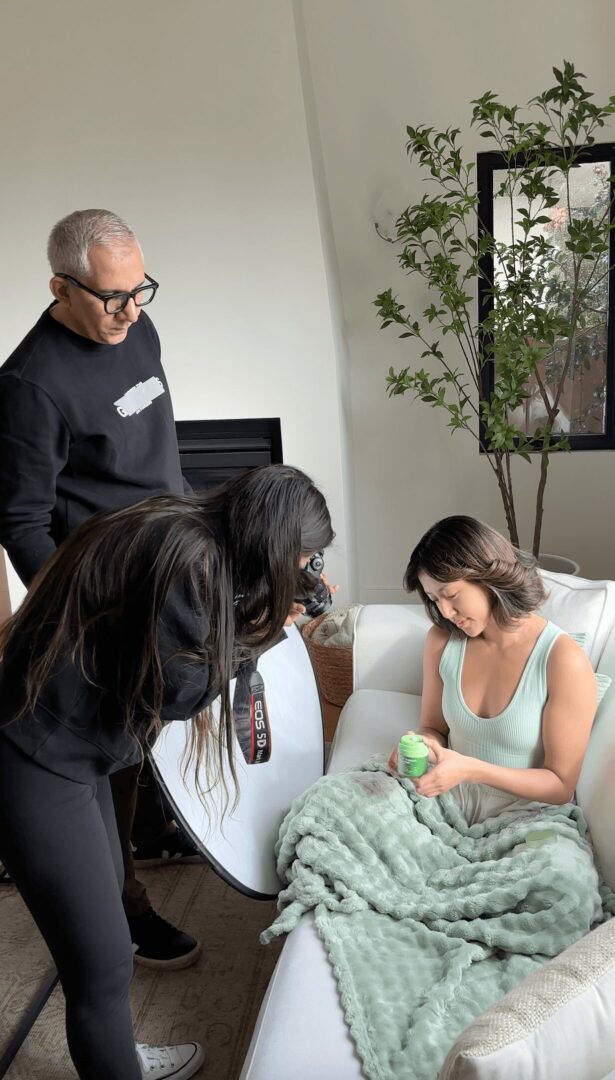
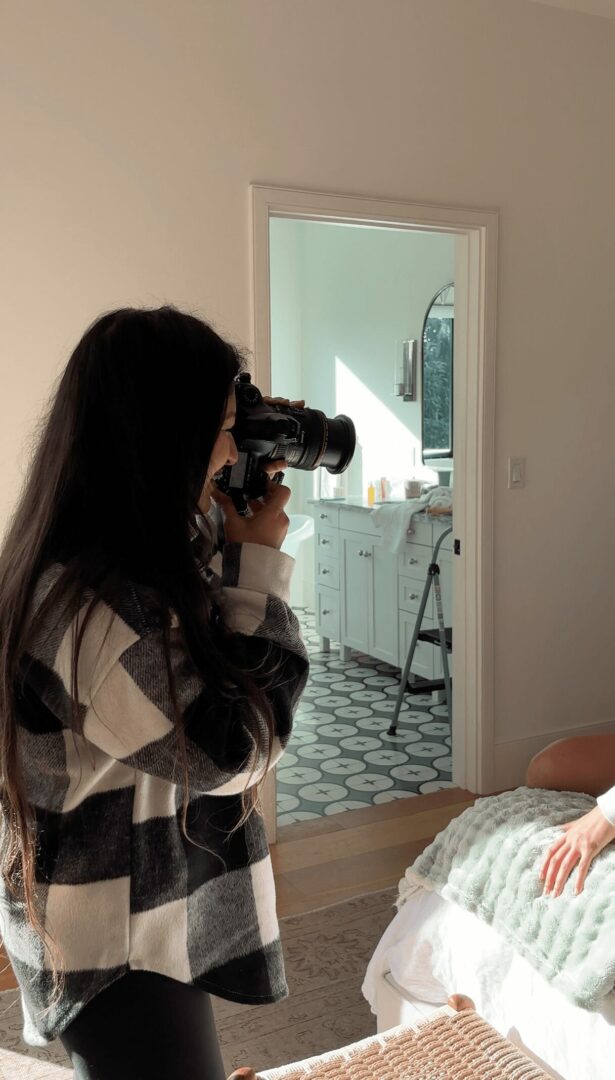
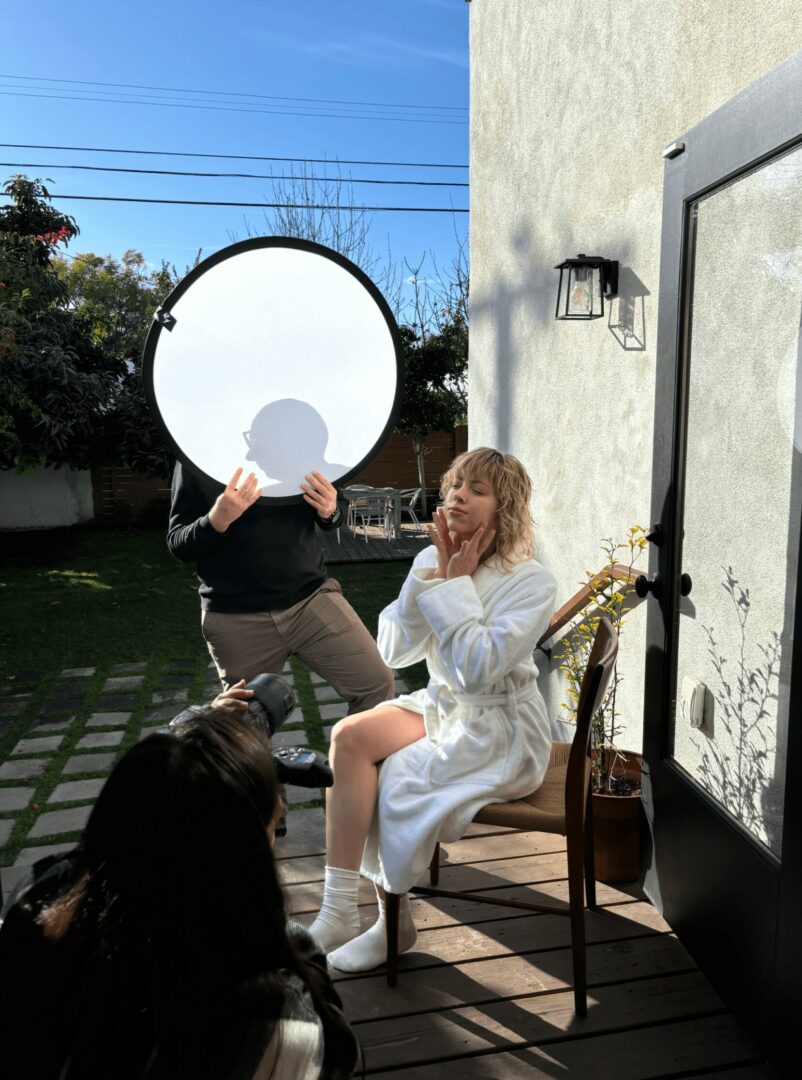
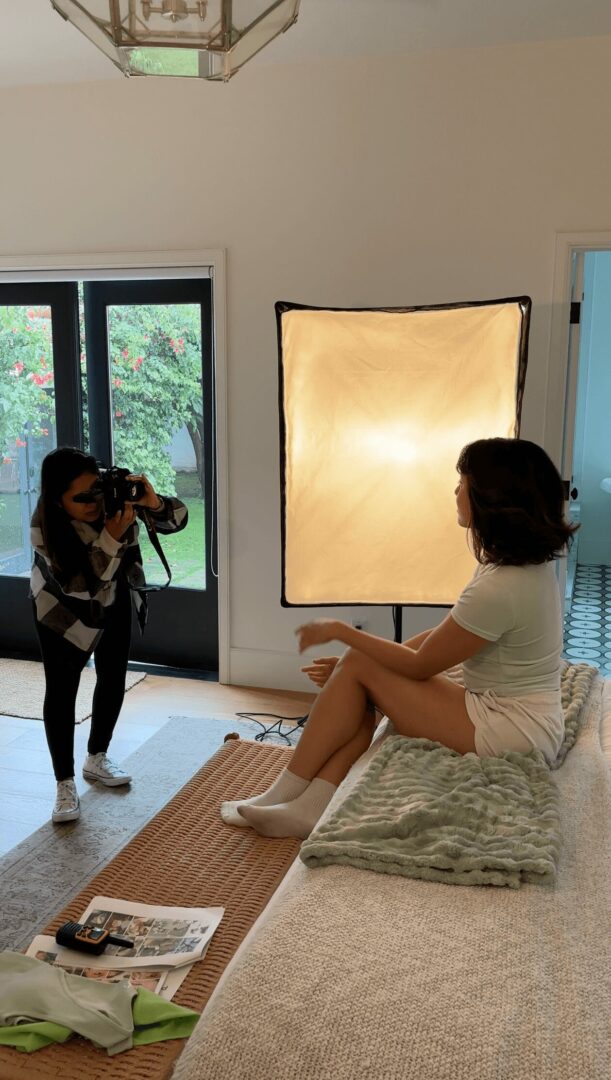
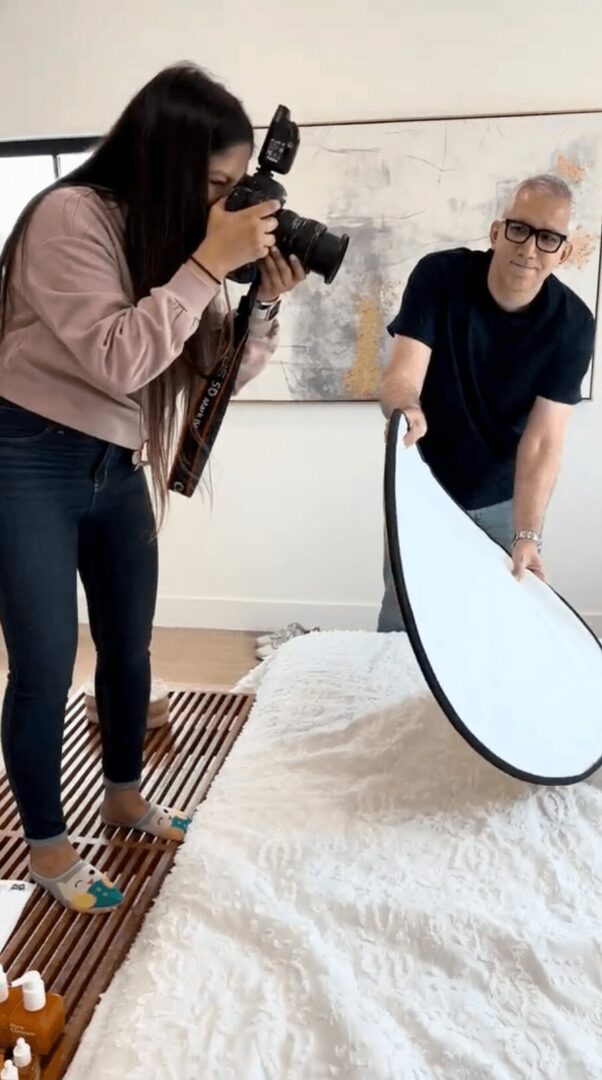
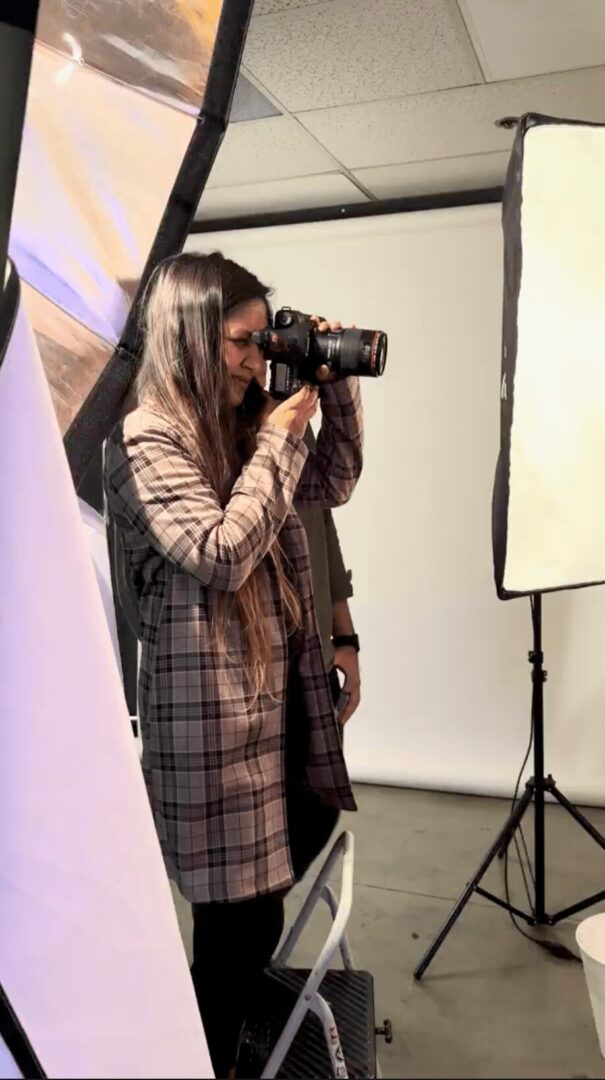
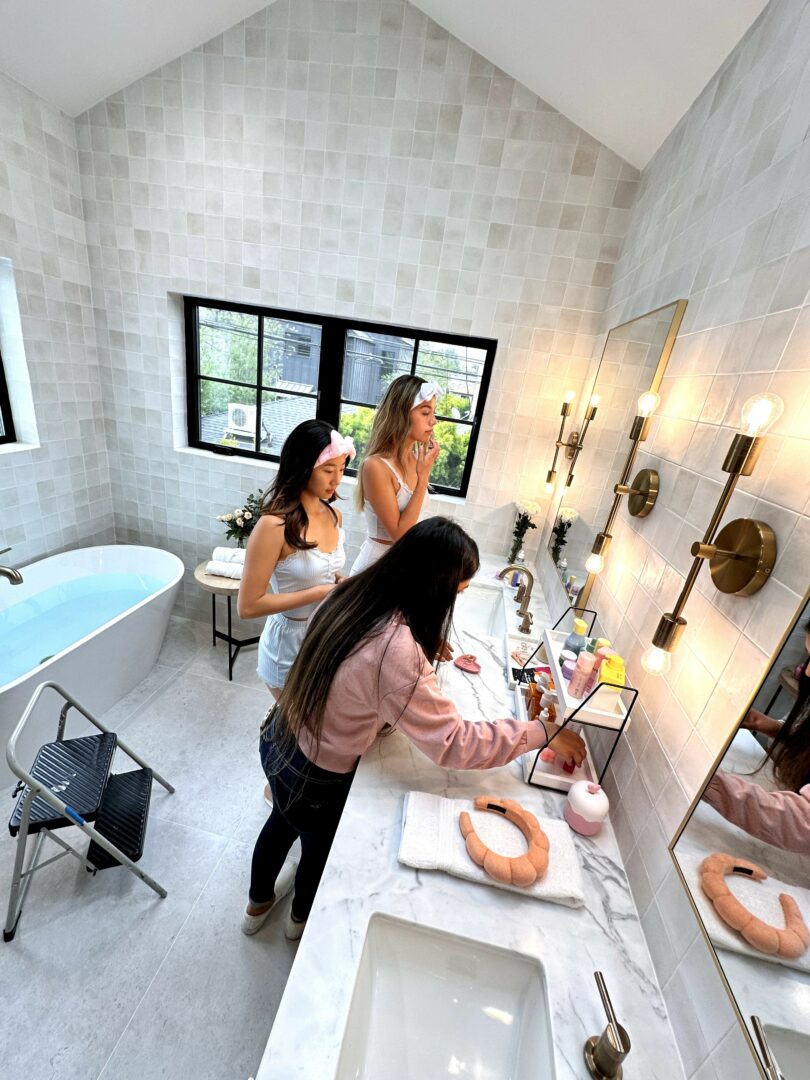
On a typical day, my work is a beautiful blend of creation and direction. I might begin the morning planning / brainstorming, mood boarding a vision or shooting fashion, beauty, or product campaigns, then transition into creative meetings, conceptual development, or post-production. I also spend time refining ongoing projects, planning new campaigns, and working closely with models, stylists, designers and creative teams, to ensure each concept unfolds with authenticity and impact. It’s a balance of artistry and leadership — and that rhythm keeps me inspired, grounded, and constantly evolving.
Currently, I’m in the process of evolving my personal brand, Nilangana Banerjee Photography, into a full-fledged production company — one that seamlessly merges commercial work with conceptual art. My long-term vision is to build a creative space where visual storytelling becomes a catalyst for awareness, dialogue, and transformation. Whether I’m exploring social issues, human vulnerability, or the intersection of beauty and emotion, my mission remains the same: to create art that moves people, challenges perspectives, and leaves a lasting imprint on the soul.
Thanks for sharing that. Would love to go back in time and hear about how your past might have impacted who you are today. What did you believe about yourself as a child that you no longer believe?
As a child, I used to believe that being sensitive made me weak. I felt everything intensely — joy, sadness, curiosity, even the subtle shifts in energy from the people around me. I often absorbed emotions like a sponge, and for a long time, I saw that sensitivity as something I needed to suppress in order to fit into the world. I thought that to succeed, I had to appear tougher, more detached — that showing too much emotion would somehow make me less capable.
Over the years, life and art have taught me the opposite. I’ve learned that sensitivity isn’t fragility — it’s intuition, empathy, and awareness. It’s the ability to perceive what others overlook, to connect with nuance, and to translate that into something meaningful. My sensitivity became the very foundation of my creative voice. It’s what allows me to observe the world deeply, feel its contradictions, and transform those sensations into visual language. Every photograph I take — whether it’s fashion, beauty, or conceptual fine art — carries a trace of that emotional depth. It’s the quiet force that makes my images feel human, alive, and unguarded.
My husband noticed this about me early on when we first started dating. He would often tell me that my sensitivity was my superpower — jokingly calling me “Batman” because, in his words, I could see what others couldn’t. That perspective completely shifted how I viewed myself. It reminded me that what I once perceived as a weakness was, in fact, a rare strength — one that fuels my creativity, my compassion, and my ability to connect with others on a profound level.
I no longer equate vulnerability with weakness. To me, it’s a quiet form of courage — the willingness to feel deeply and remain open, even when the world tells you to toughen up. That openness has taught me resilience, patience, and grace. It’s what allows me to tell stories that aren’t just visually captivating but emotionally resonant — art that doesn’t just look beautiful, but feels beautiful, truthful, and profoundly human.
When did you stop hiding your pain and start using it as power?
I think the real shift happened when I began to understand that pain and beauty are not opposites — they can coexist, and in many ways, one gives birth to the other. For a long time, I tried to hide my pain, to appear composed and in control, because that’s what the world seemed to demand. I believed that strength meant silence, that vulnerability was something to be tucked away. But over time, I realized that by suppressing my emotions, I was also suppressing my truth — the most essential part of who I am as both a person and an artist.
The transformation began when I started using my art as a form of reflection and healing. My conceptual series The Selves marked a turning point in how I processed emotion. Every feeling I once tried to silence — fear, heartbreak, confusion, doubt — became material for creation. My photography became a mirror, a voice, and a sanctuary where I could translate internal chaos into something meaningful. Through my lens, I began to see that pain, when embraced and understood, could transform into clarity, empathy, and strength.
The Selves explores identity, vulnerability, and the many layers of human emotion — the masks we wear and the truths that lie beneath them. Creating this body of work allowed me to confront my own pain head-on and transform it into something that speaks beyond me. Each image became a vessel — a way to turn what once felt heavy into something powerful, resonant, and alive. The more honest I became with myself, the more my work began to connect with others on a deeply human level.
That evolution didn’t happen overnight. It took time, reflection, and a willingness to be raw — to let go of perfection and embrace honesty instead. I had to unlearn the idea that pain should be hidden and relearn how to honor it as a source of creativity and wisdom. Today, I see strength not as the absence of pain, but as the ability to transform it — to turn experiences into purpose, emotion into art, and suffering into self-awareness.
Now, I no longer hide from pain. I let it speak, I let it move through me, and I let it become part of my creative language. Because in that dialogue between pain and beauty — that delicate intersection — is where the most authentic art, and perhaps the most authentic version of myself, truly exists.
So a lot of these questions go deep, but if you are open to it, we’ve got a few more questions that we’d love to get your take on. Where are smart people getting it totally wrong today?
I think many of the so-called “smart” people today are getting it wrong — not because data, logic, or intellect aren’t vital, but because they’ve become the entire definition of intelligence. Logic is essential, yes; it gives structure to thought, clarity to chaos, and precision to creativity. But true smartness extends beyond algorithms and analysis — it’s the harmony of intellect and empathy, reason and intuition, knowledge and curiosity.
We live in an age that glorifies optimization over observation, metrics over meaning, and control over wonder. In this pursuit of efficiency, we’ve sharpened our minds but dulled our sensitivity. The pulse of humanity — the tenderness, the awe, the empathy that once guided wisdom — now risks being overshadowed by our obsession with quantifiable success.
To me, intelligence is not merely about how much one knows or how effectively one calculates, but how deeply one perceives and feels. It’s about the capacity to sense the unseen, to listen between words, and to understand nuance — both emotional and intellectual. A truly intelligent mind is not one that dismisses emotion, but one that can integrate it with reason, using both to create insight, connection, and meaning.
In the creative world, I see this imbalance often — art reduced to a system of trends, metrics, and algorithms. It’s beautiful, perhaps, but increasingly hollow. When we prioritize perfection over purpose, and aesthetics over authenticity, we lose the heartbeat of creation. Art, like intelligence, is meant to challenge, provoke, and awaken — not just to please.
The future, I believe, will belong to those who can unite both sides of the spectrum: the thinkers who feel, the dreamers who analyze, the creators who question. True intelligence is not linear — it’s multidimensional. It thrives where curiosity meets compassion, where data meets imagination, where knowledge meets wisdom.
The smartest people in the room aren’t always the ones who have all the answers, but those who remain open — who question, who listen, who dwell in uncertainty long enough for something real, honest, and transformative to emerge.
Before we go, we’d love to hear your thoughts on some longer-run, legacy type questions. Are you doing what you were born to do—or what you were told to do?
I was told to do a great many things — some spoken aloud, others whispered through expectation, tradition, and silence. I come from a culture where women are often shaped by the voices of others before they ever find their own — where obedience is praised, and reflection, curiosity, questioning, or dreaming too freely can be seen as rebellion. I grew up absorbing these messages, both direct and subliminal, learning early how to fit into spaces that were never truly designed for self-expression.
For a long time, I followed the invisible script — doing what was expected, what was deemed respectable, what kept the peace. But somewhere along the way, a quiet insistence within me refused to stay silent. My art became that voice — the one I was never encouraged to use in words. Through my camera, I began reclaiming the narratives I had been taught to suppress. I discovered that creating was not an act of defiance, but of truth-telling — of becoming who I was always meant to be beneath the noise of expectation.
Today, I no longer do what I was told to do; I do what I was born to do — to question, to express, to feel deeply, and to create work that reflects the complexities of being a woman, an artist, and a human being striving for freedom through expression. My art is both my rebellion and my liberation — a way to give voice to every silenced version of myself and, I hope, to others who are still learning that they, too, are allowed to speak.
Contact Info:
- Website: https://www.nilanganabanerjee.com
- Instagram: https://www.instagram.com/nilangana.official
- Linkedin: https://www.linkedin.com/in/nilanganabanerjee/
- Other: https://www.brush.bio/olive
so if you or someone you know deserves recognition please let us know here.