
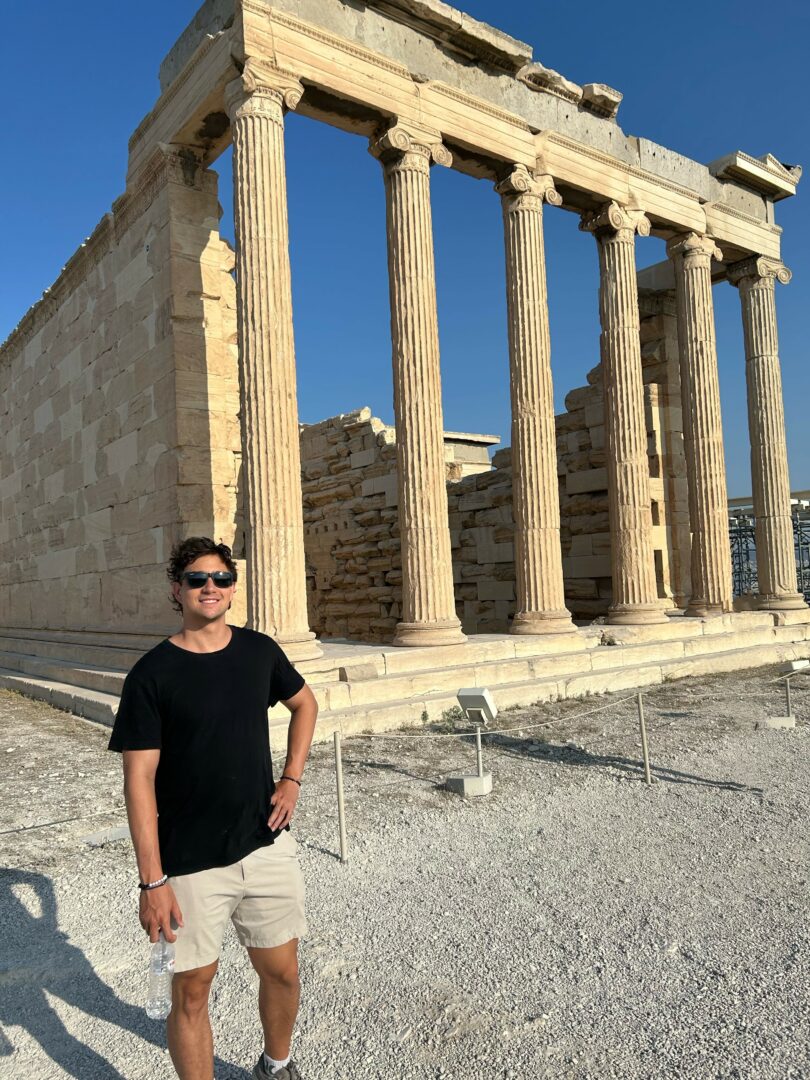
We recently had the chance to connect with Peter S. Baron and have shared our conversation below.
Peter S., it’s always a pleasure to learn from you and your journey. Let’s start with a bit of a warmup: What makes you lose track of time—and find yourself again?
Reading.
I love reading for precisely this reason. When I have time to myself, I will put on some music and open up a book, immersing myself in the activity. I read mostly non-fiction, and since I am a writer, I like to highlight and sometimes write notes in my books so that I can easily relocate the lines that stood out to me.
I recently have begun the practice of picking up old books on a whim, flipping to a random page, and reading for just a couple lines or paragraphs. It’s as if there are countless conversations I can enter into at my choosing. In this way, I rarely feel alone.
It’s in this revisiting of books that I have previously read that “I find myself again.” I find what stood out to a previous version of myself. As I re-familiarize myself with and relearn the content, I appreciate my past self for looking out for my present self. In returning to the conversations contained within the pages, I also witness how my thinking has evolved. I’m continually amazed by how my understanding deepens and transforms as I continue learning. These shifts reveal aspects of familiar topics that were always there but remained invisible to me because my previous framework lacked the tools to perceive them.
Can you briefly introduce yourself and share what makes you or your brand unique?
My name is Peter S. Baron. My friends call me Pete. I am currently a graduate student pursuing a law degree and a Masters in philosophy at Georgetown University.
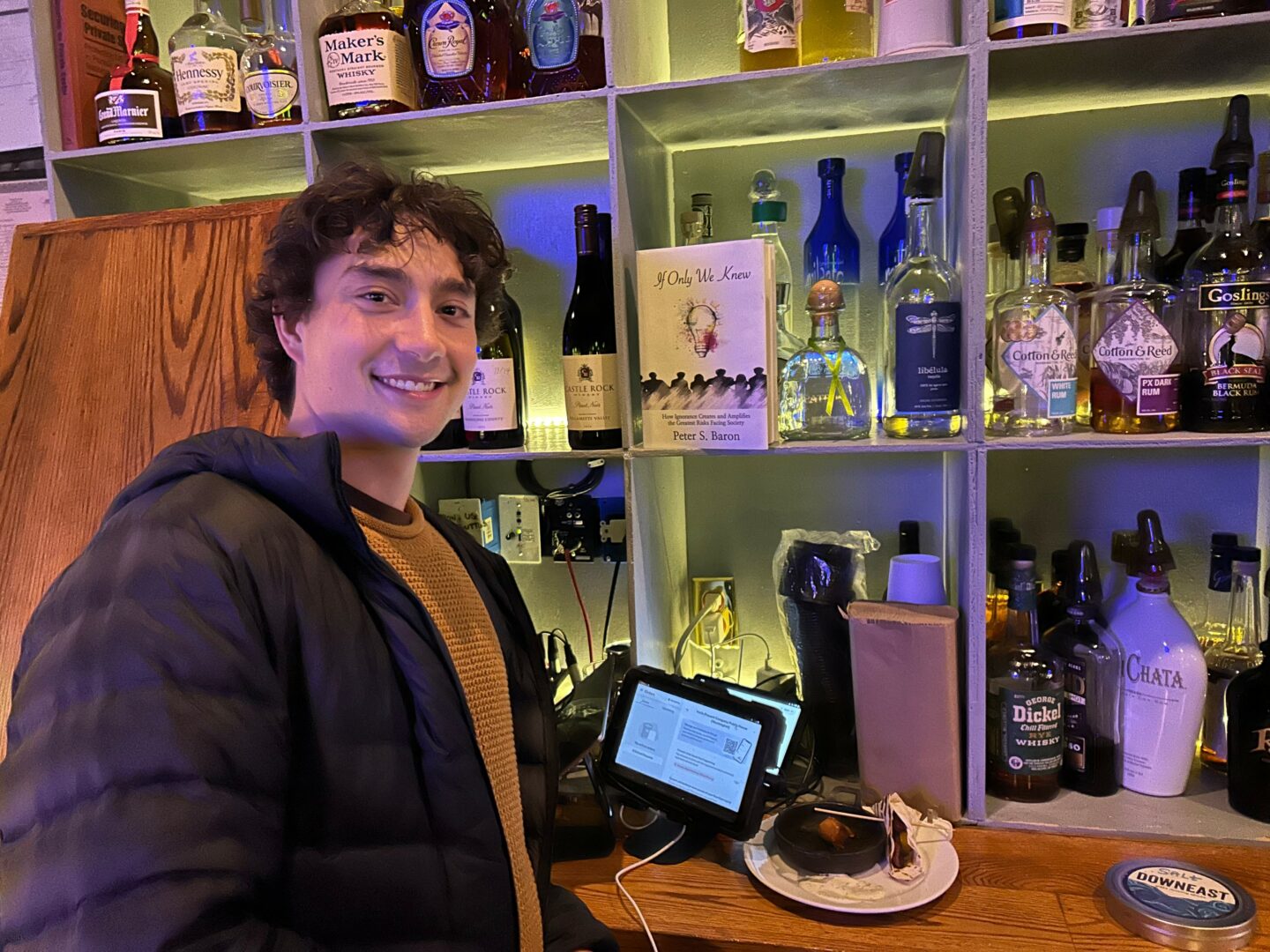
Outside my formal studies, I write books, articles, and poetry. My first book, “If Only We Knew: How Ignorance Creates and Amplifies the Greatest Risks Facing Society,” was published in 2021 by Ultimate World Publishing (https://ifonlyweknewbook.com/). In that work, I seek to uncover how and why the pursuit of power and profit compels the ultra wealthy corporate community to create widespread public ignorance and confusion about the most challenging social issues facing our society. I argue they do so by hiding evidenced based solutions, obscuring the root causes of social and psychic disharmony, and dividing the population by spreading inflammatory rhetoric, inculcating us in hierarchical values, and forcing us to compete for the currency necessary to buy the goods and services needed for survival.
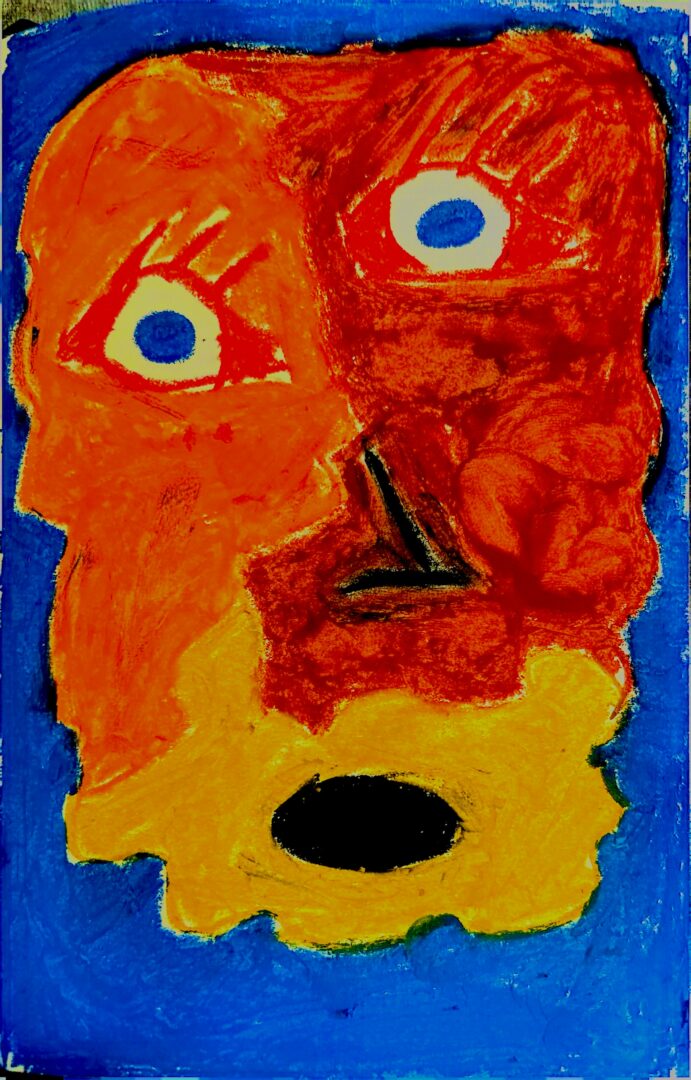
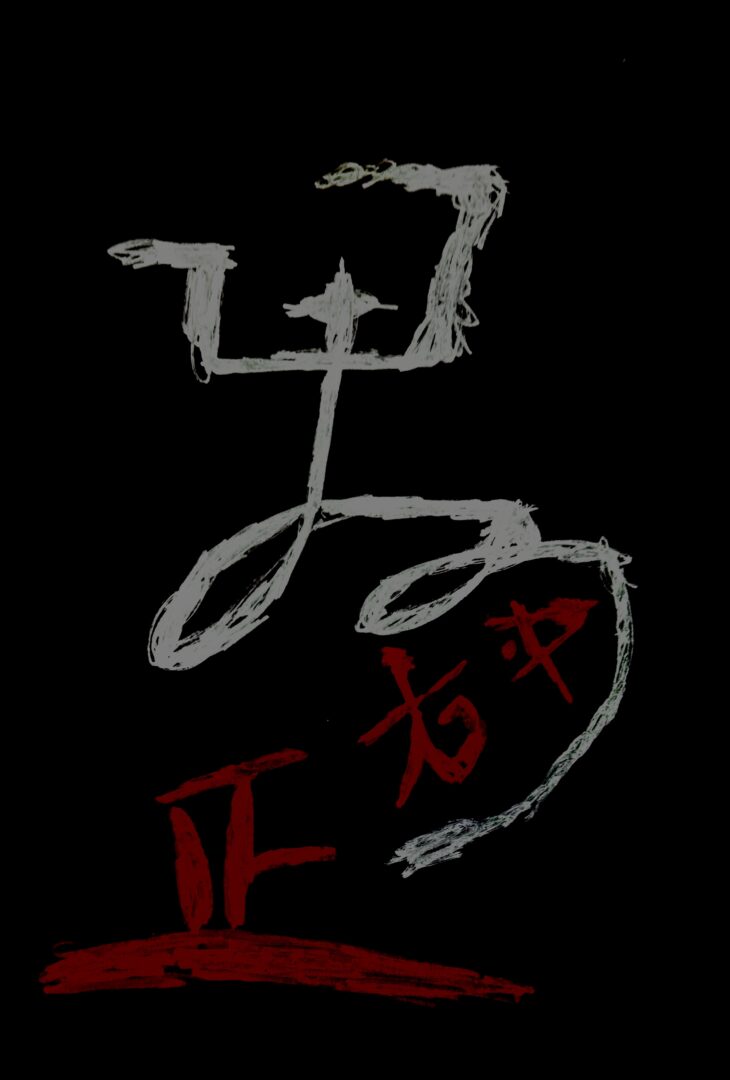
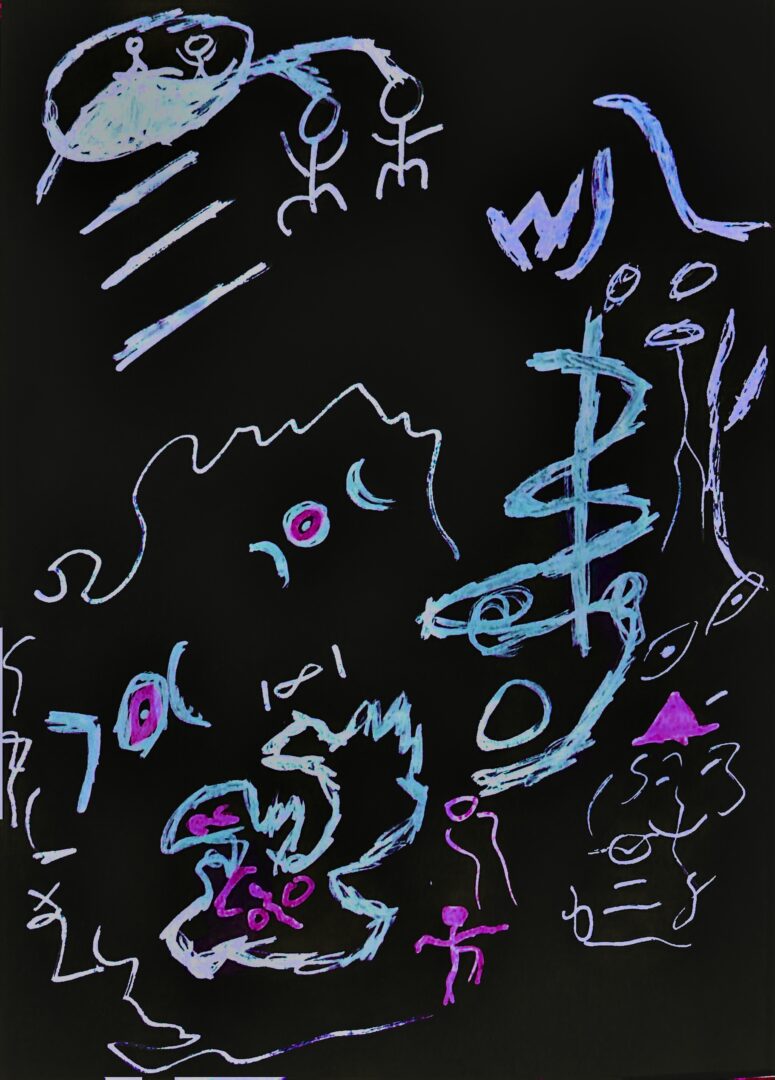
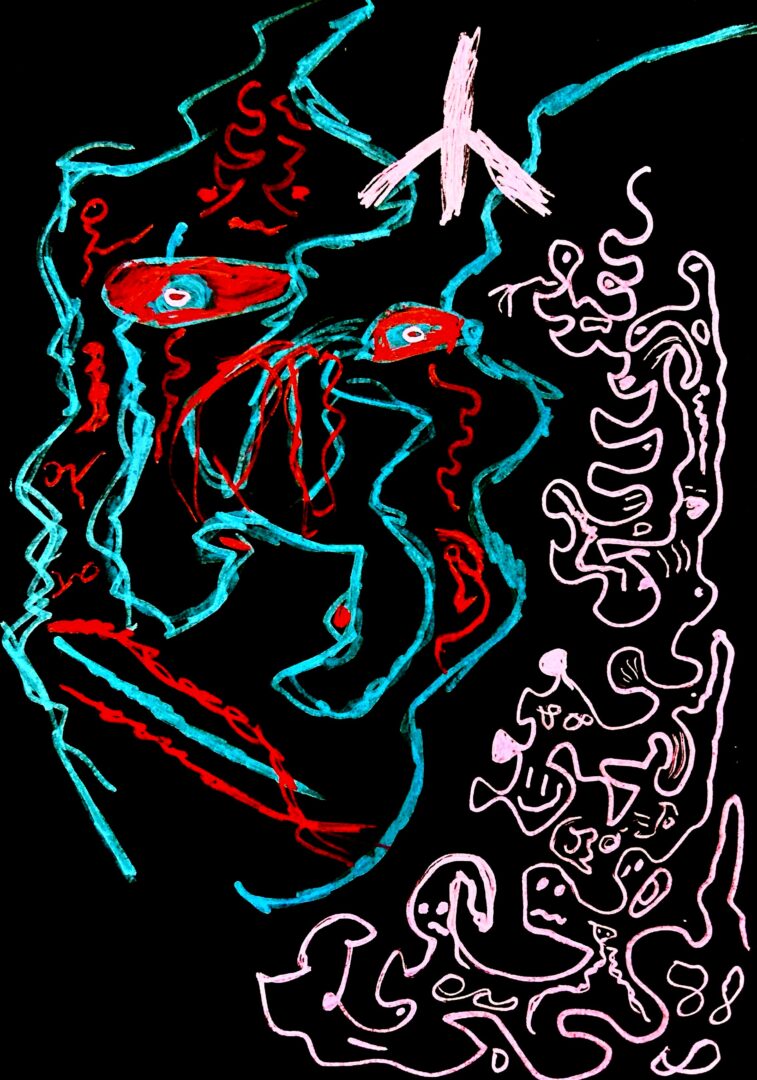
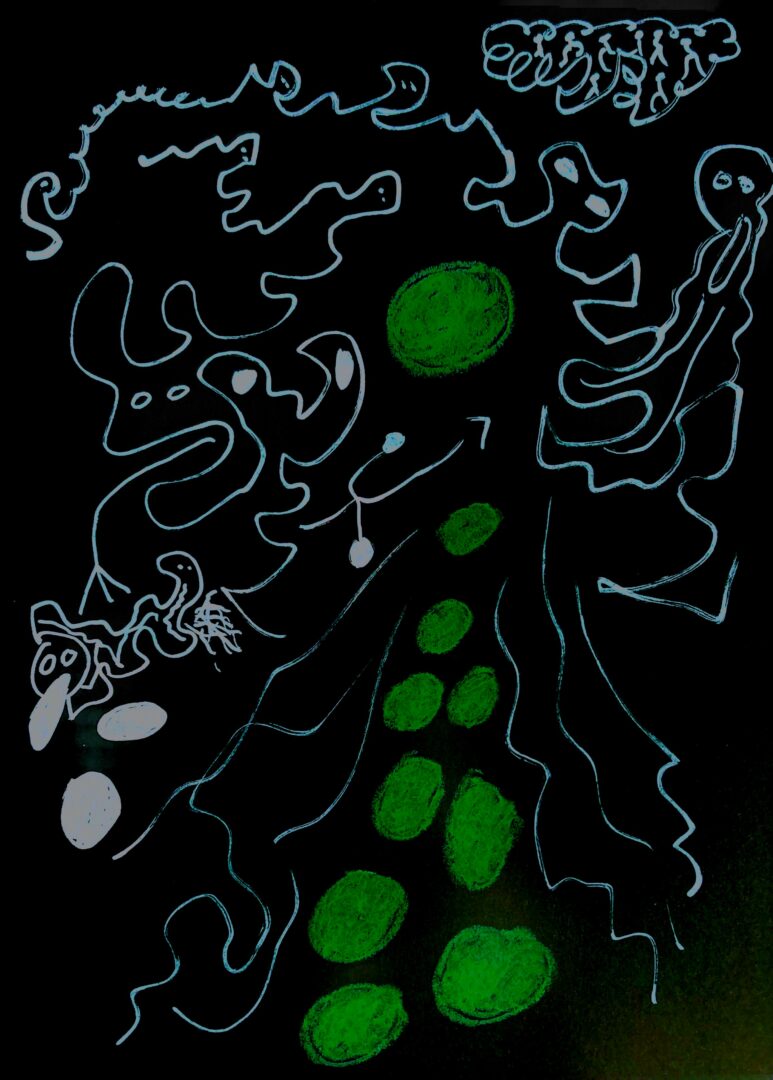
Currently, I write articles for “The Cooperative World,” which you can find at thecooperativeworld.com. I publish my poetry on my personal website, petersbaron.com. Additionally, I create art and have recently begun to dabble in photography. You can find the poetry, art, and photos all under the “vibes” tab on my website, petersbaron.com.
I have also written three theses, which are posted on petersbaron.com. The first is titled. “The Possibility of Pala: A Query into the Inevitability of Inequities and Human Suffering.” The second is titled, “When Fighting With Monsters: Reimagining American Society’s Response to “‘Crime.'” The third is titled, “Unitive Existence: Embracing Life’s Inherent Desirability.”
I recently finished writing the manuscript for my second book, “From Competition to Cooperation”, and I am seeking a literary agent to represent it and aid me in finding a publishing home for the book. I am also seeking a publisher for a poetry Chapbook titled, “Time to Care,” as well as a larger prose and poetry collection, titled “Who Will Carry The Message?”
Appreciate your sharing that. Let’s talk about your life, growing up and some of topics and learnings around that. Who taught you the most about work?
My mother has taught me the most about work. She is a lawyer who specializes in highly contested divorce as well as plaintiff-side personal injury and medical malpractice. When I was in college, I worked as an intern in her office for a couple summers. Working with her taught me that meaningful work is that which develops your distinctive capacities through creating conditions for flourishing in others’ lives, whether directly or through chains of influence impossible to fully trace. To be simpler, work is meaningful when you are using and growing your skills and applying them to help others. Though my mom works long hours, she derives immense satisfaction from her work because she excels in making life easier and in inspiring hope for those who really need it.
My mom taught me that listening is a superpower. When seeking to improve lives, the most important thing you can do is pay attention. I have come to believe that genuine attention is the purest form of love.
I have been lucky to witness my mom in action. Through listening and being present for her clients, she communicates that she cares about them as a human seeking happiness. She is able to earn their trust immediately, and this enables her to use her skills and pursue ideas with freedom, confidence, joy, and gratitude.
Following my mom’s example, I try to practice the skills of listening to others with interest, asking good questions, and prioritizing the relationship over the work. Though seemingly paradoxical, she has taught me that putting these “human interests” first leads to a more effective and enjoyable work experience.
When did you stop hiding your pain and start using it as power?
For a long time, I was hiding my pain from myself, without being conscious of the extent to which I was doing so. Since I start writing poetry a little over a year ago, I have realized how freeing it is to express both the beauty and the pain I find in my engagement with life’s challenges. The medium of poetry prompts me to reflect on my desires and how they conflict with my beliefs and the disposition I seek to hold in my best moments. It also asks me to think deeply about how my ideas connect to each other and how they can be employed in the catalyzing of movements toward a cooperative world.
Poetry has helped me connect with my pain, my longings for a more supportive world, and the overwhelming heaviness of existential responsibility. In articulating these feelings poetically, I’ve become attuned to how life can often feel like walking a tightrope between tragedy and comedy. Most importantly, I’ve grown in my ability to feel lightly even when I’m feeling deeply.
I’d like to share a few of my reflections on the human condition.
Self-consciousness creates a peculiar condition for us. It seems that at any given time, moments and ideas can suddenly feel both earth-shatteringly important and cosmically pointless. With my poetry, I am hoping I can become increasingly aware how our choices shape our lives by sculpting the sensitivities and patterns of interpretation that determine how we experience what comes next. Given the impact of each choice we make, I have come to feel that we have a responsibility to “take control” of our situation and move through life “virtuously.” Yet, when I consider what it means to “be in control” and when I question what exactly virtue is, I feel a paradox. It is this paradox that my poetry plays with.
Although my impulse is to take conscious control of my fate, I realize that most of our experience emerges from processes operating beyond our awareness, let alone control. For example, we may consider how our sleep patterns are dictated by planetary rhythms of light and darkness, how our moods shift with gut bacteria producing chemicals that cross into our brains, how our organs regulate hormones that determine whether we feel energized or depleted, patient or irritable, and how the unconscious defensive mechanisms we developed before we could even speak steer us toward or away from situations before conscious thought weighs in. In this light, we see that the parts of our life that we can consciously control occupy only a fraction of what actually guides our moment-to-moment experience.
As I see it then, life’s challenge is learning to navigate within these conditions, which are mostly out of our control and which limit the scope of what is in our control, in ways that bring us closer to harmony with the flow of the broader unfolding. We are challenged to do this both as individuals trying to flourish and as participants in a collective whose every action ripples outward in ways we cannot fully trace or control.
I find all this astonishing. Far from being totally in our control, our choices seem to emerge from the complex causal webs we are embedded within, and yet as we choose and act, we have impacts on those causal webs, which will present new challenges and opportunities for our future selves as well as for others. We shape the webs of life even as the webs shape us. So I return to where I started; as self-conscious beings, we find ourselves aware of our responsibility in moving through this existence. I feel this teeters between the profound and the preposterous.
In my poetry, I grapple with these tensions by expressing myself. In aiming to feel the weight of awareness I often discover lightness in that very heaviness; what initially appears as existential burden often seems to reveal itself as existential possibility. Thus, the pain this awareness brings is also my power, showing me the awesome complexity and beauty of being alive at all.
Next, maybe we can discuss some of your foundational philosophies and views? Whom do you admire for their character, not their power?
I admire John Lennon for his character.
Lennon lived in the space between certainty and doubt, willing to carry contradictions without forcing them into resolution. His music and life showed a readiness to let go of a rigid conception of self, moving beyond egotistical motivations for action to embrace the broader purpose of spreading love. Lennon recognized that peace in the world begins with peace within, and that the path inward was guided by love and acceptance.
Love for Lennon was a practice that opened the door to harmony between people and nations. In choosing love as his compass, he made inner transformation inseparable from social change, realizing the two were mutual constitutive. His dream was a call to inhabit reality differently, creating world peace by living it in the heart.
Before we go, we’d love to hear your thoughts on some longer-run, legacy type questions. What will you regret not doing?
Finding time to read. There’s so much wisdom that has been written down, so many books worthy of being read. Through reading we learn about the world and about ourselves.
Today, I read a lot. However, this was not always the case. I used to hate reading. I was one of those kids who read the spark notes of books the day before a test instead of taking the time to read the book. I never read books I didn’t “have to.”
My excuse was that I didn’t have time to read. I was busy! In high school, I had basketball practice six days a week and often did not get home to start my homework until 8:30 P.M. In the little free time I had, I wanted to relax. I didn’t want to read. I would say that reading was just doing work for fun. Who wants to do that!
My attitude toward reading changed during the second half of my senior year of high school. As my workload started to lighten up and my basketball season ended, I found myself with a lot more free time. My dad encouraged me to turn to reading to fill that free time and recommended amazing books for me to start with. To my surprise, I found myself enjoying reading. I have been an avid reader ever since. Now, even without tons of free time, I realize that fitting reading into my daily schedule is about prioritizing what I do with my time, not about how much “free time” I have.
Many times, I have felt disconnected from the world or felt that my problems were unique, but I have always found solace in reading. Often, reading books helped me see how similar my problems are to other people’s problems. Perhaps more importantly, I have recognized how small my problems are compared to the “big picture.” Through reading, I have come to appreciate the fact that life is complicated and that my problems are never insurmountable or mine to bear alone.
Contact Info:
- Website: https://petersbaron.com
- Other: https://thecooperativeworld.com


so if you or someone you know deserves recognition please let us know here.


