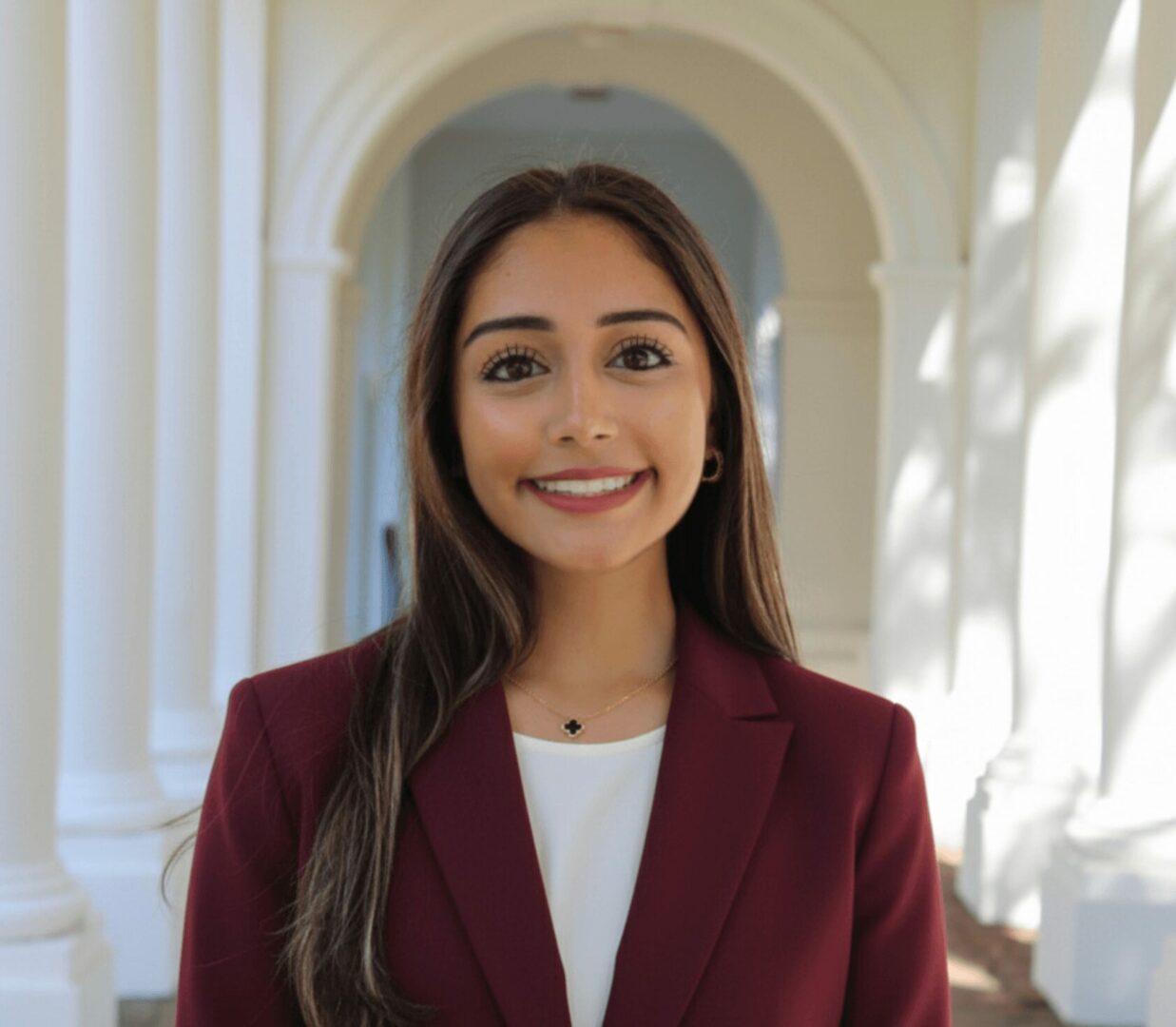
We’re looking forward to introducing you to Rida Karim. Check out our conversation below.
Good morning Rida, it’s such a great way to kick off the day – I think our readers will love hearing your stories, experiences and about how you think about life and work. Let’s jump right in? Have you ever been glad you didn’t act fast?
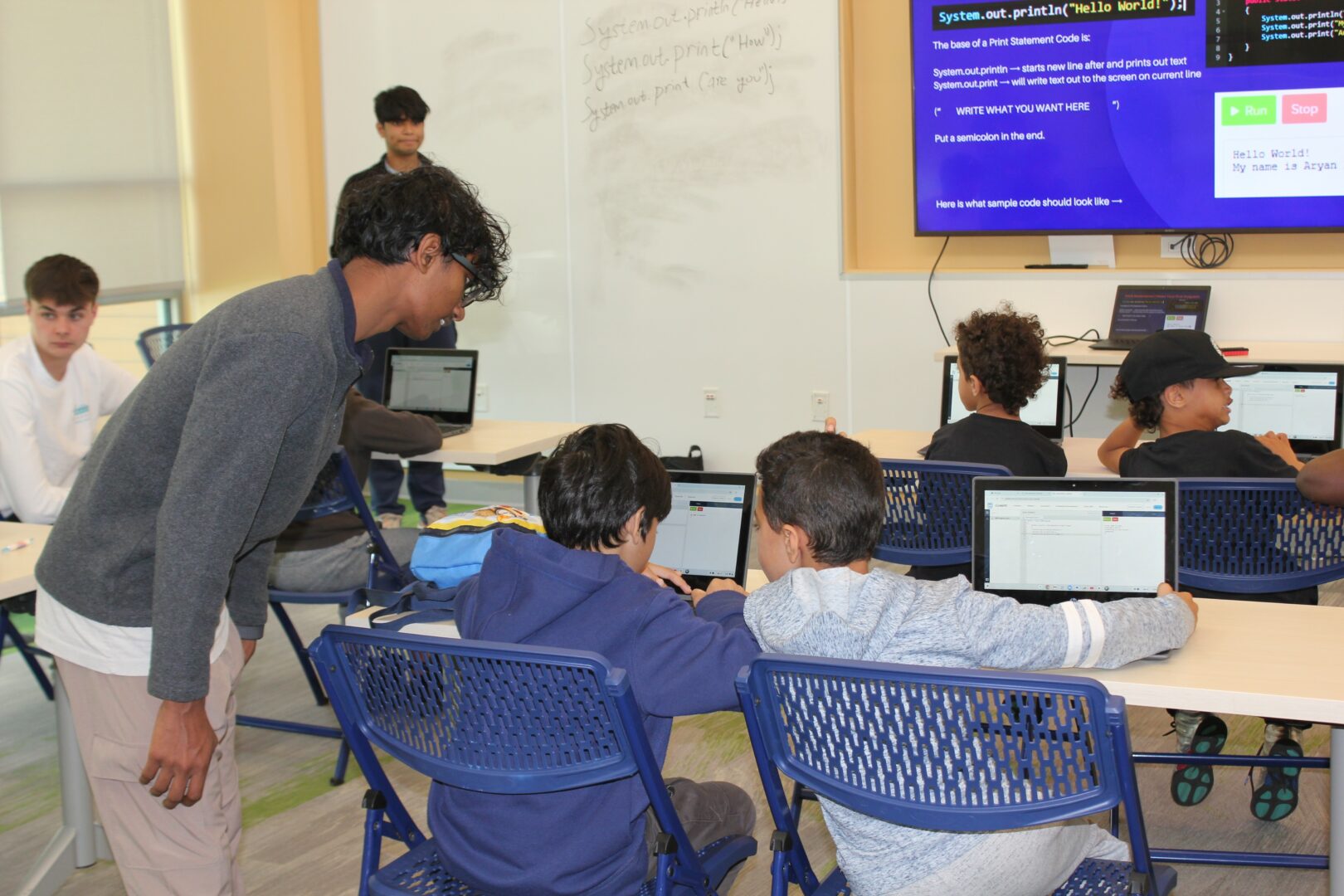
Early in my work with youth technology programs, I was ready to immediately overhaul our entire curriculum when I saw students struggling with certain coding concepts. My instinct was to simplify everything and slow down the pace dramatically.
But I held back and instead spent time just observing and talking with the students. What I discovered surprised me: they weren’t struggling because the material was too hard, they were struggling because they were genuinely wrestling with complex ideas, and that struggle was actually part of their learning process. They were building problem-solving resilience.
If I’d acted on my first impulse, I would have robbed them of that productive struggle and inadvertently sent the message that I didn’t think they could handle challenging material. Instead, by pausing and listening, I learned to distinguish between the kind of struggle that means “this needs adjustment” versus the kind that means “growth is happening here.”
This taught me something crucial about youth empowerment in technology: sometimes our role isn’t to make things easier, but to create the conditions where young people can tackle hard things and discover their own capability. Acting fast would have been about soothing my own discomfort watching them struggle, not about what they actually needed.
That patience, that willingness to observe before intervening, has shaped how I approach technology education and youth empowerment ever since.
Can you briefly introduce yourself and share what makes you or your brand unique?
I’m Rida Karim, the founder of Technology Youth Empowerment, a student-led nonprofit built on curiosity as the starting point for learning. I began this work after noticing how often education, especially in STEM spaces, prioritizes performance and test scores over real understanding. Students were being trained to get the right answer rather than becoming interested in how things work or why they matter. TYE grew from a desire to bring learning back to exploration, creativity, and confidence.
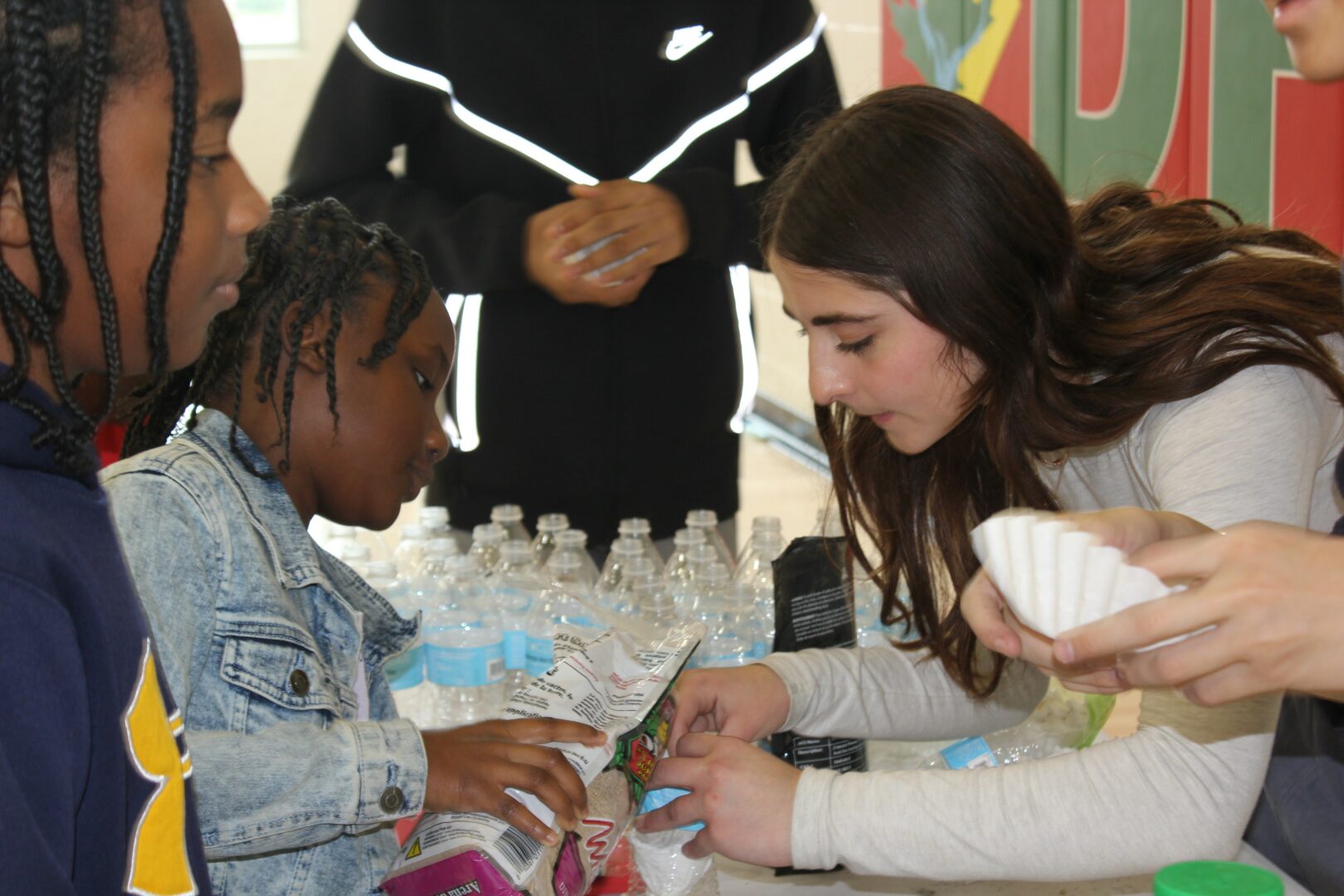
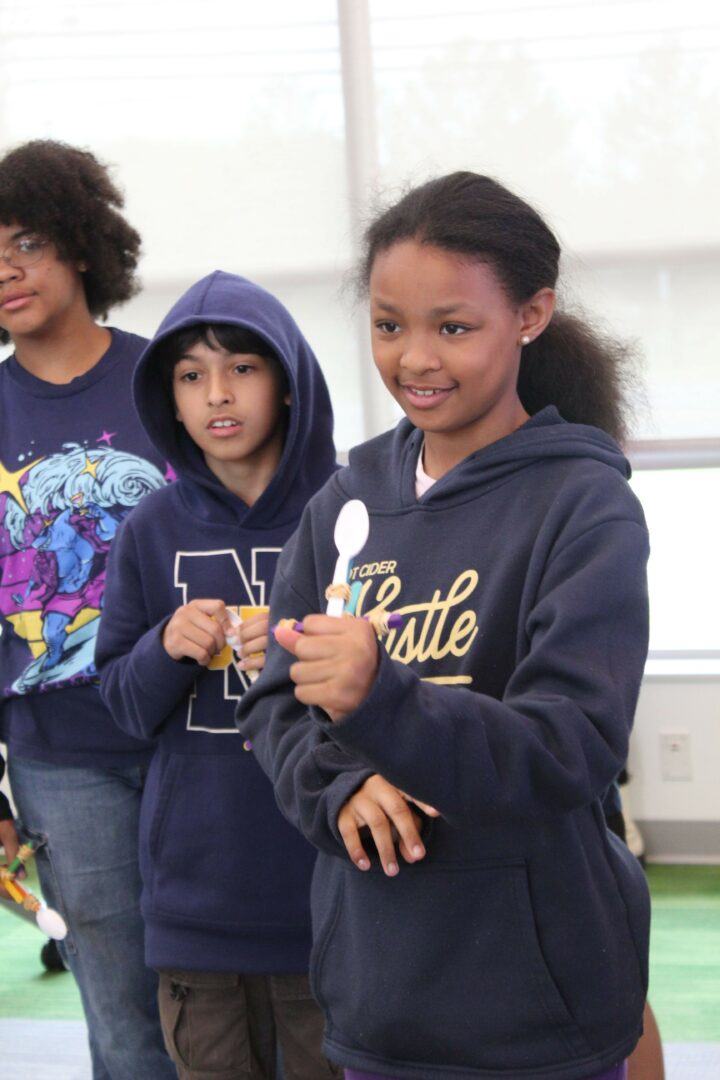
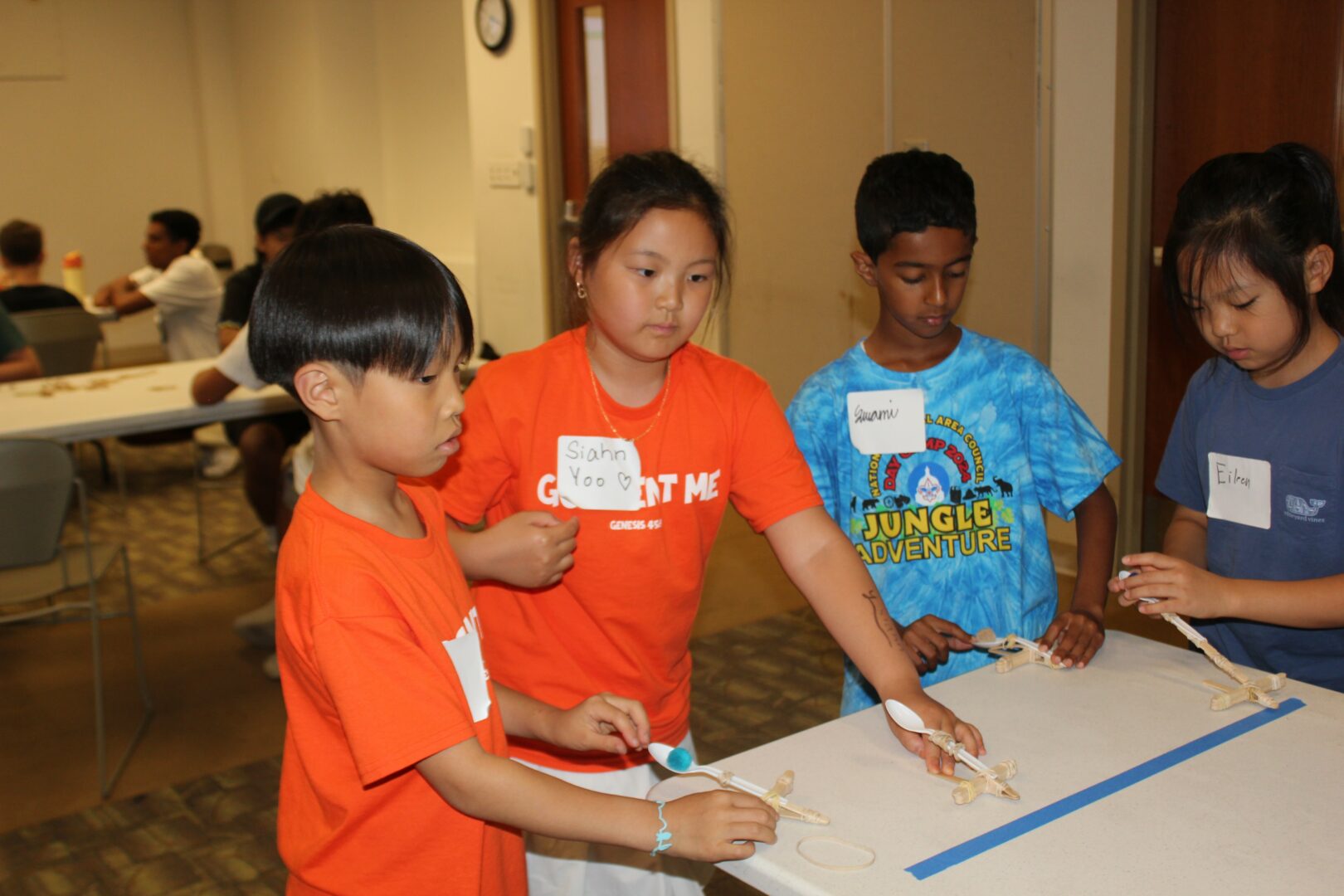
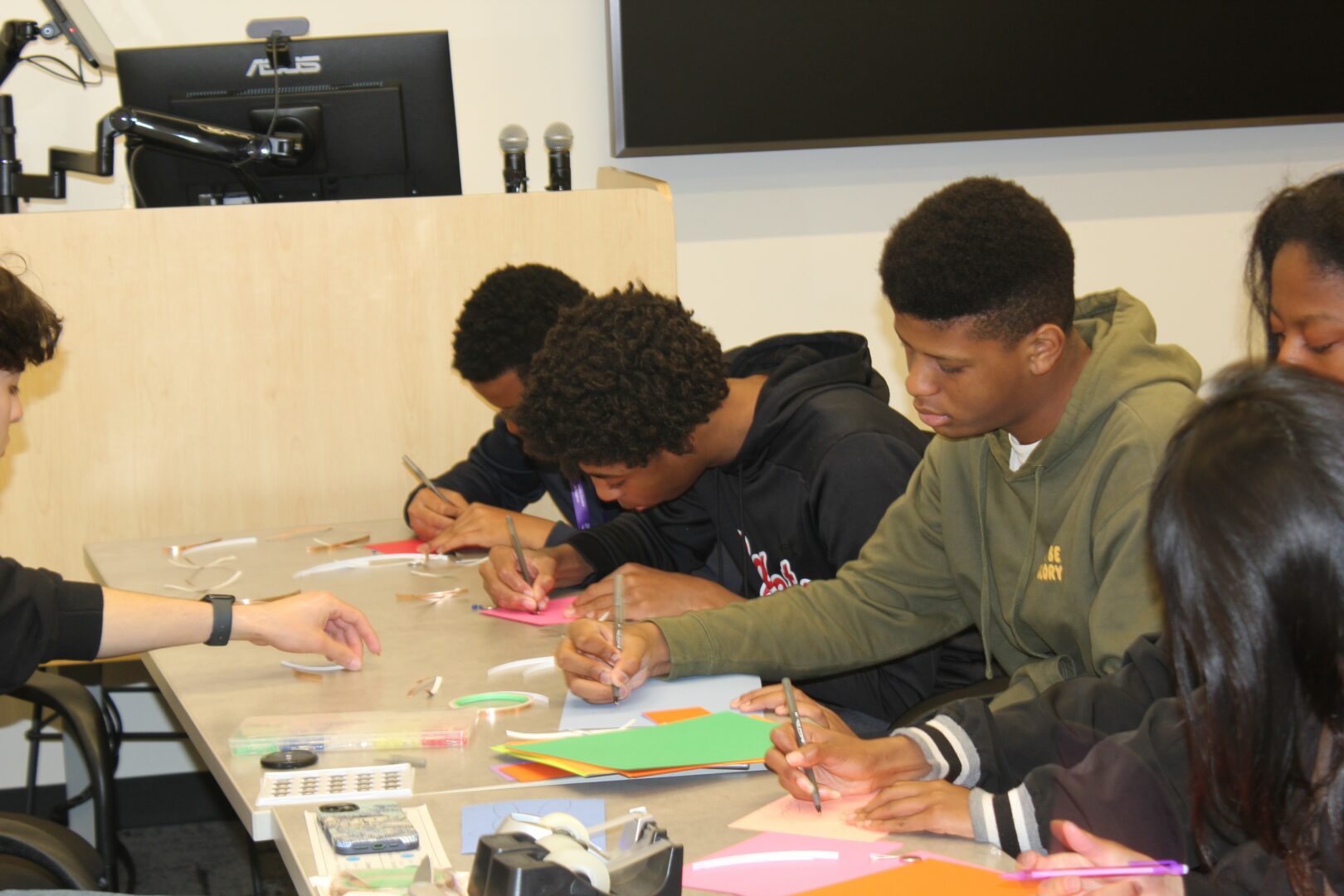
What started as small, hands-on workshops has expanded into programs embedded in schools, libraries, and community spaces, where students learn by experimenting, asking questions, and building ideas from scratch. Alongside this work, I’m working toward a degree in data science and focus on translating complex systems into tools people can actually use. Right now, I’m focused on designing education models that nurture lifelong learners, grounded in curiosity and built for students who are often left out of traditional STEM pathways.
Thanks for sharing that. Would love to go back in time and hear about how your past might have impacted who you are today. What’s a moment that really shaped how you see the world?
A moment that shaped how I see the world happened during one of the first workshops I ever ran.
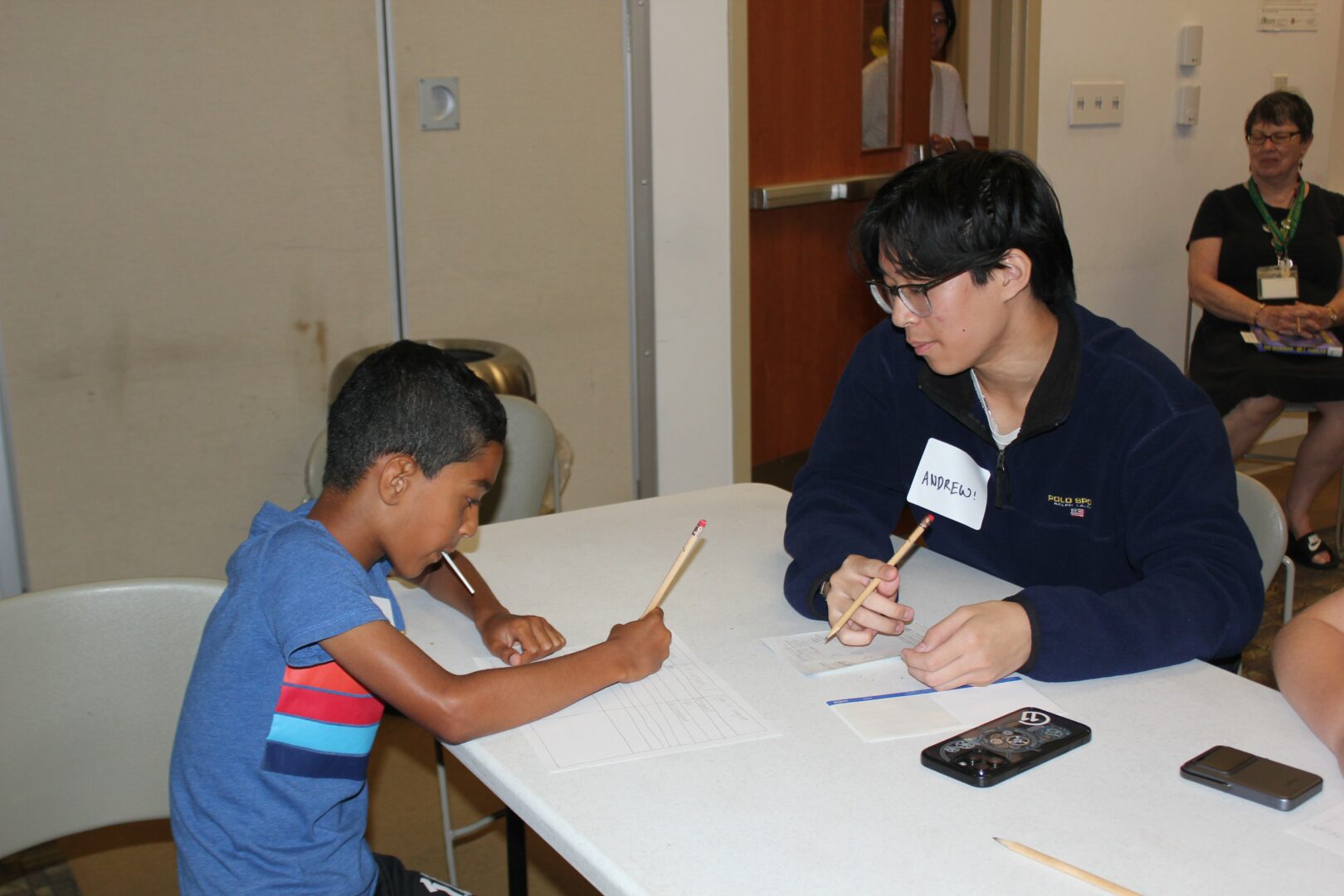
I was helping a middle school student with a simple coding activity. He finished faster than everyone else, got every step right, and immediately asked, “Is this going to be graded?” When I told him no, he stopped typing. He leaned back and said, almost confused, “Then what’s the point?”
That question caught me off guard. Here was a student who clearly understood the material, yet had been trained to measure learning only through evaluation. I asked him what he wanted to change or experiment with in the code. He shrugged. No one had ever asked him that before.
So we sat there and started tweaking things together. Changing colors, breaking parts of the program, fixing them again. Twenty minutes later, he was explaining his own version to another student, animated and confident in a way he hadn’t been at the start.
That moment rewired how I see education. I realized how many students learn to perform without ever being invited to explore. Since then, I’ve paid close attention to the systems that shape how people learn, question, and grow. It’s why I focus on curiosity, access, and designing spaces where learning feels alive long after the assignment ends.
When did you last change your mind about something important?
I last changed my mind during a school board discussion about standardizing grading deadlines.
I supported the policy. The goal was consistency. Same rules, same timelines, fewer exceptions. I argued that it would reduce confusion and feel fair. Halfway through public comment, a student spoke. She explained that she worked evenings to help support her family and relied on flexible deadlines to keep up. The new policy wouldn’t change her effort or ability, but it would quietly push her out of classes she was otherwise succeeding in.
What stuck with me was how specific it was. She named the class. The shift she worked. The assignment she would have failed under the new rule.
I realized I had equated fairness with sameness. I changed my mind in that moment. Equity sometimes requires uneven design. Since then, I no longer ask whether a policy is clean or consistent first. I ask who it breaks for, and whether the system leaves room for real lives.
Alright, so if you are open to it, let’s explore some philosophical questions that touch on your values and worldview. What important truth do very few people agree with you on?
An important truth very few people agree with me on is that being included in a system can sometimes make you less powerful than being excluded from it.
Most people assume inclusion is always a win. A seat at the table. An invitation to speak. A survey asking for input. I didn’t always question that either. But I’ve learned that when systems invite voices without any intention to change, inclusion can quietly neutralize dissent. Once you are “included,” the system can point to you as proof of progress, even if nothing actually shifts.
I’ve seen this happen in spaces where student voices were highlighted publicly but sidelined privately. Feedback was collected, praised, and then absorbed without consequence. The presence of youth made the process look responsive, while decisions stayed exactly the same.
Very few people agree with this because exclusion feels obviously wrong and inclusion feels obviously right. But I’ve learned that power does not come from being present. It comes from being able to move outcomes. If inclusion does not come with responsibility, response, and change, it risks becoming a way to quiet the very voices it claims to elevate.
Before we go, we’d love to hear your thoughts on some longer-run, legacy type questions. What is the story you hope people tell about you when you’re gone?
I hope people tell the story of the time I didn’t move on when it would have made sense to.
The story might be small. A follow-up email that actually got answered. A meeting where someone noticed I stayed after everyone else left. A draft that kept getting revised because I refused to let it turn into something symbolic and empty.
I want them to remember that I had a habit of coming back. Back to the question that was brushed aside. Back to the person who didn’t get a response. Back to the problem that stopped being interesting once it lost attention.
If there’s a story worth telling, I hope it’s that I didn’t confuse momentum with meaning. That when something mattered, I slowed down enough to make it real, and stayed long enough for it to change something for someone else.
Contact Info:
- Website: https://tyeconnects.org
- Instagram: tyeconnects
- Linkedin: https://www.linkedin.com/feed/
- Other: https://www.gofundme.com/f/support-technology-youth-empowerment

so if you or someone you know deserves recognition please let us know here.