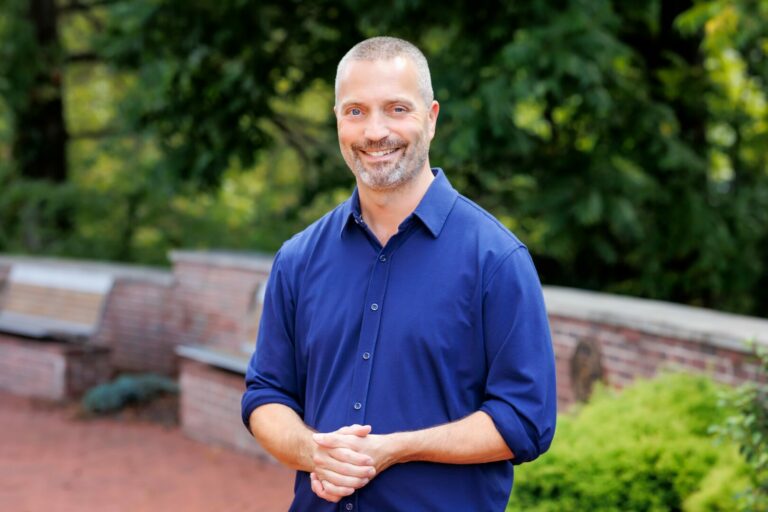
Rob Van Petten shared their story and experiences with us recently and you can find our conversation below.
Hi Rob, thank you for taking the time to reflect back on your journey with us. I think our readers are in for a real treat. There is so much we can all learn from each other and so thank you again for opening up with us. Let’s get into it: Have any recent moments made you laugh or feel proud?
Proud Moments
The pride comes from creating something new — something amusing, unexpected, or beautifully unplanned. A poetic line that slips out of nowhere, a whimsical notion that bubbles up without warning. Whether it’s writing or photographing, those moments of spontaneous brilliance always feel like small miracles — the kind that exceed your expectations.
Writing is the most obvious environment for that phenomenon. You sit down with no idea what to say, and suddenly the words start juggling themselves into rhythm and rhyme. A phrase appears out of thin air and takes flight on its own.
That proud moment isn’t luck — it’s the reward for repetition and practice. Like a musician rehearsing scales, you polish the neural pathways until one day everything clicks. You find the groove. The brain starts working without you. It’s intoxicating. Four or five paragraphs later, you look up and realize: you’ve written an article.
The same sensation happens in the studio. Photographing a model is choreography — rhythm, timing, intuition. You find the groove, and everything looks good. Then you tweak something — a gesture, a light, a hair flip — and suddenly, there it is: the shot. The unexpected spark that makes the session worthwhile. You give yourself a quiet nod. That’s the proud moment.
Over time, those moments accumulate. They become a portfolio, a new direction, a signature style. Each small surprise points the way forward.
I often think of Al Kooper trying to describe the spontaneous energy behind the Super Session album. He shrugged and said, “That’s the thing of the gig.”
Exactly. That’s the thing.
Can you briefly introduce yourself and share what makes you or your brand unique?
Rob Van Petten
Fashion and advertising photographer, digital explorer, and visual storyteller, Rob Van Petten shoots the bright side of whimsical future fiction. His images are a kinetic play of models in motion. wrapped in color, metallic apparell, in light driven compositions. The light energizes the images beyond just illuminating the scene.
His current series, NEAR FUTURE, is a vibrant look at fashion’s next frontier — a playful collision of e-commerce, entertainment, and imagination. Think cosmic lighting, techno props, and a wink toward tomorrow.
A Navy kid who grew up traveling, Rob started photographing at ten in Japan, borrowing his father’s Nikon at twelve and never returning it. That early influence of Japanese design and precision still shapes his vision.
A Boston University grad in photojournalism, Rob helped shape visual product identities for brands like Reebok, Timberland, Tommy Hilfiger, and Levi’s, and produced images for tech innovators from Digital Equipment to Gillette. His work has earned Andy and Art Directors Club awards, as well as FWA, TINY, and Yahoo distinctions for web design innovation.
Rob Returned to Boston University as Photo Department Director at the Center for Digital Imaging Arts, worked as Cheif Curator for Loupe Art on Apple TV, collecting content for 16 channels of distinct styles. He regularly Introduced new Pro level cameras, speaking engagements and shoot demonstrations for NIKON USA. Wrote a column in NIkon World Magazine and wrote Nikon.s Facebook and Flickr social media for 5 years.
Featured in Photo District News, American Photo, and Photo Design, Rob also mentors photographers worldwide through the American Photo Mentor Series.
He believes that in both life and photography, less is more — except when it’s not. His pictures invite us to a world where modern is amusing, and the future looks like fun.
Great, so let’s dive into your journey a bit more. Who taught you the most about work?
“Are You Having Any Fun?”
In a Newport music shop, I was trying out guitars that I couldn’t afford. I looked up to see a kid watching me. He said, “Hi, I’m Steven. You busy tonight?”
I said, “No, I’m sixteen.”
He explained he was a singer with a band and needed a guitar player for a show that night. So naturally, I said OK — and we became the driving musical force of a local band.
Steven was calm in the face of chaos, rational, ambitious, and already showed leadership skills that would one day run a major piece of the music world. When summer ended, I went back to school, assuming that was that.
Two years later, hitchhiking to Boston to find an apartment, a big green Cadillac pulled over. Behind the wheel — Steven. Of course. He, too, was looking for a place in Boston. So we became roommates.
I studied Photography. He studied International Relations both at Boston University (which, in hindsight, was a perfect major for the international relations he’d soon have with Sly, Prince, Earth, Wind & Fire, and 20 other acts.)
By 19, Steven decided to promote major concerts in Boston out of our one bedroom apartment — Sly and the Family Stone first, then J. Geils, and before long, he was running a legitimate empire. The business moved to New York, then to L.A., managing everyone from Little Feat to Sinéad O’Connor, The Pointer Sisters, Wheather Report and more…
Meanwhile, I found myself photographing some of those same musicians for ad campaigns and records — not entirely by coincidence. Steven would just grin that grin that said, “Of course, this was the plan all along.”
In L.A he’d call to meet for dinner — sometimes to talk about Purple Rain, sometimes just to catch up amid a table full of musicians and management. “Are you having any fun?” he’d ask, as if that were the only thing that mattered.
And I learned something from him: with vision and persistence, a smart kid can make big dreams come true. When things felt impossible, he’d just laugh and reminded me — if you’re not having fun, you’re missing the point.
What’s something you changed your mind about after failing hard?
The Lesson of Slowing the Chaos
Possibly the biggest lesson I’ve learned through all these years of traveling, shooting pictures, and getting jobs done on time and under budget, is how to slow down the chaos—to ease the breakneck madness of production—and, most importantly, to delegate. To diffuse the anxiety of an emergency. To balance the input and egos that come with every creative collaboration.
When I first began organizing teams of artists, I assumed everyone would be as driven, as relentlessly compelled as I was to work tenaciously. I would sacrifice everything to get the job done to the best of my ability.
But it was my job. Not theirs.
It was my role to manage people efficiently and effectively—with incentive, empathy, and guidance. Not with a whip and a bullhorn. There must be a hundred metaphors for this simple realization.
It took a few bitter standoffs and awkward confrontations to learn that my team didn’t carry the same responsibility for the contracts, deadlines, or the client’s precise vision for the shot, or the soundtrack.
At some point, we all learn conflict resolution—the ability to calmly discuss objectives, to listen to the suggestions, inspirations, and grievances of others.
That means managing a hierarchy of roles.
In my early studio days, I believed a benevolent dictator was the most efficient way to work.
Later, I discovered that a happy crew offers far more valuable contributions. Shared problem-solving brings new creative vision—ideas I’d never have found alone. I learned quickly that some of the people I hired had extraordinary insights, and with support and an open ear, they could produce eye-opening results.
Eventually, I noticed some studios included a “pre-production meeting” (and a fee for it) built into the estimate. That meant the key players gathered to hear the objectives and craft a plan. Roles were clear, ideas surfaced, and everyone owned a piece of the vision.
Then came the real trick: balancing the single-minded vision of the photographer with the fresh perspectives of everyone else—hairdressers, makeup artists, stylists, art directors, assistants, lighting technicians, set designers, location scouts, models, actors, sports personalities, and the occasional musician with an absurdly impossible idea.
Ultimately, we all came together with a shared picture of what the job should look like.
And that—after all the chaos—is the real art.
So a lot of these questions go deep, but if you are open to it, we’ve got a few more questions that we’d love to get your take on. What truths are so foundational in your life that you rarely articulate them?
The Photographer’s Eye and the Art of Critical Thinking
Photographers use a mental pull-down menu of instant questions before they ever hit the button.
What’s the subject?
Is this the the decisive moment?
Is the light right?
What are the distractions?
Can I make it cleaner, truer?
Do I have time for another frame?
Who’s the audience—and will they read it as I intend?
In school, this was called the journalistic Who, What, When, Where, Why—the holy checklist of truth-telling. We were trained to extract the essence and tell the story without bias or embellishment.
We don’t announce these decisions—we just make them. They become the silent architecture behind the image. To the casual observer, they’re invisible. But to us, they are the craft.
Critical thinking works the same way. It’s the lens we use to question the world.
Is this fact—or fabrication?
Truth—or just well produced?
Where did the story come from—and who profits if I believe it?
These questions aren’t loud, but they frame our understanding of reality. When we stop asking them—when we accept what we scroll past without challenging—we let others frame our world.
Truth becomes a filter.
Facts get blurred, cropped, discredited.
Believability turns into style, persuasion, a belief system.
And soon we mistake appearance for substance.
Five months ago, I had a stroke.
It changed everything.
Before, I could make hundreds of decisions in seconds. Now each one feels like a long exposure—slow, deliberate, intentional.
But that slowness has shown me how many choices I used to make without noticing, how easily we can overlook the critical ones.
Now, when I look through a lens—or at the world—I see that every frame is a question with a consequence.
And how we answer it matters.
So whether you’re behind a camera or just navigating life:
Slow down. Ask better questions.
Don’t settle for the easy explanation or the loudest broadcast.
Because when we stop thinking critically, truth doesn’t disappear—
it just goes out of focus.
Thank you so much for all of your openness so far. Maybe we can close with a future oriented question. What is the story you hope people tell about you when you’re gone?
What I would hope to be remembered for is contributing something beneficial to other peoples lives. To have been a valuable voice of truth and example to my students. To have solved my clients problems. To have contributed some beneficial service to my community and the community of artists. To have resolved conflicts with facts and fairness. To have set an example to my daughters that their greatest ambitions and wildest dreams can come true if they clearly envision them and work hard. And to have my face laser engraved on the Moon.
Contact Info:
- Website: https://www.robvanpetten.com
- Instagram: https://www.instagram.com/robvanpetten/
- Linkedin: https://www.linkedin.com/in/rob-van-petten-a4451a387/
- Facebook: https://www.facebook.com/rob.vanpetten
- Youtube: https://www.youtube.com/watch?v=Lb1PKTQ026c
- Other: https://www.youtube.com/@robvanpetten1810/videos
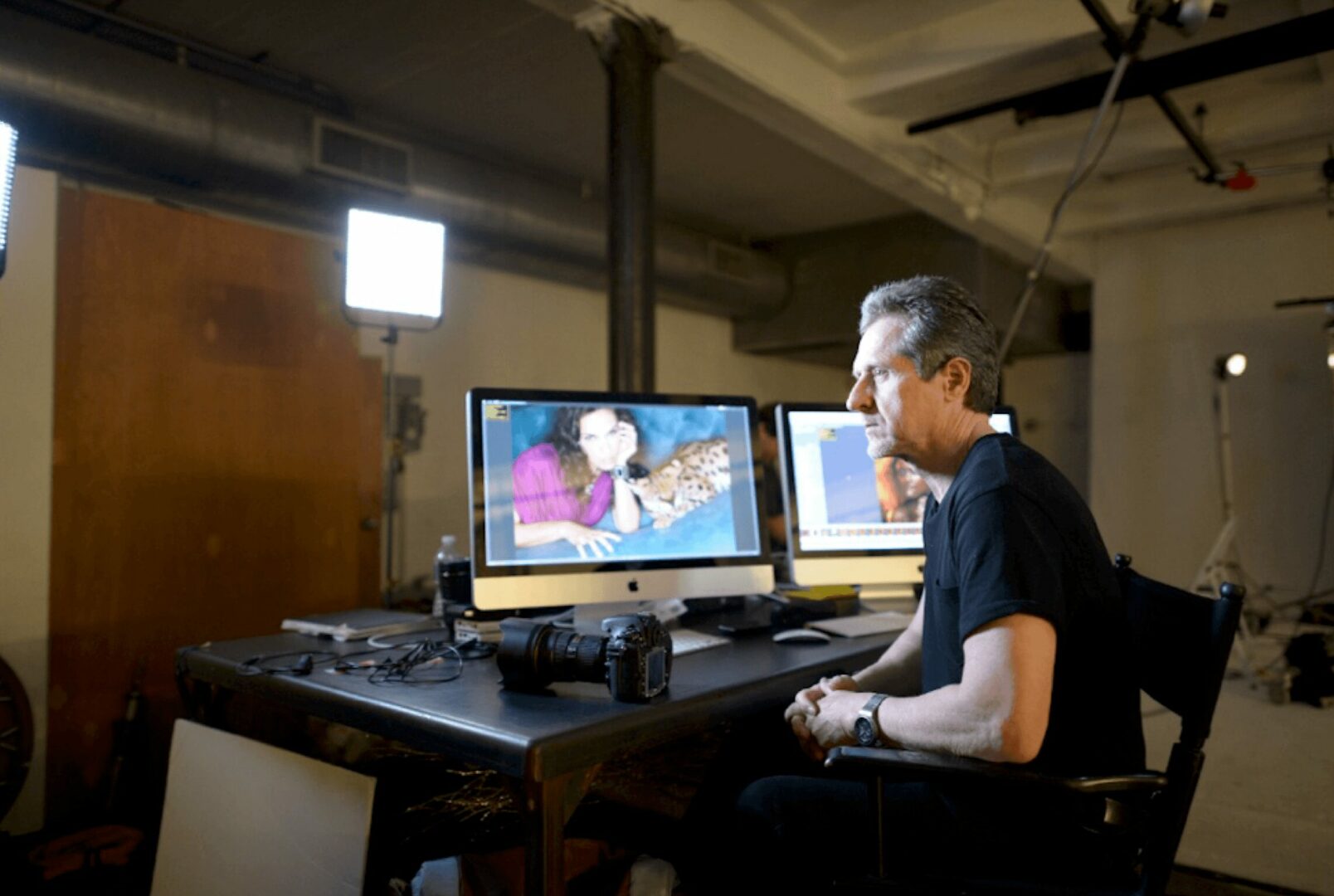
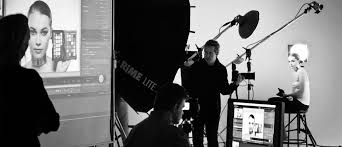
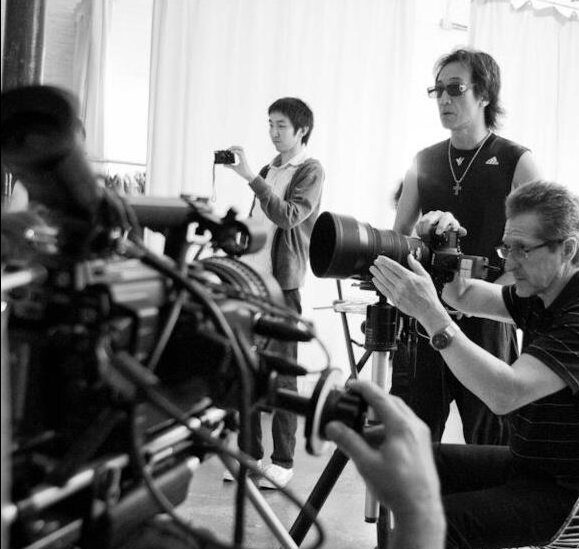
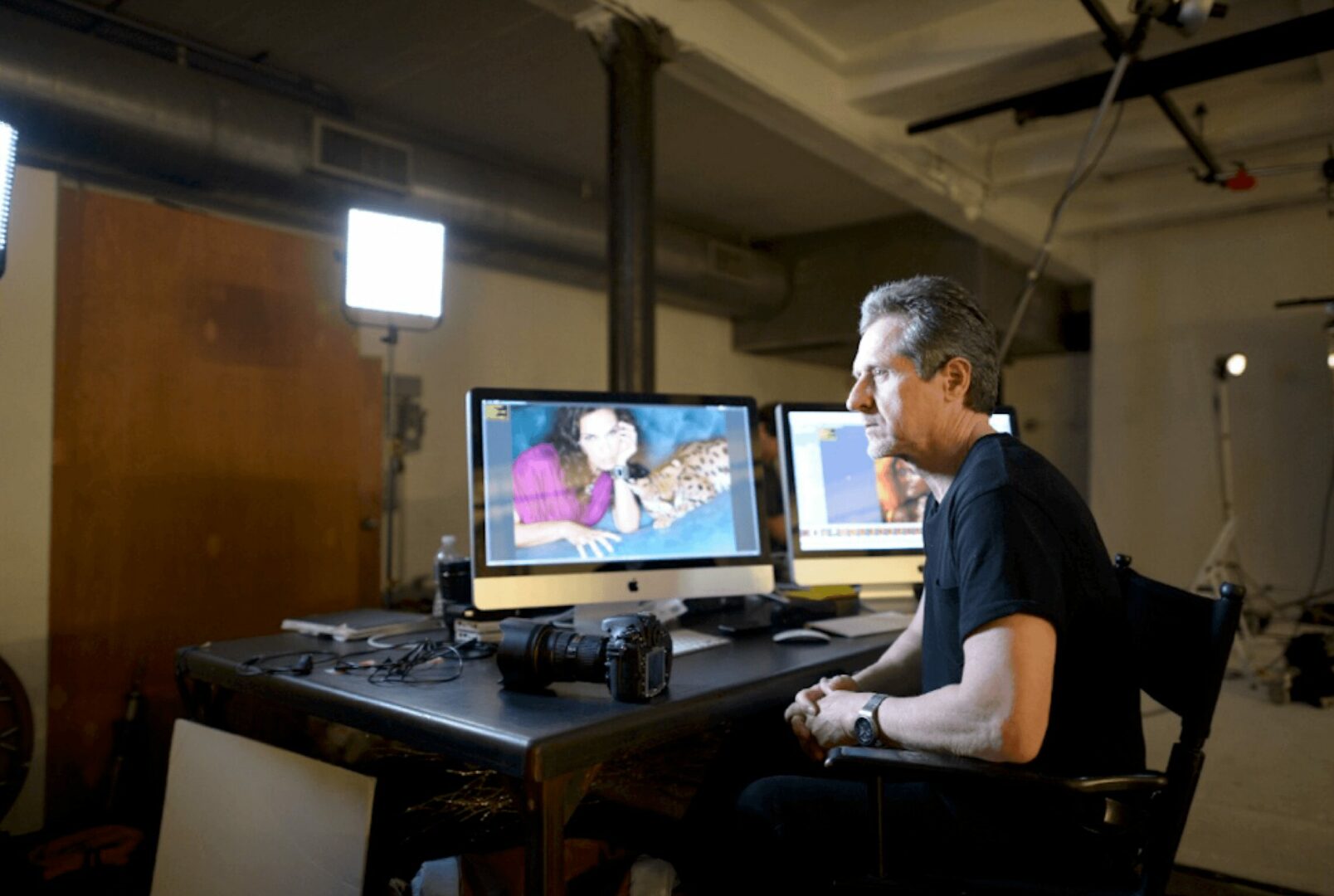
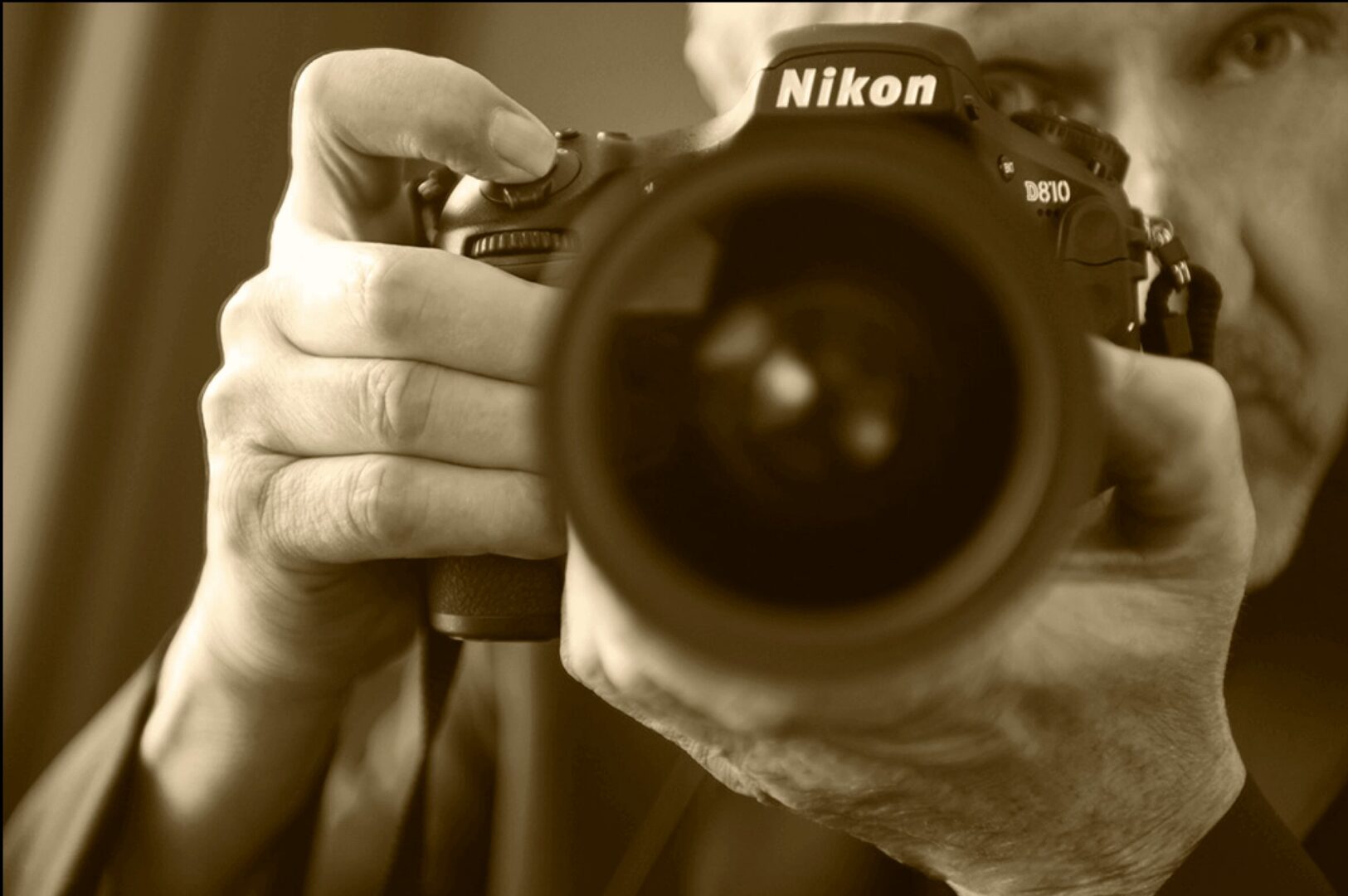
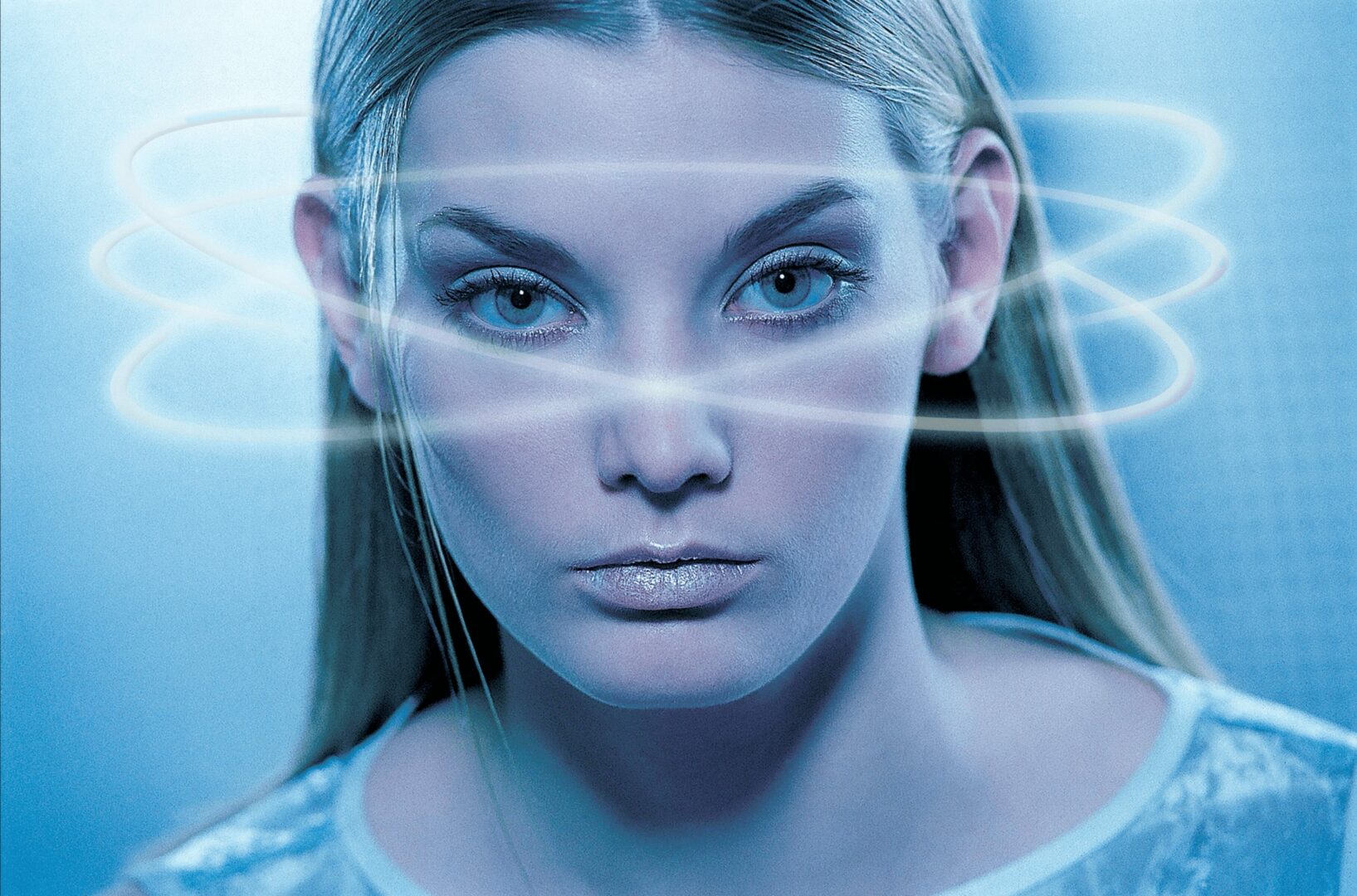
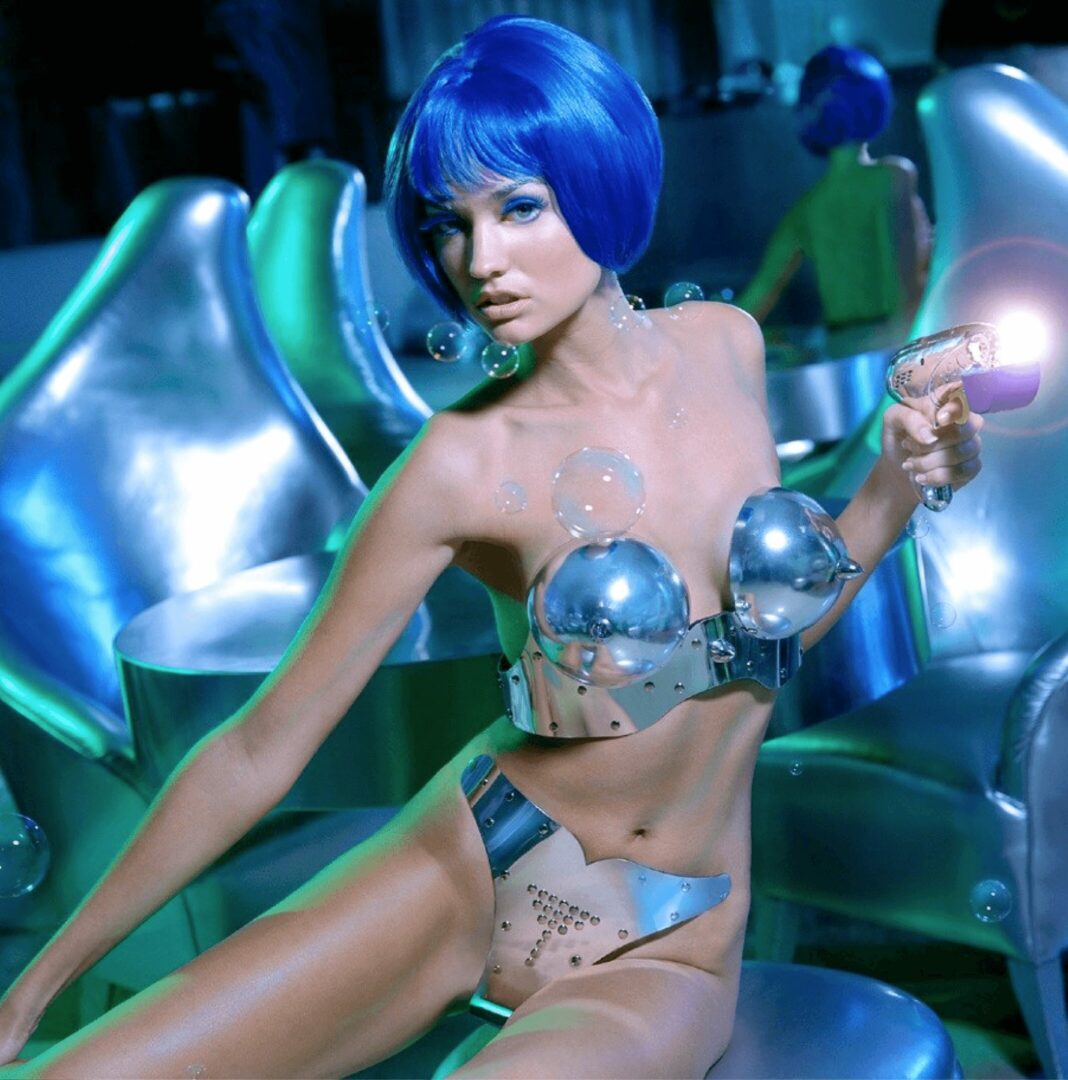
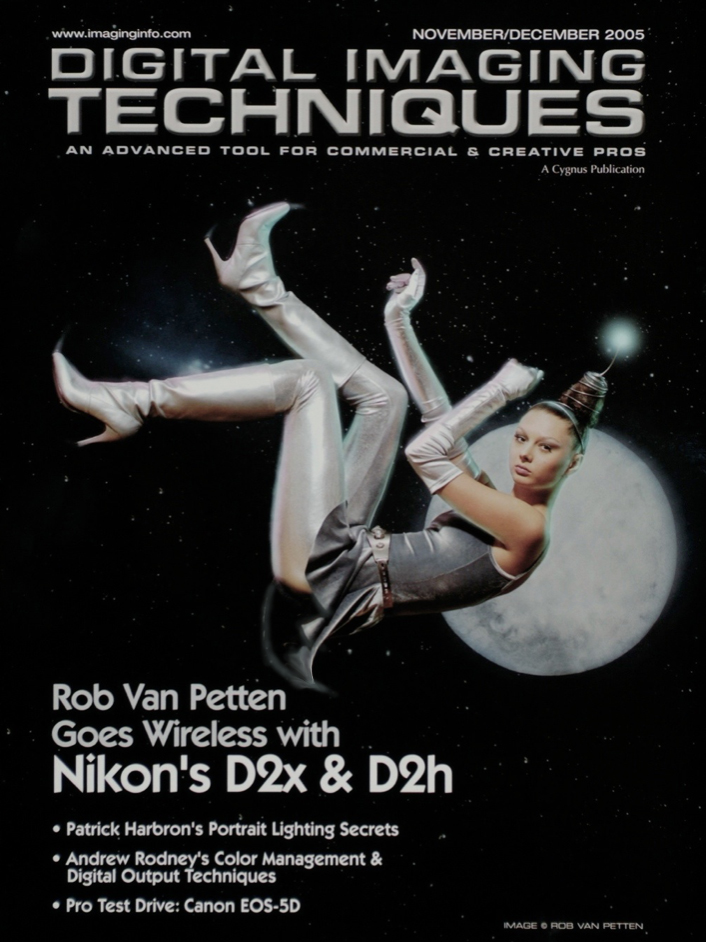
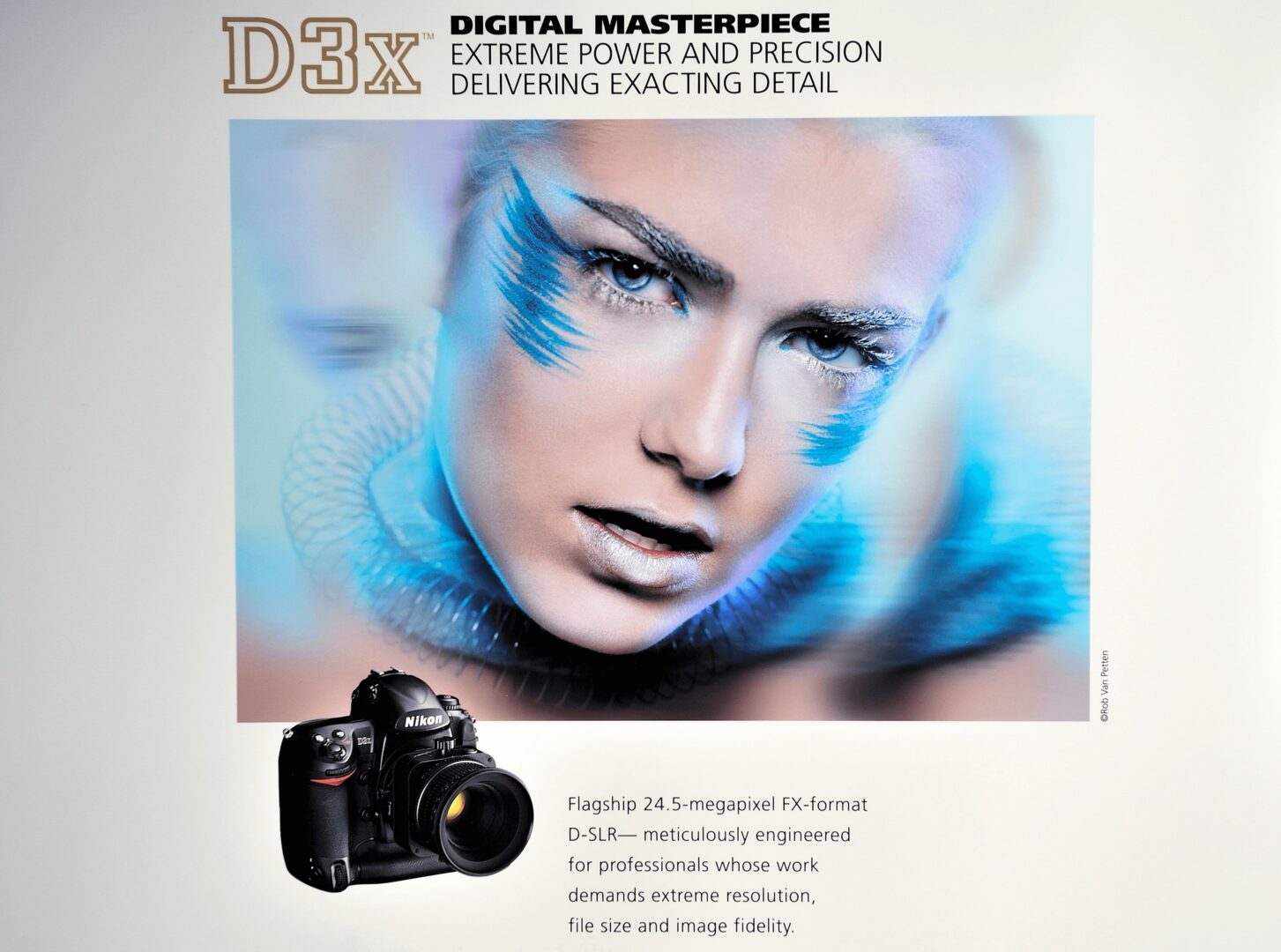
Image Credits
All photos copyright Rob Van Petten
so if you or someone you know deserves recognition please let us know here.