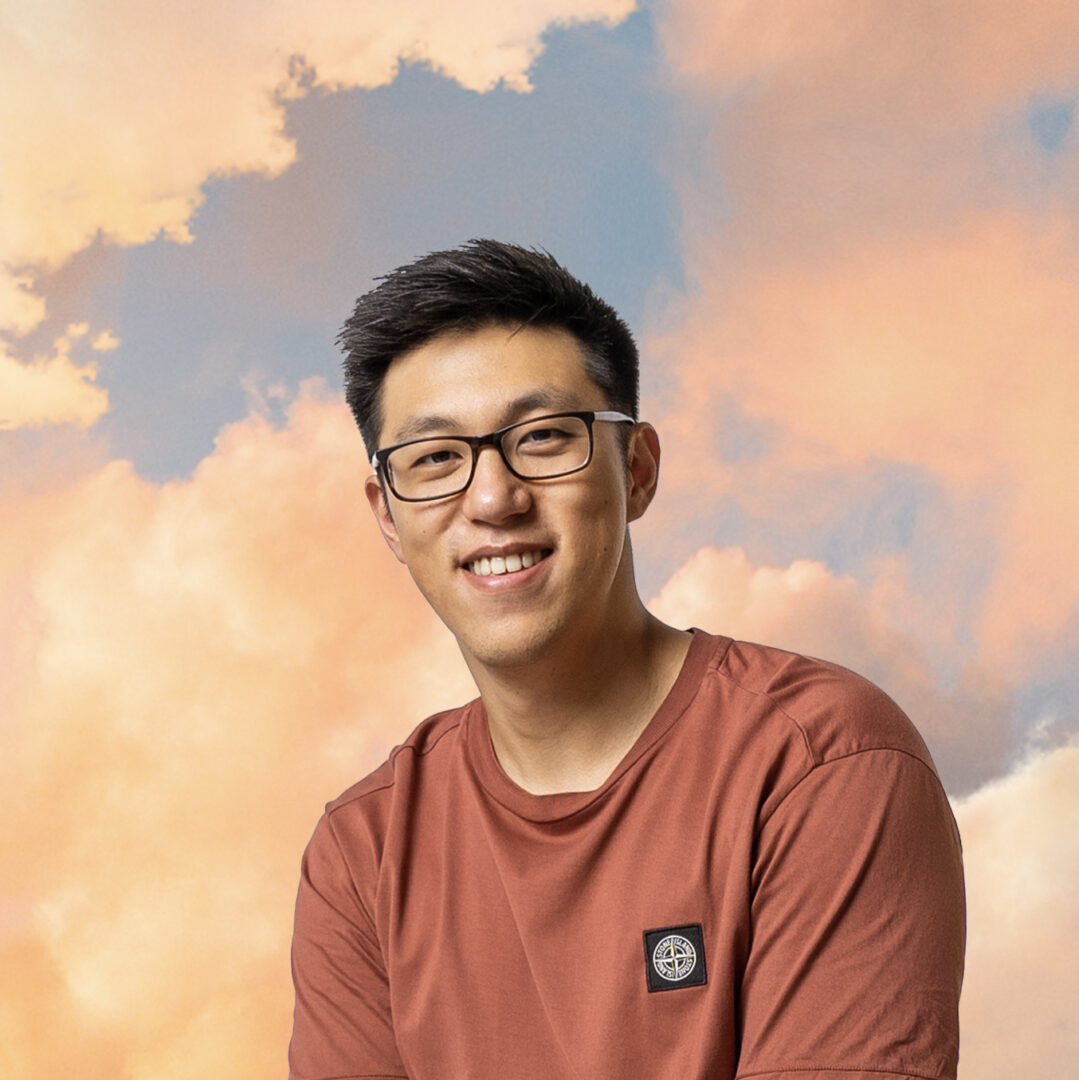
We’re looking forward to introducing you to Ted Chin. Check out our conversation below.
Ted, really appreciate you sharing your stories and insights with us. The world would have so much more understanding and empathy if we all were a bit more open about our stories and how they have helped shaped our journey and worldview. Let’s jump in with a fun one: What makes you lose track of time—and find yourself again?
Creating art, taking photo, talking to people
Can you briefly introduce yourself and share what makes you or your brand unique?
I’m Ted Chin, also known as TedsLittleDream — a surrealist artist based in San Francisco.
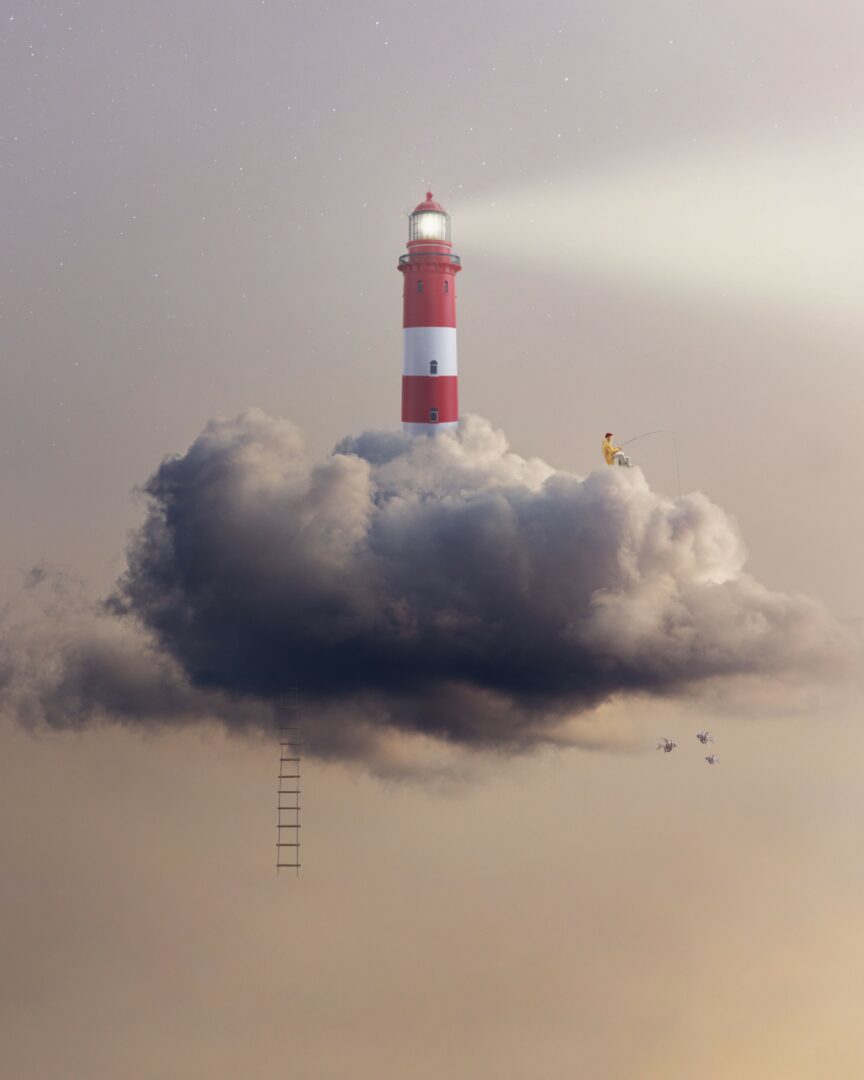
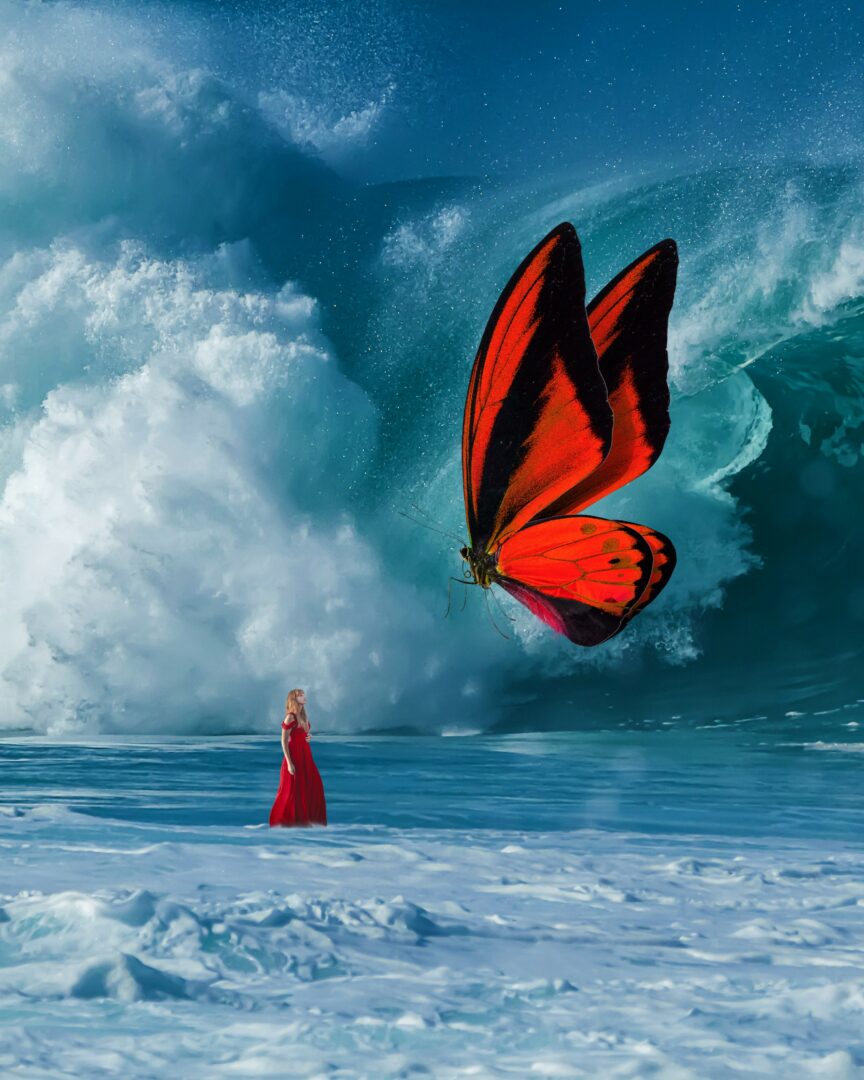
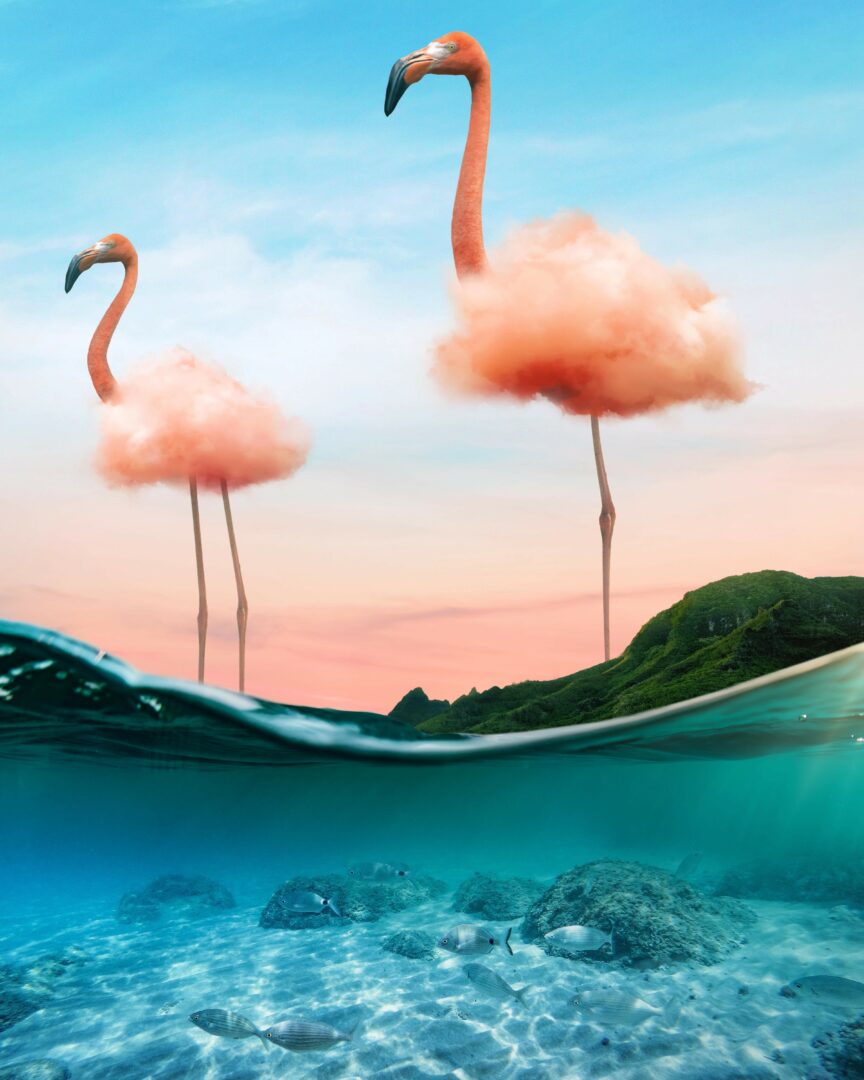
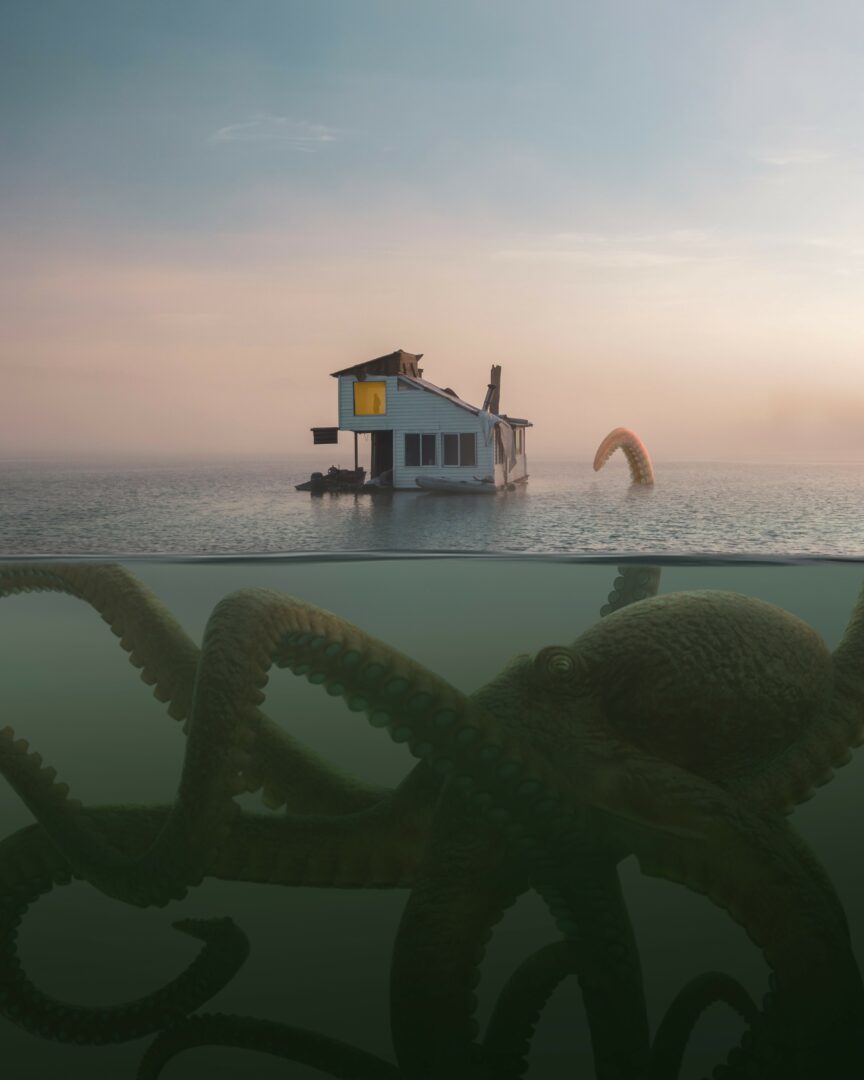
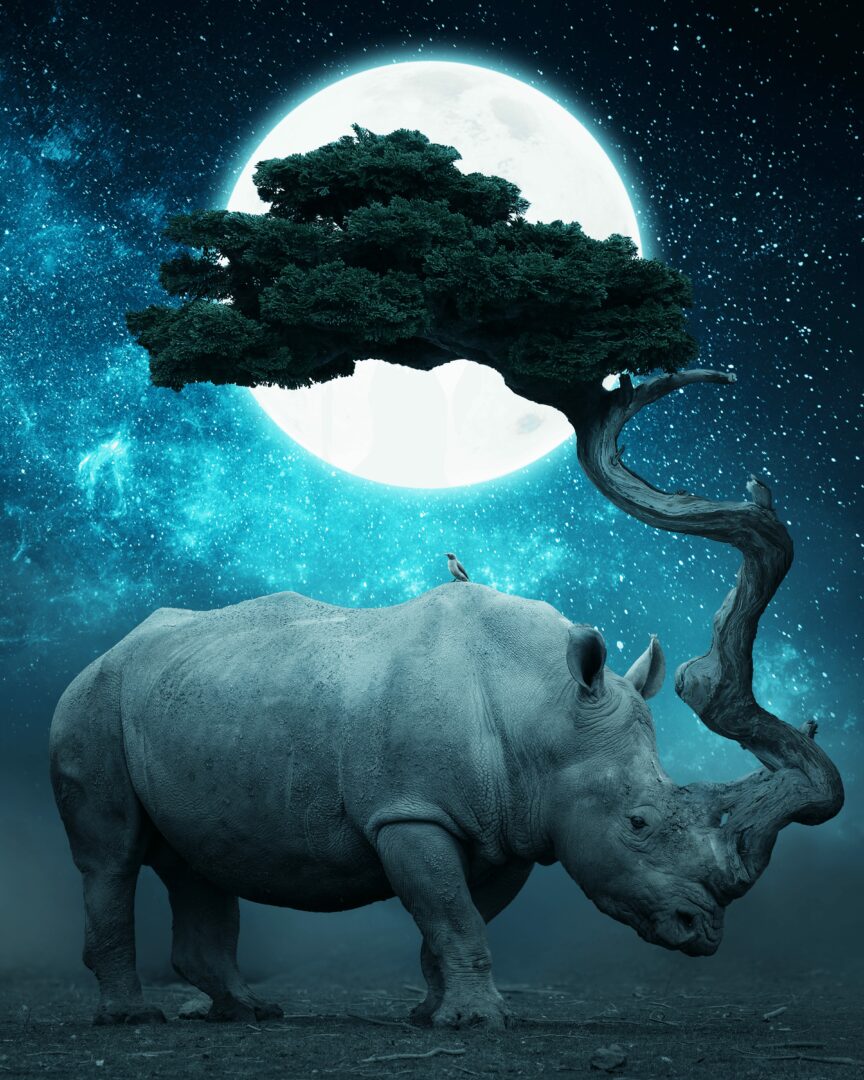
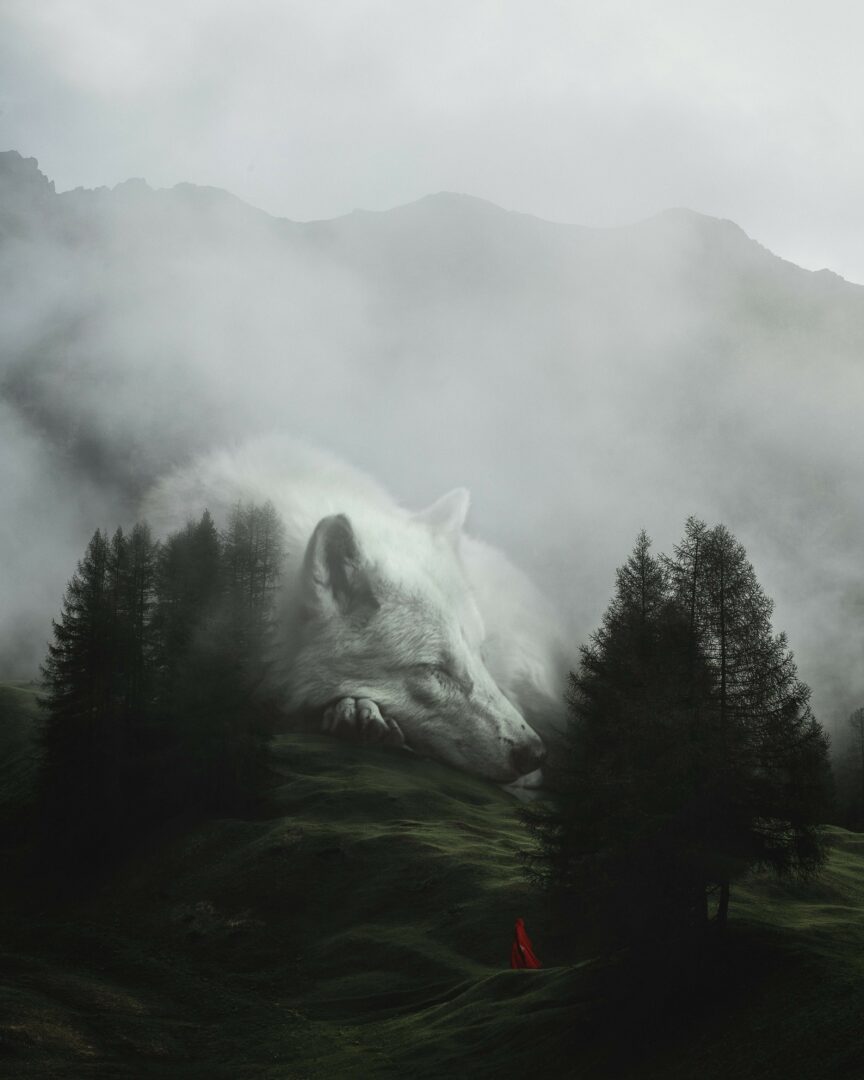
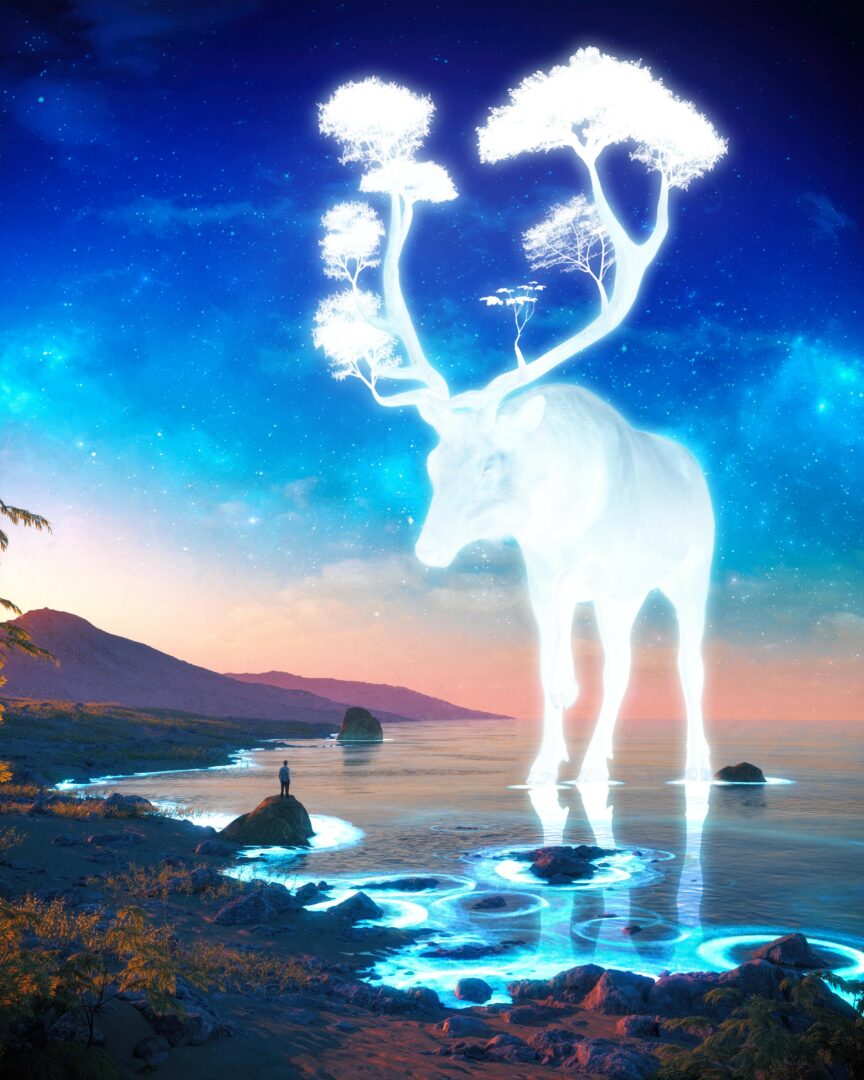
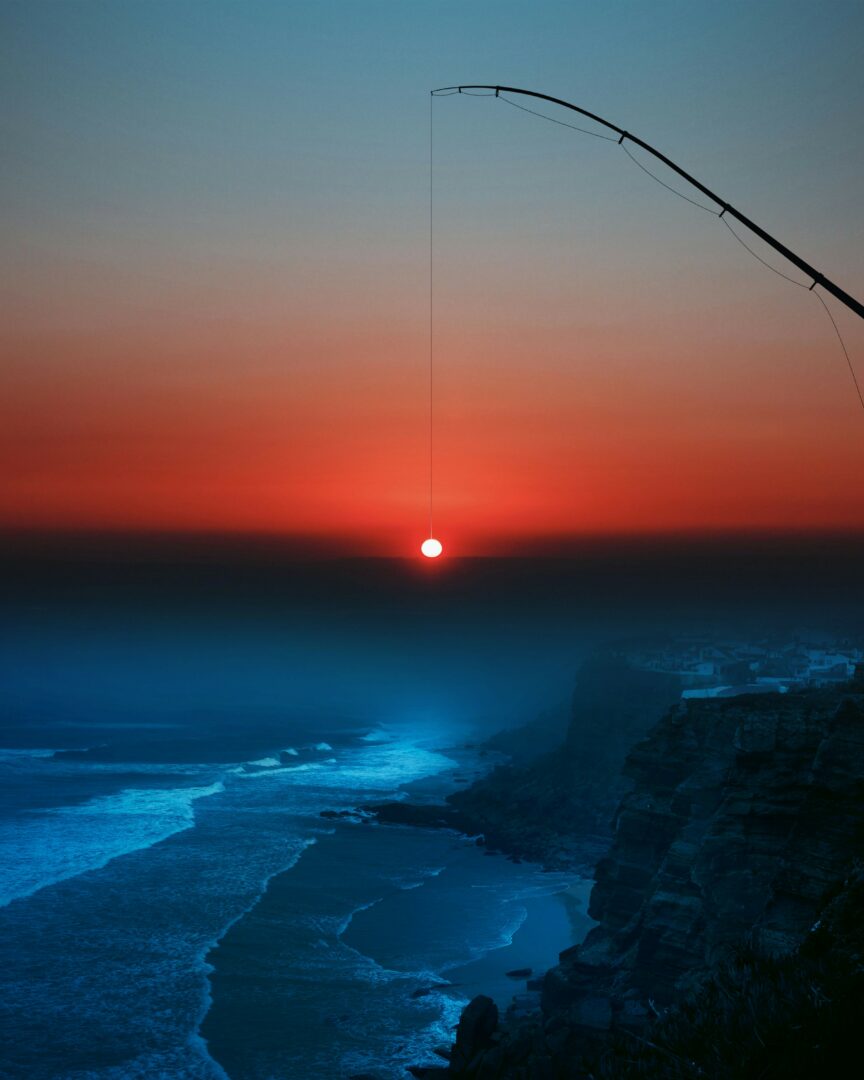
I create dreamlike worlds through digital collage, photography, and imaginative storytelling. Over the past 10 years, I’ve built a practice that blends fine art with commercial work, collaborating with brands like Adobe, Apple, Meta, HBO, Warner Bros, and the Grammys. My work focuses on using surrealism to inspire imagination — inviting people to see the world with a sense of wonder, possibility, and play.
What makes my brand unique is the way I combine cinematic storytelling, surreal visual language, and everyday emotions. Whether it’s a Photoshop composite or a sculptural piece, everything I create is meant to feel like a moment pulled from a daydream — something magical hiding inside the familiar.
In 2024, I hosted my first solo exhibition, Head in the Clouds, where I transformed my 2D artwork into sculptures for the first time. I’m continuing to explore how surrealism can move into physical space and how digital tools can help artists push their imagination even further. Alongside that, I love sharing my process through teaching, speaking, and online content — encouraging others to unlock their creativity and build their own dream worlds.
At the end of the day, my goal is simple: use imagination to inspire more imagination in others.
Appreciate your sharing that. Let’s talk about your life, growing up and some of topics and learnings around that. What’s a moment that really shaped how you see the world?
One of the biggest moments that shaped how I see the world was the first time I discovered surrealism.
I remember realizing that art didn’t have to follow the rules of reality — you could bend it, twist it, reimagine it, and create something completely new. That idea changed everything for me. It taught me that the world isn’t limited to what we see in front of us; it can also be shaped by what we feel, what we dream, and what we’re brave enough to imagine.
Surrealism opened the door for me to view everyday life with curiosity. A cloud isn’t just a cloud — it could be a creature, a landscape, a memory. A simple moment could become an entire story. That shift in thinking gave me permission to play, to explore, and to lean into creativity without boundaries.
It’s the reason I create the way I do today and why I’m so passionate about inspiring imagination in others.
Was there ever a time you almost gave up?
I wouldn’t say I ever “almost gave up,” but there were definitely moments where I had to shift my focus.
There were times when pursuing art full-time was financially tough, so I took on other work or changed direction temporarily to make sure I could support myself and still keep creating. But even in those moments, the thought of giving up on my art never crossed my mind.
For me, making art isn’t something I can walk away from — it’s part of who I am. So instead of quitting, I found ways to adapt, to be practical when I needed to, and to build more stability so I could continue doing what I love. Those periods actually made me more determined and resourceful, and they reminded me why this path matters so much to me.
I think our readers would appreciate hearing more about your values and what you think matters in life and career, etc. So our next question is along those lines. Is the public version of you the real you?
I think the public version of me is real — but it’s not the only version of me.
There’s a Japanese philosophy that says we all have three versions of ourselves:
The version we show to the world
The version we show to our close friends and family
The version only we truly know inside
I relate to that a lot. The public version of “TedsLittleDream” is still me — the artist who loves imagination, storytelling, and creating surreal worlds. That’s authentic. But it’s also the most polished layer, the part that knows it’s being seen.
The second version of me, the one my close friends know, is more personal — the late-night brainstorming, the doubts, the excitement, the messy creative process that doesn’t always make it online.
And then there’s the third version — the quiet, internal one that holds my fears, dreams, and motivations. That version is what drives my art the most, even though no one fully sees it.
So yes, the public version is real. It’s just one piece of a fuller, more complex self — and I think that’s true for everyone.
Okay, we’ve made it essentially to the end. One last question before you go. What do you think people will most misunderstand about your legacy?
I think one thing people might misunderstand about my legacy is the timeline of my work — especially in this new era of AI.
I’ve been creating surreal composites and imaginative worlds for many years, long before AI tools existed. My style comes from years of learning photography, mastering Photoshop, building stories from scratch, and developing a visual language rooted in surrealism.
For newer audiences discovering my work today, it might be easy to assume it was created with AI because the visual world has changed so fast. But my foundation has always been traditional digital art — hand-crafted, layer by layer, idea by idea.
I’m not against AI; I use modern tools when it makes sense and when it supports the story. But the heart of my work — the imagination, storytelling, and visual decisions — comes from years of practice, curiosity, and craft.
So if there’s ever a misunderstanding, it might be that people overlook the decade of experimentation, learning, and dedication that shaped my style long before AI entered the picture.
Contact Info:
- Website: https://www.tedslittledream.com/about
- Instagram: https://www.instagram.com/tedslittledream/
- Linkedin: https://www.linkedin.com/in/tedmtc/
- Twitter: https://x.com/tedslittledream
- Facebook: https://www.facebook.com/TedsLittleDream
- Youtube: https://www.youtube.com/tedslittledream
so if you or someone you know deserves recognition please let us know here.