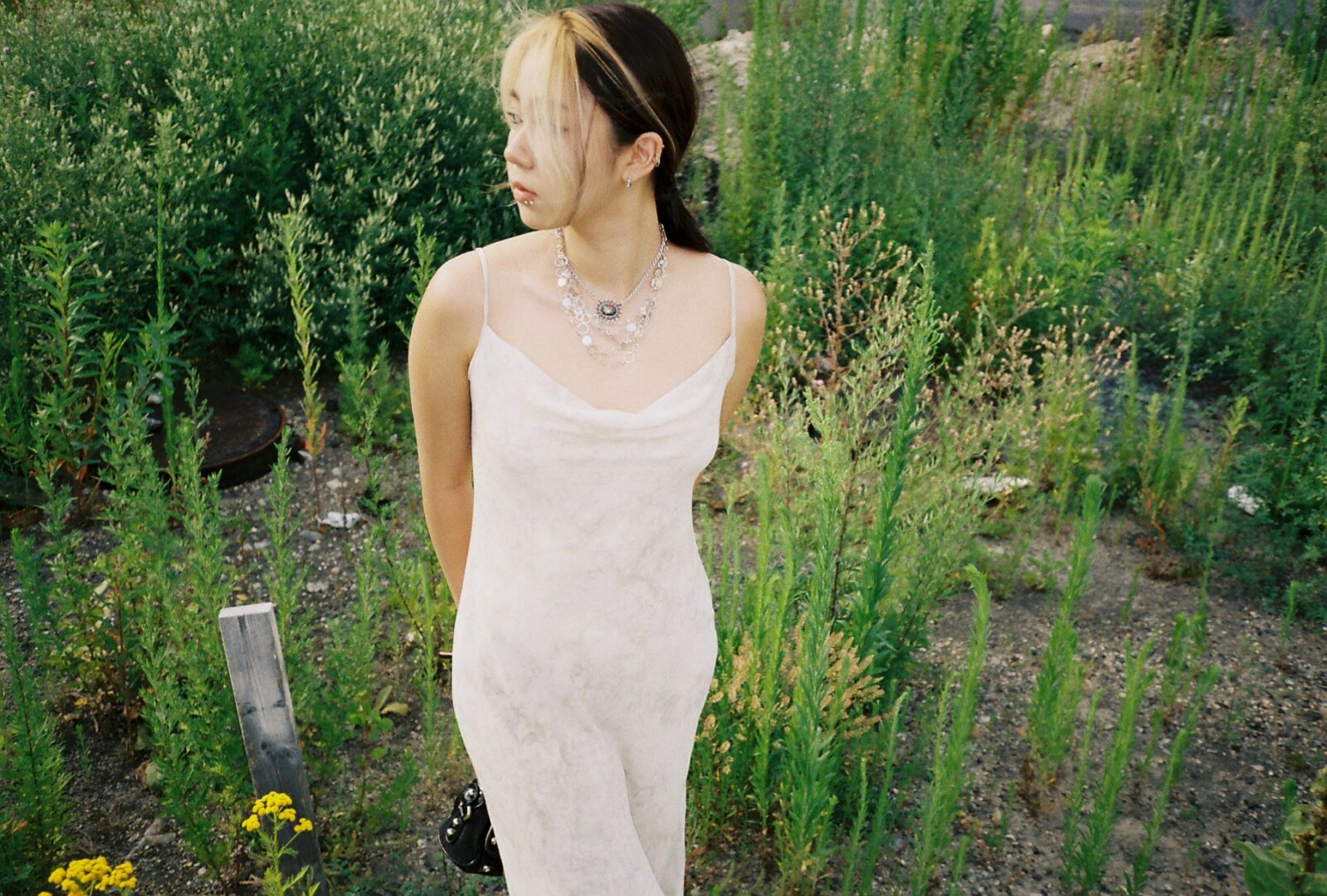
Yiyu Cao shared their story and experiences with us recently and you can find our conversation below.
Yiyu, so good to connect and we’re excited to share your story and insights with our audience. There’s a ton to learn from your story, but let’s start with a warm up before we get into the heart of the interview. What is something outside of work that is bringing you joy lately?
Lately, I’ve become deeply drawn to bird-watching. Ever since getting my little cockatiel, I’ve started noticing all the small birds fluttering through my everyday life. Living in Florida—a state blessed with abundant wildlife and astonishing biodiversity—makes it easy to nurture this new fascination. On a recent visit to a wetland park, I encountered so many extraordinary and beautiful birds. Immersed in that natural landscape, surrounded by their songs and movement, I felt an unexpected calm. It cleared my mind, lifted my spirit, and filled me with quiet joy.
Can you briefly introduce yourself and share what makes you or your brand unique?
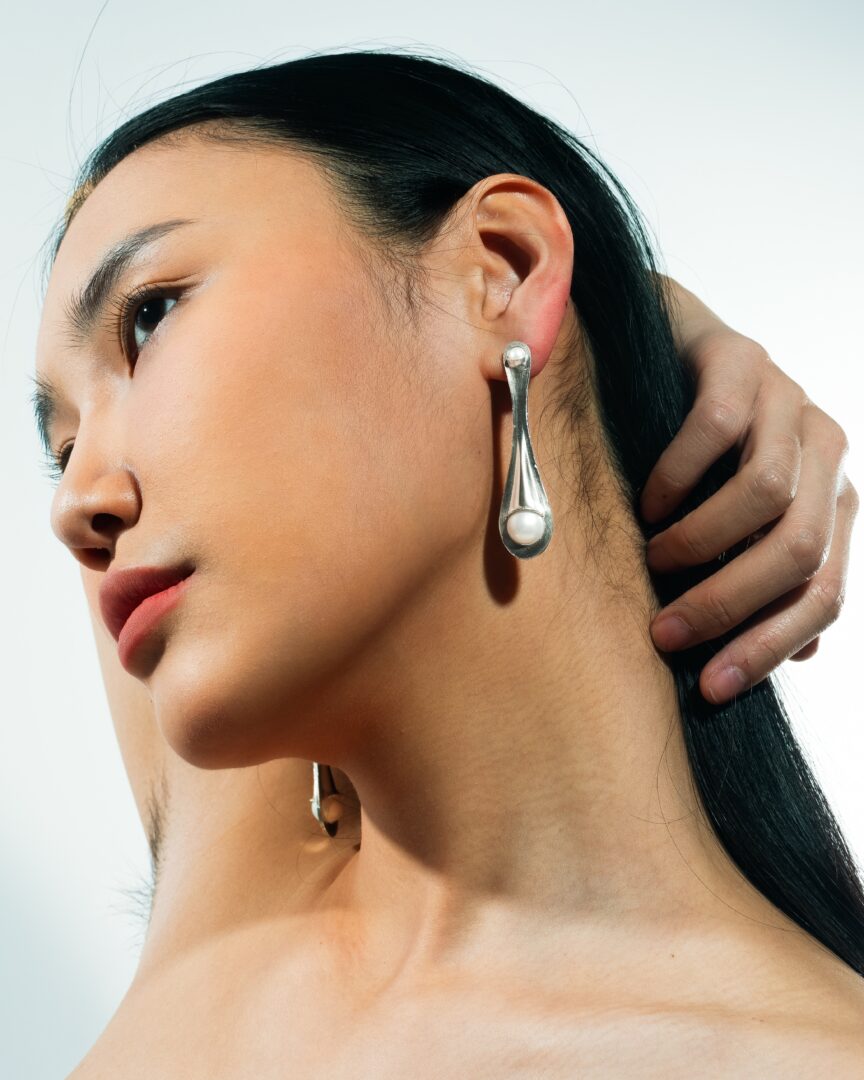
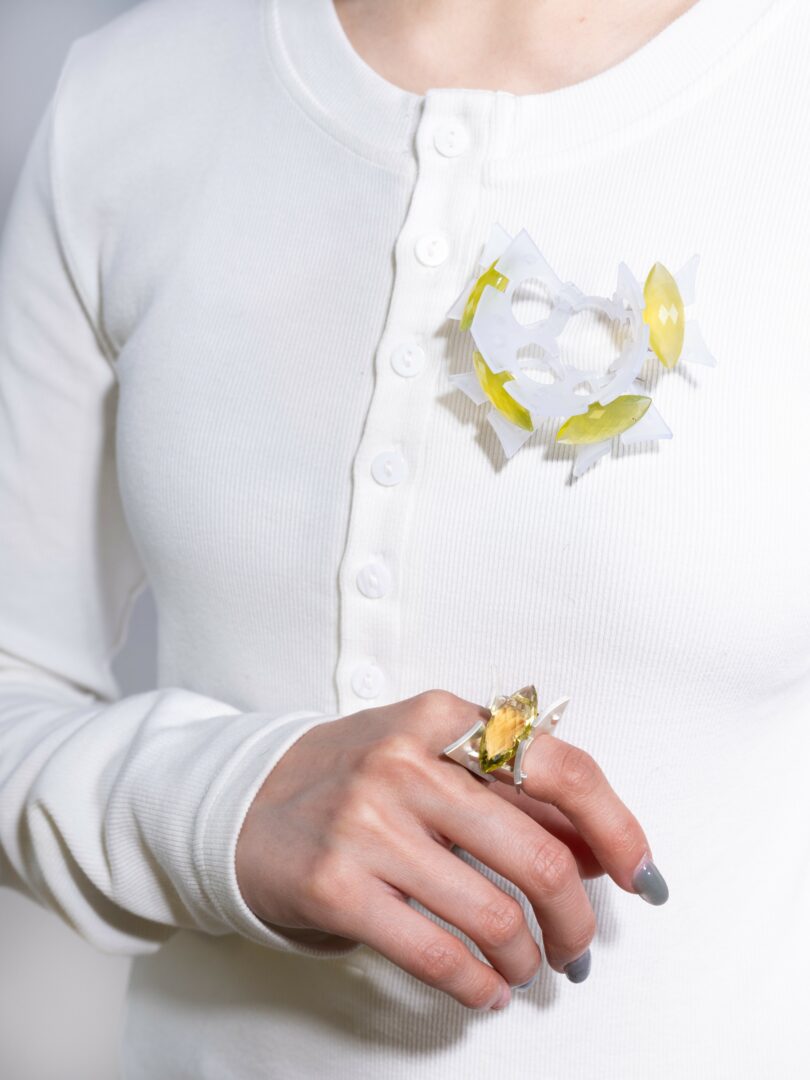
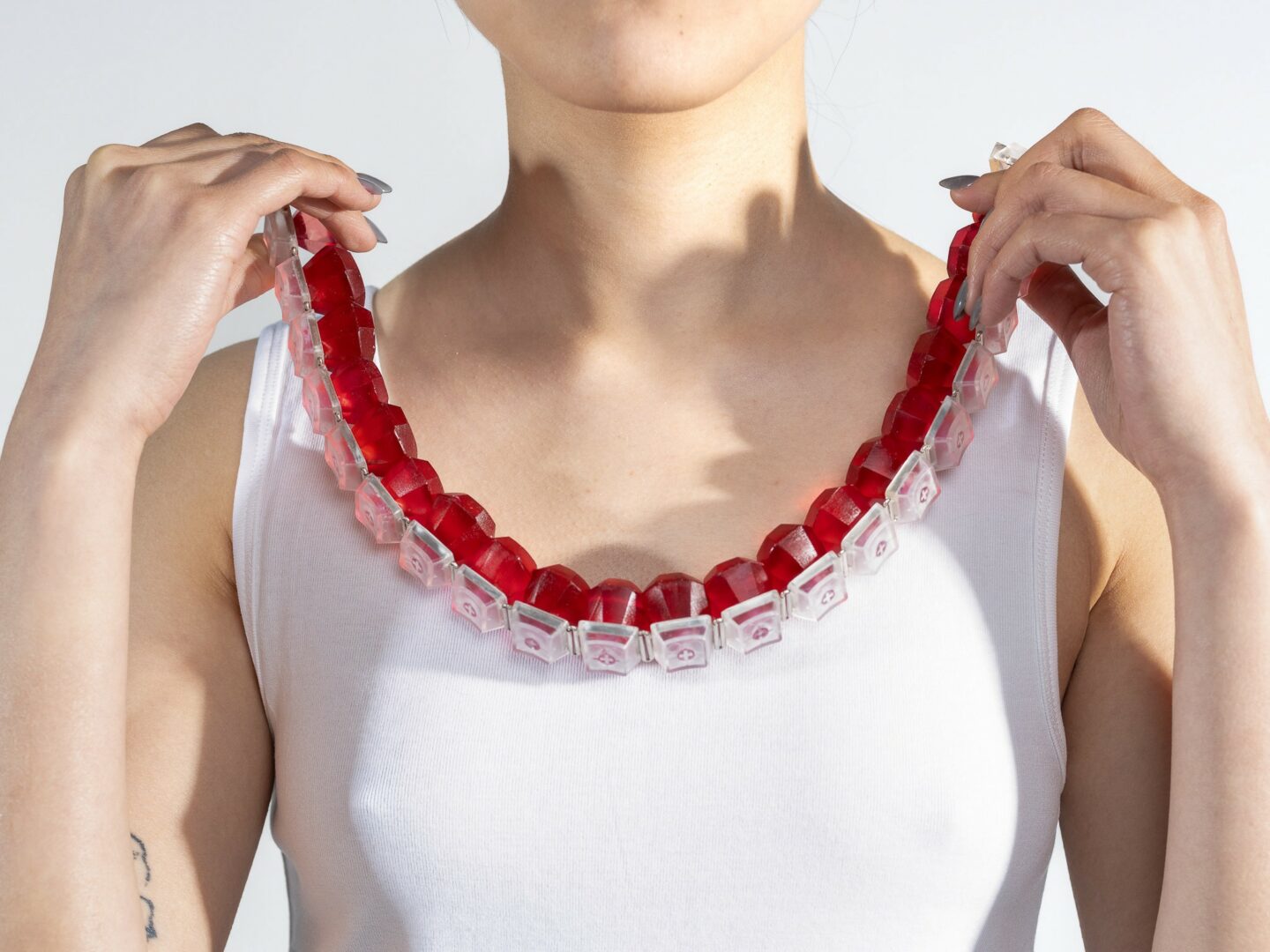
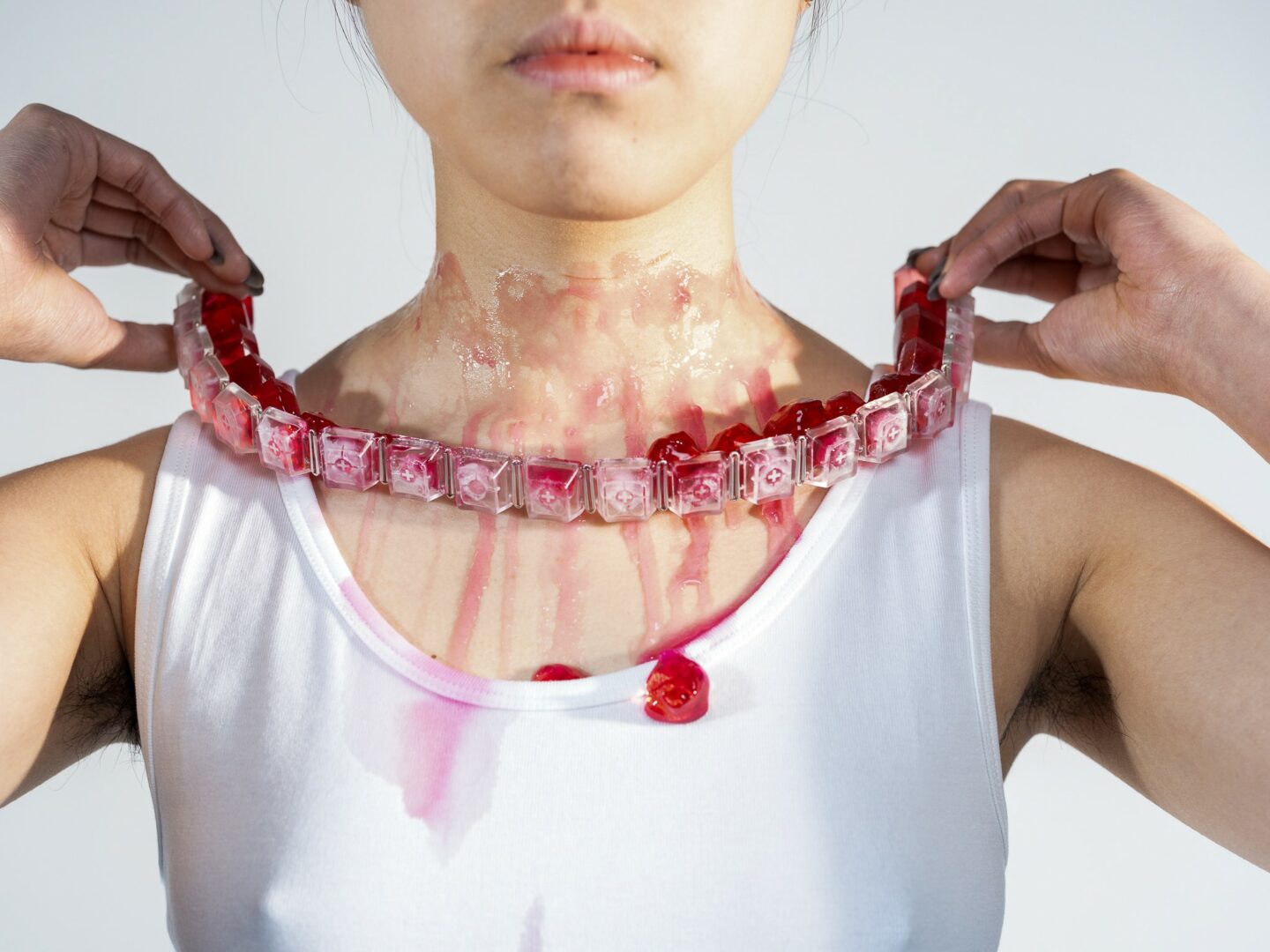
I’m Yiyu Cao, a jewelry artist and designer working in Florida, and a recent graduate of the Rhode Island School of Design. By day, I design corporate jewelry collections that balance commercial needs with thoughtful craft. Outside that world, I pursue my independent practice as a contemporary jewelry artist, treating jewelry not simply as ornament, but as a poetic form—an intimate vessel for thought and feeling.
My work asks how pattern, structure, and material can express ideas of repetition, transformation, and belonging. I’m fascinated by the way small objects—quiet, personal, close to the body—can carry the weight of movement, place, and time. A piece of jewelry, to me, becomes a trace of experience: a fragment of memory, a map of emotion, a way of inhabiting the world just a little more tenderly and deliberately.
Appreciate your sharing that. Let’s talk about your life, growing up and some of topics and learnings around that. What’s a moment that really shaped how you see the world?
This is an interesting question—and to answer it, I have to begin with where I come from.
I grew up in a small city in China, where tradition held immense weight. From my earliest years in primary and middle school, I lived under the influence of highly structured systems and the constant presence of expectation. Structure was not something we chose—it was the air we breathed. It shaped posture, language, and behavior. For a long time, I followed and obeyed that structure, believing it was the necessary foundation for navigating the world.
Distance has a way of clarifying things. When I left home for the United States, the separation made those invisible systems suddenly visible. And with that came a quiet disquiet—a questioning voice that began to ask about my position, my identity, the shape of my own desires. That restlessness marked the beginning of my awareness as a maker.
There was no single dramatic awakening. It was gradual—a slow softening of certainty, a recognition that the forms I had inherited were not truly made for me. Or perhaps, they were made to keep me legible, obedient, contained. That realization has never fully left me. I carry it with me still, as both burden and drive: the need to search for a threshold, a point of rupture—a way to dismantle the structures that confine me.
Through making, I began to examine the relationships between the human body, society, and lived experience. I started to reconsider my own identity, and to imagine what it might mean to exist both within and beyond the systems that define me—to find a way of moving through the world that feels authentically my own.
What did suffering teach you that success never could?
I don’t believe in an absolute binary between suffering and success. For me, suffering is part of the path toward success—and success itself doesn’t mean the absence of pain. The ideas of pain and fulfillment are deeply interwoven; they cannot exist independently of one another.
As an artist, I see the act of making as inseparable from struggle. Every creation involves a process of revealing vulnerability—of dismantling oneself, confronting the raw parts, and rebuilding anew. That process is demanding, even painful. Yet it’s through this difficulty that something higher emerges.
Suffering teaches you who you are. It clarifies what you truly want and deepens your understanding of yourself. That, in itself, is already a kind of success—one that feels more real, more earned, than any external recognition could ever provide.
Sure, so let’s go deeper into your values and how you think. What’s a belief you used to hold tightly but now think was naive or wrong?
I used to believe that public recognition and precise understanding from others were essential affirmations of an artist’s worth. Having grown up under high expectations, I unconsciously learned to value external validation over my own intuition. Praise felt like proof, and misunderstanding felt like failure.
But as I’ve grown—both as a person and as an artist—I’ve begun to unlearn that dependency. Through making, reflection, and solitude, I’ve come to realize that public understanding represents only the faintest fragment of what truly defines you. The deeper measure of being an artist lies not in how others see your work, but in how you see yourself through it.
Creation, for me, has become a process of self-recognition rather than self-presentation. It’s about finding language through material, discovering belief through form, and listening to the quiet space between intention and accident. When I stopped chasing understanding, I began to understand myself more fully.
Now, I see external recognition as something fleeting—a gentle echo, perhaps—but the real affirmation comes from within: the moment you feel alignment between your inner world and what you bring into being.
Before we go, we’d love to hear your thoughts on some longer-run, legacy type questions. If you knew you had 10 years left, what would you stop doing immediately?
I will stop overthinking and start putting action behind whatever I want to do. Lately, I’ve caught myself sitting in endless circles of thought—planning, analyzing, rehearsing the next move instead of making it. I ask myself, What’s my next step? What should I be doing now? But sometimes, that very act of thinking becomes the trap.
Planning has its value, of course. It gives structure and direction. Yet when planning becomes a substitute for action, it begins to erode the spirit that once sparked the idea. Overplanning breeds hesitation, and hesitation quietly drains courage.
I’ve learned that intuition speaks before reason does. When an idea arrives with a certain pulse—when it stirs you even before you understand it—that’s often the truest signal. In those moments, instead of weighing every pro and con, I want to trust that feeling and act.
Contact Info:
- Instagram: 1_rainrain
- Linkedin: https://www.linkedin.com/in/yiyu-cao-250b05291/


so if you or someone you know deserves recognition please let us know here.