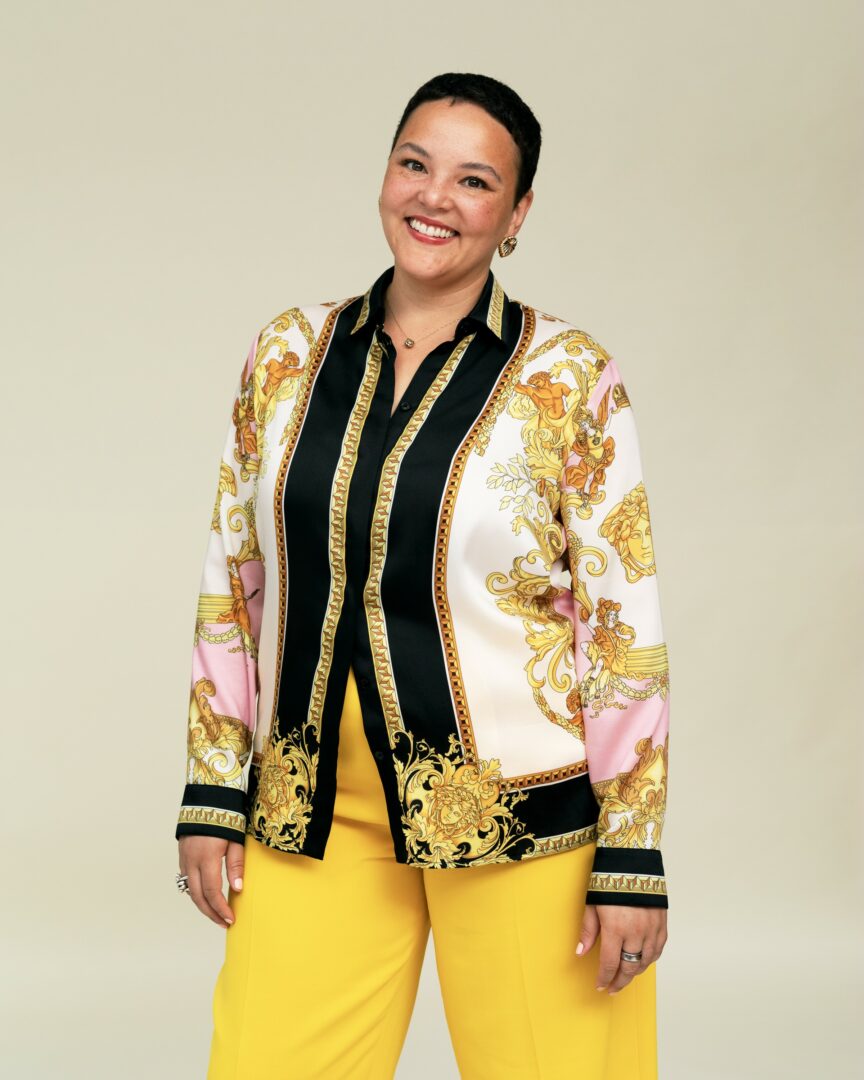
We’re looking forward to introducing you to Lili Stiefel. Check out our conversation below.
Lili, it’s always a pleasure to learn from you and your journey. Let’s start with a bit of a warmup: What is something outside of work that is bringing you joy lately?
I’ve been dancing Salsa, Bachata, and Kizomba a lot lately, and it’s bringing me so, so much joy. I’ve honestly become a bit addicted, especially to Kizomba. I love the music, the rhythm, and the way we move in sync with the beat. There’s something about partner dance that reminds me to be fully present. It’s physical, playful, and completely in the moment. Right now, I’m dancing three to four times a week. As soon as my workday is over and I’ve eaten dinner, I give myself a short moment to rest and change into my dancing shoes, then I can’t wait to get out of the house and onto the dance floor!
Can you briefly introduce yourself and share what makes you or your brand unique?
I’m a coach, creative entrepreneur, and community builder. My coaching company, Experimental Studio, supports individuals and teams through moments of growth, transition, and reinvention. What makes my approach unique is the way I work at the intersection of creativity and structure. I help people connect their left and right brains, so their growth feels both expansive and grounded.
Right now, I’m deepening our four coaching pillars (Transitional, Transformational, Performance, and Creative Coaching) as I move toward becoming a Level 2 ICF Professionally Certified Coach. I’m truly passionate about the work I do with clients and am continually inspired by the tangible shifts I get to witness in their lives. With a background in theater and a Master’s degree in Management & Entrepreneurship, I merge artistry with strategy to support creatives, founders, and visionaries who are building something new from the inside out, feeling stuck, or looking to improve their professional performance.
I also run The Mixed Space, a global community platform for people navigating complex and intersectional identities. We’re currently hosting multimedia book clubs and ongoing conversations on our Discord server, creating spaces where stories spark connections between diverse leaders, creatives, and change-makers. It’s been powerful to witness how underestimated platforms like Discord can become containers for intimacy, vulnerability, and cross-cultural dialogue. Come join our Discord server, we host incredible discussions every month and are growing our own corner of the internet into something meaningful. Recent sessions have included conversations with authors like Farzana Nayani exploring themes of raising multiracial children and offering tools to heal internalized biases.
And finally, my product line, Soulwork Collection, brings my philosophy into tangible form. It’s a journaling and planning system designed to help people build the most supportive daily routines, connect with their goals, and bring more intention into everyday life.
Across everything I do, the thread is the same: empowering people to express their most authentic, capable selves with the tools, support, and spaces they need to grow.
By the way, I’m also writing a one-woman-show, working title: “I was an 8-year old woman” about being a parentified child learning emotional maturity.
Amazing, so let’s take a moment to go back in time. What did you believe about yourself as a child that you no longer believe?
I internalized a core belief that I’m not enough. I’m not good enough to be loved the way I really desire to be. I’m not smart enough or pretty enough to be paid attention to. I’m not worthy enough for people to take me seriously, respect me, or meet my needs. I’m not worthy enough to be held and supported. That core belief of “not enough” can take on many forms.
Just this summer, I was finally able to release that belief. It’s been a process of healing old wounds, one by one. Understanding that my internalized beliefs which I formed as a child are not true and don’t integrate the full reality.
Now, as an adult I can appreciate how much more nuanced and layered my childhood was and many experiences I blamed myself for, are in fact not my fault at all. In my new reality I’m noticing how differently I interact with the people around me; in my relationships, in community, and most importantly, with myself. It’s shifted my approach to everything.
“Not enough” belief used to take up so much space in my heart and silently shaped the logic I used when making decisions or planning ahead. Releasing it has left a kind of hollow space; but now, I get to fill that space with genuine confidence and self-compassion, which leads to more authenticity, contentment, and freedom.
It still feels new and unfamiliar to fully internalize that I am enough, just as I am, enough to achieve my goals and manifest my dreams. And not only that, but the way I live and the people I choose to spend time with are also enough to make me happy and help me live a deeply fulfilling life.
Letting go of that old belief has helped me release so much anxiety and embrace a greater sense of groundedness, mindfulness, and calm. Before, I seemed confident but sometimes I was overcompensating, pushing through. Now, my confidence comes from a quiet place inside. It’s a deeper wisdom, knowing that with faith, patience, perseverance, and grit, everything will work out.
What have been the defining wounds of your life—and how have you healed them?
For me, it goes back to my childhood. It goes back to the way my parents raised me. I have to say, I’m a very lucky girl. I have parents who both love me, who say “I love you” out loud. Both of my parents hug me, and I’ve always had food and housing.
But a defining wound in my life is that both of my parents are emotionally stunted. They lack the language necessary for effective communication. They also lack the emotional skills required to explain what they’re feeling, to connect, to truly take me in and witness who I am. My father was very aggressive growing up, he used physical abuse as a form of discipline. My mother had a hard childhood of her own, and unfortunately, she’s still healing from those wounds, so she wasn’t able to provide a close, nurturing relationship.
As a result, I grew up with parents who were physically present, but emotionally disconnected and, at times, emotionally abusive. That was really hard. I developed an anxiety disorder when I was eight years old and didn’t receive proper treatment until I began therapy during undergrad, at age 24. So I lived with constant fear, worry, and tension in my body for nearly two decades.
When I became overwhelmed or stressed, I would get dizzy and tense up, sometimes to the point of urinating on myself, often in public, sometimes multiple times a week. I carried immense shame. I blamed myself. And that only reinforced my core belief that I wasn’t enough: not smart enough, not clean enough, not strong enough, not worthy of love. I thought I was broken. I thought I would be sick forever. I believed I would never find someone who would stay, or truly love and commit to me.
Both of my parents have ignored me, abandoned me, called me names, and shamed me publicly. It took time, but therapy helped me begin to heal. I started by learning the most basic skill: how to feel my own feelings. What does anger feel like in my body? What does grief feel like? I practiced the bravery it takes to let emotions move through me. That was one of the most healing experiences of my life. Allowing those feelings to surface helped me connect to my power and my resilience.
Later, I began parts work and Internal Family Systems therapy, which helped me identify the different voices inside me and the stories I was telling myself, and start to question which ones were true. I’ve also invested deeply in bodywork: massage, Reiki, acupuncture, sound healing, meditation, gyrotonics, Rolfing, Pilates, yoga. These practices have helped me build strength, release tension, and understand how my human body is naturally built; how to use opposition, how to ground down in order to build up.
I also had to learn vocabulary – real, tangible words – to express myself clearly and connect more deeply with others. Reading has been a huge part of that journey. And building community, especially through The Mixed Space, has helped me reclaim parts of myself. Being in connection with other biracial people, third-culture kids, and bilingual folks has changed me profoundly. It’s helped me see myself through a more compassionate lens.
Understanding my parents’ histories: their childhoods, the socioeconomic circumstances, the politics and gender norms at play when they were coming of age, gave me a new perspective. It helped me have compassion for them, and also for myself.
And finally, I’ve had honest, painful conversations with both of my parents. I’ve told them what I went through, how their parenting affected me. We’ve had healing conversations. Now, ten years into my healing journey, I have relatively open, connected relationships with them, something I never thought was possible. For years, I believed I would need to cut both of them out of my life forever because of the harm they caused. But now, I’m at a point where I can actually enjoy time with them, within the boundaries that are safe for me, and to the degree that connection is possible.
So a lot of these questions go deep, but if you are open to it, we’ve got a few more questions that we’d love to get your take on. Is the public version of you the real you?
I love this question because I’ve struggled with the concept of a personal brand for a long time, and I still don’t have it fully figured out. What I consider the real me is multifaceted and layered, there are many different aspects of who I am. Some I tend to share, and some I don’t.
In terms of my aesthetic, for example, I hardly ever wear makeup. I rarely have anything in my hair that isn’t my real hair. I don’t wear false lashes or acrylic nails. So in that sense, what you see is what you get. But I’ll admit, sometimes it’s challenging to feel confident about the way I present myself in public, especially when I compare myself to others who use contouring or modern beauty trends to enhance their appearance. A lot of public-facing communication today is visual, and I often feel like I just don’t look as good as many others online.
Still, this connects to one of my core values: accepting myself as I am. I use natural products on my skin and nothing else, not because I’m against beauty rituals, but because, for me, the effort, time, money, and energy it takes to “look better” just isn’t worth it. I’d rather feel a little insecure now and then than spend so much of myself chasing an aesthetic. That’s just where I’ve landed after going through many phases of exploring identity and presentation.
When it comes to what I share online, I feel like I tell the truth. I make videos and content about things I genuinely care about. I show my real friends and my real family on social media. But there are definitely things I don’t show as much: my sexual life, my naked body, my illnesses, my most embarrassing or shame-filled moments. I’ll talk about them, but there are fewer images or visible markers of those experiences.
That said, I’m definitely curious about this boundary. I think there’s something powerful, even radical, about showing highly imperfect, often shamed or taboo aspects of life. I’m interested in how doing that can deepen our connection to reality and to each other’s humanity.
Thank you so much for all of your openness so far. Maybe we can close with a future oriented question. What will you regret not doing?
Raising kids! I don’t necessarily need to birth children from my own womb, but I do care deeply about being actively involved in raising them; whether they’re my niece, stepchildren, adopted children, or foster children. The commitment to nurturing young people is grueling at times, challenging, and even painful. But I know it’s something I’ll regret not building into my life.
As a modern millennial woman who is financially stable and has built a successful business, it can feel tempting to simply maintain what I’ve created, to keep my routines, stay in shape, and enjoy the privileges I’ve worked hard for. It can feel easier to protect that than to give up my time, energy, or sanity to raise children.
But when I truly connect with my femininity, I feel a deep urge to mother. I want to commit to my legacy in that way. I want to help raise children and infuse them with my perspective, my values, my love, my care. That kind of contribution would feel deeply meaningful to me, and I know I would feel the absence of it if I didn’t choose to make it part of my life.
Contact Info:
- Website: https://lilistiefel.com/
- Instagram: https://www.instagram.com/lilistiefel/?hl=en
- Linkedin: https://www.linkedin.com/in/lili-stiefel12345/
- Twitter: https://x.com/lili_stiefel?s=21
- Facebook: https://www.facebook.com/share/167XvZNL3t/?mibextid=wwXIfr
- Other: Experimental Studio LinkedIn: https://www.linkedin.com/company/experimental-studio/?viewAsMember=true
The Mixed Space LinkedIn: https://www.linkedin.com/company/the-mixed-space/?viewAsMember=trueEXS webiste: https://lilistiefel.com/experimentalstudio/
TMS website: https://www.themixedspace.com/
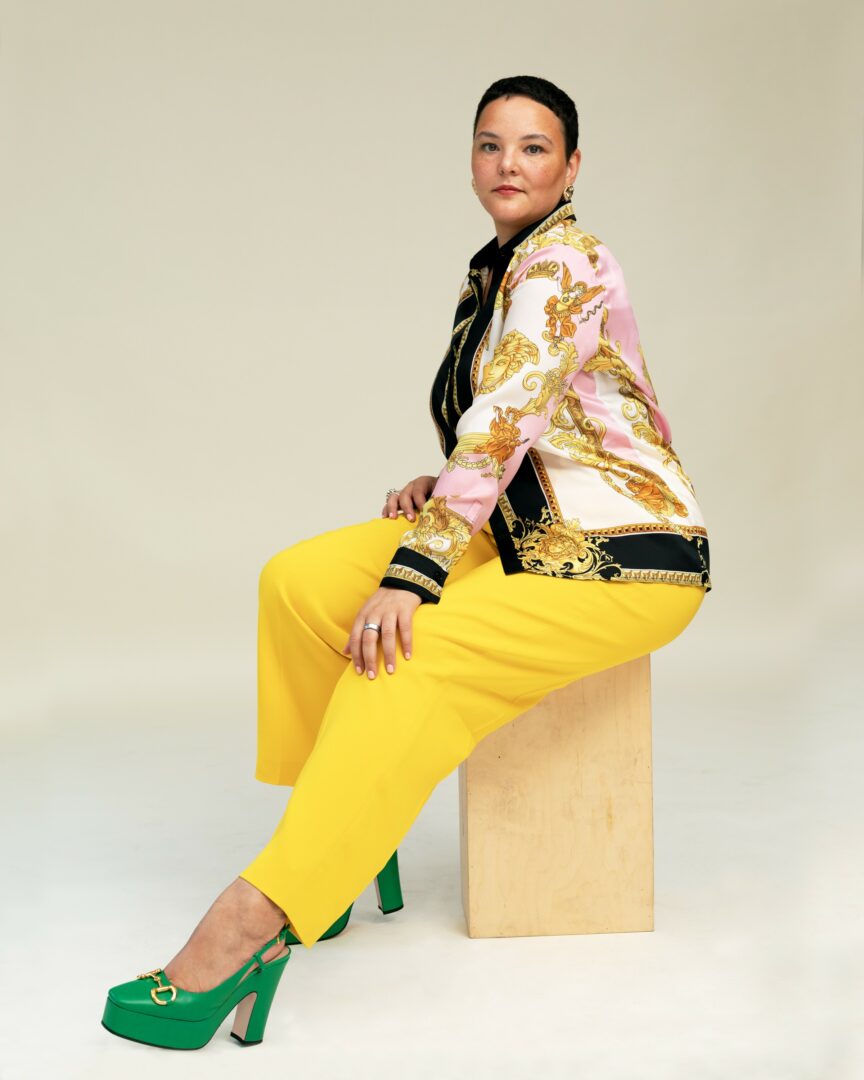
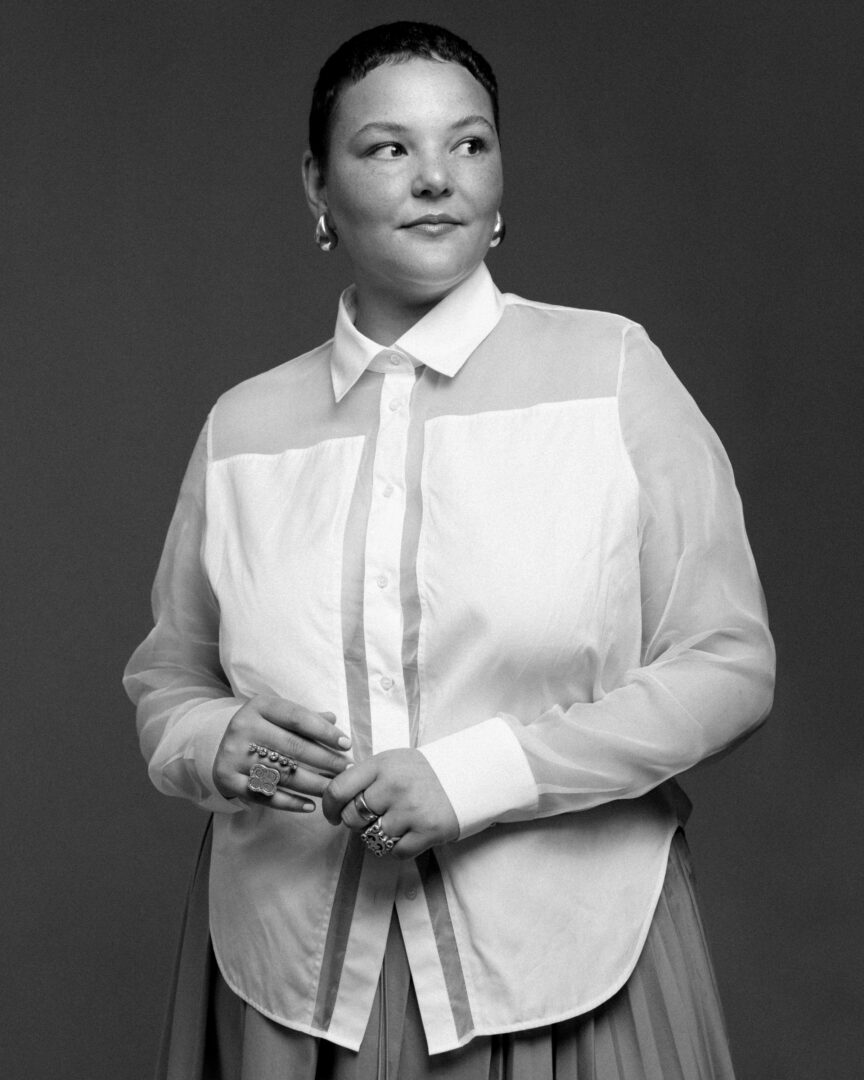
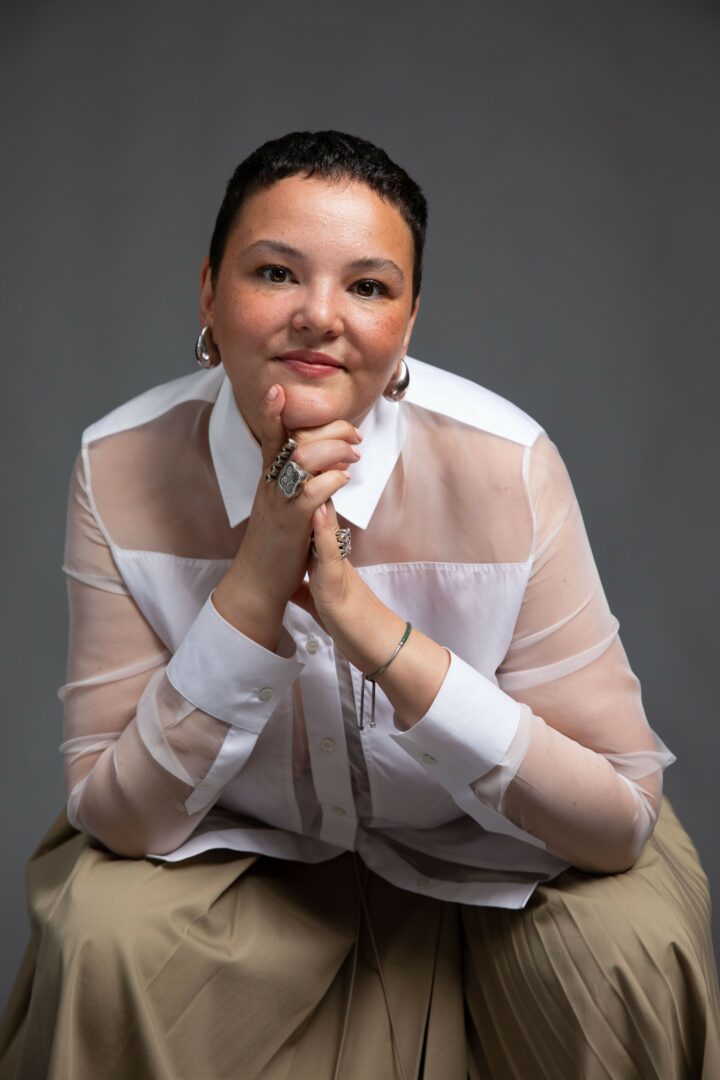
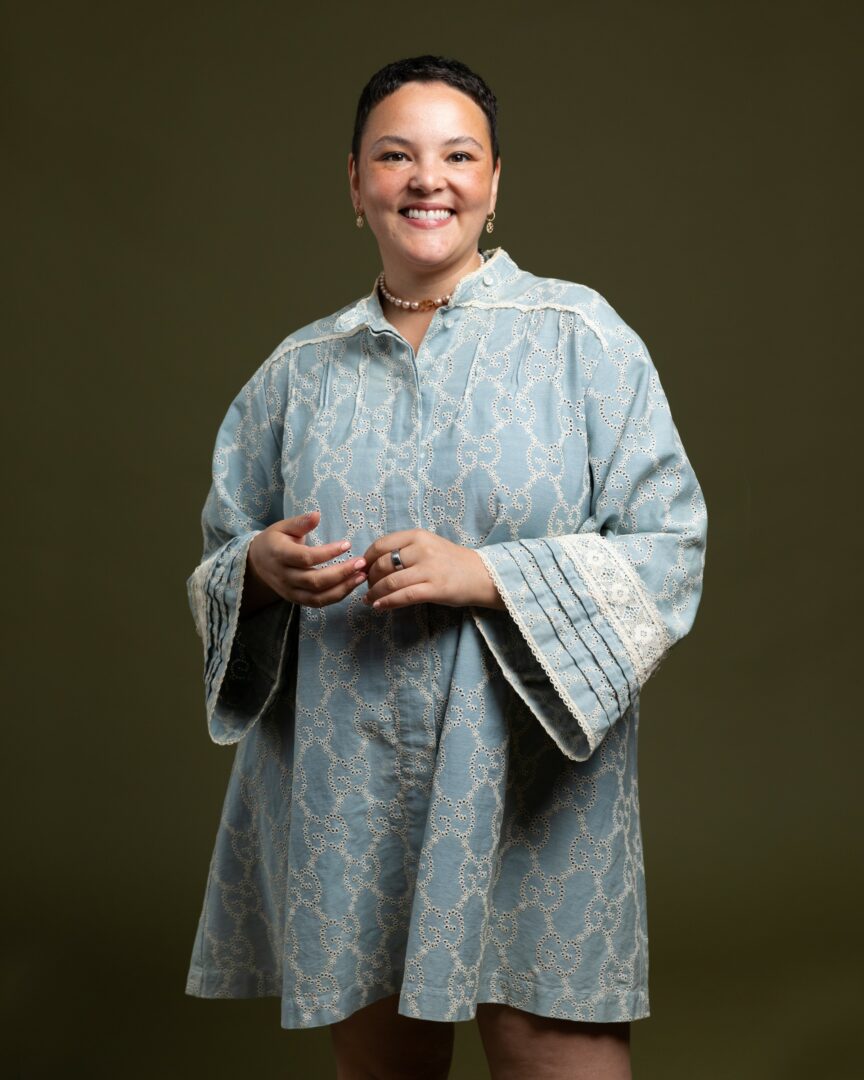
Image Credits
Myesha Evon
so if you or someone you know deserves recognition please let us know here.