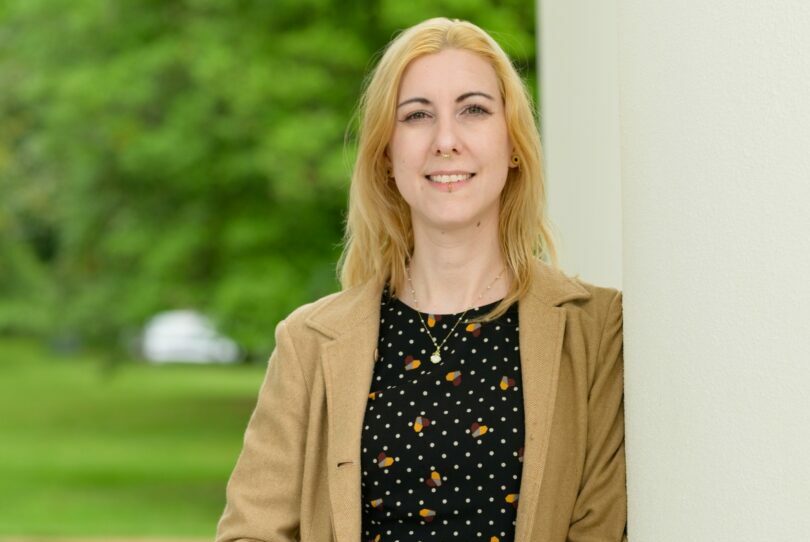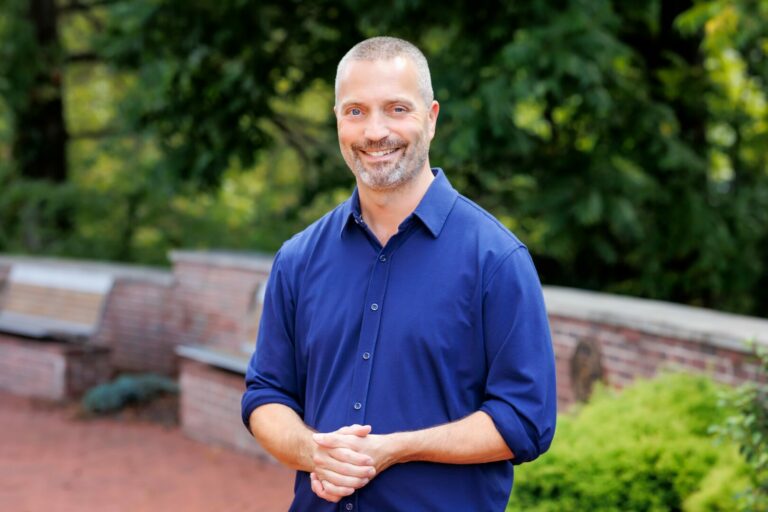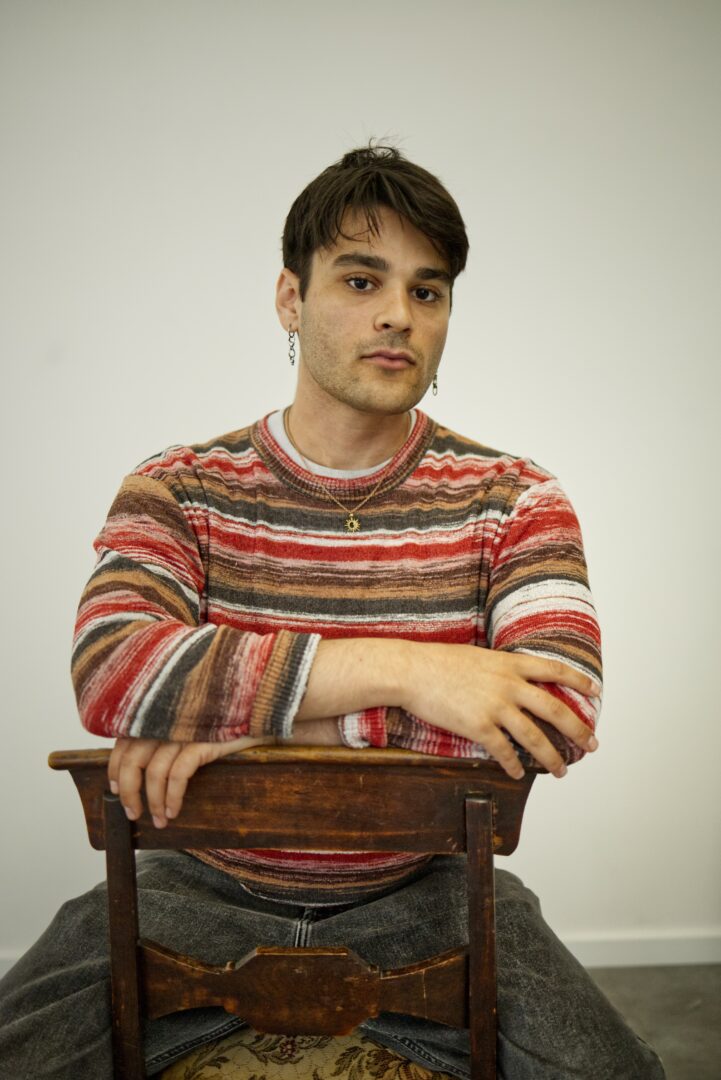
Lily Kensington Jacob Spivack shared their story and experiences with us recently and you can find our conversation below.
Jacob, really appreciate you sharing your stories and insights with us. The world would have so much more understanding and empathy if we all were a bit more open about our stories and how they have helped shaped our journey and worldview. Let’s jump in with a fun one: Would YOU hire you? Why or why not?
I would hire myself—primarily for the ideas—and I would tolerate the mess that comes with them. I have a tendency to become absorbed in details or lost in daydreams, yet when the pieces align, the results can be unexpectedly cohesive and meaningful. Living with ADHD and sensory overload has not diminished my strengths; it has merely shaped the way I work—sometimes more chaotically, but also more authentically human.
I have come to see these traits not as liabilities, but as part of a distinctive mode of engagement: one that balances creativity with persistence, curiosity with care. In short, I would hire myself not despite my differences, but because they offer perspectives and insights that might otherwise be overlooked.
Can you briefly introduce yourself and share what makes you or your brand unique?
I am a social worker and interdisciplinary artist operating between Berlin and Dublin, with dual Polish and U.S. American heritage. My professional and creative activities lie at the convergence of clinical practice, academic research, and narrative inquiry, with a particular focus on the ways in which social systems shape identity, mental health, and the conditions of belonging.
For more than a decade, I have worked across film, performance, and community-based initiatives that engage critically with neurodivergence, vulnerability, and human resilience. I am presently undertaking research in the field of mental health social work, examining the relationship between policy development and lived experience within contemporary care arrangements.
The distinguishing feature of my work is its integrative nature. I regard creative practice and social work as parallel and complementary modalities of care. Whether expressed through a film, a performance, or a policy analysis, my objective is to foster environments that enable empathy, rigorous reflection, and substantive structural reform.
Thanks for sharing that. Would love to go back in time and hear about how your past might have impacted who you are today. What’s a moment that really shaped how you see the world?
A formative moment in shaping my worldview was the realisation that identity is never static; it is interpreted, constructed, and continually renegotiated depending on one’s social and historical position. Growing up in the United States, I was often perceived through the prism of privilege: as a Jewish white individual whose life was marked by structural advantage. Coming to understand that positioning required attentive listening, and the recognition that there are moments when one’s responsibility is not to speak, but to step back, to learn, and to reckon with the systems that sustain that privilege.
In Germany, however, the same identity acquired a markedly different resonance. As a Jewish person, I witnessed and experienced moments in which Jewish protestors speaking out against the genocide in Gaza—including those aligned with my own communities—were met with police responses that felt deeply jarring. For many of us, these encounters carried uncomfortable echoes of historical violence and raised questions about how the state manages dissent, particularly when it complicates national narratives. Set against the longer histories of pogroms, the Holocaust, and intergenerational trauma—legacies that shape my own family—the experience revealed how an identity associated with safety in one context can be rendered precarious in another.
Holding these intertwined realities—of inherited security and inherited vulnerability—has taught me that identity is not a fixed category but a dynamic relationship between history, power, and perception. This awareness continues to inform my work in social practice and art: the commitment to listen deeply, to understand how histories are carried within us, and to translate that understanding into empathy, accountability, and collective repair.
What have been the defining wounds of your life—and how have you healed them?
Some of the defining wounds of my life have stemmed from living with ADHD and navigating the ways in which these differences have shaped my relationships. In adolescence, I experienced the loss of friendships that once felt essential, struggling to comprehend how connections that mattered deeply could fray or disappear. These experiences left a lasting impression, cultivating both an awareness of the fragility of social bonds and a patience in understanding myself and others.
Healing has been a gradual process, rooted in self-reflection, acceptance, and gratitude. I have learned to recognise my own patterns, to advocate for my needs, and to cultivate friendships that prioritise authenticity over convenience. I am profoundly grateful for those friends who have remained—those who meet me where I am, acknowledge both my challenges and strengths, and make space for growth and honesty. These experiences have informed my approach to life, reinforcing the understanding that healing is not the erasure of pain, but the capacity to move through it with awareness, care, and an enduring sense of gratitude.
So a lot of these questions go deep, but if you are open to it, we’ve got a few more questions that we’d love to get your take on. Is the public version of you the real you?
I do not believe that the public version of myself is entirely the “real” me, though it is by no means false. Rather, it is a translation. Living with ADHD has made me acutely aware of the ways in which selfhood is shaped by context: how one adjusts, masks, or performs in order to sustain social interactions or to make others comfortable. For many years, I interpreted this adaptability as inauthenticity.
Over time, however, I have come to understand it differently. The public version of myself is one legitimate expression of who I am—a version shaped by care, effort, and the desire to connect, even when doing so does not come easily. The quieter, private self is no less real; it is simply less filtered, less choreographed, and more uncertain. These two facets coexist, and together they constitute a whole.
Perhaps the truest version of self is found not in either alone, but in the movement between them—in those moments when performance is set aside, and the space between who I am and how I am perceived is allowed to exist without apology.
Thank you so much for all of your openness so far. Maybe we can close with a future oriented question. Are you doing what you were born to do—or what you were told to do?
I believe it is a combination of both. At a fundamental level, I feel called to be an artist: to create, explore, and express in ways that are central to my sense of self. Yet I also feel called to be a listener—to hold space for others rather than continually projecting my own voice. I have observed, both in myself and in others, that artists can sometimes lean toward performance or self-expression at the expense of genuine connection.
A significant part of my journey, therefore, involves learning to navigate these dual impulses: to honour my creative drive while cultivating the patience, attentiveness, and care necessary to engage meaningfully with the people and narratives around me. In this way, my work becomes not only a vehicle for personal expression but also a practice in empathy, understanding, and relational responsibility.
Contact Info:
- Website: https://europeandme.eu/lily-kensington-diva-as-dialectic/
- Instagram: https://www.instagram.com/lily__kensington/
- Linkedin: https://www.linkedin.com/in/jake-spivack-7769a4122/
- Other: https://www.onlineperformanceart.com/lily-kensington-berlin-germany-allison-influencer/

Image Credits
Daniel Willis
so if you or someone you know deserves recognition please let us know here.