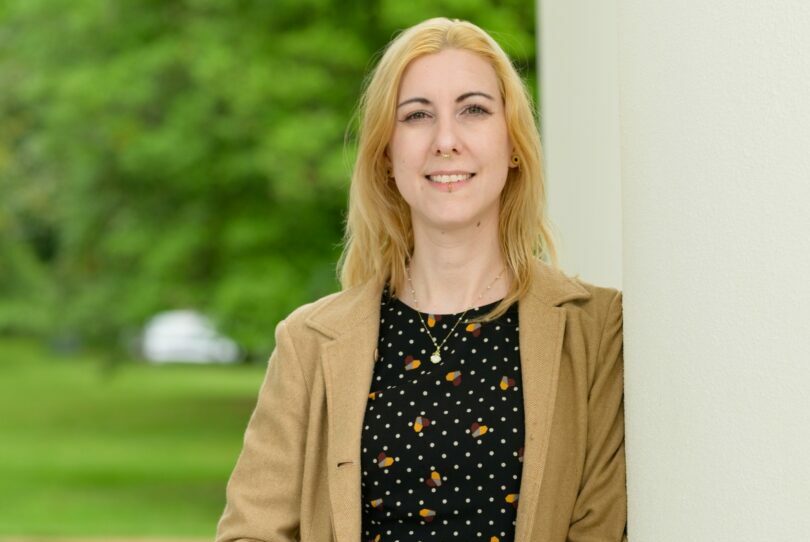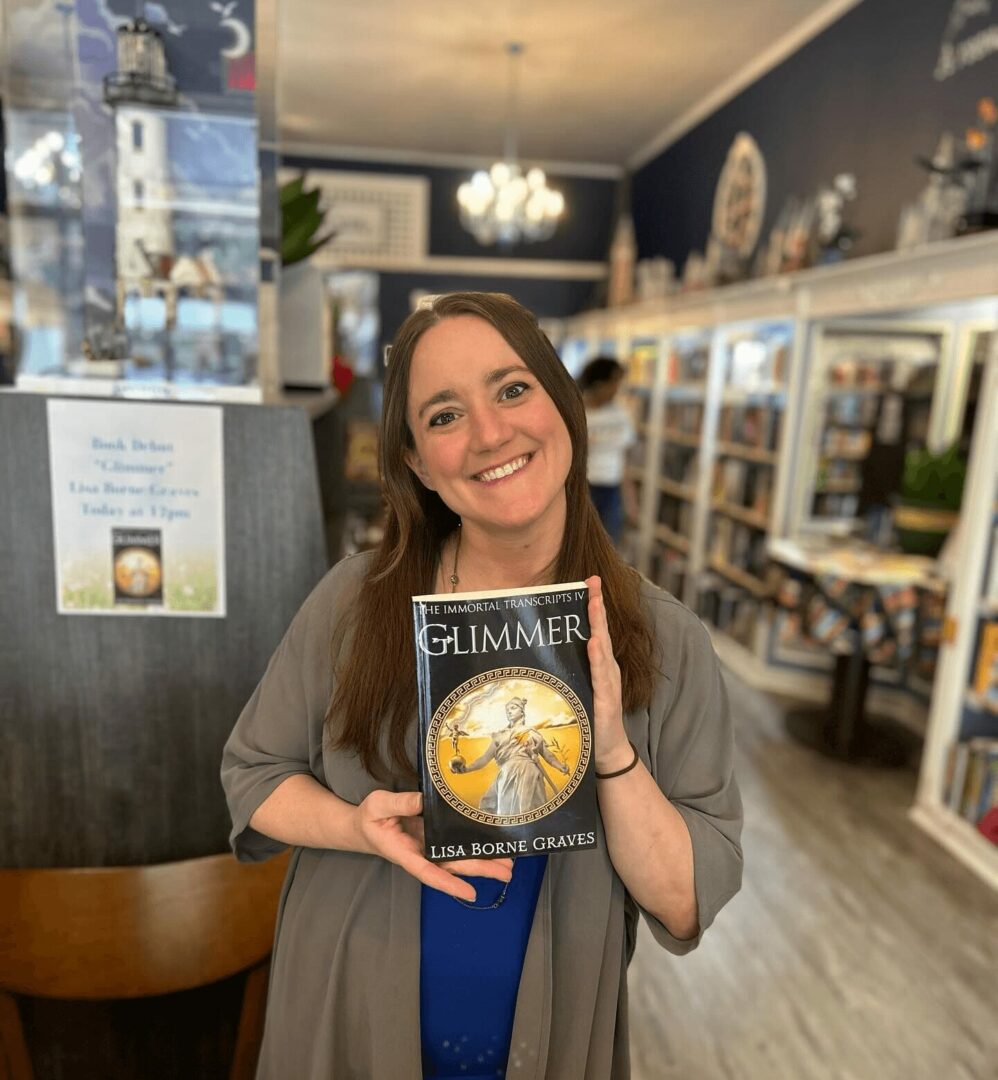
Lisa Borne Graves shared their story and experiences with us recently and you can find our conversation below.
Good morning Lisa , it’s such a great way to kick off the day – I think our readers will love hearing your stories, experiences and about how you think about life and work. Let’s jump right in? What makes you lose track of time—and find yourself again?
Having ADHD, time is a tricky thing to keep track of. It goes too fast or too slow, and I often cannot conceptually envision it. I often lose track of time completely while doing my passion–writing. Hours fly by without me noticing. When I find myself again, it is more than finding my grounding in time again. I have put something down in words that has cathartically, therapeutically helped me, ergo I truly find myself again.
Can you briefly introduce yourself and share what makes you or your brand unique?
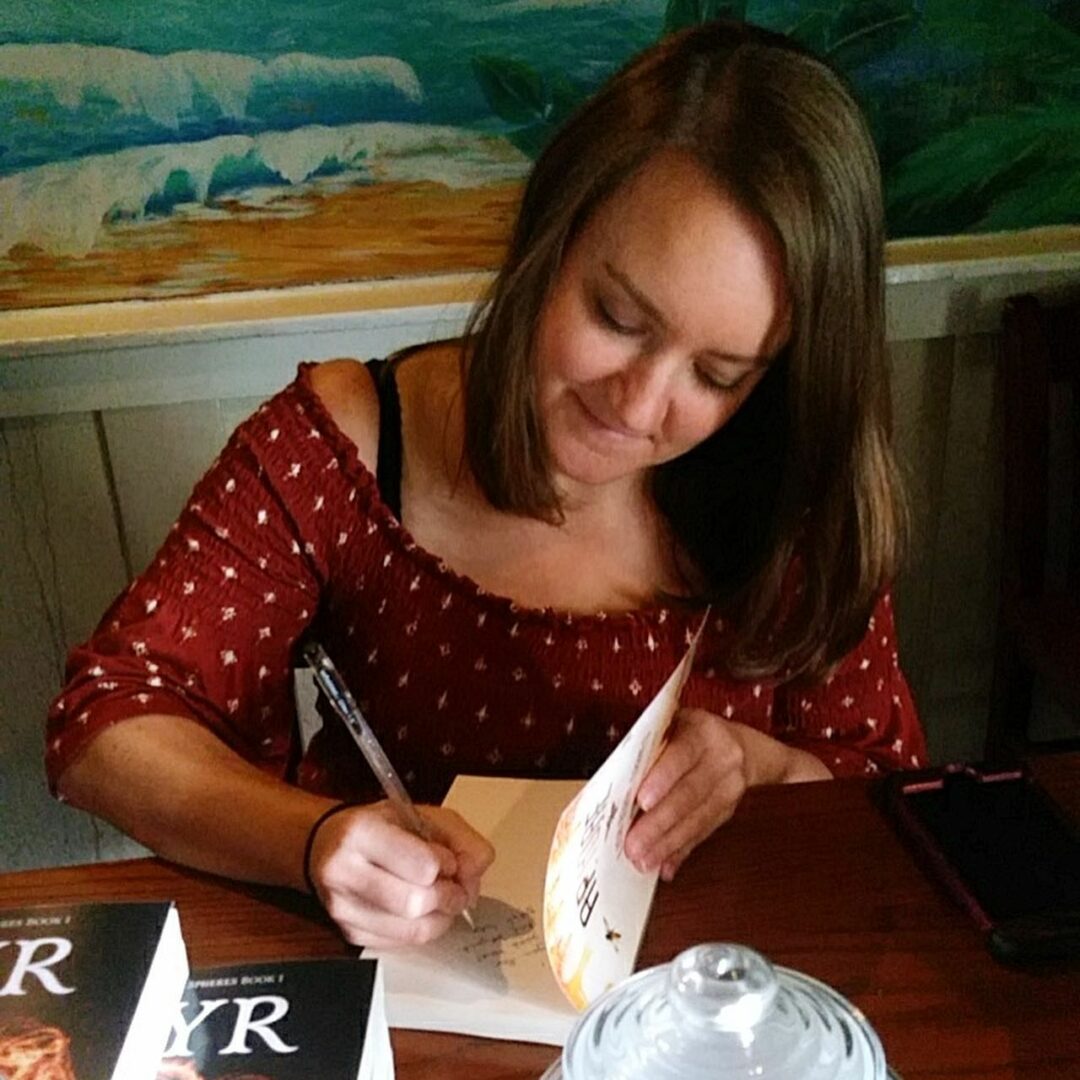
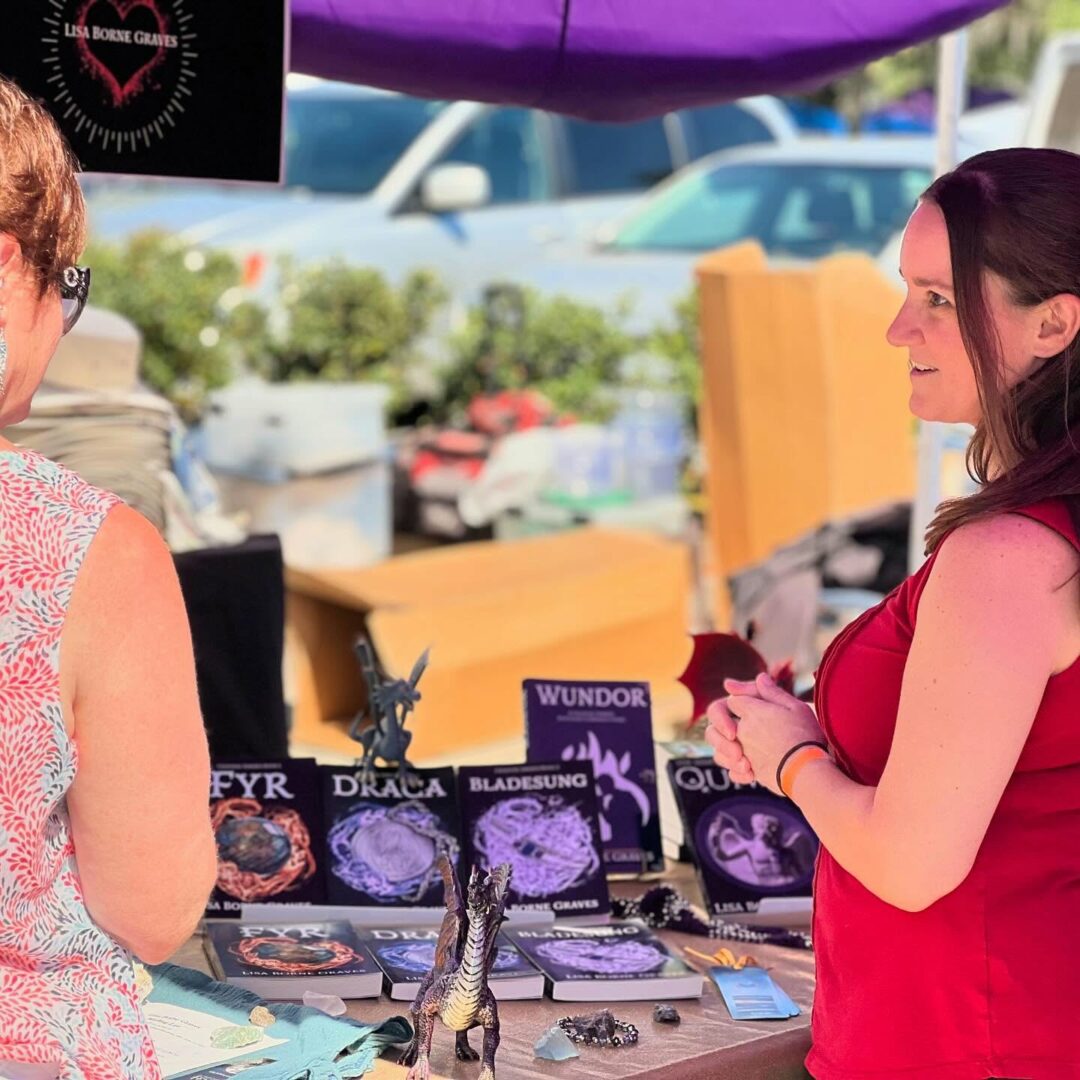
I’m Lisa Borne Graves, a woman who wears a lot of hats–mother, wife, college English Lecturer, novelist, and editor. What makes all these roles possible, and perhaps makes me unique, is my ADHD, hyperactive type; my boundless energy allows me to complete more work than your average person and in less time. This is a gift because I can pursue my career and my dreams while balancing a family life. I’m currently writing two novels that I hope will hit shelves next year. My newest venture, though, is that I started a publishing company with three author friends called Green Ferns Publishing House. I serve as Editor in Chief, and absolutely love making books take flight.
Appreciate your sharing that. Let’s talk about your life, growing up and some of topics and learnings around that. What relationship most shaped how you see yourself?
Becoming a mother has shaped me and the way I view myself today, but not in the common way. Due to severe pregnancy complications, my son was born prematurely, affecting both our physical and mental health. My son is disabled, but instead of focusing on what he struggles to do, I celebrated each milestone, each accomplishment. This changed my mental health and mentality toward life, but mostly my confidence. I had been an anxious person, afraid of putting myself out there. I started a mantra in my head, to paraphrase, if my son overcame this obstacle, I should be able to do anything I put my mind to. I told myself this about getting my novels published, and I was successful. I decided to become a freelance editor, and I did it. Now, I get to edit for publishing companies. I went from an anxious, unsure woman to a warrior mom who fights for her child and herself. I now have the confidence to do anything, and my self-esteem is stronger.
When you were sad or scared as a child, what helped?
I was called an extremely timid child in the 1980s, but today, they would recognize early on that, aside from ADHD, I had anxiety and selective mutism, a condition where someone is rendered speechless in social situations. I couldn’t even answer a teacher’s question in class. I was terrified to do any sports or join groups. I was well aware I lacked any social skills and struggled to know what to say to people. What helped me was a mother who pushed and prodded me just enough and who got involved in activities so I would have that support there. For example, I wanted to play soccer, but was scared, so my mom became a coach. The second thing that helped me was theater. For some reason, under the lights, playing a character–not myself–was liberating. It truly took down the last of my walls and fears. Now, in social situations, if I don’t know what to say, I use my theater skills to “perform” social niceties and small talk until I feel at ease. I guess you could say what helped me was a strong support system and an artistic outlet.
Alright, so if you are open to it, let’s explore some philosophical questions that touch on your values and worldview. Is the public version of you the real you?
Yes, but sometimes no. I would say because of my ADHD, I felt compelled to “mask,” meaning I learned and was conditioned by peers to act “normal” when anything I did or said was viewed as odd. I was bullied as a child, so I hid parts of myself over time. Majoring in theater and English both forced me to dismantle the mask and rediscover myself. Still, in public, I played a role to help fit in certain situations. I did not fully drop the act until my son was diagnosed with autism and ADHD. How could I teach my child to be his beautifully unique self if I wasn’t doing the same? This was my final stage of rediscovering the real me. At times, I do put on a social persona to put myself and others at ease; I have frictional situations with others for not adhering to social standards, or I get judged. I accept this because it is better to be truer to myself and be myself in public than to pretend to fit in with others.
Okay, so before we go, let’s tackle one more area. When do you feel most at peace?
I feel the most at peace when I’m reading or writing. Both transport me to another world of fiction so my worries, cares, and troubles are left at the door, allowing me to explore all my emotions and purge my overactive imagination. Only after that is done can my overactive mind relax. Reading or writing in the sunshine by the pool or on the beach? That is even better.
Contact Info:
- Website: https://www.lisabornegraves.com
- Instagram: https://www.instagram.com/lisabornegraves/
- Facebook: ttps://www.facebook.com/lisabornegravesauthor




so if you or someone you know deserves recognition please let us know here.