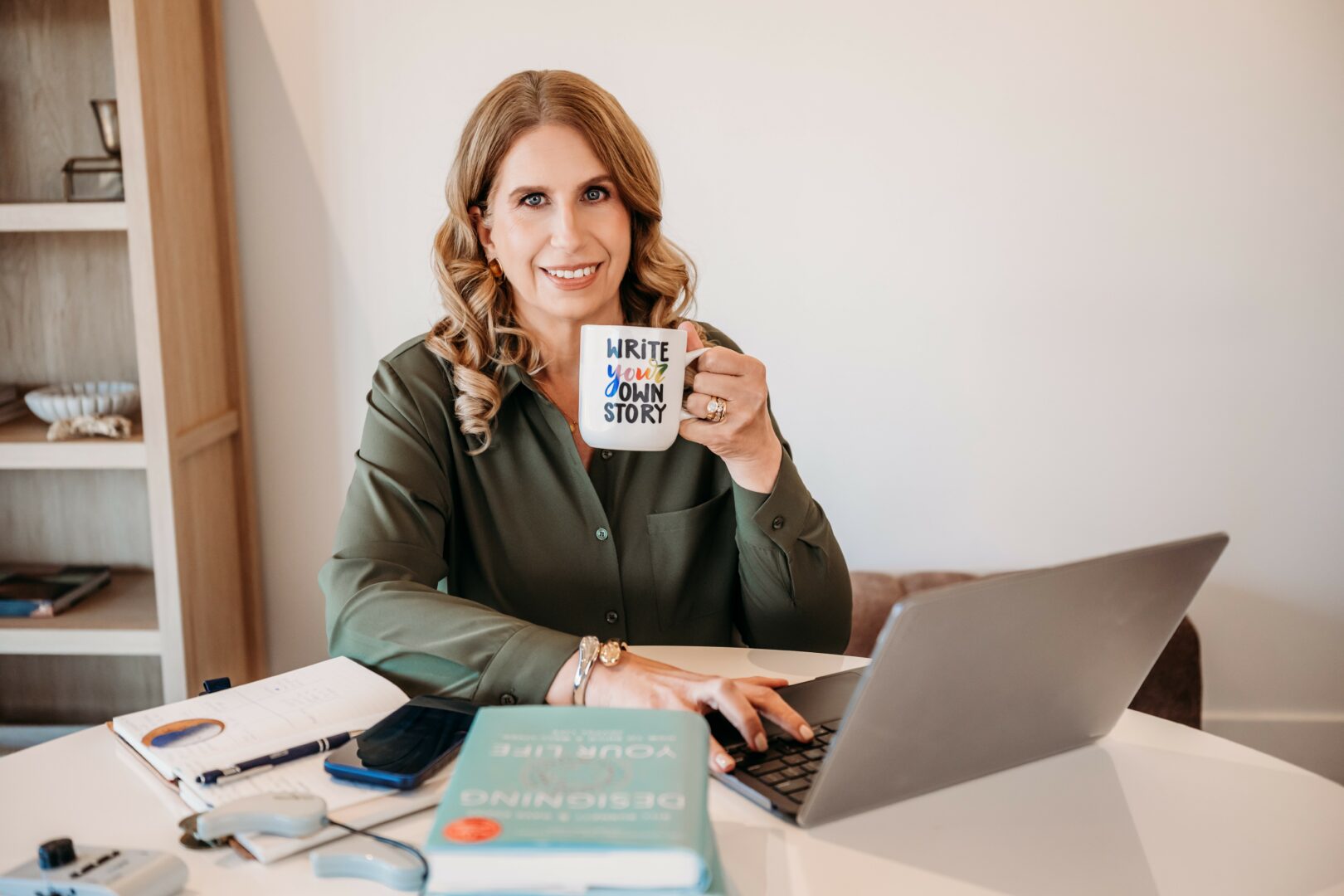
We’re looking forward to introducing you to Lisa Duez. Check out our conversation below.
Hi Lisa, thank you so much for taking time out of your busy day to share your story, experiences and insights with our readers. Let’s jump right in with an interesting one: What are you being called to do now, that you may have been afraid of before?
Lately, I feel a clear pull to be more visible—and honestly, that’s a tough one for me. After pouring so much of myself into writing this book, it’s time to share it with the world. That part feels big… and vulnerable. Imposter syndrome definitely shows up in the process, whispering all the old doubts.
But I’m also realizing something important: this is my way of serving. My story, the lessons I’ve learned, the things that worked—and the things that didn’t—are exactly what someone else might need right now. Hiding doesn’t help anyone. Sharing does. And if being visible means helping even one person feel less alone, more hopeful, or more grounded in their own leadership, then it’s worth the discomfort.
Can you briefly introduce yourself and share what makes you or your brand unique?
Hi, I’m Lisa Duez—therapist, consultant, speaker, and accidental entrepreneur. I’m the founder of Turning Point Counseling & Consulting, a trauma-informed group practice in Virginia, and the creator of the EASE leadership framework, which blends emotional intelligence, authenticity, problem-solving, and empowerment into a human-centered way of leading.
At the heart of everything I do is one simple belief: healing and leadership go hand in hand. I’ve spent over two decades working in mental health—supporting clients through trauma, mentoring clinicians, building teams, and learning (often the hard way) what sustainable leadership really looks like. My work now lives at the intersection of clinical care, leadership development, and burnout prevention for helpers and practice owners.
What makes my work a little different is that I lead from lived experience as much as from theory. I don’t teach polished perfection—I teach what it looks like to lead while being human. Right now, I’m working on a book about trauma-informed, emotionally intelligent leadership, expanding my coaching and speaking work, and continuing to build community through training and connection for mental health professionals.
Amazing, so let’s take a moment to go back in time. Who taught you the most about work?
The person who taught me the most about work was my dad. He always used to say, “Don’t be afraid of the work.” What he meant was deeper than just showing up and getting things done. He meant it’s okay to get your hands dirty. It’s okay to start at the bottom. It’s okay to work hard, try things, mess up, and keep going.
He also taught me to enjoy what I do—not just push through it. Work wasn’t meant to be something you survive; it was something you participate in fully. He modeled what it looked like to contribute wherever you are, to serve others well, and to take pride in doing things with integrity, even when no one was watching.
One of the lessons that stuck with me the most is his belief that you should always try to leave situations better than you found them—whether that was a job, a relationship, a community, or a season of life. That idea shaped how I lead, how I build teams, how I show up for my clients, and honestly, how I live.
Was there ever a time you almost gave up?
es—absolutely. And honestly, the writing process itself has tested me more than I expected. There were definitely moments when I thought about giving up. Writing a book isn’t just about putting words on a page—it’s about taking years of lived experience, messy ideas, hard-earned lessons, and trying to translate all of that into something that actually makes sense to someone else. That part is hard.
There were days when it felt like I was dumping my brain onto paper and hoping it would somehow organize itself into meaning. There were moments of doubt where I wondered, “Does this even make sense?” or “Who am I to say this?” And then there’s the vulnerability of trying to find a shared language—one that can meet people where they are and invite them into the journey with you. That alone takes courage.
What kept me going was remembering why I started. I didn’t write this book because it was easy—I wrote it because I believe in the message, and I believe people need it. On the days I wanted to quit, I reminded myself that discomfort doesn’t mean I’m doing it wrong. Sometimes it means I’m doing something that matters.
So yes, I came close to giving up—but I didn’t. And I’m really glad I stayed.
Next, maybe we can discuss some of your foundational philosophies and views? Is the public version of you the real you?
Yes—the public version of me is the real me. I lead with authenticity, always have. I think we spend so much of our lives hiding, editing ourselves, or trying to figure out who we’re “supposed” to be for other people. For a long time, that feels necessary. It feels protective.
But at this stage of my life, I’ve earned the right to be fully myself. What you see is what you get. The values I talk about are the values I live by. The leadership I teach is the leadership I practice. The imperfections, the growth, the confidence, the doubt—it’s all real.
For me, authenticity isn’t a branding strategy—it’s a way of life. And honestly? It’s freeing. This is the season of take it or leave it. Not in a defensive way—but in a grounded, peaceful way. I know who I am, what I stand for, and what I bring to the table. And I trust that the right people will find their way to that.
Okay, we’ve made it essentially to the end. One last question before you go. Could you give everything your best, even if no one ever praised you for it?
Yes—without a doubt. I’ve learned that personal satisfaction matters more than external praise. Some of the most important things I’ve ever done are the things no one else will ever fully see or understand—and I’m okay with that. There’s a deep kind of fulfillment that comes from knowing I gave my best, even when there was no applause, no spotlight, and no recognition attached to it.
Doing meaningful work quietly has taught me integrity. It’s shown me that who I am when no one is watching matters just as much—sometimes more—than who I am when everyone is. And honestly, that kind of satisfaction lasts longer than any compliment ever could.
Contact Info:
- Website: https://lisaduez.com
- Instagram: lisaduez4
- Linkedin: Lisa Duez
- Facebook: Lisa Duez
- Other: Tik Tok – lisaduezlcsw
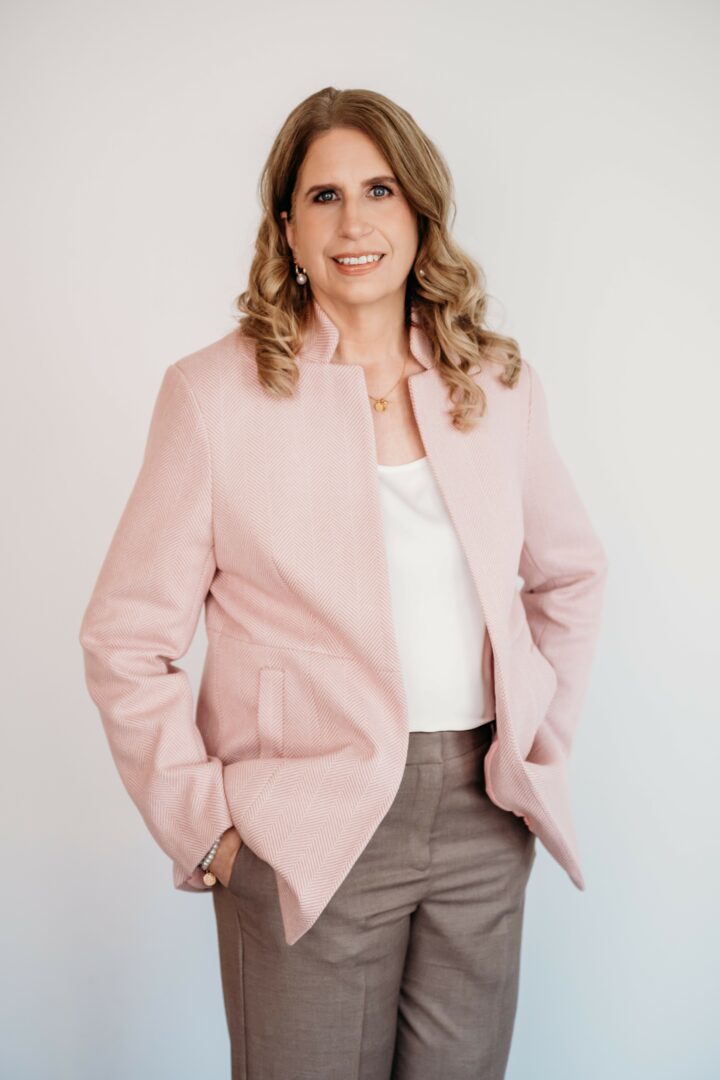


Image Credits
person named Jenny Sessoms took pics but I dont know if that is needed
so if you or someone you know deserves recognition please let us know here.