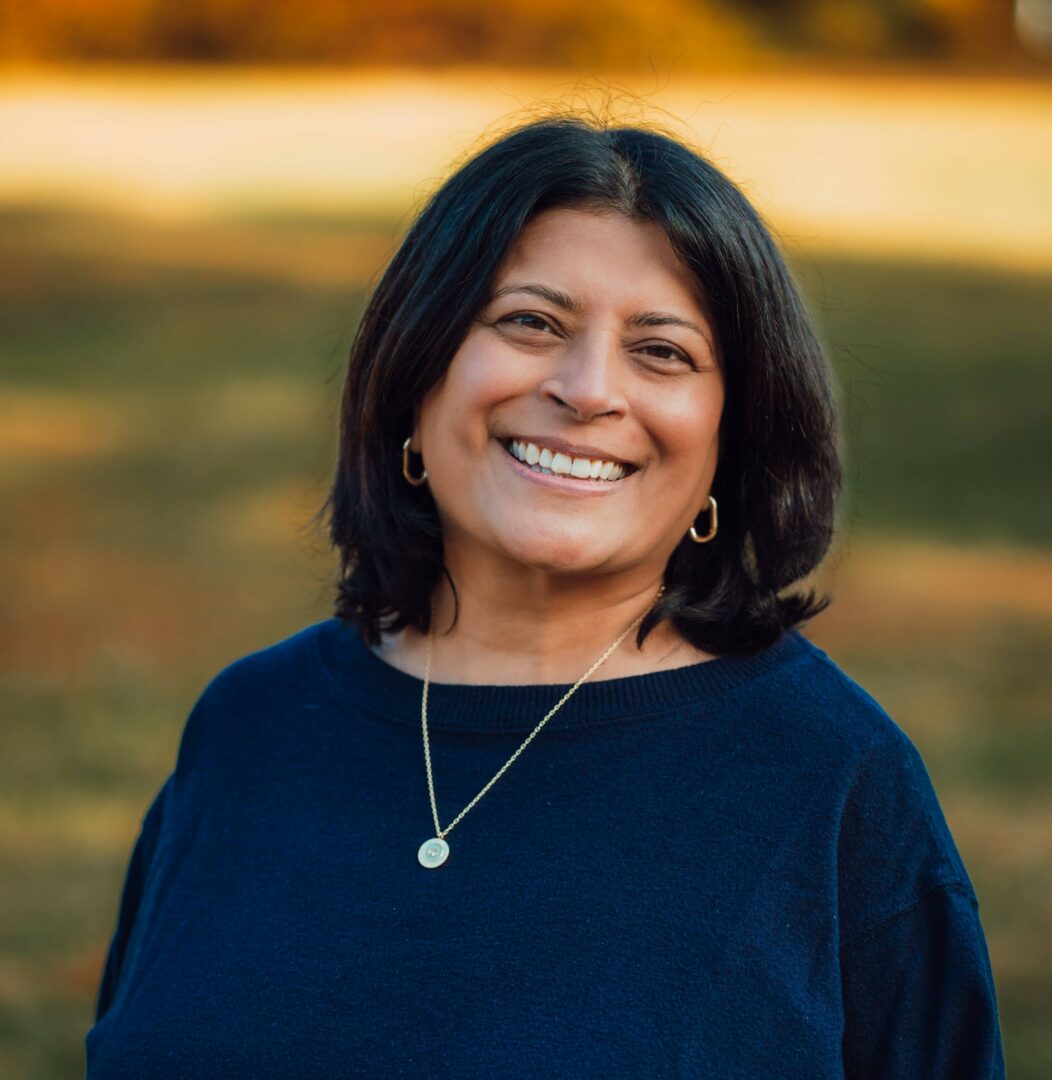
We’re looking forward to introducing you to M. M. De Voe. Check out our conversation below.
M. M. , really appreciate you sharing your stories and insights with us. The world would have so much more understanding and empathy if we all were a bit more open about our stories and how they have helped shaped our journey and worldview. Let’s jump in with a fun one: What do you think is misunderstood about your business?
The nonprofit I run helps writers stay on creative track after they have kids. Many people believe that because we are all parents, we are children’s book writers, or that we are mommy-bloggers writing about our kids in some way. That couldn’t be further from the truth and yet it is constantly a question we are asked about our constituency. The second assumption that they make is that because this is a nonprofit helping parents retain their writing careers that we are a mom group. In fact undervaluing caregiving is not a gender issue but a societal issue — American society tries to equate the parent-child relationship with a career. It is not. It is a relationship, and should never be pitted against a career in terms of the resources of time, energy and money that can/should be devoted to its development.
American society also does not value artists in the same way they value other professions. Artists — including writers– are only seen as “working” if they make money. In fact, most of the real work is done to ensure that the first book is published — sometimes there are years of professional development necessary before the first book comes out in the world. This is difficult for both men and women if they have kids–because again, American society wants its parents to either make a lot of money to “afford” their child, or to quit working altogether to spend 100% of your time on parenting.
Can you briefly introduce yourself and share what makes you or your brand unique?
Hi! I’m M. M. De Voe and I’m an arts enabler and an arts lover. I work currently as a writer in multiple genres who also includes collaborations with visual artists and I hope to expand to other arts as well. My day job is to run the nonprofit Pen Parentis which I founded to help writers stay on creative track after they have kids. My writing is varied and extensive.
Some of the things i’m working on? Well, I have a weekly Substack called “This is Ridiculous” with a few thousand followers where i basically relate some event that happened to me that week in Manhattan or wherever I’m traveling and then I wax philosophical about it. I also write on Medium, and frequently publish in small literary, poetry, and sci-fi or horror publications.
I have two books out currently: my first was BOOK AND BABY, a nonfiction guidebook for writers who are also parents, to help them stay productive. The advice is crowdsourced from the 200 authors I interviewed in the first ten years of running the nonprofit. My second book is A FLASH OF DARKNESS which is a collection of a selection of published short fiction I had written. The style of the stories is Black Mirror or Twilight Zone – you never know what the next story will be like. You can find both of these books on my author website at mmdevoe.com – I also have a debut novel forthcoming from Brooklyn Writers Press. Called THE BOY WHO LOVED TREES, it is my love letter to the gay men of the 1980s who were unable to come out during that wild androgynous decade. It is set on a two week trip to the Soviet occupied country of Lithuania and involves Artie’s search for identity in the back streets of Vilnius.
Thanks for sharing that. Would love to go back in time and hear about how your past might have impacted who you are today. What was your earliest memory of feeling powerful?
When I was about seven, I discovered I could climb trees and looking down on the world from that high was such a rush. Now i live in Manhattan and still love heights more than anything.
What have been the defining wounds of your life—and how have you healed them?
I have two truly large wounds and the healing from these have been at the core of most of my adult life – My husband and I bought an apartment in early 2001, one block away from a public plaza between the Twin Towers of the World Trade Center. When the planes hit we were home so the shock of the most beautiful, clear, lazy morning in September turning into a personal nightmare (which also happened to be international) was an eye opening moment. We had not earned this disaster as a happy couple in our first home. We were purely victims. Staying in the same home, in the same neighborhood, and watching (and helping) the regrowth of Lower Manhattan, particularly in the literary arts scene as I did, was extremely healing. I learned that to move on from a disaster, I had to face it, and i learned that to fully move on, I had to rebuild. The greatest lesson for me was that even the most unexpected and horrible disasters could be made into beautiful art. I published a short story about post 9-11 trauma in a literary magazine alongside Philip Lopate. It felt good to be seen, but better still to channel sadness and loss into a thing of beauty and truth. That is the power of art.
I am using these learned lessons from long ago in my slow healing from a more recent, and far more deep and personal wound. About half a year after our 30th wedding anniversary, shortly after we returned from a weeklong trip to Maui and just days after our eldest child graduated from college, my husband asked for thirty minutes to discuss our relationship. We left work early and met in a coffee shop where he thanked me for taking the meeting and when I laughed at how formal and businesslike he was being, he informed me that he was unhappy and it was time we separate. It was the first time he had ever done anything so completely unilateral, and I felt unexpectedly amputated. He visited our apartment (the same one that had survived 9-11) an hour later, taking nothing but his passport, credit cards, and laptop, and I was left to pick up the shrapnel of thirty years of what had seemed to me a very successful marriage.
I don’t believe I have fully healed yet, but the image I return to is a woman tossed out of a raft in treacherous rapids. I am being dragged downstream at a breakneck pace and there are lots of rocks that I don’t see. I do my best to keep my head above water and must simply believe that at some point there will be a safe riverbank. There is nothing to hold onto and no one to save me. The captain of the raft has taken the raft far downstream without looking back. The important thing, I remind myself daily, is not to waste my energy in struggling unless my head is fully submerged. I can float with the current. If I can let go of the rage and unfairness of it all, it will save my strength so that when I do feel the darkness closing overhead, I can kick my way to the surface. Or hold my breath. Or somehow survive it by grasping at straws. The important thing is to remember that this torrent will eventually ease up and the river of time will bring me elsewhere. I trust it will be somewhere spectacular.
Alright, so if you are open to it, let’s explore some philosophical questions that touch on your values and worldview. What important truth do very few people agree with you on?
I think that people are inherently good, or at least that they wish to be. I know this is extremely unpopular as a notion, but I live in New York City and have lived in the busiest parts of Manhattan, and just seeing how disparate strangers treat each other at times of crisis affirms my belief that people instinctively prefer peaceful interactions.–and New Yorkers are generally game to play along with whatever crazy shows up on our streets.
Yes of course people can behave like jerks, but they probably don’t want to BE jerks, they just want other people to be considerate and nice and they can’t understand why people aren’t and this makes them confused and/or angry and frustrated. Like toddlers, few of us were taught to self-regulate these feelings and we lash out to show that we are feeling angry, confused or frustrated. That’s not bad people. That’s bad self-regulation. We don’t have many good examples left of serenity.
My belief is that all people are inherently nice. We have sadly begun to lose the idea that we must be also considerate, because consideration requires thinking of the other person’s needs. I do not know if people can’t do that anymore or just won’t, but I do see that consideration is falling by the wayside as people scramble for profits at all costs to their values.
Okay, we’ve made it essentially to the end. One last question before you go. If you knew you had 10 years left, what would you stop doing immediately?
Haha, saving for retirement! I would spend my savings freely and travel like mad!
Contact Info:
- Website: https://mmdevoe.com
- Instagram: https://www.instagram.com/femmekafka
- Linkedin: https://www.linkedin.com/in/mmdevoe
- Twitter: https://www.twitter.com/mmdevoe
- Facebook: https://www.facebook.com/mmdevoe
- Youtube: https://www.youtube.com/penparentis
- Other: mmdevoe.substack.com
mmdevoe.medium.com
penparentis.org
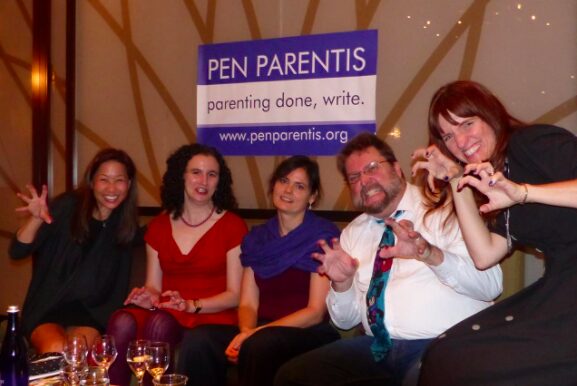
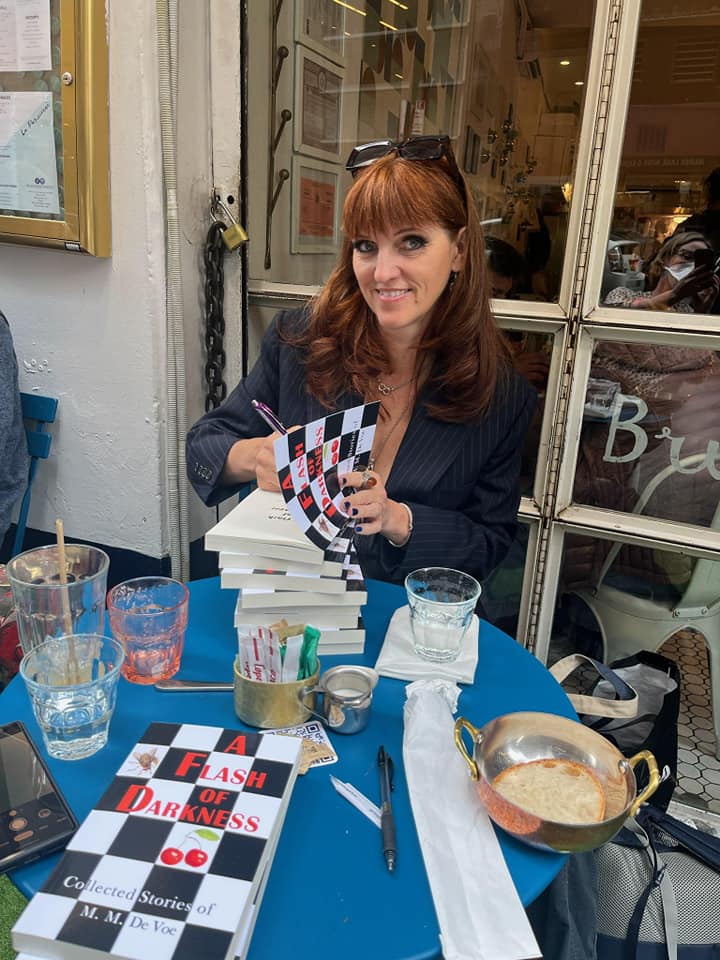
Image Credits
Aaron Sylvan, Luba Grossman, Pen Parentis, MM De Voe
so if you or someone you know deserves recognition please let us know here.