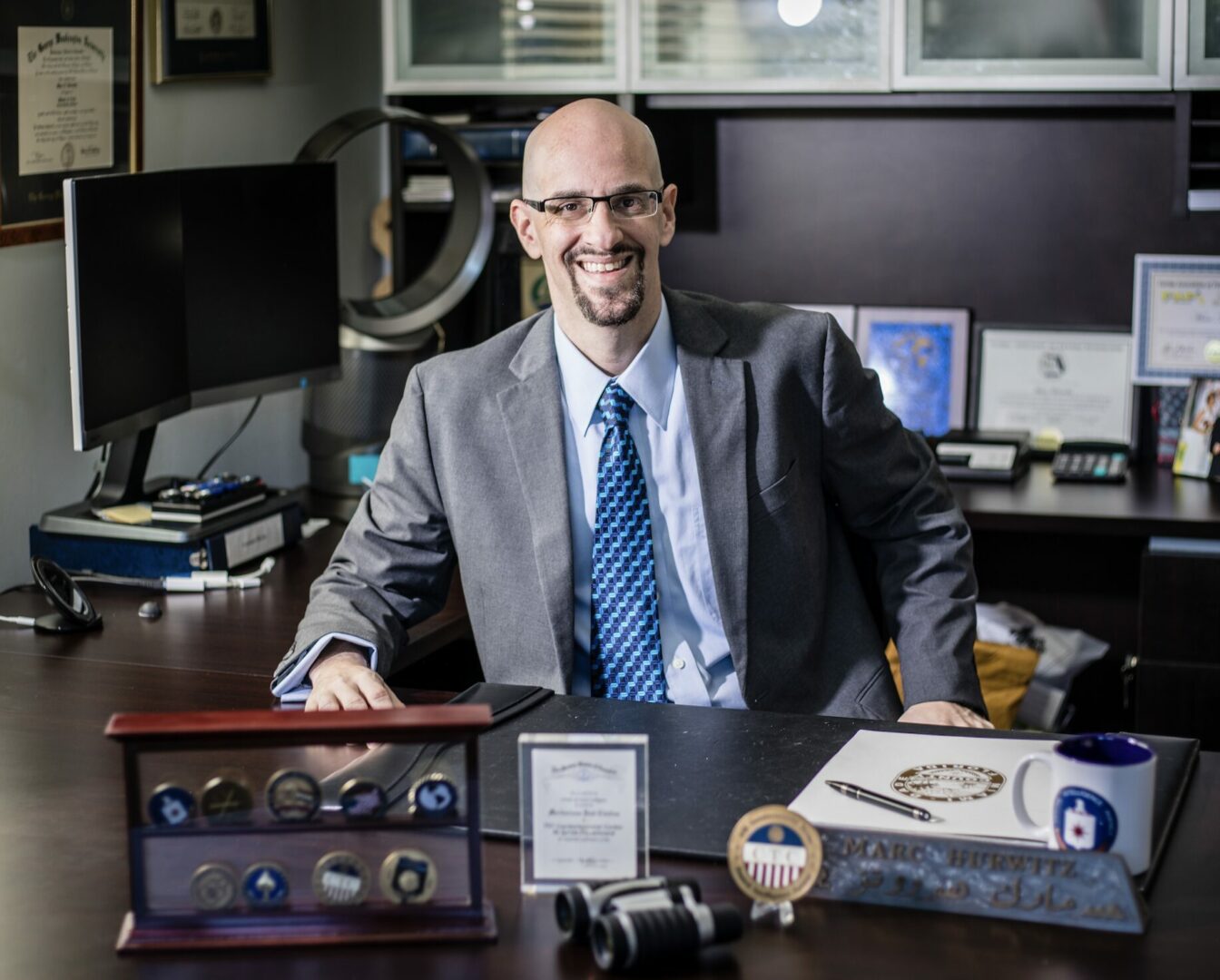
At the heart of Marc Hurwitz’s work with Crossroads Investigations is a simple but powerful mission: helping people see the full picture before costly decisions are made. From tenant and employee screening to business due diligence and jury research, his team focuses on uncovering patterns, context, and verified facts that don’t show up in surface‑level searches—allowing clients to act with confidence, protect their interests, and avoid learning critical truths only after something has gone wrong.
Marc, thank you for joining us again. Your expertise and insights are super relevant for our entrepreneurial audience, so let’s jump right in. Crossroads Investigations offers a wide range of services — from tenant and employee screening to asset searches and surveillance. For readers who may only have a vague idea of what a private investigations firm does, how do you typically explain your work and its real-world impact?
At its core, what we do is reduce uncertainty and risk. Most people make big decisions — hiring an employee, leasing property, entering a partnership, investing capital — with incomplete or misleading information. Crossroads Investigations exists to close that gap.
I often say we help clients see around corners. Our work brings clarity before decisions are made, or answers when something doesn’t add up. The real-world impact is simple but powerful: fewer bad hires, fewer costly disputes, stronger legal cases, and better business decisions backed by facts rather than assumptions.
A lot of people don’t realize how much risk they’re exposed to when making hiring, leasing, or business decisions. What are some of the most common situations where clients come to you after something went wrong — and how could earlier due diligence have changed the outcome?
Unfortunately, many calls start with “I wish I had called you earlier.”
We see landlords dealing with tenants who lied about prior evictions or criminal histories, employers discovering misconduct after onboarding, business partners uncovering hidden debts or undisclosed lawsuits, insurance companies facing potential fraud, spouses concerned about infidelity, and investors learning too late that assets were overstated or nonexistent.
Earlier due diligence almost always changes the outcome — sometimes it prevents the deal entirely, other times it changes terms, adds safeguards, or flags risks that can be managed upfront instead of paid for later.
Tenant and employee screening are more important than ever. What are some red flags you frequently uncover during background checks that might not show up in a standard online search or basic screening service?
A basic online search or inexpensive screening often misses the most important issues.
We frequently uncover patterns, not just isolated incidents: repeated civil litigation, financial distress, undisclosed aliases, gaps in employment that hide prior terminations, or criminal matters filed under alternate jurisdictions or spellings.
Another big one is context. A record alone doesn’t always tell the story. We analyze timelines, behavior patterns, and relevance — which helps clients distinguish between manageable risk and deal-breaking risk.
Business due diligence and asset searches can sound intimidating to people who haven’t used them before. Can you walk us through how those services work and why they’re especially valuable for business owners, partners, or investors?
Business due diligence is about verification. We independently confirm what someone says they own, earn, or control — and what they don’t disclose.
Asset searches look beyond surface-level claims and into real property, business interests, liens, judgments, and financial exposure. For investors and partners, this protects against fraud, inflated valuations, and hidden liabilities. For attorneys, it informs litigation strategy and recovery potential.
The value is confidence. Clients make decisions knowing the financial reality, not just the pitch.
Surveillance and skip tracing are often misunderstood or dramatized in movies and TV. What does that work actually look like day to day, and how do you balance effectiveness with discretion and ethics?
Real surveillance is methodical, patient, and discreet — nothing like TV portrayals. It involves planning, lawful observation, documentation, and reporting, often over extended periods.
Skip tracing is similar: it’s analytical, not dramatic. We combine data intelligence with field work to locate individuals ethically and legally.
In both areas, discretion and legality are non-negotiable. Effectiveness comes from experience and judgment, not theatrics.
Jury vetting is a service many people don’t even realize exists. In what types of cases does jury research matter most, and how does it help attorneys build stronger, fairer strategies?
Jury research is especially valuable in high-stakes civil litigation or criminal trials, emotionally charged cases, and matters involving complex business or financial issues.
Understanding juror backgrounds, biases, and experiences helps attorneys shape arguments that are clearer, fairer, and more effective. It’s not about manipulation — it’s about communication and avoiding blind spots that can undermine a case.
You work in situations where accuracy, confidentiality, and trust are critical. What principles guide your team when handling sensitive information and high-stakes investigations?
Everything we do is guided by three principles: accuracy, discretion, and accountability.
We verify before we report, protect client information aggressively, and operate strictly within legal and ethical boundaries. Trust is earned in this industry, and we treat every case as if it could be scrutinized in court — because often, it is.
For someone considering investigative services for the first time — whether they’re a landlord, employer, attorney, or business owner — what advice would you give before they pick up the phone?
First, be clear about your objective — what decision are you trying to make or what question do you need answered?
Second, choose a firm that explains how they work, not just what they offer. Transparency, licensing, and experience matter far more than flashy promises.
And finally, don’t wait until something goes wrong. Investigations are most valuable before money, time, or trust is lost.
Looking ahead, how is the investigative field evolving with technology, data access, and privacy concerns, and how is Crossroads Investigations adapting to stay ahead?
Technology has expanded data access dramatically, but it’s also raised serious privacy and compliance challenges. The future of investigations isn’t just more data — it’s better analysis, stronger ethics, and smarter integration of human judgment with technology.
At Crossroads, we invest in advanced tools, continuous training, and strict compliance standards, while keeping the human element front and center. The goal isn’t volume — it’s precision, insight, and reliability.