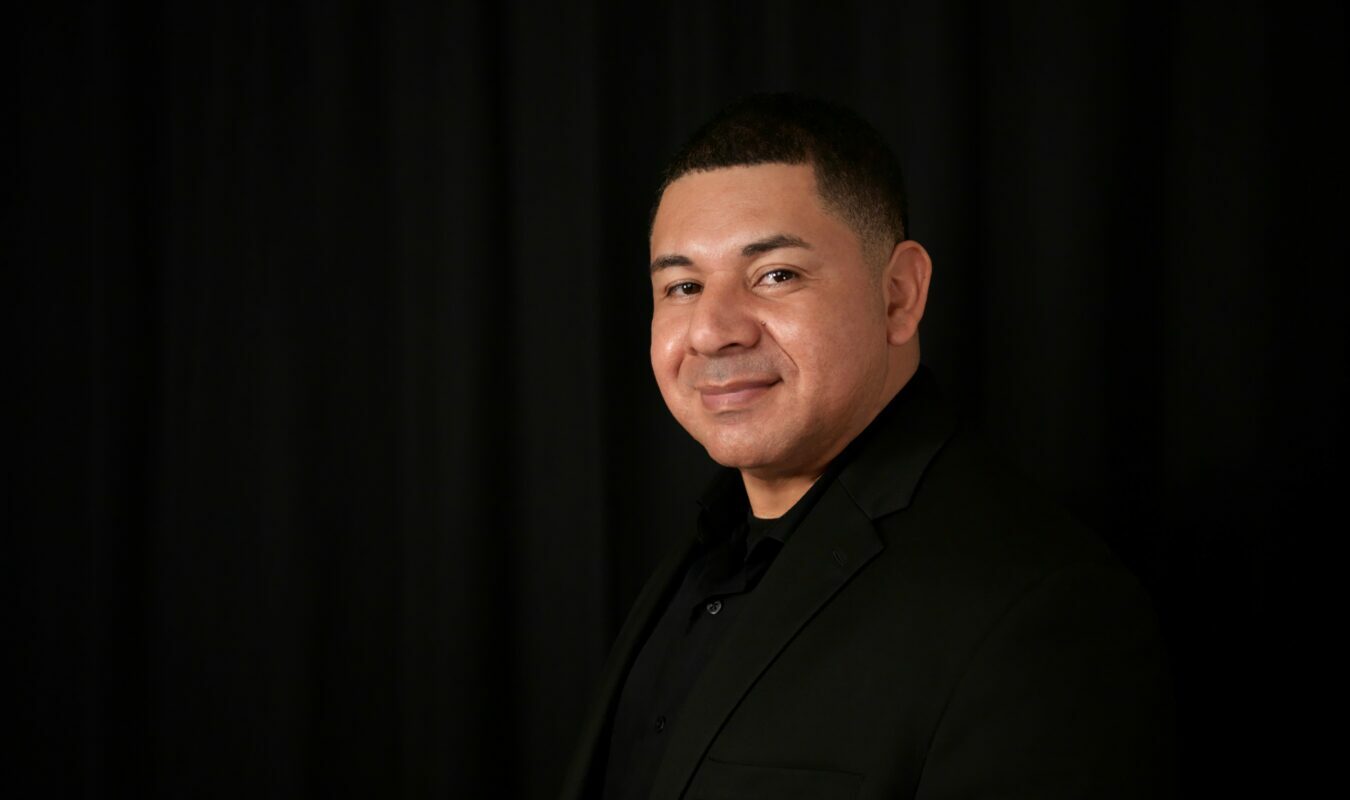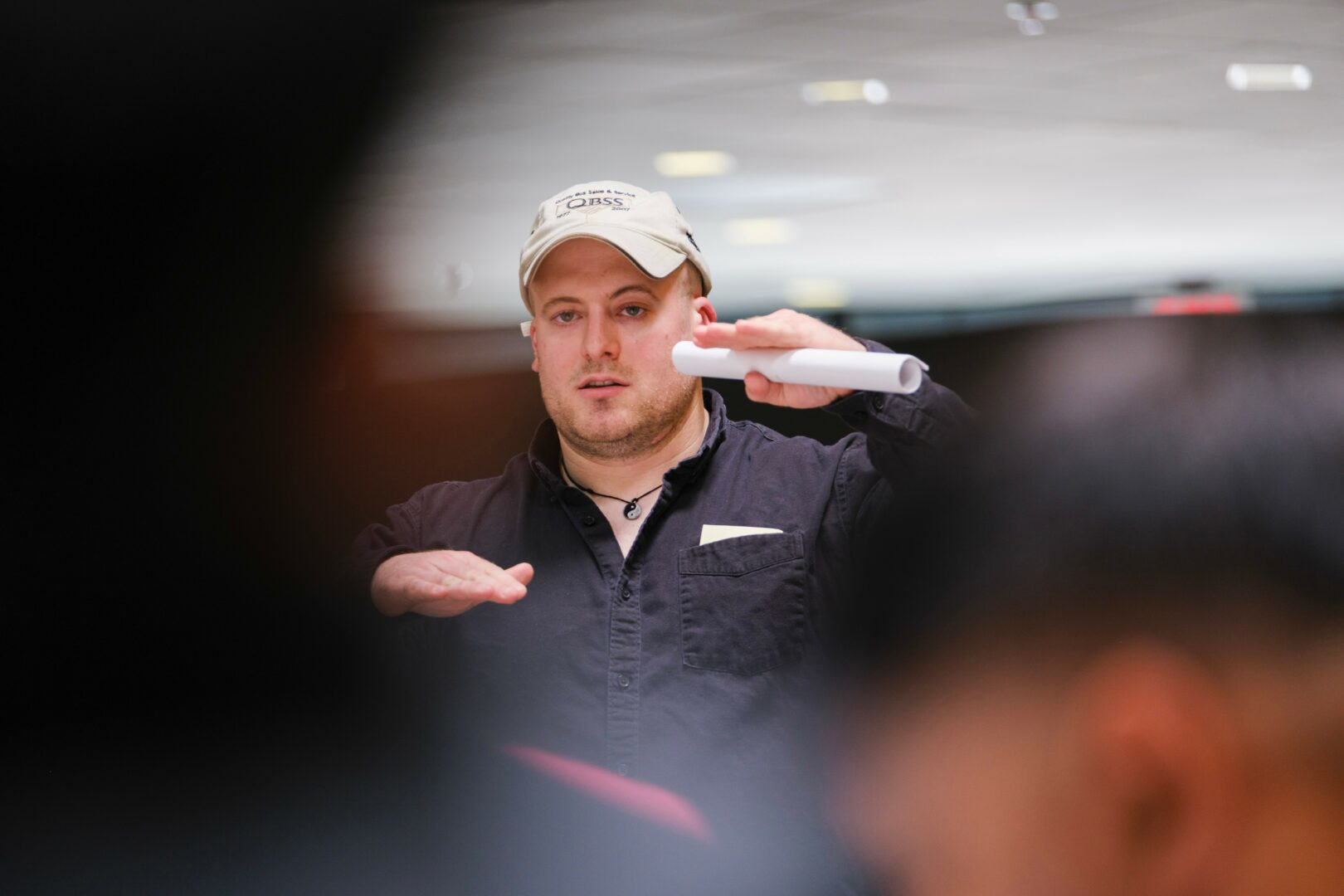
Marc Tarczali shared their story and experiences with us recently and you can find our conversation below.
Hi Marc, thank you so much for taking time out of your busy day to share your story, experiences and insights with our readers. Let’s jump right in with an interesting one: What do you think is misunderstood about your business?
The film industry has the power to influence the reality of its audience. The films we make aren’t a reflection of reality, they are a reflection of the audience’s perception. Extrapolating even further, each person’s unique reality is also completely subjective- – that’s what makes cinema so special, each viewer has their own unique experience with the film. In any artistically de-constructive era, much like the one I believe we are in now, the loudest voices will be the ones ripping the film apart, claiming its not “realistic” enough, or “that wouldn’t happen in real life”, etc. The truth within the film lies in the vision of the director, and for 90 minutes you get to experience the universe as the director wants you to experience it- – that’s just as valid a reality as our own. As filmmakers we carry a responsibility to our audience, we must be careful to curate a healthy experience for them, even if it’s a fictitious one, as the films we play for the audience have an impact on their objective everyday lives. We must foster their creativity, imagination, and uplift them so they feel inspired to dream and pursue their dreams.
Can you briefly introduce yourself and share what makes you or your brand unique?
I’m currently finishing post-production on my directorial debut, “Clownspiracy”, which will be released in 2026, and I’ll announce here that I am beginning development on my sophmore project, “Toyland”. The post process has been rigorous for “Clownspiracy”, animating all these pokemon-like clowns is a painstaking process and I’m happy my good friend, and visual fx artist, Murdock, is handling it and not me. He is one of the best VFX artists in the industry and I’m blown away with how he’s able to bring my vision to life, it really surpassed my expectations. During production I would tell the actors, “pretend there’s a miniature clown on the floor that’s the size of a basketball… now imagine it zips by you at high speed”, and I think they all thought I was completely out of my mind. I really had no idea how it would all work out, so when the vfx shots started coming in and I could finally see the basketball sized clowns that were floating around in my head all these years on the screen for the first time, I couldn’t believe it.
Thanks for sharing that. Would love to go back in time and hear about how your past might have impacted who you are today. What relationship most shaped how you see yourself?
My dad played the biggest role in shaping how I see myself. He didn’t have the greatest upbringing and I think he wanted to change a lot of things when he became a father. He would fuel my imagination with black-and-white horror films like “Frankenstein” and 80’s cult movies like “The Dark Crystal”. He encouraged me to pursue every single interest I had, no matter how stupid they seemed. He would talk about my ambitions, how I could achieve them one step at a time, how I could set the bar high and train to become better. He instilled in me that I could be a leader, that it was okay to be different, and that I should never relent in pursuit of my dreams. He lit a fire in me and kept it lit. Nobody else in my life did that. To my estimation, he was the only person who had any conviction that I should be something other than a civil servant. I was very lucky to have him as a dad, as most of the parents around me only seemed interested in knocking the wind out of their own children’s sails.
What did suffering teach you that success never could?
The most formidable opponent isn’t the one with the most powerful offense, it’s the one who absorbs punishment and chooses to press on anyway, knowing more punishment is waiting for them. I’d say most of the filmmakers in Hollywood right now, at least the new generation coming up through film school, are independently wealthy. They arrive in LA, apartment paid for by their parents, they don’t have to work, they attend the top film schools, finance their own films, and get repped out of the gate just as a courtesy without ever having made a film. Do you really think any of these people are going to create the next epoch of groundbreaking cinema?
They aren’t going to get the job done. The greatest filmmakers of our time were regular people. They told stories about regular people that could connect with the masses. They were speaking from the perspective of a regular person who fights every day for their ability to rent an apartment, hold a job, buy groceries, and make car payments. Hollywood must rebuild its business model to connect with the masses once again. While its fun to social climb and take brunch meetings with wealthy artists, ultimately there’s no business model behind that and its not sustainable. We are seeing a shrinking of the film industry to its pre-1980s blockbuster days, when cinema was dominated by small psychological dramas and art house films. While many of those films were artistic achievements, the reality most artists don’t want to accept is that Hollywood grew to its current size on the backs of filmmakers who appealed to the audience’s dreams and inspired them with unapologetic hope. When we yank that tonality out of films, the industry deflates, and we’re seeing that happen in real time.
I think our readers would appreciate hearing more about your values and what you think matters in life and career, etc. So our next question is along those lines. What are the biggest lies your industry tells itself?
You need a lot of money to make a great movie. As a filmmaker, if you believe something is really happening, the camera will also believe it. Producers recklessly spend money on production design, extras, high end cameras, an army of trucks, food, and countless crew members, hoping it will make the film better- and ultimately, it doesn’t. The director’s perspective is what makes the difference. There are so many films that have squandered insane budgets only to fall flat in the theater and fail to connect with the audience. If the director doesn’t have something interesting to say, the shot doesn’t matter.
Okay, so let’s keep going with one more question that means a lot to us: What are you doing today that won’t pay off for 7–10 years?
Making films. It’s a long arduous road, your body of work yields rewards somewhat cumulatively, and realistically you shouldn’t expect any success in your first 10 years, as is the case with most creative pursuits like painting or stand-up comedy. This is the hardest part for most people to understand. There needs to be a long term investment into filmmaking, and chances are you will be doing unpaid gigs for a long time until you, potentially, break through and have one of your films connect with a mass audience; even then there’s no guarantees. Most people give up on it after a while because progress is so slow, you really have to enjoy every little battle along the way.
Contact Info:
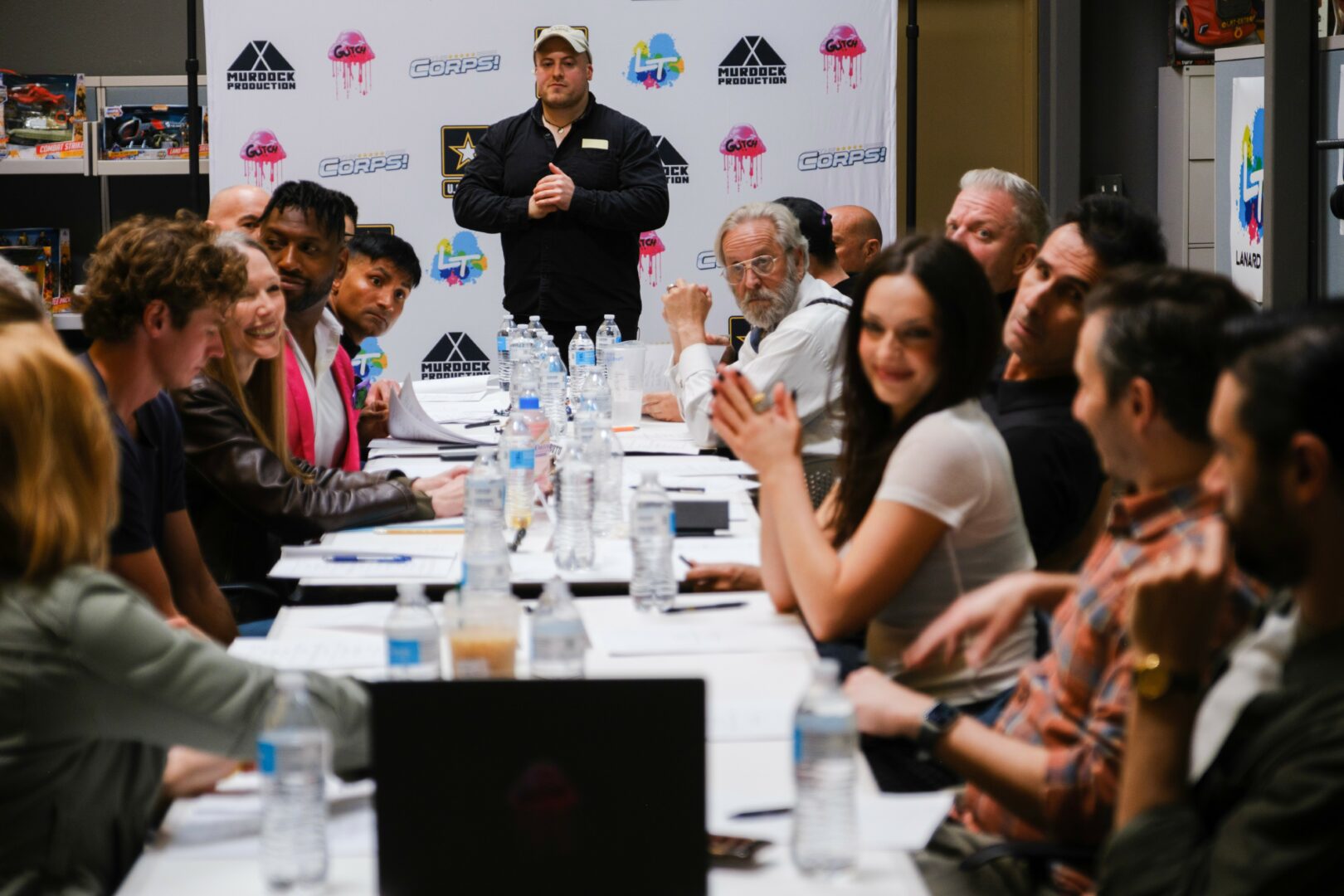
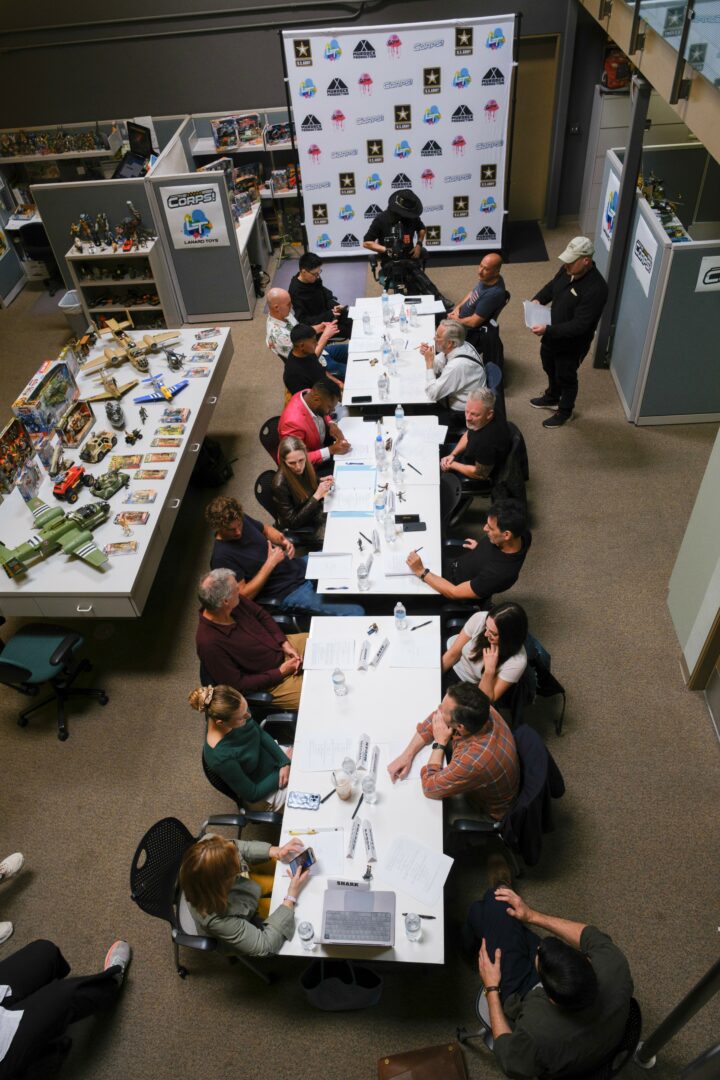
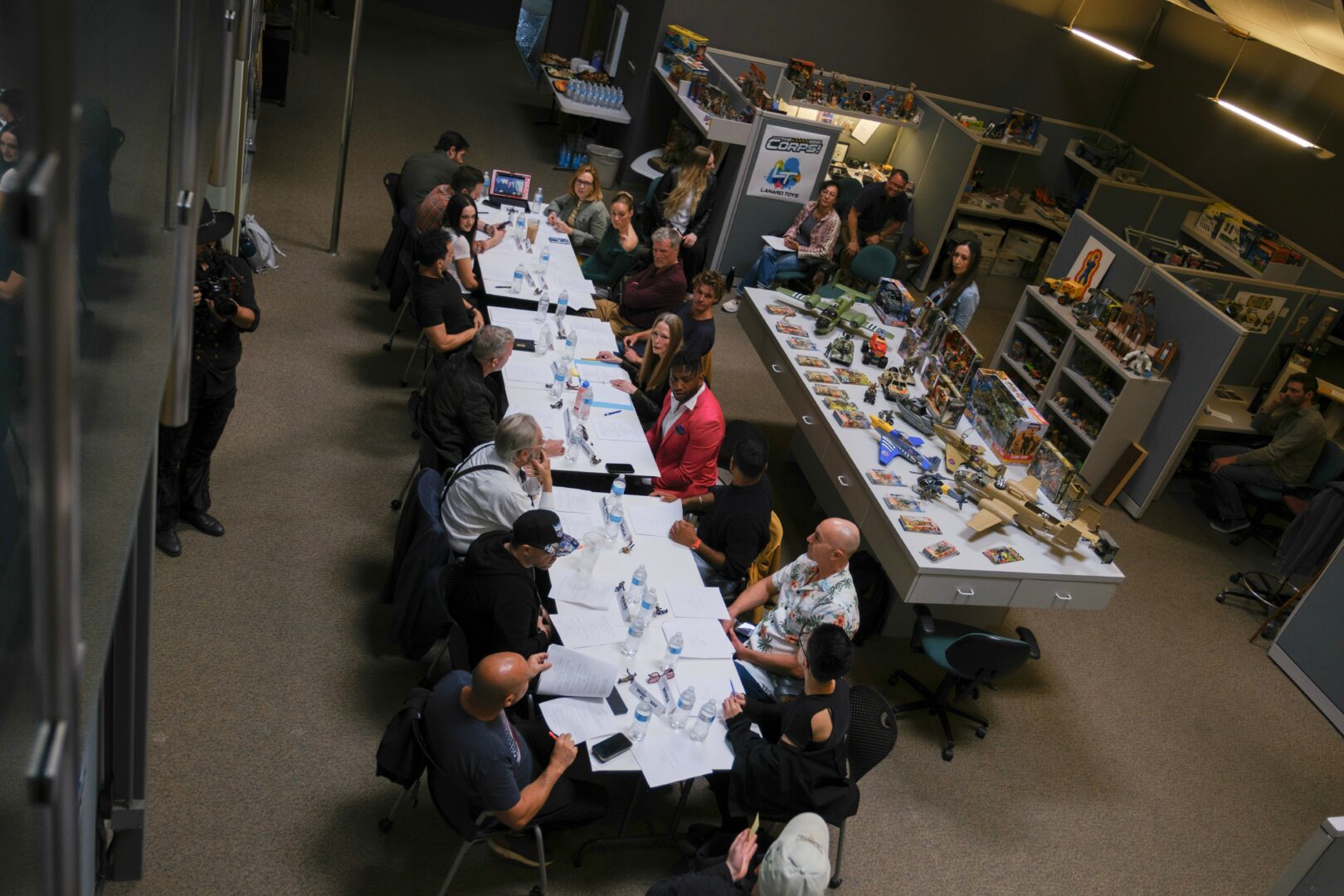

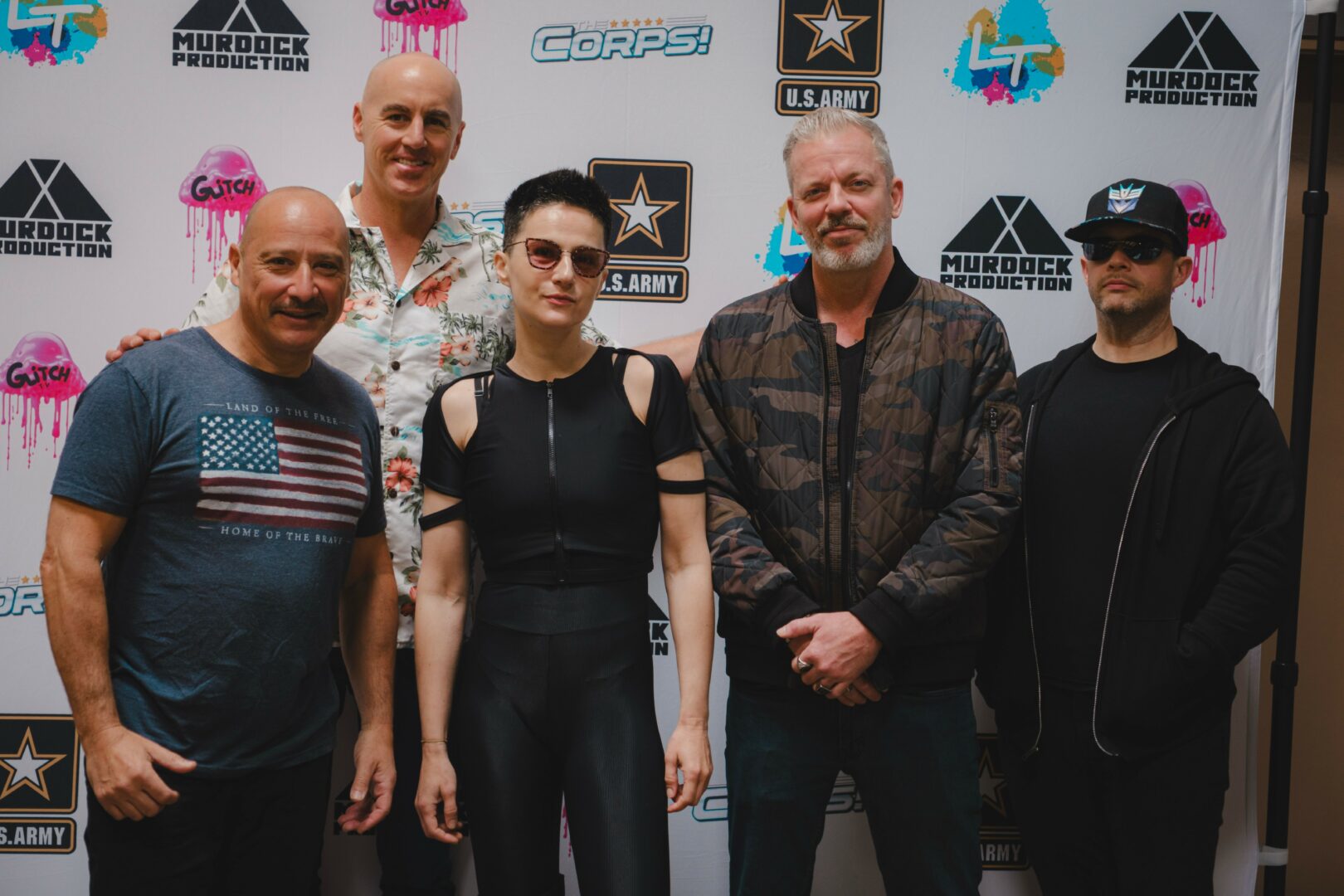
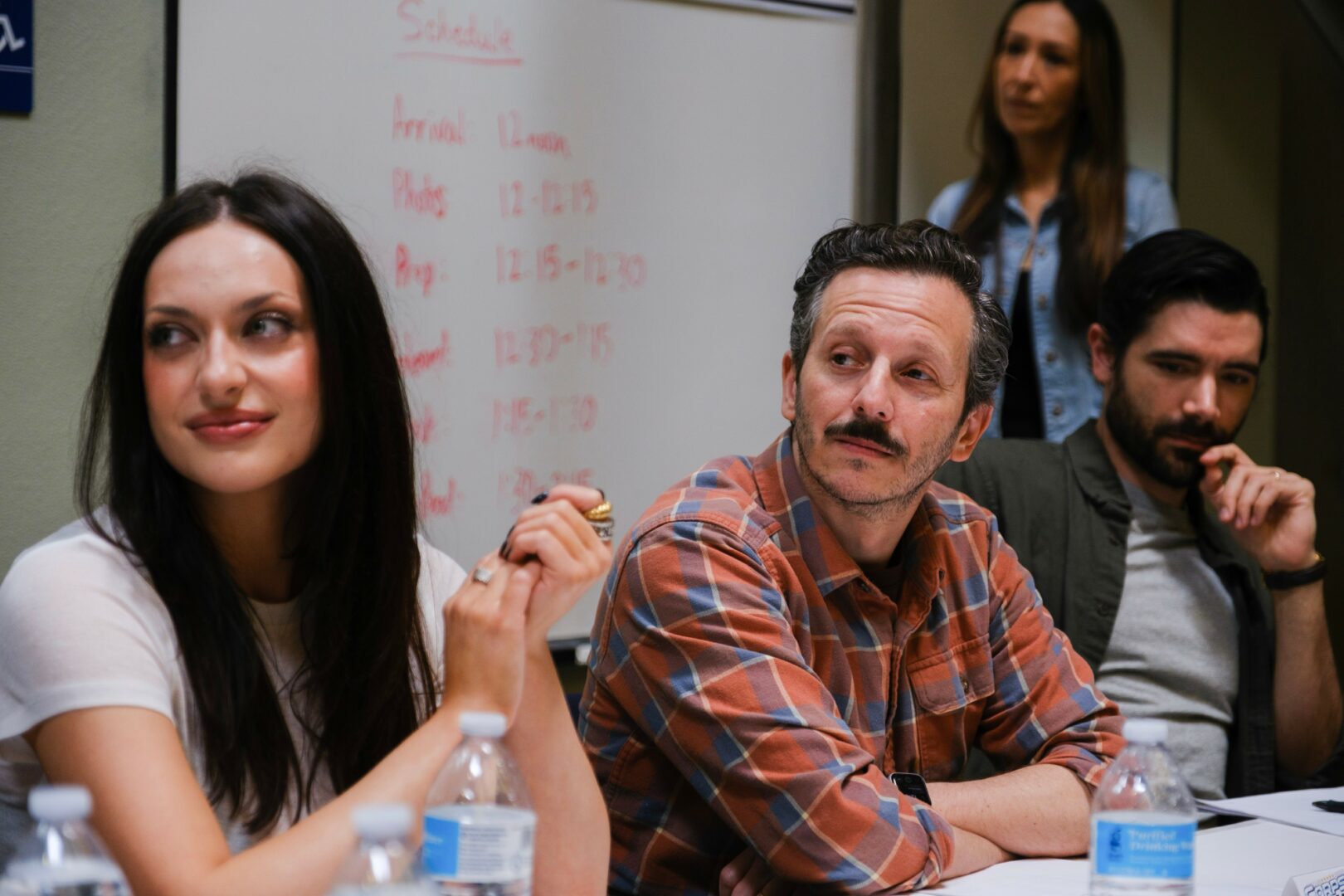
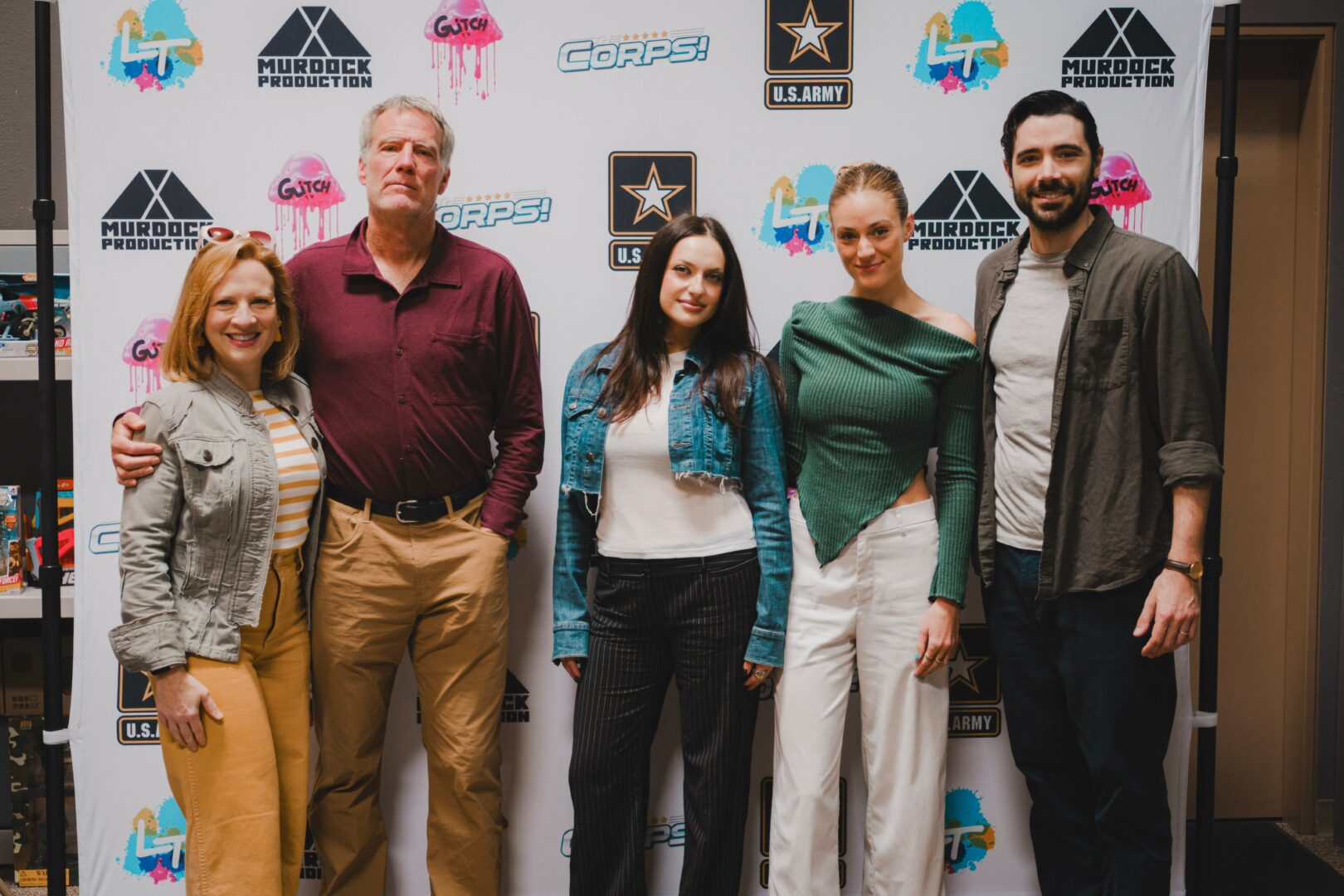
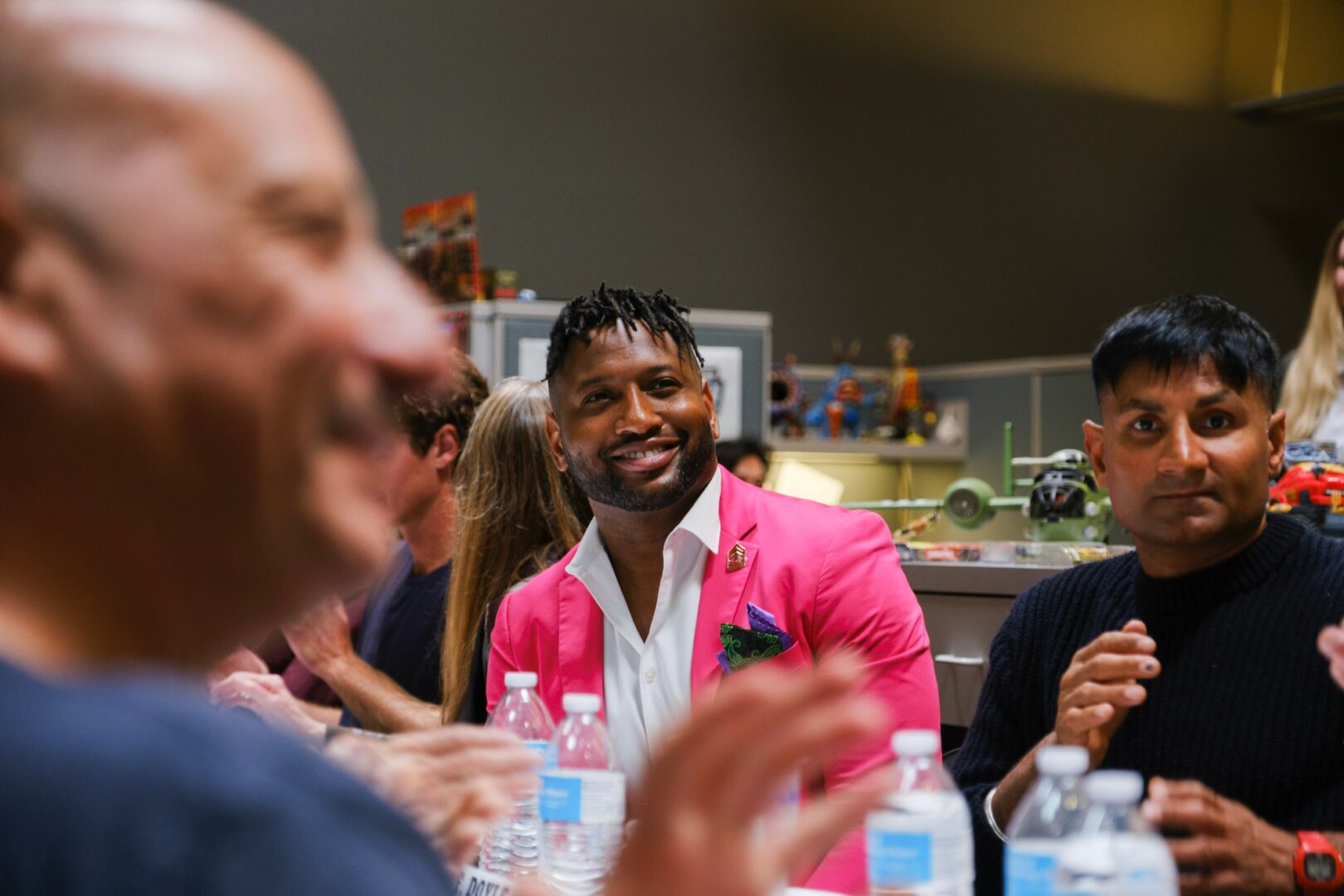
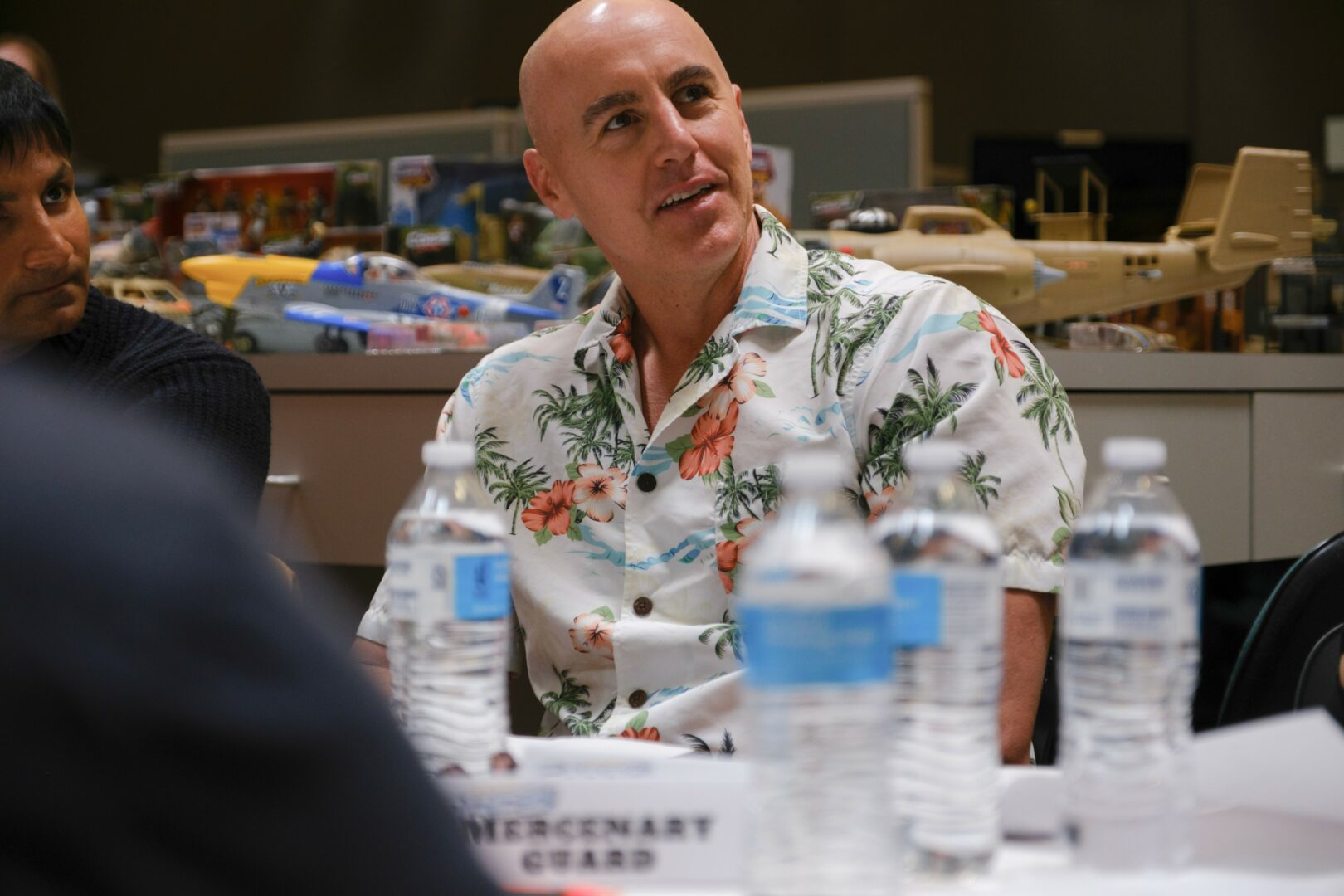
Image Credits
Photos by Joel Perkal
Taken at Lanard Toys USA
so if you or someone you know deserves recognition please let us know here.