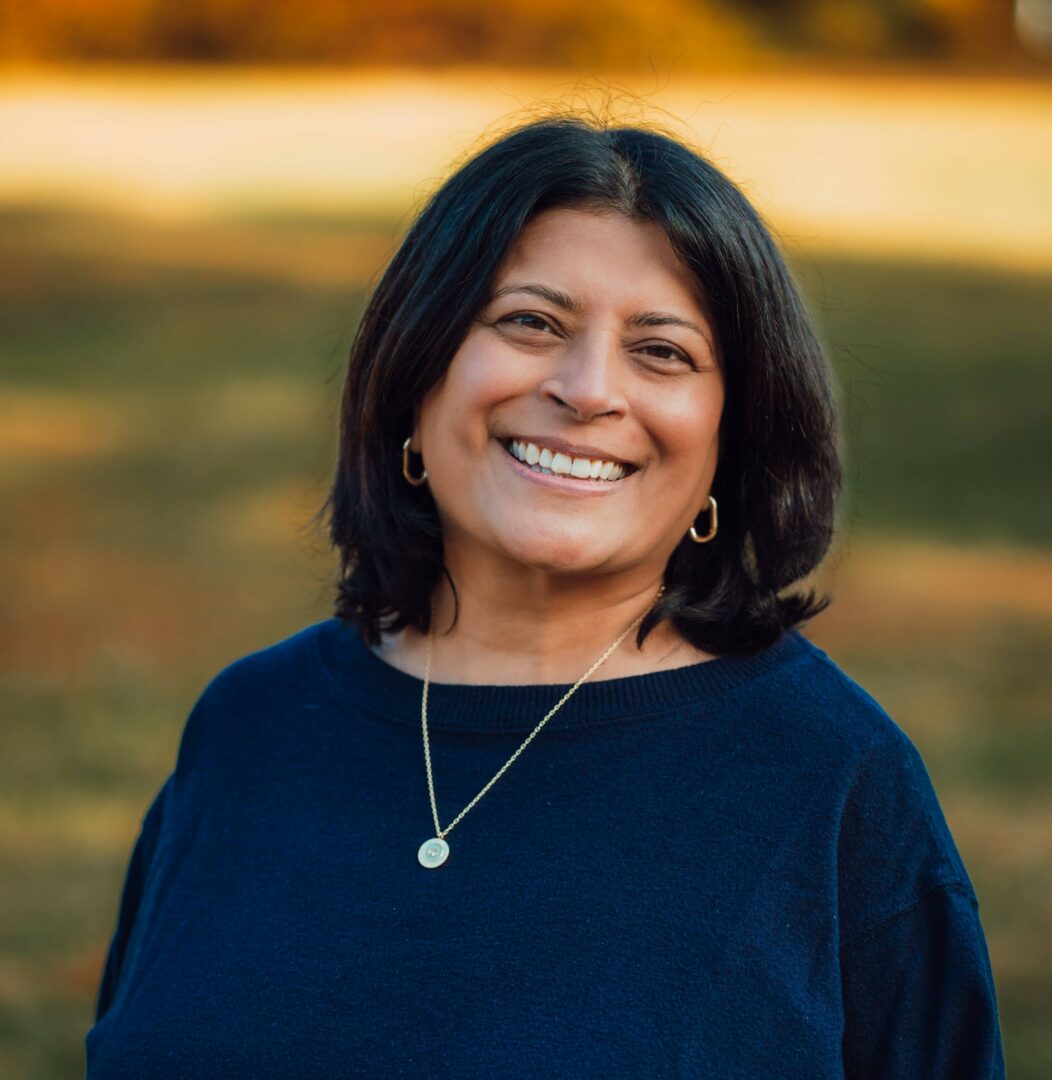
We’re excited to introduce you to the always interesting and insightful Aarron Hunt. We hope you’ll enjoy our conversation with Aarron below.
Hi Aarron, thank you for being such a positive, uplifting person. We’ve noticed that so many of the successful folks we’ve had the good fortune of connecting with have high levels of optimism and so we’d love to hear about your optimism and where you think it comes from.
Optimism, for me, isn’t something I wake up with every day fully charged and ready to go—it’s something I choose, often in moments when it would be much easier not to. It comes from experience. From seeing plans fall apart and still finding a way forward. From understanding that most meaningful things—careers, relationships, creative work, community—are built over time, through trial, patience, and a fair amount of discomfort. I’ve learned that optimism isn’t about ignoring what’s hard; it’s about believing that what’s hard is shaping you into someone more capable, more grounded, and more compassionate.
I also draw optimism from people and purpose. From watching individuals step into a space and feel seen, celebrated, or inspired—even if just for a moment. From being part of something bigger than myself, where creativity, collaboration, and human connection intersect. Staying optimistic isn’t always easy, and some days it feels like work. But I’ve come to believe it’s an integral part of living well. Optimism is what allows me to keep showing up—with honesty, resilience, and the belief that even on the toughest days, there’s still something worth building toward.
Let’s take a small detour – maybe you can share a bit about yourself before we dive back into some of the other questions we had for you?
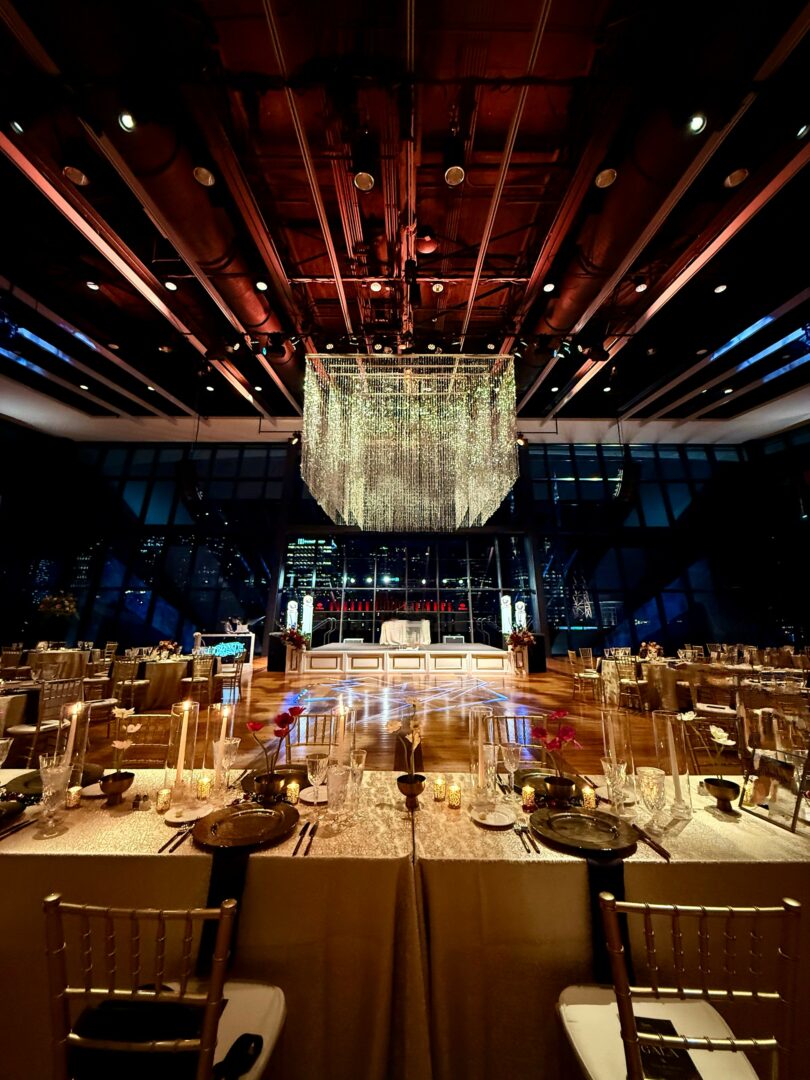
At its core, what I do is create spaces—both literal and emotional—where people can gather, celebrate, create, and feel something real. As the Venue & Facilities Director at the Noah Liff Opera Center, I oversee everything from weddings and galas to corporate summits and cultural events, but my role goes far beyond logistics and floor plans. I see the venue as a living canvas. Every event is an opportunity to tell a story, to make someone feel welcomed, inspired, or deeply connected to the moment they’re in. What excites me most is that intersection of structure and creativity—where precision meets possibility, and a beautiful space becomes an unforgettable experience.
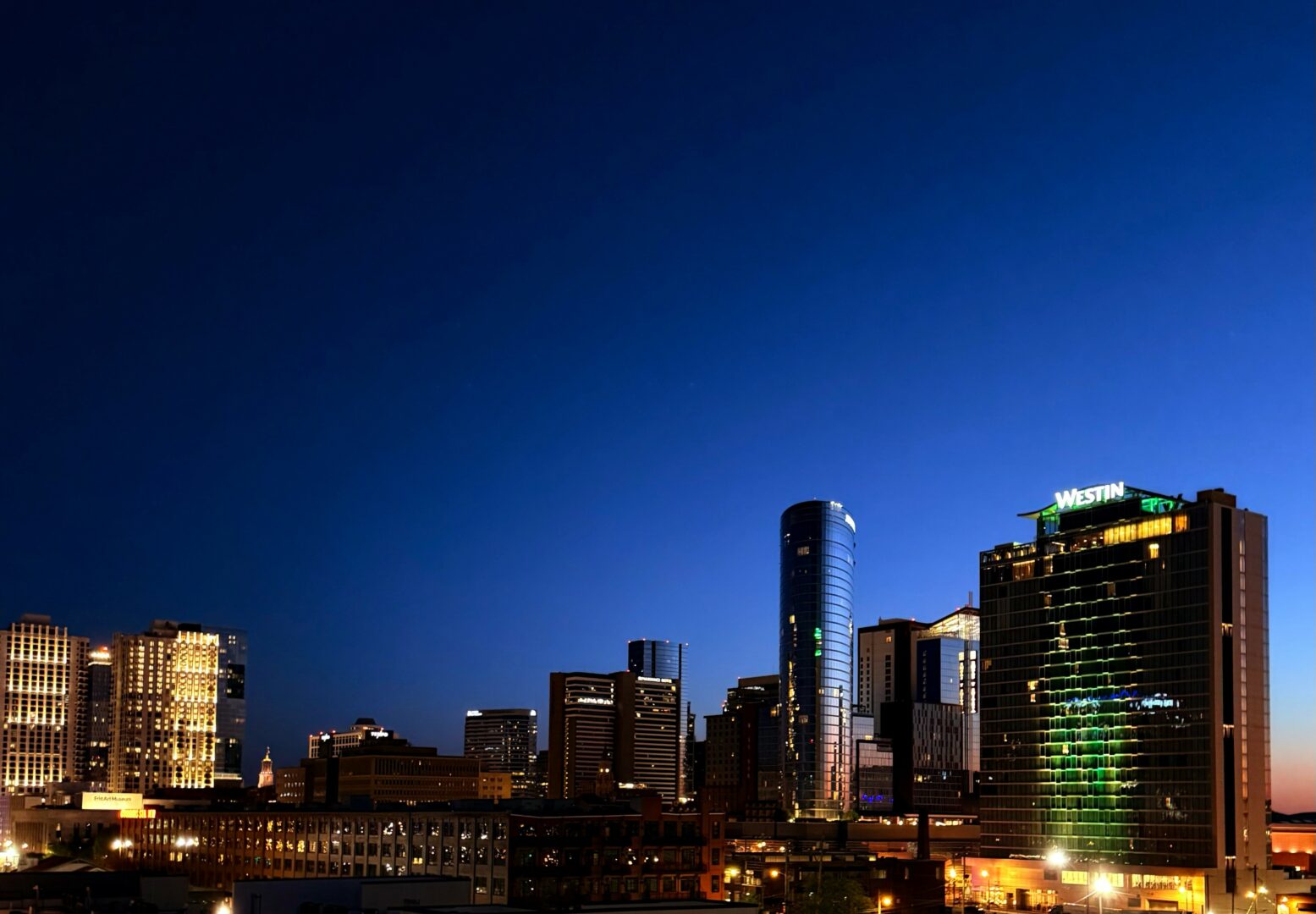
Alongside that work, photography is where I slow down and really observe. It’s my way of documenting emotion, contrast, and quiet moments that might otherwise be overlooked. Whether I’m capturing architecture, city life, or human connection, my photography is rooted in storytelling and honesty—it’s less about perfection and more about presence. That same mindset carries into my broader brand: intentional, people-first, and deeply aware of how environments and visuals shape how we feel.
I’m also honored to serve on the Board of Directors for the National Association for Catering & Events (NACE) Music City as Programs Chair, helping shape a newly formed organization through intentional education. This role allows me to contribute to the industry on a larger scale—curating programming that’s thoughtful, forward-looking, and grounded in real-world application. Right now, I’m especially energized by what’s next: immersive event experiences, fashion-forward and tech-integrated weddings, and education that empowers creatives and operators alike. At the heart of it all is the same goal—to build things with care, lead with purpose, and create experiences that feel meaningful long after the moment has passed.

There is so much advice out there about all the different skills and qualities folks need to develop in order to succeed in today’s highly competitive environment and often it can feel overwhelming. So, if we had to break it down to just the three that matter most, which three skills or qualities would you focus on?
Looking back, there are three things that have shaped my journey more than anything else: adaptability, emotional intelligence, and the willingness to stay curious.
First, adaptability. Very little in my career has followed a straight line, and honestly, that’s been a gift. Learning how to pivot when plans change, how to stay steady when things feel uncertain, and how to find opportunity inside disruption has been invaluable. My advice to anyone early in their journey is this: don’t cling too tightly to the original plan. Let yourself evolve. The ability to adjust without losing your sense of self is a skill that will serve you in every season.
Second, emotional intelligence. Understanding people—their motivations, pressures, and unspoken needs—has been just as important as any technical skill I’ve learned. Whether you’re leading a team, working with clients, or collaborating creatively, how you make people feel matters. If you’re starting out, listen more than you speak. Observe the room. Ask thoughtful questions. Empathy builds trust, and trust opens doors that talent alone never will.
Finally, curiosity. Staying curious has kept me growing, even when things felt comfortable. I’ve always been interested in how things work—spaces, systems, people, and creative processes—and that curiosity has led me into rooms and opportunities I never could have planned. For those early in their careers: read widely, learn outside your job description, and don’t be afraid to explore paths that don’t make immediate sense. Curiosity keeps your work honest and your perspective fresh, and over time, it becomes one of your greatest strengths.
Is there a particular challenge you are currently facing?
Right now, the biggest challenge I’m facing is balance—specifically, learning how to protect creative energy while operating in environments that demand constant output, decision-making, and availability. When your work lives at the intersection of leadership, creativity, and service, it’s easy to stay in motion without ever pausing long enough to ask if the pace is sustainable. The challenge isn’t the work itself—I love the work—it’s making sure I’m not pouring from an empty cup.
To overcome this, I’ve become more intentional about boundaries and clarity. I’m learning to say no to things that don’t align, to delegate where trust has been built, and to create space for reflection instead of treating rest as a reward I have to earn. I’m also reframing success—not as how much I can carry, but how well I can lead, create, and show up with integrity over the long term. It’s an ongoing process, but I’ve learned that honoring balance isn’t a setback—it’s what allows the work, and the person behind it, to last.
Contact Info:
- Instagram: @a_matthew_photography
- Facebook: @a_matthew_photography
- Linkedin: http://linkedin.com/in/aarronhunt0717
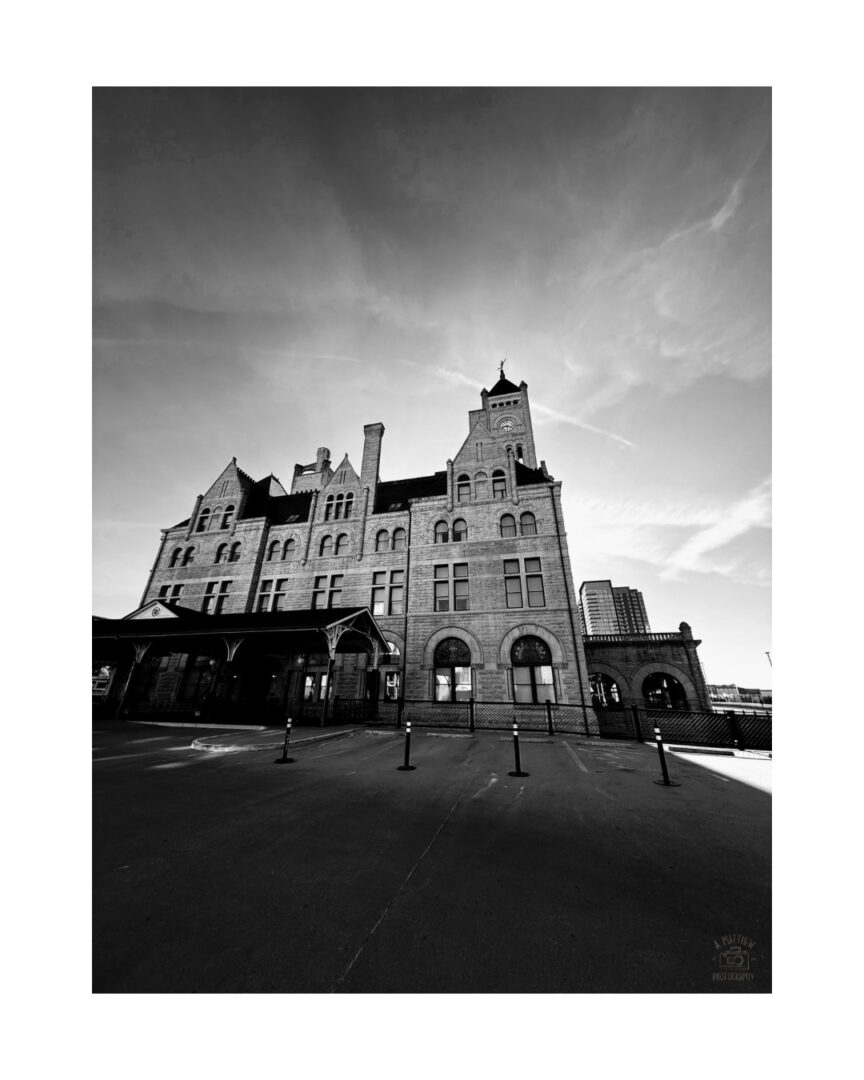
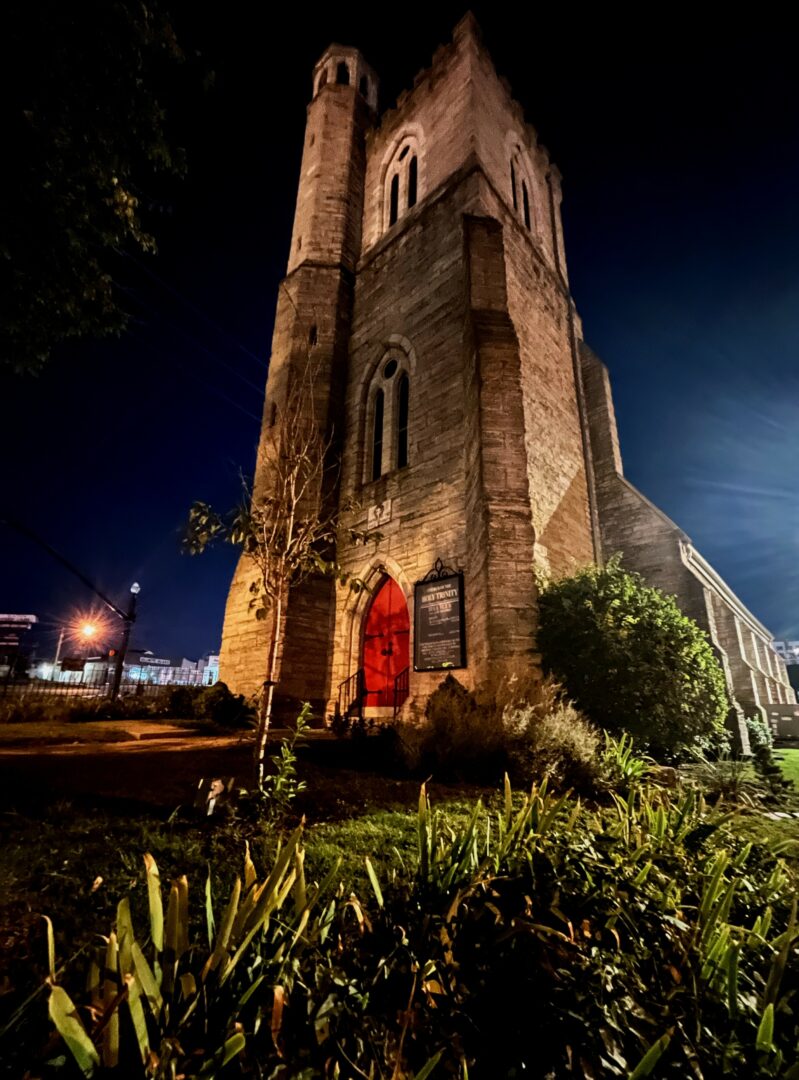


Image Credits
A Matthew Photography
so if you or someone you know deserves recognition please let us know here.