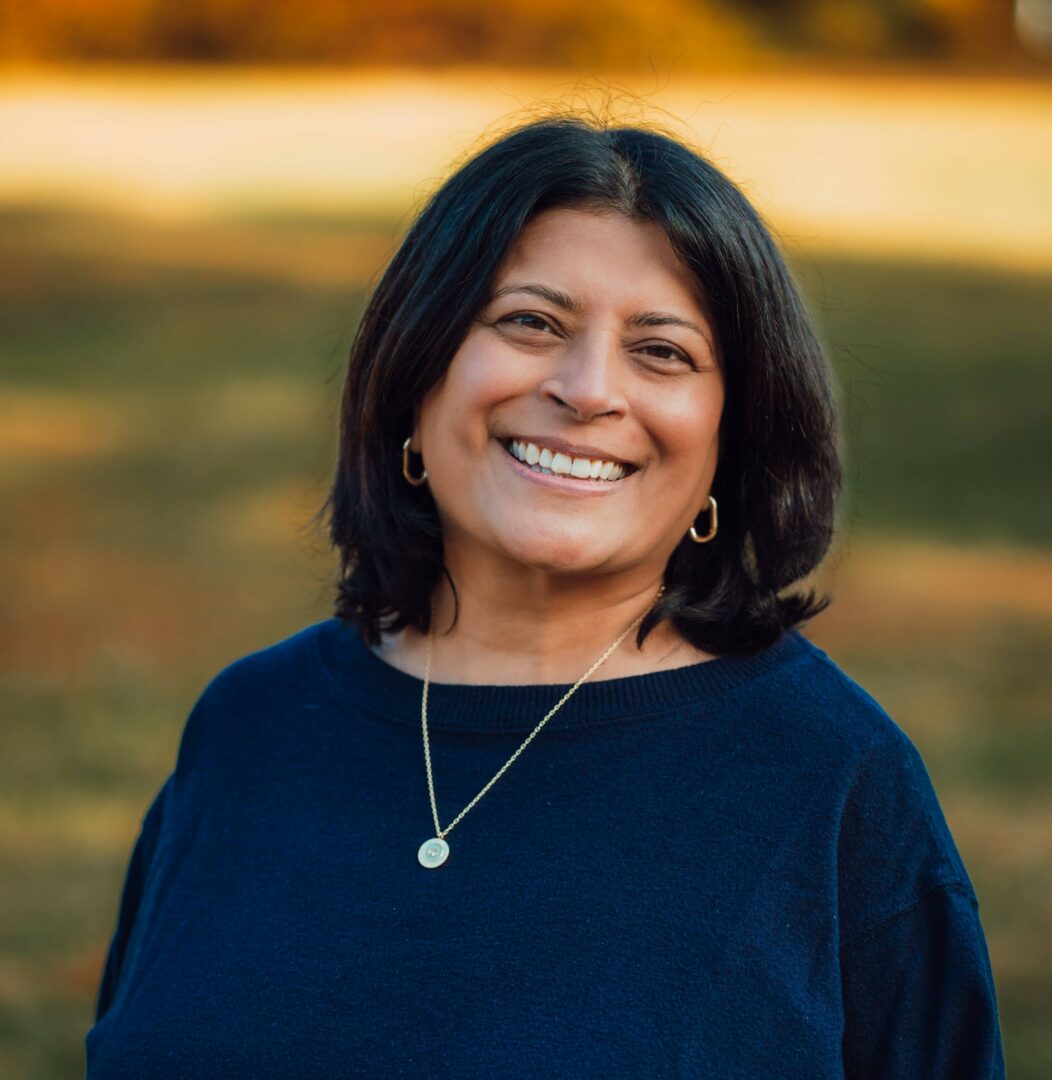
We’re excited to introduce you to the always interesting and insightful Abbe Ciulla. We hope you’ll enjoy our conversation with Abbe below.
Abbe , so great to have you on the platform and excited to have you share your wisdom with our community today. Communication skills often play a powerful role in our ability to be effective and so we’d love to hear about how you developed your communication skills.
I developed my ability to communicate effectively by learning how to meet people where they are, rather than expecting them to meet me where I am.
My background is in yoga education, but the real learning came through years of teaching, leading communities, and navigating real relationships– with students, teachers, staff, and collaborators. Early on, I realized that being articulate or well-intended wasn’t enough. Communication only works when the other person actually feels seen and understood.
Yoga philosophy gave me language for what I was learning in practice. Two concepts that deeply inform how I communicate are anukampa and karuna. Anukampa is compassionate understanding– sensing what someone is carrying, emotionally or contextually, without needing them to explain it perfectly. Karuna is active compassion– responding in a way that’s skillful and supportive, not just empathetic. Together, they taught me that communication isn’t about delivering a message; it’s about walking alongside someone and adjusting as you go.
Instead of trying to persuade, impress, or over-explain, I learned to listen first. From there, communication becomes a shared process, something we’re doing together.
I also became intentional about keeping my communication real and conversational. In many wellness and creative spaces, language can become overly abstract or performative. I’ve found that plain, honest language, mixed with lightness and humor, helps people relax and be themselves. When people feel safe, communication becomes clearer and more effective for everyone involved.
Over time, I stopped thinking of communication as a personality trait and started treating it as a practice. Like yoga, it requires attention, humility, and a willingness to adjust. When I miss the mark, I name it, repair it, and move forward. That ability to course-correct has strengthened my relationships far more than trying to sound polished or perfect.
At its core, my communication is guided by a simple intention: to create clarity, trust, and connection. Meeting people where they are and then walking together has been the most effective communication skill I’ve learned.
Thanks for sharing that. So, before we get any further into our conversation, can you tell our readers a bit about yourself and what you’re working on?
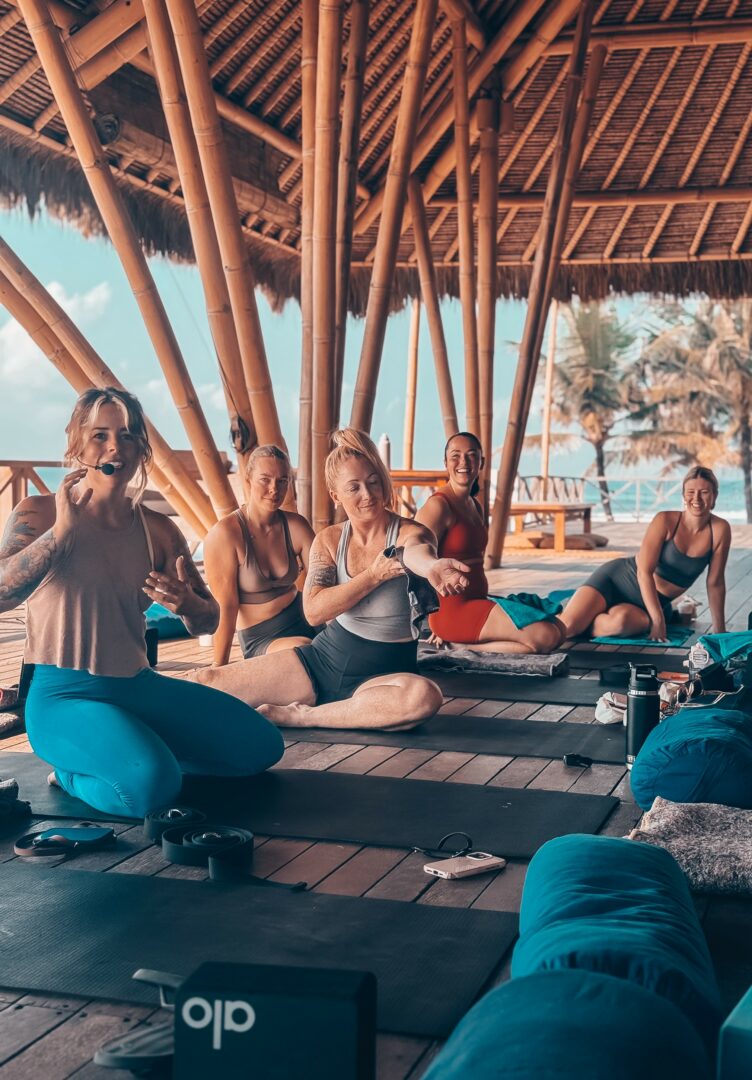
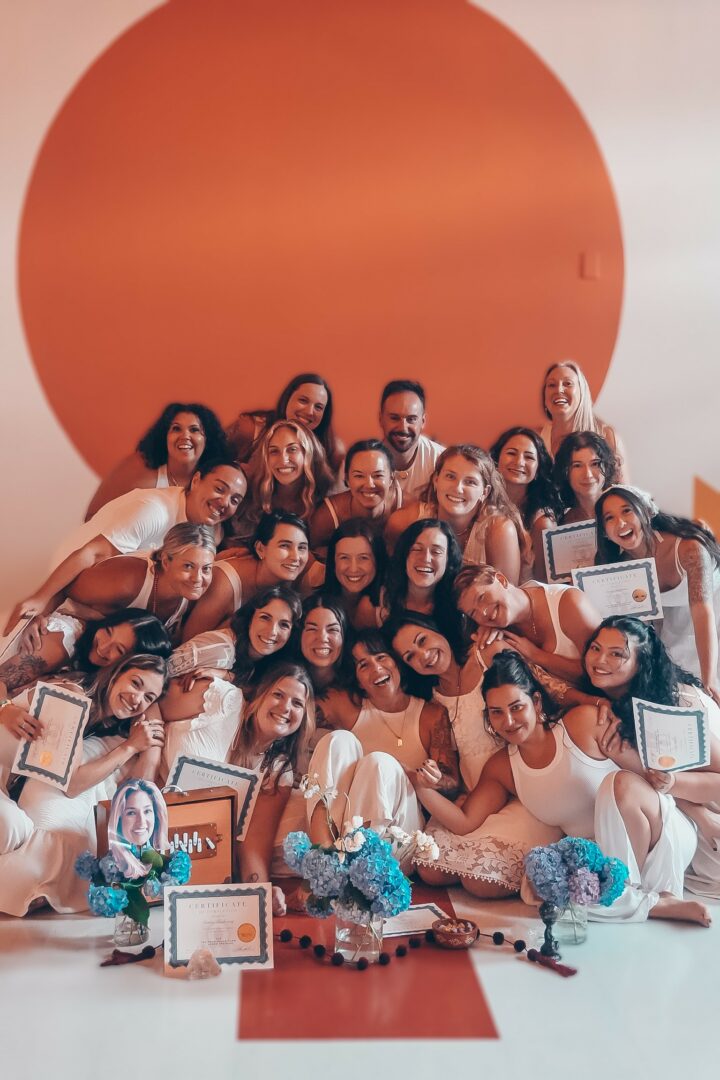
I’m a yoga educator, studio owner, and founder based in New England. I own and lead Troy City Yoga in Fall River, Massachusetts, and Wonderland Yoga in Providence, Rhode Island. I am also the founder of the Solar Flow Yoga School, which facilitates yoga teacher trainings, continuing education programs, and international retreats for students and teachers who are interested in movement, philosophy, and community as a lived practice not just a lifestyle trend.
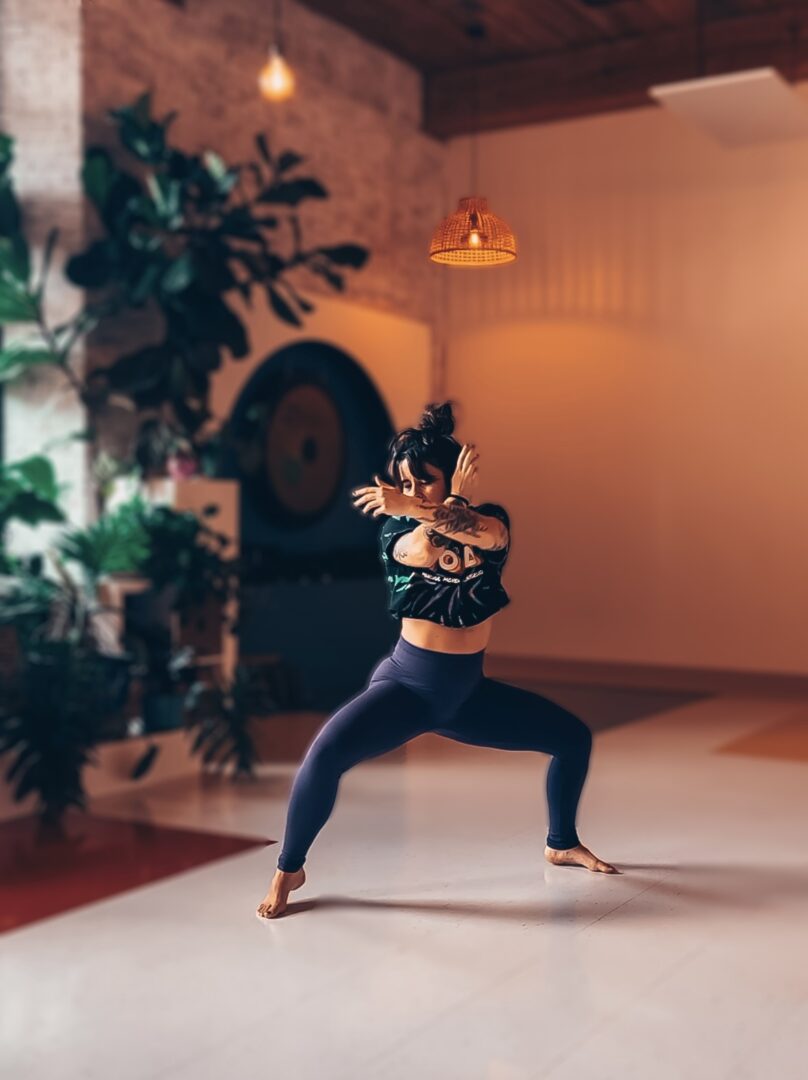
What feels most exciting about my work is that it lives at the intersection of movement, meaning, and real human connection. My teaching blends functional, fluid movement with yoga philosophy in a way that feels accessible, intelligent, and grounded in lived experience. I’m less interested in perfection or performance, and more interested in helping people feel capable, curious, and connected both in their bodies and in their lives.
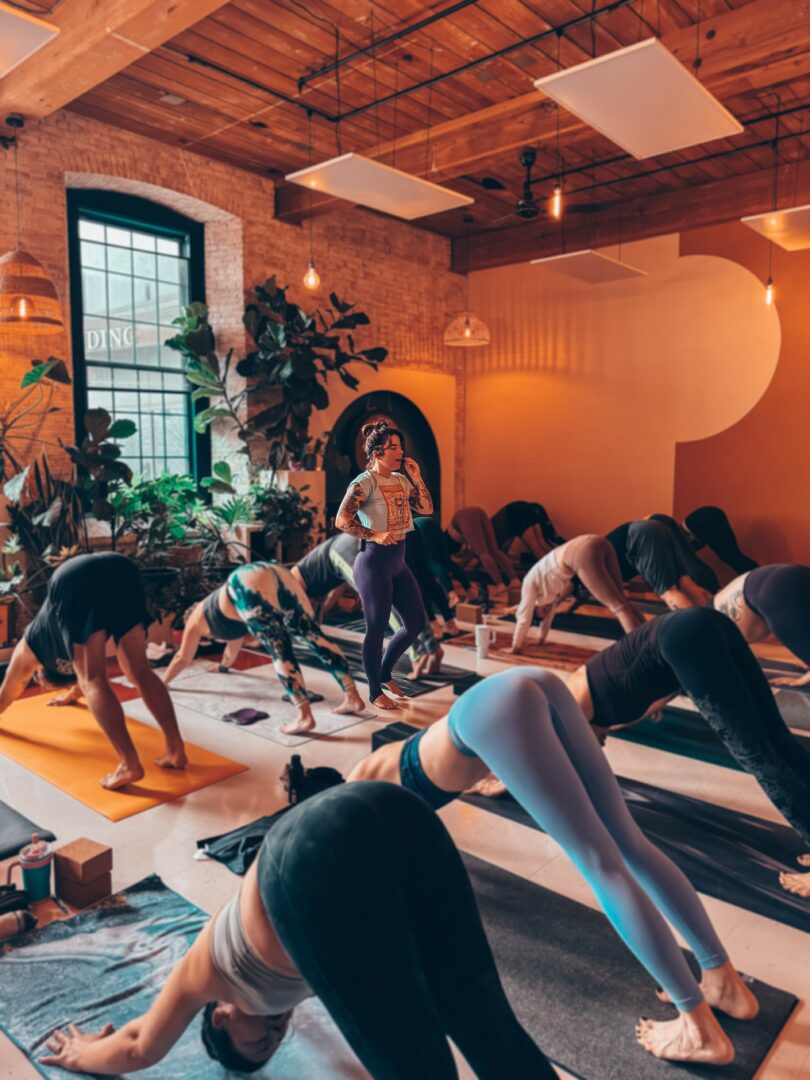
A core part of my work is teacher education. I lead yoga teacher trainings that emphasize discernment, ethical leadership, and clear communication alongside physical practice. My goal is to help teachers develop confidence, critical thinking skills, and a sense of integrity that allows them to teach sustainably and responsibly. Many of the teachers I work with go on to build long-term careers, studios, or community-based offerings of their own.
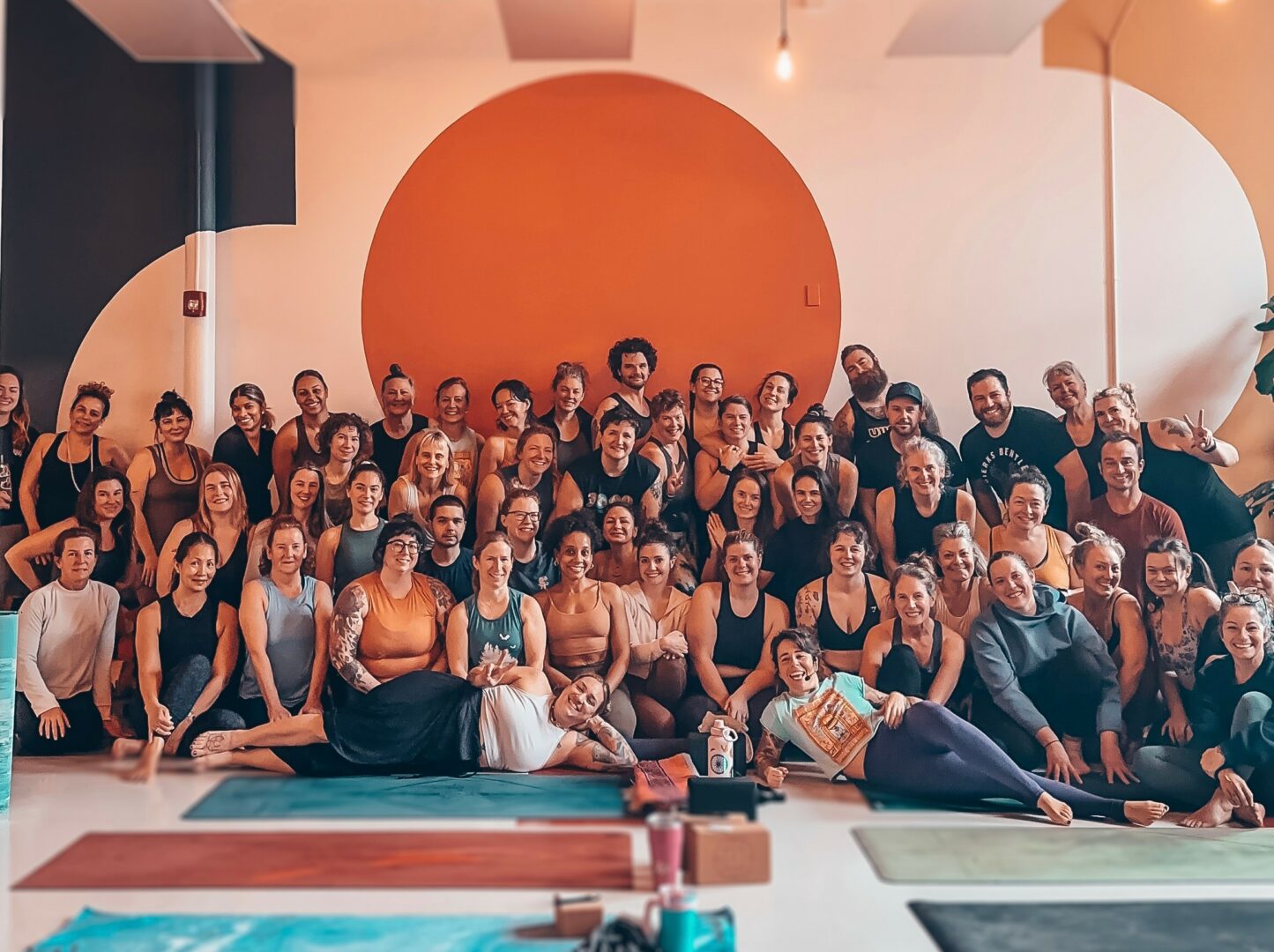
Community-building is central to everything I do. Both Troy City Yoga and Wonderland Yoga are intentionally designed to feel welcoming, unpretentious, and human. I care deeply about creating spaces where people don’t feel like they need to perform wellness, spirituality, or expertise in order to belong. That sense of safety and authenticity is what allows real transformation and connection to happen.
Right now, I’m focused on continuing to grow and refine my studios and education programs in a way that prioritizes longevity over hustle. I’m expanding continuing education offerings for teachers, deepening retreat experiences, and developing written work that explores yoga philosophy, leadership, and modern life in a way that feels practical and relatable.
At this stage of my career, my focus is less on expansion for its own sake and more on depth, building offerings that are thoughtful, sustainable, and rooted in integrity. Whether I’m teaching a class, mentoring a teacher, or leading a retreat, my aim is the same: to create spaces where people can move, think, and connect more honestly.
There is so much advice out there about all the different skills and qualities folks need to develop in order to succeed in today’s highly competitive environment and often it can feel overwhelming. So, if we had to break it down to just the three that matter most, which three skills or qualities would you focus on?
Looking back, my path hasn’t been linear, and the qualities that mattered most weren’t things I was born with… they were developed slowly through experience, mistakes, and refinement. If I had to name three that shaped my journey as a yoga educator, studio owner, and founder, they would be discernment, creative adaptability, and a commitment to community.
Discernment has been the most foundational skill I’ve developed. Early on, I believed success came from pushing through everything. Over time, I learned that discernment– knowing when to stay, when to pivot, when to rest, and when to walk away– is far more valuable than sheer endurance. Discernment comes from paying attention to patterns, not just individual moments.
Advice: Slow down your decision-making. It’s not a race. Track what consistently energizes you versus what drains you. Not every obstacle is meant to be overcome, and not every opportunity is aligned. Give yourself permission to choose thoughtfully, not urgently.
The second quality is creative adaptability. Much of my work, from building yoga studios to leading teacher trainings, required responding to real-world conditions rather than ideal ones. I learned to treat creativity as a practical tool: problem-solving, refining systems, and adjusting when something wasn’t working.
Advice: Experiment without over-identifying with the outcome. Try things, be absurd, gather feedback, and adjust. Avoid locking your identity to one version of your work or the market standard. Adaptability is built by staying curious instead of defensive, by creating the trend instead of following the trend.
The third and most enduring quality has been a community-centered approach. Everything I’ve built has been rooted in relationship. Long-term sustainability doesn’t come from visibility or momentum alone, it comes from trust, consistency, and care.
Advice: Focus on building relationships before building an audience. Show up reliably. Communicate clearly. Make people feel welcome and respected. Communities grow when people feel safe, not managed!
Together, these three qualities: discernment, creative adaptability, and community-centered leadership, have guided my work and allowed it to last. For anyone early in their journey, my biggest takeaway is this: move slowly enough to stay aligned, flexible enough to evolve, and human enough to remember that people are always at the center of meaningful work.
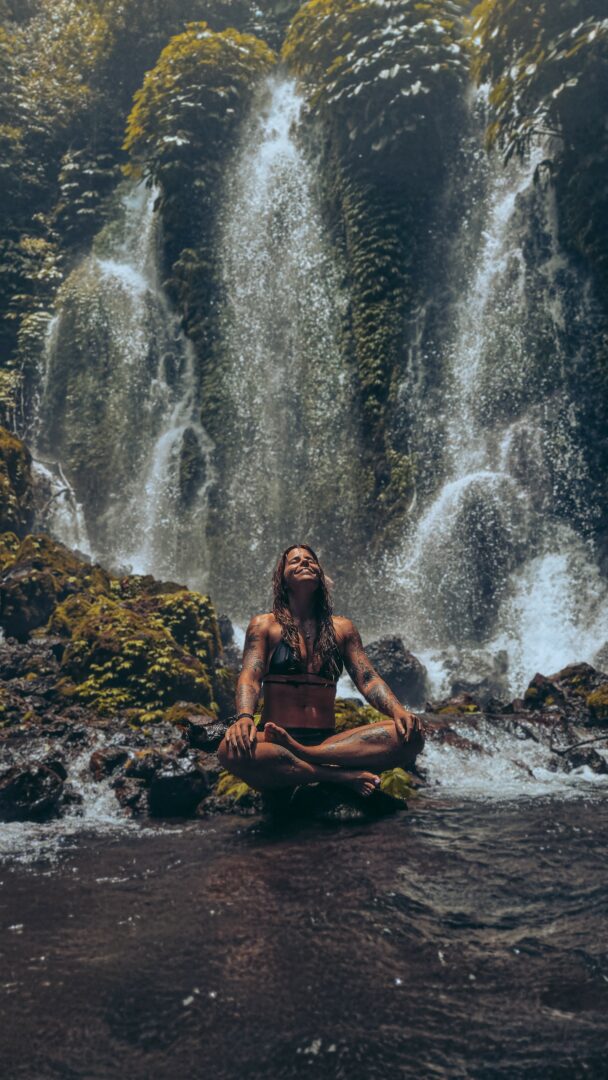
We’ve all got limited resources, time, energy, focus etc – so if you had to choose between going all in on your strengths or working on areas where you aren’t as strong, what would you choose?
I don’t think this is an either–or question. In my experience, sustainable growth comes from going deep into your strengths while becoming competent enough in your weaker areas that they no longer create friction or harm.
Early in my career, I felt pressure to excel in every possible facet. I think most small business owners feel this way. I thought I had excel equally with teaching, business operations, administration, marketing, and leadership. That mindset led to burnout and dilution. I wasn’t actually becoming more capable; I was spreading myself too thin.
What changed things for me was realizing that my strengths, teaching, communication, creative problem-solving, and community-building, were the engine of everything I was trying to build. When I invested deeply in those, the quality of my work improved dramatically. My classes became clearer. My teacher trainings became more thoughtful. My communities became more cohesive. Depth created momentum.
At the same time, I learned the hard way that ignoring your weaknesses entirely isn’t responsible either, especially when you’re leading people or running a business. You don’t need to become an expert at everything overnight, but you do need enough awareness and competence to ask better questions so that you can make informed decisions and know when to bring in support.
Yoga teaches this through balance rather than perfection. On the mat, you don’t turn your weakest muscles into your strongest overnight, you stabilize them enough so they don’t compromise the whole structure. I’ve come to see skill development the same way. Strengths are meant to be refined and expressed fully; weaknesses are meant to be acknowledged and supported.
A concrete example of this in my own journey has been business operations. It will never be my natural zone of genius, but I started small, invested enough time to understand systems, contracts, and structure so that my creativity and teaching can thrive without chaos. That foundation allows me to lead with clarity rather than anxiety and build something much bigger.
For people early in their journey, my advice is this: start small, so that you can build depth before breadth. During the building phase, identify what you do well and commit to developing it fully. That’s where your confidence, contribution, and sense of purpose will come from. At the same time, take responsibility for your blind spots. Learn enough to stay ethical, effective, and self-aware, and then seek collaboration or support where needed.
Contact Info:
- Website: https://www.abbeciulla.com
- Instagram: https://www.instagram.com/mightymover
- Linkedin: https://www.linkedin.com/in/abb%C3%A9-ciulla-b8bb03281
- Other: https://www.troycityyoga.com
https://www.wonderlandyogastudio.com
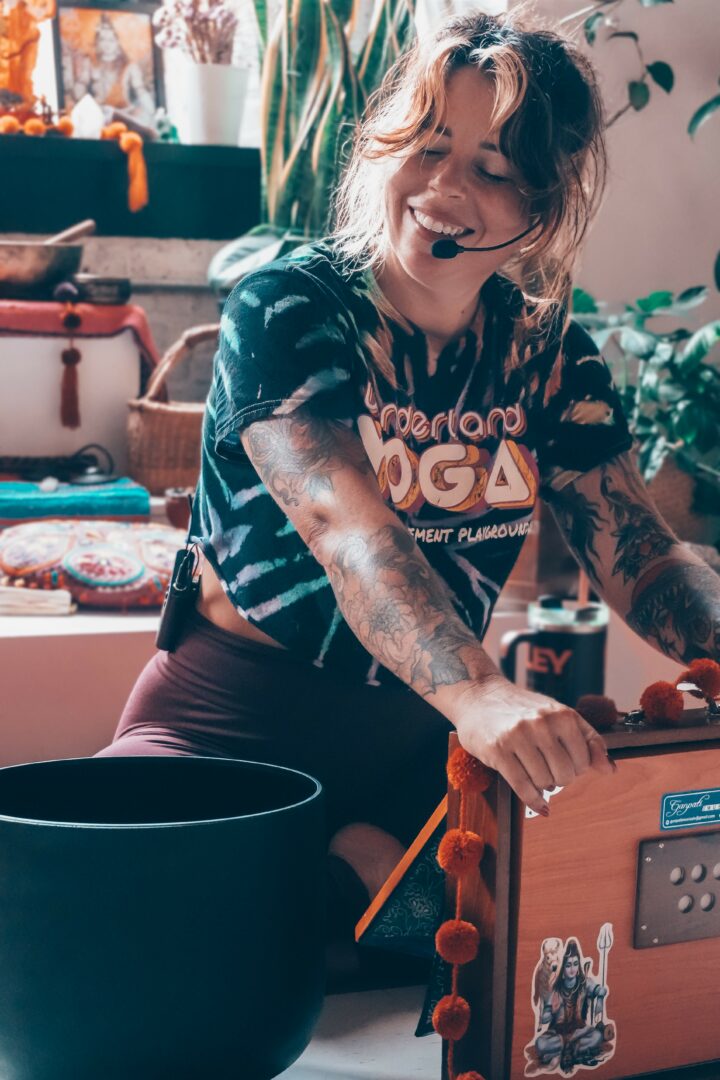
Image Credits
Jennifer Manville for lululemon
so if you or someone you know deserves recognition please let us know here.