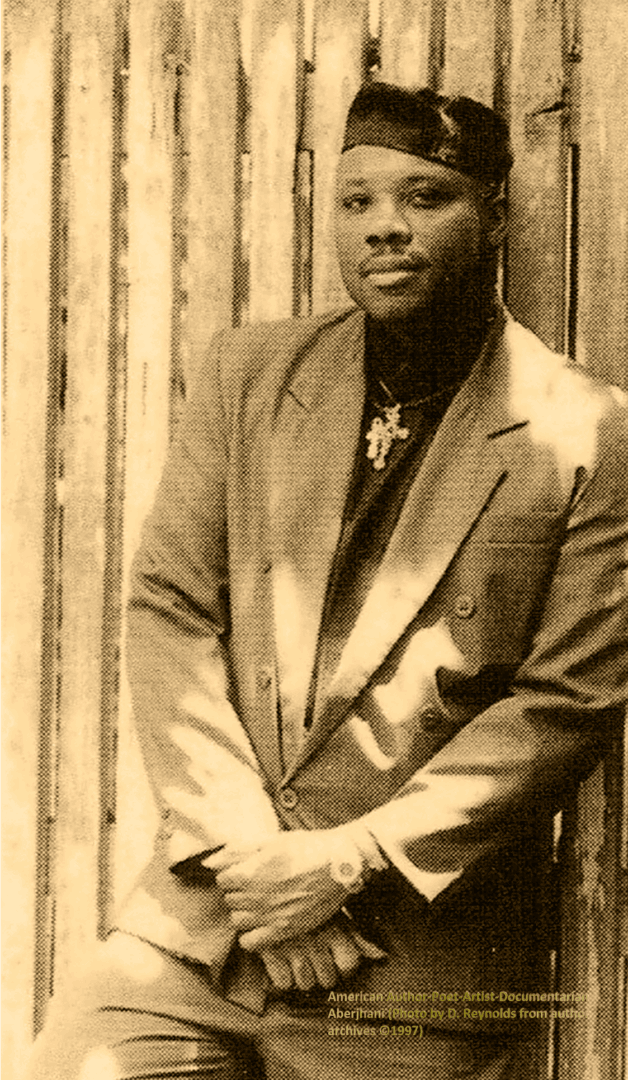
We recently connected with Aberjhani Auhor-poet-artist and have shared our conversation below.
Aberjhani , so great to have you with us and thanks for taking the time to share your thoughts with the community. So, let’s jump into something that stops so many people from going after their dreams – haters, nay-sayers, etc. We’d love to hear about how you dealt with that and persisted on your path.
Thank you, that’s a very interesting question. It’s one which I find myself answering at a time when numerous entrepreneurs, students, immigrants, and people of every demographic in America are finding themselves challenged by attempts to erase various programs supportive of Diversity, Equity, and Inclusion. I persist in my own efforts to craft works that encourage progressive humanitarianism, despite the haters and nay-sayers, because personal experience, recorded history, and supportive associates have all confirmed the value of my brand. And I’m not sure who said it first, but I’m a firm believer in the observation that “Success is believing in yourself even when nobody else does.”
Ironically, my last job with the U.S. Air Force Reserves was as an Equal Opportunity Enforcement counselor within an office where we were tasked with addressing and resolving issues related to disruptive discriminatory practices based on gender, religion, age, or race. At that time, the U.S. military recognized the value of protecting the strength of its workforce, and the country’s defensive readiness, by not allowing individuals prone to abusive behavior to distract or victimize co-workers with their divisive oppressive prejudices. I don’t think what we’re seeing with mass layoffs of federal workers, shutting down USAID, and gutting different government service agencies can be called an extension of the same kind of democratic values.
This issue means a lot to me partly because much of my career as a writer and artist has been built on exploring and acknowledging the strengths and advantages gained when employing diversity and inclusion hiring. The first time I put this concept to the test in the real world was while managing a bookstore in the Savannah Mall (Georgia, USA). I found that maintaining gender- and racially-balanced representation on the sales floor consistently resulted in increased patronage among diverse customers, and, in either meeting or surpassing quarterly sales and discount membership goals.
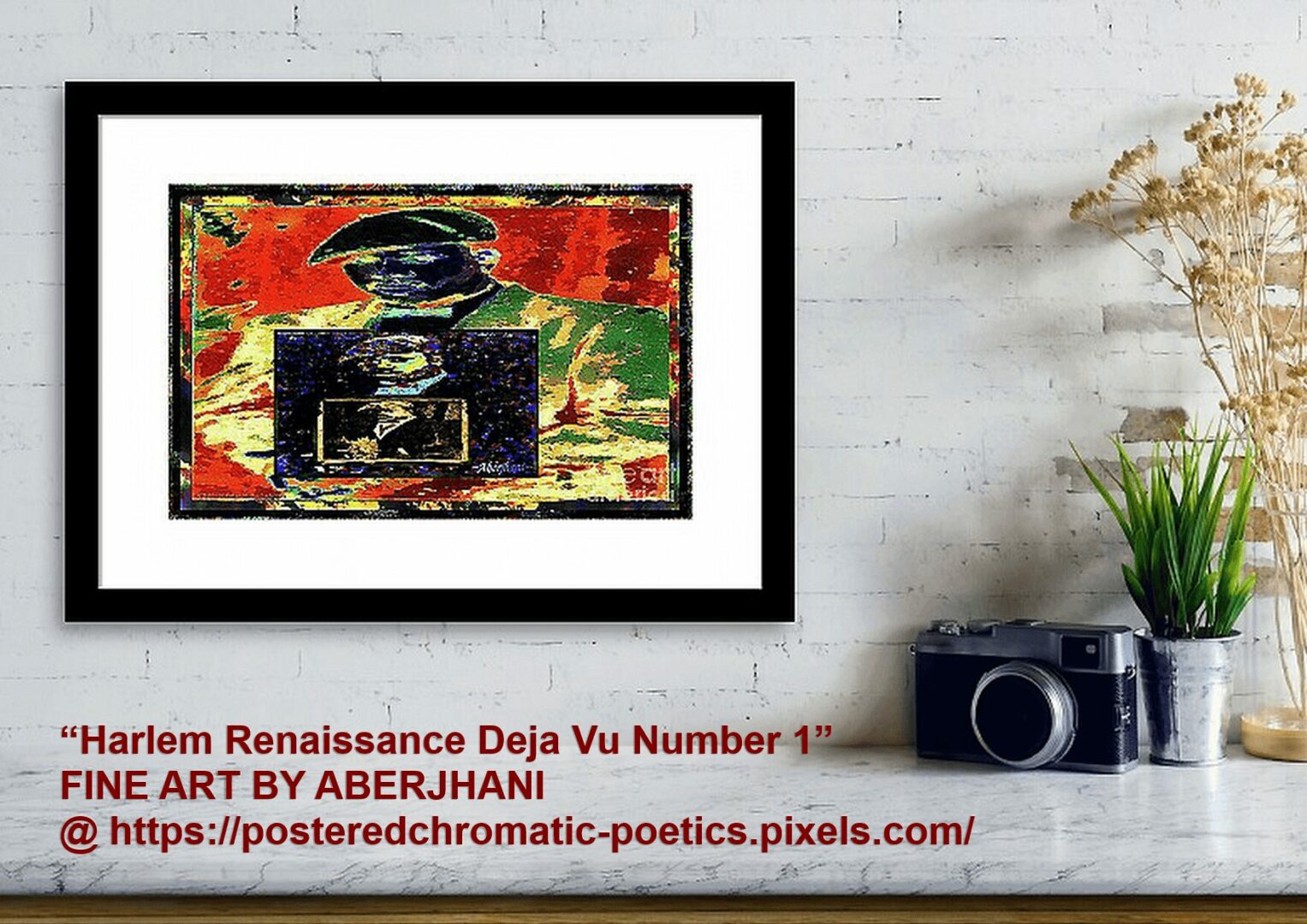
I admit that none of this was on my mind when working on Encyclopedia of the Harlem Renaissance with Sandra L. West. The fact is, I approached that project thinking only in terms of documenting very important African-American history. What I discovered, however, was that a number of significant factors relating to the Harlem Renaissance resulted from multicultural contributions, including from Latinxs, Gays, White Americans, and members of the international community. My experience, and the insights I gained from it, is a good illustration of Alicia Keyes’ statement during the 2025 Grammy Awards when she said, “DEI is not a threat, it’s a gift…”
Thanks for sharing that. So, before we get any further into our conversation, can you tell our readers a bit about yourself and what you’re working on?
My primary focus as a creative artist has always been on writing, and I’ve drawn a lot of inspiration and strategies for achieving certain goals from memoirs and biographies of people like Maya Angelou, Malcolm X (whose 100th birthday is being celebrated in 2025), Albert Camus, Rumi, and Kahlil Gibran. In recent years, I’ve also found myself gaining a lot from interactions with different visual and music artists both online and offline, all of these mediums combining to help me document this spectacular 21st century we’re all experiencing.
The thing is, although I’ve worked hard to produce and promote a wide range of works which explore issues ranging from countering social injustice to achieving personal empowerment through spiritual consciousness, my primary intention has often been to stimulate dialogues on the dynamics of what I call everyday human-beingness. Discussions have sometimes dealt with unfolding events addressed through essays, journalism, art, and poetry. Or lessons have been taken from classic creations dealing with timeless issues like ethical dilemmas caused by economic stress or power struggles between individuals and societies.
A recent example would be my revised essay on author Octavia E. Butler’s novel, The Parable of the Sower. Many people sharing posts on social media clearly believe this book, written by an African-American woman way back in 1993, foretold the January 2025 Los Angeles wildfires which terrified so many of us, and also predicted the re-election of the current U.S. president, which absolutely stunned millions. As I see it, Butler was an author whose work should have won her the same level of acclaim as books by writers like Angelou and Toni Morrison won for them. But she was a Black woman writing science fiction in a way no one ever had before, and apparently not supposed to be as brilliant as she was.
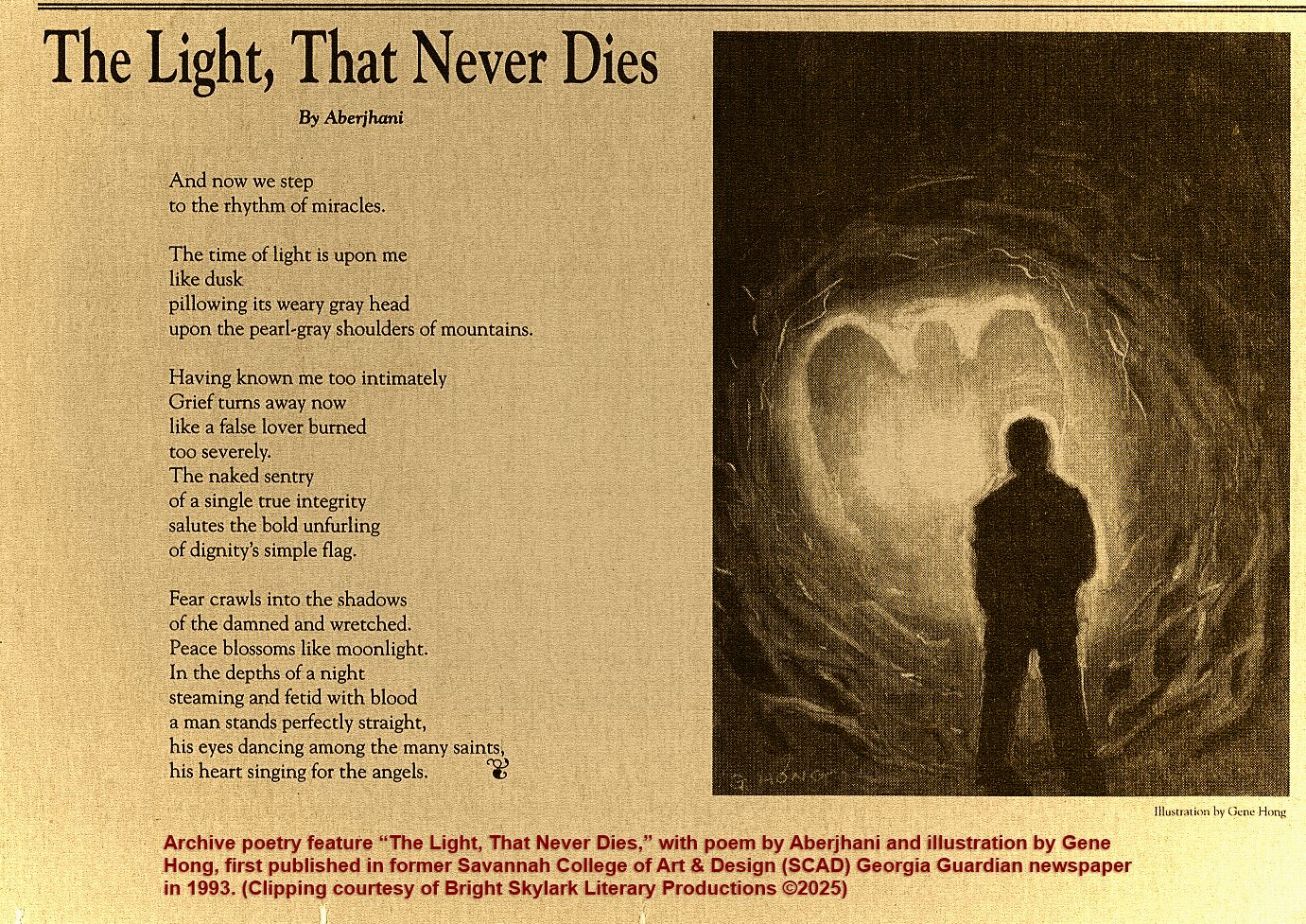
As an exercise in what I call planting seeds for the future, I first published an online review of Butler’s work in my former AXS Entertainment column in 2010 to alert readers about the importance of her writings. When social media started blowing up over the prophetic aspects of it this year, I updated the piece to amplify conversations about not just Butler’s literary prowess, but the extreme environmental and political instability which threaten to make everything else permanently irrelevant. Those interested can read the essay, titled “Author Octavia E. Butler & The Fire This Time,” for free on my Bright Skylark Literary Productions website. You would probably have a hard time finding the first hard print version of it, which was titled “Butler’s ‘Parable’ a Powerful Tale of the Future,” and published in the Savannah College of Art & Design’s former Georgia Guardian newspaper.
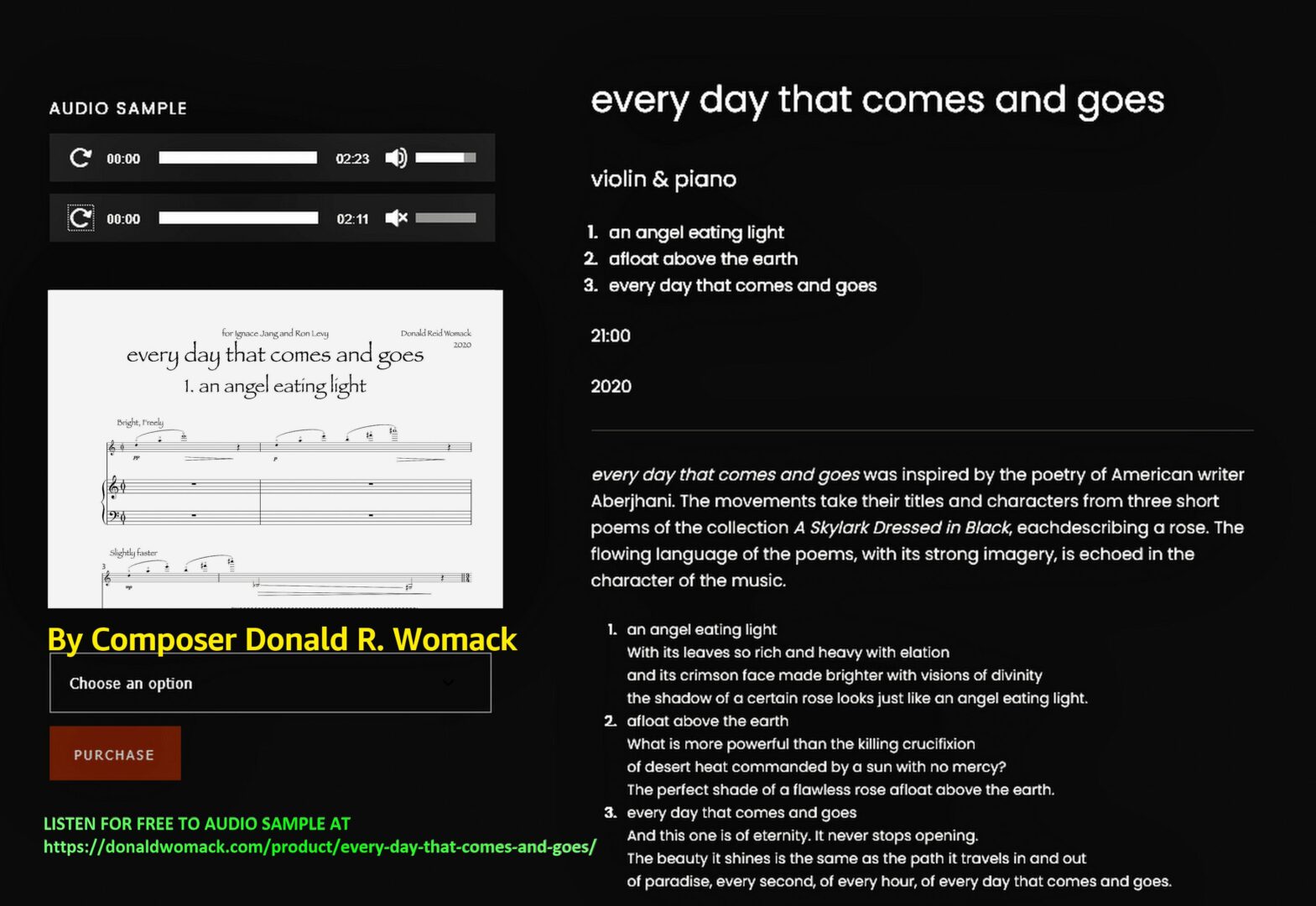
Another example of planting creative seeds for the future occurred just before the pandemic slammed us five years ago. A gifted composer named Donald R. Womack contacted me to ask permission to use several sections from one of my poems as part of a musical composition based on roses. I was honored to say Yes, but the pandemic shut down any further communication about the project. Then I learned late last year that the composition was completed and actually premiered at the University of Hawaii, Honolulu, in November 2024. I’m now hoping to include the music as part of a museum exhibition featuring my poetry and works by different visual artists paired with the texts. Prof. Womack titled his composition “every day that comes and goes,” a line taken from the poem that helped inspire it. I would encourage anyone who enjoys exceptional contemporary classical music to check out the free listening samples of it on his website.
Looking back, what do you think were the three qualities, skills, or areas of knowledge that were most impactful in your journey? What advice do you have for folks who are early in their journey in terms of how they can best develop or improve on these?
The acquisition of knowledge has often accompanied the development of skill, and vice versa, in my life, which is maybe why I’ve dedicated myself to being a lifelong learner. With that being the case, I would say three of the most impactful instances have been: 1) Learning to type while in high school; 2) Practicing strategic planning in the military and as an independent creative artist; and 3) Studying cultural literacy in college and practicing it in life.
Firstly, a lot of people might consider typing an antiquated reference with generative AI/artificial intelligence now providing many with texts based on voiced or programmed commands. That wasn’t an option for me my first time around in college and when starting out as a military journalist. I’m actually glad about that because it helped to train and strengthen my mental focus. Unexpectedly, the errors that came with manual typing eventually led me to become a competent editor as well, something still necessary even with generative AI. Possessing these skills made me one of my most valuable assets early in my writing career because outside of the inspired fun literary projects, someone had to deal with the strictly business-oriented tasks like typing up proposal letters or responding to general queries. That someone was me. And being able to type made it easier. It made a huge difference as well when working on Encyclopedia of the Harlem Renaissance, but that’s another story altogether.
To the second point, my approach to any major problem causing a stall in progress or an unexpected emergency, has always been to take a deep breath, sit down with a cup of tea or coffee, and come up with a plan to deal with the issue. I won’t claim my plans worked flawlessly 100 percent of the time, but they moved me past any paralyzing fear that made me feel hopeless. A major side effect of the strategic planning, which I eventually got degrees in btw, was that it sometimes inspired stories and poems I was then able to share with the world and help others out of painful dilemmas. At this present time, though, I’ve been impacted by extreme climate events in my region and like many people find myself challenged while dealing with damaged life-threatening property issues. So still devising a workable strategy for that while managing daily, gratefully, to remain productive.
I identified cultural literacy as my third area of knowledge because that’s what made it possible for me to cultivate mutually-beneficial relationships with people whose backgrounds are different from my own, as opposed to repeatedly experiencing violent conflicts with them. The strength exercised through diversity not only benefited me personally career-wise, but helped make my community more vibrant and functional. The current presidential administration’s attempts to cancel federal funding for programs that support diversity, equity, and inclusion, as well as demolish the U.S. Department of Education itself, appears geared more towards ensuring the dominance of one specific demographic and would cause much more harm than good in communities like mine.
One of our goals is to help like-minded folks with similar goals connect and so before we go we want to ask if you are looking to partner or collab with others – and if so, what would make the ideal collaborator or partner?
I actually am looking for people and organizations with whom I can collaborate on everything from marketing my catalogue of writings and visual creations to securing funding grants and awards for start-ups and special projects. The utilization of my works by various professionals within different fields over a period of decades has, I believe, proven its value. The rewards or compensations from proposed collaborations would depend on results achieved.
Fortunately, there are a number of people with whom I’m working right now to develop a major podcast on cultural arts in the southeast, establish a non-profit dedicated to an overlooked but critical cultural heritage niche, and complete an important book on the history of musical entertainment in my hometown. The potential success of these initiatives is as high as it is only because of the decades of work already put into laying a solid foundation for it. Anyone interested in exploring ways they might contribute to these ongoing efforts should feel free to contact me using the contact form at Bright Skylark Literary Productions or through my LinkedIn profile. Donations in support of projects may also be used via the PayPal link on the website. And on that closing note, I’ll just add that I’m told the theme for World Poetry Day 2025 is “Poetry as a Bridge for Peace and Inclusion” so I’d like to encourage worldwide celebrations of the day on March 21, and celebration of all the cultural arts every day, in that same spirit of harmonious coexistence.
Contact Info:
- Website: https://www.author-poet-aberjhani.info/
- Instagram: https://www.instagram.com/1official_aberjhani/
- Facebook: https://www.facebook.com/LiteraryScribe/
- Linkedin: https://www.linkedin.com/in/aberjhani
- Youtube: https://www.youtube.com/playlist?list=PLD0A11118CCE1C59D
- Other: https://donaldwomack.com/product/every-day-that-comes-and-goes/
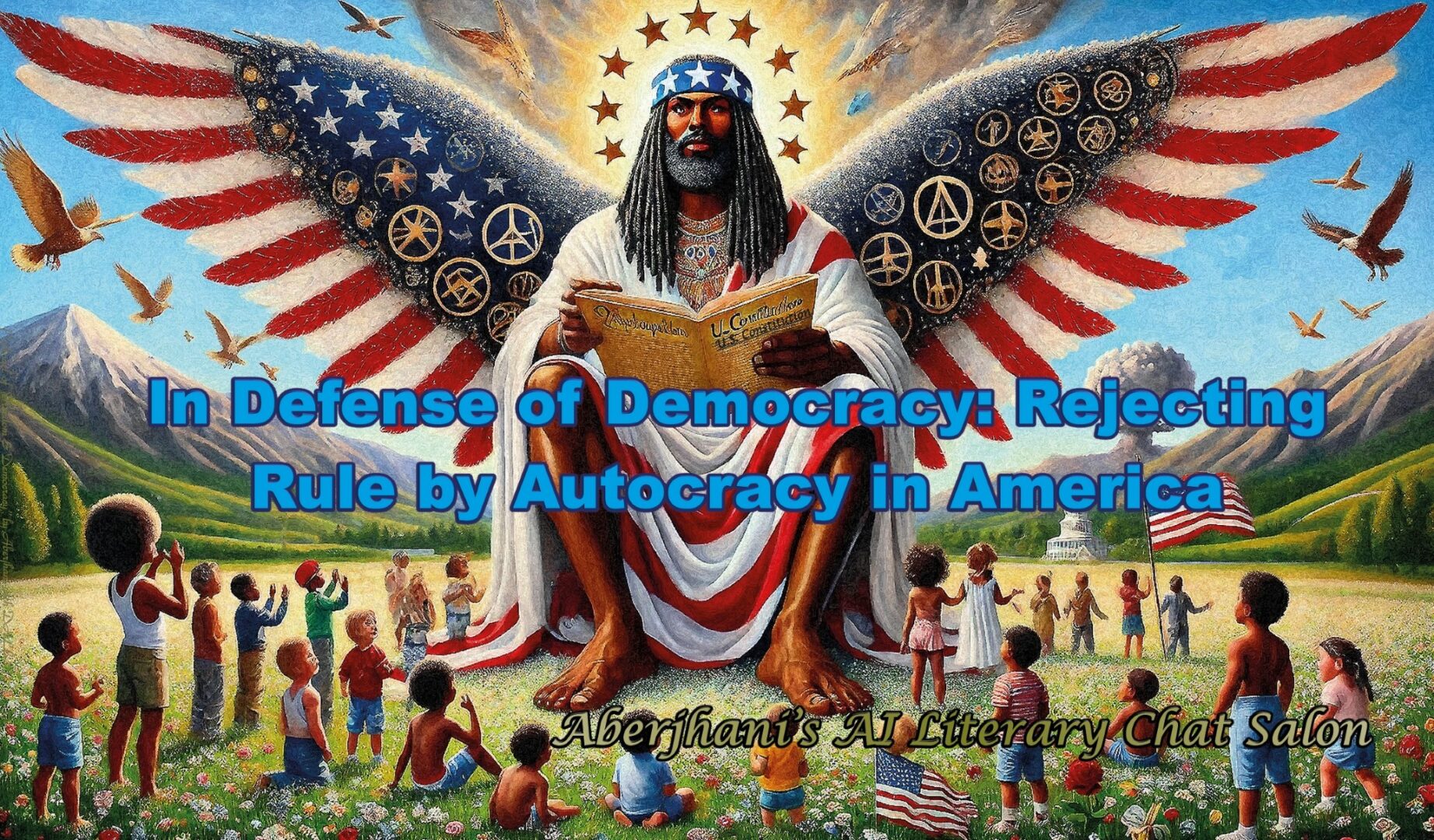
Image Credits
Aberjhani
Gene Hong
Telfair Books
D. Reynolds
so if you or someone you know deserves recognition please let us know here.