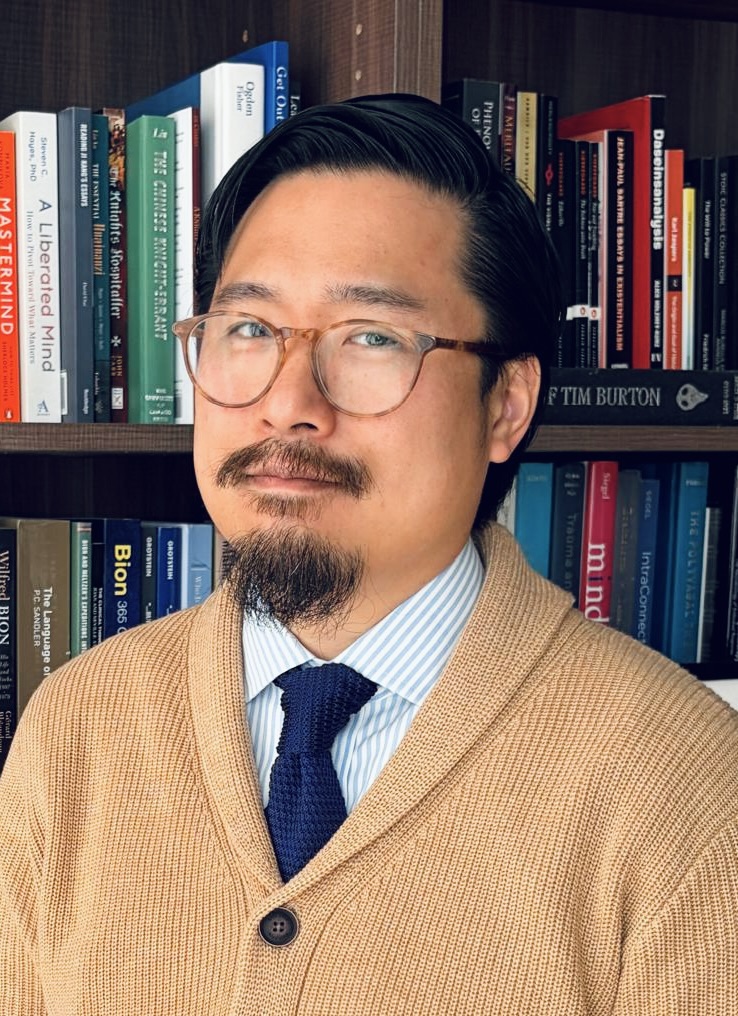
We recently connected with Aldrich Chan and have shared our conversation below.
Aldrich, so great to have you with us and we want to jump right into a really important question. In recent years, it’s become so clear that we’re living through a time where so many folks are lacking self-confidence and self-esteem. So, we’d love to hear about your journey and how you developed your self-confidence and self-esteem.
In my earliest memories, I had great courage and was very principled. I stood up for the less fortunate even when I was clearly in an inferior position, and faced scary situations even while I trembled. This shifted around the time I was an adolescent. I suffered from long depressive episodes related to early childhood trauma, and social insecurities. While the trauma continued to impact me in many “invisible” ways until adulthood (worked through in my own therapeutic encounters), my other difficulty was eventually remedied by inclusion into greater social groups, rapid physical maturity and exposure. I was often “thrown into the fire” and had to learn how to deal with my anxiety and sadness. I remember in the 6th grade we were asked to write a poem about ourselves, starting each line with the letters of our name. I wrote a concerning poem to say the least. This was brought to up to the schools attention, and awkward, misguided attempts were made to help me out. It ended up being exposure and discovering my passions that helped.
The first real subject of interest to me was biology (5th grade), and activity was creative writing. This, of course, did not help with my social life. I grew up in Costa Rica, so I tried fútbol (soccer) but that was a fail; my face was the target to heat-seeking soccer balls. My rapid physical maturity was helpful, in that my strength was noticed and I was quite proud of my softball skills (I was great at batting) and eventually Rugby. That said, I remain to be 5’8, a height I reached by 15 years old. At the end of it all, it was really not until I was introduced to skateboarding and the guitar that the tides changed. Unbeknownst to me, I found “flow” in these activities, and they helped me express my deeper feelings through different mediums. I developed my skills and through passion and persistence became recognized for them in my school. This led to greater social acceptance, belonging, and confidence.
This newfound empowerment however also came with a price. I came to devalue my studies in complete favor of social life. I did the bare minimum throughout high school, and was ‘intellectually’ bullied by my classmates. I will say that my class was “special” in that we had a record breaking SAT score average, paired with a rebellious nature. I was only interested in the latter and can say with relative certainty that I played no helpful role in that average. Part of the problem was I also lacked interest in the majority of subjects until I was introduced to British literature and philosophy/psychology (in my senior year).
I entered university with low expectations for my intellect, and high aspirations for my social life. The ‘Dorian Gray’ lifestyle ended during my 3rd year university when I finally realized how much more to life there was. I became fully absorbed by psychology and philosophy and did exceptionally well until graduation. I convinced my parents I was studying psychology to get into marketing (they wanted me in business) and made a small effort, but I knew for quite some time business was not for me.
Asides from watching Gattaca on repeat for motivation in school, for better or for worse, there also existed a thin veil dividing my conventional life from a deep wonder towards the mystery of reality. Sometimes I would question reality to intentionally elicit this ‘existential’ atmosphere within my mind. In this space, I have always felt a great sense of freedom, choice and wonder which allowed me to adapt my perspective to what would be most valuable in the moment; while also proactively exploring different states of consciousness.
I moved on to graduate school, and my inner flame only intensified. Things just flowed. I met amazing people, was voraciously consuming books and while considered an ‘idiot’ in high school, I was now considered a ‘genius’ in my masters program, though I was certainly humbled when I went to the doctoral program. Another small win was defeating an old high school friend (who was also a bit of an intellectual bully) in chess. All the while, I was also in a band performing frequently throughout Los Angeles. Needless to say, my confidence and self-esteem took off on all ends.
Finally, if any of you wonder whether Psychologists see other mental health professionals, the answer is some of us do and some of us do not. It’s unfortunate that this is no longer a requirement in many programs. I began my own therapeutic journey during my Masters program and continued into adulthood seeing therapists of all types including 2 Jungian analysts, a Self Psychologist, a Gestalt Therapist, a Somatic Therapist, and a Daseinanalyst.
Put together, I believe my confidence and self-esteem were largely uplifted by:
1) Exposure to fears and the courage to confront them.
2) Discovery of activities/interests of passion and persisting in them (regardless of others opinions).
3) Learning how to live in accord with my core values, and accepting that everything else is out of my control.
4) Fortune favors the bold.
5) Work through your trauma or hardships.
6) Question reality. If you can elicit an existential atmosphere, it may just open up a realm of possibilities and freedom to play a larger role in the co-authorship of your life. What do you want the story of your life to be like?
7) Learn how to be comfortable with a beginners mindset. Never stop learning.
At this point, I can confidently say that the life I am leading brings me great serenity and meaning.
Thanks, so before we move on maybe you can share a bit more about yourself?
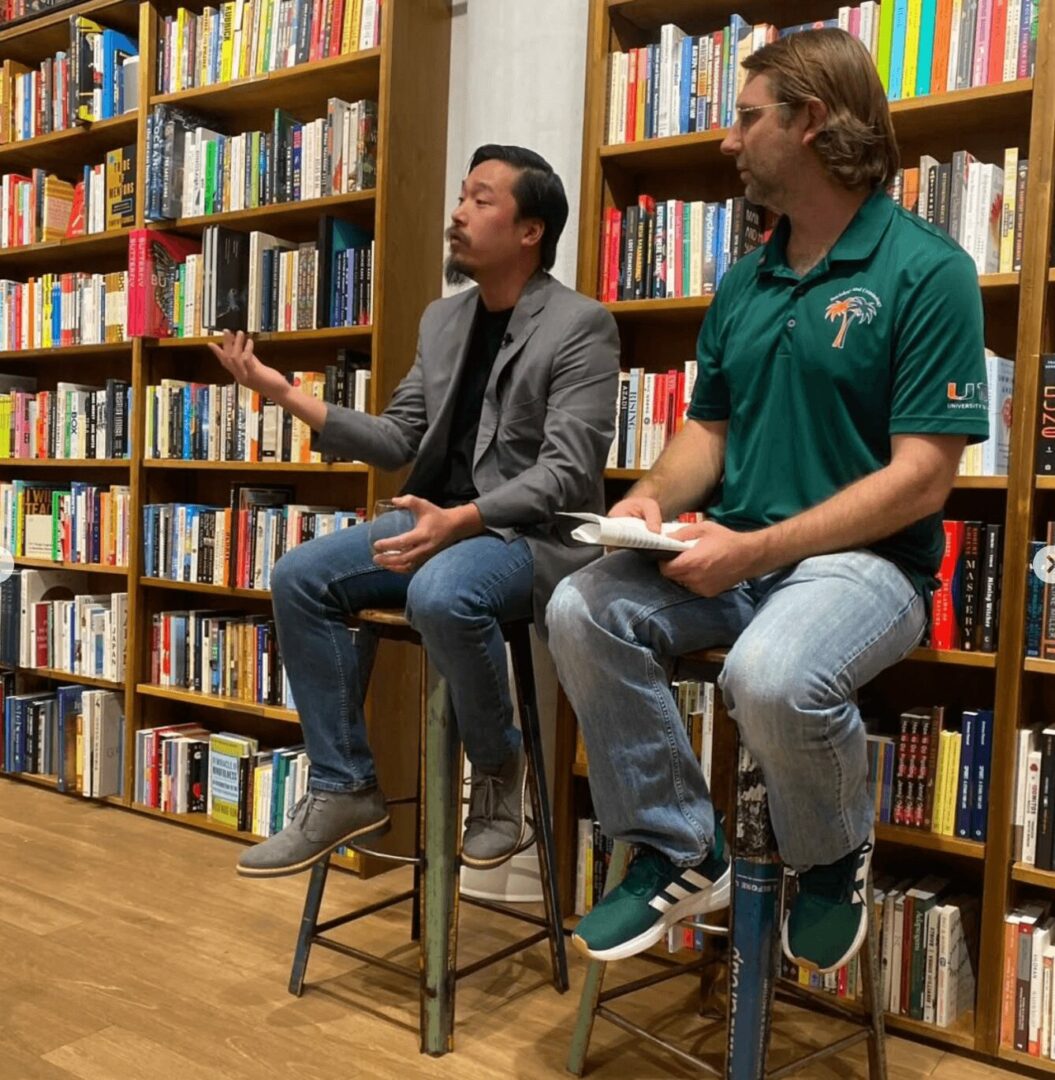
I am a neuropsychologist, psychotherapist, author and adjunct professor for Pepperdine University.
The following are my responsibilities:
1) Assess brain functioning (e.g. memory, executive functioning, processing speed, etc.), usually in tandem with personality and emotional functioning to identify strengths and weaknesses, diagnose and provide the best possible recommendations. I see clinical populations and non-clinical (high performance, executives, ‘neuro/biohackers,’ etc.).
2) Provide psychotherapeutic services to relieve suffering and empower meaning
3) Publish articles and books while mentoring students
4) Teach masters and doctoral level classes for Pepperdine University (currently ranked within top 5 Psy.D. programs in the U.S.).
5) Also hold a public education platform on instagram with over 25,000 followers.
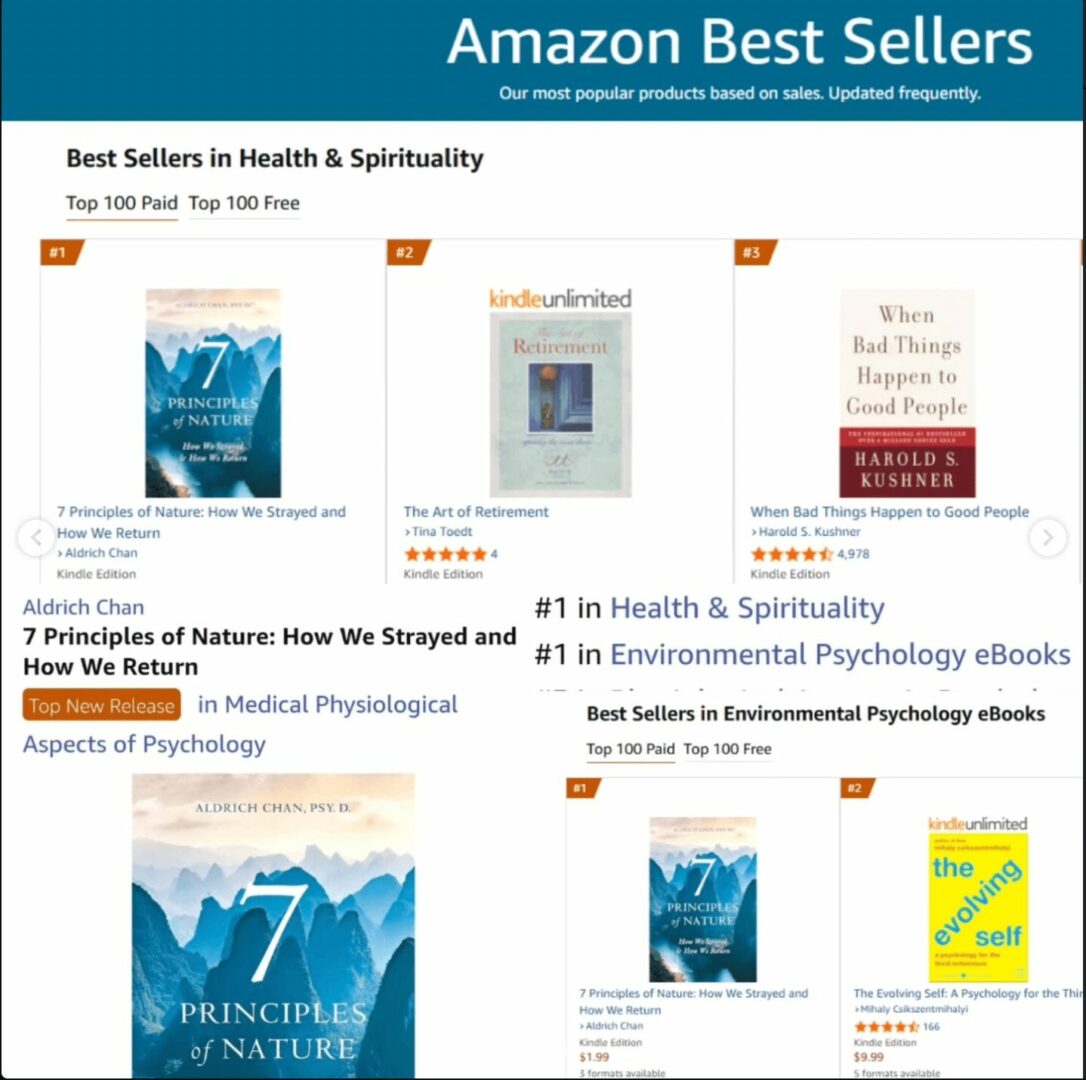
My latest book the 7 Principles of Nature: How We Strayed and How We Return launched October of 2025. It offers a new lens to view conditions, not as inherently bad or wrong, but as misalignments with natural principles. I begin with a theory of how we have become misaligned, and follow through with suggestions on how to re-align. This book is endorsed by Dan Siegel, M.D., Darcia Narvaez, Ph.D., Larson Di Fiori, Ph.D., Terry Marks-Tarlow, Ph.D., Deng Ming Dao, Ray Grigg and more recently Douglas Rushkoff (named within the top 10 influential intellectuals by MIT).
You can find my book here: https://a.co/d/03tfKBYa
Looking back, what do you think were the three qualities, skills, or areas of knowledge that were most impactful in your journey? What advice do you have for folks who are early in their journey in terms of how they can best develop or improve on these?
Neuroscience
Psychology
Philosophy
Pay attention to what brings you to life and then pursue them!
How would you describe your ideal client?
For therapy:
Self-reflective
Philosophically interested
Open-minded
Motivated to improve
Anxiety, depression, life transition, existential dread, trauma, adjustment to medical illness
For Neuropsychological/comprehensive evaluations:
1) Non-Clinical: High performance crowd interested in self-actualizing and seeking to learn more about their strengths and weaknesses in order to optimize their engagement with the world. This also provides a baseline for future problems,
2) Conditions:
ADHD, learning disability, TBI, memory disorders
Contact Info:
- Website: https://www.drchancnc.com
- Instagram: https://www.instagram.com/draldrichan
- Facebook: https://www.facebook.com/drchancnc
- Linkedin: https://www.linkedin.com/in/aldrichpfc/
- Youtube: https://www.youtube.com/@drchancnc
so if you or someone you know deserves recognition please let us know here.