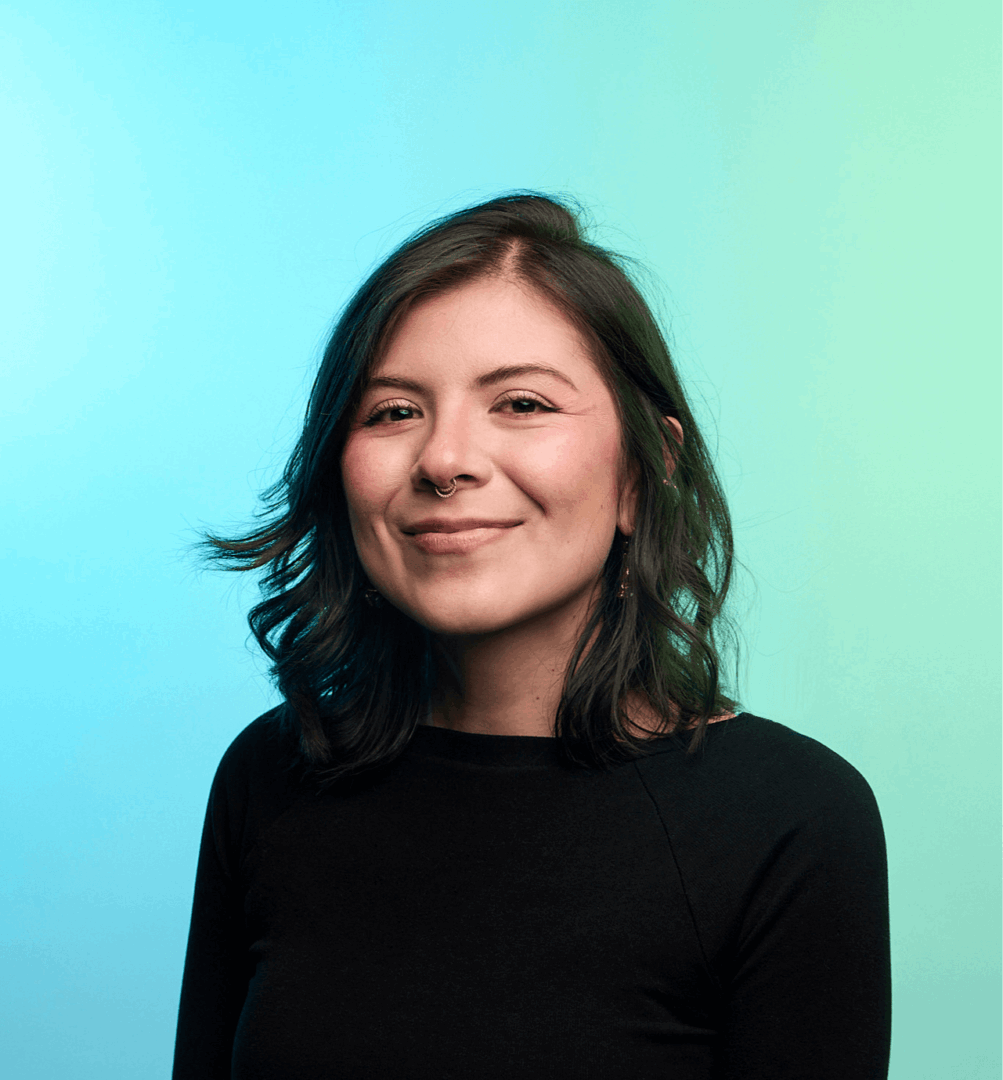
We were lucky to catch up with Alejandra Matiz recently and have shared our conversation below.
Alejandra , thank you so much for taking the time to share your lessons learned with us and we’re sure your wisdom will help many. So, one question that comes up often and that we’re hoping you can shed some light on is keeping creativity alive over long stretches – how do you keep your creativity alive?
When your passion for drawing becomes your job, staying creative can actually be challenging. Being a graphic designer and illustrator isn’t just what I do—it influences my interests and my lifestyle. So to keep my creativity alive, I try to find spaces that let me change my environment and perspective.
I spend time with friends and family, explore different places, discover new things. I think as creatives, we can get too caught up in social media and whatever the algorithm decides to show us. To stay creative, I try to step away from that. I go to the library and pick up books from fields completely unrelated to design. I try new activities, visit museums, take walks in places I haven’t been before, follow my roots, and for sure I take time to do what I love without a deadline or client, just letting myself explore without pressure. Sometimes creativity comes from not trying so hard to find it—just living, observing, and letting things happen naturally. I use a lot of my personal interests and experiences in my illustration work, and I think that’s why it relates to people.
For me, creativity comes when I experience life outside of my work, because that’s where the real inspiration lives.
Great, so let’s take a few minutes and cover your story. What should folks know about you and what you do?
I’m a Colombian graphic designer and illustrator finishing my M.A. in Illustration at SCAD in Savannah, Georgia. Coming to the U.S. to pursue this degree was one of the biggest decisions I’ve ever made—it meant packing my life into a suitcase, leaving everything familiar behind, and starting over in a new country. But it was necessary. I needed to reconnect with my artistic voice and develop even more my skills in illustration.
Before SCAD, I worked for over six years in-house, with creative agencies, and as a freelancer for clients like Facebook, Xiaomi, and Johnson & Johnson. I did illustration and design across branding, editorial, motion graphics, social media—pretty much everything. But even though I loved that work, something was missing. I wanted to deepen my practice and explore what I could do creatively when I really focused on visual storytelling and illustration.
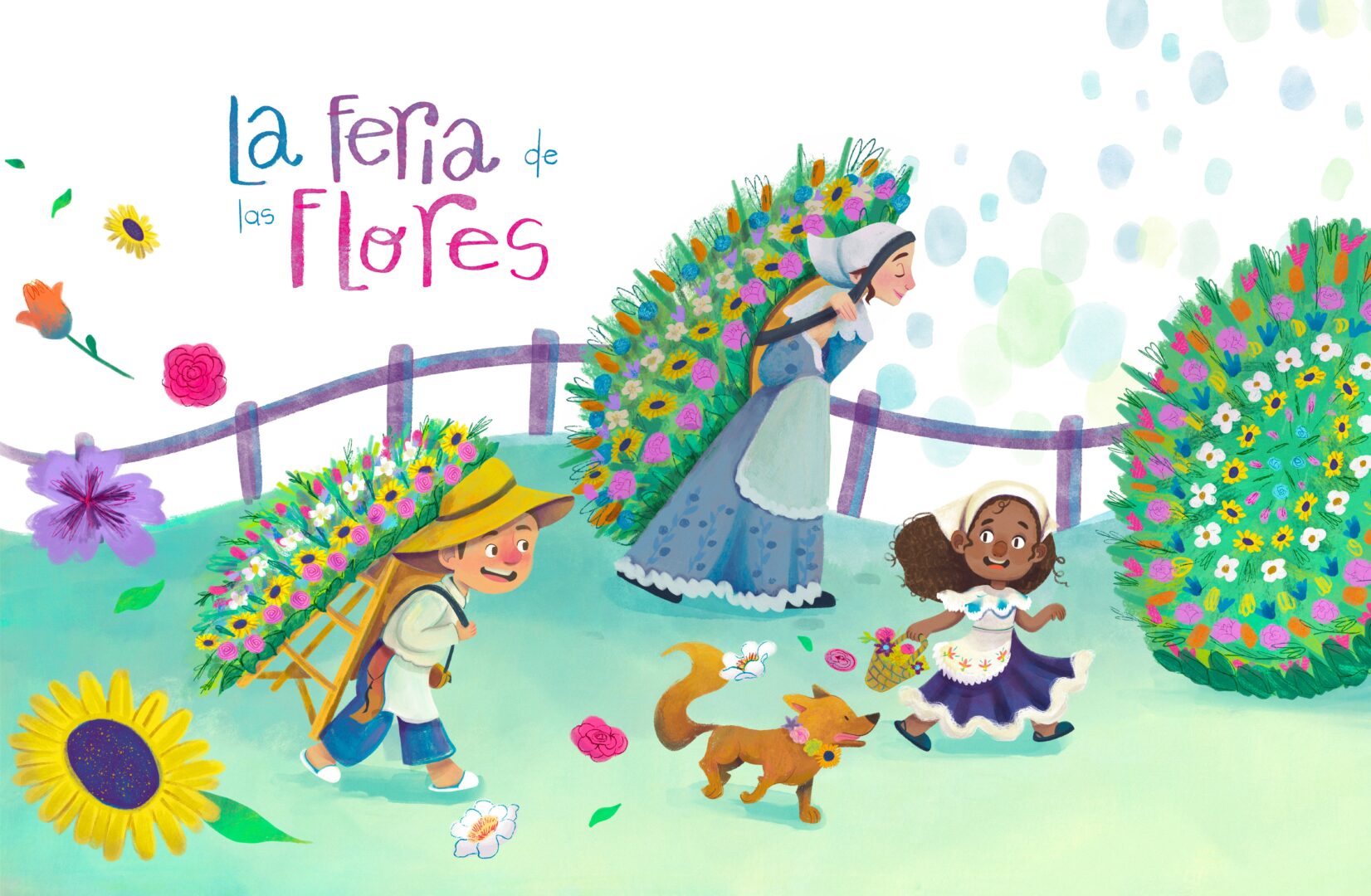
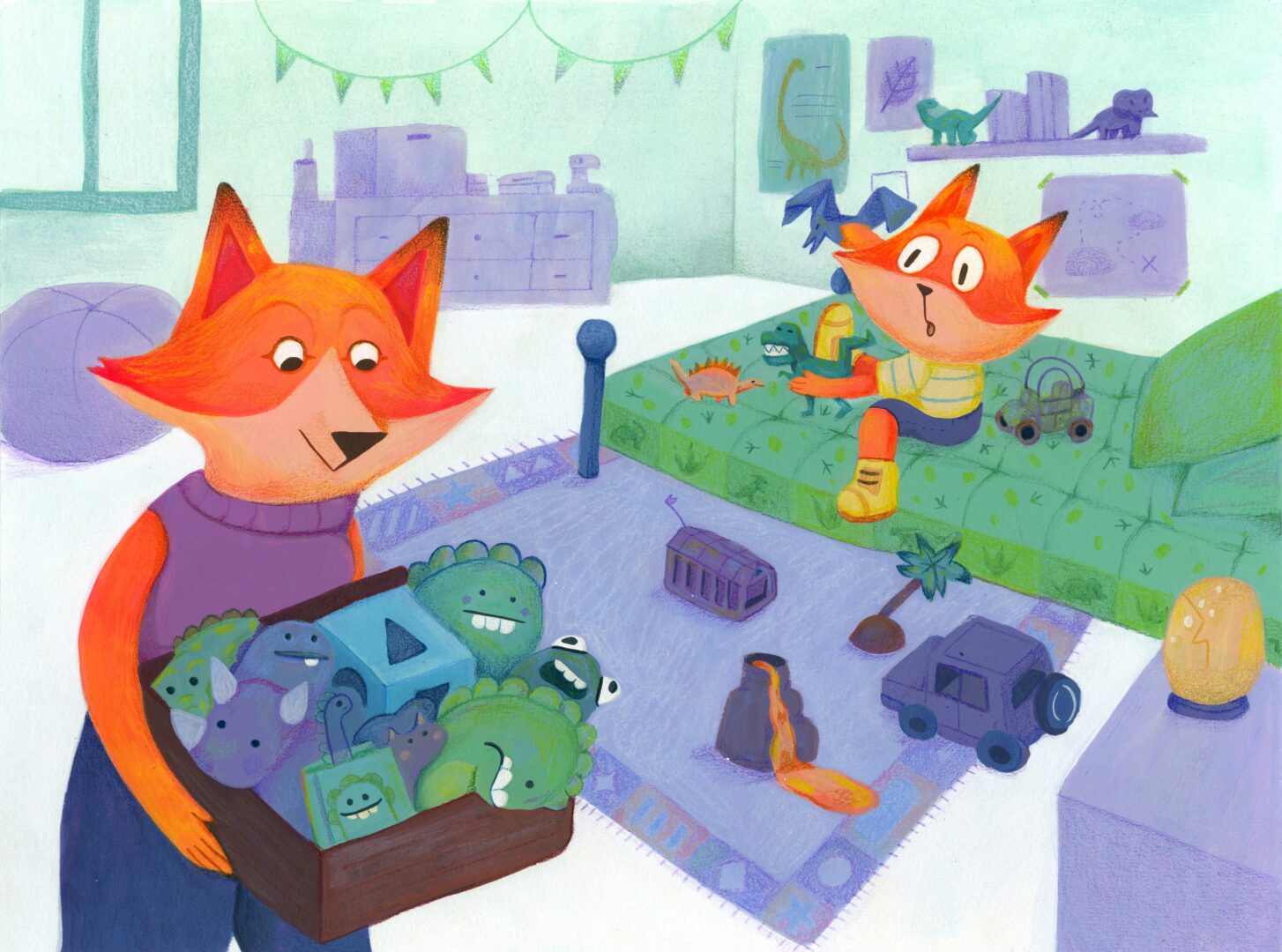
My goal is to work in publishing and editorial design, creating work that helps people connect with stories visually. I’m particularly drawn to children’s books and illustrated narratives because I love the challenge of making stories feel alive on the page. As a Colombian illustrator, I bring my own background and perspective to my work. I love experimenting with color, exploring different techniques, and finding ways to make stories resonate.
I think what makes my work special is that it comes from a genuine place. I’m creating because I genuinely love what I do and care about the stories being told. That’s what drives everything I do.
Looking back, what do you think were the three qualities, skills, or areas of knowledge that were most impactful in your journey? What advice do you have for folks who are early in their journey in terms of how they can best develop or improve on these?
Looking back, I think three things have been most impactful in my journey:
First, versatility. Working across different media taught me how to adapt and solve problems creatively in different contexts. Early in my career, I said yes to projects outside my comfort zone, and that’s what built my range. My advice for people starting out is don’t box yourself in too early. Try different things, work in different styles, experiment. You’ll discover what you’re truly passionate about through doing, not just thinking about it.
Second, learning to take feedback without taking it personally. This is hard, especially when your work feels personal. But understanding that feedback is about making the work better, not criticizing you as an artist, changed everything for me. It made me more collaborative, more open to iteration, and honestly, a better designer and illustrator. My advice is to find people whose opinions you trust and learn to listen. Not everyone’s feedback will be useful, but learning to separate ego from craft is essential.
Third, staying connected to why I create in the first place. When your passion becomes your job, it’s easy to lose sight of what made you love it. For me, it’s always been about storytelling and making things that resonate with people. Whenever I feel stuck or uninspired, I go back to that. My advice is to protect your creative joy. Make time for personal projects, draw without a deadline, explore just for the sake of exploring. That’s where your voice lives, and you need to keep feeding it.
What has been your biggest area of growth or improvement in the past 12 months?
I’m graduating this March, and without a doubt, this past year has been the biggest area of growth for me. Going through my master’s program has been incredibly enriching. I’ve been able to revisit concepts and knowledge in my field, but also learn from amazing artists. Not just academically, because my professors are incredible, but also through the visiting artists who’ve shared their journeys with us. The portfolio reviews I’ve had with some of them have expanded my skills and creative thinking immensely.
The diversity of cultures, the classmates and friends you make along the way, it’s made me see how much talented people are out there and how much you can learn from them. But it’s also been challenging in many ways. Emotionally, rediscovering yourself can be scary. Imposter syndrome is always there, and the doubts, how can I do this better, how can I improve that, are constant. That’s been an important part of the learning too. We say “trust the process” all the time, but actually doing it is hard.
I think the biggest growth for me has been learning to be more comfortable with uncertainty and trusting that I’m on the right path, even when it doesn’t feel like it. I’m still working on it, honestly, but when I look back at where I started versus where I am now, the quality of my work, my confidence, my clarity about what I want to create, I can see the growth. It’s been worth it. I feel more prepared and more excited about what comes next.
Contact Info:
- Website: https://matiba.co/home
- Instagram: https://www.instagram.com/matiba.ilu/
- Linkedin: https://www.instagram.com/matiba.ilu/
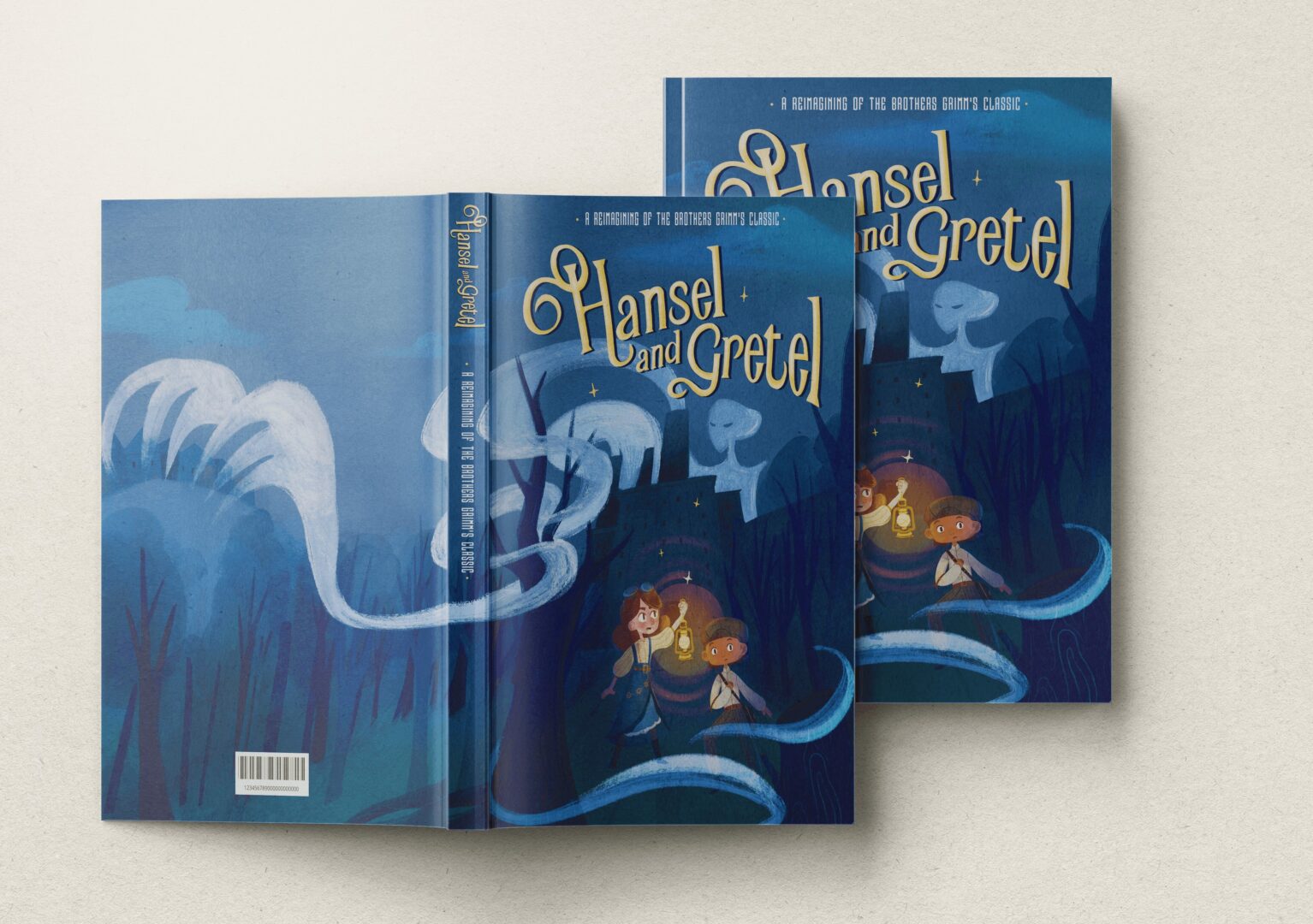
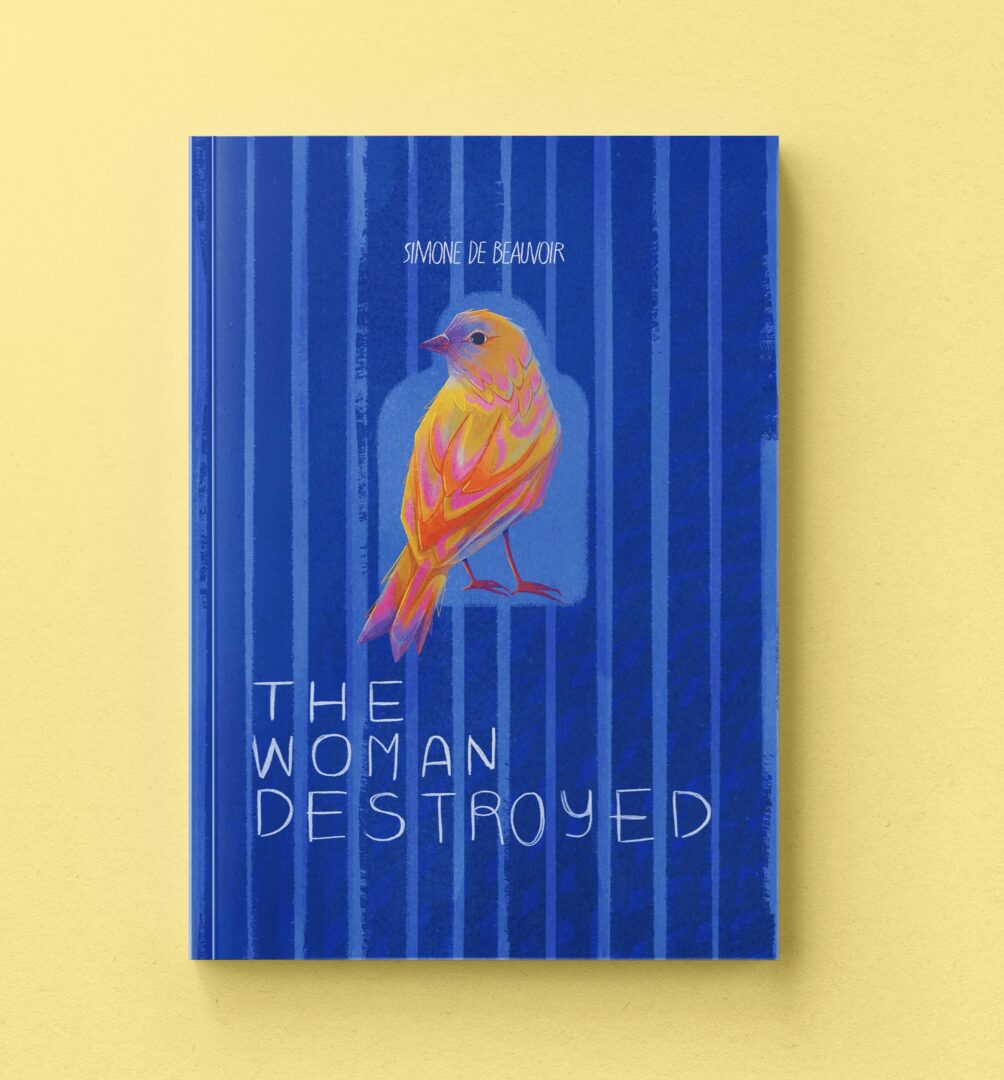
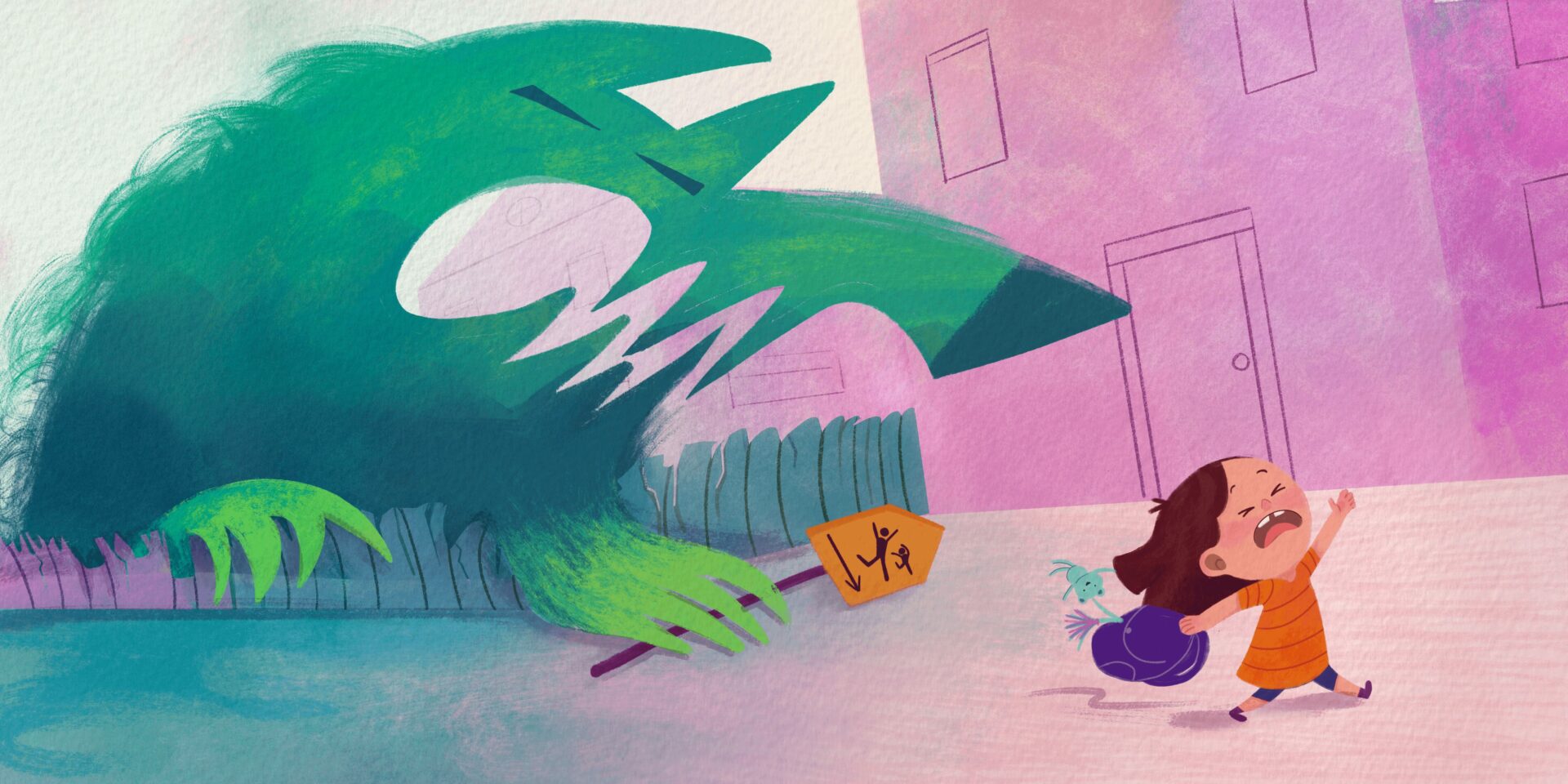
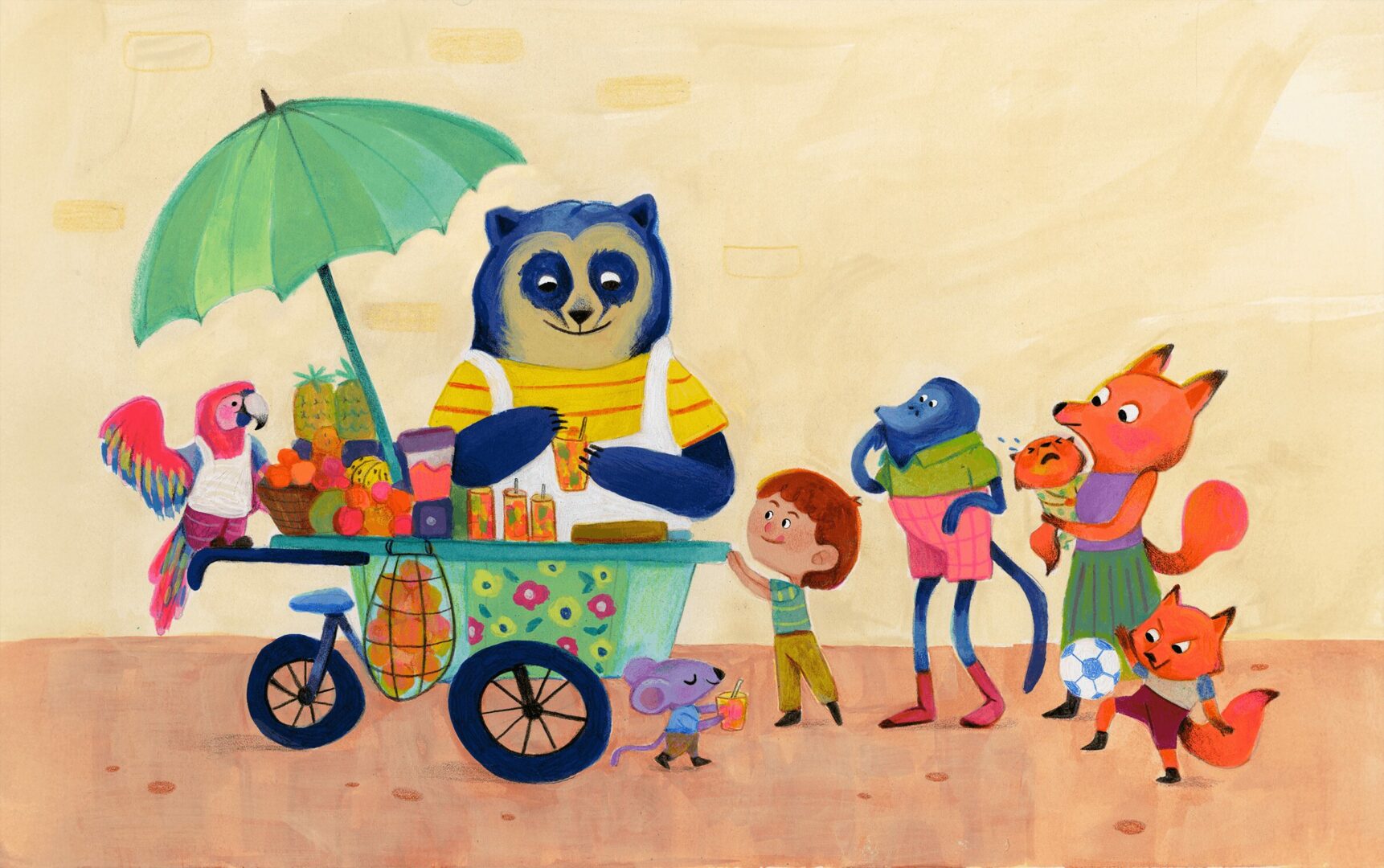
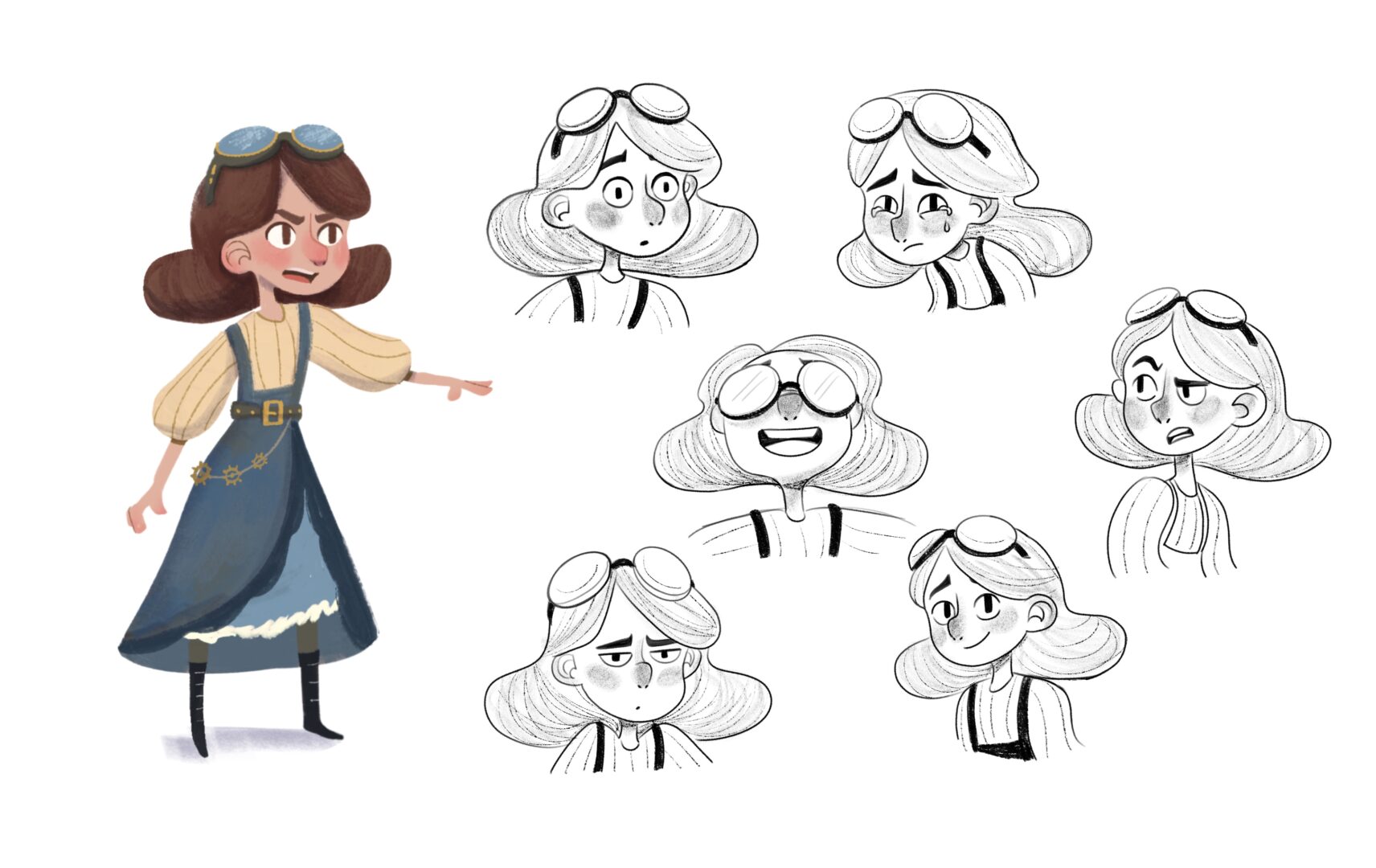
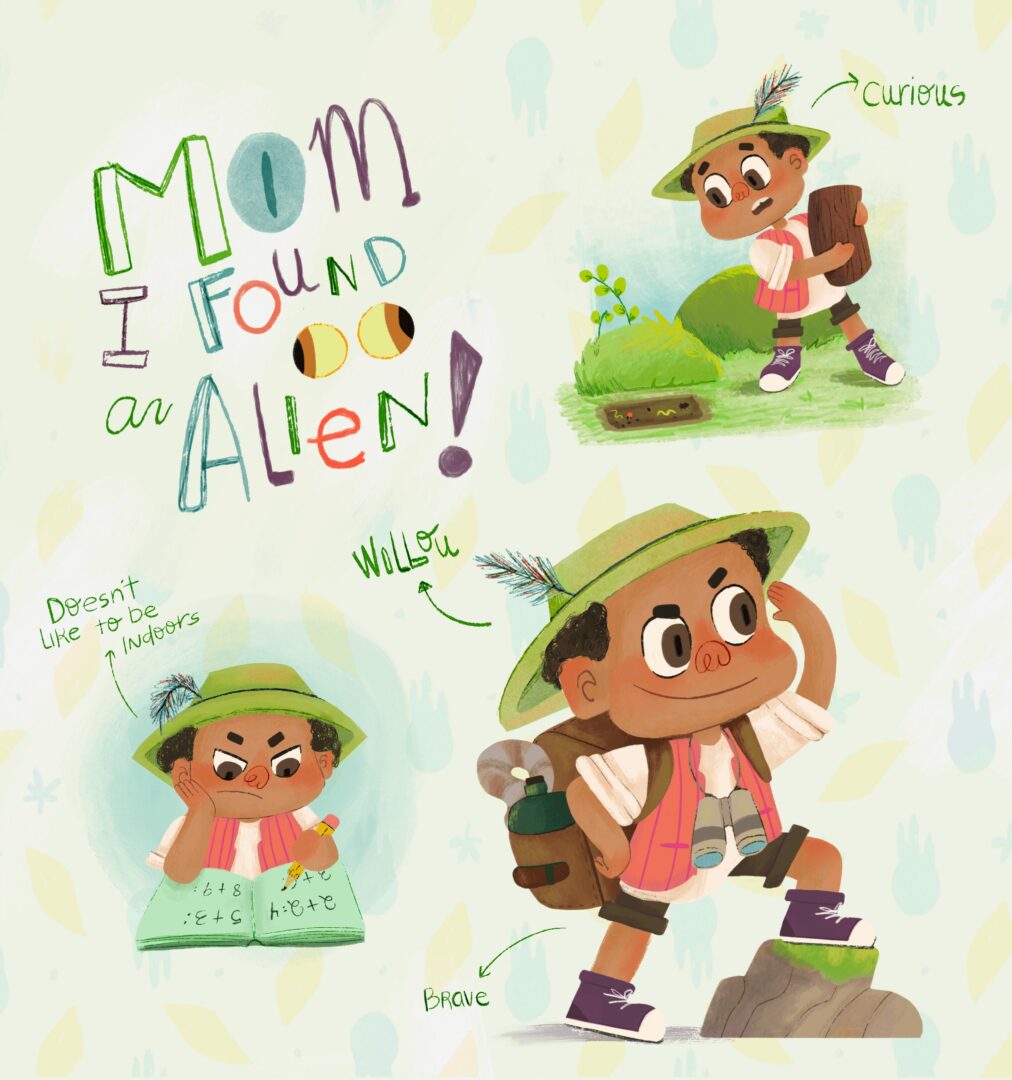
Image Credits
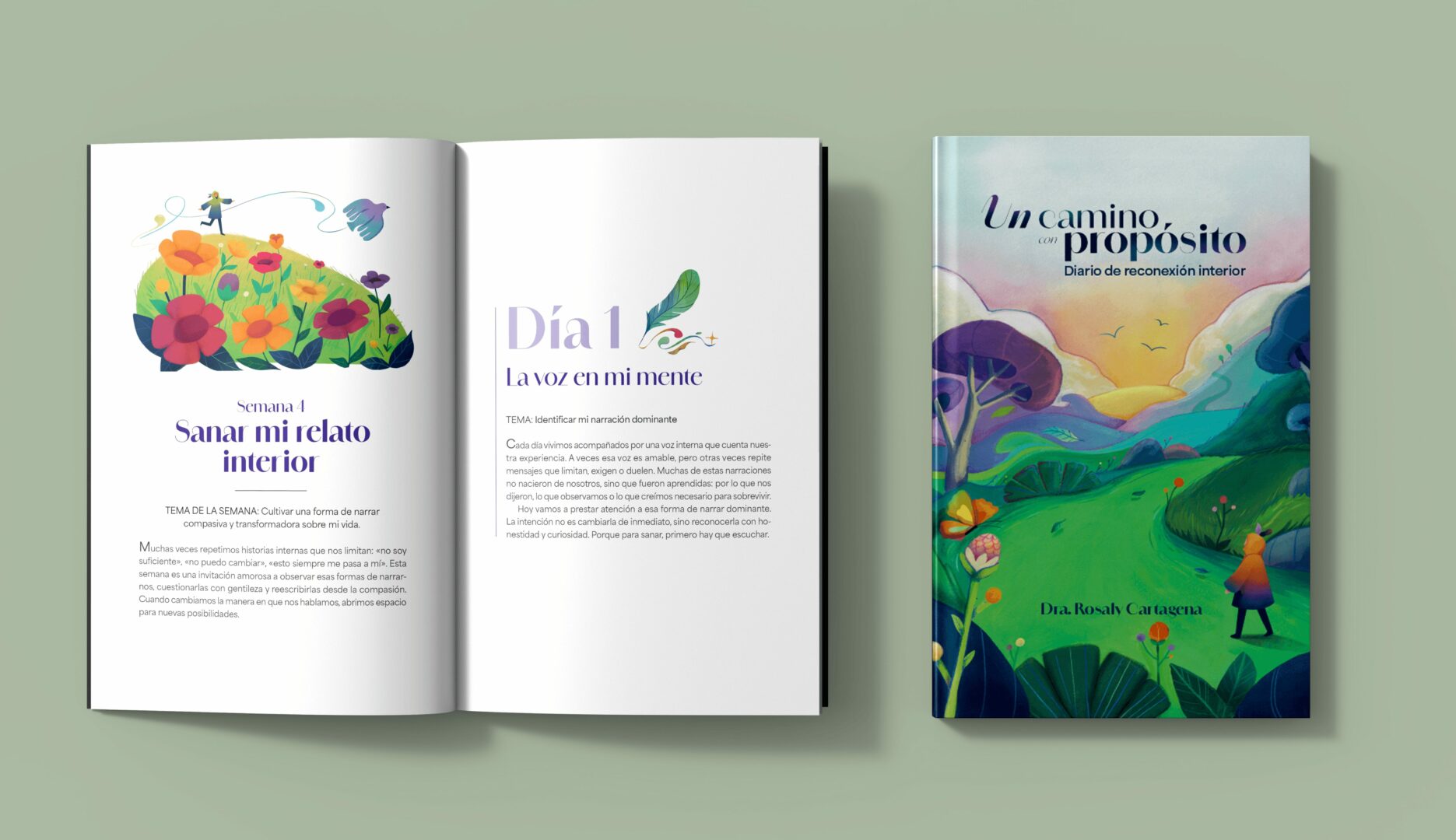
Book | Un Camino con Propósito Diario de conexión:
Book written by Dra Rosaly Cartagena
Layout Design by Paula Forero
Illustrations by Alejandra Matiz
so if you or someone you know deserves recognition please let us know here.