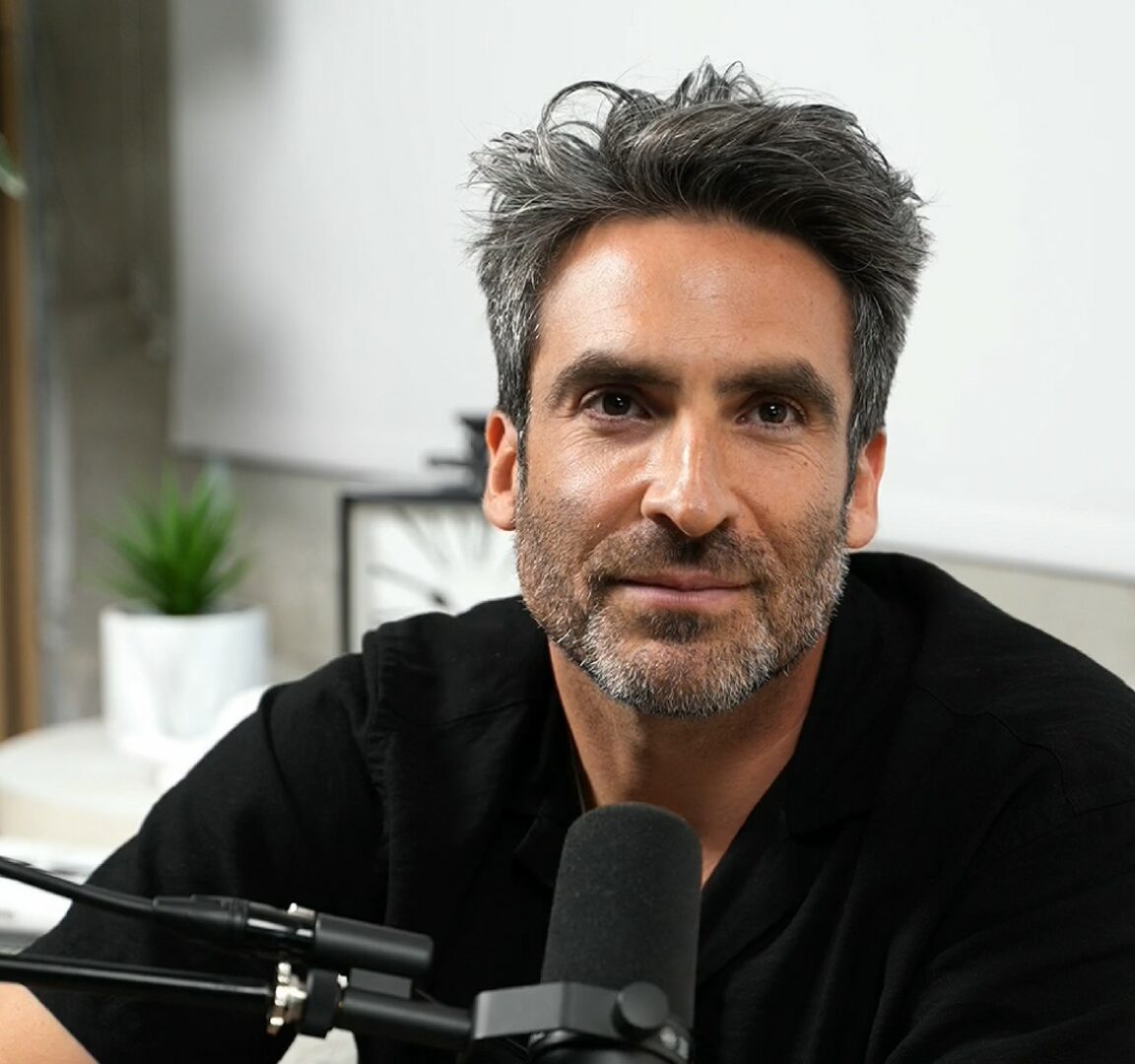
We recently connected with Alex Cohen and have shared our conversation below.
Hi Alex, appreciate you sitting with us today. Maybe we can start with a topic that we care deeply about because it’s something we’ve found really sets folks apart and can make all the difference in whether someone reaches their goals. Self discipline seems to have an outsized impact on how someone’s life plays out and so we’d love to hear about how you developed yours?
Honestly, my self-discipline really came from two places: sports and my parents.
I started playing ice hockey when I was five, and that environment teaches discipline quickly. If you want to get better, nobody forces you to do the extra work. You have to choose it yourself. That meant practicing stickhandling on my own, doing off-ice training, working out, and still keeping up with school.
A lot of the time the places where I had to get my work done were not typical. My “desk” was often the back seat of the car or a corner of The Miami Arena, the old home of the NHL Florida Panthers. When your schedule is packed like that, you learn time management, efficiency, and how to block out distractions pretty quickly.
At the same time, my parents reinforced that discipline in a really smart way. They gave me a lot of autonomy growing up, probably more than most kids, but it came with expectations. My grades had to stay up. If I did that, I kept my freedom. If not, it was restricted. So very early on I learned that discipline created opportunities and freedom.
As I got older, through boarding school, college, and eventually working for myself, that internal system really stuck with me. When you work for yourself, nobody is telling you what to do every day. The discipline has to come from within. For me, that foundation was built early through sports and reinforced by how my parents raised me.
Great, so let’s take a few minutes and cover your story. What should folks know about you and what you do?
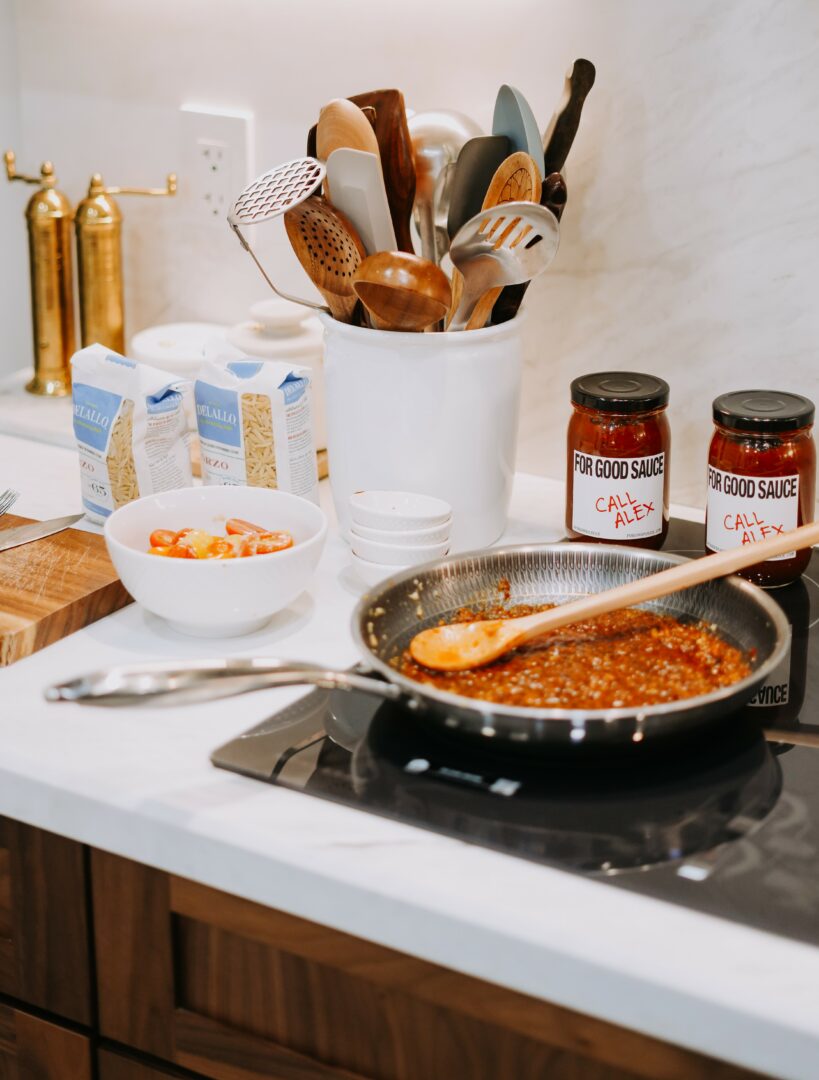
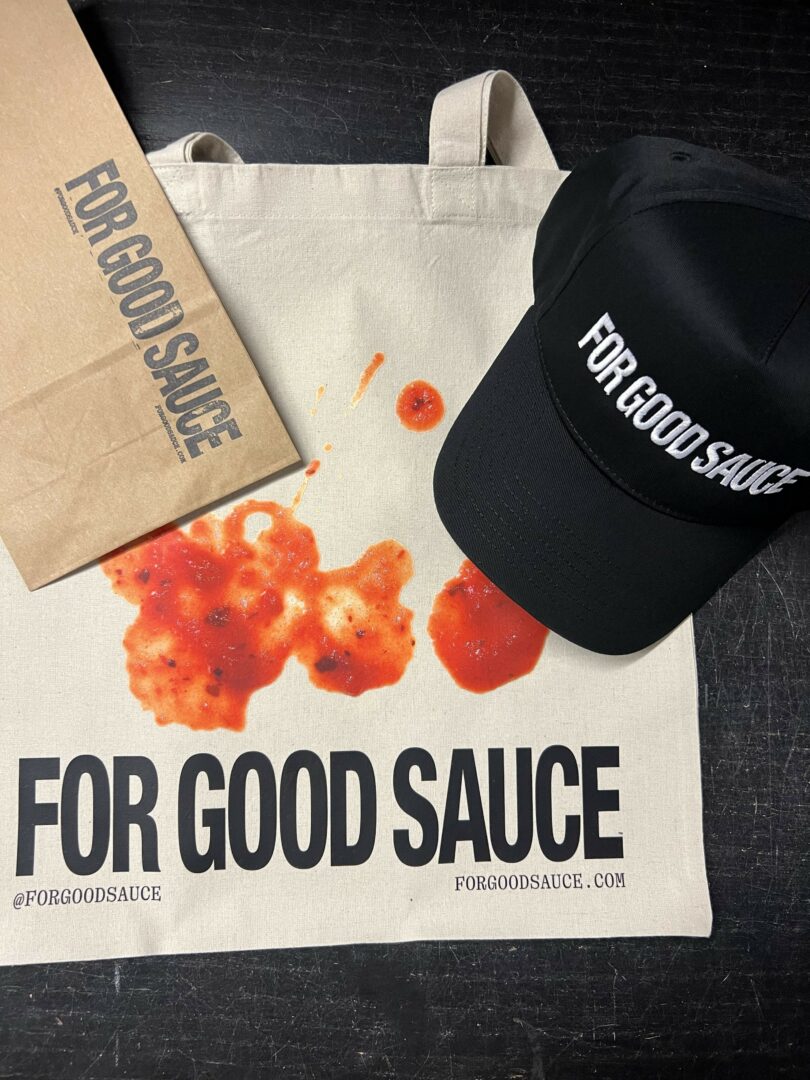
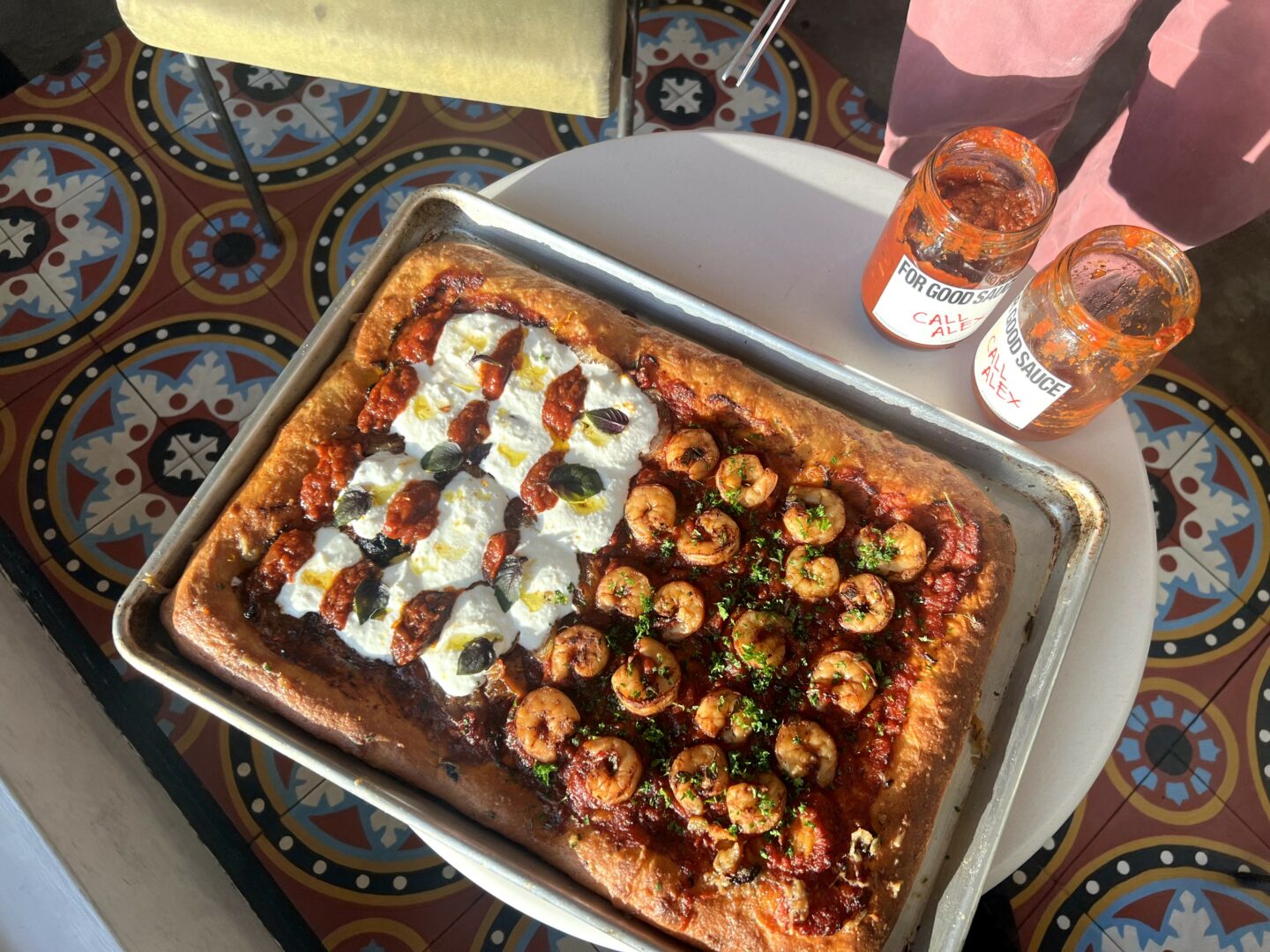
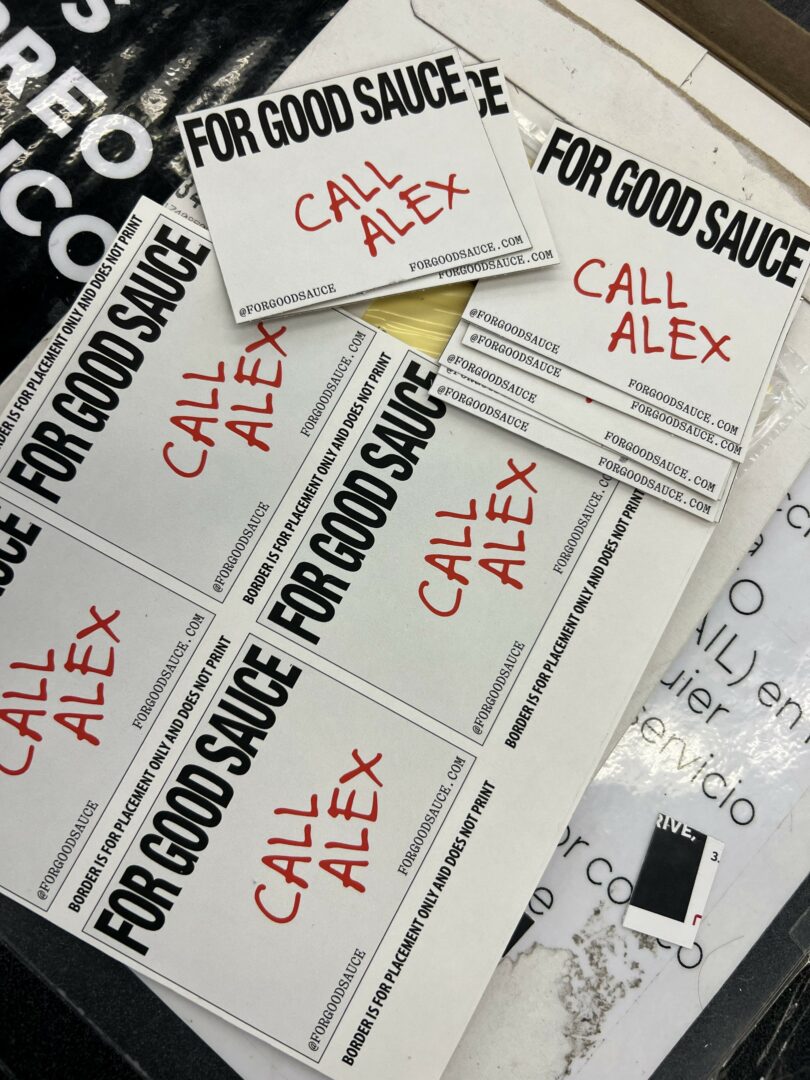
I run a sauce brand called For Good Sauce. At its core, the idea was pretty simple. I didn’t want to make another pasta sauce. I wanted to make a slow-cooked, tomato-based sauce with a really deep savory profile that people could use across their entire kitchen.
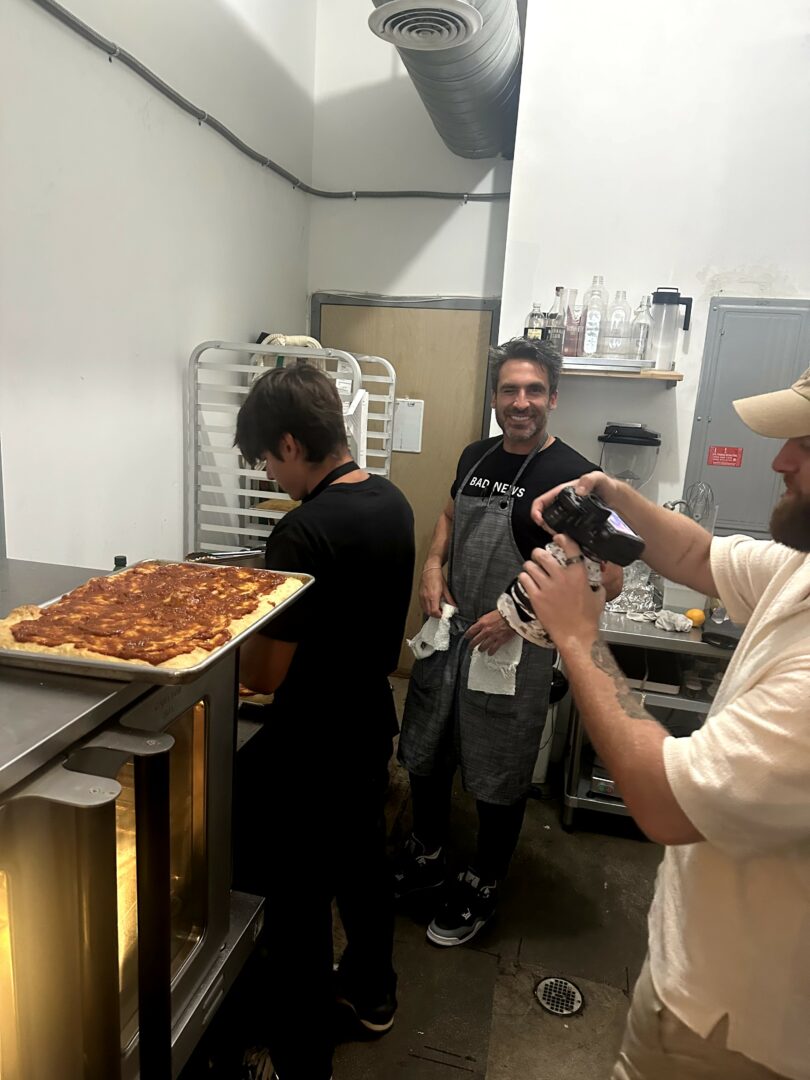
Most red sauces live in this one lane where you pull them out for pasta and that’s about it. I was more interested in creating something that could show up everywhere. Eggs in the morning, pizza, a topping for grilled meat, a sandwich spread, or as a dip. The goal was always one jar that could do a lot of different things.
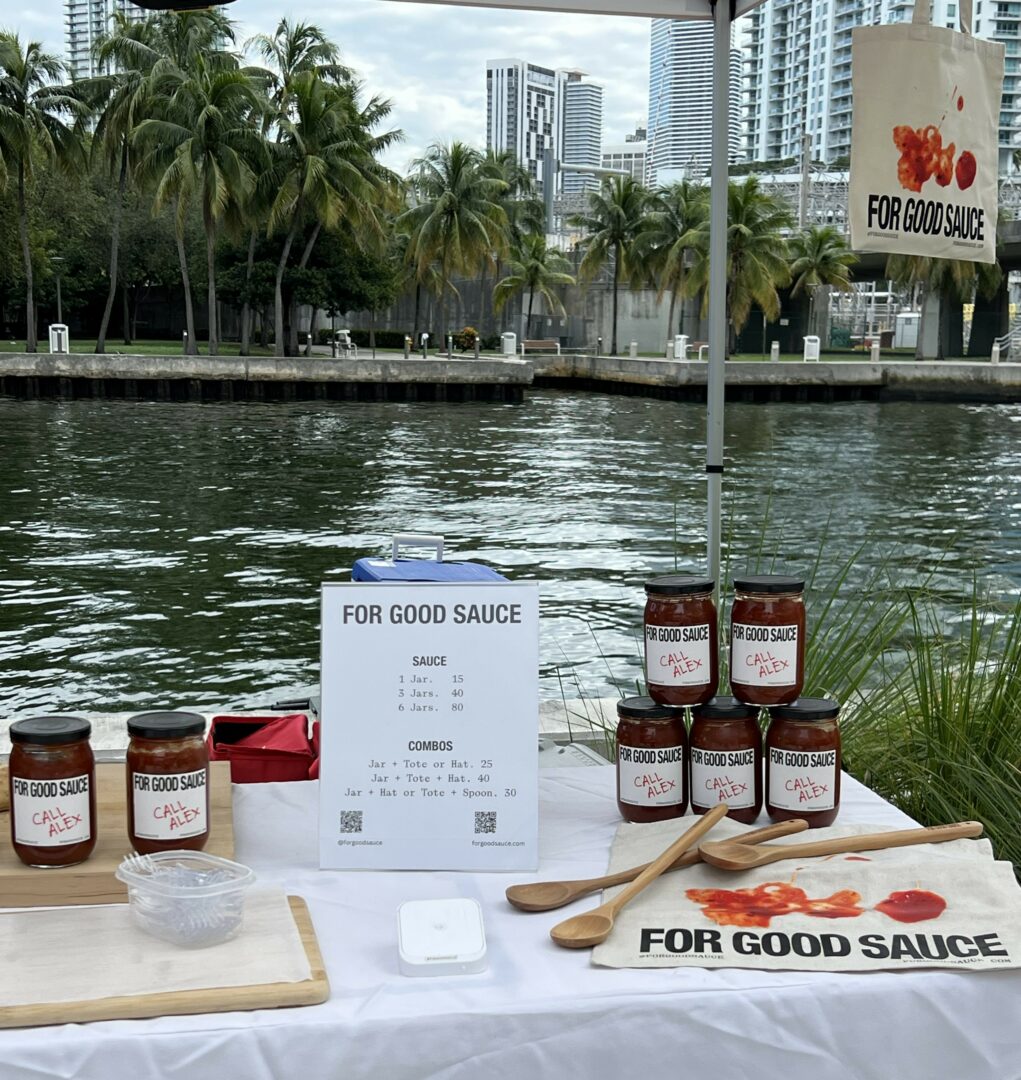
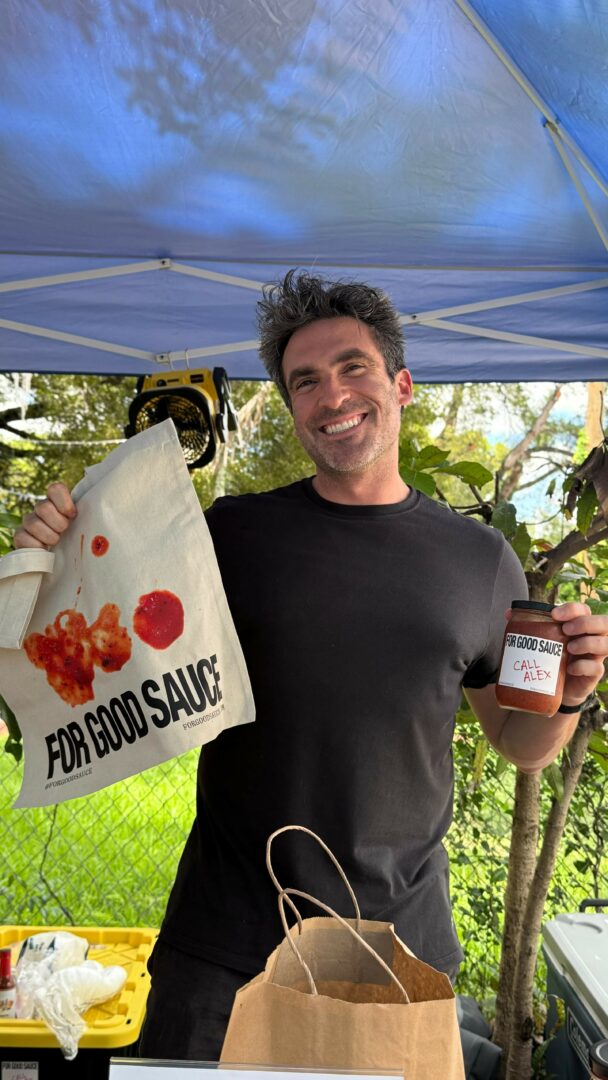
One of the most exciting parts of building the brand has been selling at the Coconut Grove Farmers Market in Miami. It’s basically become a real-time test kitchen and focus group. People come back week after week telling me how they used it, and sometimes the ideas are better than the ones I had in mind.
What’s been really interesting to watch is the shift in how people think about it. At first they see it and assume it’s just another pasta sauce. But once they try it, something clicks. They realize it’s a lot more versatile than they expected and start treating it more like a kitchen tool, something they keep around to upgrade whatever they’re cooking.
Right now the focus is continuing to grow the brand locally in a couple of ways. One is expanding into local and specialty grocery stores so people can find the sauce more easily. The other is continuing to show up at the farmers market. That’s been a huge part of building awareness, and it also gives people a place to buy it directly and have a chance to talk with me and hear the story behind it.
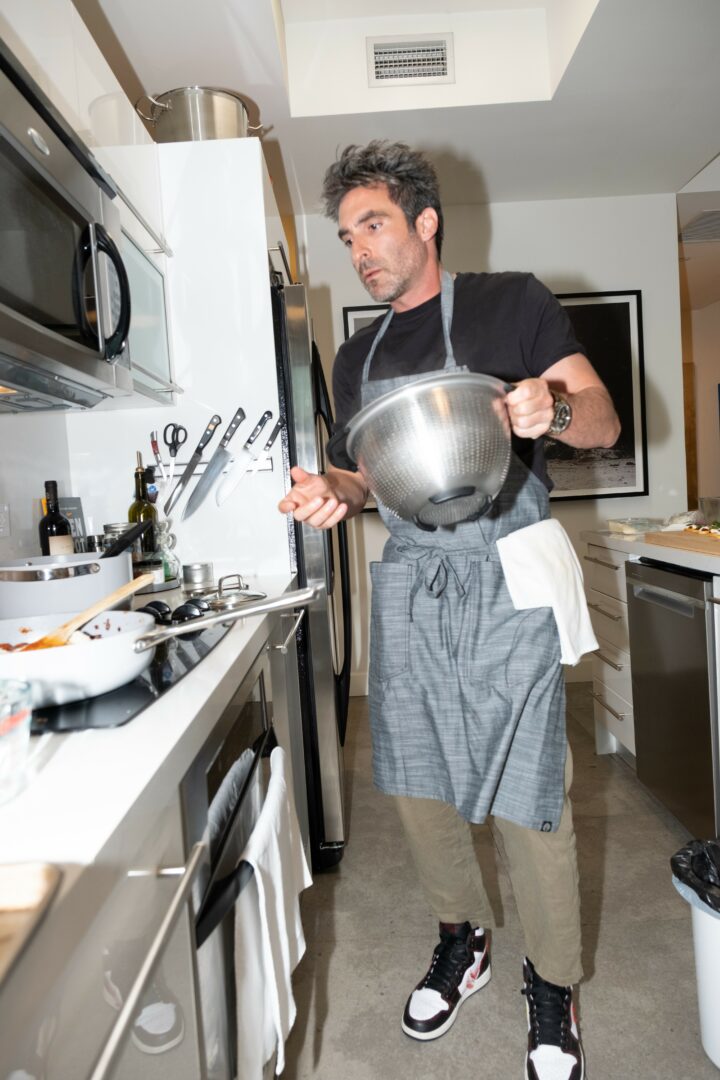
There is so much advice out there about all the different skills and qualities folks need to develop in order to succeed in today’s highly competitive environment and often it can feel overwhelming. So, if we had to break it down to just the three that matter most, which three skills or qualities would you focus on?
First, I want to be clear that my journey is still far from over and very much in its infancy, so anything I say is coming from a humble place based on what I’m currently going through.
The first is learning to release control. When you’re trying to create something from nothing, a lot will go wrong or not go according to plan. If you try to control every variable, you’ll burn all of your energy just fighting the chaos. At some point you have to accept that things will unfold in ways you didn’t expect. Interestingly enough, this mindset has also carried over into my personal life and helped me understand the old saying that “man plans and G-d laughs.”
The second is accepting the emotional volatility that comes with choosing a path like this. I’m still learning how to manage this one. When you start something like this, you’re tied to it in ways you can’t fully understand until you’re in it. The highs can feel incredible and the lows can feel heavy, sometimes within the same day. Learning how to ride those waves without letting them derail you is a big part of the process.
The third is getting comfortable with feeling lost. There are moments where you think you have a clear path forward and then suddenly that path disappears. Other times you simply don’t know what the next move is. That uncertainty can be unsettling and uncomfortable, but it’s also where a lot of growth and creativity happen.
For people early in their journey, my advice would be to expect these things rather than fight them. The sooner you realize that uncertainty, emotional swings, and things not going according to plan are part of the process, the easier it becomes to keep moving forward. Easier might not be the right word, but it does make it easier to stay committed to the journey.
As we end our chat, is there a book you can leave people with that’s been meaningful to you and your development?
It’s actually not a book but a podcast called How I Built This. It’s played a really important role for me in ways that were both expected and unexpected.
The podcast features entrepreneurs talking about how they built their companies, but what I appreciate most is that it doesn’t just highlight the wins. It spends a lot of time on the struggles, the near failures, and the hardships people go through along the way.
When I first started listening, I thought of it almost like a collection of case studies. I figured if I listened to enough of these stories, I’d build up a catalogue of information in my head, whether consciously or subconsciously, that might help me navigate my own journey.
But the part I didn’t expect was how much it helped on a personal level. Listening to those interviews has kept me company during a lot of long days, and there were moments where founders would talk about what they were feeling during their journey, the uncertainty, the stress, the doubt, and I realized I was going through many of those same things.
In a strange way it felt like stumbling into a support group. It reminded me that building something isn’t a perfectly linear path filled with win after win. It’s messy and difficult at times. Hearing those stories helped humanize the process and also disrupt the narrative that social media often pushes, which is that success is overnight and struggle doesn’t exist. It reminded me that building something rarely looks the way it does on social media.
Contact Info:
- Website: https://www.forgoodsauce.com
- Instagram: forgoodsauce
so if you or someone you know deserves recognition please let us know here.