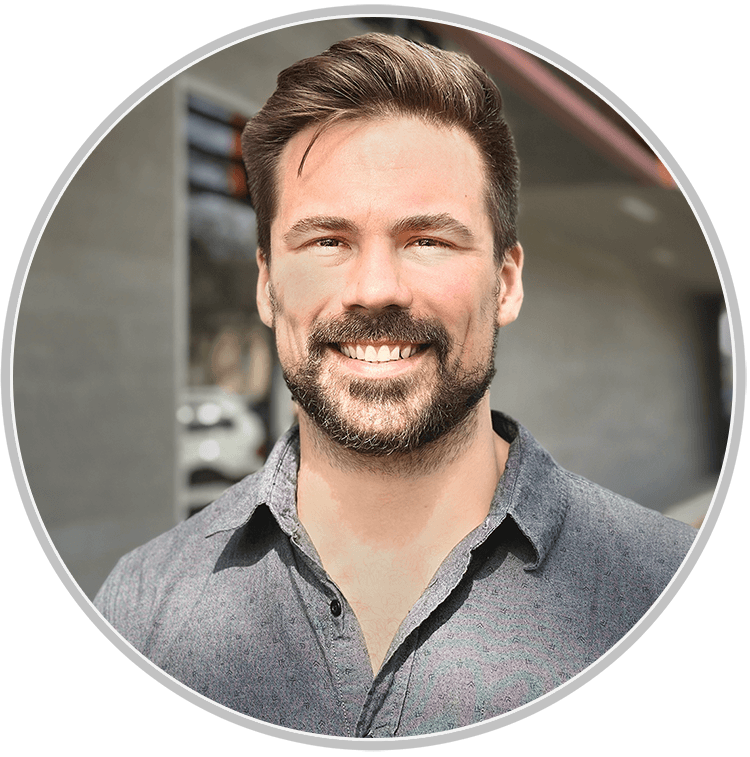
We caught up with the brilliant and insightful Alex Dzierbicki a few weeks ago and have shared our conversation below.
Hi Alex, so happy to have you with us today and there is so much we want to ask you about. So many of us go through similar pain points throughout our journeys and so hearing about how others developed certain skills or qualities that we are struggling with can be helpful. Along those lines, we’d love to hear from you about how you developed your ability to take risk?
Risk is sometimes misrepresented. There are many types of risk. Sure there’s probability and expected quantitative loss, this is how risk is represented in economic models. But there’s also qualitative risk, which is harder to define but no less important. There’s also time, often risky behavior is thought of as impulsive, quick action (putting it all on red). Sure you have to deal with the consequences if it goes bad but the entire transaction is often completed in minutes. But there’s far worse risk. There’s risk that once you enter, stays alive and constant for long periods of time (investing in a volatile business/market, or living without health insurance in between jobs). This risk carries an expected loss but it also carries a residual cost. It takes mental fortitude to live with that kind of risk unaffected, how does one calculate that cost? When can that be worth it? When shouldn’t it be? There’s also unknown risk, which is there all the same, it’s probability and expected loss exist despite lack of awareness.
I believe that the key to taking the right risks is exploring and understanding oneself and weighing that against available data. It involves asking hard questions of oneself and others, it involves honesty and objectivity applied to deeply subjective concepts and circumstances. It has taken me a long time to get to my current risk profile and skillset therein, and I certainly still have a great deal to learn.
Thanks for sharing that. So, before we get any further into our conversation, can you tell our readers a bit about yourself and what you’re working on?
Alex is a passionate advocate for the empowerment of virtuous entrepreneurs and the positive impact they can have on their communities. With a background spanning various industries, from finance to fitness, Alex found his true calling in providing strategic business advice to small and medium-sized businesses (SMBs). Across multiple projects, Alex’s mission is clear: to guide virtuous entrepreneurs in defining and achieving their infinite purpose and business objectives, ultimately driving positive change in local communities and promoting economic equity. Through a holistic approach that emphasizes purpose-driven leadership and strategic decision-making, Alex helps his clients navigate the complexities of business ownership, empowering them to cultivate sustainable growth and make a lasting impact.
If you had to pick three qualities that are most important to develop, which three would you say matter most?
1) Curiosity: My brain is happiest when I’m learning, but all learning isn’t the same. The healthiest learning for me is knowledge that I am actively pursuing. Said differently, one can engage in learning without curiosity but it’s much less fun. Curiosity cannot be faked but it can be cultivated. I believe every person should be aware of what their next DESIRED learning is. If one doesn’t feel that, it’s important to ask oneself why. Often, it’s because there’s some greater mental burden (fear, stress, fatigue, etc.) preventing curiosity from growing. Removing or structuring the negative stimulus or load is the surest way to allow curiosity to flourish. It cannot be forced, it can only be freed.
2) Composure: Being able to hold my mental equilibrium in the face of negative stimulus has paid huge dividends in my adult life, both mitigating losses and maximizing benefits. I think the most important thing when it comes to composure is to understand one’s mental landscape. We all feel emotions, fear and anger being two of the most destructive. Understand that these feelings are inevitable, but serving them is a choice. I’m certainly not perfect at this, nobody is, but increasing the amount of time I spend wholly aware of what my actions are serving has been the biggest single factor in maximizing my composure abilities.
3) Communication: Going through life unable to inspire and be inspired by others is like playing a team sport by oneself. In my experience, one of the most significant detriments to collaborative inspiration is communication, both giving and receiving. Being able to boil down one’s own message or the messages of others and transfer it is the prerequisite to all collaborative growth. Best practice here is…practice! Validate what your are saying to others, ensure their understanding. Learn from the gap between what you think you say and what people hear/retain. Validate what others are saying back to them, start to tinker with your framework for receiving and synthesizing new information. The reality is that we all can and should be constantly working to improve our two-way communicative capacities.
Okay, so before we go we always love to ask if you are looking for folks to partner or collaborate with?
I seek to wrap myself with virtues-driven business leaders, folks who have the ambition and risk-tolerance to start a business along with the character to leverage their success for the good of others. Virtuous business leaders improve the well-being of their employees, vendors, and customers while fostering the growth of community and local economy. They’re better stewards of people and resources than greed or wealth driven leaders ever could be. Those who chase wealth for wealth’s sake and those who exploit others through wage/price gouging or manipulation have no place in my ideal future. If any of this resonates with you and building a better economic landscape through virtuous leadership is something you’re also pursuing, connect with me on LinkedIn or shoot me an email [email protected]
Contact Info:
- Email: [email protected]
- Linkedin: https://www.linkedin.com/in/alex-dzierbicki-a6148175/

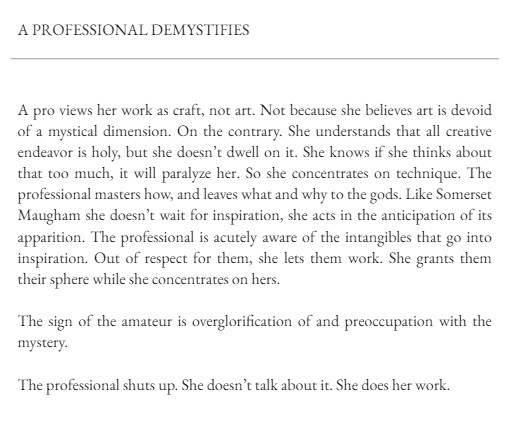
Image Credits
The War of Art – Steven Pressfield