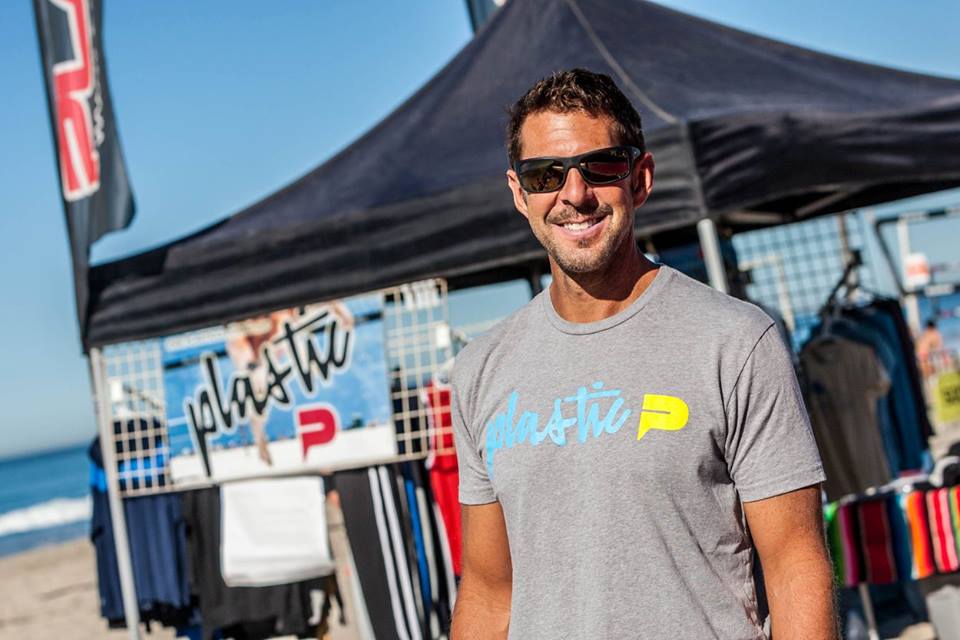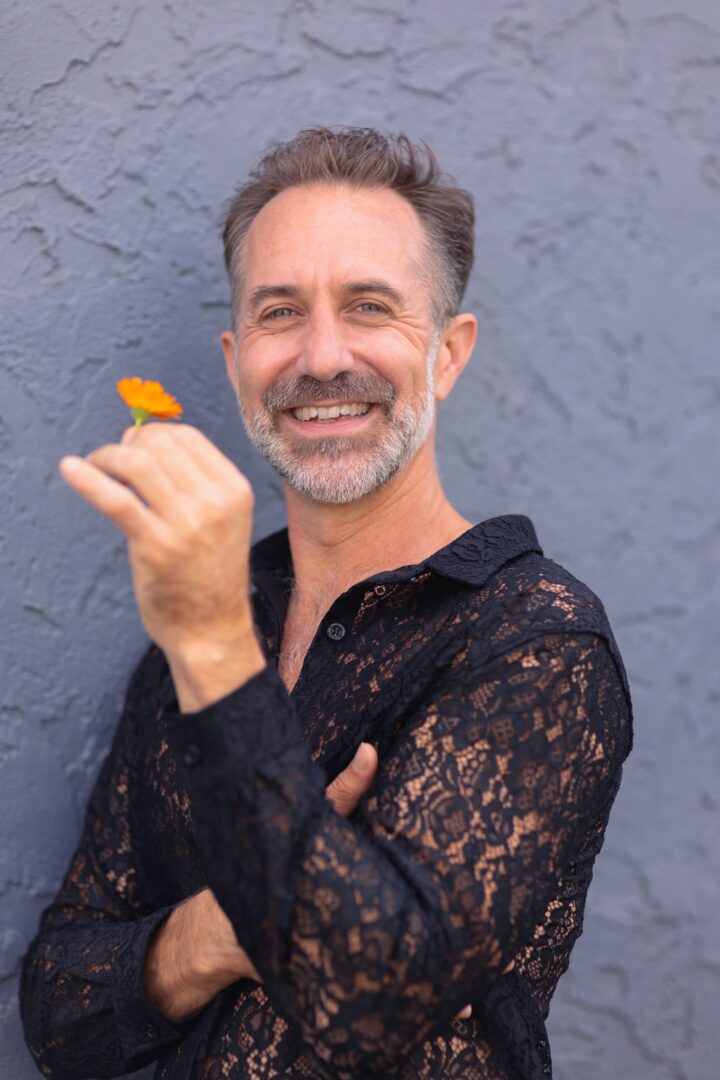
We recently connected with Alex King-Harris and have shared our conversation below.
Hi Alex, thank you so much for joining us and opening up about the very personal topic of divorce. So many in the community are going through or have gone through divorce and we think hearing about how others dealt with the aftermath and managed to build a vibrant, successful life and career despite the trauma of divorce can be helpful to many who might be feeling a degree of hopelessness. So, maybe you can talk to us about how you overcame divorce?
Short/Poetic Version:
I learned to see my own fingerprints on the pain—my projections, my narratives, my wounds. Rather than blame, I turned my rage and grief into prayer, into ritual, into sacred work on myself. My ex-wife and I chose conscious uncoupling: we witnessed each other’s truths, I owned the ways I couldn’t fully show up, and together we created something ceremonial and real—staff and fire, salt and tears buried in the earth. Our culture skips this part. We get stuck in blame when what we’re really seeking is to feel our yearning for something vast and unknowable. The divorce became a doorway to that.
Long version:
First and foremost, I learned to become aware of the judgements, resentments, blaming and victimization present in so many relationships – perhaps most intensely in our closest, most intimate ones.
I took an inventory of all the relationships I could remember where I experienced the pain of separation, and I looked honestly and fearlessly at what happened, and how I contributed to the pain – whether it was through my projections onto the other person, beliefs that I held about them or myself, or other narratives that were designed originally to protect me, but ended up contributing to the degradation of trust and transparency.
Then I took some time away from my former wife and brought all of my anger, rage, frustration and grief to the altar. Meaning I turned it into a prayer for my life, for freedom, for ending suffering, for growing beyond the habitual ways of thinking and feeling that no longer served me or my heart.
I did ritual, sought council, looked deeply into myself and did the work required to transform myself, never making my former wife wrong or bad for her choice to end our marriage.
She and I also invested quite heavily at the time in a conscious uncoupling process that was supported by a therapist and members of our community. I allowed her to write out a letter to me of what it was like being with me, and I took responsibility for all the places where I couldn’t fully commit, couldn’t fully show up as the partner she needed me to be. This may seem one sided, but I struggled with addiction during our marriage and had badly wounded boundaries with both drugs and with other women, so there was a lot for me to own. Later, when we were both more integrated, she was able to own her side of our story and see the fuller picture of our marriage.
We also co-created a very powerful uncoupling ritual that was truly beautiful and grief soaked. We met at the Ashland Goddess Temple, a place that she co-founded after a very powerful trip to Glastonbury that I took her on years before. I had been instructed to put together a staff for myself with my purpose written all over it, and she was called to create a fire and dance to the Great Mother with the flames as her muse and witness.
I hammered the staff into the ground with a sledge while speaking my purpose out loud. As the momentum built, with my former wife dancing in front of a fire across the field, both of us being witnessed by a single friend and confidant, I found myself simplifying what I was saying, turning many different purposes into a few powerful ones. Then the staff began to splinter and I was cutting my hands trying to get it all into the ground while screaming out my purpose – bleeding, crying.
Then we met in a small island next to the Goddess Temple, created a circle with salt and corn, and used sage to release each other from the bounds of matrimony. After that we dug a hole with our hands, and buried a crystal wrapped in fabric that had been soaked with our tears.
Needless to say all of this was very transformative, and helped me ‘overcome’ divorce. Our culture by and large has no skill in this area. We get wrapped up in blame, shame, victimization, and trap all the energy that could otherwise be channeled and released so that we can transform fully and benefit from all the love, devotion, pain and suffering that we experienced while coupled so deeply with another. For what we are all truly seeking is to feel our yearning for the Great Beloved that is vast and unknowable but lives in the deepest places of our heart.
Thanks for sharing that. So, before we get any further into our conversation, can you tell our readers a bit about yourself and what you’re working on?
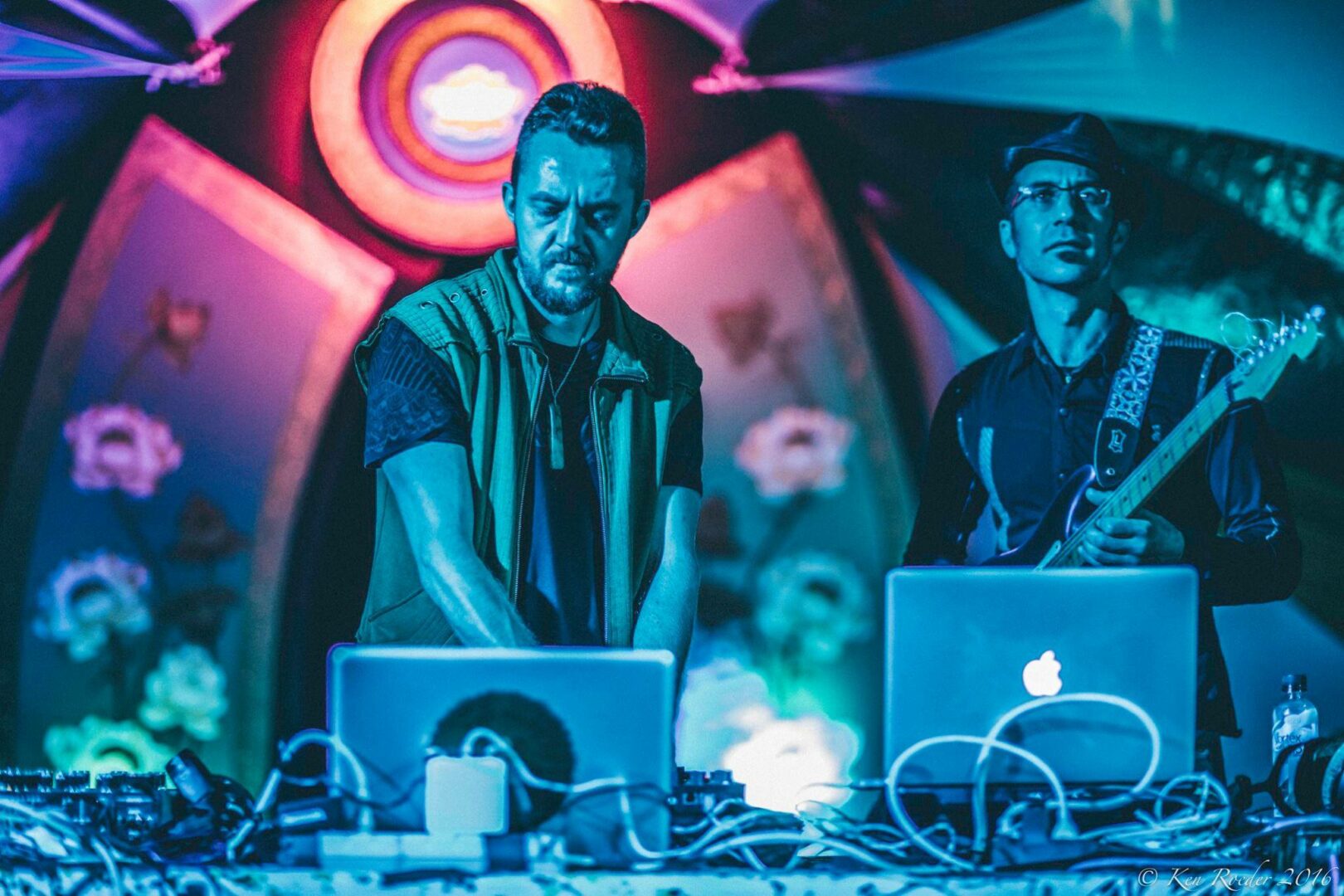
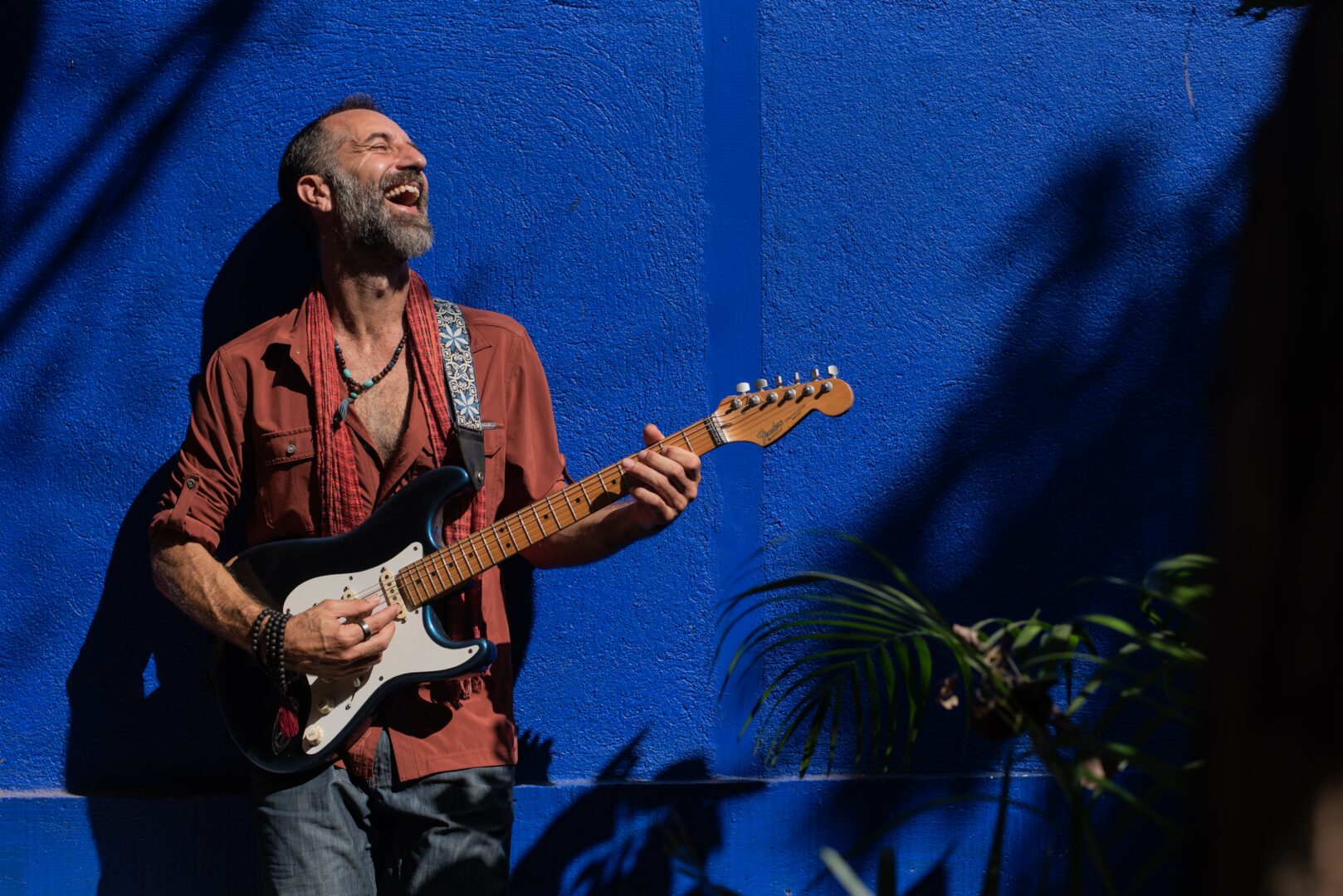
I’m Rara Avis—a musician, breathwork facilitator, and co-founder of EvolveWell. Those things aren’t separate; they’re the same impulse lived out in different ways.
For the last 25 years, I’ve been making music that lives in transformational spaces. My work has been featured in the New York Times and LA Times for off-Broadway soundtrack design, and I was nominated for the Drama Desk NY Critics Award. I’ve been a core member of Liquid Bloom, Desert Dwellers, and Shaman’s Dream, and my releases have been played over 20 million times globally—they’re staple ingredients in yoga classes, massage clinics, birthing rooms, and spaces where people are doing their deepest work.
I’ve also collaborated with some incredible visionaries: Joe Dispenza uses my voice in his guided meditations, I recently worked with Mooji on a breathwork and meditation project, and I’ve had the privilege of creating with Shiva Rea, Duncan Wong, Jai Uttal, Deva Premal, Snatam Kaur, and Mose—alongside a constellation of other amazing creative visionaries whose work has shaped mine. That collaboration taught me something crucial: sound, breath, and authentic presence are gateways home to ourselves.
Working so deeply in the yoga and wellness space, I realized there was a gap. Studios needed access to high-quality, independently-created music, but artists weren’t being fairly compensated. So I built YogiTunes.com with my friends from Desert Dwellers (Amani Friend) and Shaman’s Dream (Sahuna Love, aka Craig Kohland)—a comprehensive streaming platform for yoga studios that provides commercially cleared independent music, partnered with Yoga Alliance to deliver quality indy music directly to studios while fairly compensating artists. That taught me something else: technology can actually serve the creative and healing communities if it’s built with integrity.
But I realized music and music platforms alone weren’t enough. Coaches and facilitators—people doing real transformation work—needed tools and support to actually serve their clients well between sessions. So I co-founded EvolveWell, an AI-assisted coaching platform that gives coaches insights, course creation tools, and client support. But here’s the thing: we’re also committed to building mindful culture. We offer free breathwork concerts and transformational music—proceeds go to charity—because the work itself matters more than monetizing it.
I was initially trained as a competitive gymnast and competed at the Canada Games. I love athletics, but over time I realized I thrive in the spirit of collaboration rather than competition. So my journey shifted toward embodied experiences—dance, rock climbing, rollerblading—where the focus is on presence and connection rather than winning. I was also formally trained as a jazz, classical, and ethnic musician at Vancouver Island University, then spent two years in a yoga and music cancer therapy apprenticeship with David Goulet. I’m a yoga teacher, ski instructor, ski patroller. I love both teaching and learning.
My personal struggles with addiction and relational patterns—the work I’ve done in recovery, therapy, and men’s groups—that’s what informs everything. It’s why I know what transformation actually requires. It’s why I can sit with someone’s grief or joy and hold space for it. It’s why technology without soul feels hollow to me.
What excites me most is the convergence: ancient wisdom + modern technology + art + healing + community. Using my voice, my music, my breath work to help people find their way back to themselves. And building tools that help other facilitators do the same at scale. Not because we’re trying to get rich, but because there’s so much unnecessary suffering, and we actually can help reduce it.
If you had to pick three qualities that are most important to develop, which three would you say matter most?
The first is radical self-honesty. Be true to yourself, and get curious about the parts of you that are protecting yourself and the world from who you really are. That protection usually made sense at some point—it kept you safe. But at a certain point, it becomes a cage. I spent years uncovering those protective layers, looking at my patterns around addiction, my wounded boundaries, my relational blind spots. That curiosity—not judgment, but genuine curiosity—changed everything.
The second is compassion practice. This is non-negotiable. Find practices that help you generate compassion, kindness, love, and acceptance for yourself and for the world around you. Therapy, breathwork, meditation, men’s groups, whatever it is—these aren’t luxuries. They’re the foundation. Because you can’t offer what you haven’t cultivated in yourself.
The third is generosity with your gifts. This one’s tricky in our economy. Be willing to offer what you love to do, what makes you happy, as generously and freely as possible. Don’t ask your gifts to pay the bills until the world is literally banging down your door trying to stick money in your pocket. If you reveal your gold too soon and put pressure on it to generate ROI, it often backfires. The thing you love sours and becomes meaningless. I’ve watched this happen to so many artists and healers. Your gifts are sacred—protect that sacredness first.
For folks early in their journey: start with self-honesty and compassion. Those two will guide you toward what’s real. Then trust that if you’re generous with what you love, if you keep offering it even when there’s no immediate payoff, the world will eventually respond. But that response comes after the work, not before it.
What do you do when you feel overwhelmed? Any advice or strategies?
I slow down. First thing. I use relaxation practices to soothe my nervous system—breathwork, mostly, since that’s my language. Then I reach out to my trusted circle: friends, guides, mentors, wisdom keepers I know will help me find perspective.
But the real work happens internally. I remind myself that I’m not in control of most things in life, except for my breath and the quality of my experience. That’s it. Everything else is weather.
I ask myself what feelings I might be ignoring or trying to distract myself from. I do a body scan—where’s the tightness, numbness, constriction, pain? Because overwhelm usually isn’t about the circumstance; it’s about something I’m not feeling. Once I locate it somatically, I can actually work with it.
I also try to remember that I’m enough just the way I am. I don’t need to please, perform, or succeed in order to feel satisfied with my life and worthy of love. That one’s still a practice—it goes deep—but it shifts everything when it lands.
I also remember that suffering isn’t personal. It’s often inherited, magnified by trauma. So I feel into my ancestors and ask them for strength and forgiveness. We’re healing from a culture that learned to survive through fear, scarcity, control, and competition. We’re remembering how to live a life of love, kindness, reciprocity, and balance. That’s bigger than my overwhelm.
Finally, I ask life to remind me that I belong to it—that I’m never separate. And if I keep focusing on letting go, softening my body, breathing strong and deep, becoming a witness to my experience, and doing things that help me become quiet and contemplative again—everything will work out fine.
That’s the practice. Over and over.
Contact Info:
- Website: https://www.alexkingharris.com
- Instagram: https://www.instagram.com/alexkingharris/
- Facebook: https://www.facebook.com/alexkingharris#
- Linkedin: https://www.linkedin.com/in/alexkingharris/
- Youtube: https://www.youtube.com/@alexkingharris/videos
- Soundcloud: http://www.soundcloud.com/raraavismusic
- Other: Music catalog: https://www.alexkingharris.com/music
so if you or someone you know deserves recognition please let us know here.