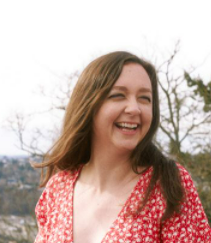
We were lucky to catch up with Alexandra Dusablon recently and have shared our conversation below.
Alexandra, appreciate you making time for us and sharing your wisdom with the community. So many of us go through similar pain points throughout our journeys and so hearing about how others overcame obstacles can be helpful. One of those struggles is keeping creativity alive despite all the stresses, challenges and problems we might be dealing with. How do you keep your creativity alive?
I made my career switch into editing so that I could work more closely with creative people, so that I could use my own creativity in my professional life. And I have been so happy to find out that my creativity isn’t depleted after a long day of editing. Creativity is not a limited resource that can run out; it is a muscle that gets stronger with exercise. I feel more creative when I step out of my routine to learn about something, explore a different perspective, or listen to someone talk about an interest they’re passionate about. Fortunately for me, every new editing project gives me the opportunity to learn new things! I’ve worked on a memoir about traveling the world, I’ve edited recipes from different cuisines, and I’ve learned all about mountaineering through a proofreading project, just to name a few! In my personal life, staying creative is all about giving myself permission to feel like a beginner—sometimes the best thing you can do for yourself is to try a new skill just for the sake of learning.
Let’s take a small detour – maybe you can share a bit about yourself before we dive back into some of the other questions we had for you?
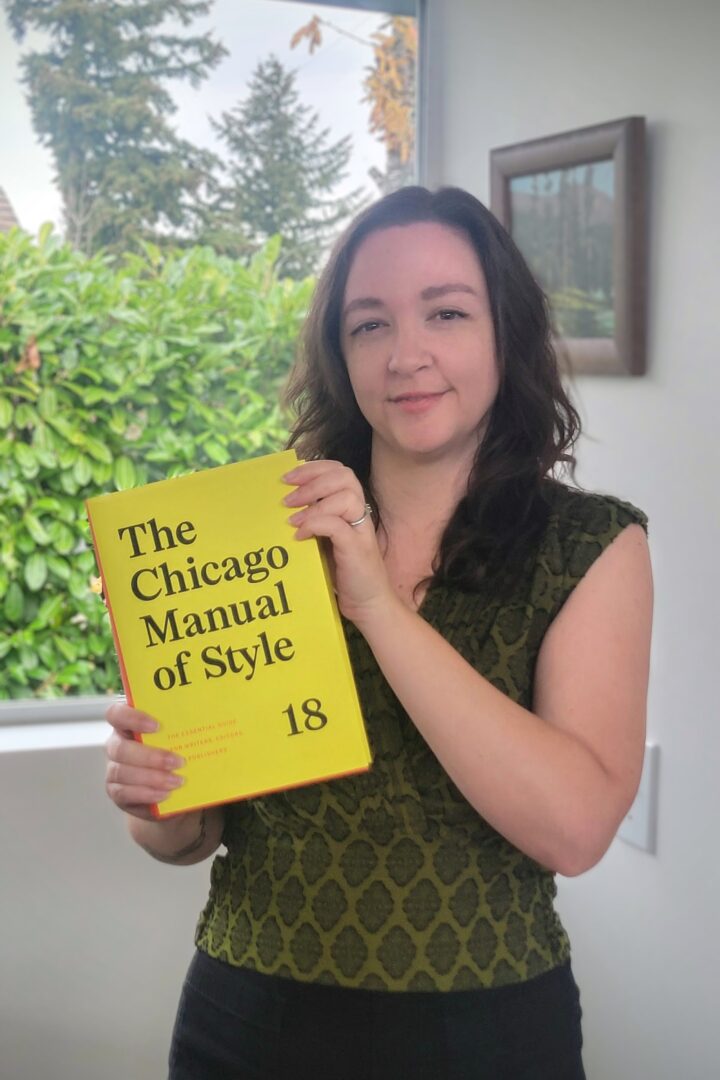
I am a mission-driven copyeditor and proofreader, and I work with indie authors, publishing companies, organizations, and entrepreneurs. My goal is to help authors create stories that resonate with readers by ensuring consistency, clarity, style, grammar, and flow. Recently, I’ve expanded my services to include audioproofing for indie authors producing their own audiobooks, which is rapidly gaining popularity in the self-publishing world. My expertise in wordsmithing comes from my editing certificate and linguistics degree from the University of Washington. I launched my business just over a year ago after spending a decade working in public service. I’m also an active board member with the Northwest Editors Guild and a proud member of the Editorial Freelancers Association.
Books are a passion of mine—reading them, editing them, and advocating for them as book bans threaten to restrict access to the very stories and perspectives that enrich our lives. So it goes without saying that I love my job.
If you had to pick three qualities that are most important to develop, which three would you say matter most?
Reflecting on my journey, I’d say the three qualities that have been especially impactful are developing a strong community, staying flexible as a freelancer, and making conscious language a top priority in my editing.
In any freelance career, building meaningful relationships is key. Whether it’s joining professional networks, attending events, or simply having casual conversations with other editors, expanding my network has opened up so many opportunities and helped me learn from others’ experiences.
Something that I had to learn quickly is that freelancing requires a high level of adaptability. Not knowing what I’ll be working on a year from now can be scary, but it’s also exciting and rewarding when I trust the process. It’s vital to build room into your schedule to pivot whenever projects, timelines, or client needs change. And always stay open to new professional development and training opportunities because you never know what skill, experience, or connection will bring you your next project!
In the editing world, being mindful of language is crucial. It’s always been important to me to keep conscious and inclusive language at the forefront of my approach to editing—to read the wonderful resources that already exist so I can know what I don’t know. For anyone just starting out, I’d recommend taking the time to learn about language diversity, bias, and the power words hold. It will make you a more thoughtful editor and help you build stronger connections with clients.
Who is your ideal client or what sort of characteristics would make someone an ideal client for you?
When it comes to working with indie authors, my ideal client is the one with a story to tell—a story that is not only personal to them but has the potential to make an impact on others. I am called to work with writers who are passionate about their work and committed to refining it, not just to sell copies but to truly connect with readers. These are the authors who see editing as a vital step in bringing their message to life in the most authentic way possible. I love working with indie authors because, stepping outside of the traditional publishing world, we can make the space to have a really collaborative and constructive editing process.
Contact Info:
- Website: https://www.dusablonediting.com
- Instagram: http://instagram.com/dusablonediting
- Linkedin: https://www.linkedin.com/in/alexandradusablon/
so if you or someone you know deserves recognition please let us know here.